How Long It Takes
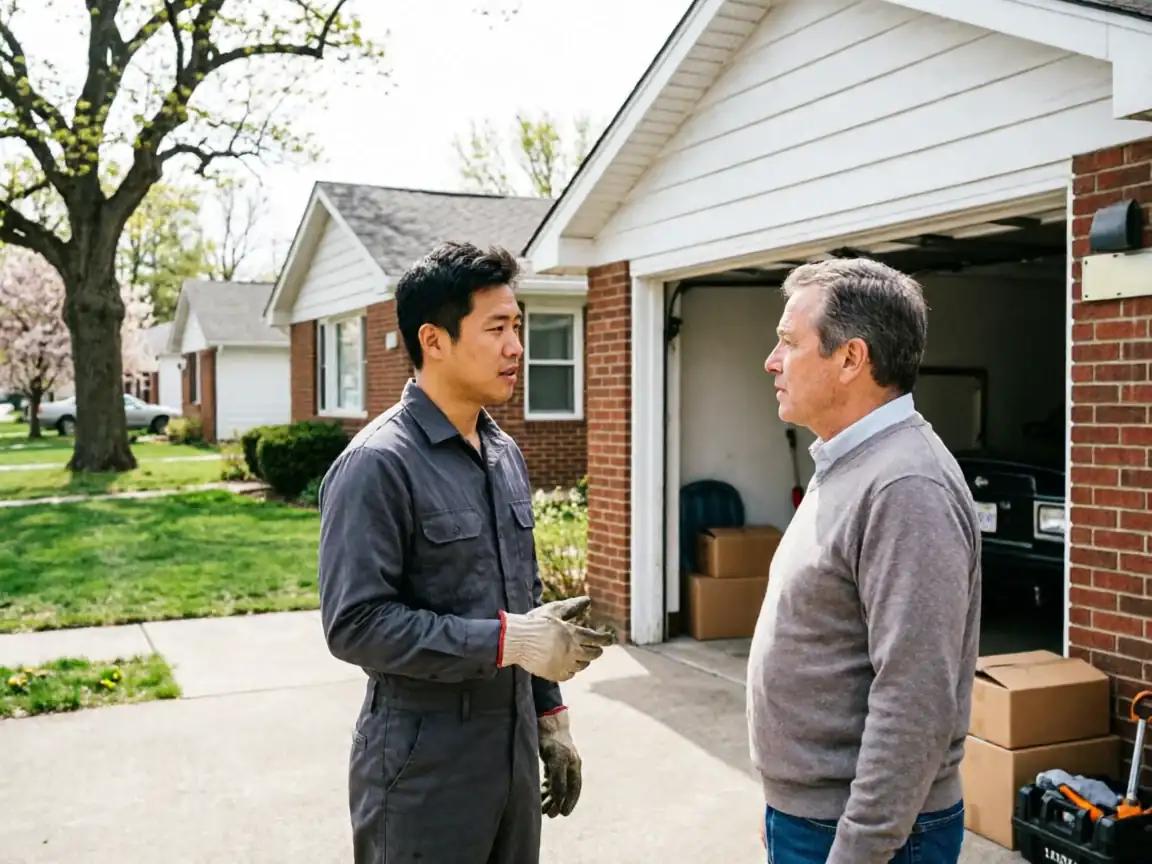
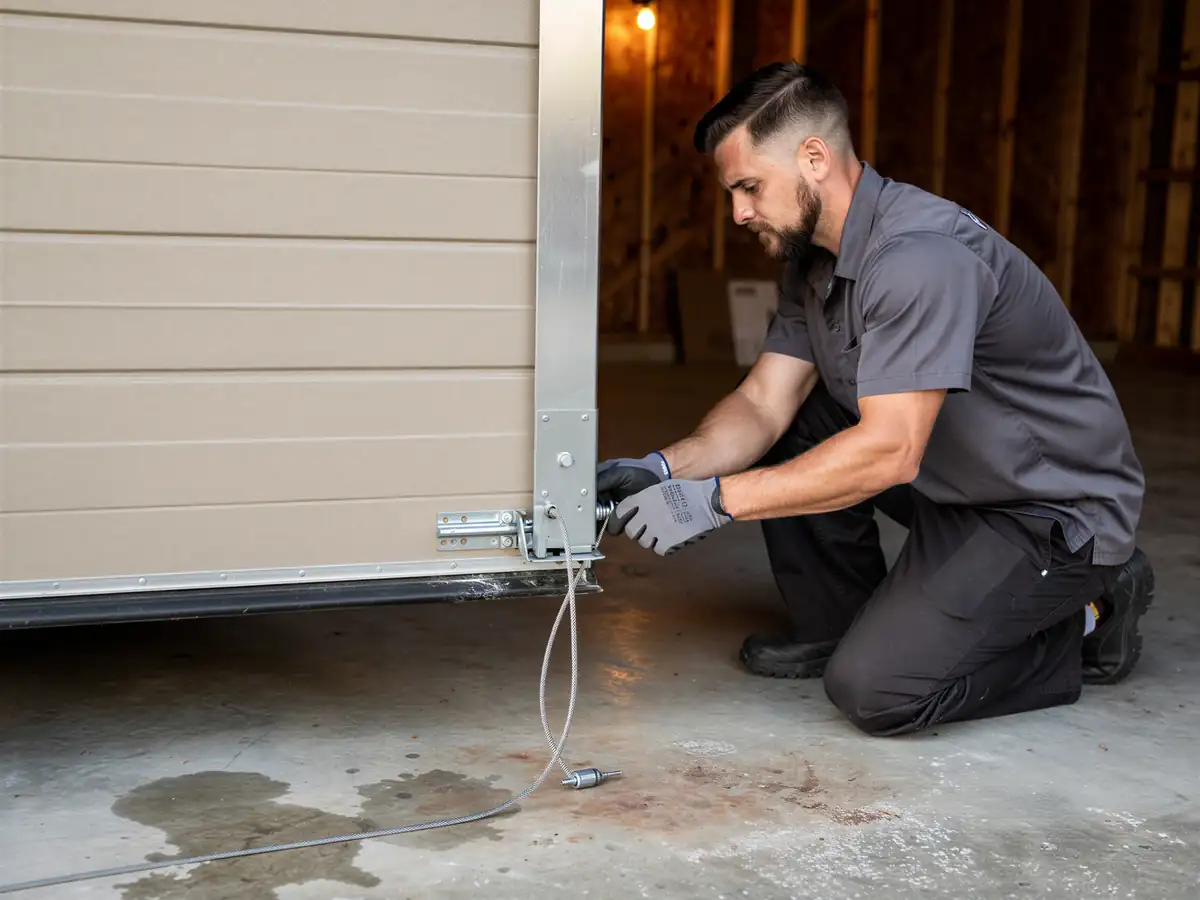
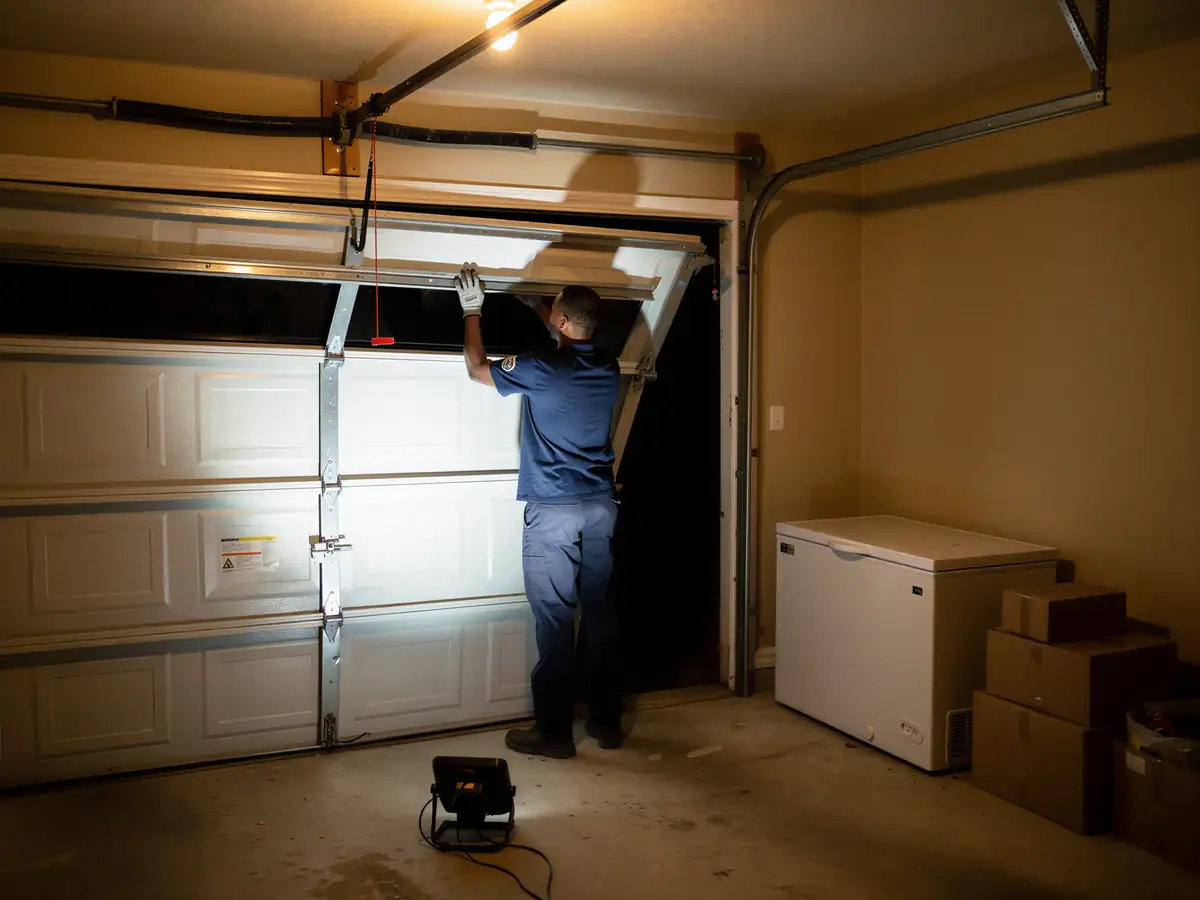
The repair itself - pulling the old spring, winding the new one, checking cable and drum alignment - usually runs under two hours once the truck is on site. The variable for Winnetka isn't the repair, it's the travel: at 19 miles from Lake Zurich, that's close to 40 minutes each way depending on traffic, so this isn't a job we can slot in as a quick add-on between closer calls. We schedule it as its own trip. If a part turns out to be a size we don't carry on the truck because of how old the hardware is, that adds a return visit, not a same-day fix.
Why This Fails Locally
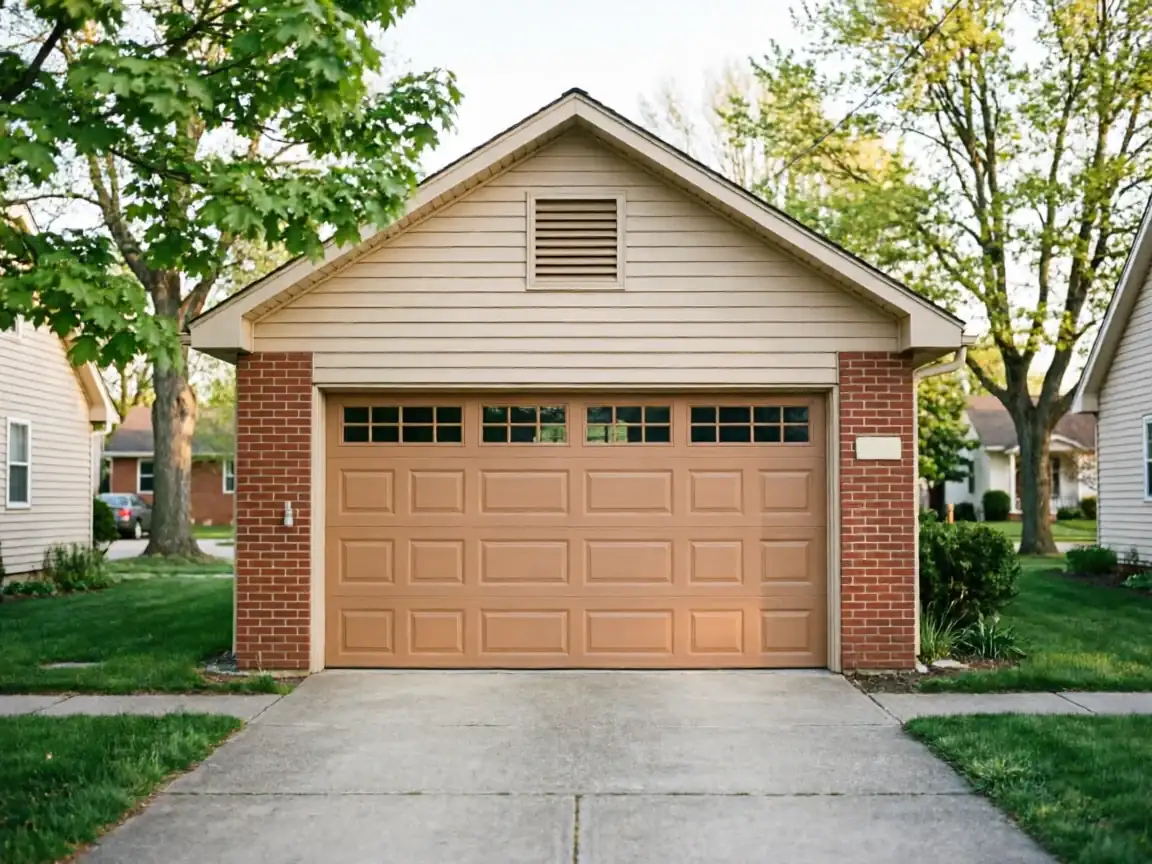
A median build year of 1938 means a lot of Winnetka garages were framed decades before torsion springs were standard - plenty of these doors have been retrofitted at least once, sometimes with hardware that doesn't match the original opening. That mismatch is the single biggest reason springs fail early here: a drum or shaft sized for a different door puts uneven tension on the spring, and it snaps well short of its rated cycle count. Add the cold-climate swings this region sees - steel contracts, lubricant stiffens, and a spring already under the wrong load is the first thing to go on a frozen morning. We see this pattern more in older housing stock than in newer construction, where the original hardware is still the hardware.
What the Repair Takes
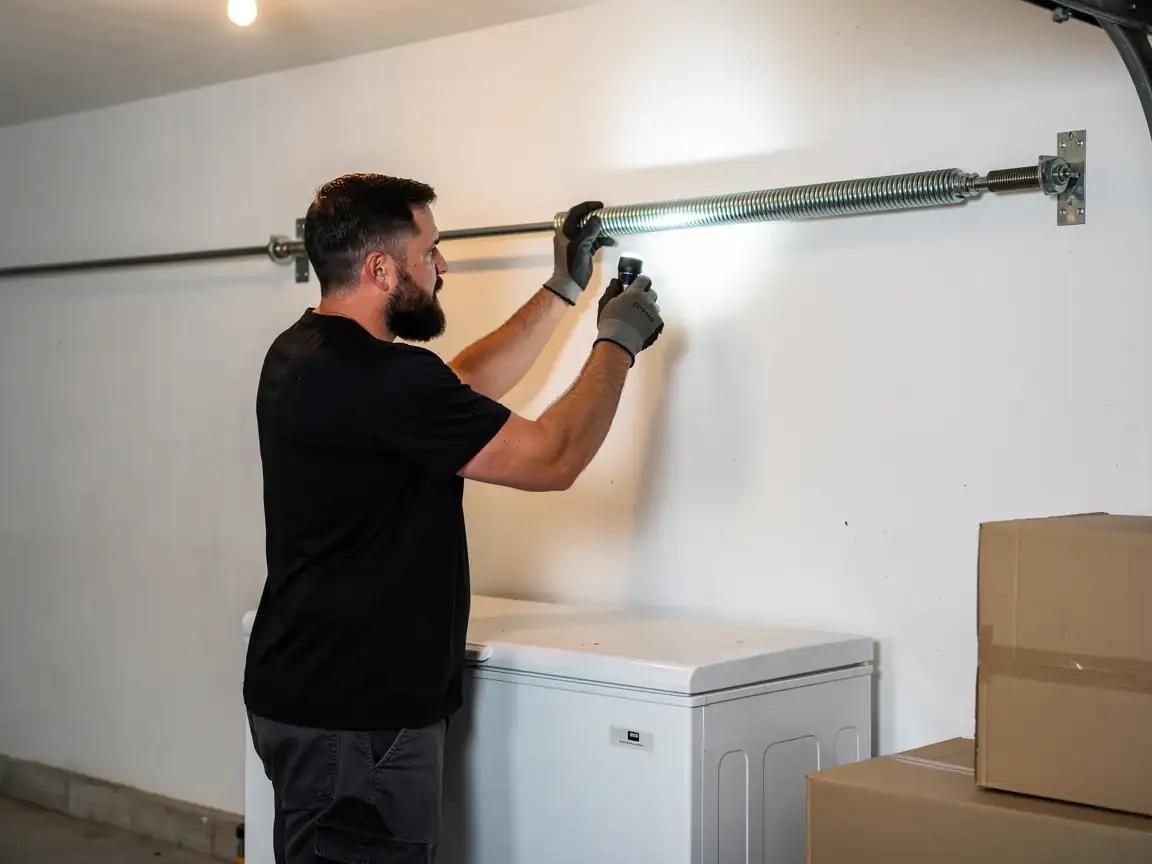
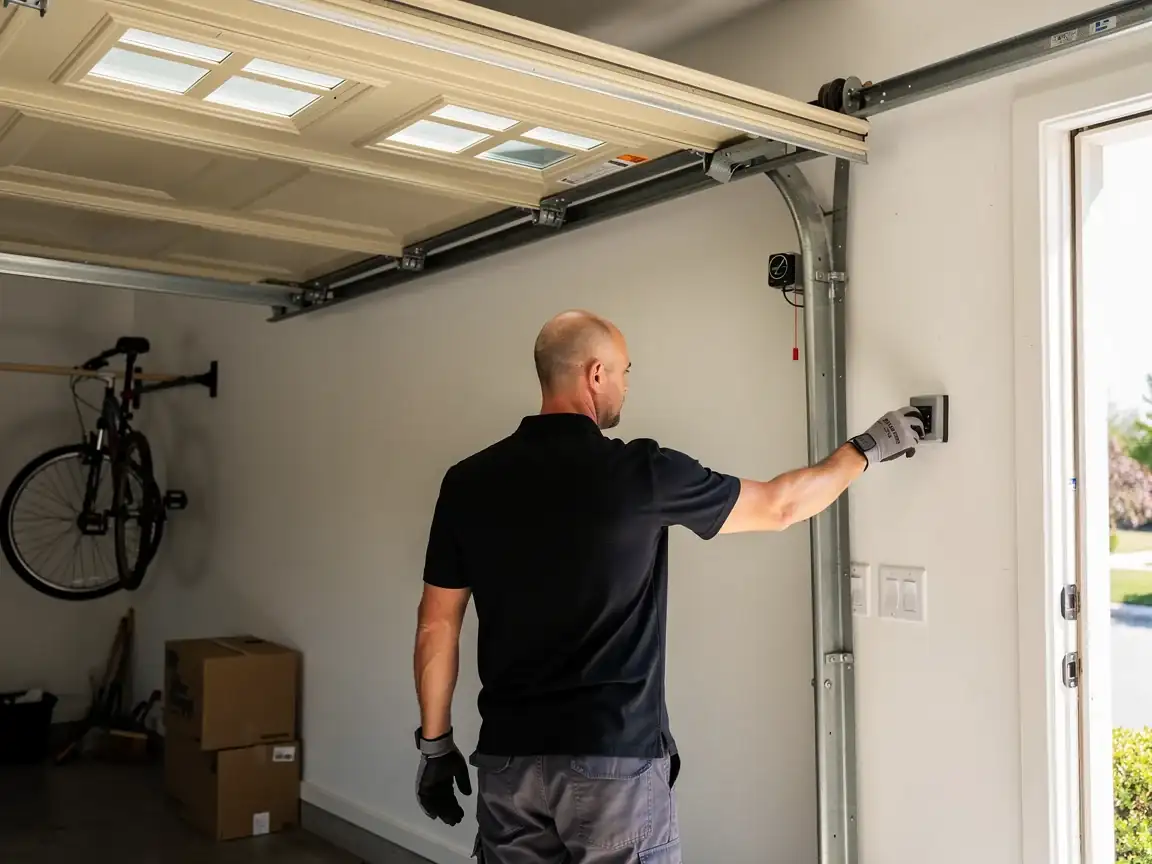
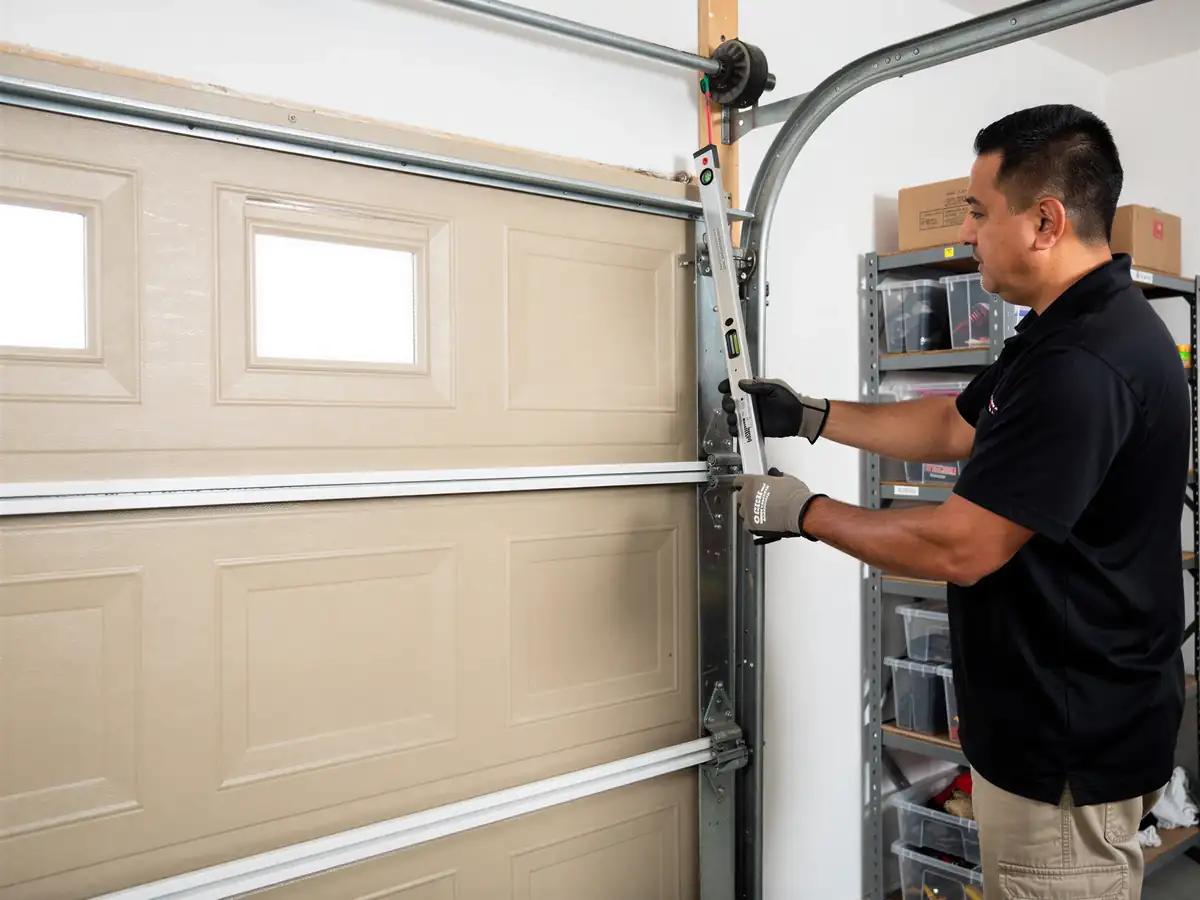
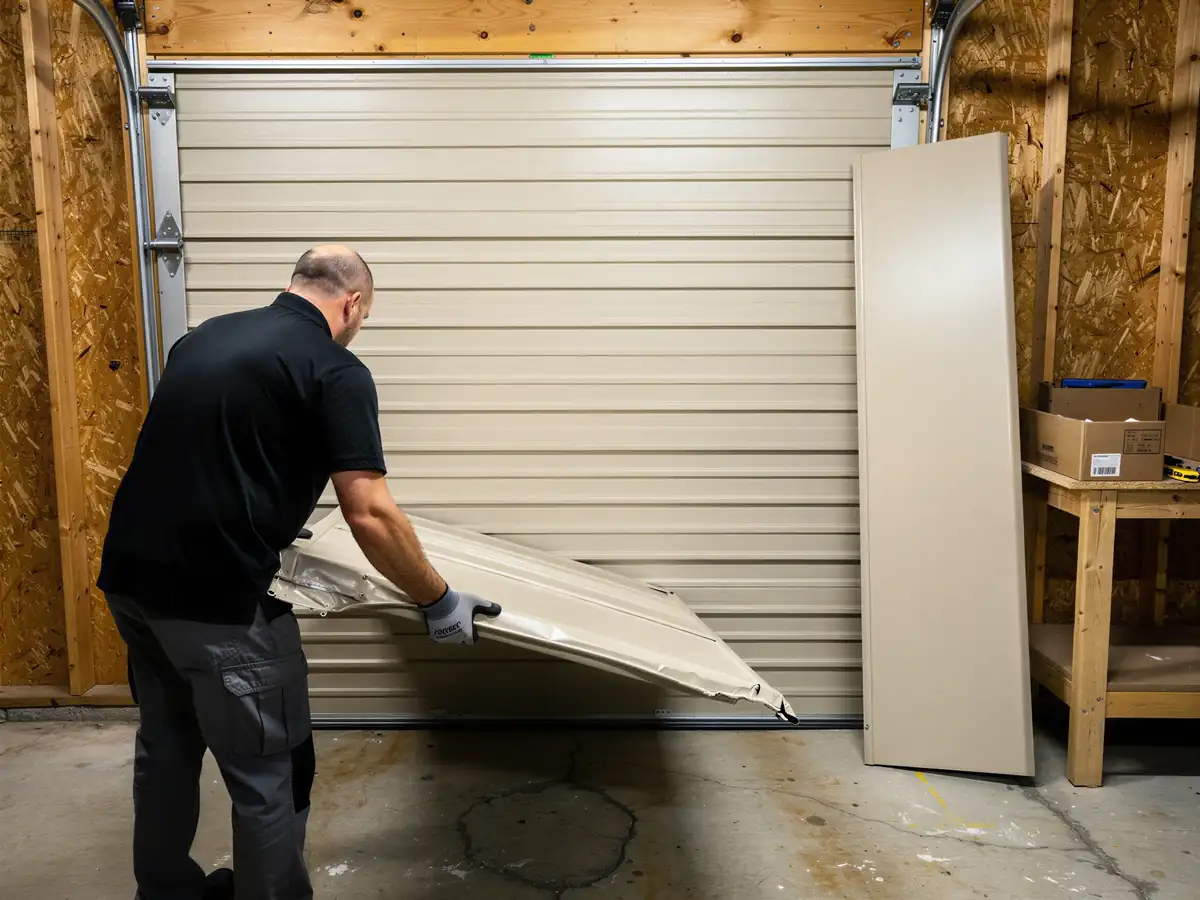
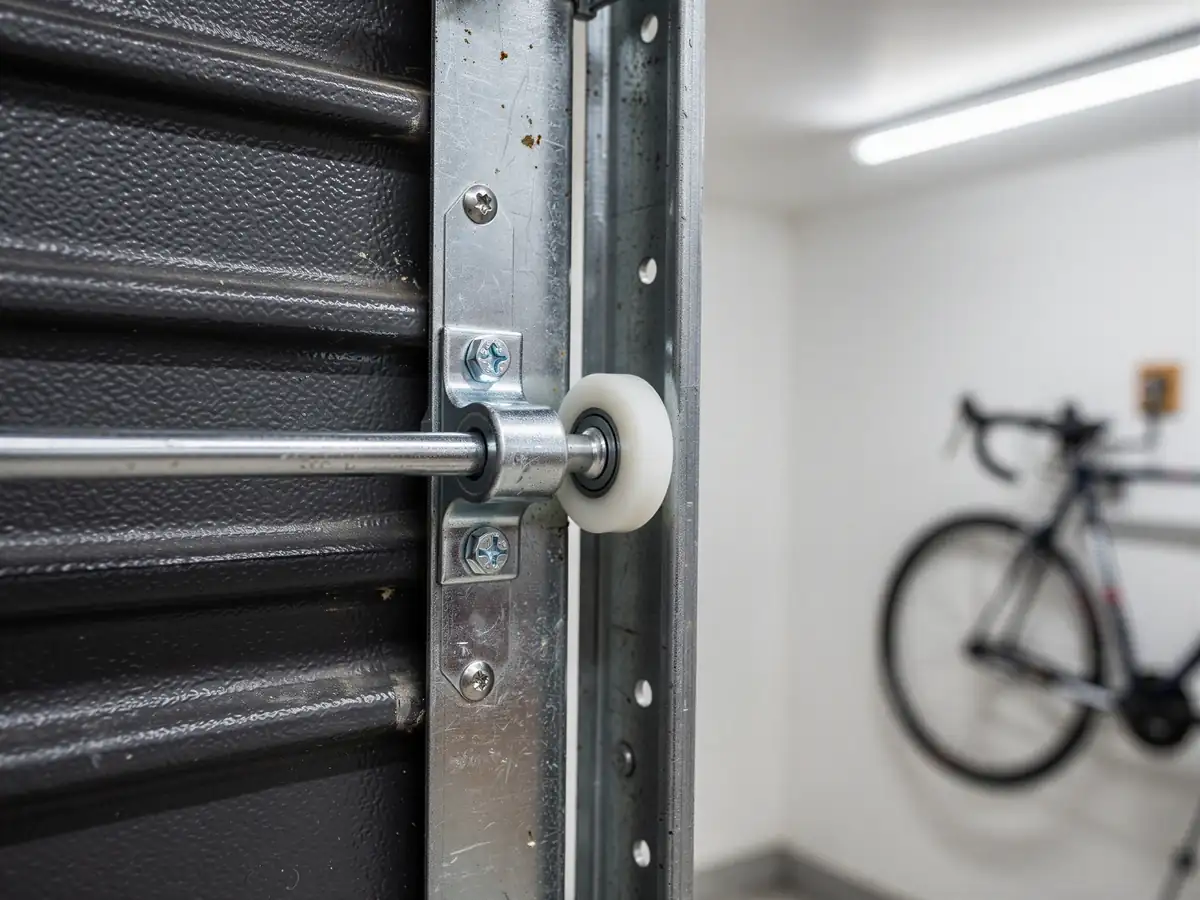
Beyond the spring itself, we check the condition of the cables, drums, and bearing plates it's connected to - on a door this old, a spring failure is sometimes a symptom of worn bearings that have been grinding for years, not an isolated part giving out. We'll also check whether the torsion bar and brackets match what's actually mounted, since retrofits on homes from the 1930s through the 1950s don't always line up with the stamped spring data. If the opener's force settings haven't been touched since the last spring change, we reset those too, because a new spring with old force settings is a door that slams or won't close all the way. What we won't do is sell a full replacement door on a spring call unless the panel or track is actually failing - that's a different job and a different conversation.
How It Shows Up
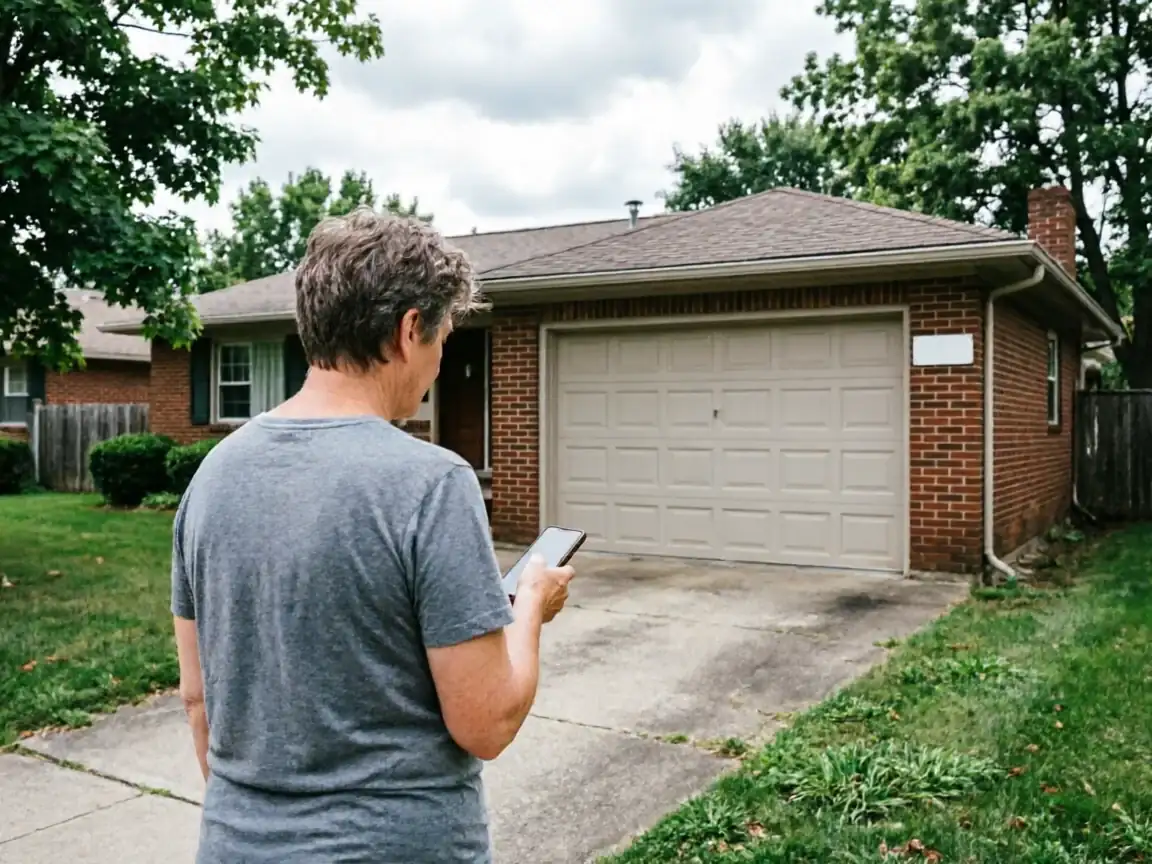
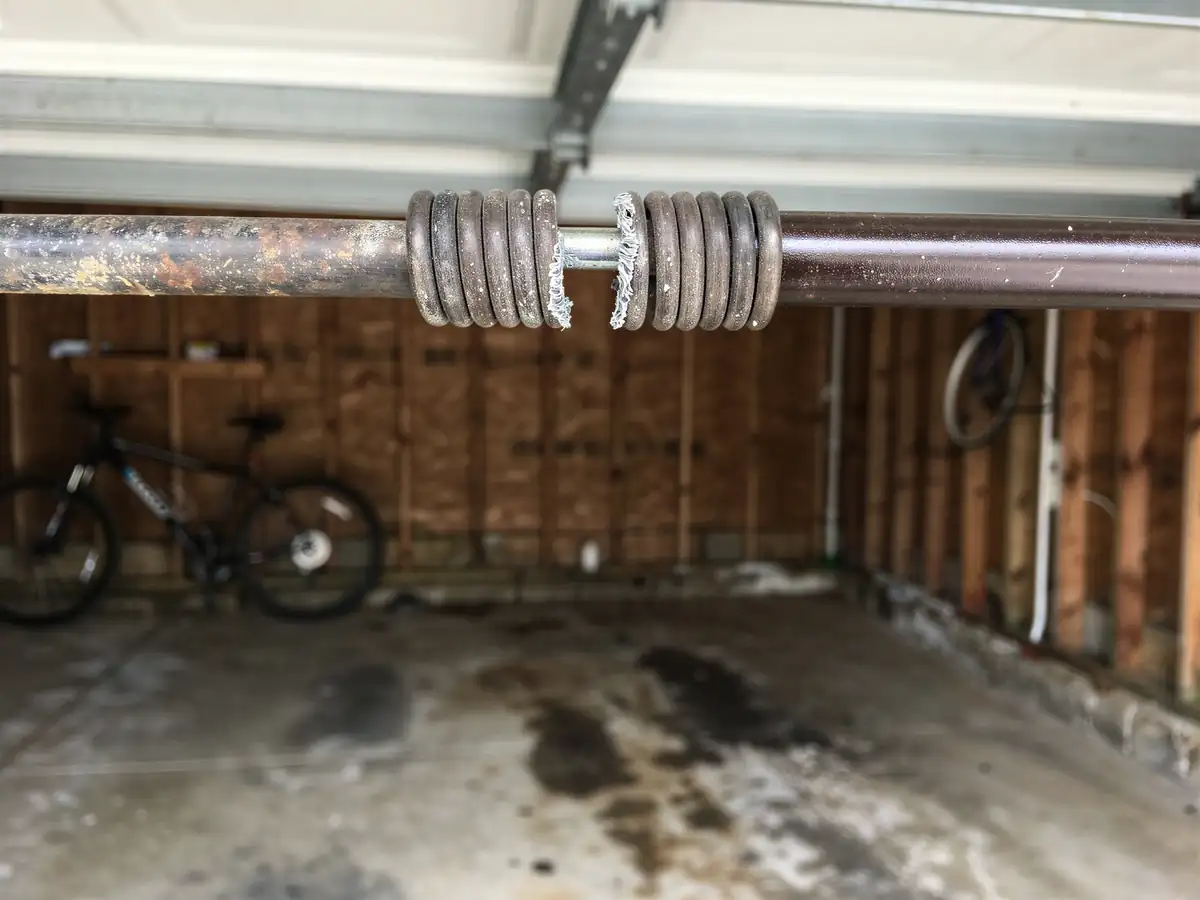
Most Winnetka calls start the same way: the door won't budge, or it only moves a few inches before the opener strains and stops. Sometimes there's a loud bang from the garage - that's the spring snapping, not the opener failing - and the door becomes too heavy to lift by hand afterward. On older torsion setups with mismatched hardware, you might notice the door was already a little uneven or noisy for weeks before it finally gave out; that's the uneven tension working on a spring that was never quite sized right for the drum it's wound on. Either way, once a spring is broken, the opener can burn out trying to lift a door it was never built to lift alone.