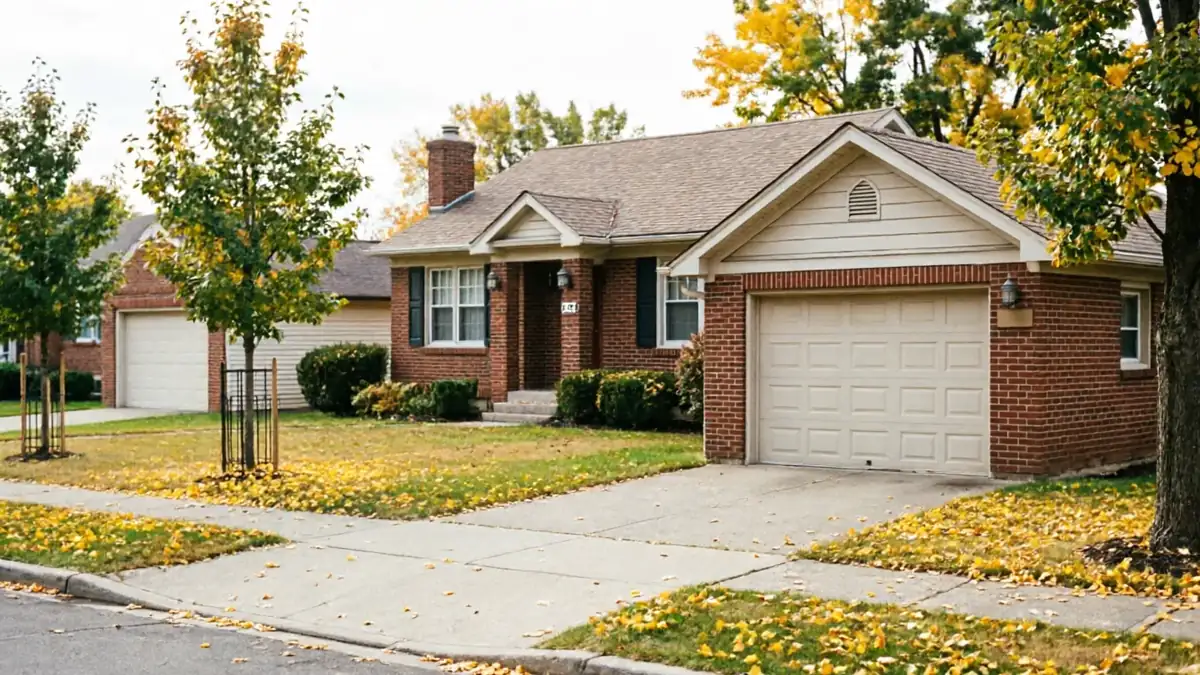
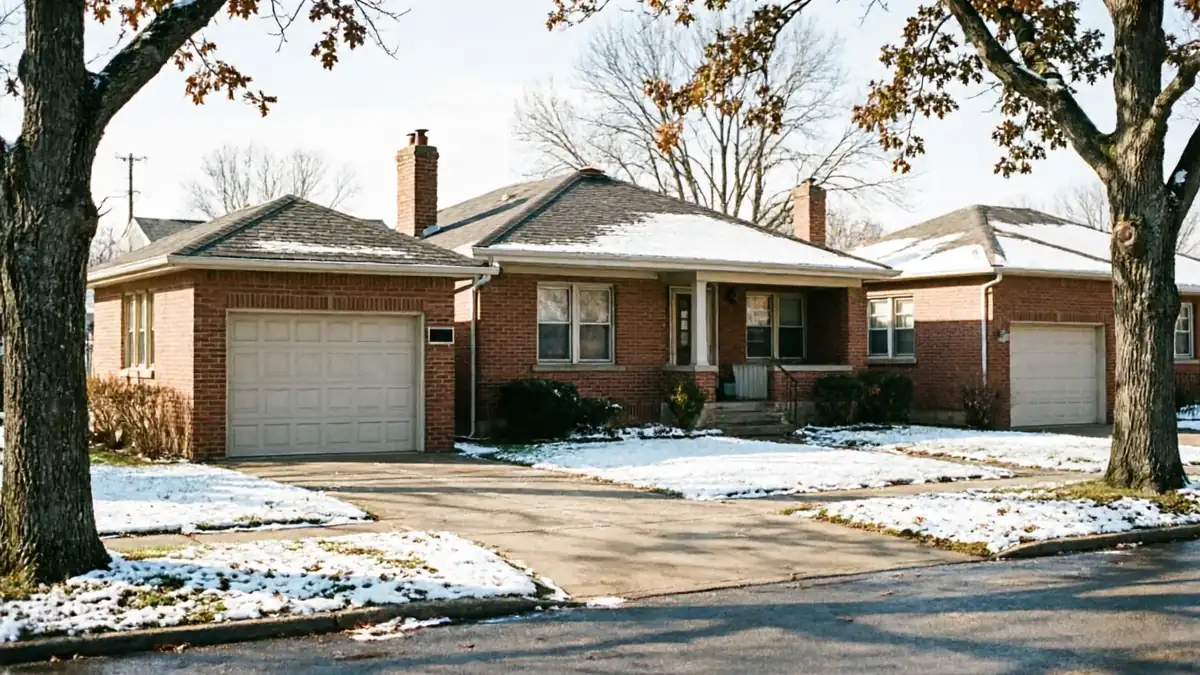
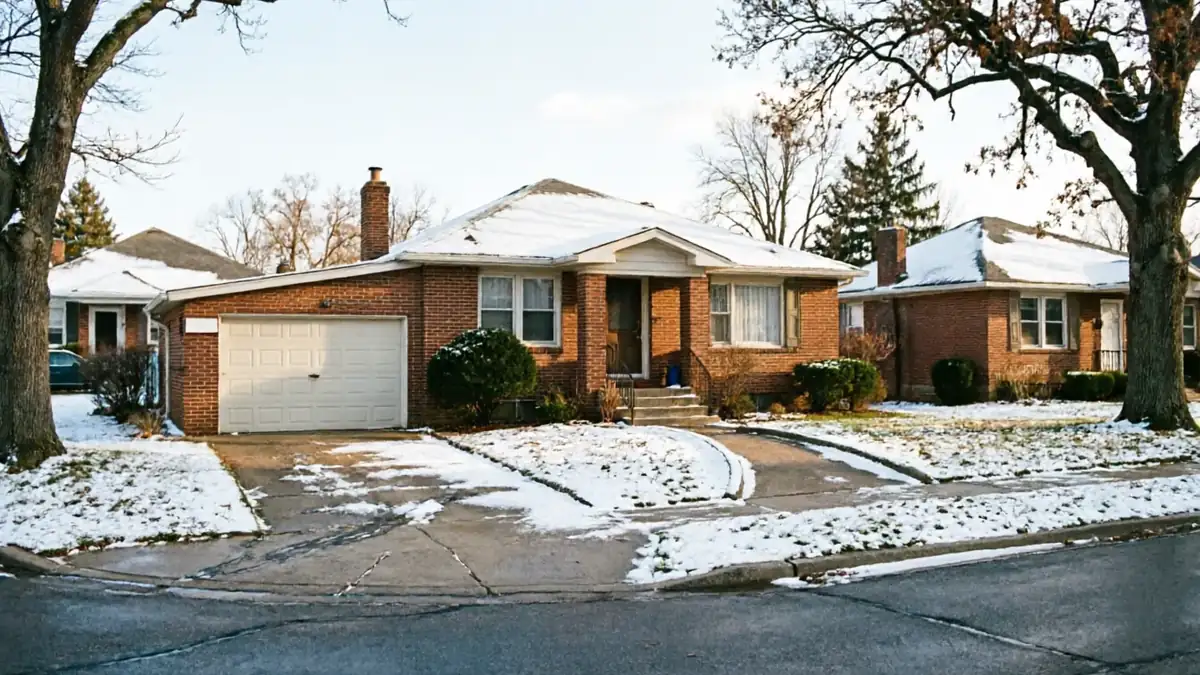
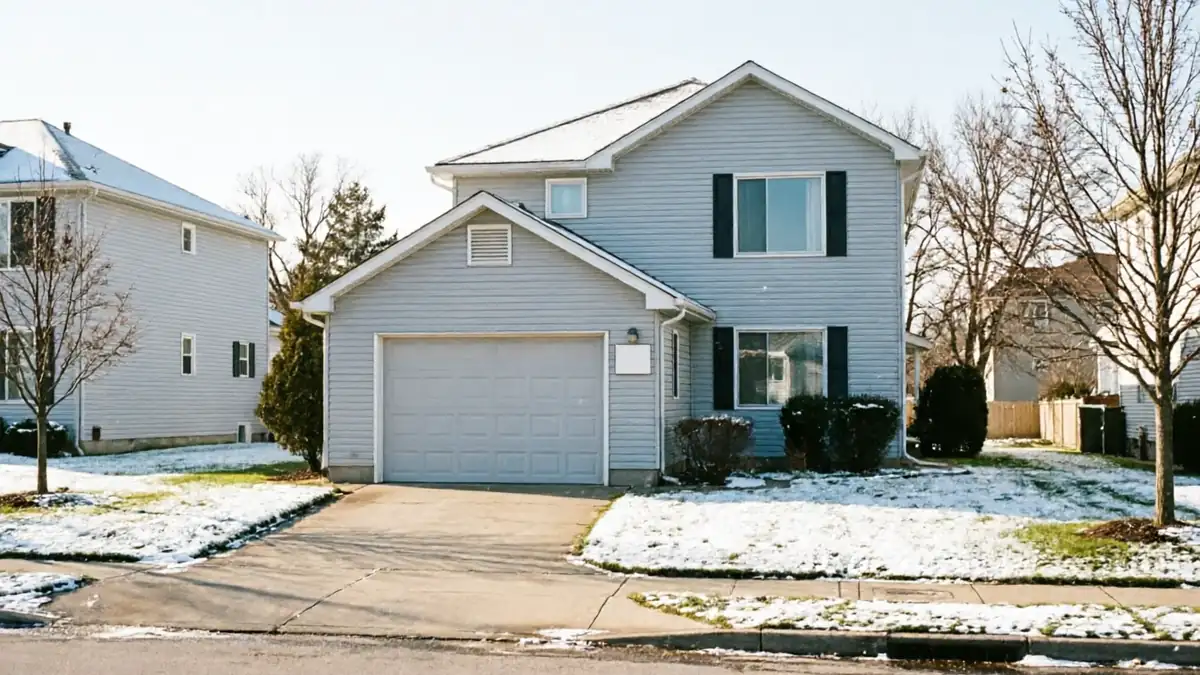
Lake Zurich Garage Door Pros services Lake Barrington homes built 1938-2009, 4 miles from our Lake Zurich shop, matching parts to each door's era and age.
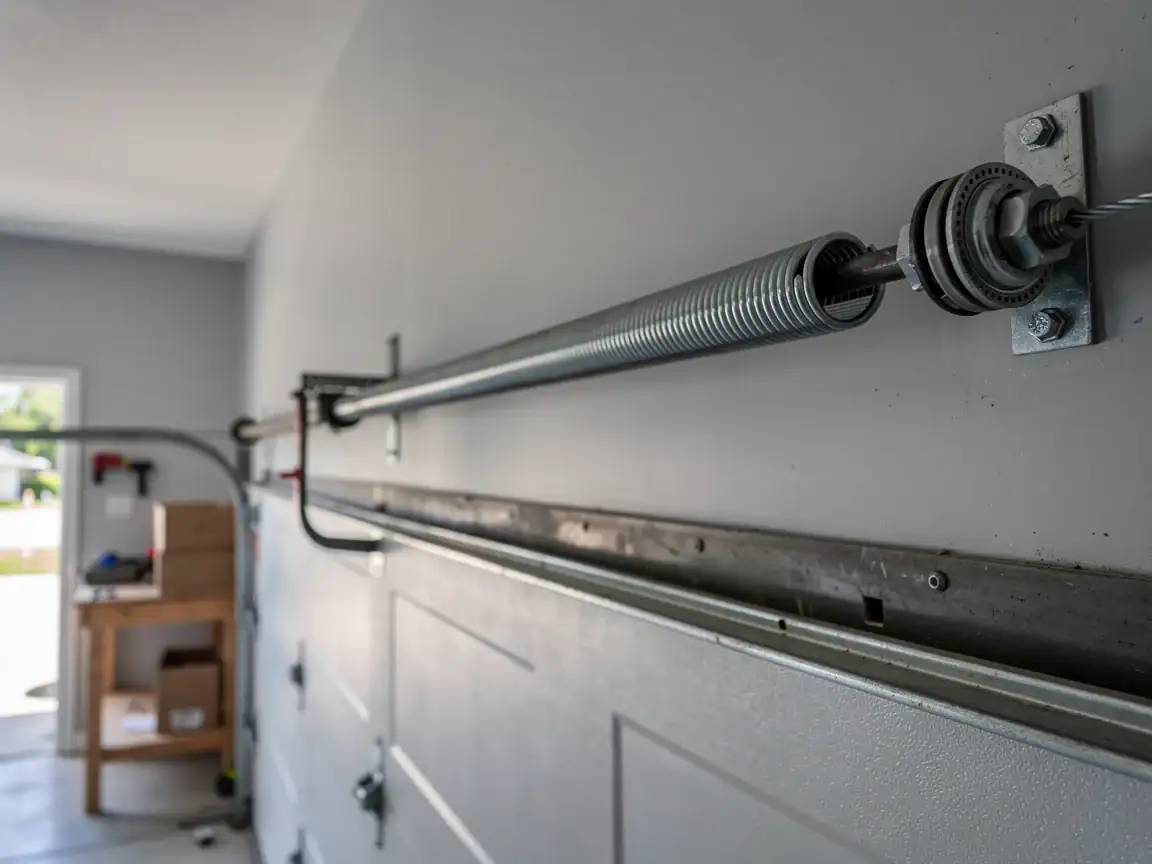
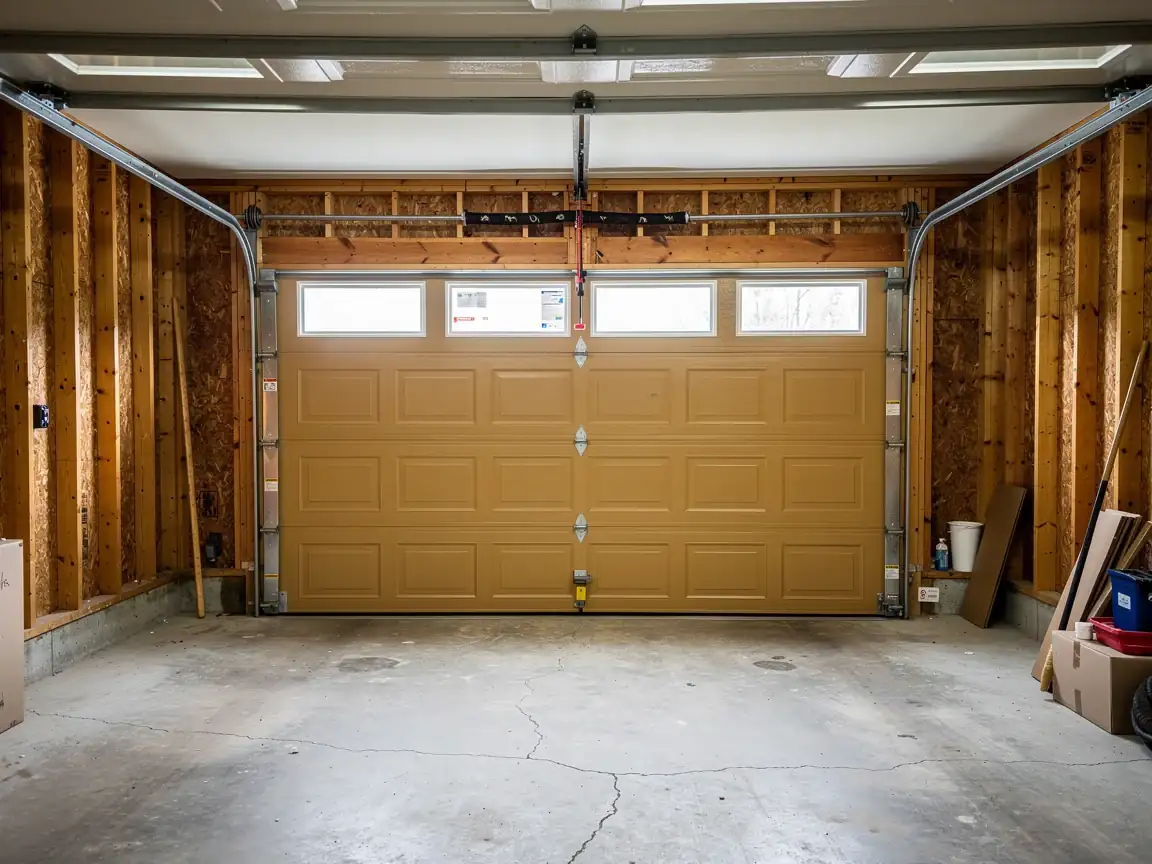
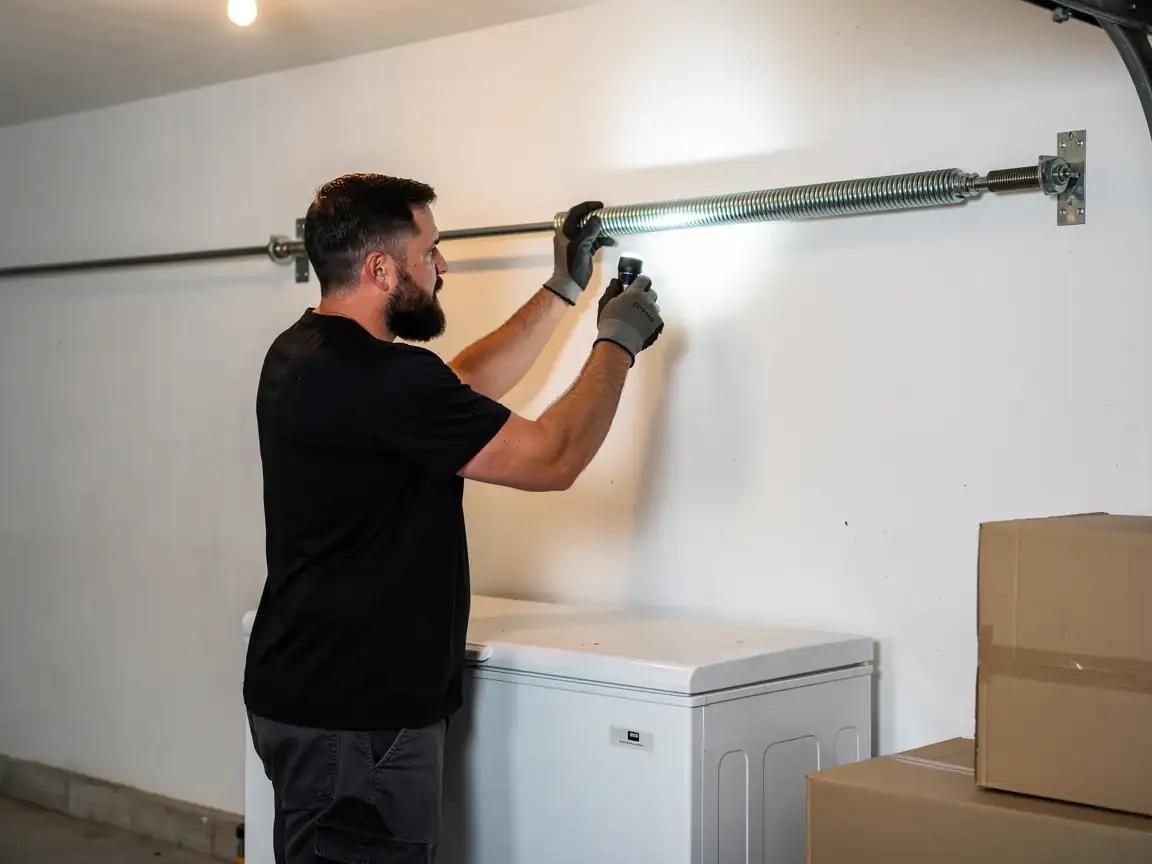
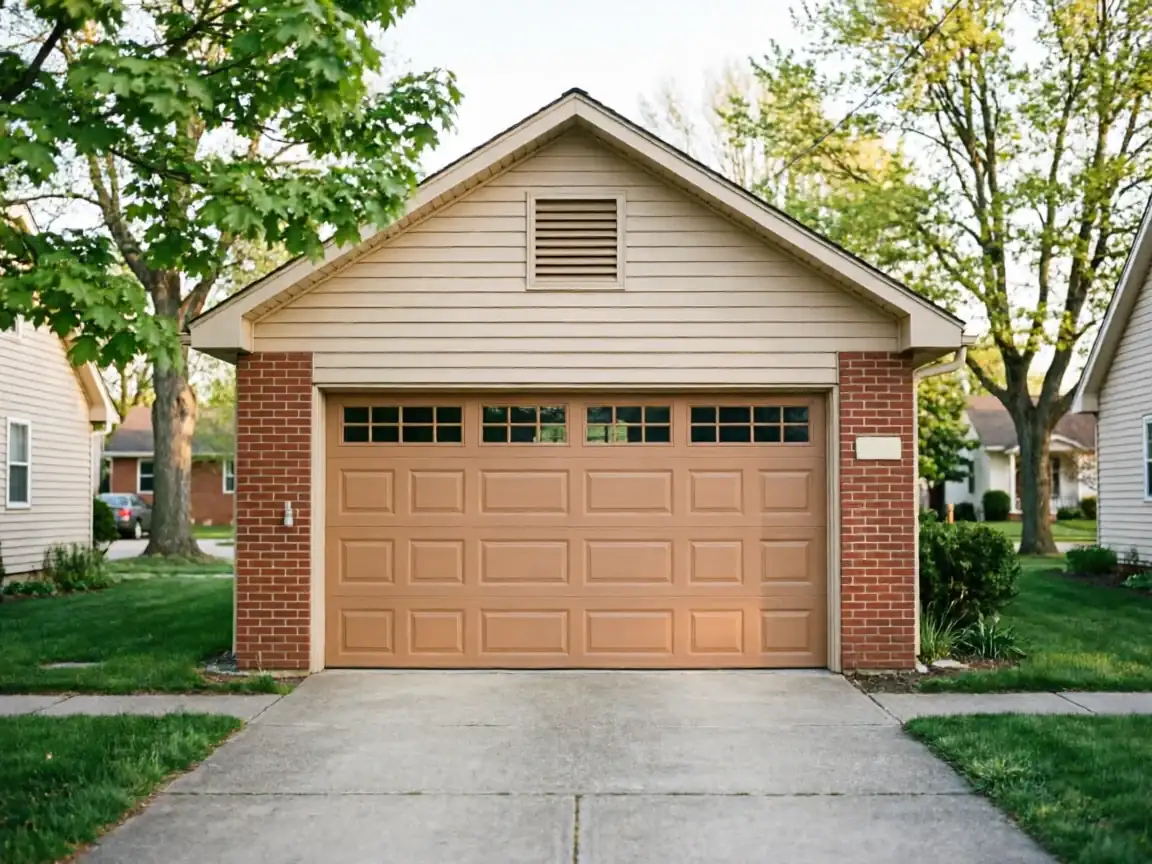
Lake Barrington's housing stock lands right at a 1985 median build year, which puts most garages here squarely in the torsion-spring era rather than the older extension-spring setups you'll find in neighborhoods built before 1960. That matters when a spring lets go: a double door on torsion hardware from this period usually has the springs mounted on a shaft above the opening, and the drums, cables, and bearing plates all wear in a predictable pattern after three-plus decades of cycling. Openers from that build window are often early chain-drive units with aging logic boards, which is why a door that "just stopped working" is as likely to be a dead circuit board as a broken spring. The region's cold winters add their own wear: steel panels built to 1980s-90s standards don't always have the foam-core insulation newer doors carry, so you'll see more hardening and cracking in the weatherstripping and more binding in the track when the temperature drops hard. None of that is unique to any one house, but it's consistent enough across this stretch that we plan parts and diagnostics around it before we even get a call.
Where We Stop
We run out of Lake Zurich, and Lake Barrington sits about 4 miles out, which keeps it inside the loop we drive regularly rather than at the far edge of it. We don't keep a depot or drop-off counter in Lake Barrington itself, so every job starts with a truck leaving Lake Zurich, loaded for whatever the call describes. The same radius picks up Kildeer and North Barrington at roughly 2 miles, and Hawthorn Woods and Long Grove around 3 to 4 miles, so Lake Barrington sits in the middle of that cluster rather than out on its own. Past that ring, toward Lake Barrington's own namesake area and out to Inverness or Wauconda at 6 miles, the drive gets longer and scheduling gets tighter. We mention this because it's honest about how the work gets to you: there's no local storefront to walk into, just a truck that comes from a few miles away stocked for the kind of doors this part of the territory tends to have.
The Split Between Old and New
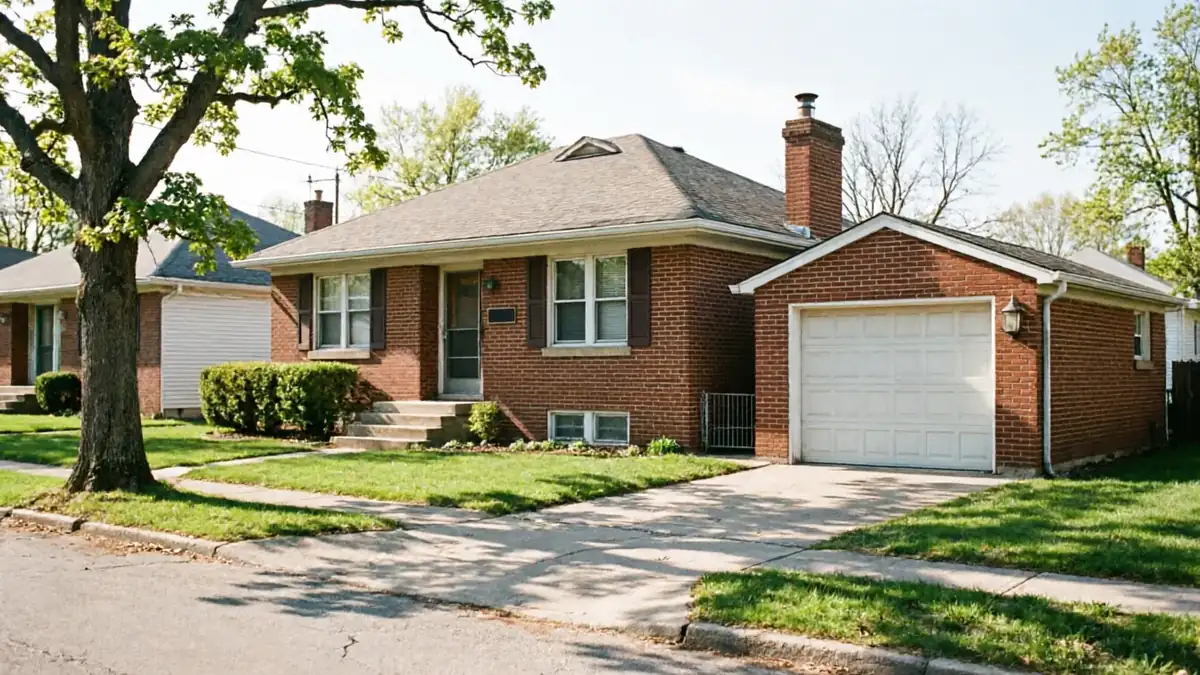
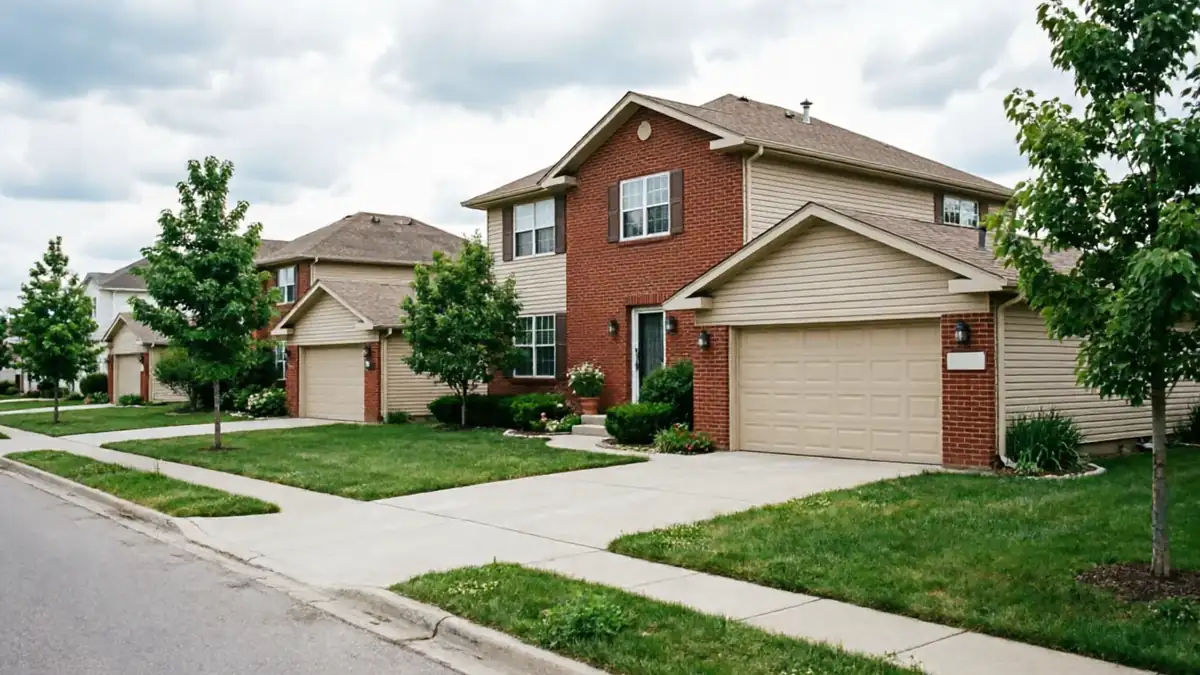
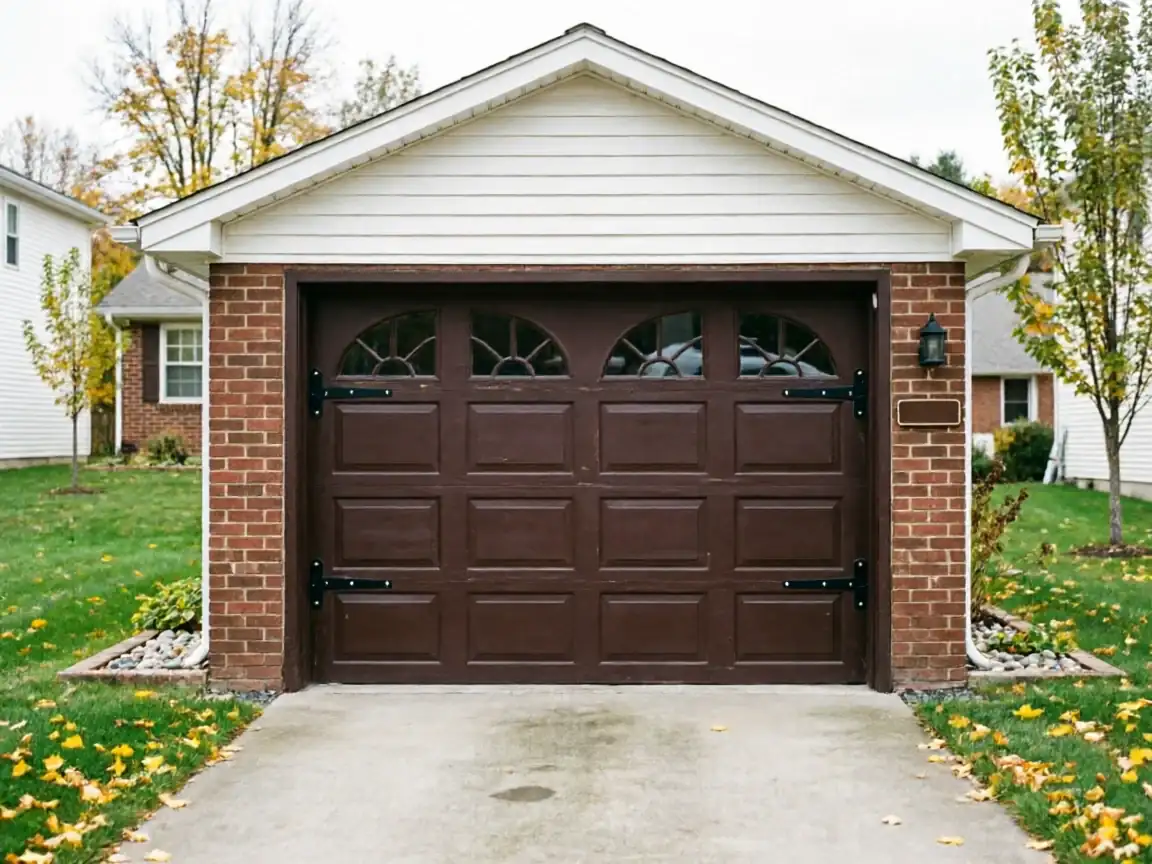
The broader service corridor spans houses built anywhere from 1938 to 2009, and Lake Barrington's own median sits at 1985 - right in the thick of that range rather than at either end. That means you'll find original one-piece doors on older side-mounted hardware mixed in among sectional steel doors from the 90s and a smaller share of newer builds pushing toward the 2009 end. The repair calls split the same way. An older door might need a part nobody carries off the shelf anymore, and we're honest that those can mean a longer wait than a standard torsion spring or roller swap. A 90s-era door is usually the easiest fix: common spring sizes, standard track width, and openers that are either still working fine or cheap enough to replace outright rather than chase down a part for. The newer end of the range tends to have insulated panels and smarter openers, where the issue is more often a sensor or a logic board than anything mechanical. Knowing which decade a house falls into before we arrive saves a second trip more often than not.
The Houses Here
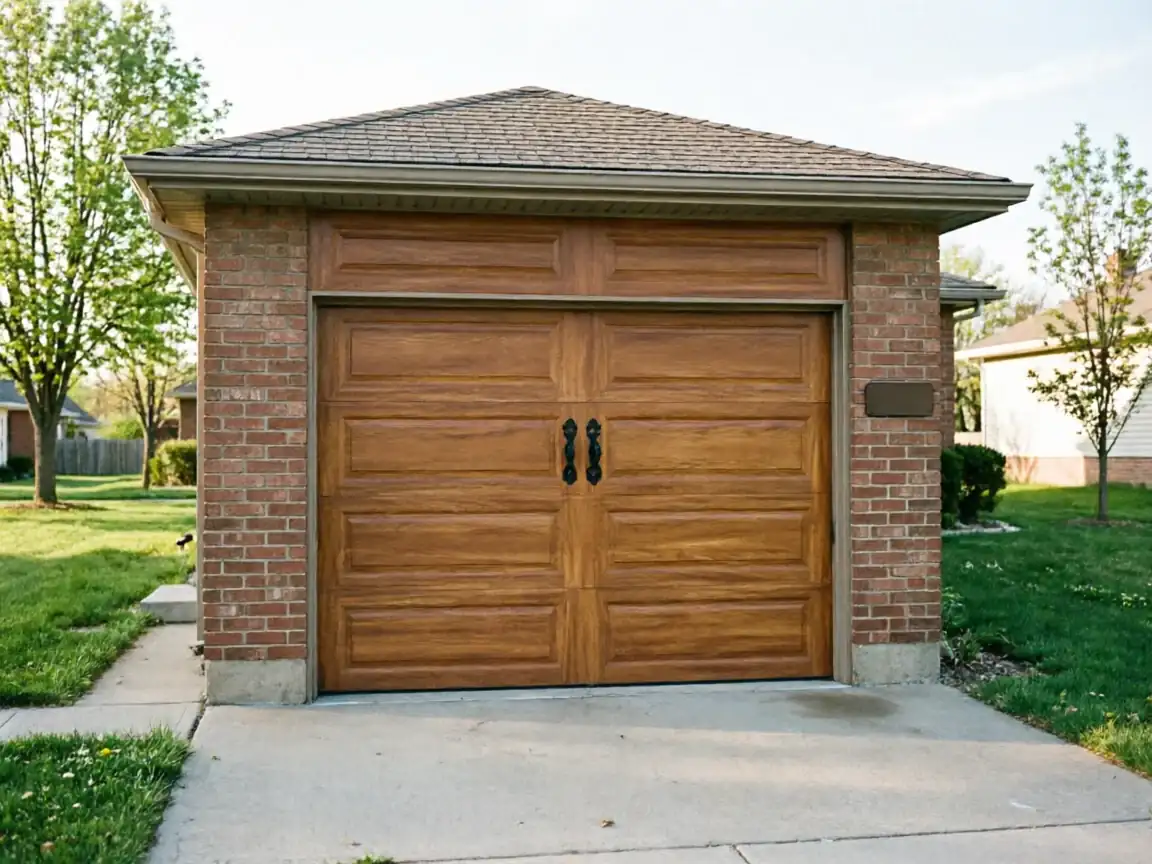
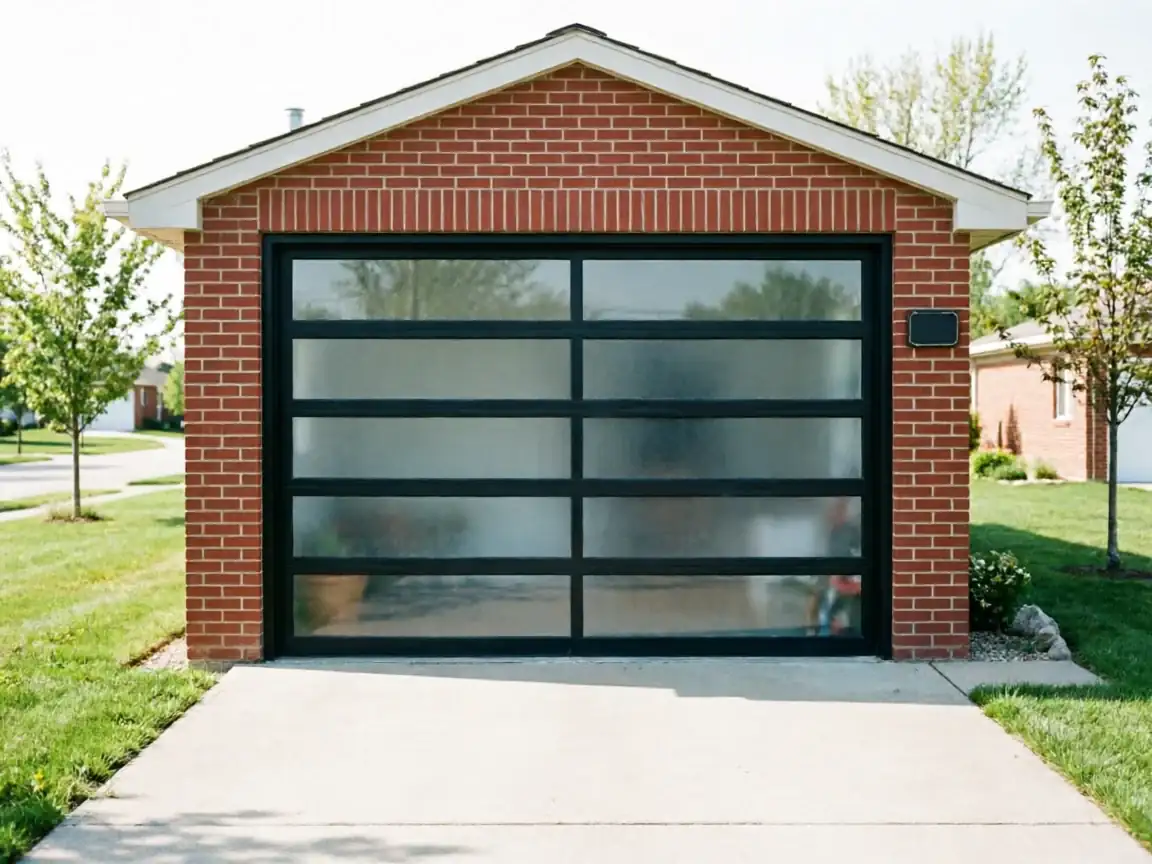
Lake Barrington counts around 2,312 households, a smaller slice of the territory we cover, and the median household income runs about $132,857 - noticeably above the wider area's $121,583 figure. In practical terms, that shows up as more requests for insulated steel doors with factory wood-grain finishes, heavier-duty openers with battery backup, and full replacements instead of patch repairs when a door is clearly past its working life. It doesn't mean every house here has upgraded hardware; plenty still run the same opener that came with the house in the 80s or 90s. But when someone does call about replacing rather than repairing, it's more often a choice than a necessity, and that changes the conversation about what door and opener makes sense. We'll always tell you straight if a repair gets the door through another several years versus when the labor and parts cost starts to close in on what a new door runs - that's your call to make, not ours to push one way.
How it works
From “it’s stuck” to “it’s fixed”
01
Tell us what’s wrong
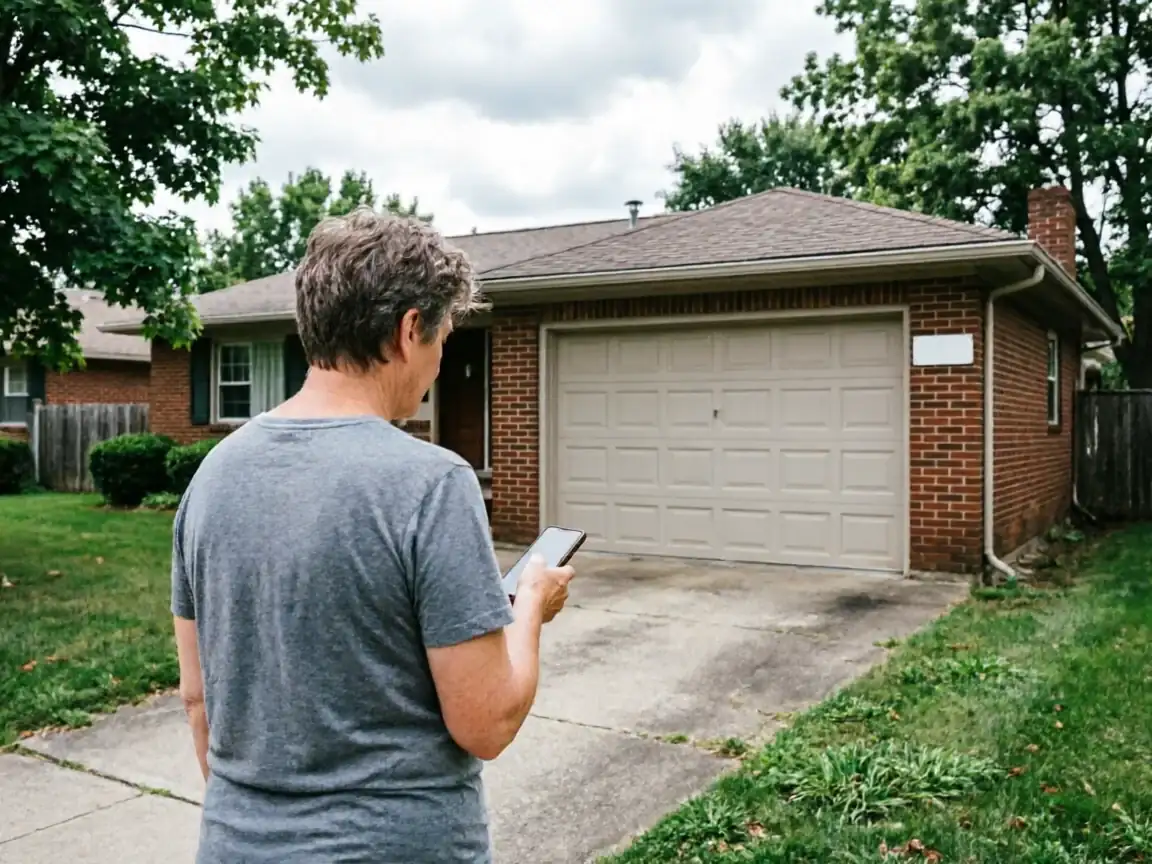
Describe the symptom - won’t open, loud bang, opener runs but the door won’t move.
02
On-site diagnosis
A technician tests the door under power and by hand and finds what actually failed.
03
Clear, up-front plan
You get the fix that’s needed and what drives the cost - before any work starts.
04
Repaired & tested
The repair is done, the door is set true and tested, and the work area left clean.
Not sure which repair your door needs in Lake Zurich, IL? Describe what it’s doing - every job starts with a diagnosis.
No. We operate out of Lake Zurich, about 4 miles away, and send a truck out for every job in Lake Barrington. There's no local storefront or drop-off counter here, just a crew that drives in stocked for the job.
How old are most garage doors in Lake Barrington?
The area's median build year is 1985, with homes ranging from 1938 up through 2009 across the wider territory. Most doors here are torsion-spring setups from the 80s and 90s, though older extension-spring doors and newer insulated models both turn up.
Can you get parts for an older door fast?
Usually, but not always. Common spring sizes and standard track parts for 80s and 90s doors are easy to source. Original hardware from much older one-piece doors can take longer, since those parts aren't something anyone stocks heavily anymore.
Is it worth replacing an old opener instead of repairing it?
Depends on the opener. If it's an aging chain-drive unit with a failing circuit board, replacement is often the better money once you factor in the part plus labor. We'll check the actual fault before recommending either way.
Ready to get your garage door sorted?
Tell us what it’s doing and where you are in Lake Zurich - we’ll take it from there.