Serving Lake Zurich, IL & nearby
(847) 874-0872
Lake Zurich, IL

Is Your Lake Zurich Garage Door Worth Repairing?

Lake Zurich homes built mostly in the 1980s and 1990s still have original garage doors. Here's how to tell if yours is worth repairing or replacing.

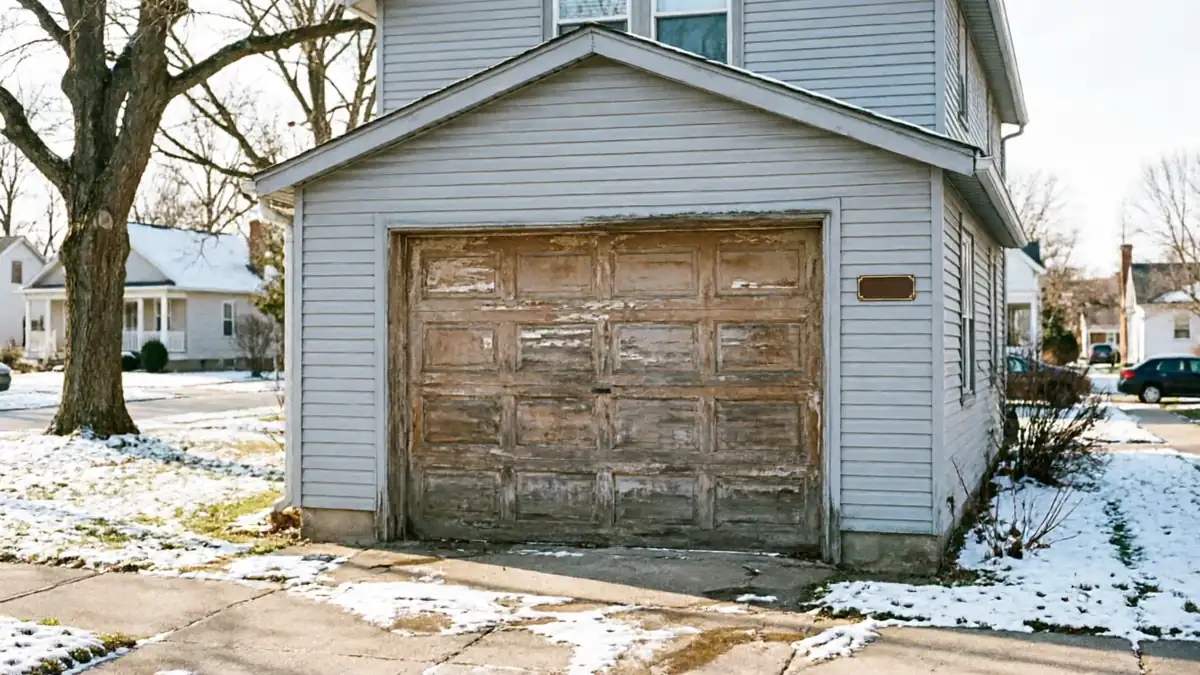
A weathered wooden garage door with peeling paint is on a light gray house.

What the Weather Here Does to It

Lake Zurich sits in a cold, moderate climate band, which means the garage door on your house goes through real freeze-thaw cycles every winter and sticky humidity every summer. That swing works on steel panels, weatherstripping, and torsion springs in a way that a mild climate never would. Steel contracts in January cold, and if the door was built with the thinner gauge panels common in the 1980s and 90s housing stock here, you'll see it in the seams and the bottom panel first. Condensation inside an uninsulated section freezes the weatherstrip to the slab on the coldest mornings, and owners push the opener anyway, which is how a cracked bottom panel or a bent track happens on a Tuesday in February. None of this is damage you caused. It's what cold-climate service life looks like on a door that was never built with a polyurethane core. If your door still has the thin single-layer steel skin that was standard when most of this area was built out, the cold is working against it every winter whether you notice or not.

Doing Nothing For Now

A lot of Lake Zurich houses were built between 1938 and 2009, with the median landing around 1985, and most of the stock across the wider area dates to that 1980s-90s build-out. If your house falls in that window, your garage door and opener are probably original or close to it, which puts a lot of hardware at 30 to 40 years old. Doing nothing isn't automatically wrong. A door from that era with steel springs, galvanized track, and no visible rust can keep running for years with nothing more than a yearly look at the rollers and hinges. The household income in this area runs well above the national median, and plenty of owners choose to defer a full replacement and just keep an older door tuned instead of swapping it out on a schedule. The decision to wait only turns risky once a spring is visibly corroded, a panel is cracked, or the opener is straining audibly to lift the door - at that point waiting costs you a service call that could've been a planned one.

The Problem

The actual failure point on a door from the 1985-ish median build year is almost always one of three things: a torsion spring that's done its roughly 10,000 cycles and is now rusted or stretched, a bottom panel that's taken on moisture damage from years of freeze-thaw at the seal, or an opener motor that's original to the house and wasn't built to run a heavier replacement door if one was ever swapped in. None of these are emergencies by themselves. A spring that's starting to sag still lifts the door, just louder and slower, until the day it doesn't. The honest limit here is that we can't tell you over the phone whether your door is a repair or a replacement - galvanized track, panel gauge, and spring wear all vary even within houses built the same year, and guessing wrong either way costs you money. That's a judgment call that has to happen in your driveway, not on a web page.
When to Get Help

Call before the door fails completely, not after. A door that's starting to sound rough, drop unevenly, or need a shove from the opener is still a repair candidate - a door that's come off track or has a snapped cable is a safety issue and shouldn't be opened by hand at all. Given that most doors in this area are tied to that 1980s-90s build window, replacement parts for the original hardware aren't always something we stock on the truck, and that's worth knowing before you expect a same-visit fix on a 35-year-old spring or a discontinued panel style. If the repair cost starts closing in on half of what a new door would run, replacement is usually the better math, especially heading into another cold winter here. You can see what we do at Lake Zurich Garage Door Pros.

How it works

From “it’s stuck” to “it’s fixed”

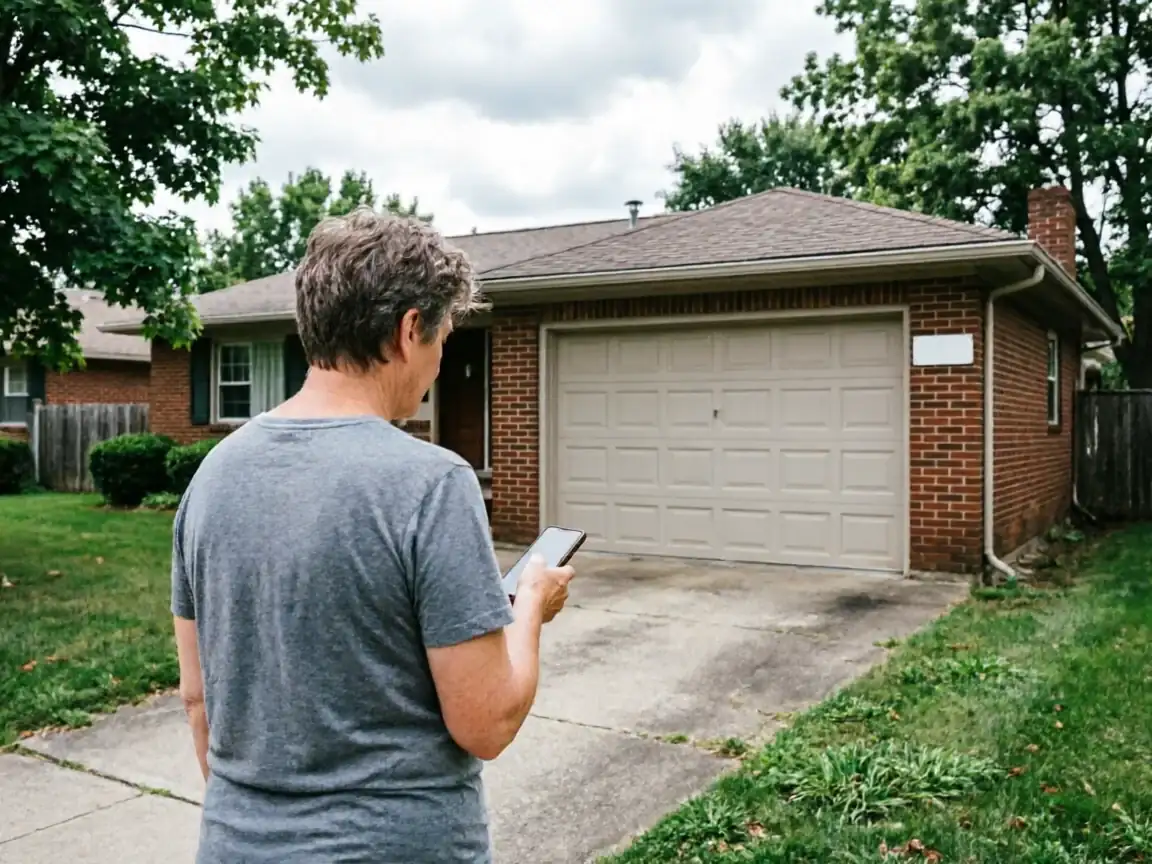
A person stands in a driveway looking at a phone with a house and garage in the background.

Tell us what’s wrong

Describe the symptom - won’t open, loud bang, opener runs but the door won’t move.

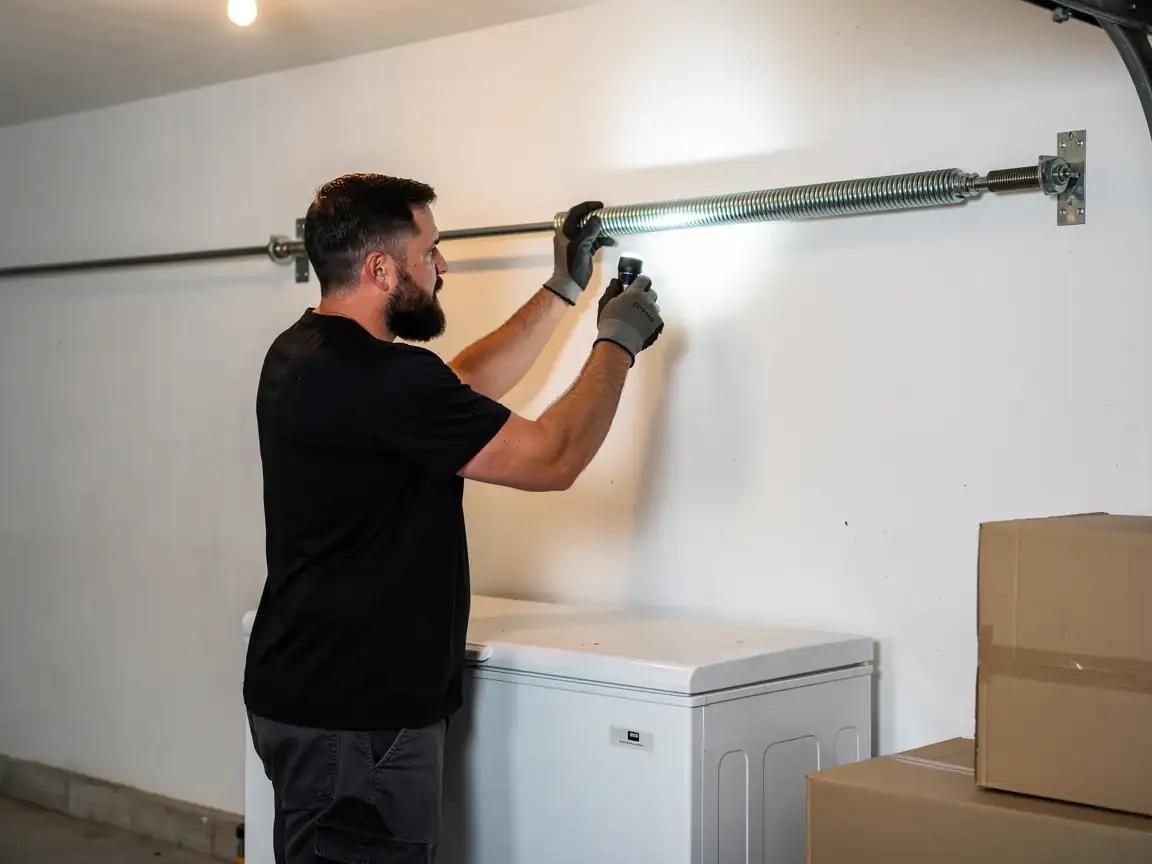
A technician inspects a garage door torsion spring with a flashlight.

On-site diagnosis

A technician tests the door under power and by hand and finds what actually failed.

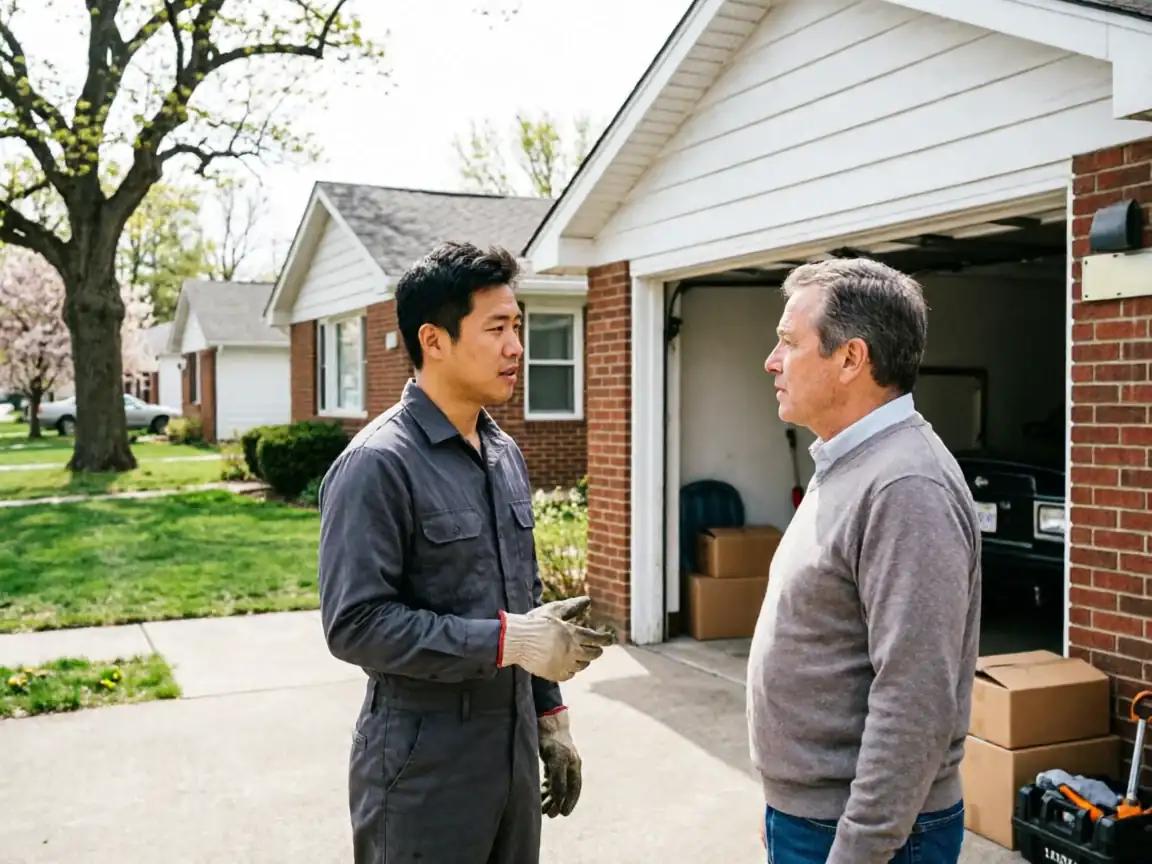
A technician in a gray jumpsuit talks to a man in a gray sweater in a driveway.

Clear, up-front plan

You get the fix that’s needed and what drives the cost - before any work starts.

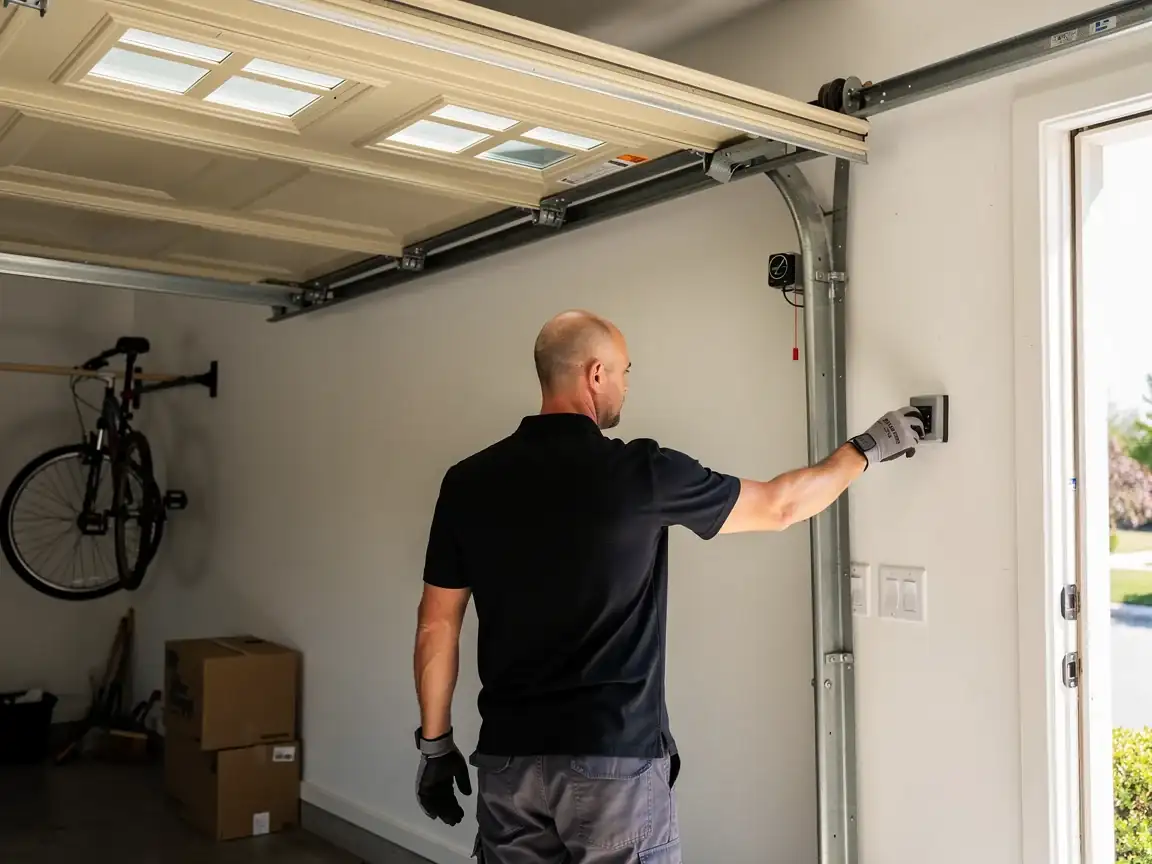
A technician in gloves presses a button on a garage wall.

Repaired & tested

The repair is done, the door is set true and tested, and the work area left clean.

Not sure which repair your door needs in Lake Zurich, IL? Describe what it’s doing - every job starts with a diagnosis.

How we work

What to expect

Diagnosis firstEvery visit starts by finding what actually failed - not a pre-written parts list.
The right part for the doorSprings and openers matched to the door’s weight and age, so the fix holds up.
Straight answersWhen a repair makes more sense than a replacement - or the reverse - you hear it plainly.
Clean, careful workTension released safely, hardware set true, the door tested under power before we leave.
What we do

Garage Door Services

Repair and installation work for Lake Zurich homes and businesses.

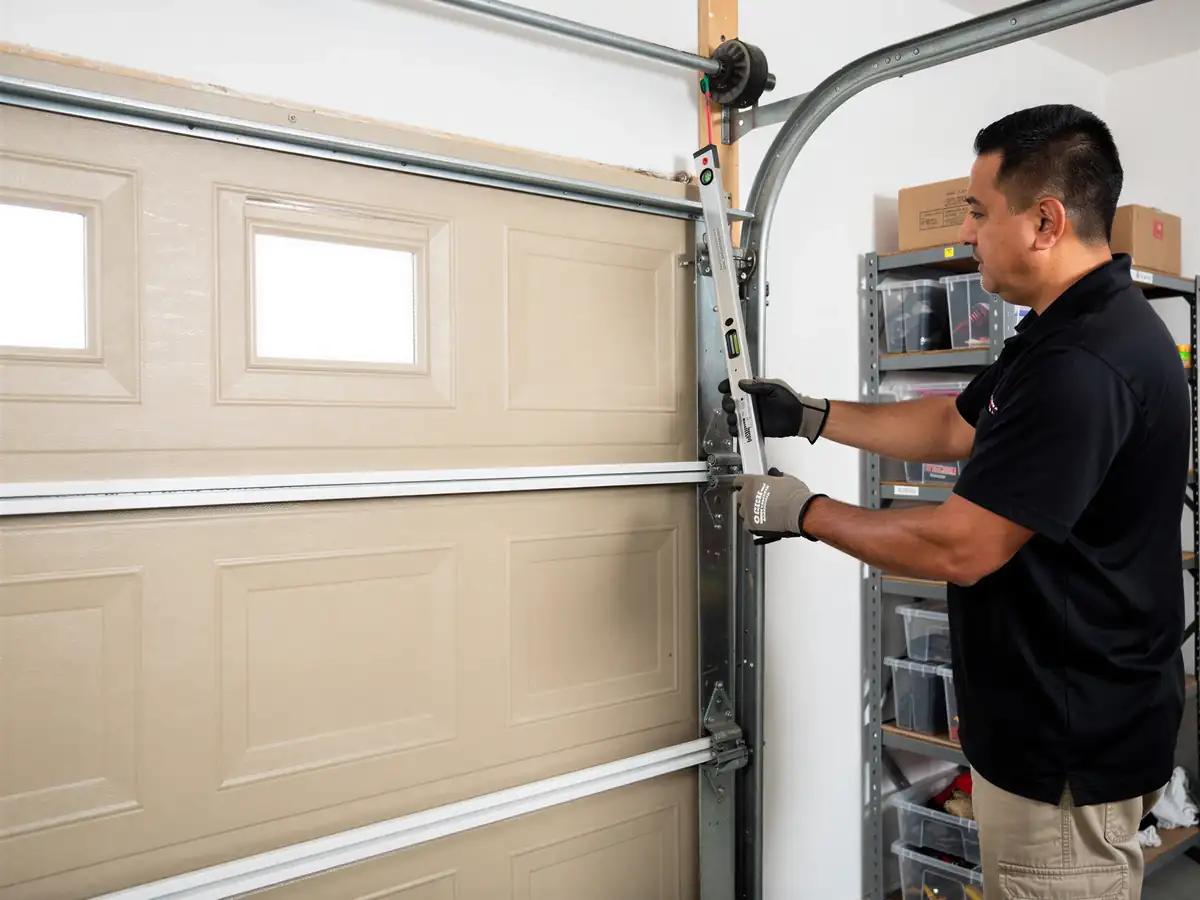
A technician uses a level on a tan garage door.

Garage Door Repair

Lake Zurich Garage Door Pros fixes springs, openers, and tracks on the 1980s-90s doors common across Lake Zurich's housing stock. Same-week booking.

Learn more
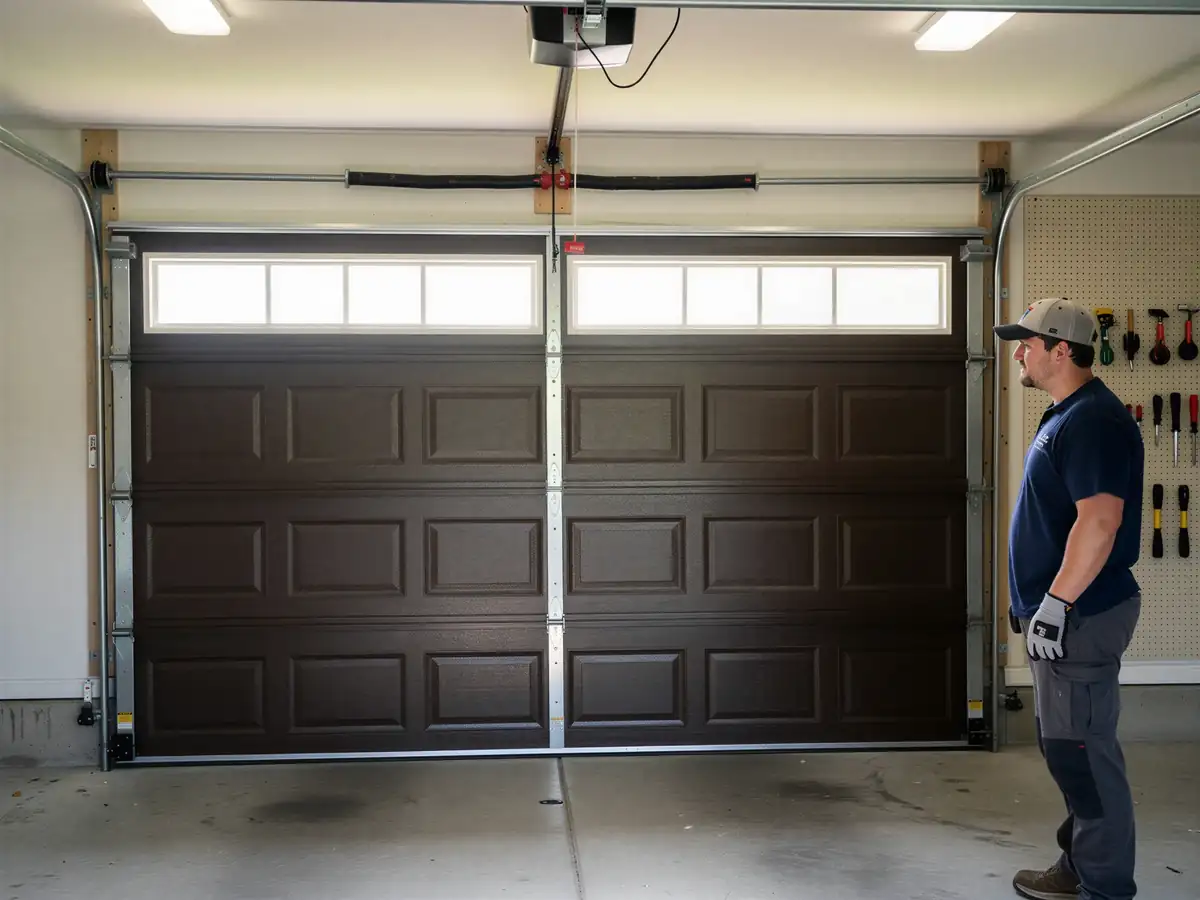
A technician stands next to a closed brown garage door with windows.

Garage Door Installation

Garage door installation sized for Lake Zurich's 1980s-era housing stock and cold winters. Straight talk on what fails, what it costs you, and when replacement wins.

Learn more
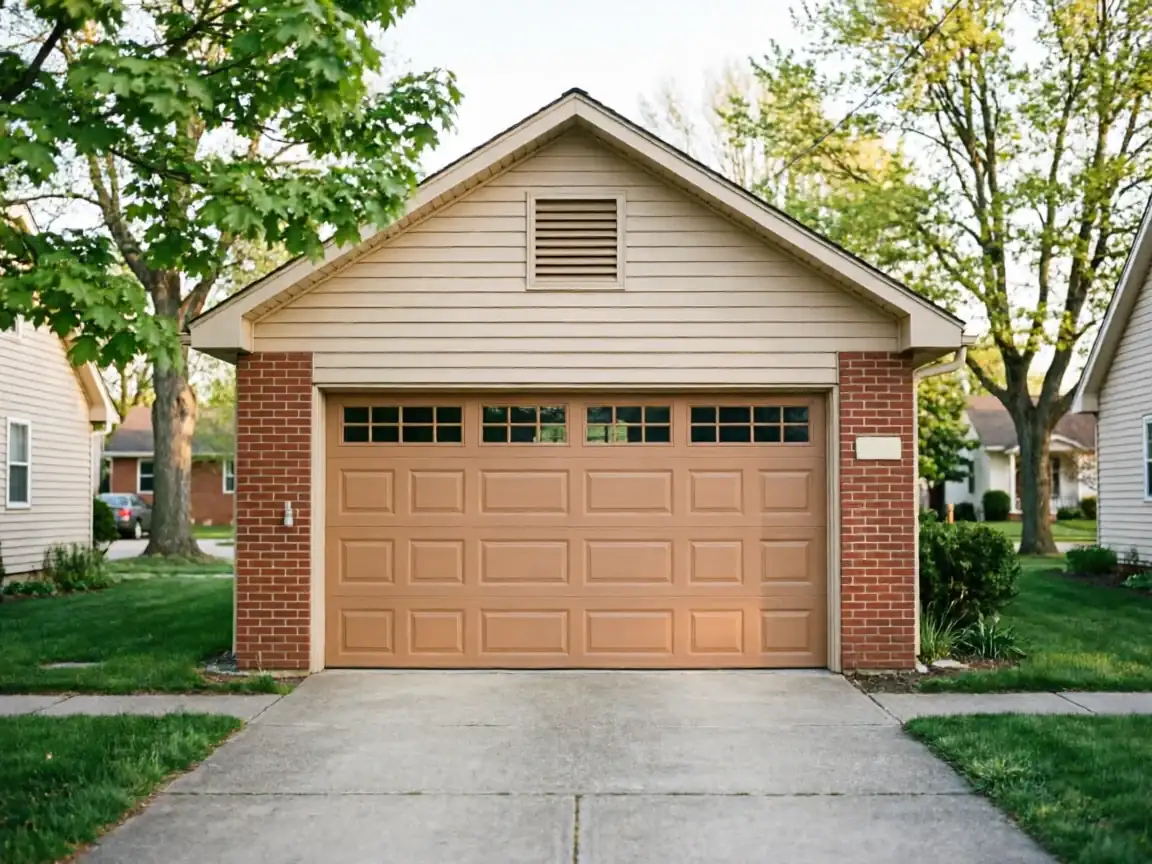
A brown garage door with windows is on a house with tan siding and brick.

Garage Door Service

Lake Zurich homes built mostly in the 1980s and 90s are hitting the age where springs, openers, and rollers fail together. Here's why, and what a visit looks like.

Learn more
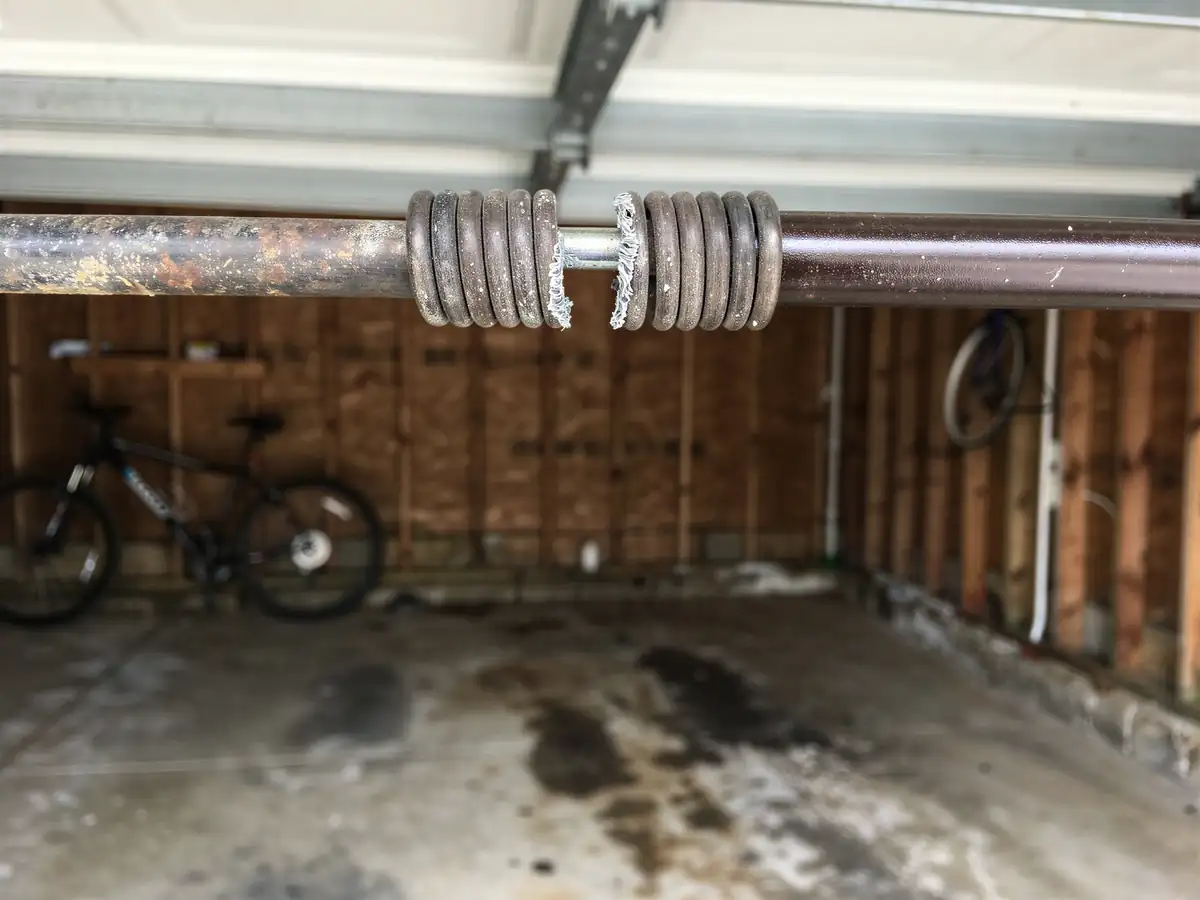
A broken torsion spring is visible on a garage door shaft.

Spring Repair

Broken torsion springs are common across Lake Zurich's 1938-2009 housing stock. Same service area coverage, straight talk on what a repair actually involves.

Learn more
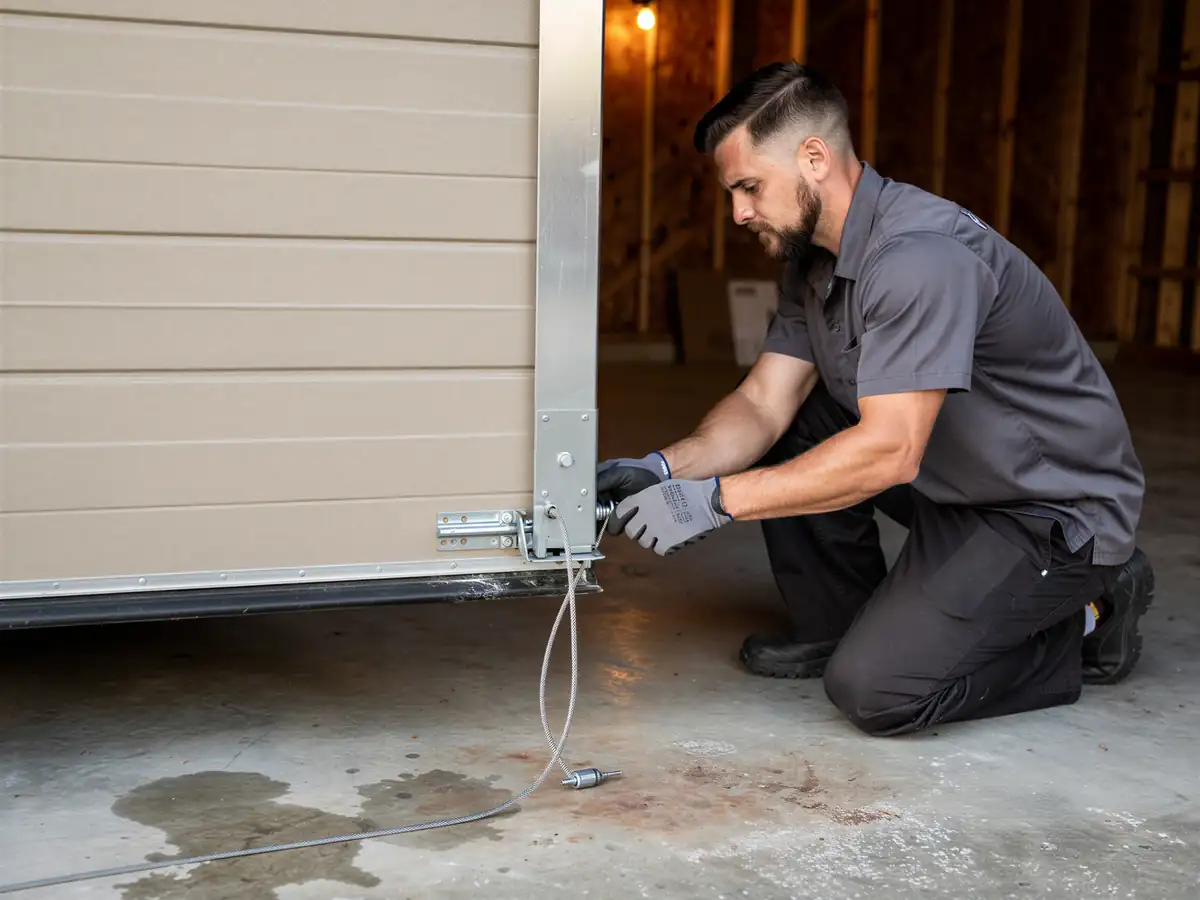
A technician kneels, adjusting a beige garage door's bottom bracket and cable.

Cable Repair

Broken or frayed garage door cables are common in Lake Zurich homes built 1938-2009. We diagnose and repair cable failures fast, before the spring lets go too.

Learn more
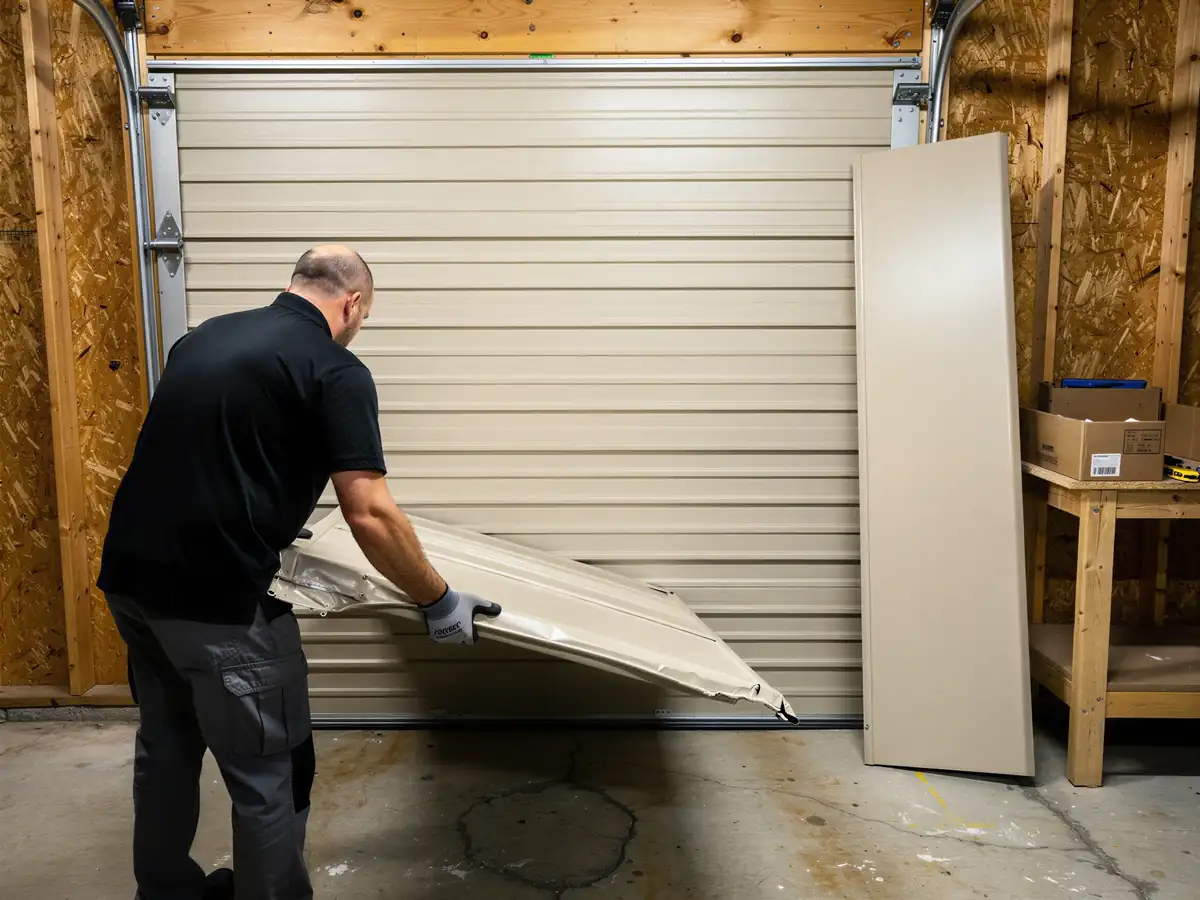
A technician is installing a new tan garage door panel.

Panel Replacement

Panel replacement for Lake Zurich-area homes built 1938-2009, where cold winters crack and dent original steel sections. Serving towns within a 12-mile radius.

Learn more
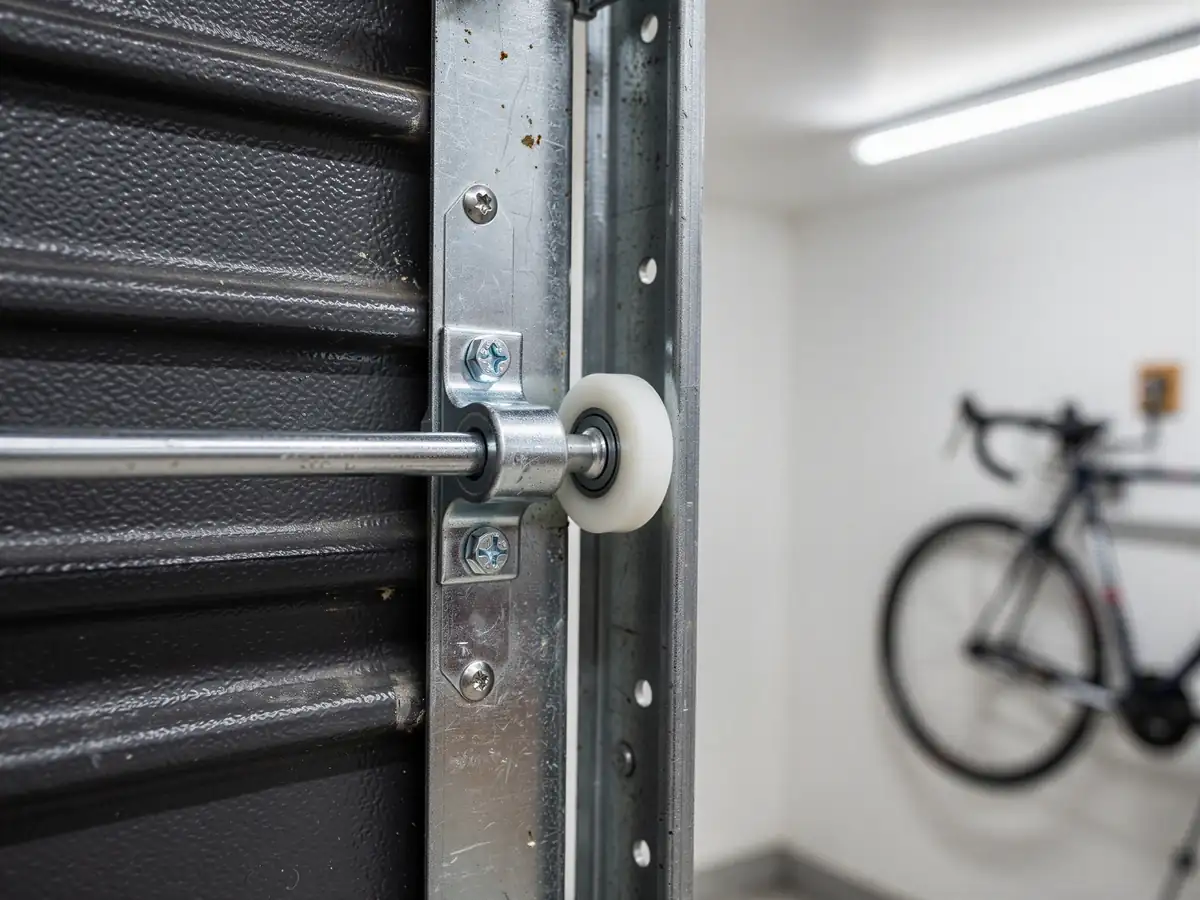
A garage door roller is visible on a metal track, with a bicycle in the background.

Roller Replacement

Worn or seized rollers on Lake Zurich garage doors built in the 1980s and 90s. See why cold winters and original hardware make roller failure common, and how we fix it.

Learn more
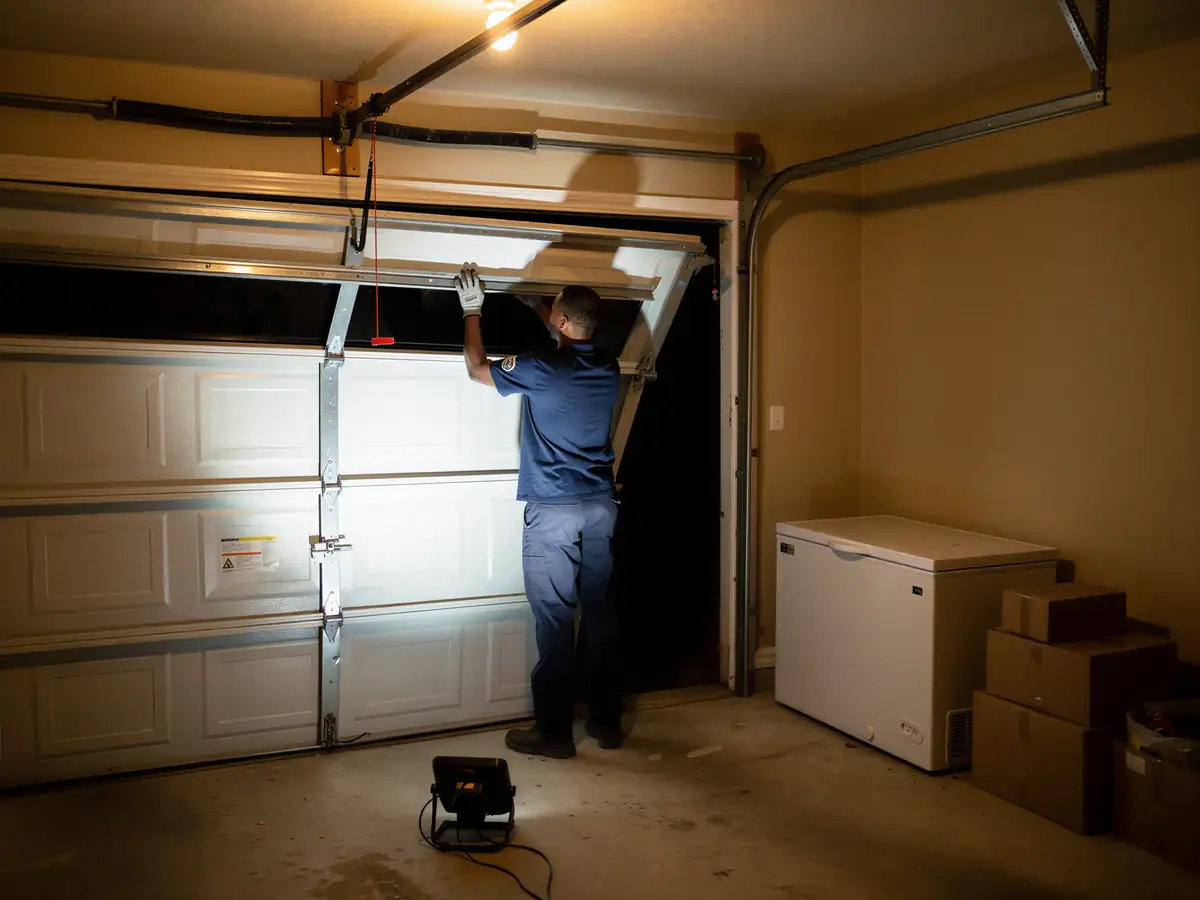
A technician in a blue shirt adjusts a white garage door inside a garage.

Emergency Garage Door Repair

Spring snapped or opener dead in Lake Zurich? We work on doors from homes built the 1930s through the 2000s, in a climate that's hard on steel hardware every winter.

Learn more
Questions

Frequently asked

Straight answers about garage door repair in Lake Zurich. Still unsure? Ask us directly.

How old does a garage door have to be before repair stops making sense?

There's no fixed age cutoff. A door from the 1985 median build year with a rusted spring and a cracked panel is often past the point of a cheap fix, while a door from the same era with just a worn roller can keep going for years. It comes down to what's actually failing, not the birth year on the door.

Why does my garage door act up more in winter here?

Lake Zurich sits in a cold, moderate climate zone, and the freeze-thaw swing is hard on steel panels, springs, and weatherstripping, especially on older doors without a polyurethane core. Cold steel contracts, seals stiffen and crack, and a marginal spring is more likely to fail on a sub-zero morning than a mild one.

Is it worth replacing parts on a 1980s door instead of the whole unit?

Often yes, if the track, panels, and frame are still sound and it's just a spring or opener issue. A lot of the housing stock here dates to that era, and a well-maintained original door can keep running fine. The math changes once multiple parts are failing at once.

Ready to get your garage door sorted?

Tell us what it’s doing and where you are in Lake Zurich - we’ll take it from there.

Request a QuoteCall