Serving Lake Zurich, IL & nearby
(847) 874-0872
Lake Zurich, IL

What a Service Call Actually Covers Here

A straight look at what we check on a Lake Zurich service call, tied to this area's 1980s-90s housing stock and cold-climate wear on torsion springs and tracks.

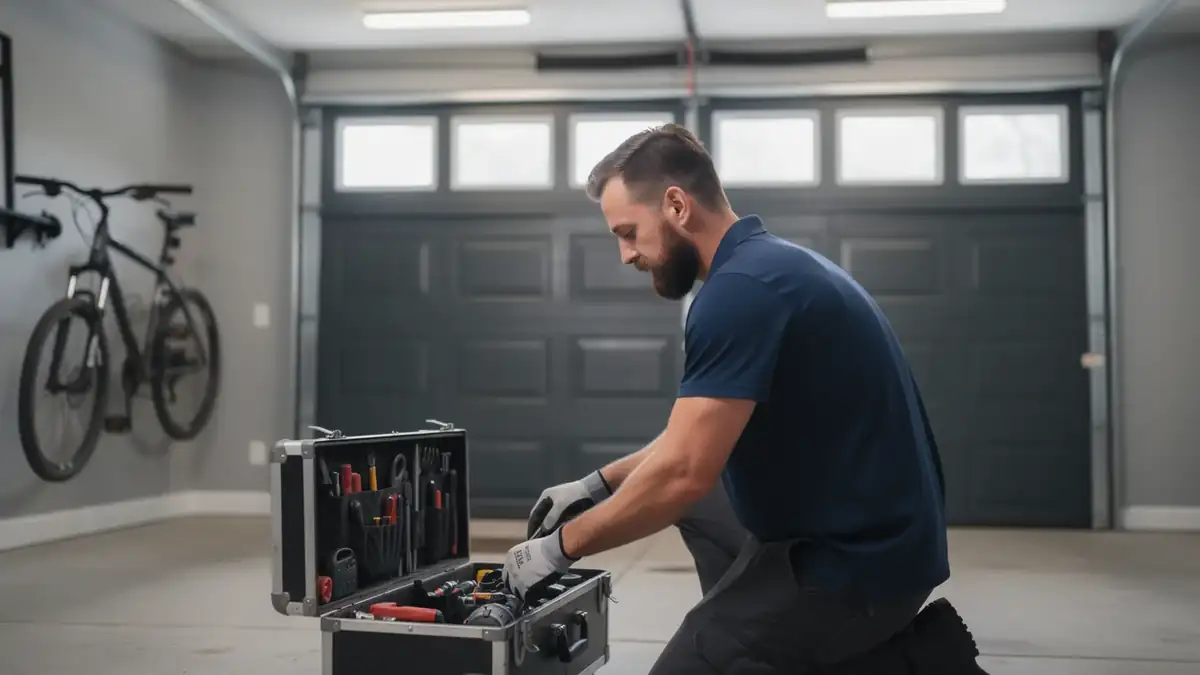
A technician kneels in a garage, looking into an open toolbox.

What the Weather Here Does to It

Lake Zurich sits in a cold-moderate climate band, and that matters more to a garage door than most owners think. The freeze-thaw cycle every winter works on steel the same way it works on sidewalks and driveways - it finds the weak point and widens it. Torsion springs lose a little tension every time the metal contracts hard in a cold snap, and the grease in an older opener chain or screw drive thickens up, which makes the motor strain to lift a door it used to handle without effort. Track brackets that were torqued down in 1985 and never touched since start to walk loose as the wood behind them shrinks and swells with the season. None of this shows up as a dramatic failure. It shows up as a door that's a little louder, a little slower to close, or one that reverses on the way down for no obvious reason. A service call in this climate isn't about chasing a single broken part - it's about catching the two or three things the cold has been quietly loosening before they all let go on the same January morning.

Doing Nothing For Now

Not every noise or hesitation means you need a truck out that day. If the door opens and closes on command, the springs aren't visibly stretched or gapped, and the opener isn't grinding, you can usually wait. Houses in this area were mostly built between 1938 and 2009, with the bulk of that stock from the 1980s and 90s, which means a lot of doors are running original or first-replacement torsion hardware that's simply aging on schedule rather than failing outright. A yearly lube-and-check is enough to carry most of those systems another year. Where waiting stops making sense is when a symptom repeats - the same cable fraying spot, the same panel dent catching the track, the same opener click that doesn't quite finish the job. One oddity is a watch-it situation. The same oddity twice in a month is a call-it situation. We'd rather tell you to hold off and save the trip than run a service call on a door that's fine, but we'll also tell you straight when it's past the point where waiting costs you more than the repair would.

The Problem

The core issue with a lot of doors in this part of the service area is age mismatch between parts. A house built in the mid-1980s original stock often has a torsion spring system that's been replaced once, an opener that's been replaced twice, and a track that's never been touched - three different ages of hardware working off the same door. That's where calls usually start: a homeowner hears a new noise and assumes it's the newest part, when it's actually the original track bracket finally giving up after thirty-plus years of seasonal movement. We see this pattern often enough across the 1980s-90s housing stock common here that it's worth checking the whole system, not just the part making noise. The honest limitation: we don't try to match mismatched parts with a patch job when the spring, drum, and track are all different generations and wearing at different rates. Past a certain point, piecing in one more replacement part onto a system like that is false economy - it buys a few months, not a few years, and we'll tell you when that's where you've landed.
When to Get Help

Call before the door gets stuck, not after. A cable that's starting to fray, a spring with a visible gap when the door is down, or a track bracket you can wiggle by hand are all things worth a look now rather than during the week it finally fails. With a median household income of $121,583 across this area, most owners here can plan a repair or replacement on their own schedule instead of being forced into an emergency call at the worst possible time - that's worth taking advantage of. If the door is slamming the last foot of travel, reversing without touching anything, or the opener motor is audibly straining, that's not a wait-and-see; that's a today call. We can usually tell over the phone whether what you're describing is a five-minute adjustment or a parts job, which saves you from guessing.

How it works

From “it’s stuck” to “it’s fixed”

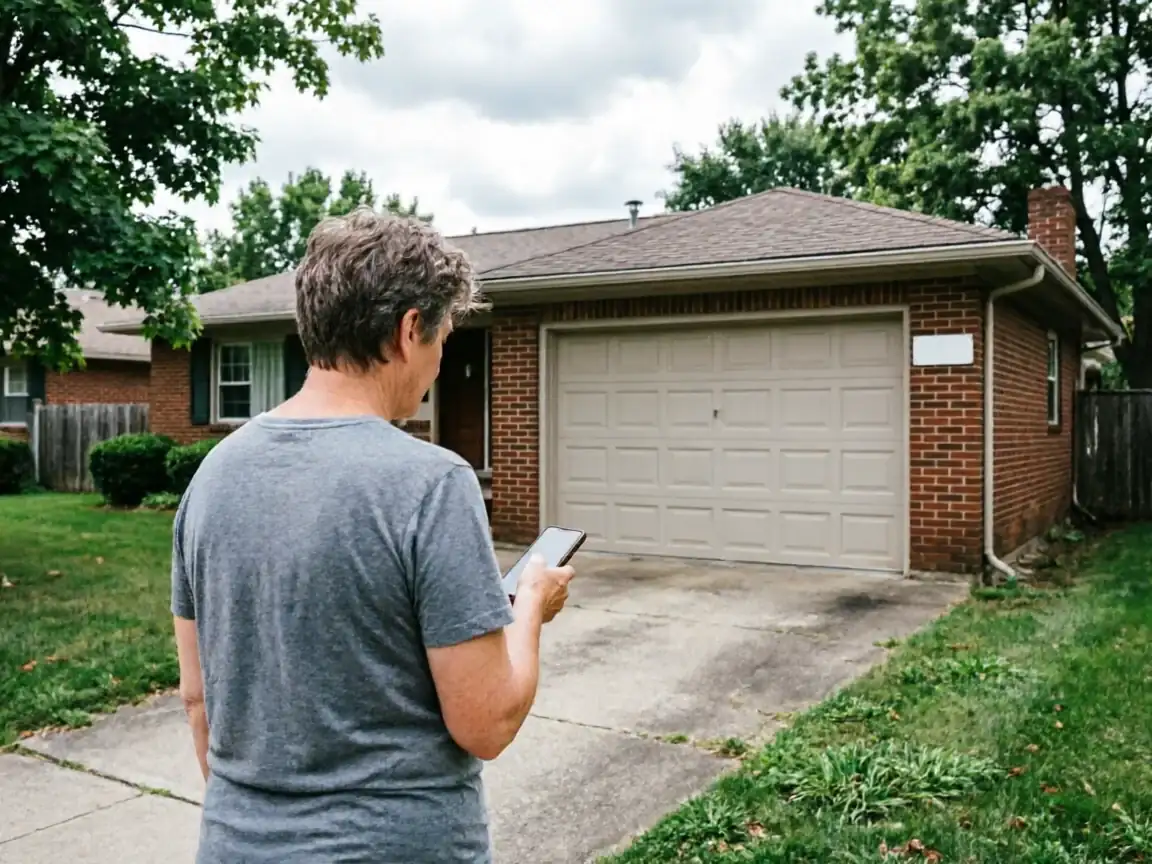
A person stands in a driveway looking at a phone with a house and garage in the background.

Tell us what’s wrong

Describe the symptom - won’t open, loud bang, opener runs but the door won’t move.

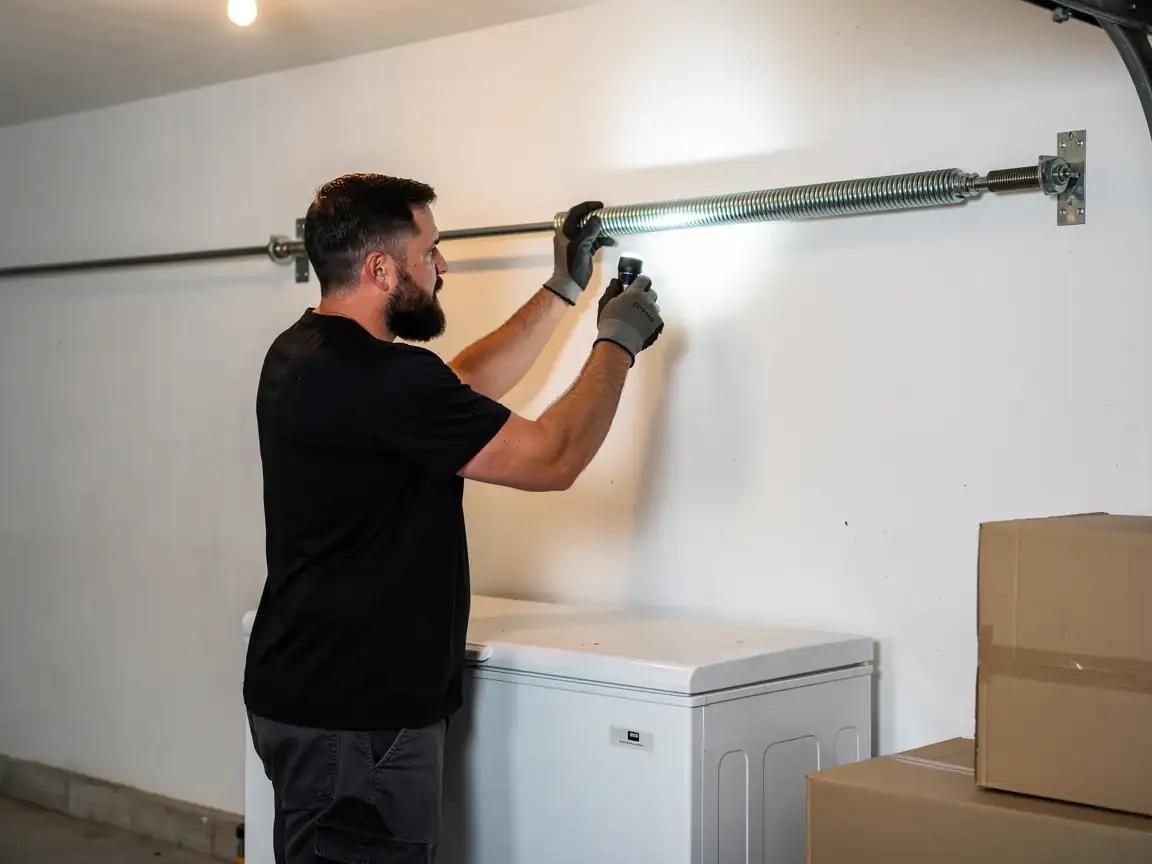
A technician inspects a garage door torsion spring with a flashlight.

On-site diagnosis

A technician tests the door under power and by hand and finds what actually failed.

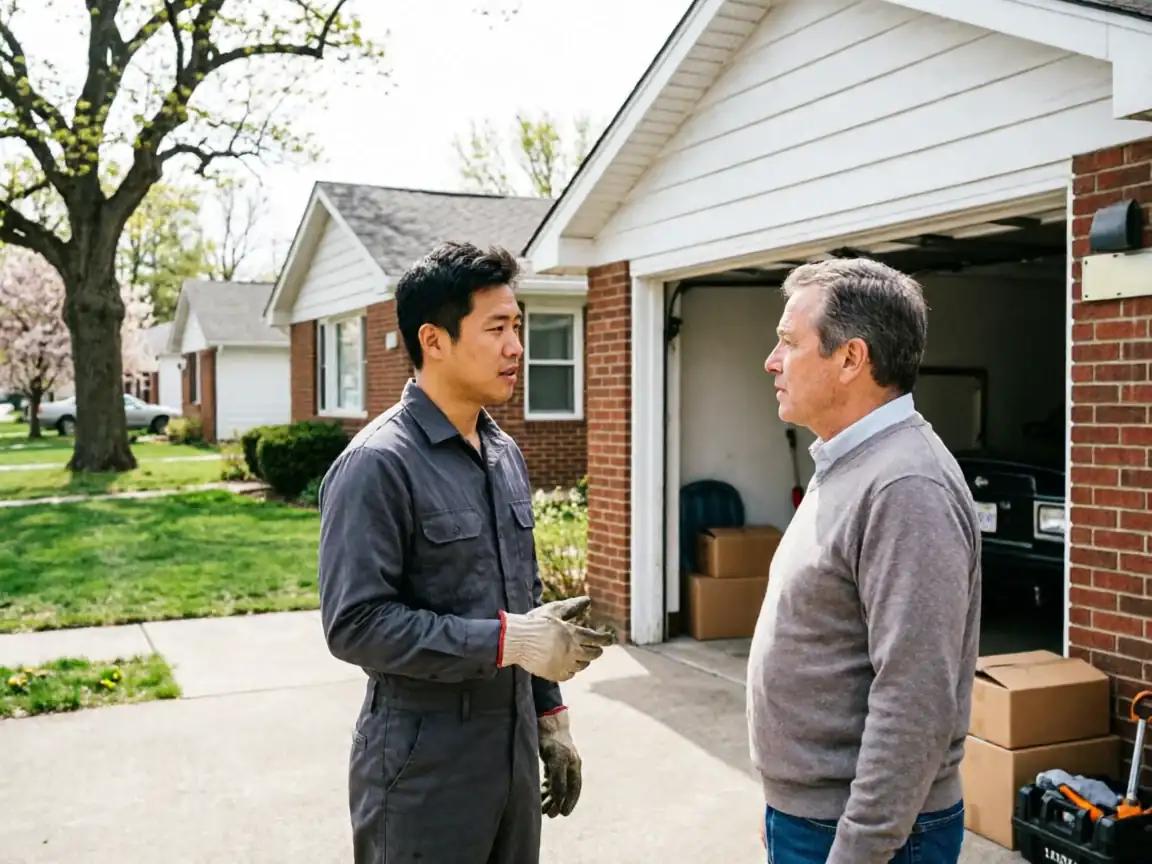
A technician in a gray jumpsuit talks to a man in a gray sweater in a driveway.

Clear, up-front plan

You get the fix that’s needed and what drives the cost - before any work starts.

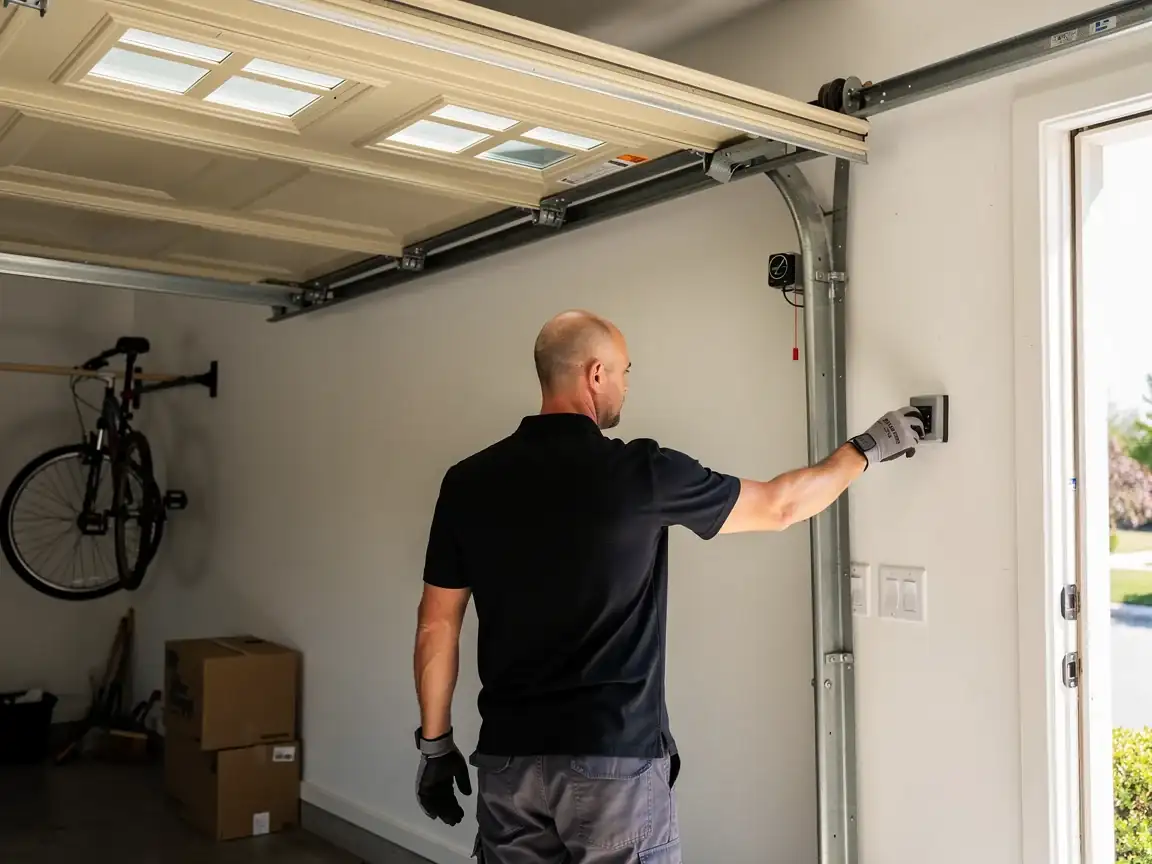
A technician in gloves presses a button on a garage wall.

Repaired & tested

The repair is done, the door is set true and tested, and the work area left clean.

Not sure which repair your door needs in Lake Zurich, IL? Describe what it’s doing - every job starts with a diagnosis.

How we work

What to expect

Diagnosis firstEvery visit starts by finding what actually failed - not a pre-written parts list.
The right part for the doorSprings and openers matched to the door’s weight and age, so the fix holds up.
Straight answersWhen a repair makes more sense than a replacement - or the reverse - you hear it plainly.
Clean, careful workTension released safely, hardware set true, the door tested under power before we leave.
What we do

Garage Door Services

Repair and installation work for Lake Zurich homes and businesses.

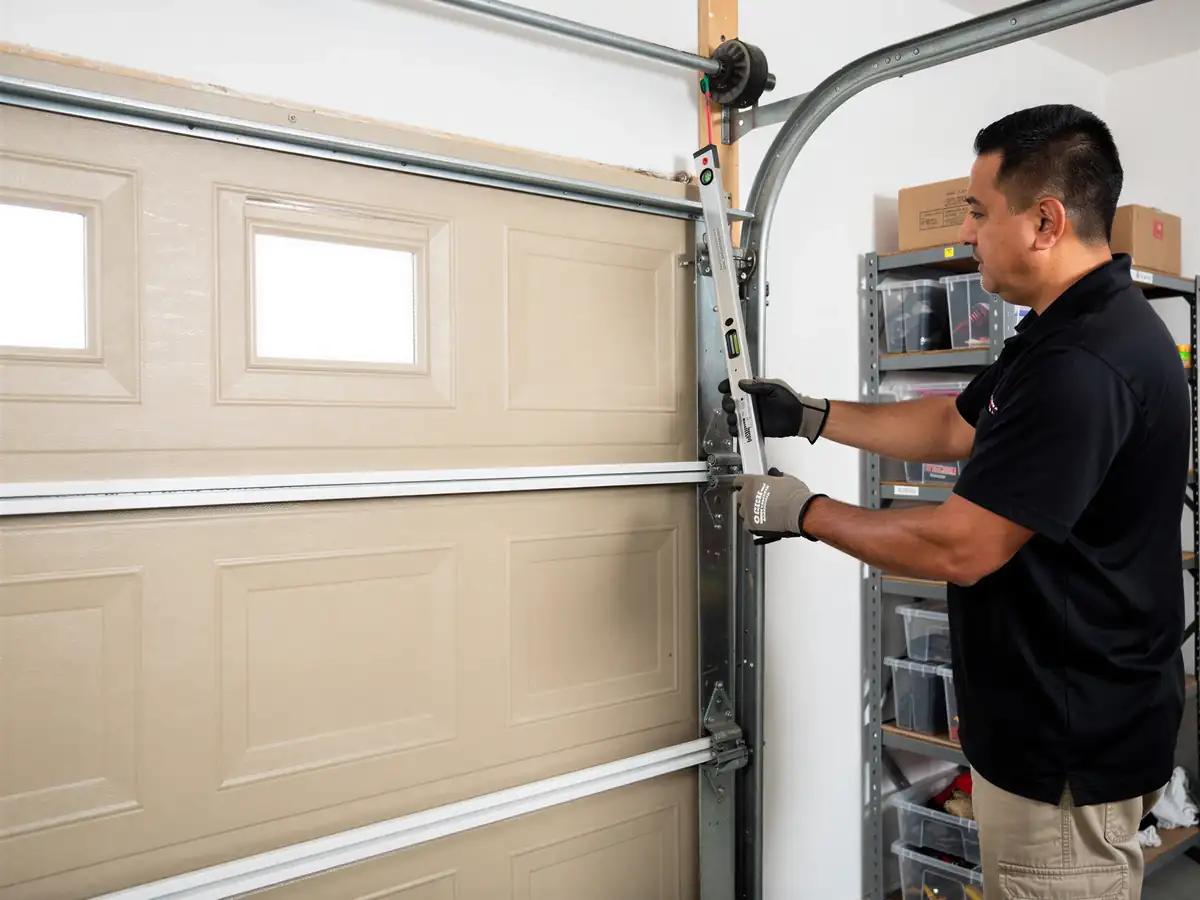
A technician uses a level on a tan garage door.

Garage Door Repair

Lake Zurich Garage Door Pros fixes springs, openers, and tracks on the 1980s-90s doors common across Lake Zurich's housing stock. Same-week booking.

Learn more
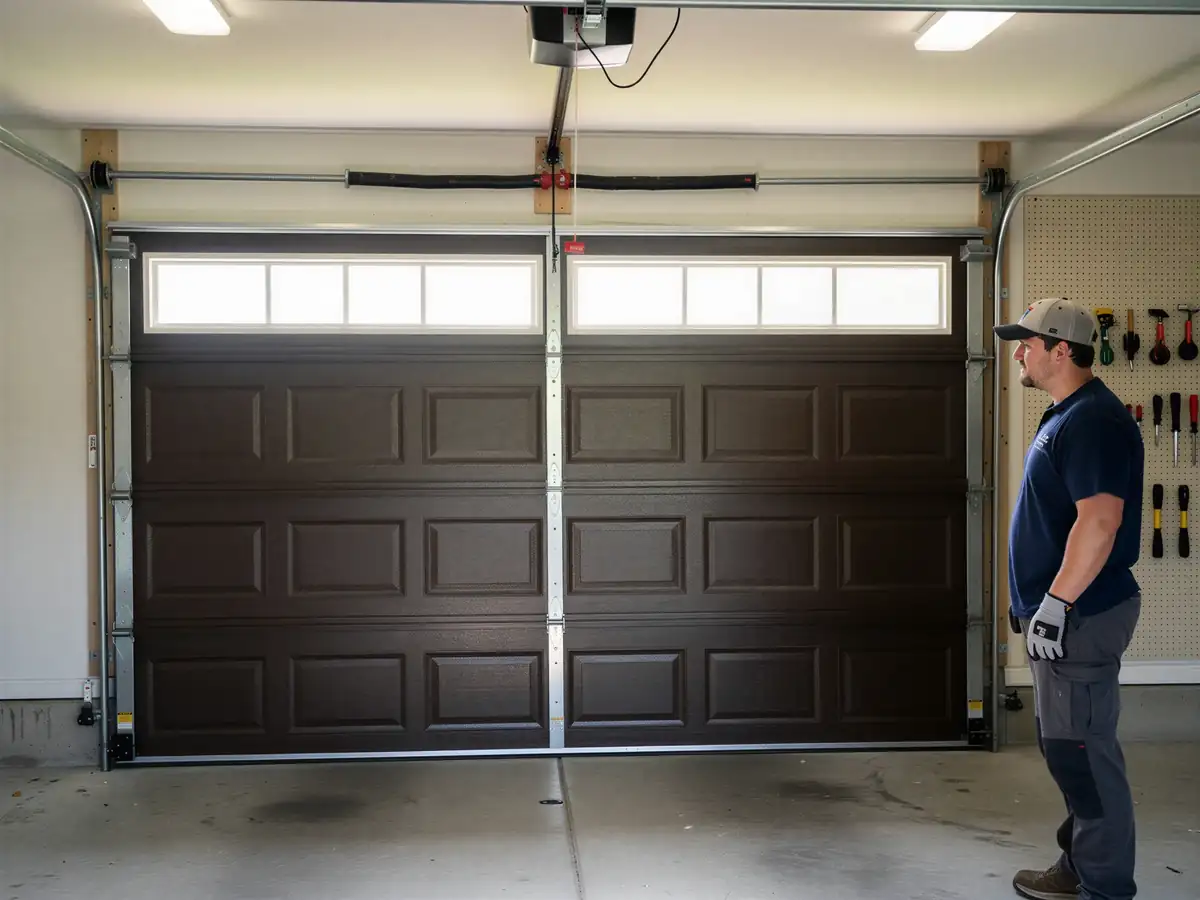
A technician stands next to a closed brown garage door with windows.

Garage Door Installation

Garage door installation sized for Lake Zurich's 1980s-era housing stock and cold winters. Straight talk on what fails, what it costs you, and when replacement wins.

Learn more
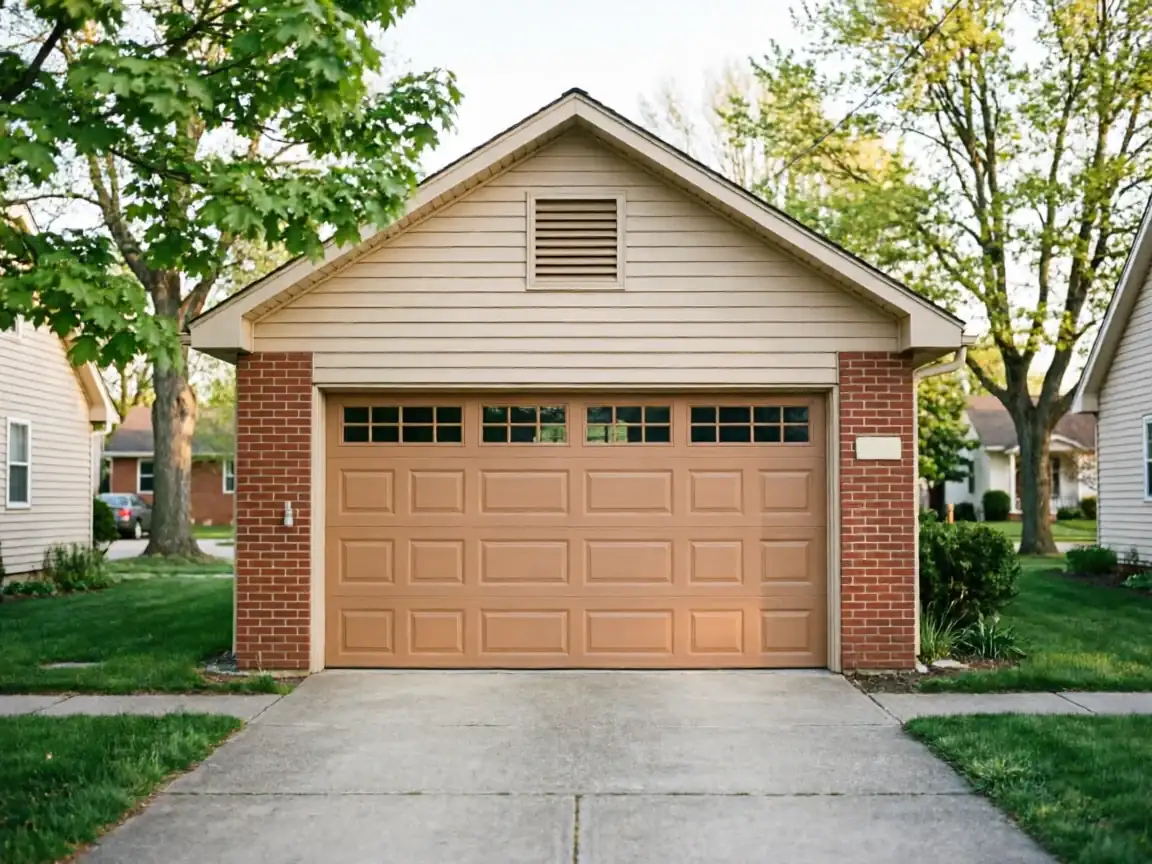
A brown garage door with windows is on a house with tan siding and brick.

Garage Door Service

Lake Zurich homes built mostly in the 1980s and 90s are hitting the age where springs, openers, and rollers fail together. Here's why, and what a visit looks like.

Learn more
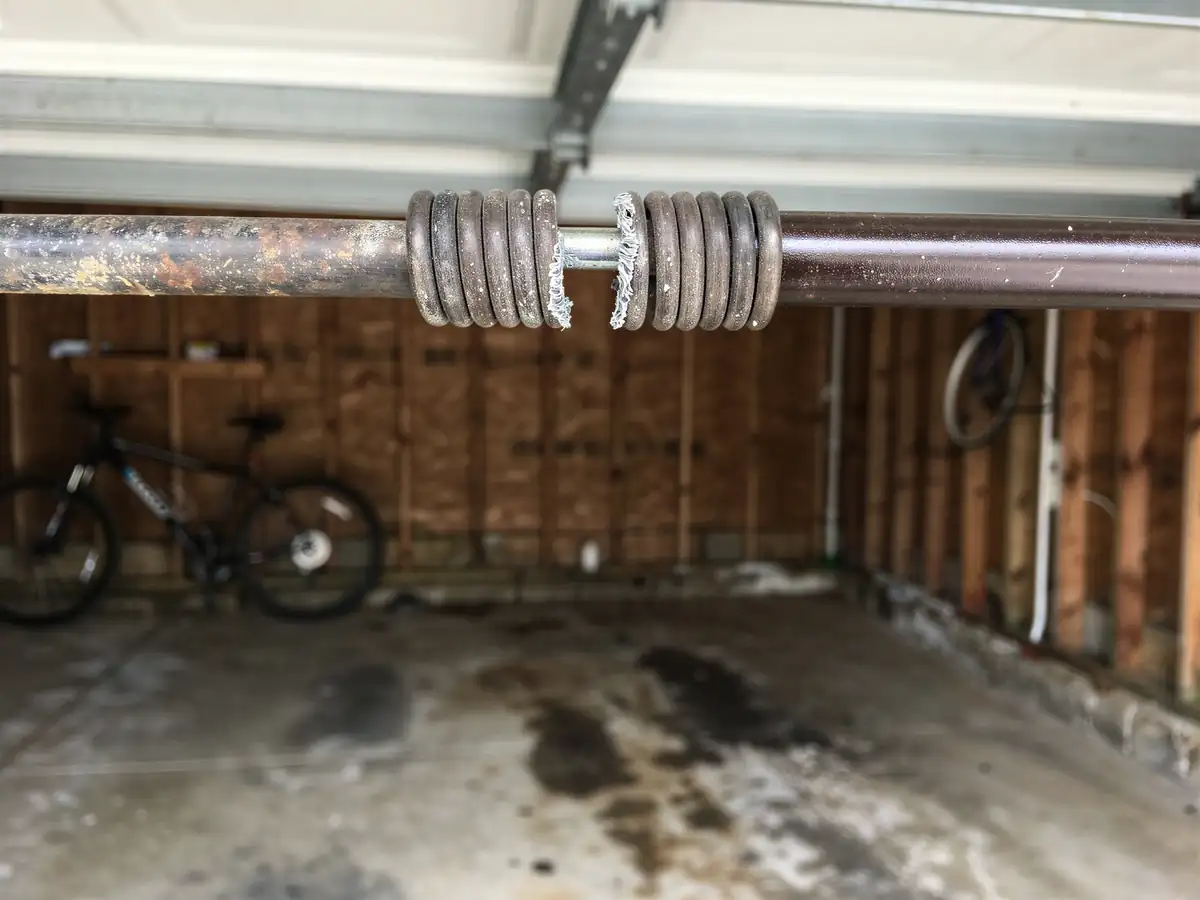
A broken torsion spring is visible on a garage door shaft.

Spring Repair

Broken torsion springs are common across Lake Zurich's 1938-2009 housing stock. Same service area coverage, straight talk on what a repair actually involves.

Learn more
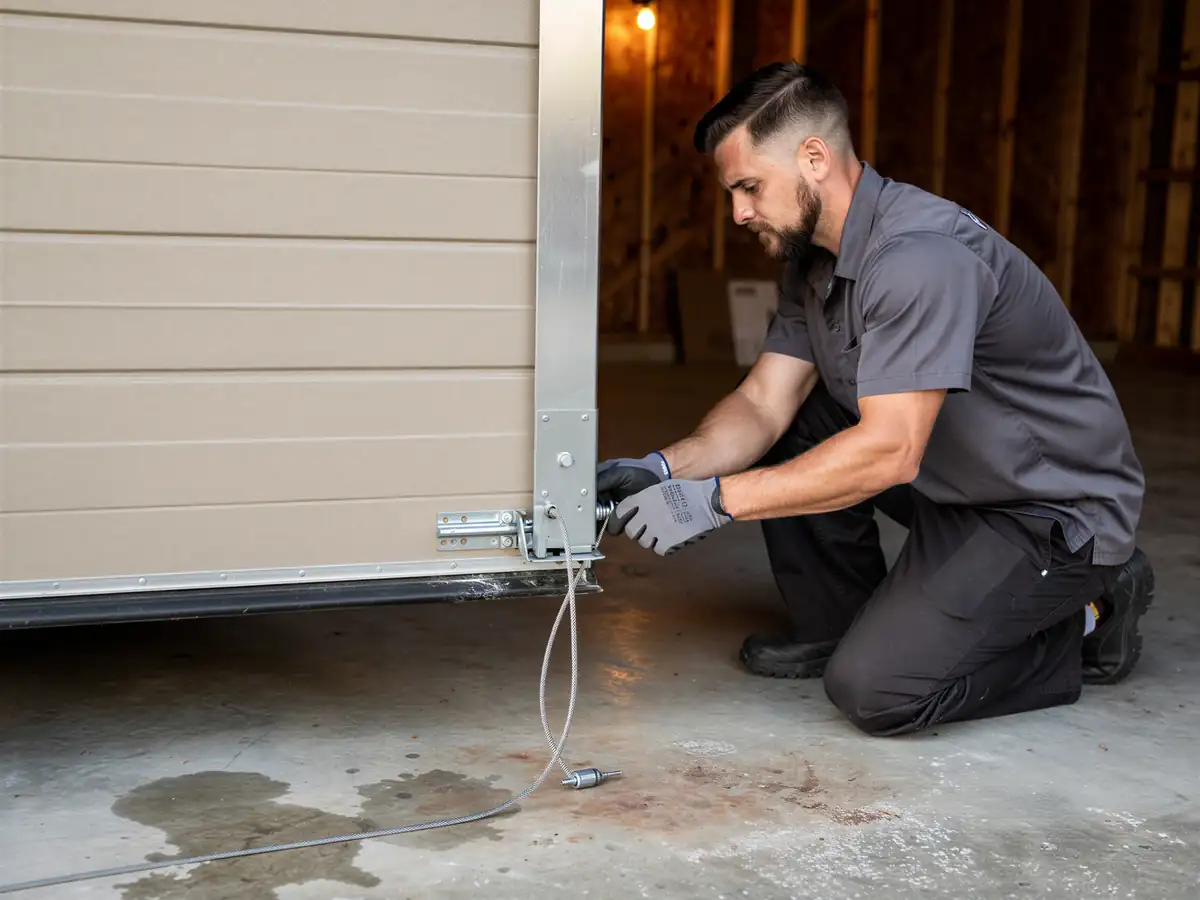
A technician kneels, adjusting a beige garage door's bottom bracket and cable.

Cable Repair

Broken or frayed garage door cables are common in Lake Zurich homes built 1938-2009. We diagnose and repair cable failures fast, before the spring lets go too.

Learn more
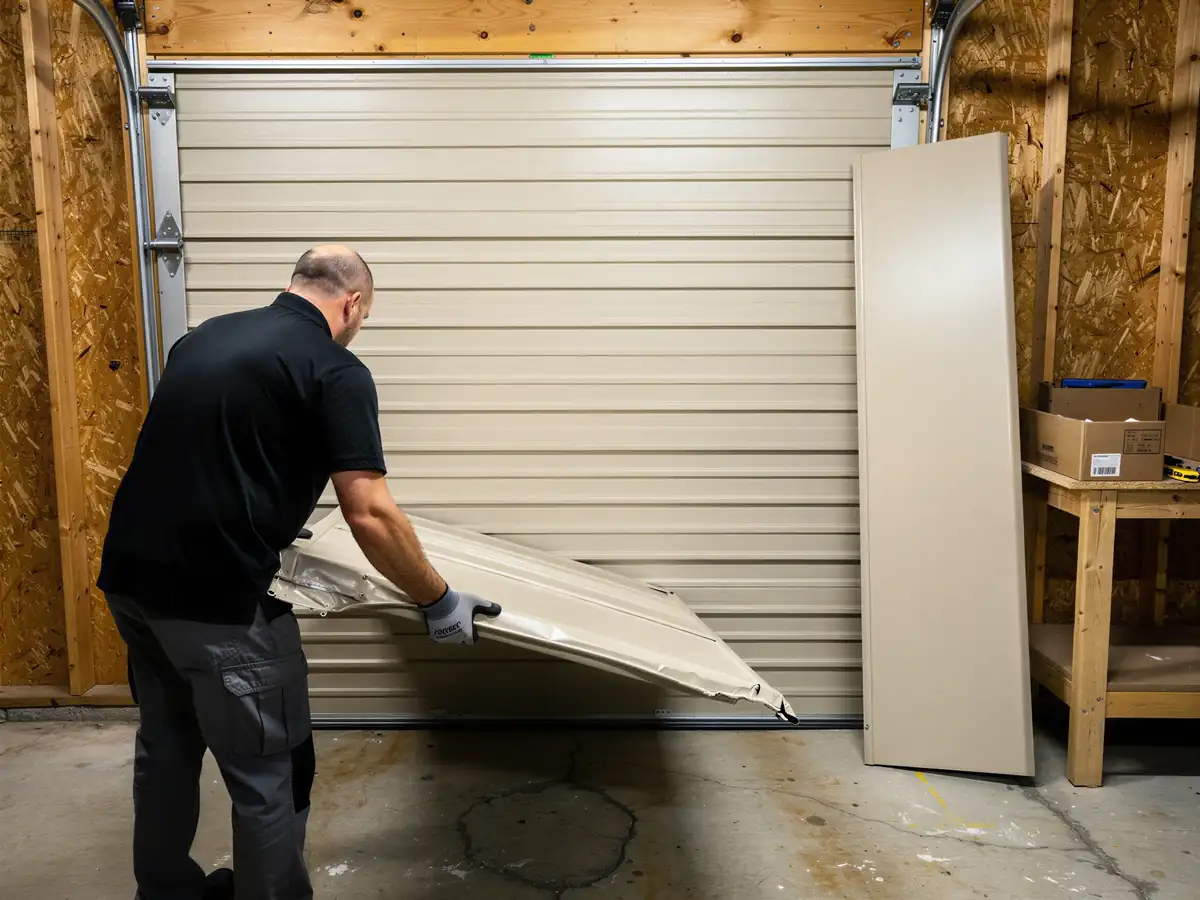
A technician is installing a new tan garage door panel.

Panel Replacement

Panel replacement for Lake Zurich-area homes built 1938-2009, where cold winters crack and dent original steel sections. Serving towns within a 12-mile radius.

Learn more
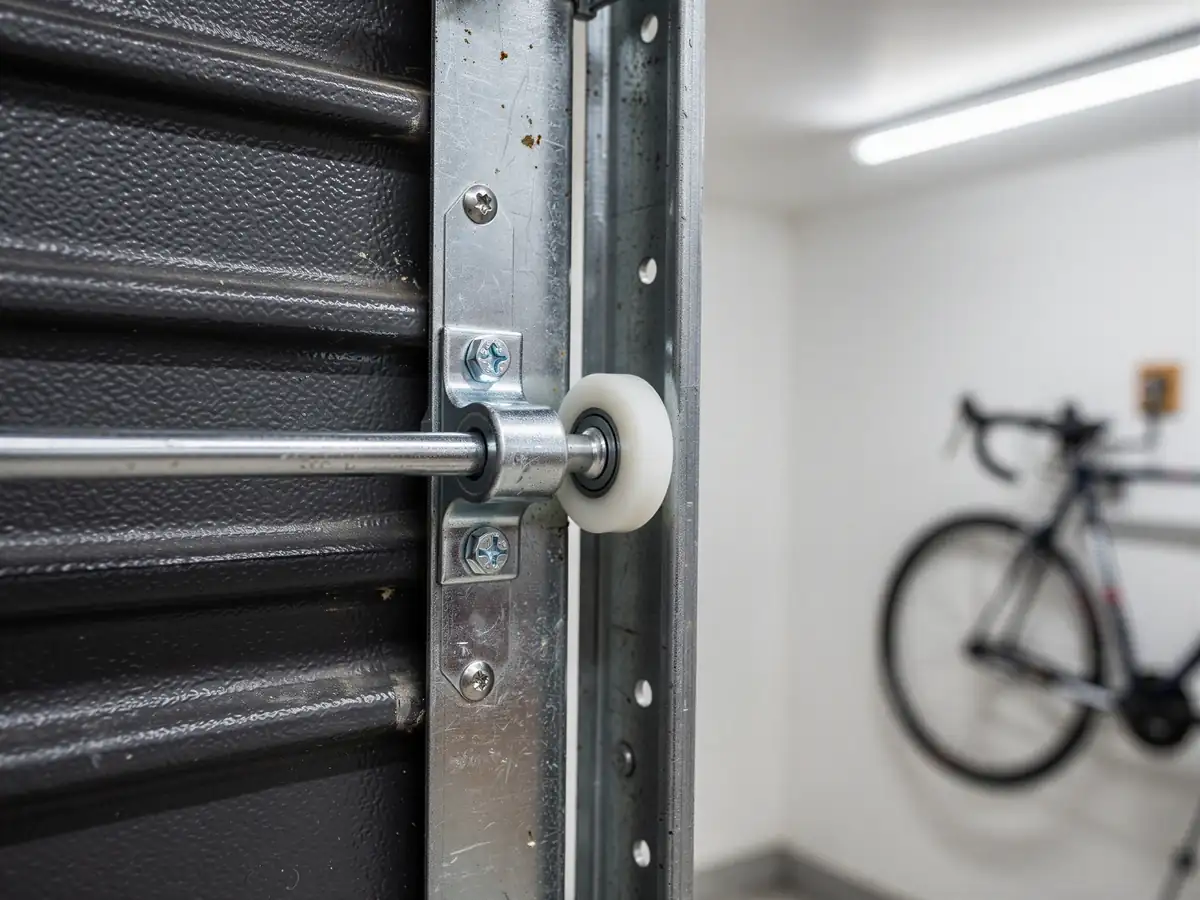
A garage door roller is visible on a metal track, with a bicycle in the background.

Roller Replacement

Worn or seized rollers on Lake Zurich garage doors built in the 1980s and 90s. See why cold winters and original hardware make roller failure common, and how we fix it.

Learn more
A technician in a blue shirt adjusts a white garage door inside a garage.

Emergency Garage Door Repair

Spring snapped or opener dead in Lake Zurich? We work on doors from homes built the 1930s through the 2000s, in a climate that's hard on steel hardware every winter.

Learn more
Questions

Frequently asked

Straight answers about garage door repair in Lake Zurich. Still unsure? Ask us directly.

How often should I get my garage door serviced in Lake Zurich?

Once a year is reasonable for most doors in this area, given the cold-moderate climate and how much the freeze-thaw cycle works on torsion springs and track hardware. If your door is original to a 1980s or 90s build and hasn't been serviced recently, it's worth moving that up rather than waiting for a failure in the middle of winter.

What does a basic service call actually check?

We look at spring tension, cable condition, track alignment, roller wear, and opener force settings - the parts that cold weather and age work on hardest. On older homes in this area we also check whether the track hardware and opener are mismatched generations, since that's a common pattern here.

Is it worth fixing an older door instead of replacing it?

Often yes, if the spring and track are sound and it's just the opener or a cable that's gone. But if the system is a mix of original 1980s track with two generations of replacement parts bolted onto it, patching one more piece rarely holds - we'll tell you straight when replacement is the better use of your money.

Why does my door act up more in winter?

Steel contracts in the cold, which tightens torsion springs beyond their normal range and stiffens grease in the opener drive. That combination is why doors in this climate band tend to get louder, slower, or more prone to reversing in January and February than in July.

Ready to get your garage door sorted?

Tell us what it’s doing and where you are in Lake Zurich - we’ll take it from there.

Request a QuoteCall