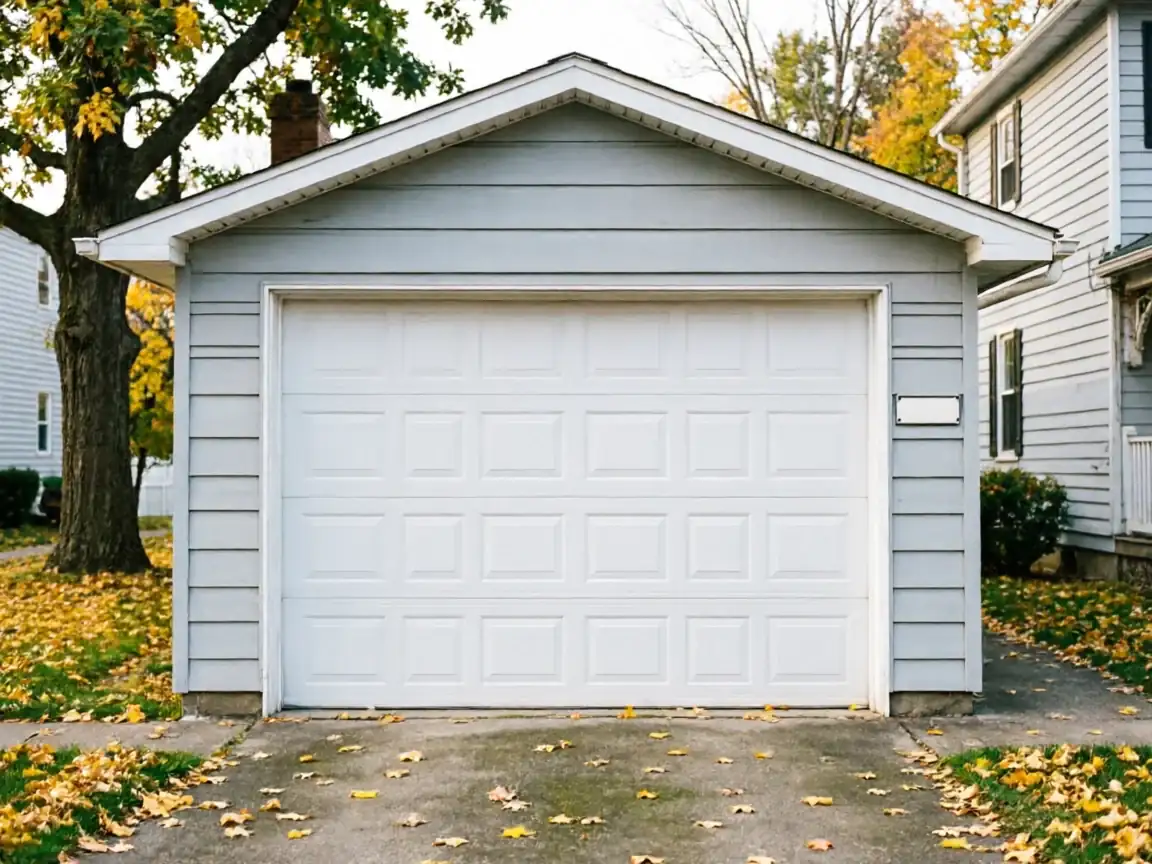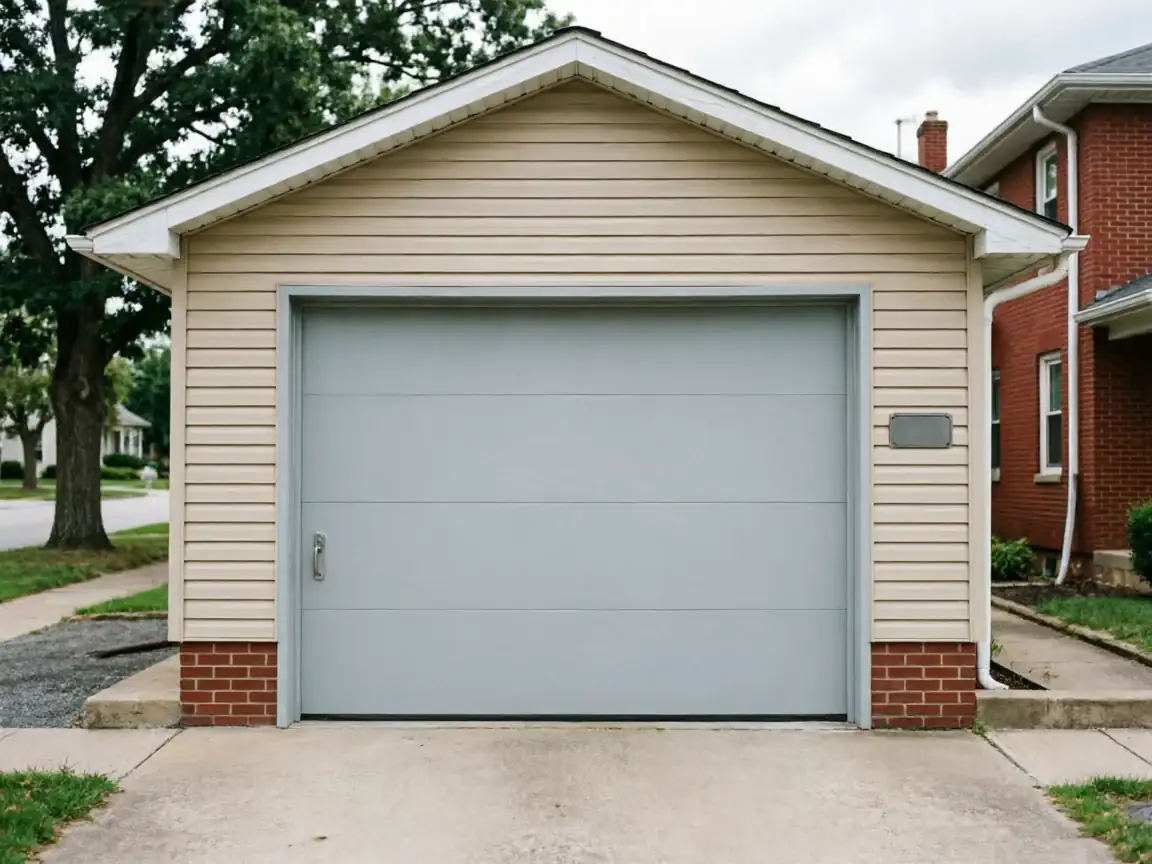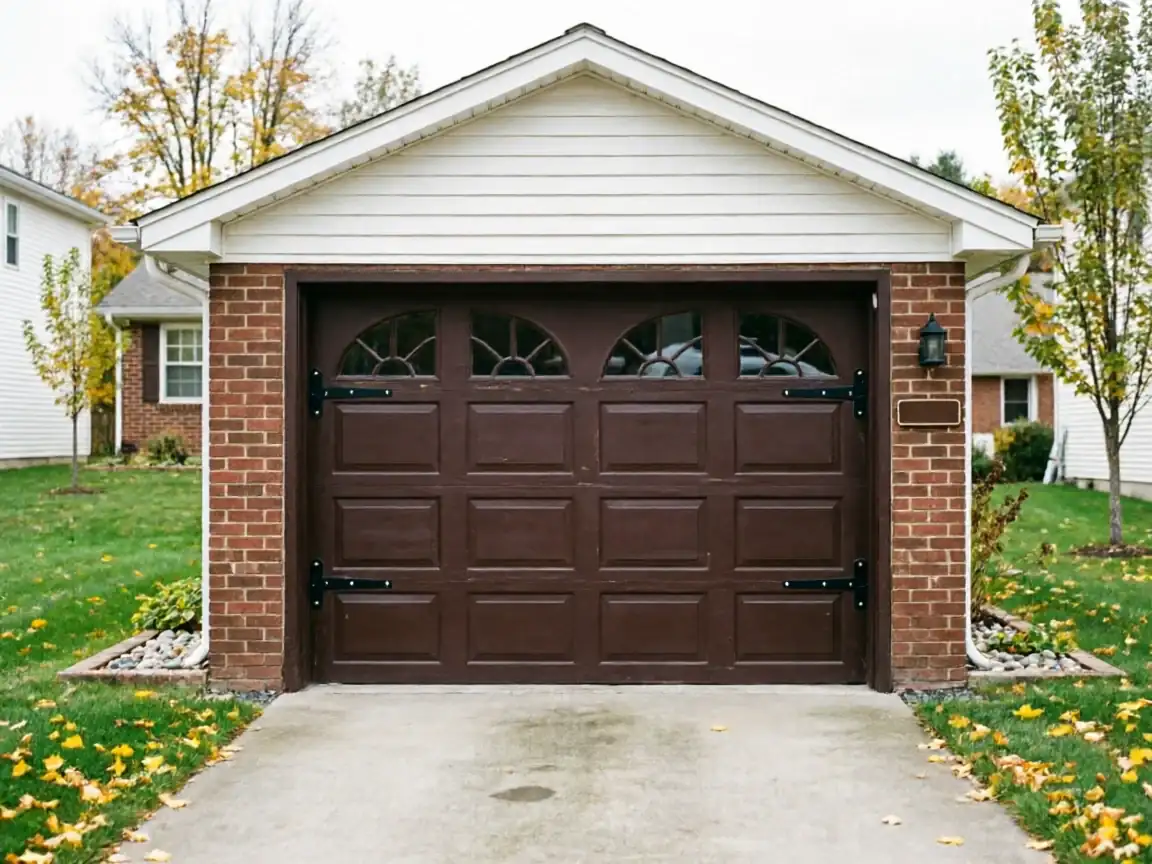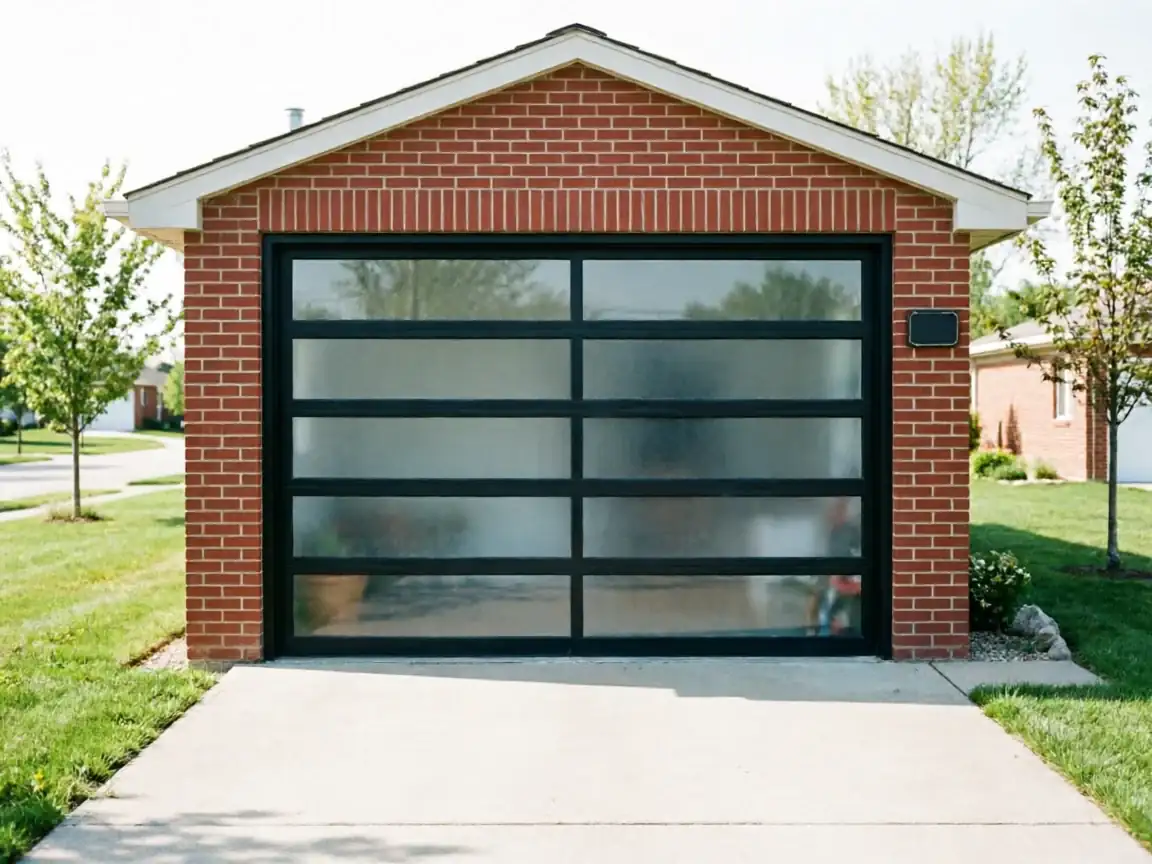
How That Shows Up in the Door
Libertyville's median home went up in 1976
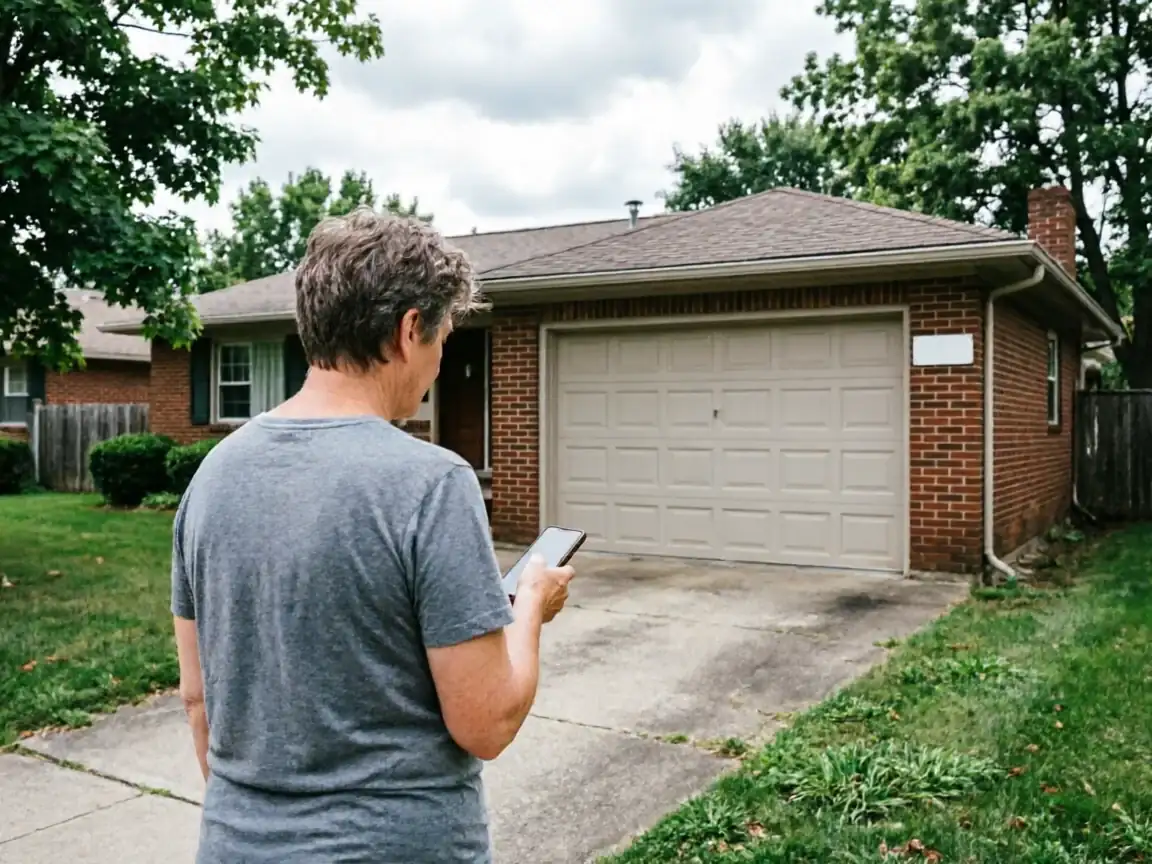
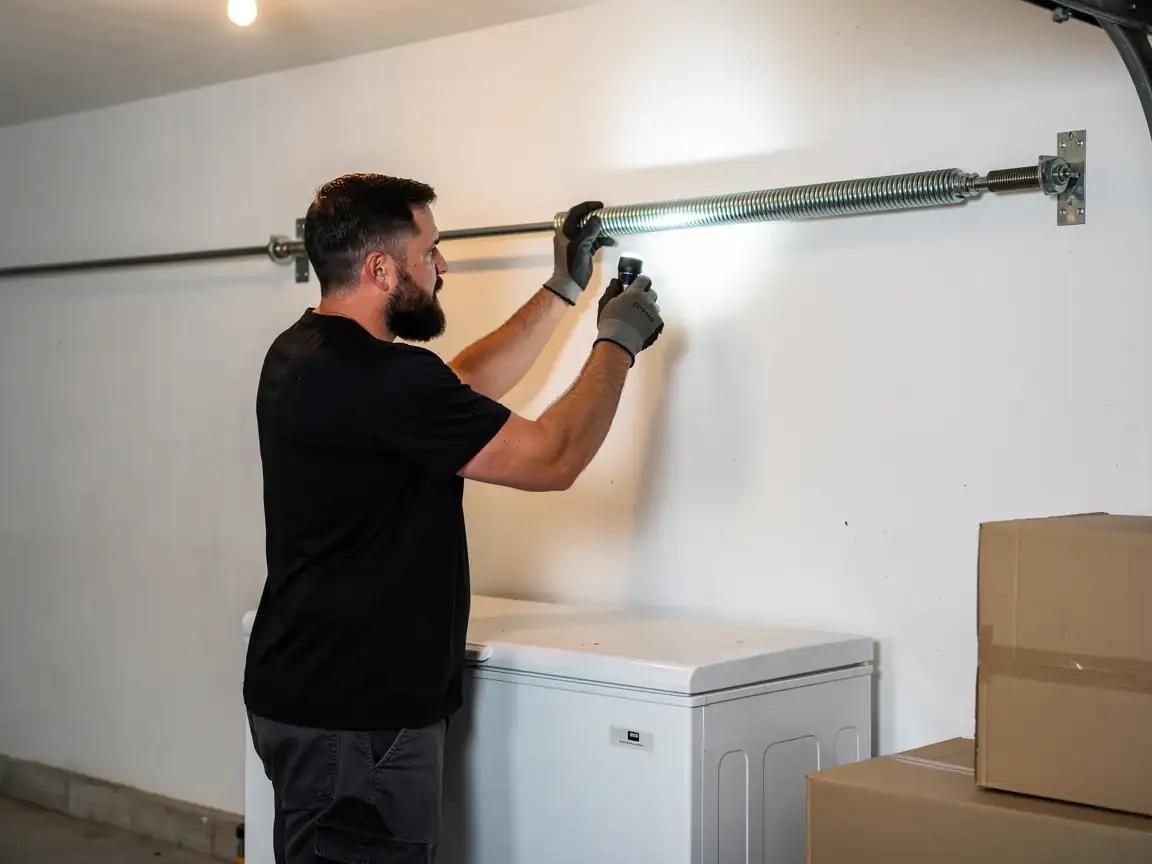
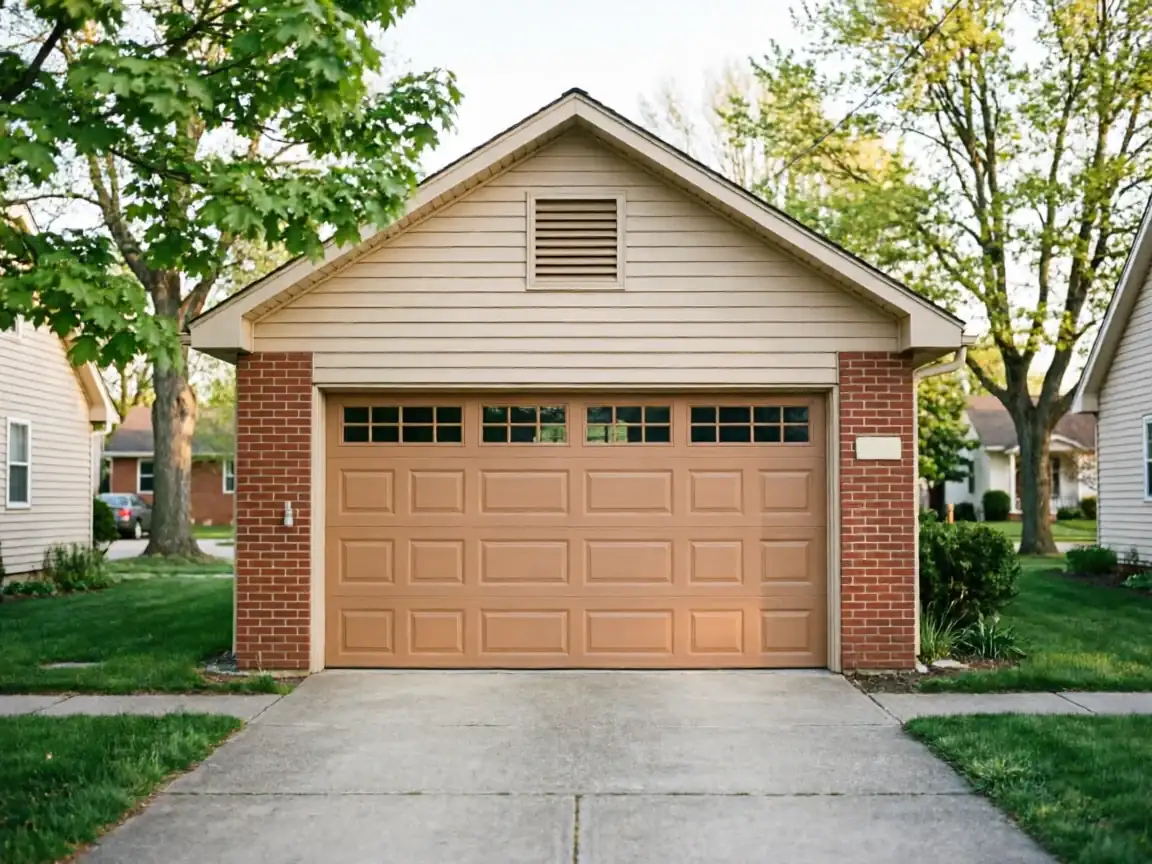
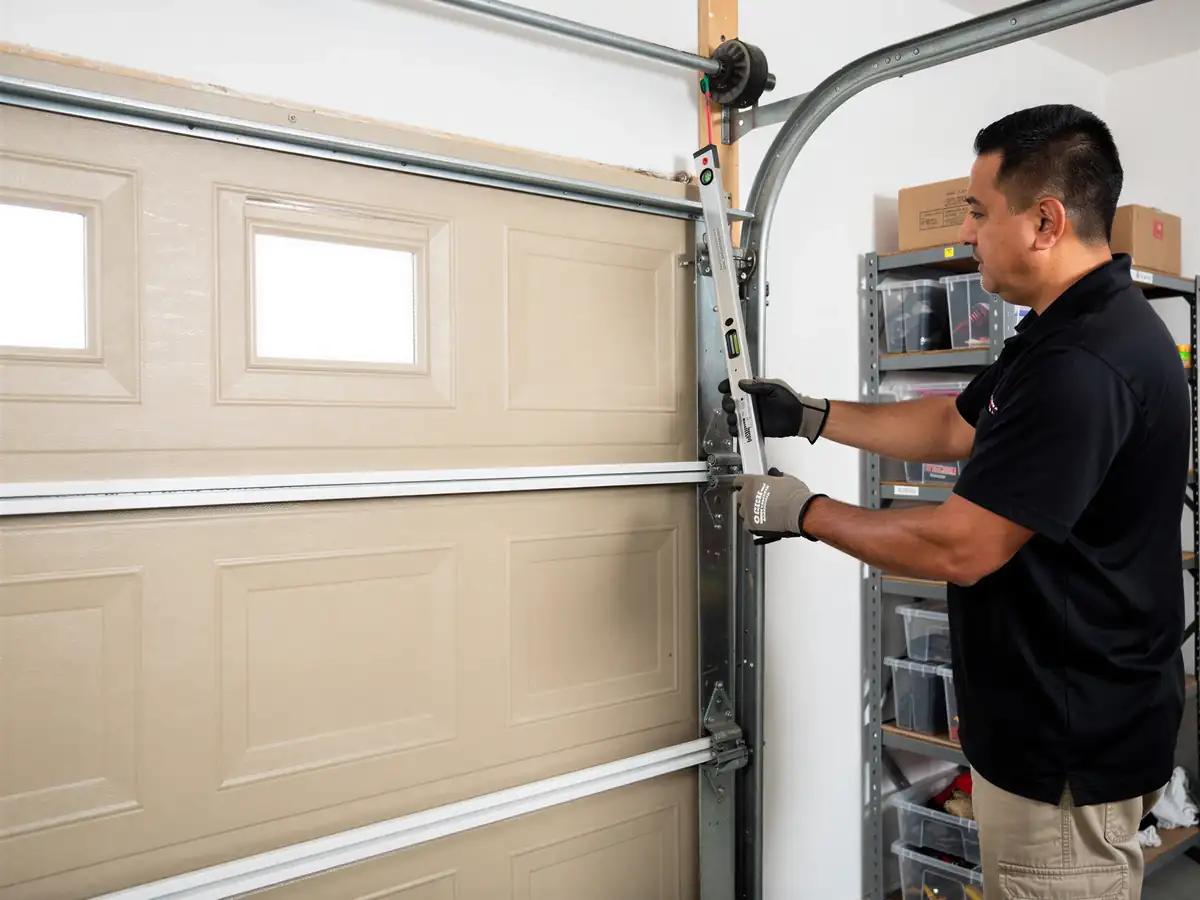
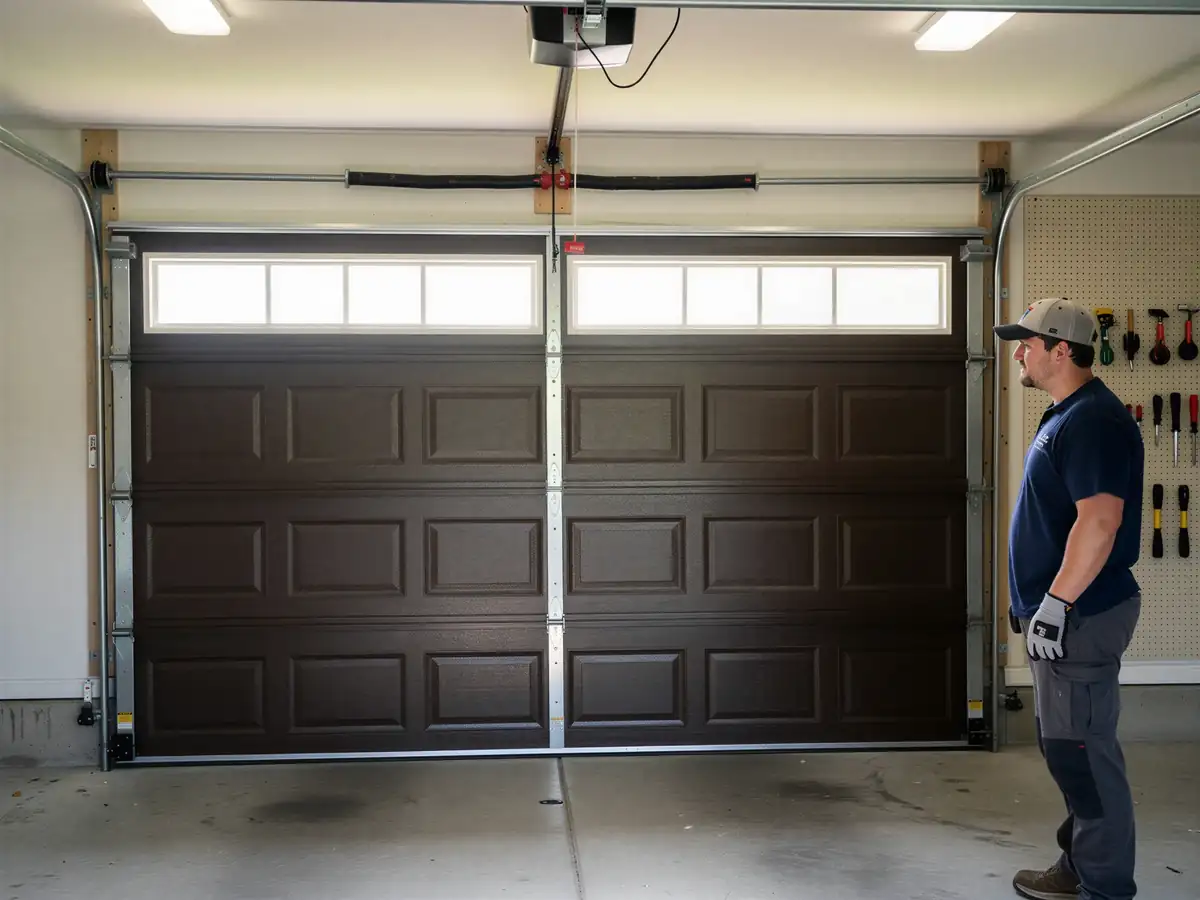
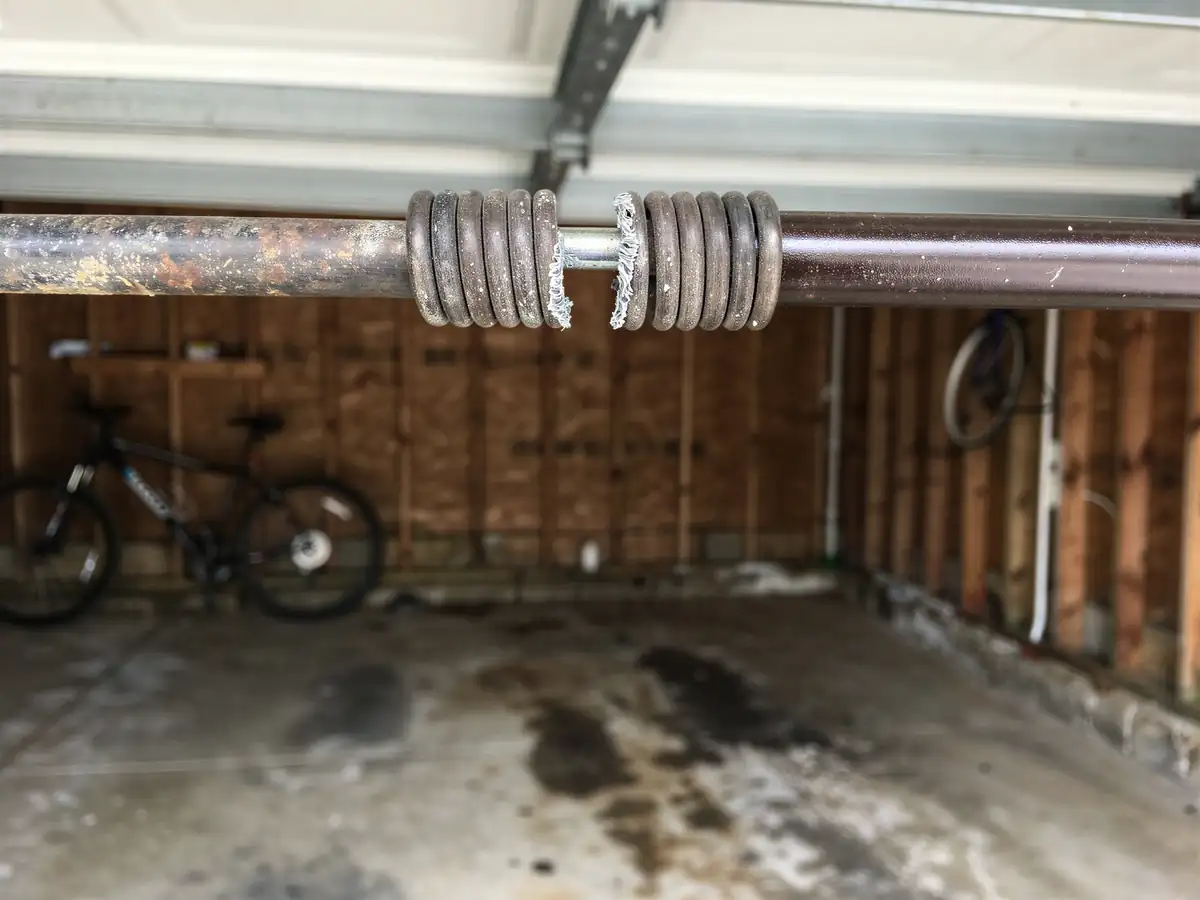
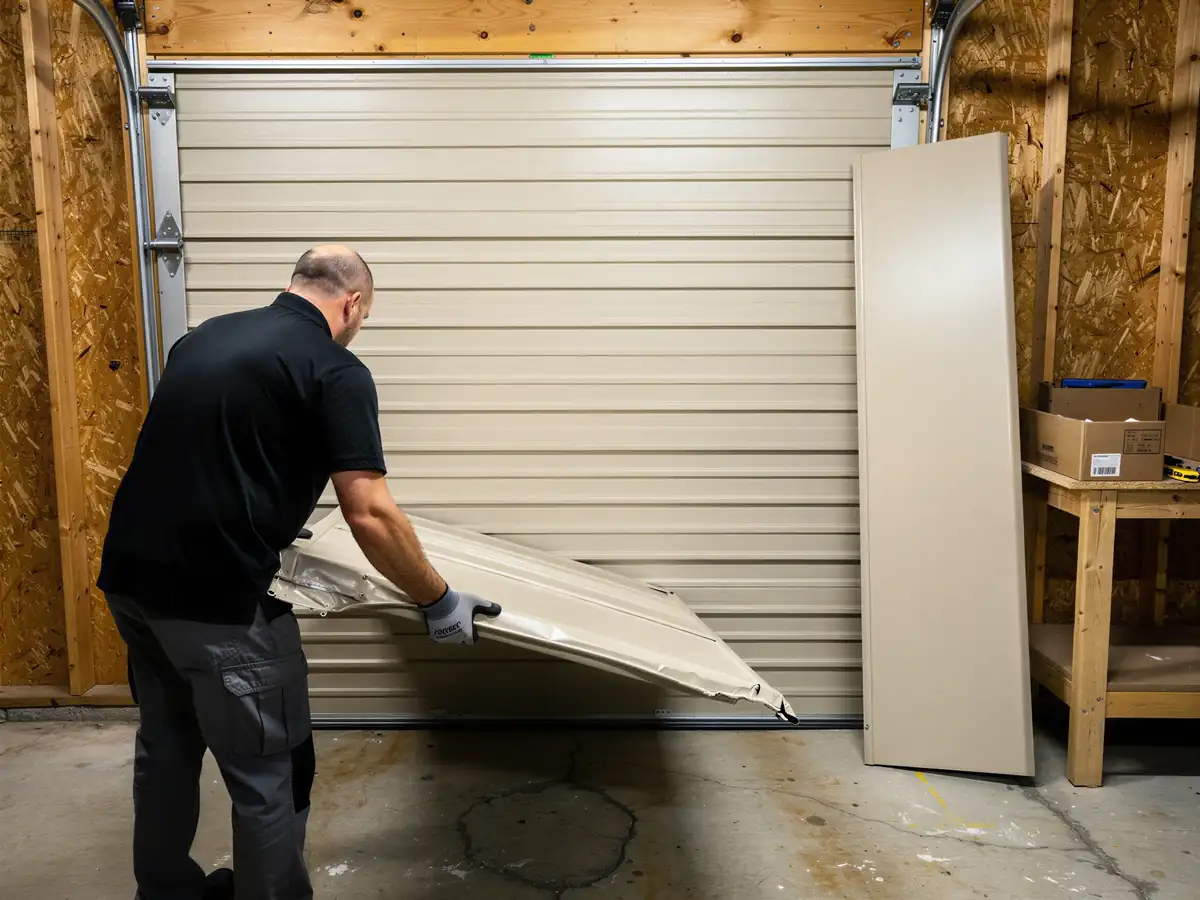
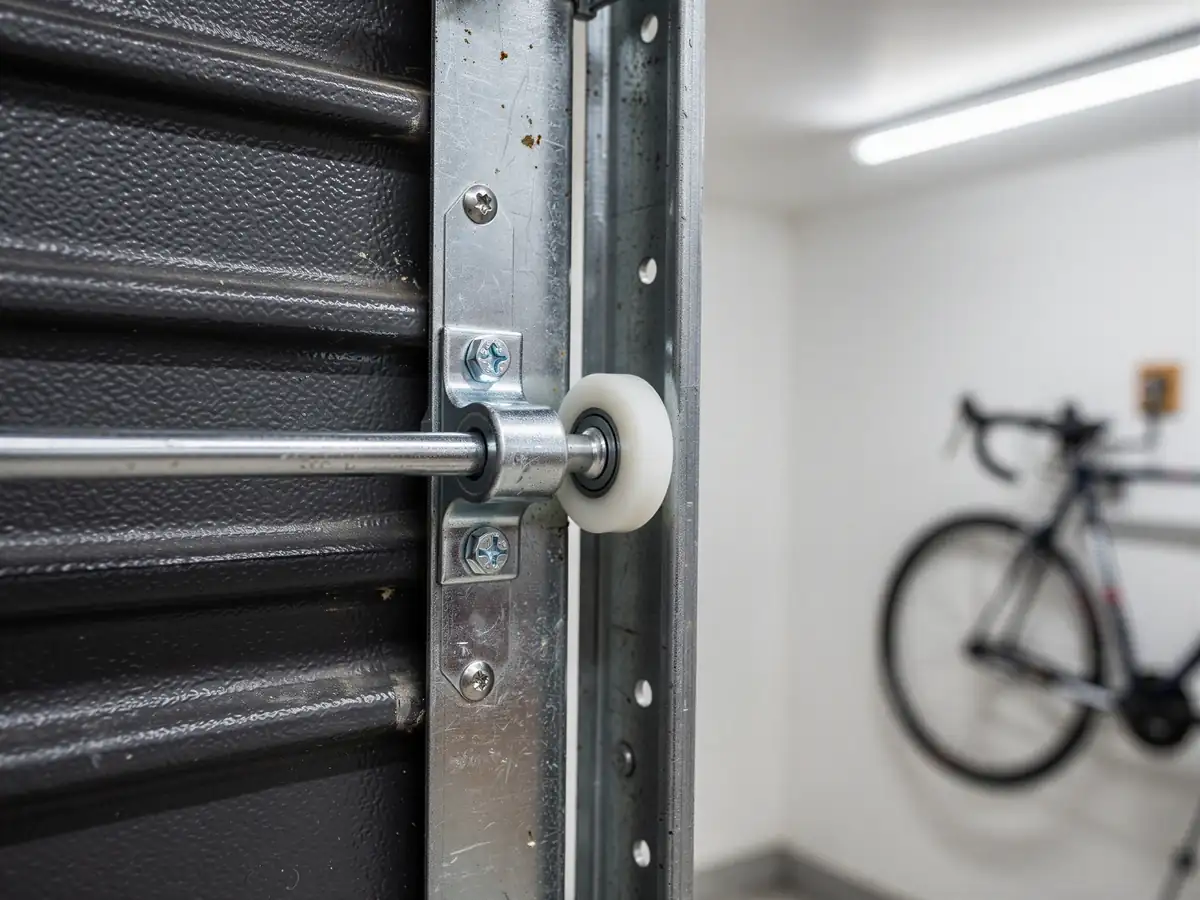
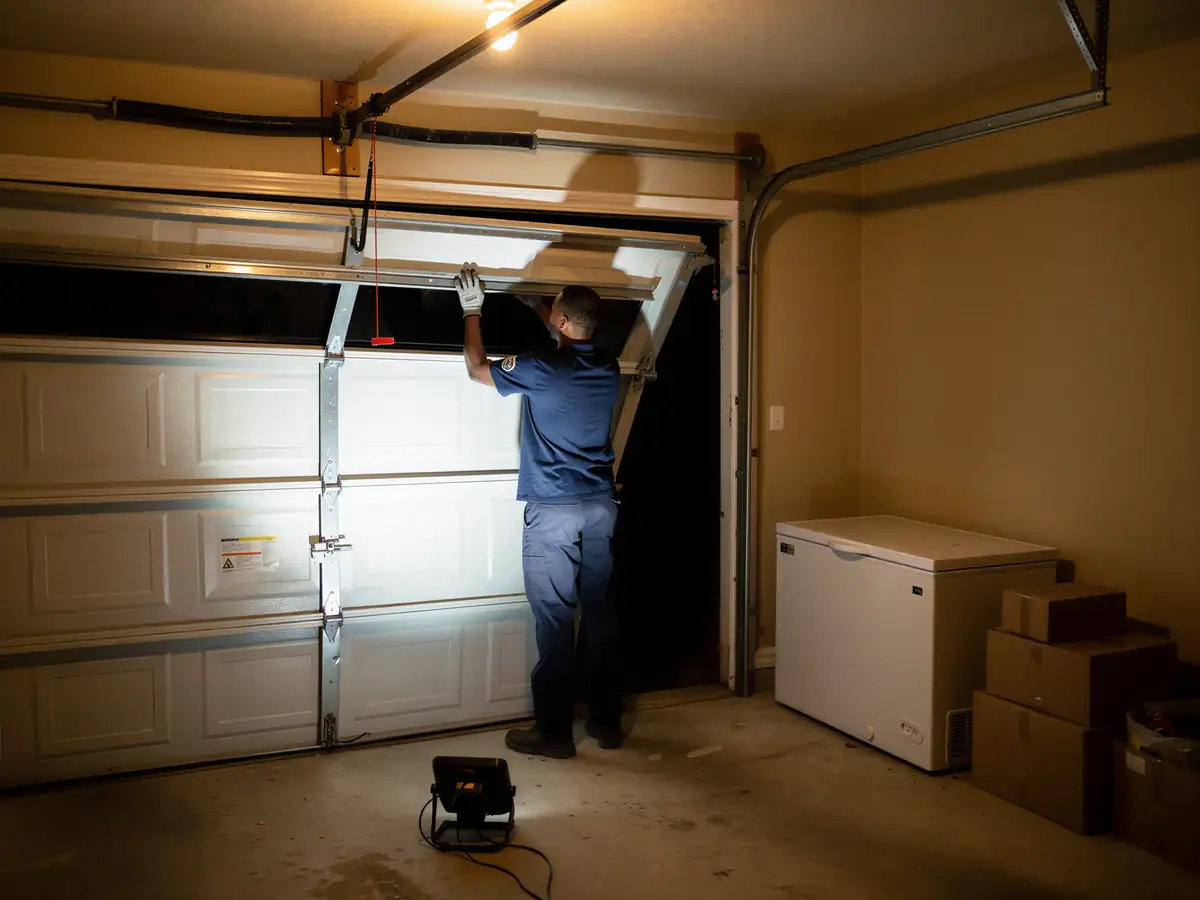
Nine years ahead of the 1985 median across the rest of the service area. That gap matters more than it sounds. A door hung in the mid-1970s is usually a steel or wood-composite section on a torsion spring sized for a heavier panel, often with hardware that's been replaced piecemeal over fifty years rather than all at once. You get mismatched rollers, a spring swapped out in the 90s that's the wrong wind for the drum it's paired with, or an opener bolted onto a rail that predates it by a decade.
Compare that to a house built in 2005 elsewhere in the broader 1938-2009 range this area covers
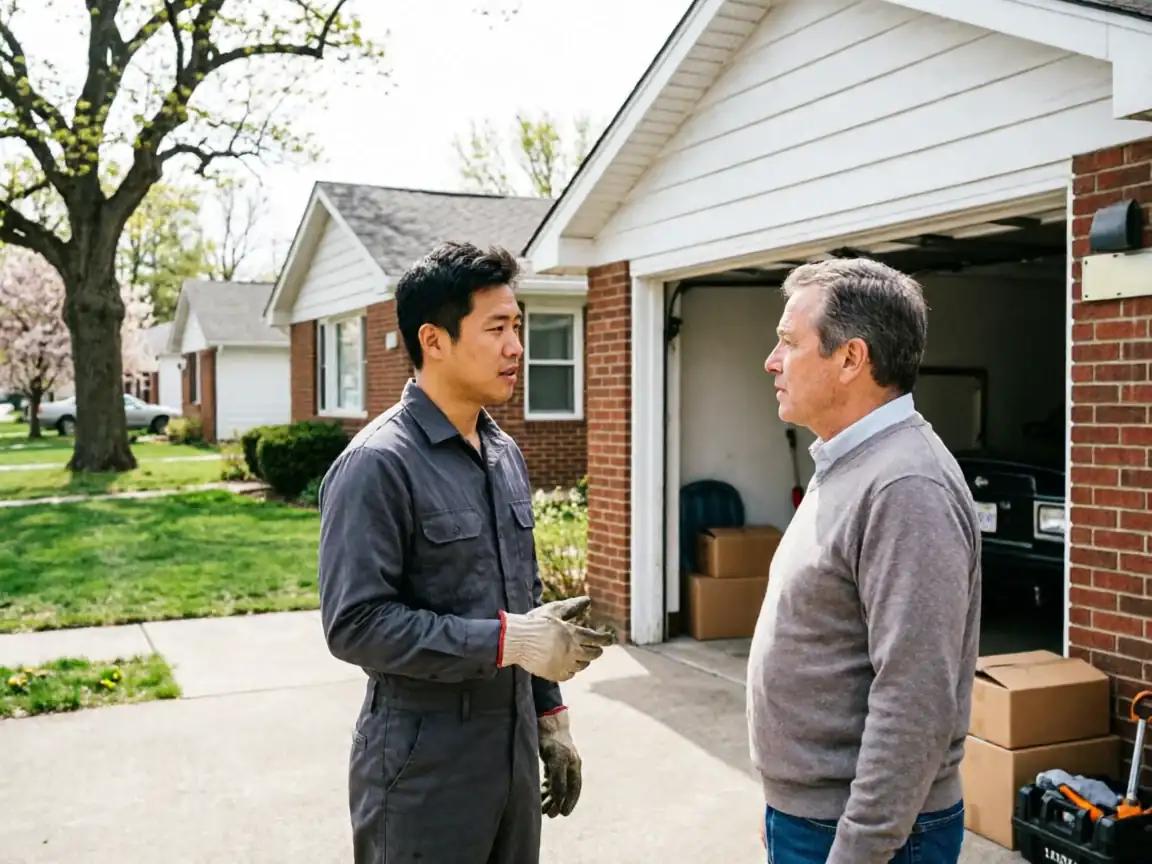
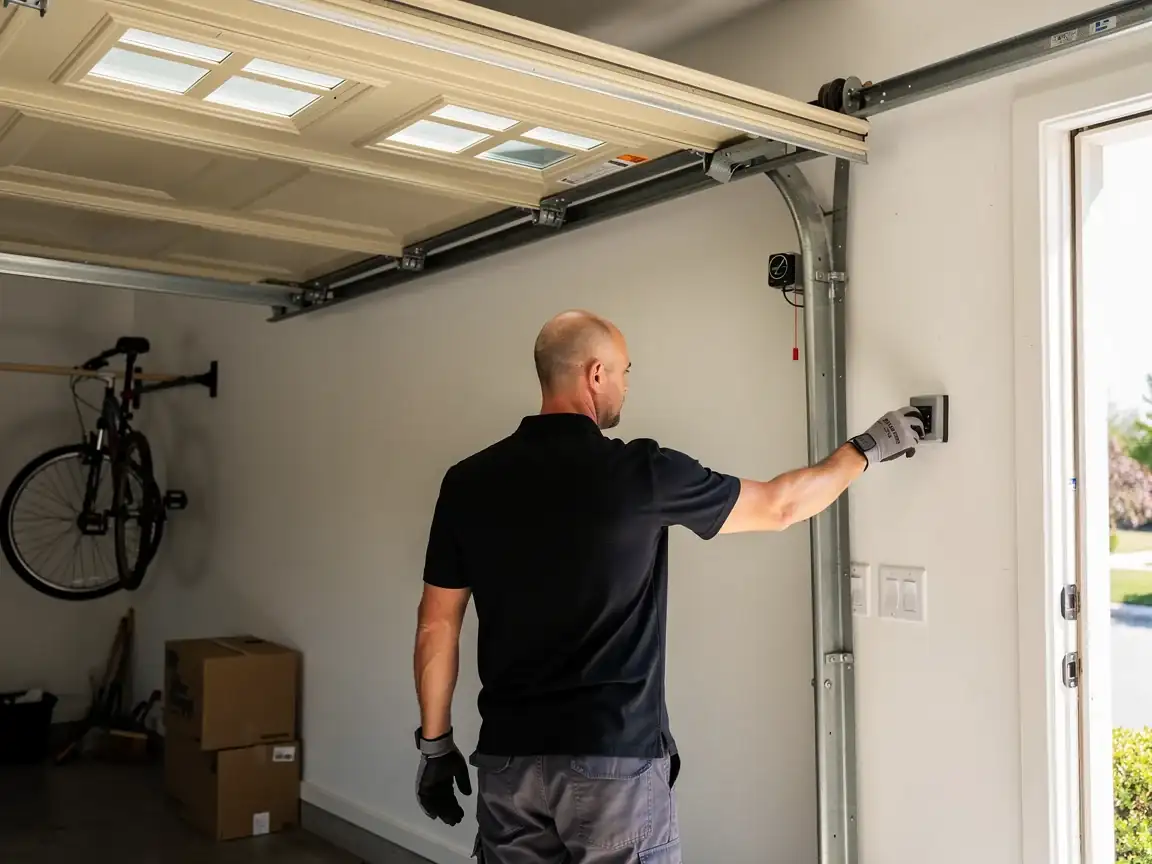
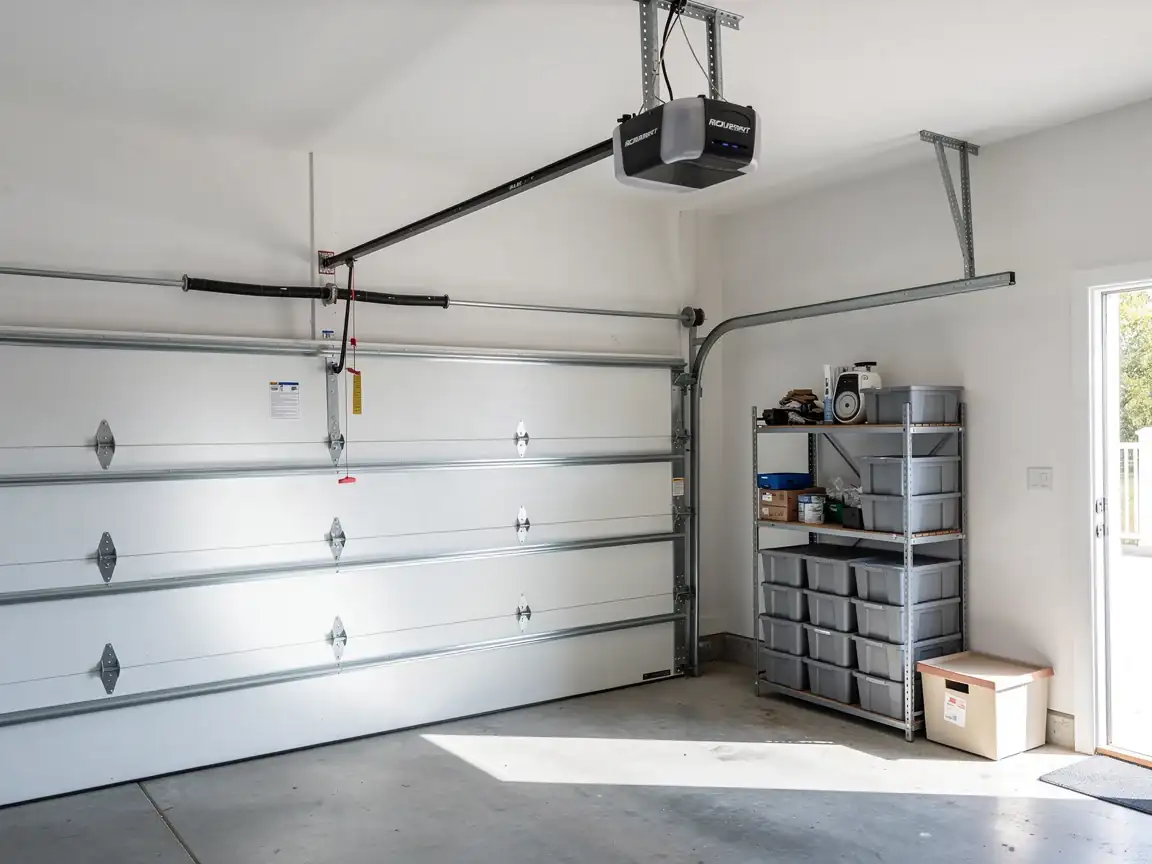
And the failure points are different entirely - nylon rollers wearing out, circuit boards on openers, lighter-gauge panels that dent instead of binding. We don't walk into a Libertyville call assuming either. We ask the build year before we ask what's broken, because the answer changes what's in the truck.
One limitation worth saying up front
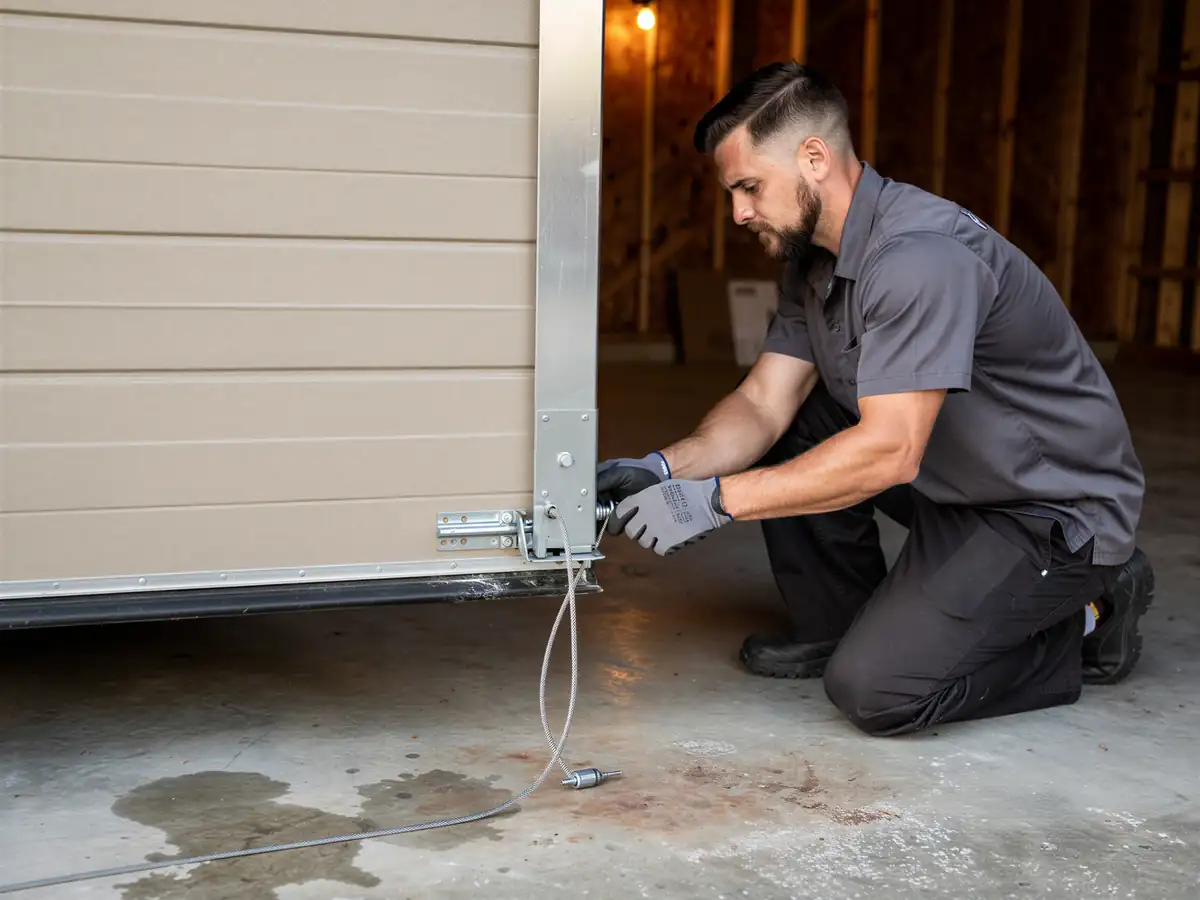
If your door is original to a 1976 build and the spring size isn't a common one, we may need to order it rather than carry it. We'd rather tell you that than quote a same-day fix we can't keep.
Where We Stop
We run out of Lake Zurich, and Libertyville sits about 9 miles out - far enough that it's a planned stop on the route, not a drive-by. That distance is similar to what we cover getting to Mettawa, Green Oaks, and Lincolnshire, all sitting in roughly the same 9-to-12-mile band, so a Libertyville call often lines up on the same run as those.
We also reach closer-in spots like Deer Park, Kildeer, and Hawthorn Woods at 2 to 3 miles, and mid-range stops like Long Grove, Wauconda, and Fox River Grove in the 4-to-6-mile range. Libertyville is on the farther edge of what we treat as a normal service day, not an edge case - we don't treat it differently because of mileage, just plan the stop into the day rather than squeeze it in last-minute.
We don't have a depot or crew stationed in Libertyville itself. Every job starts with a truck leaving Lake Zurich, which is worth knowing if you're comparing us to an outfit that's actually based closer to you.
The Split Between Old and New
Across the full service area, housing spans 1938 to 2009, with most of it landing in the 1980s and 90s. Libertyville runs earlier than that curve - its 1976 median puts a good share of its garage doors into a different bracket than what we see two towns over. That means more jobs here involve torsion springs on older-style drums, single-piece doors that were never meant to be converted to sectional, or openers that are a second or third generation replacement on original track.
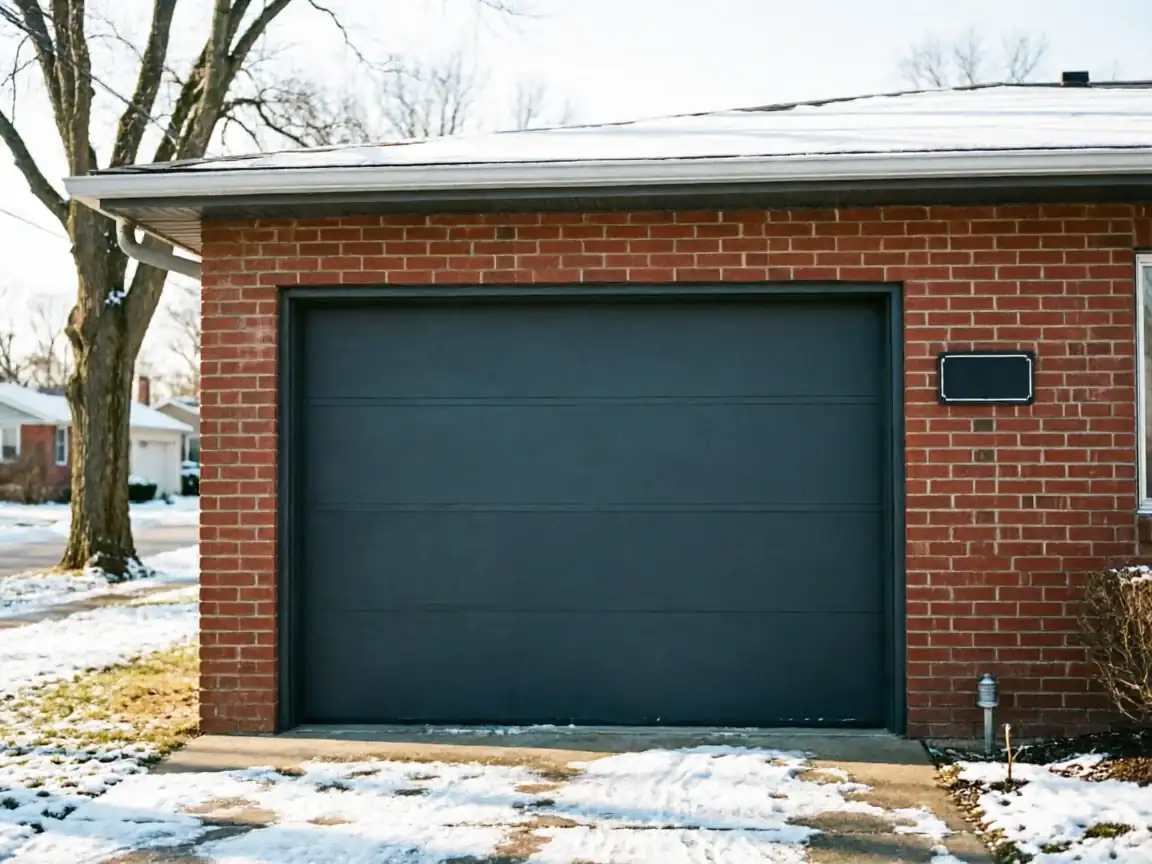
The area also sits in a cold-moderate climate band, which matters for anything original to the 1970s: steel that's been expanding and contracting through forty-plus winters develops rust at the hinge points and seam welds well before the spring itself gives out. If your door feels heavier in January than in July, that's not your imagination - it's the steel and the lubricant both stiffening at once, and on a door this age there's less flex left in the panel to absorb it.
Newer builds elsewhere in the service area don't show this pattern yet. Libertyville's housing age is exactly why we check the panel and hinges here before we ever touch the spring.
The Houses Here
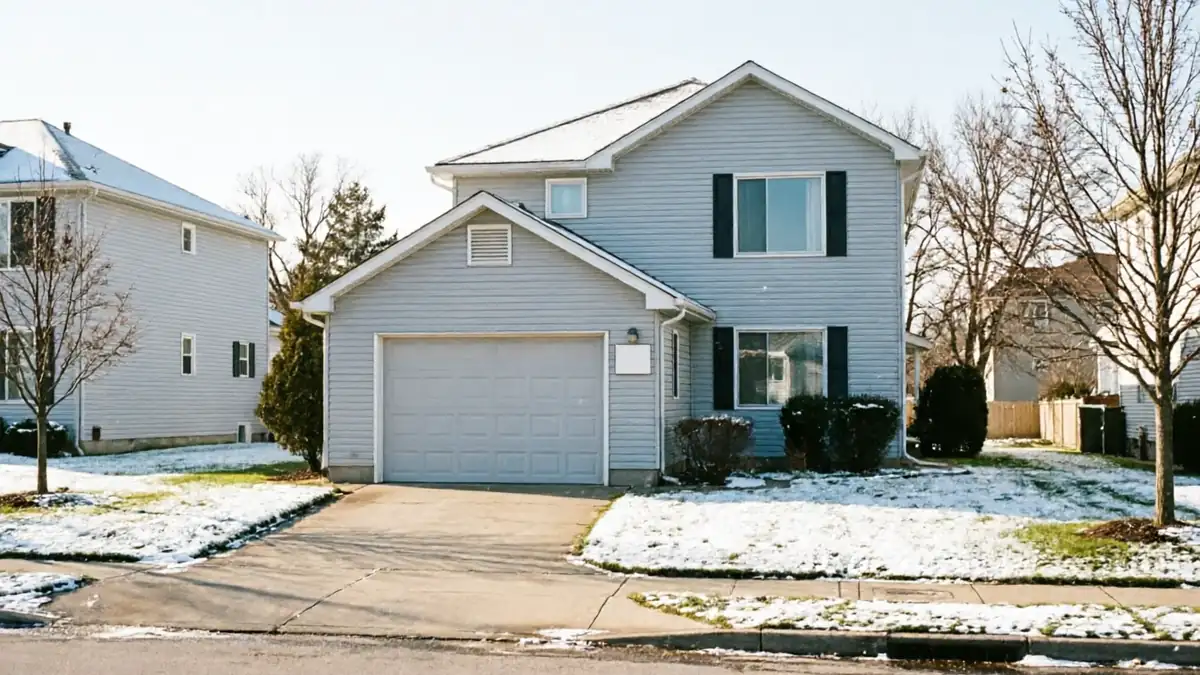
Libertyville has about 7,573 households
With a median income of $162,270 - well above the $121,583 median for the rest of the service area. In practical terms, that shows up as more insulated steel doors replacing original single-layer panels, more openers with battery backup installed ahead of need rather than after an outage, and more owners who replace a door before it fails outright rather than running it to the end.
- 7,573 households
It also means we see fewer bargain-grade replacements and more mid-to-upper-tier sections
Thicker steel, better seals, sometimes windows added later that weren't part of the original build. None of that changes how a torsion spring fails or how a track gets bent, but it does change what we're working on and what a reasonable repair-versus-replace call looks like. A 1976 door that's already had one full panel swap and a non-original opener installed is often past the point where another patch repair makes sense - we'll say so rather than keep billing small fixes on a door that's telling you it's done.