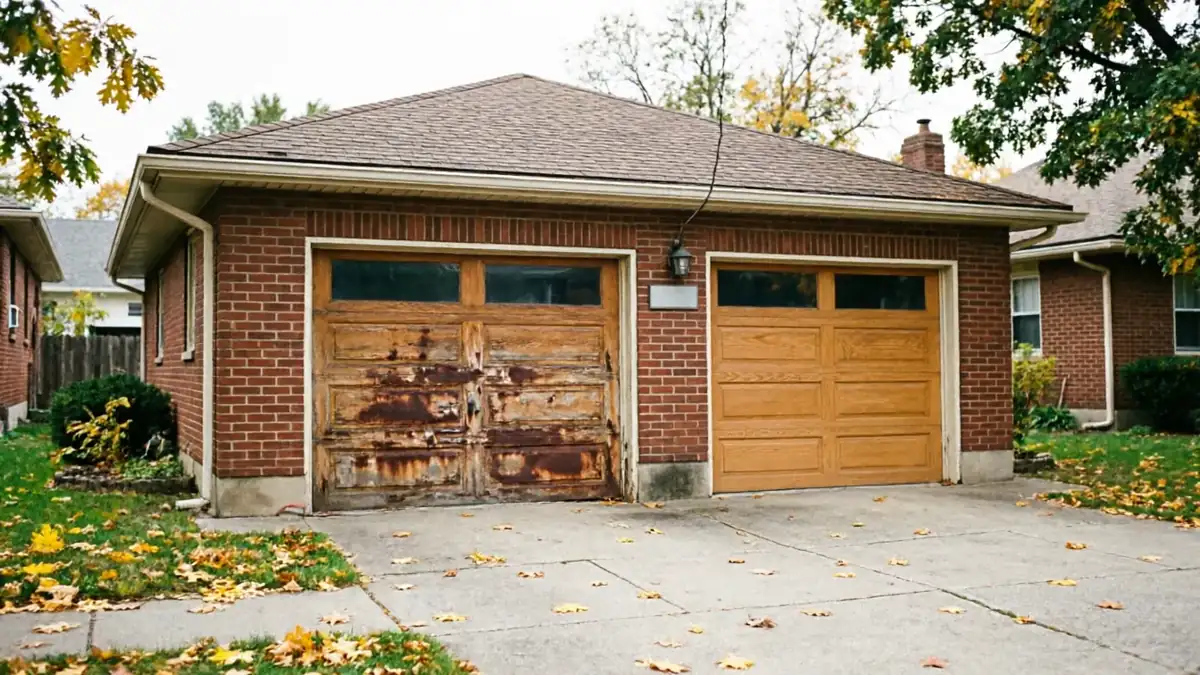
What the Weather Here Does to It
Lake Zurich sits in a cold-moderate climate band
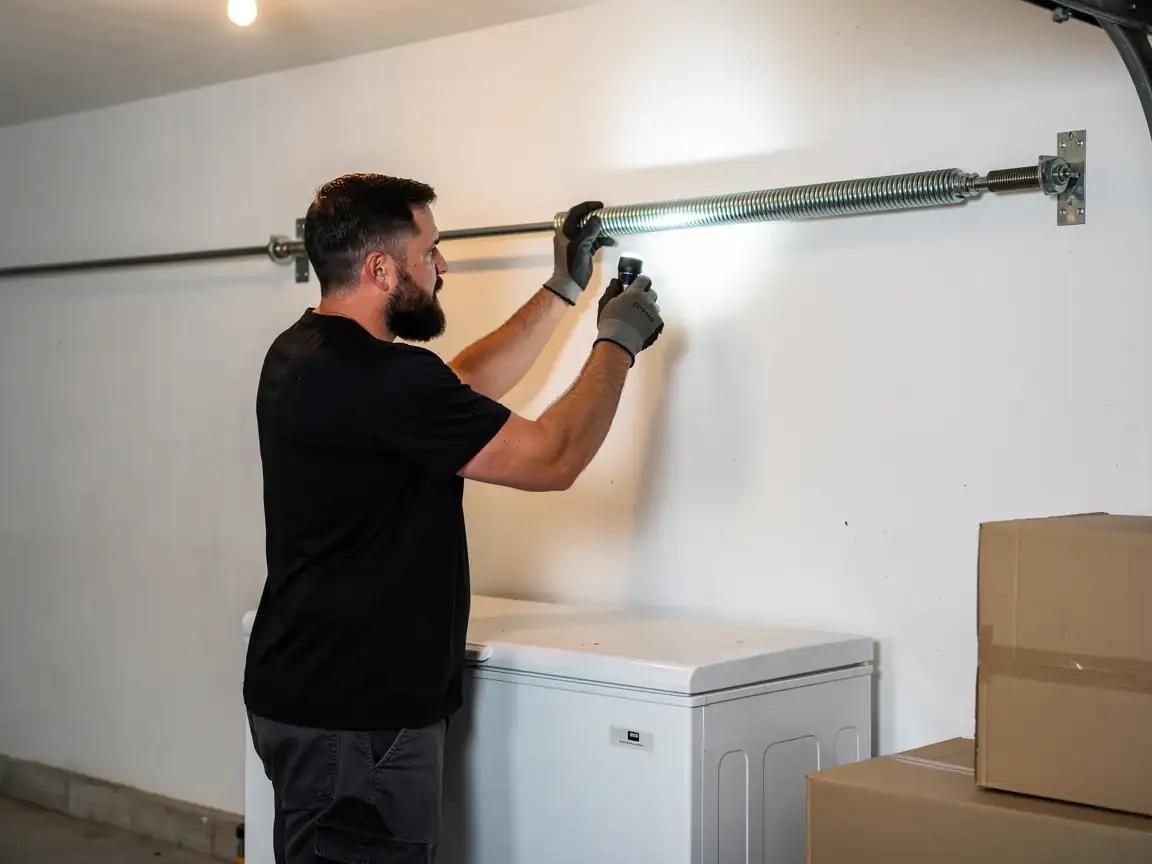
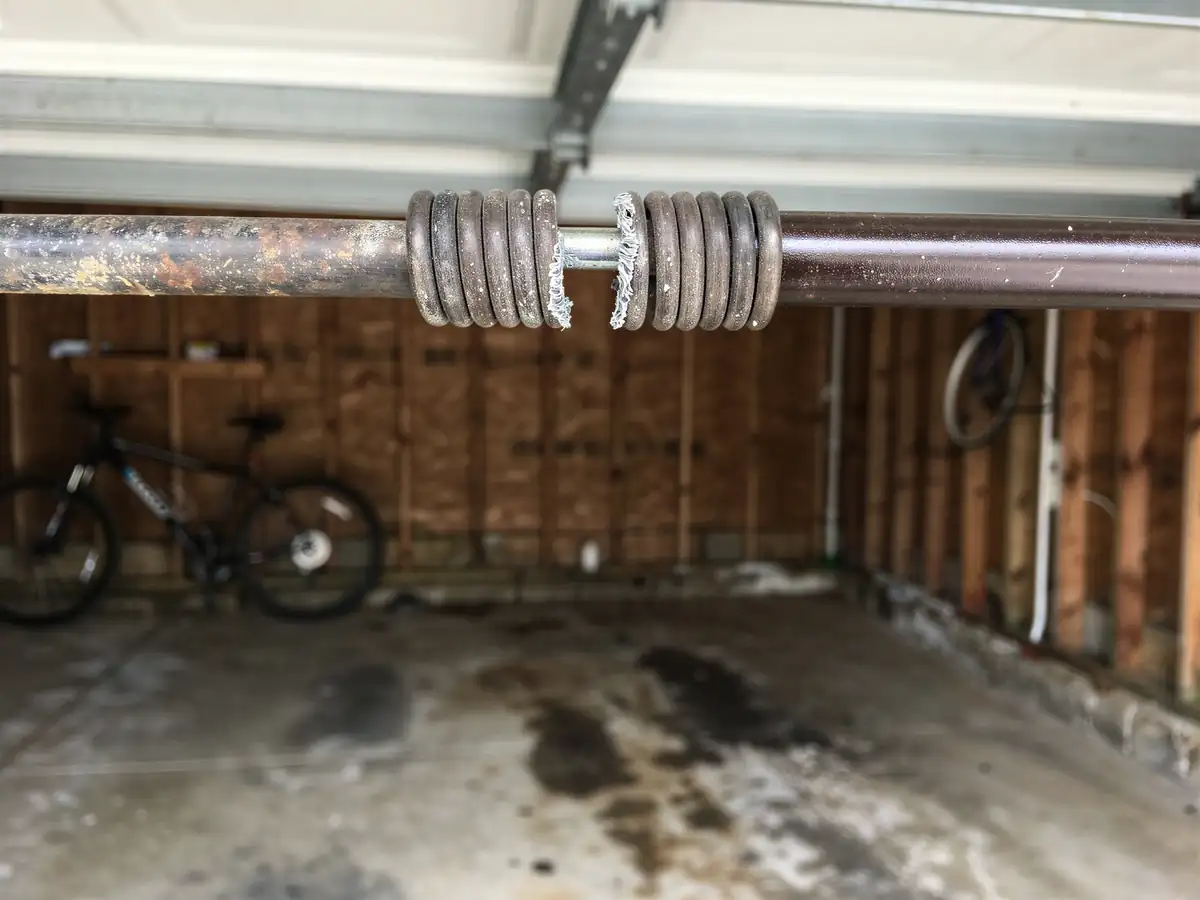
Which doesn't sound dramatic until you think about what a door does every winter: it sits closed and cold for weeks, then gets dragged up and down as the metal contracts and expands around it. That cycling is what kills torsion springs and rollers years before they'd fail somewhere warmer. A worn torsion spring snapping at 10 below is a January call, not a July one, and it's almost always the door that's already been struggling all season that finally gives out.
Most of the housing stock out here was built between 1938 and 2009
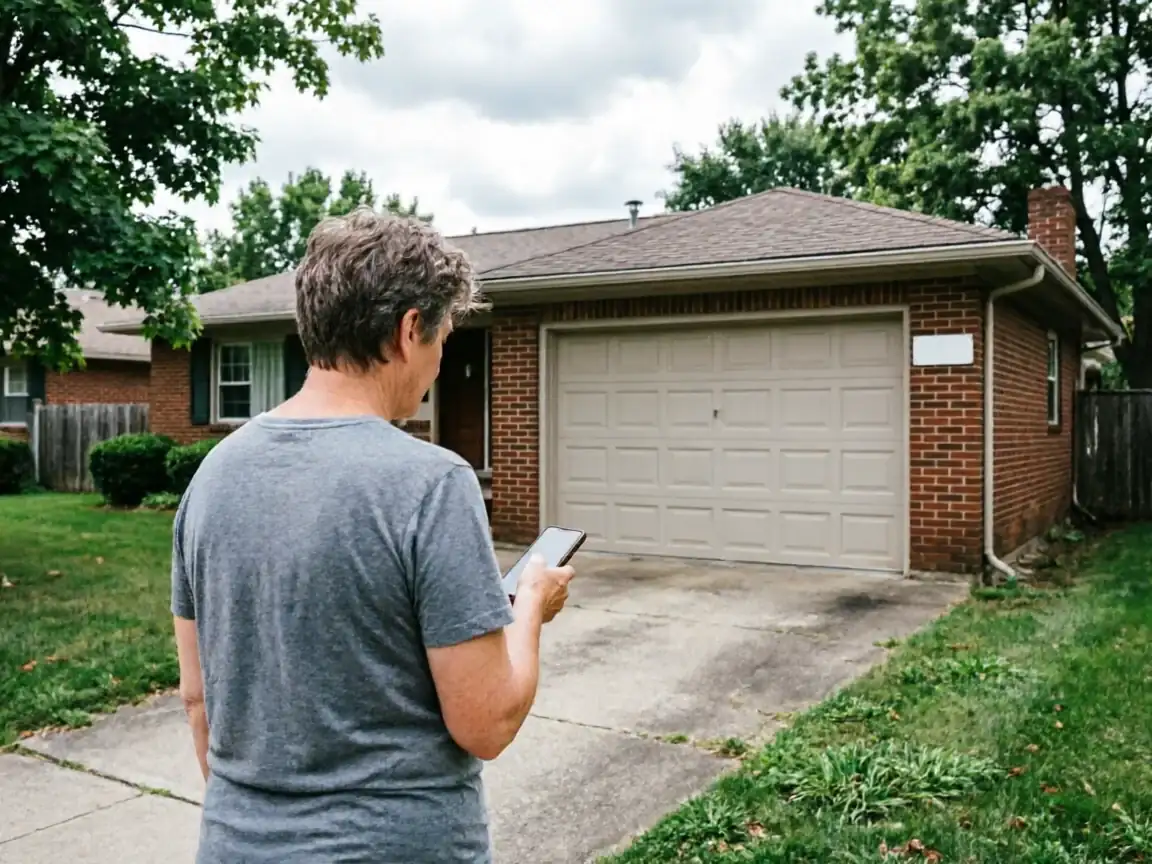
With the median landing around 1985, which puts a lot of original two-car doors at 35 to 40 years of cold-climate cycling on the same hardware. Steel sections from that era weren't built with the foam-core insulation or sealed bottom astragals that newer doors have, so they take the freeze-thaw harder. If your door has been original since the house was built, the weather hasn't been doing it any favors, and it shows in rust at the bottom corners and in springs that have gone soft.
- 40 years
Doing Nothing For Now
Plenty of owners around here decide to just live with a noisy door or a slow opener, and for a while that's a fine call. Across the wider area - from Deer Park and Kildeer two miles out to Grayslake and Round Lake ten miles off - the housing is heavily 1980s and 90s stock, which means a lot of neighbors are quietly nursing the same original hardware you are. If the door still opens, closes, and seals, there's no rush.
The line gets crossed when "noisy" becomes "unreliable" - when the door sticks partway, reverses on its own, or needs a shove to close. At that point you're not maintaining a door anymore, you're gambling on a spring or cable that's going to let go eventually, and on an older door that cable is under more tension than it was designed to hold for this long. Doing nothing is a reasonable short-term plan. Doing nothing indefinitely on a 35-year-old spring set isn't maintenance, it's waiting for a Saturday morning with a dead car trapped inside.
The Problem
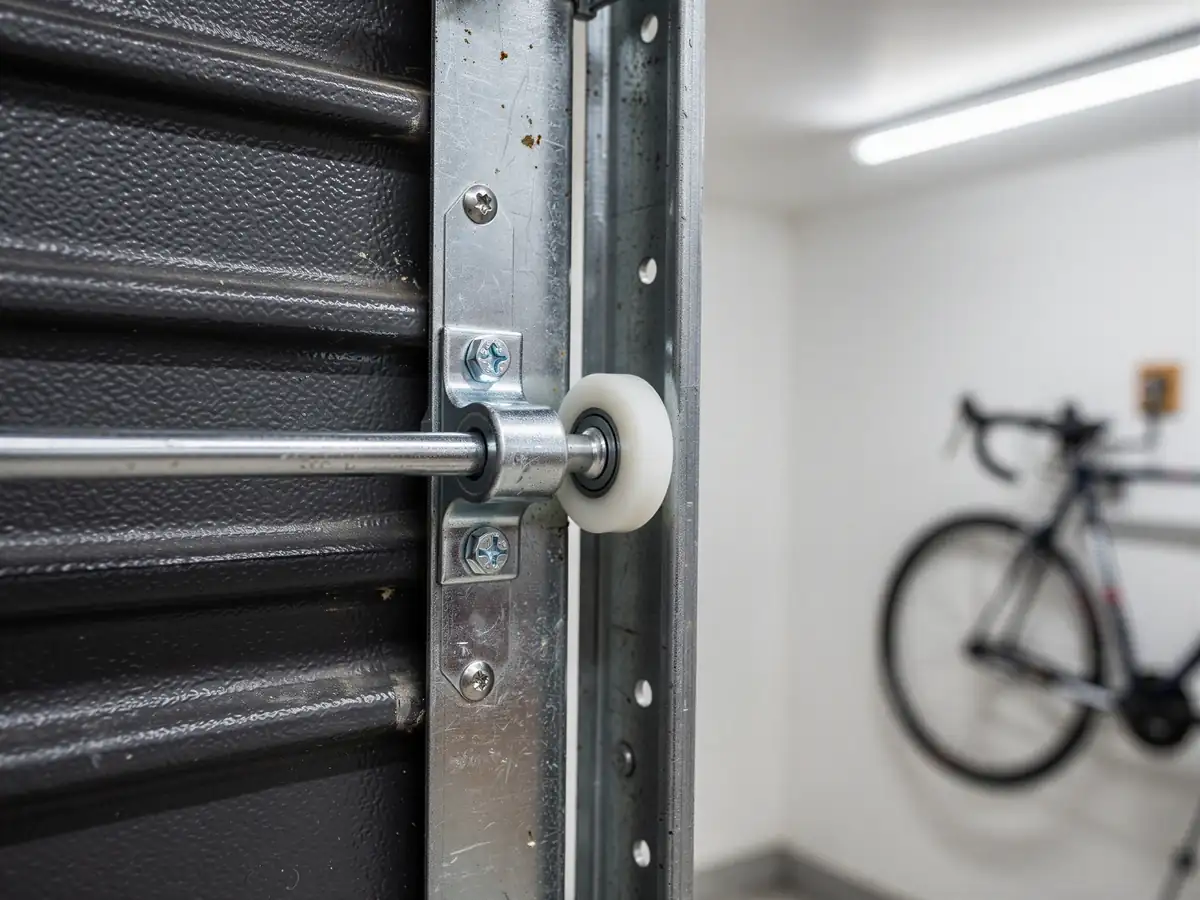
The real problem with repairing instead of replacing on a door this old isn't any single part - it's that the parts fail in sequence. You fix the spring, and six months later the bearing it was loading goes. You fix the bearing, and the track it rides in has worn enough that the roller starts jumping. Each fix is honest work, but on a door built to 1980s-90s standards, you're chasing wear that's already spread through the whole system.
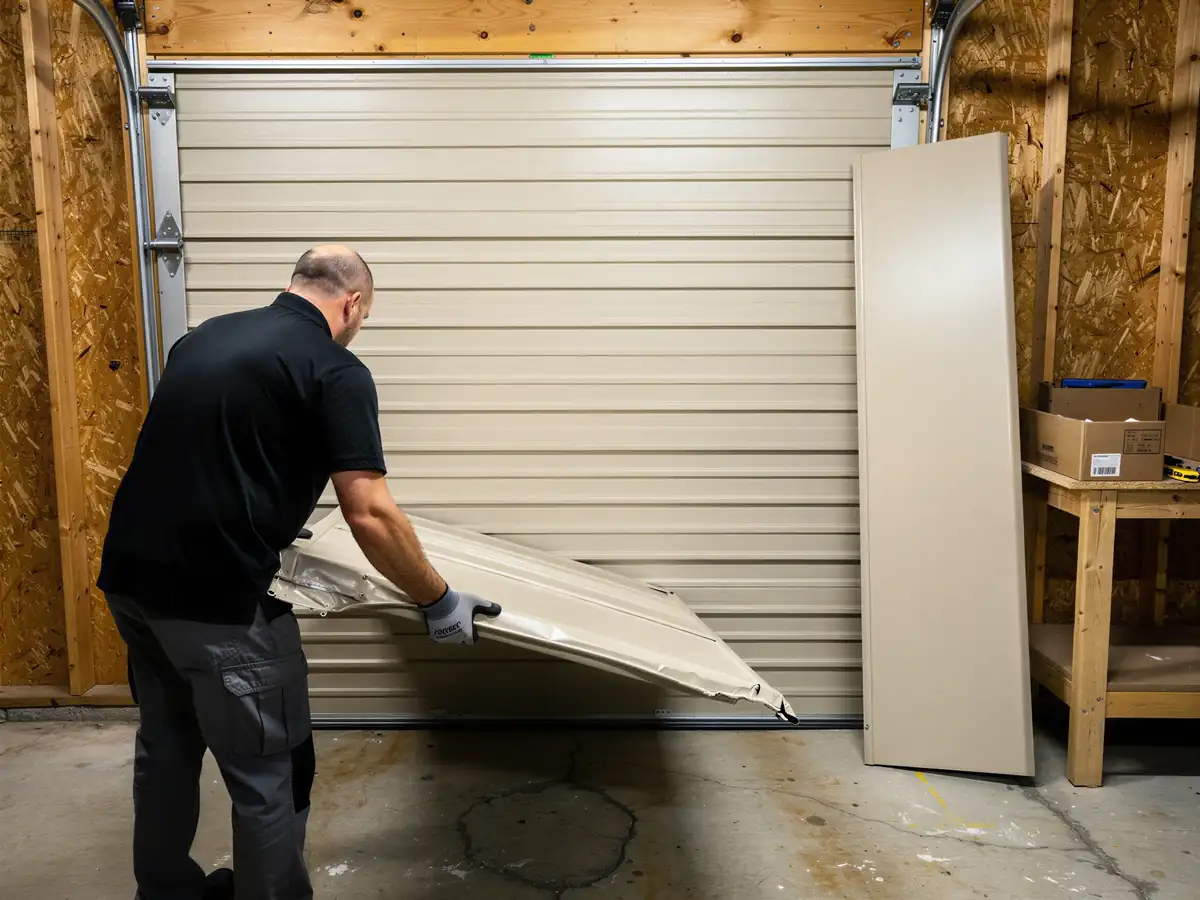
With close to 175,000 households in the area and roughly 100,000 of those owner-occupied, and a median household income near $121,583, most families here can absorb the cost of a full door replacement rather than keep paying for piecemeal repairs on a door that's already given 35-plus years. That's not a sales pitch - it's math. Three service calls in two years for spring, cable, and opener work usually costs more than one new door with a current opener, and you're not left wondering what breaks next. The honest limit: we don't replace a door that's still structurally sound just to sell a job. If the panels are straight and the track isn't bent, a repair can still be the right call.
When to Get Help
Call before the door fails completely, not after
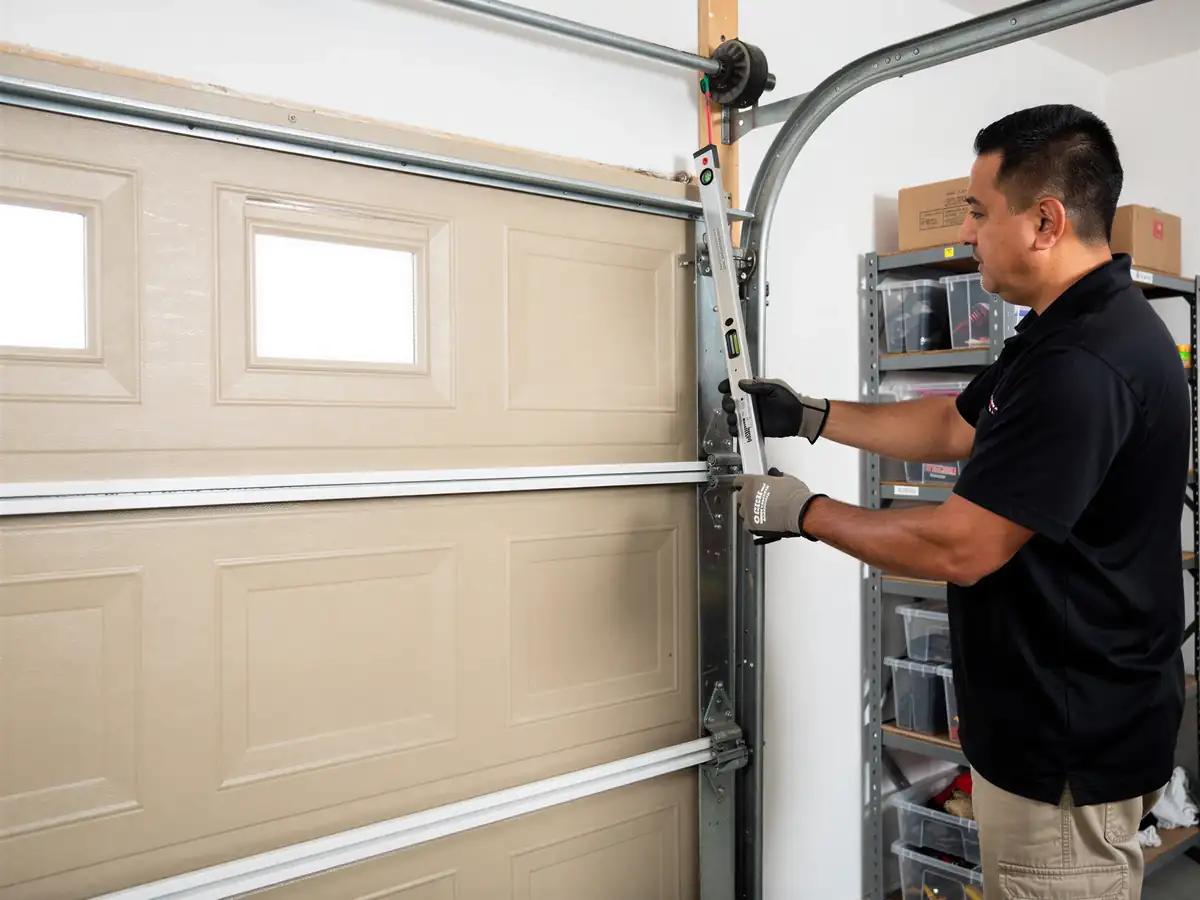
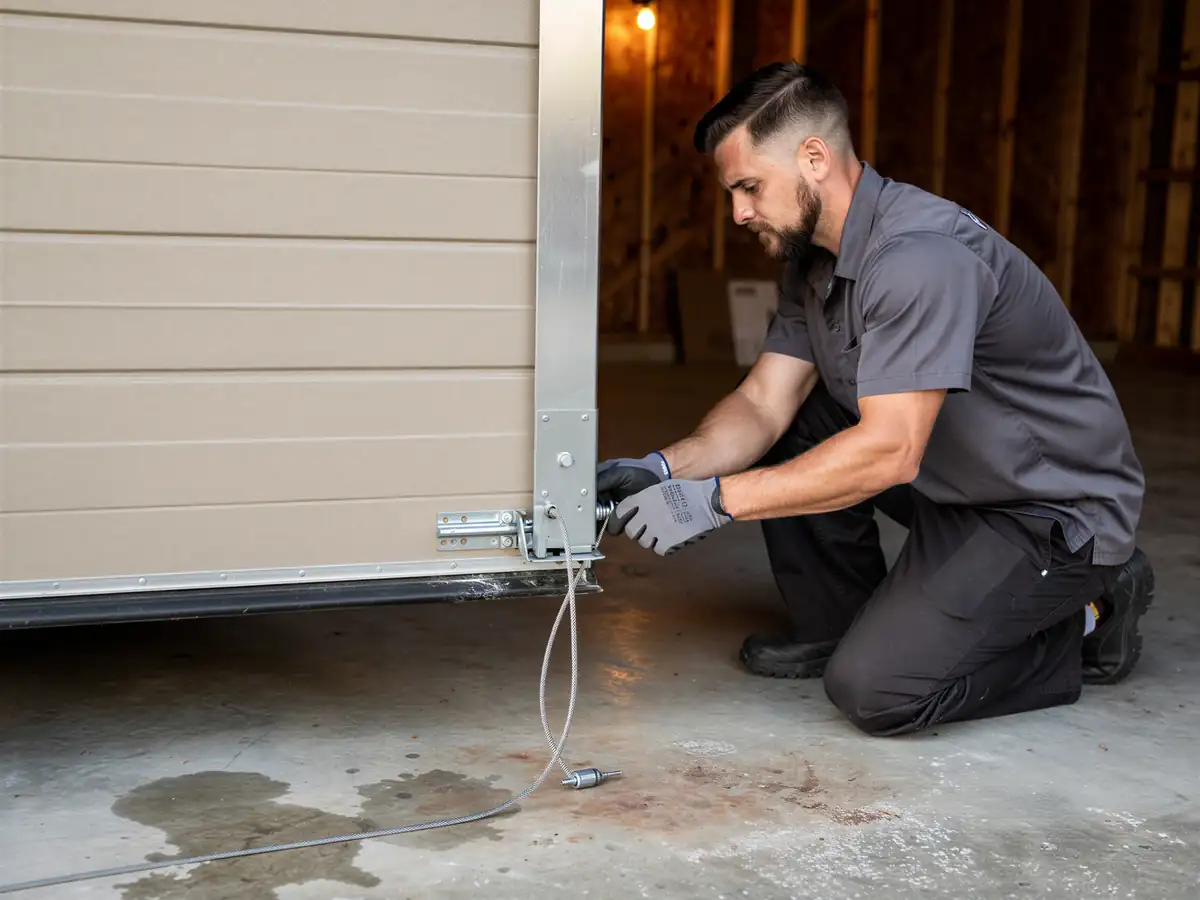
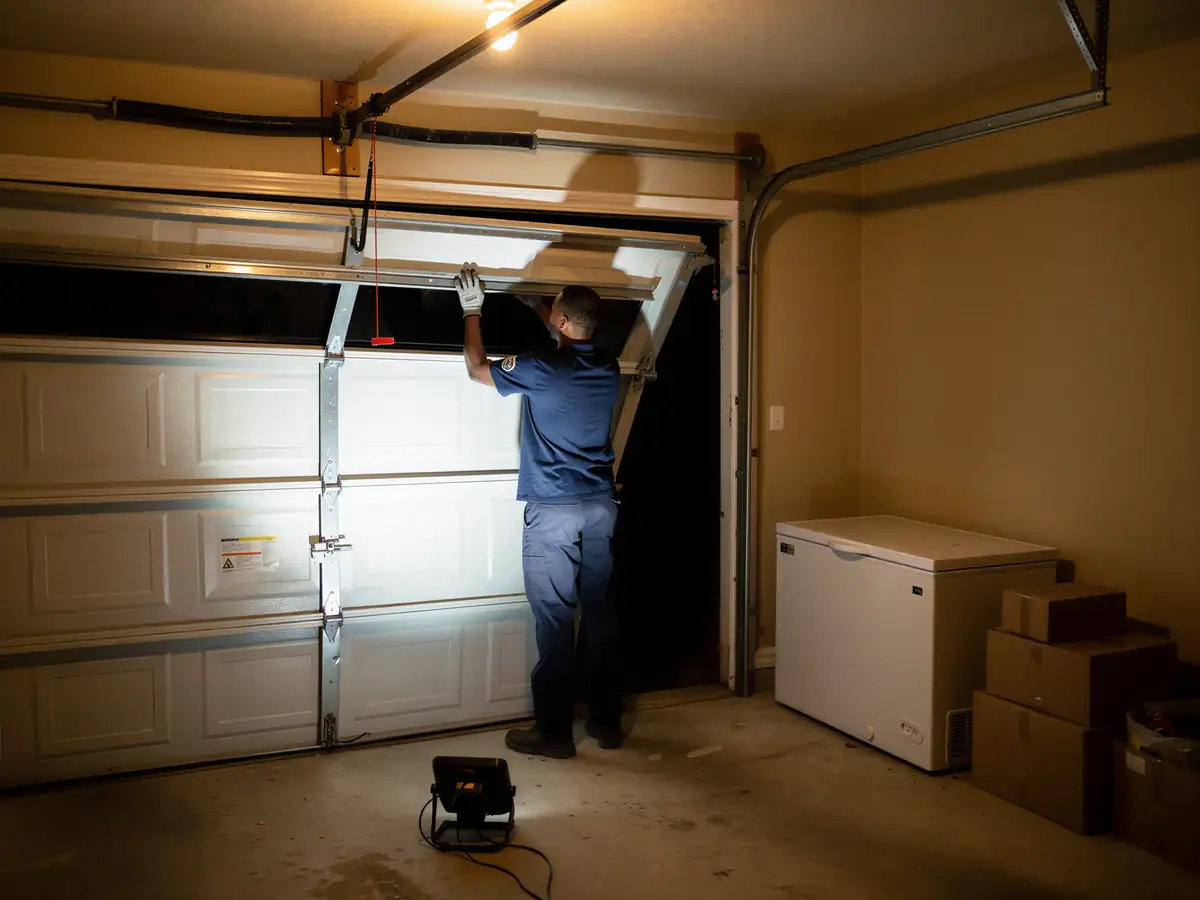
A few signs mean it's past a quick fix: the door sags visibly on one side when open, the cable has visible frays, the opener strains and reverses under normal weight, or the springs look stretched and uneven side to side. Any of those on a door that's already pushing three or four decades old is a sign the whole system is near the end, not just one part of it.
We can't always tell over the phone whether a repair or a replacement makes sense
On a door built in the 1980s or 90s, the honest answer usually depends on whether the track and panels are still true, which takes a look in person. What we won't do is replace hardware that still has years left in it. If you're not sure which side of that line your door is on, that's a reasonable thing to ask us to look at before you spend money either way.