What the Weather Here Does to It
Lake Zurich sits in a cold-moderate climate band
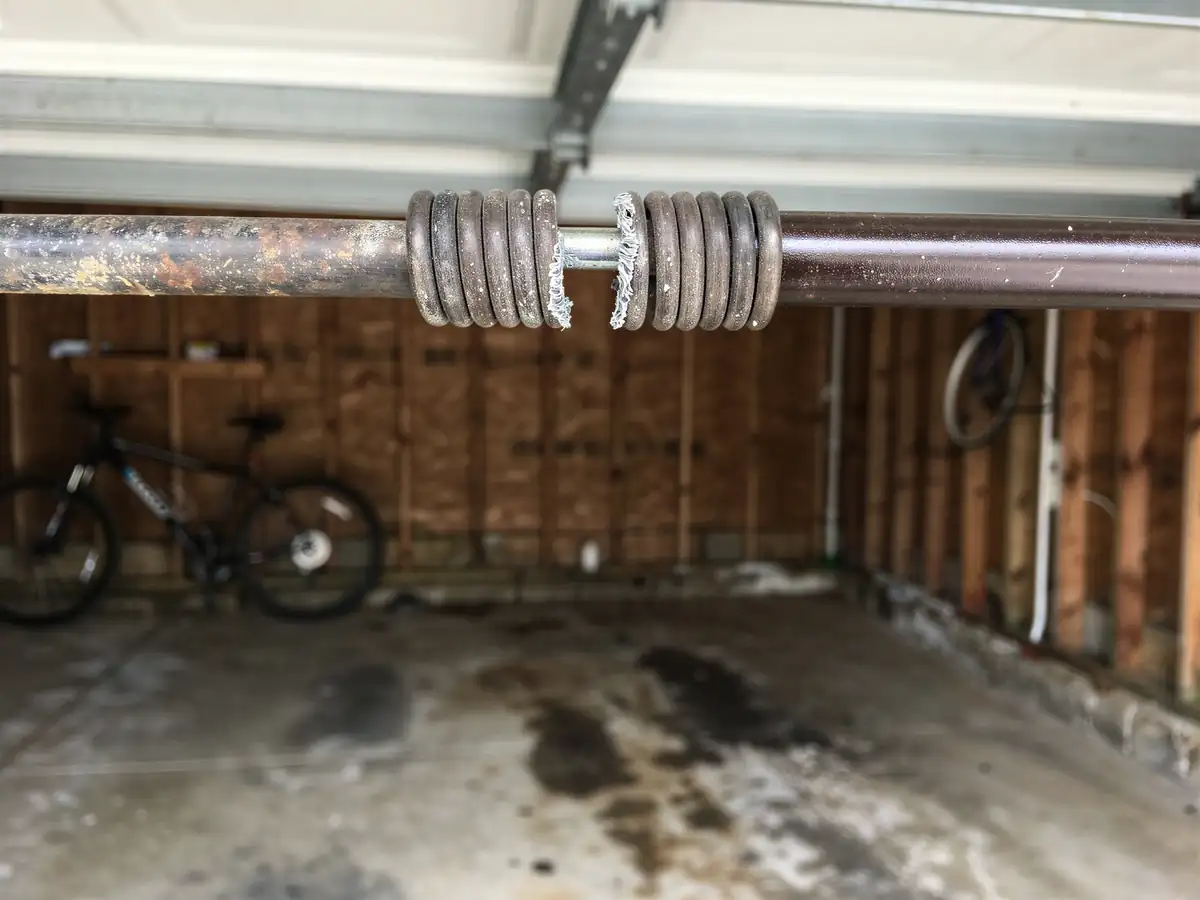
And that matters more to a garage door spring than most homeowners think. Steel loses elasticity as it gets cold, and a torsion spring that's been winding and unwinding for twenty or thirty years is already brittle at the metal fatigue level before the temperature does anything to it. Add a hard freeze and the coil that was flexing fine in August can snap clean at 10 degrees.
Most of the housing stock in this service area went up between 1938 and 2009
With the median build year sitting around 1985, and a lot of it clusters in that 1980s-to-90s wave across the 65 named areas in the broader market. That means a huge share of the springs out there right now are original or close to it - installed during a build boom, never touched since, and carrying decades of thermal cycling on top of the normal wear from daily lifts. Cold doesn't create the weakness. It finds the weakness that was already there and finishes the job.
If your door feels heavier to lift by hand starting around the first real cold snap of the year
That's not your imagination - that's the spring telling you something before it breaks.
Doing Nothing For Now
There's a real case for waiting, and I'll say it plainly: if your door is working fine and you're not hearing new noises, you don't need to call anyone. A spring that hasn't failed doesn't need replacing just because winter arrived. Across a service area with roughly 99,946 owner-occupied houses, the overwhelming majority of doors make it through the cold without incident, because most springs still have life left in them.
What doesn't make sense is ignoring warning signs because the door "still opens." A spring under tension doesn't usually fail quietly - it gives you a rattle, a visible gap in the coil, or a door that suddenly feels twice as heavy. Those are the moments to act, not wait on.
One honest limitation: I can't tell you over the phone whether your specific spring is close to failing. Wire gauge and wind count vary across a build range that spans 1938 to 2009, and a spring that looks fine from the floor can be two winds from snapping. That's a look-at-it-in-person call, not a guess.
The Problem
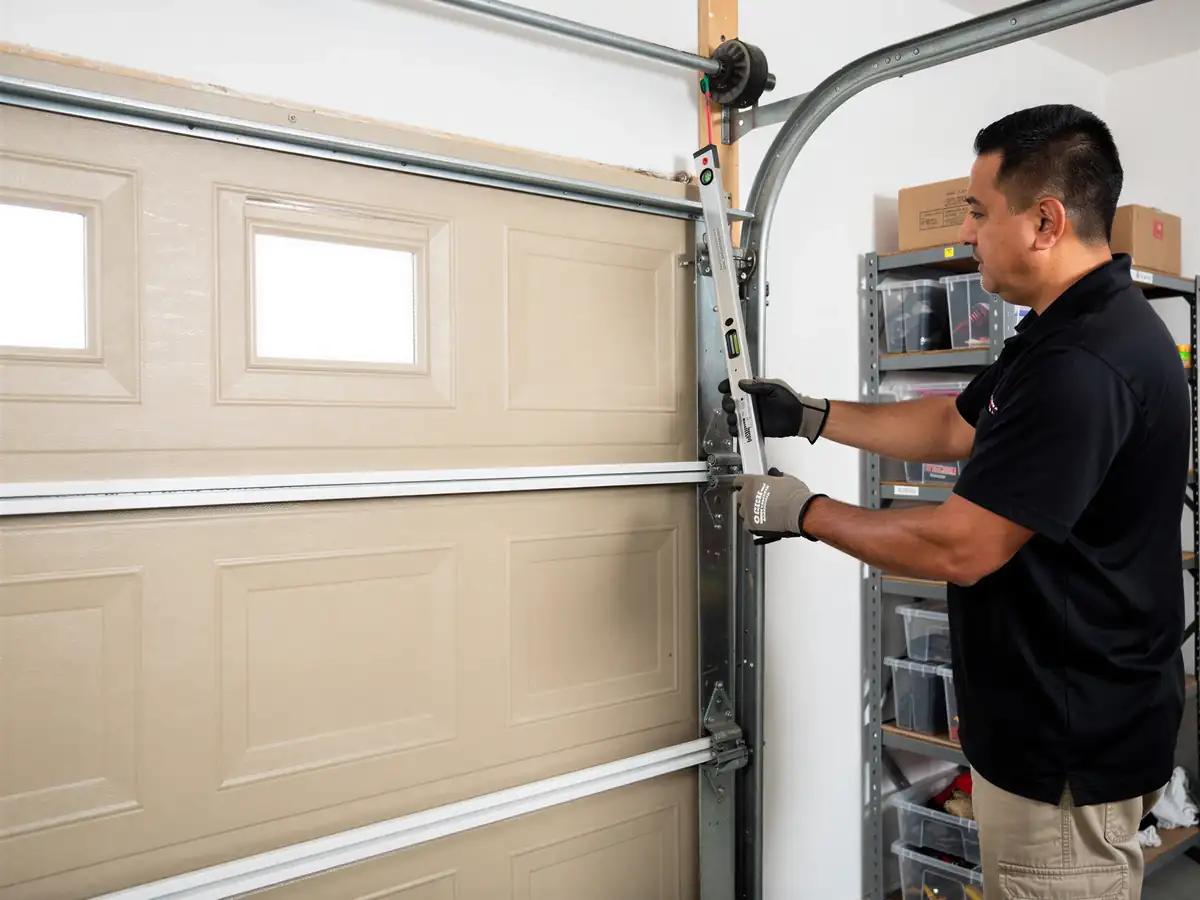
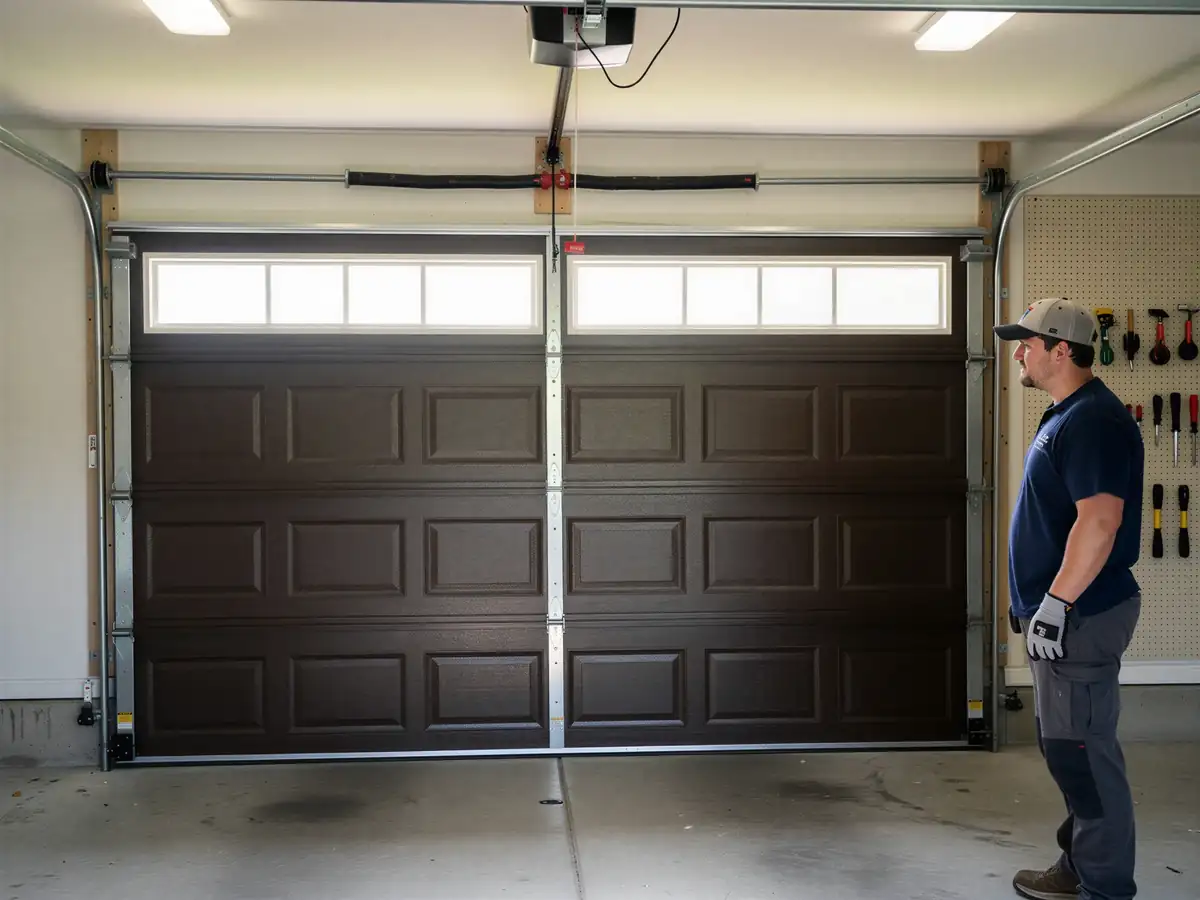
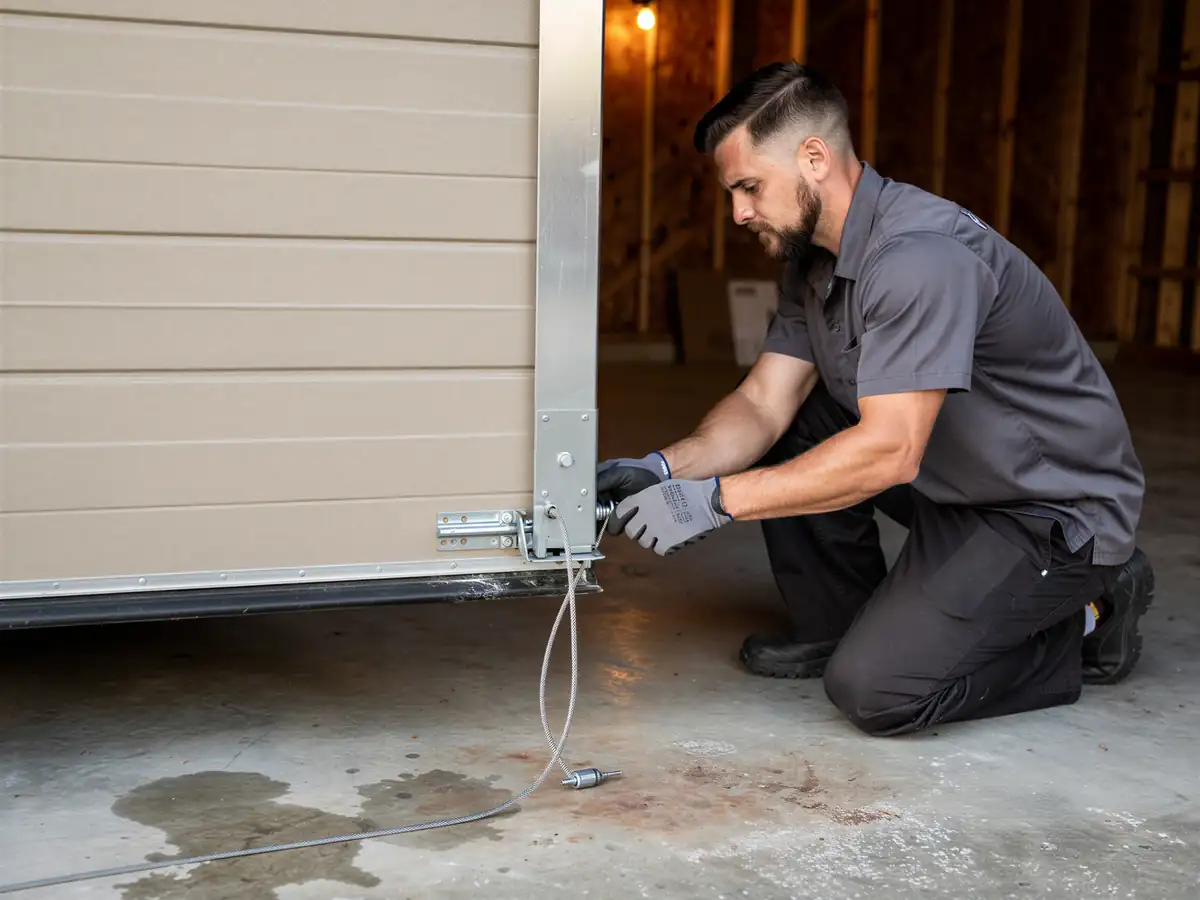
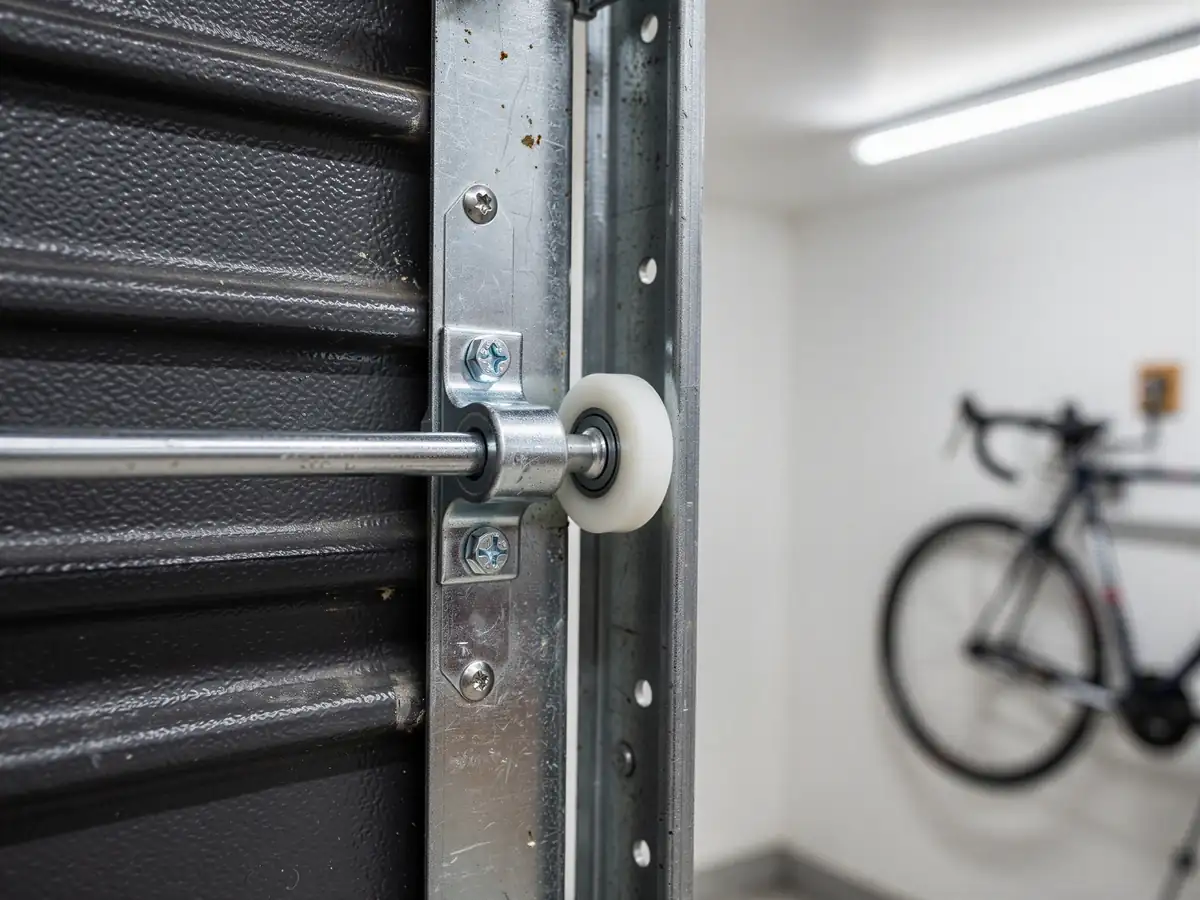
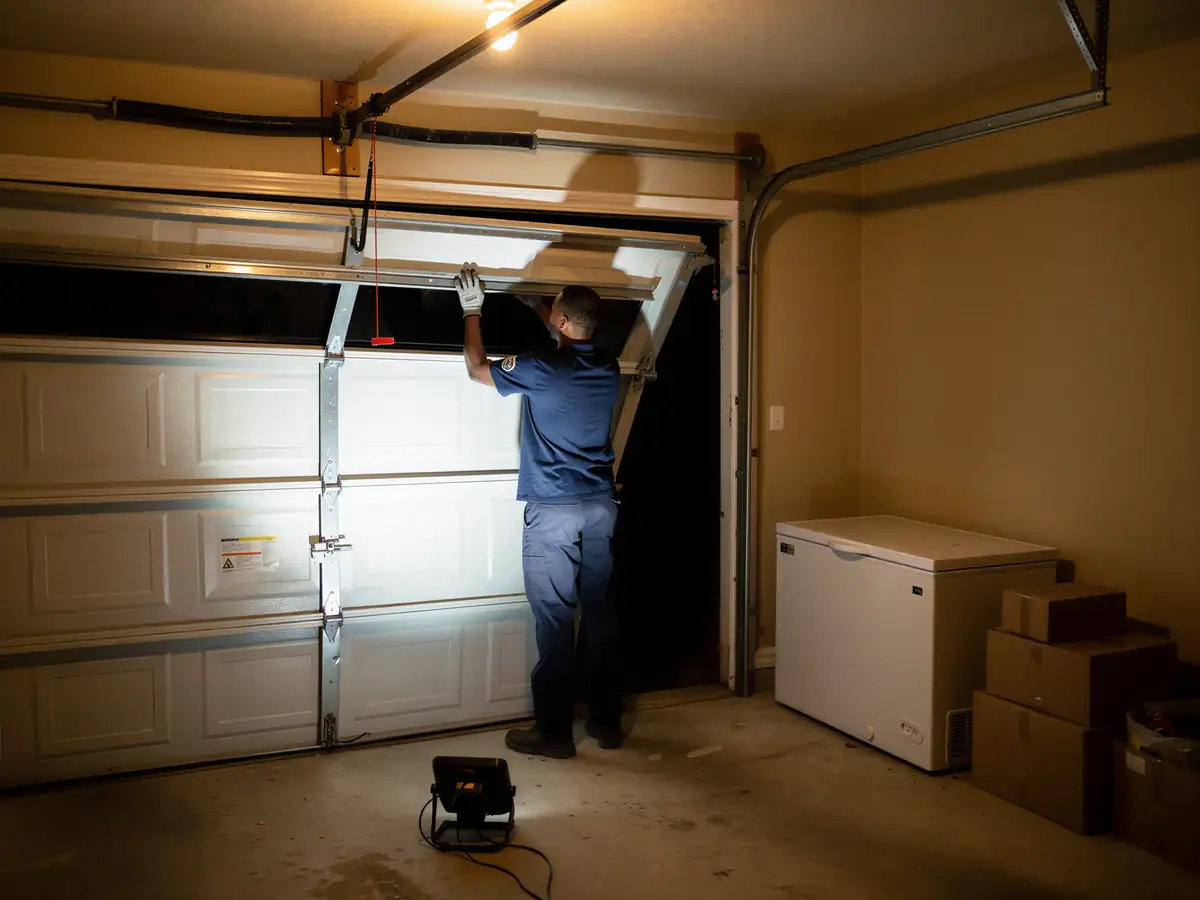
When a torsion spring breaks in cold weather, it usually goes all at once - a loud bang from the garage, then a door that either won't move or drops hard and fast when someone tries the opener. On a double door with two springs, if only one breaks, the door can rack sideways in the track, which turns a spring job into a track and roller job if nobody catches it quick.
The cold makes this worse in a specific way: the broken ends of the coil are more likely to snap sharp and whip rather than unwind gradually, because brittle steel fractures differently than steel that's flexed warm. That's part of why a spring break is a stay-away-from-the door situation, not a diagnose-it-yourself one.
Given the median household income across this market sits around $121,583, most homeowners here aren't choosing a spring repair based on price pressure - they're choosing it based on getting the door back in service safely, which means matching the replacement spring to the actual door weight and wind, not grabbing whatever's on the truck.
When to Get Help
Call when the door won't open, when it drops instead of lowering
Or when you hear a bang from the garage and the door won't budge afterward. Those are spring-break symptoms, and none of them are safe to push through with the opener - forcing a motor against a broken spring burns out the opener fast and can pull the door off its track.
Also call if you've got an older door from the earlier end of that 1938-to-2009 build range and nobody's touched the springs since move-in
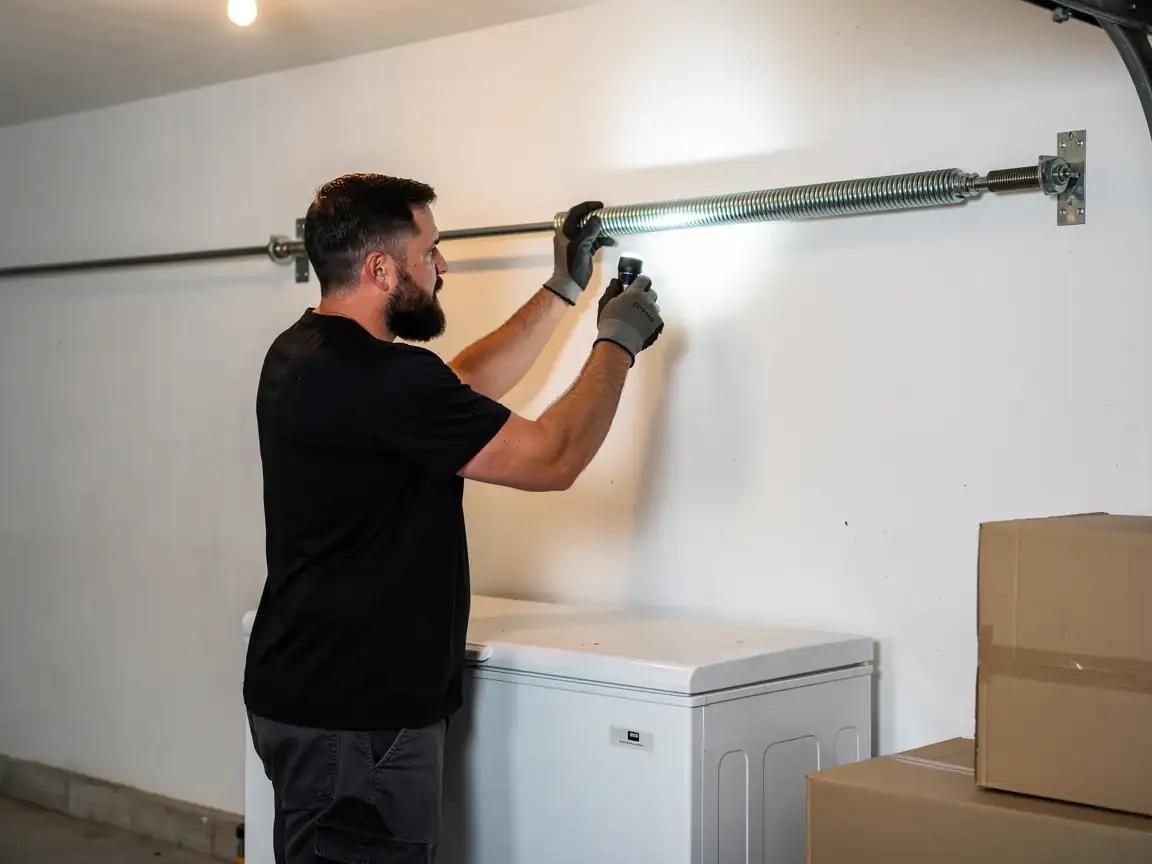
You don't have to wait for a failure to get a spring checked; a tech can tell you how much wind life is left just by looking at the coil gap and the cable condition.
What I won't do is tell you a repair makes sense on a door that's failing in multiple places at once
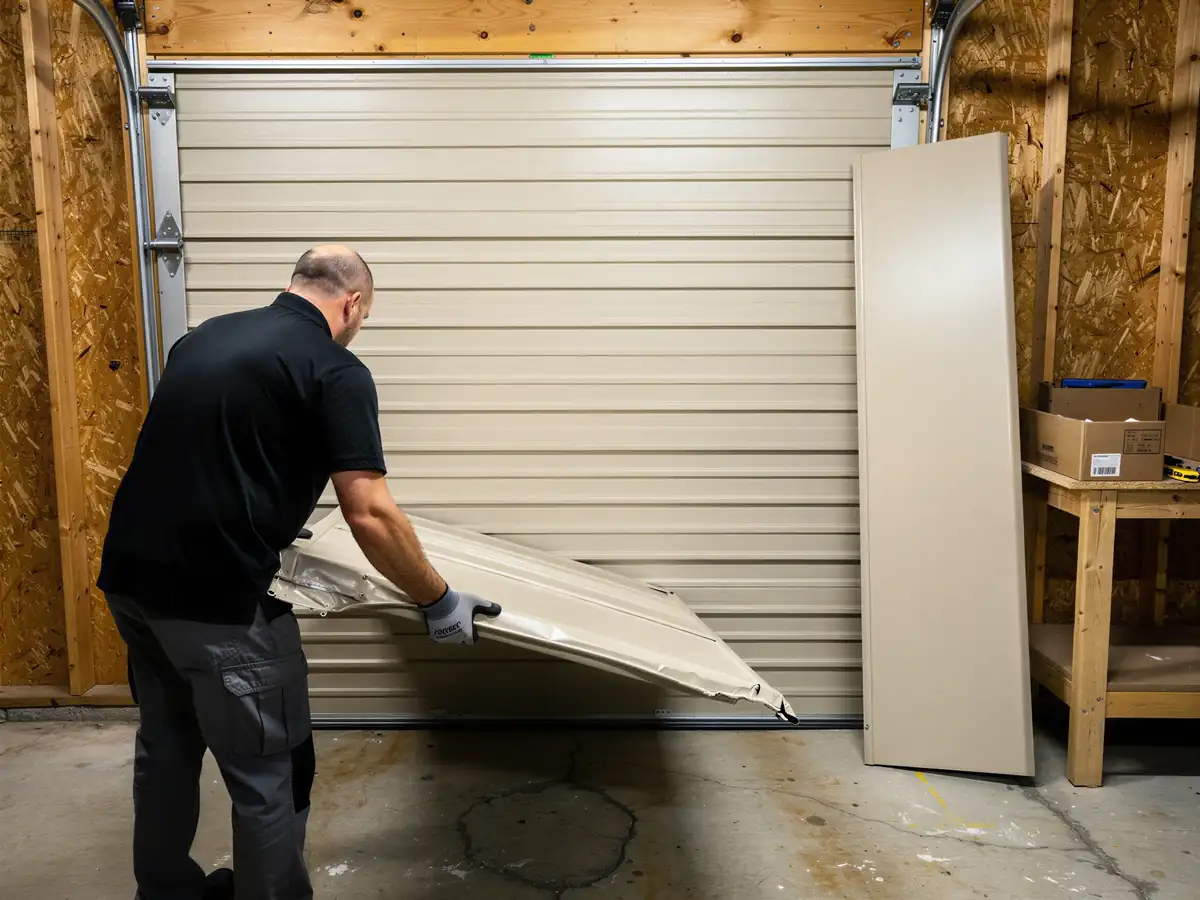
Track, panels, and springs all going together usually means replacement is the better money, not another patch.