What the Weather Here Does to It
Lake Zurich sits in a cold, moderate climate band, and that affects an attached garage very differently than a detached one
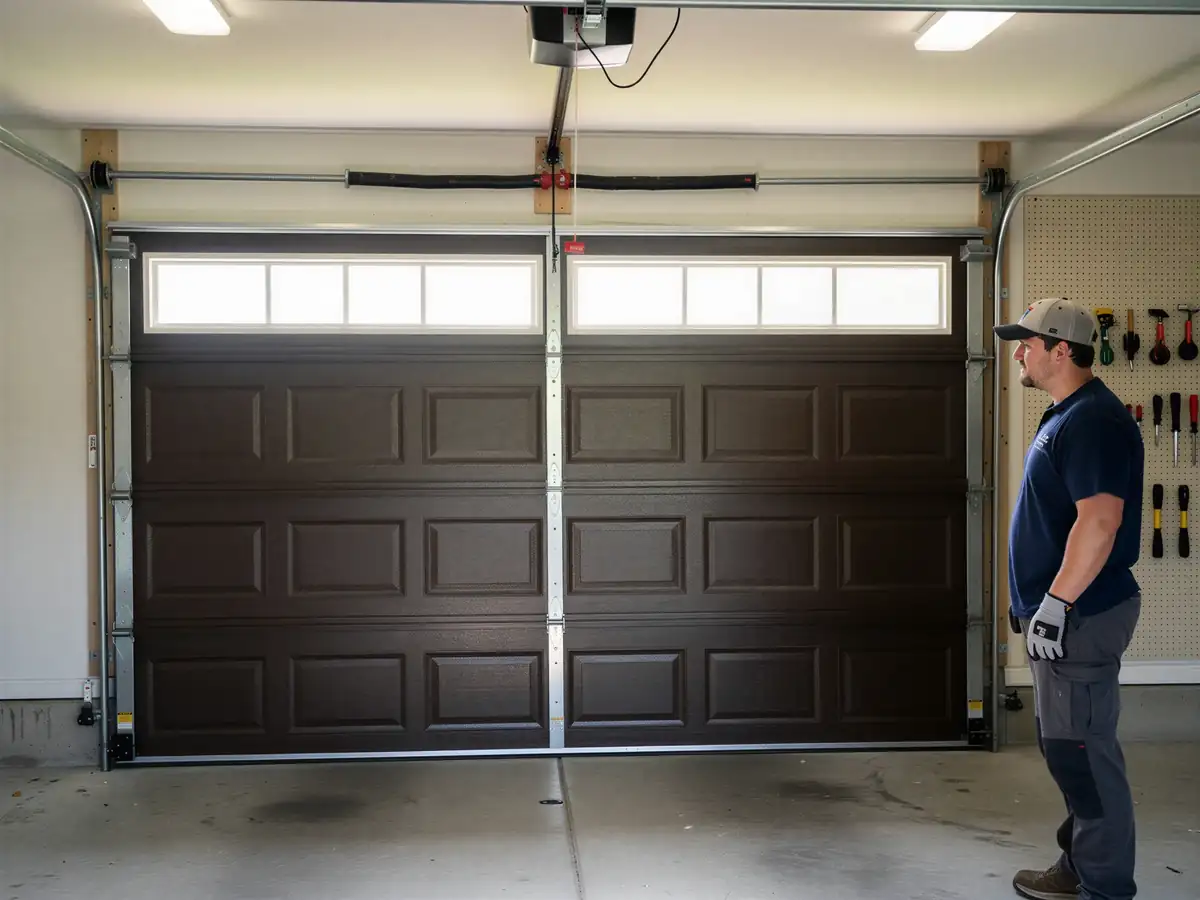
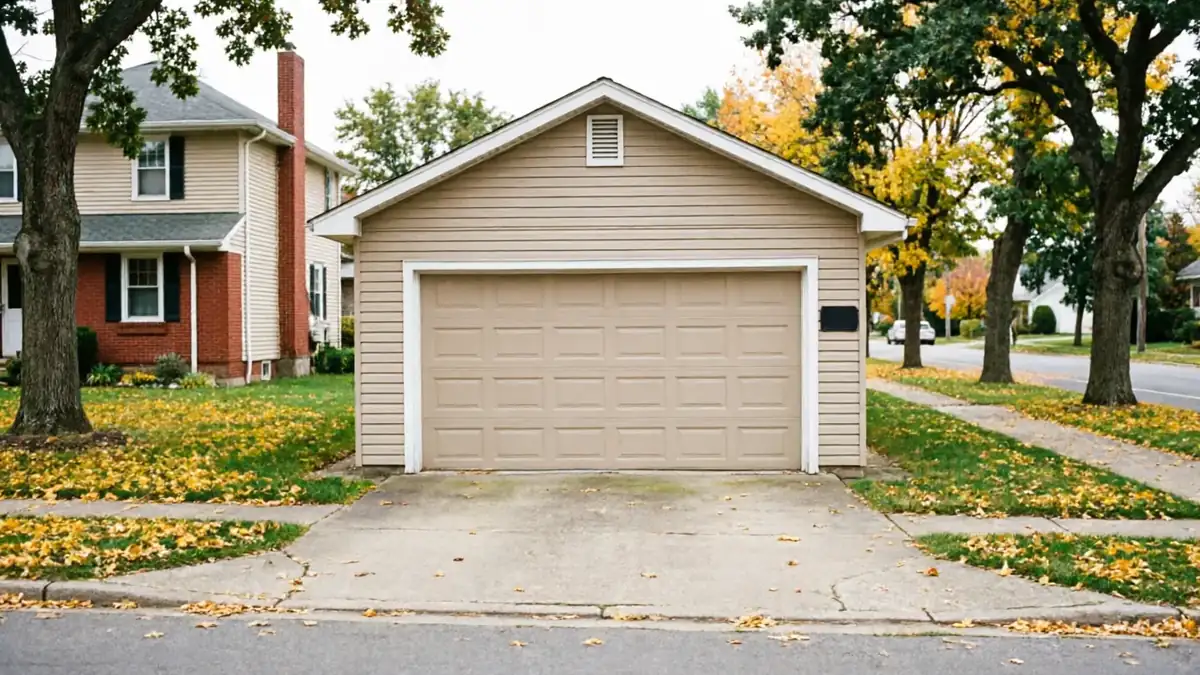
An attached garage shares a wall with the house, so warmth bleeds into it through the drywall all winter, keeping the slab and the door panel a few degrees above outside air. A detached garage gets none of that borrowed heat - it tracks the outside temperature almost exactly, so the torsion spring and the hinges go through a wider swing from a cold night to a sunny afternoon.
Most houses in this area were built between 1938 and 2009
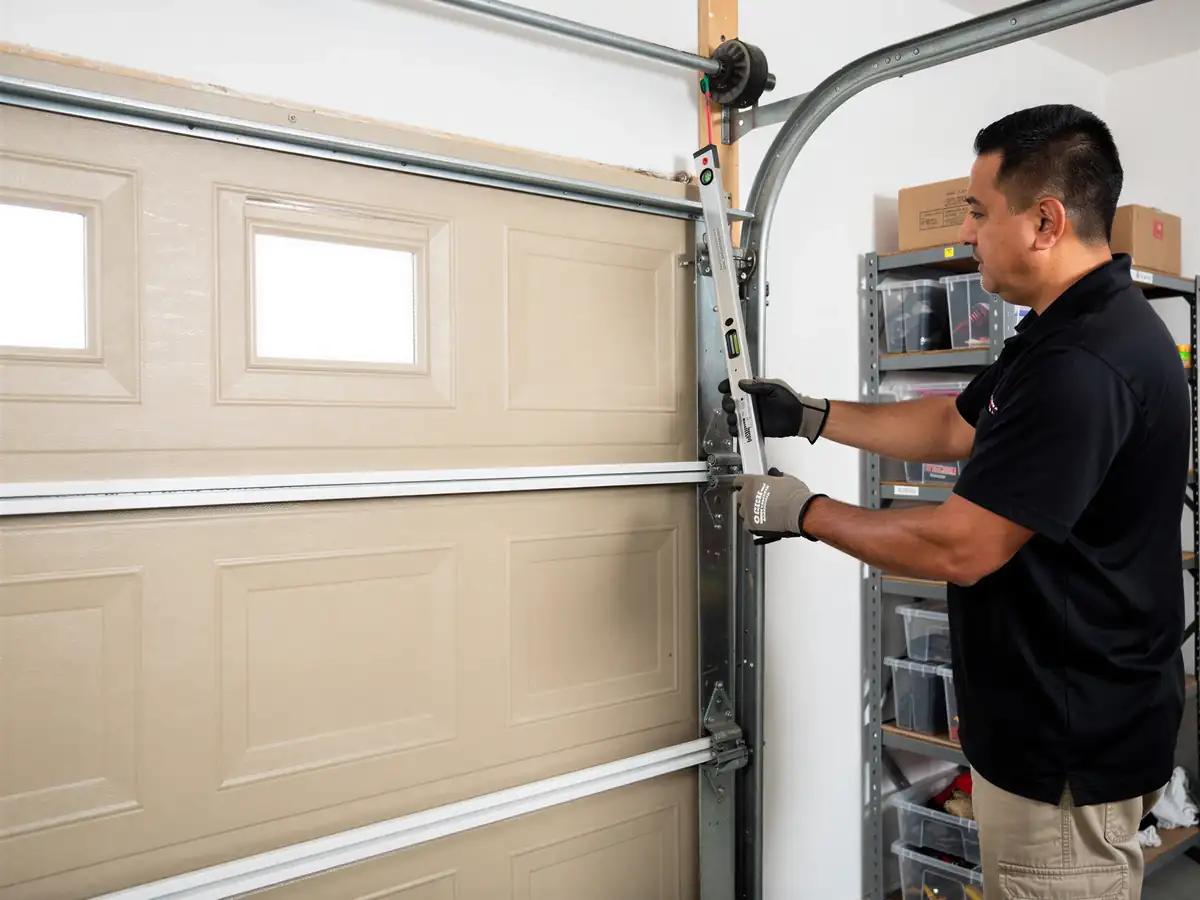
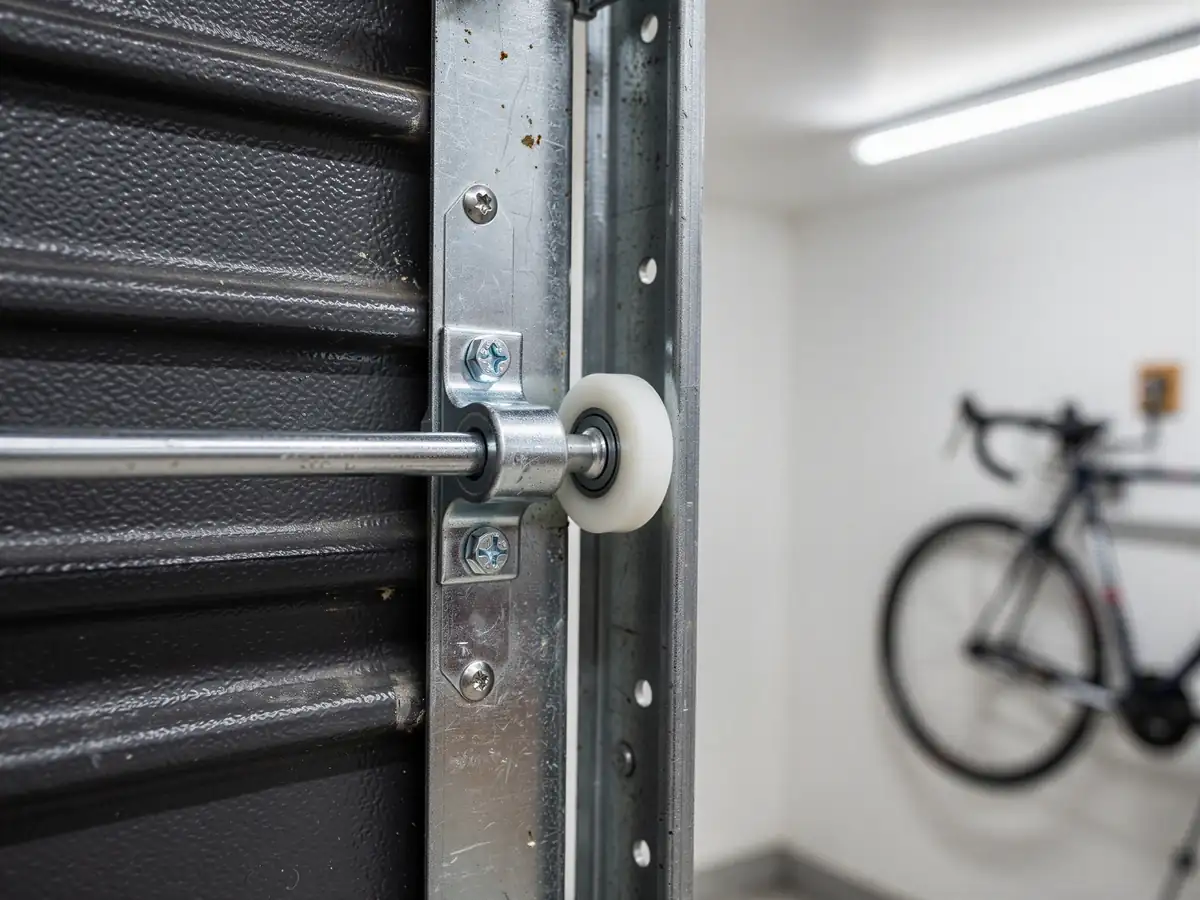
With the bulk of the stock dating to the 1980s and 90s. If your attached garage is original to a house from that stretch, the door track is usually lagged straight into framing that also carries the house roof load, so moisture that condenses on a cold steel door in January has a direct path to the structure above it - which is why rust shows up first at the top roller bracket on an attached door, not on a detached one standing by itself in the yard.
Doing Nothing For Now
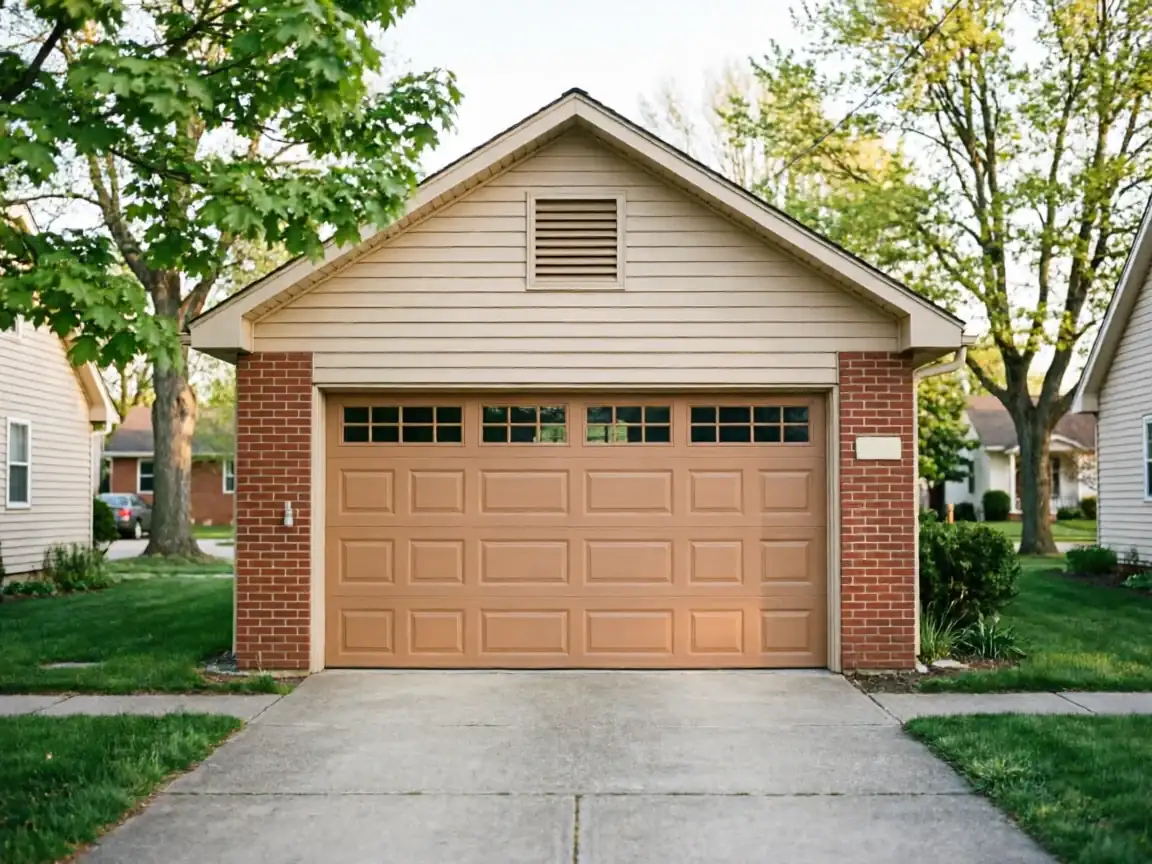
If you've got a detached garage with no room above or beside it, and the door opens and closes without binding or grinding, you don't need to rush a repair just because the panels look rough. A standalone structure built in this climate doesn't put anyone's heating bill or bedroom wall at risk if a seam rusts cosmetically - it's a different calculation than an attached door that backs onto a mudroom or bedroom.
What we won't do is tell you a detached garage door needs the same insulation upgrade an attached one does. Plenty of the detached garages built here in the decades before the newer subdivisions went in were never meant to hold heat, and spending money to insulate a door on an uninsulated structure doesn't get you much. Save that upgrade for an attached garage where the wall behind it is already finished and heated.
The Problem
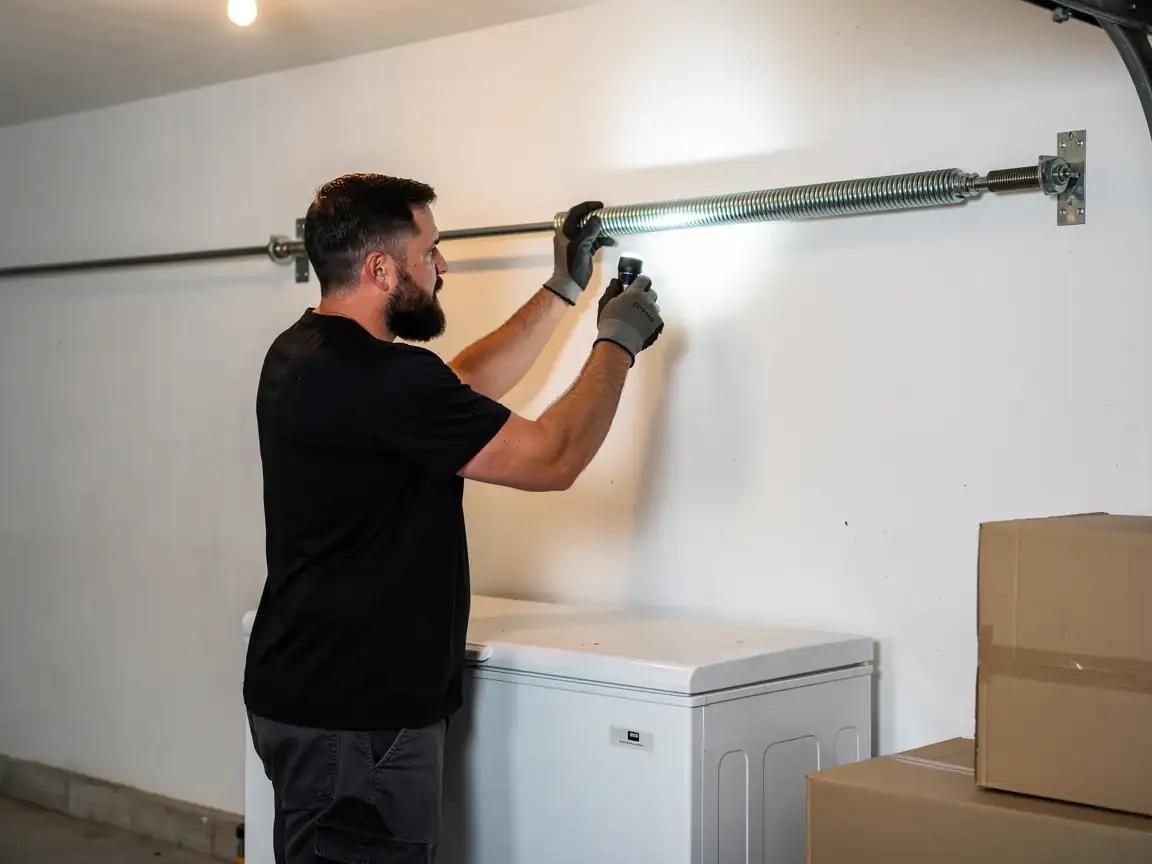
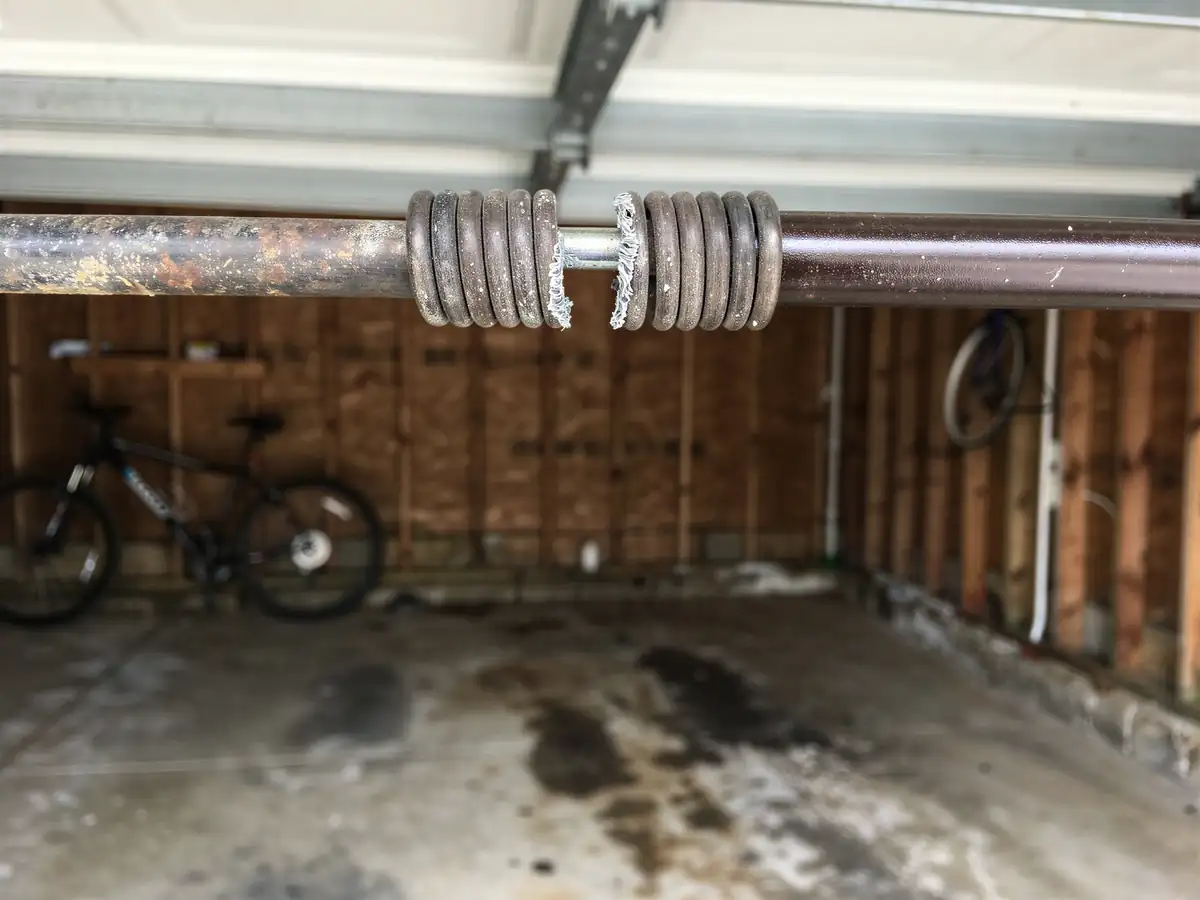
The failure we see most in attached garages tied to this area's 1980s and 90s housing stock is a spring or cable that's seized from temperature cycling against a shared wall - the door gets used daily, warms slightly from the house side, cools fast overnight, and the hardware fatigues faster than the panel it's lifting. On a detached garage from the older end of the range, built closer to 1938-1960, the more common issue is the door itself: original wood or early steel panels that have simply outlived the track and roller hardware supporting them.
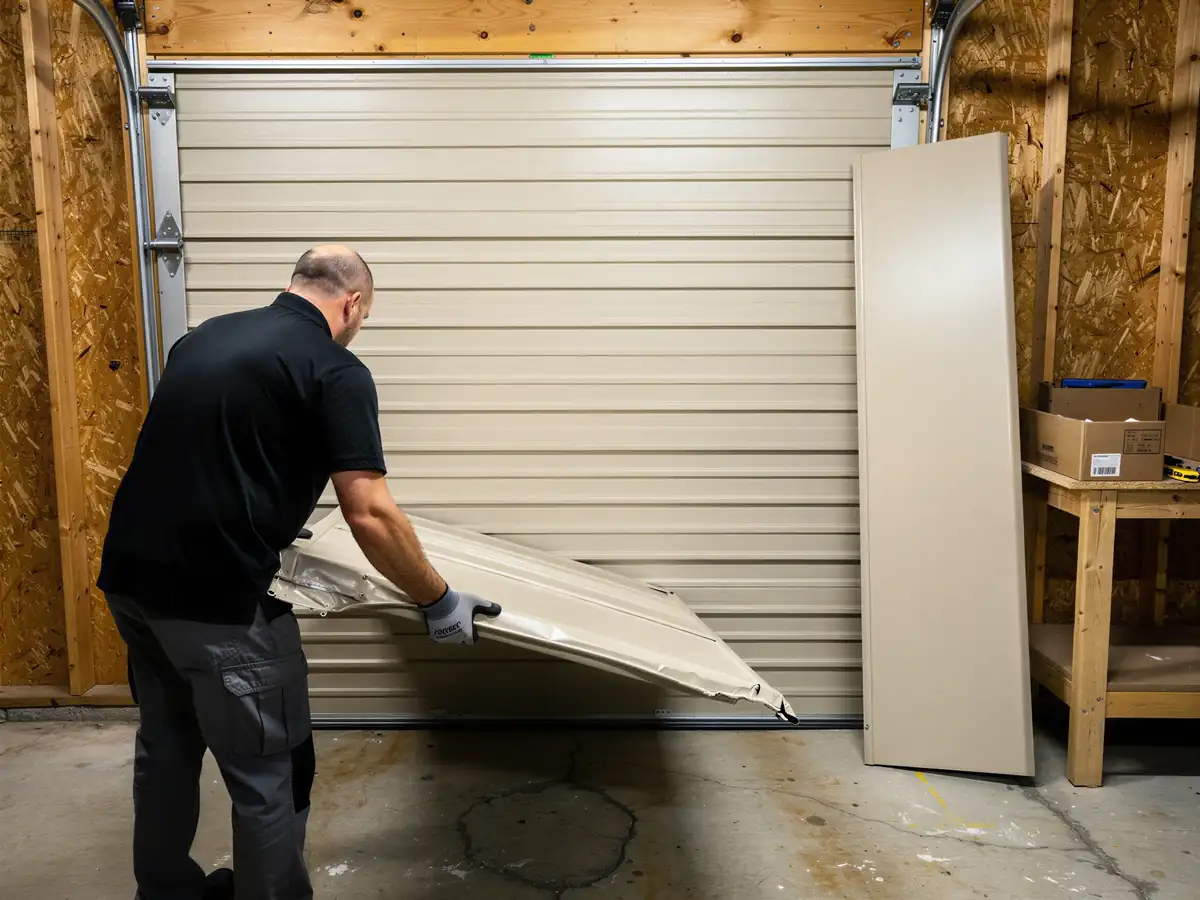
Here's the honest limit: once a wood panel door on an older detached garage has racked out of square, repair buys you a season, not a fix. Replacement is usually the better money at that point, especially on a structure that's stood on its own for six or seven decades and settled unevenly. An attached door with a bad spring or a bent track, on the other hand, is almost always a repair, not a replacement - the opening itself hasn't moved.
When to Get Help
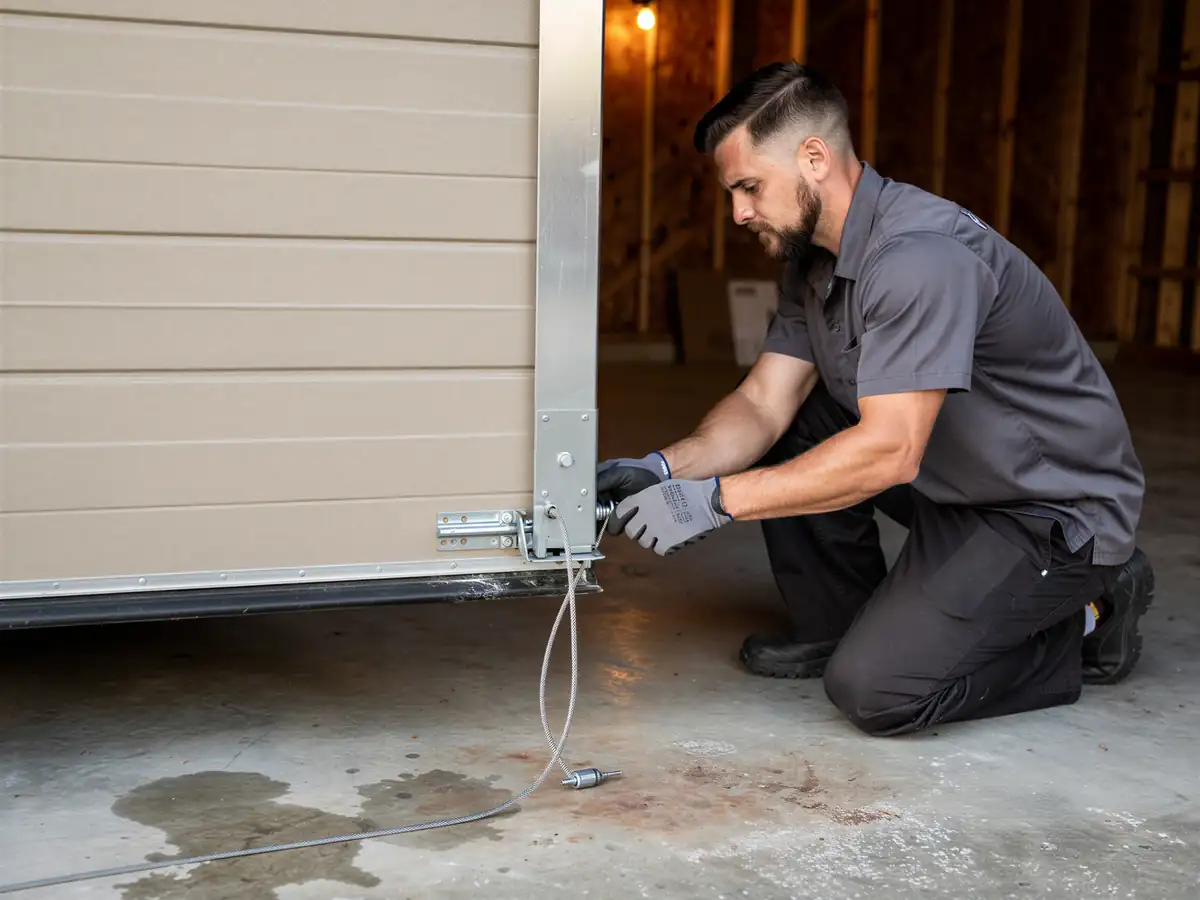
Call before the door stops working, not after, if you've got an attached garage and you notice it dragging or catching partway through its travel
That's early fatigue in hardware carrying a shared-wall structure through our winters, and it's cheaper to fix a cable than to fix a cable and a dented panel after it jumps track.
On a detached garage, the signal to call is different
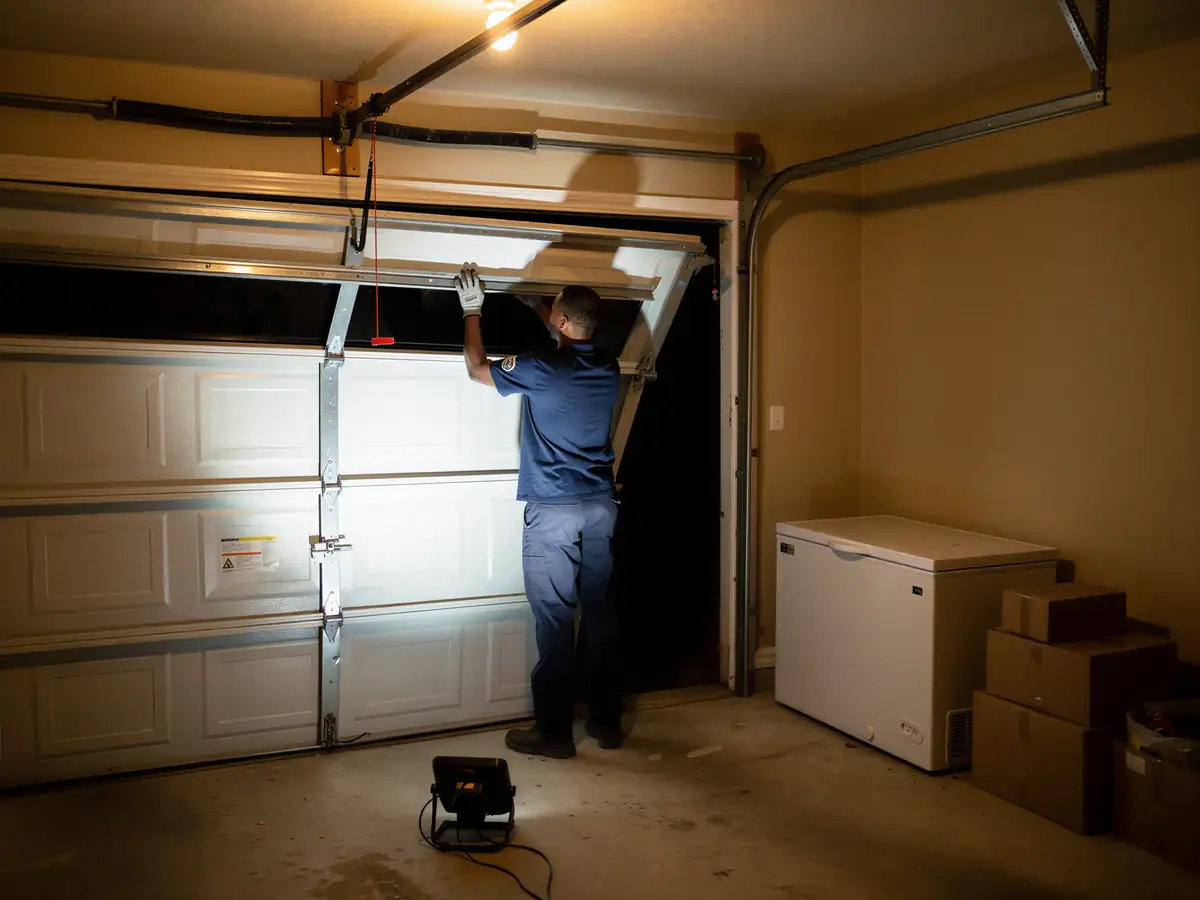
Listen for the opener straining on a cold morning. A motor working harder than usual on a standalone structure usually means the spring has lost tension faster than it should, because that garage sees the full swing of outside temperature with nothing to buffer it. Either way, if the door won't open at all, don't force it by hand on a torsion system - call first.