How Long It Takes
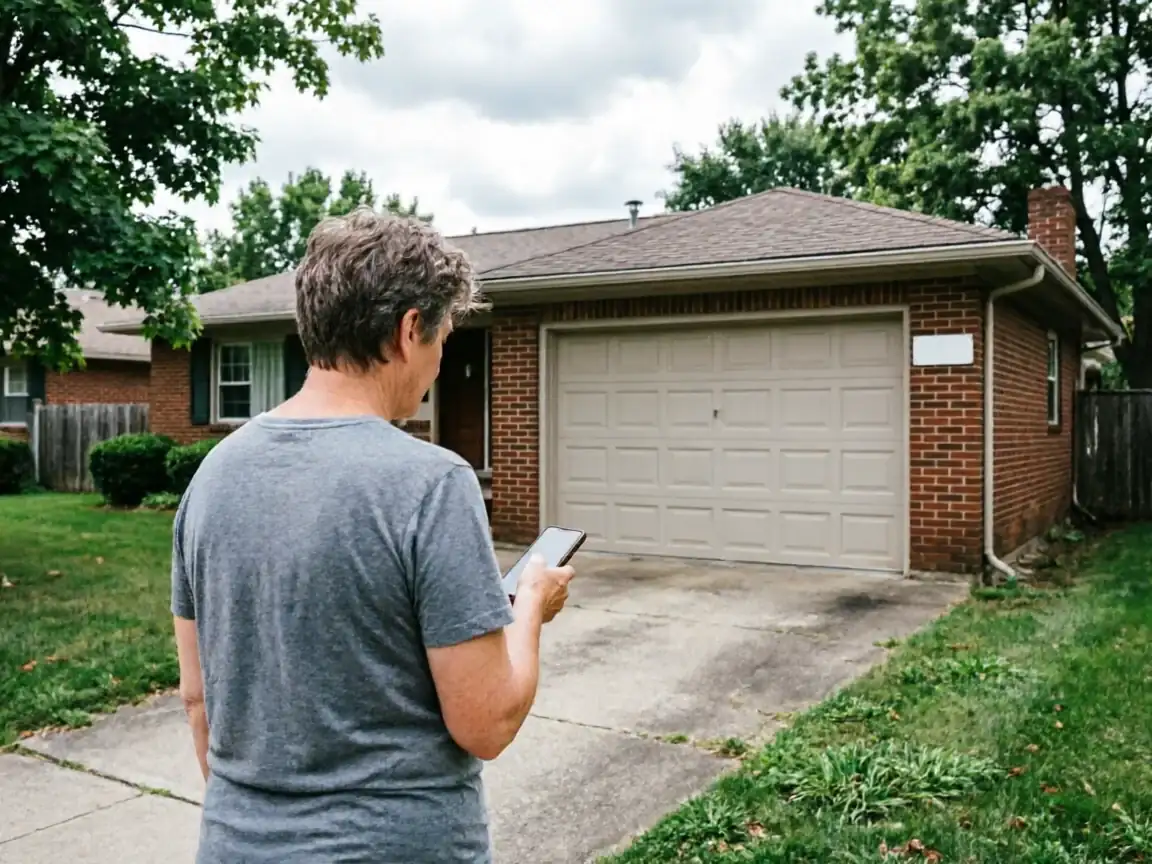
A standard roller swap - ten rollers, same track, no surprises - is a same-visit job once we're on site. What changes the timeline in Winnetka specifically is what we find once the old rollers come out. On a door built when this neighborhood's housing was going up, the track is often galvanized steel that's pitted or slightly bent from decades of steel-on-steel wear, and that means re-squaring or replacing a track section before new rollers go in. We won't know which situation we're in until the door's open. We're coming from Lake Zurich, about 19 miles out, so we plan the visit as one trip with the parts we expect to need based on what you tell us about the door's age and type before we arrive.
Why This Fails Locally
Winnetka's median year built is 1938, which puts a real share of the housing stock here decades ahead of the 1985 median across the rest of this company's service area. Doors from that era, or doors replaced once already on that era's original track, were often set up with steel rollers running directly in steel tracks - no nylon, no sealed bearing, just metal on metal with grease as the only buffer. Steel rollers wear the track as much as the track wears the roller, which is a two-way failure you don't see as often on a door installed in the 1990s. Add in a cold-climate winter cycle and the grease stiffens, the roller binds slightly on the cold start, and that binding is what chews a groove into an old track faster than normal use would. Houses with original or near-original hardware are the ones we get called to most, not because the owners did anything wrong, but because the parts on that door were never designed to last this many decades of freeze-thaw cycling.
What the Repair Takes
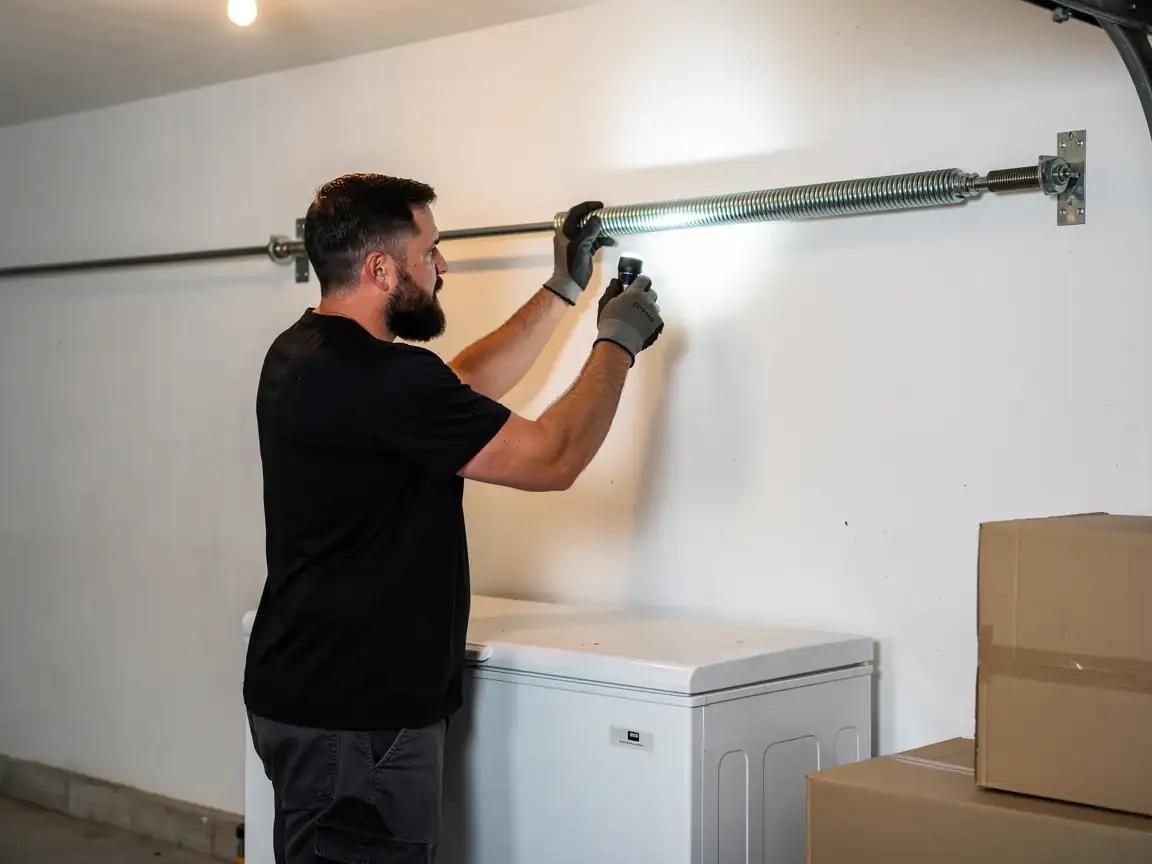
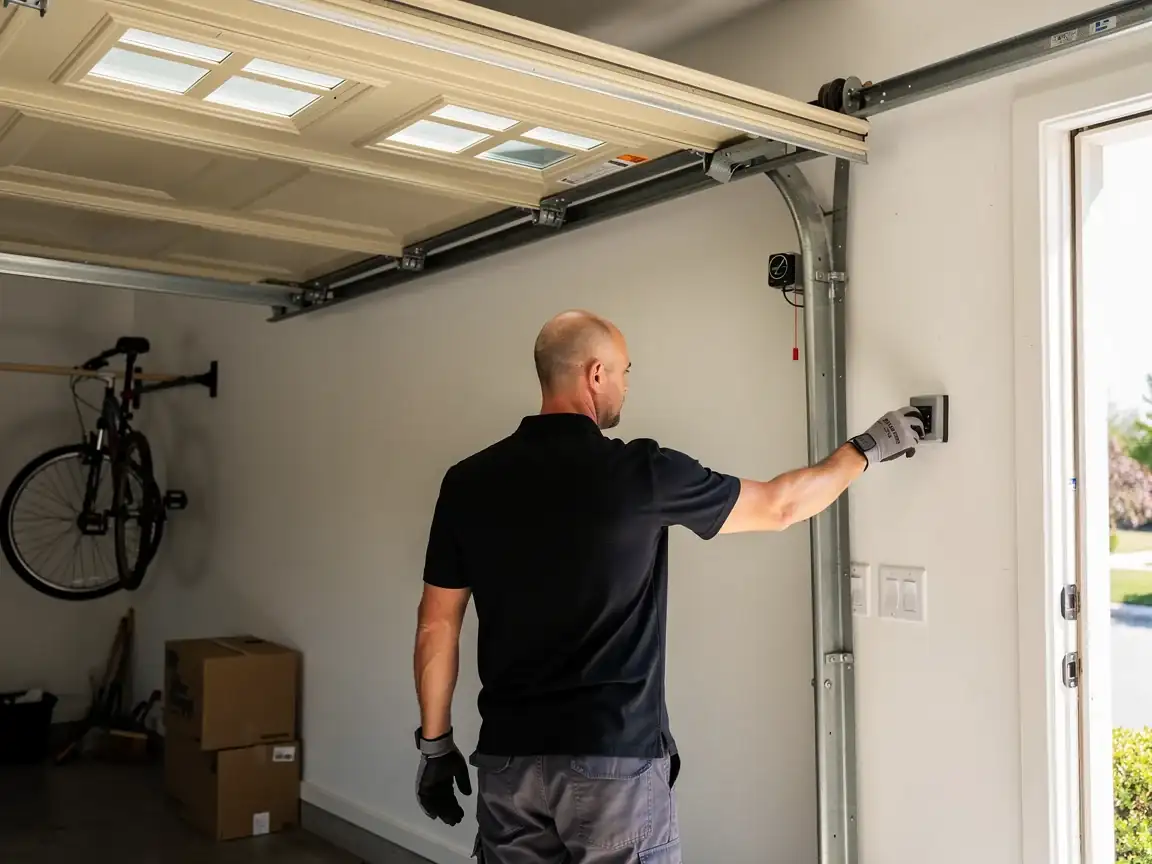
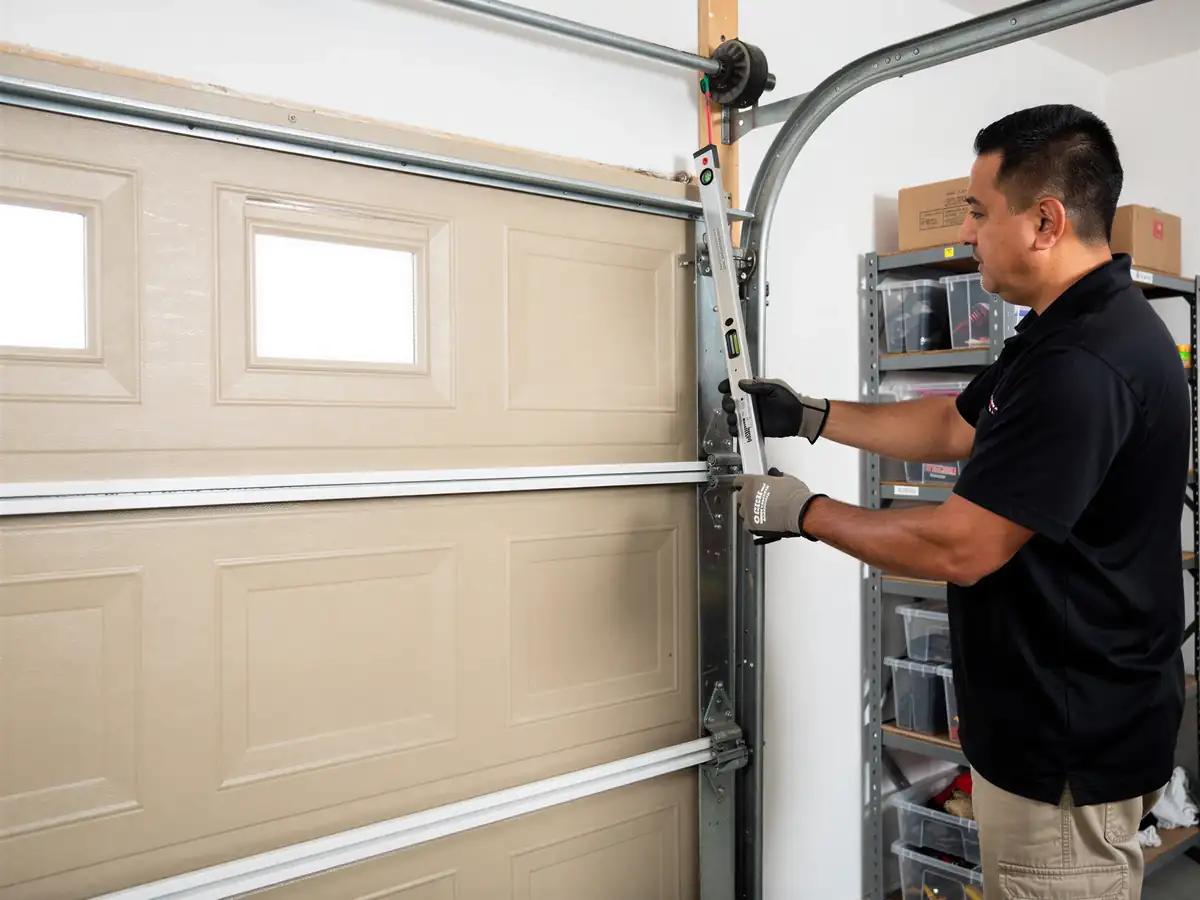
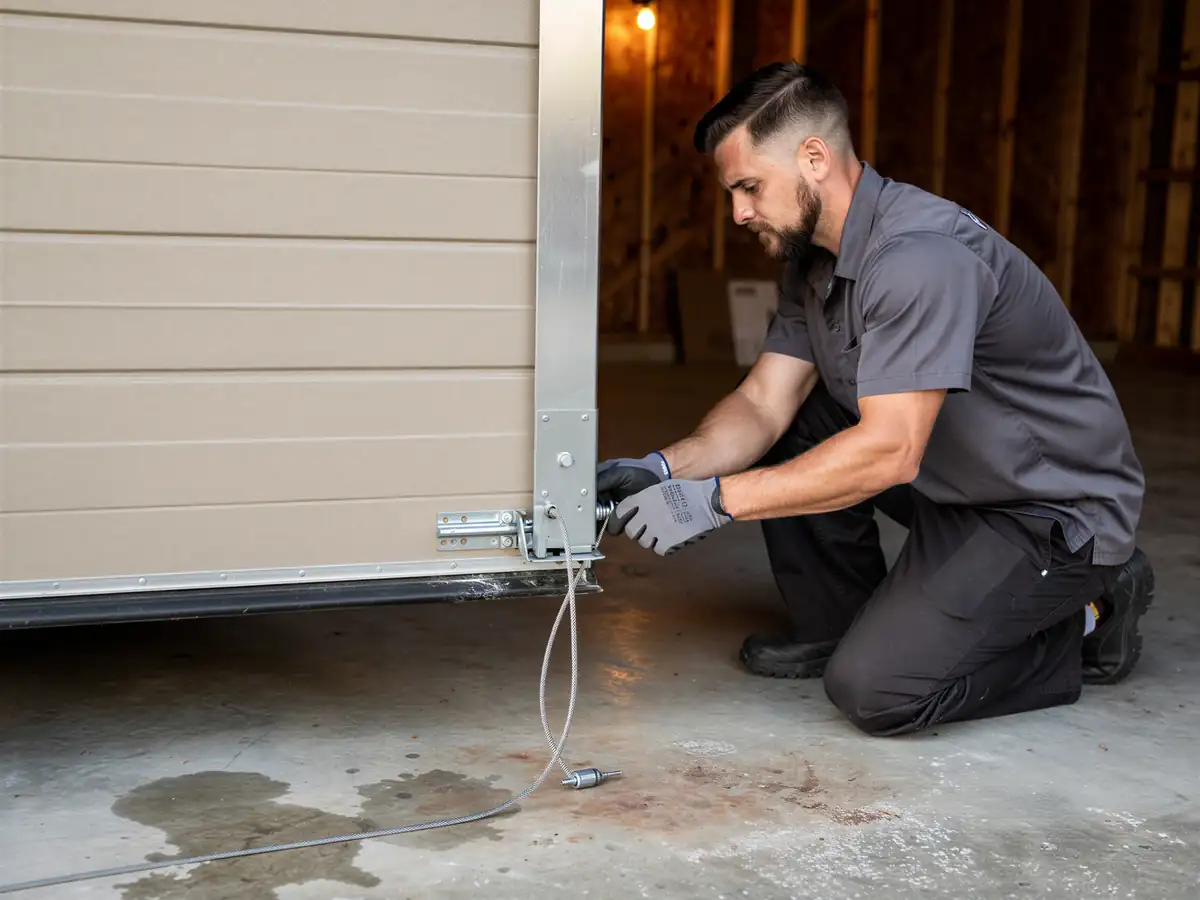
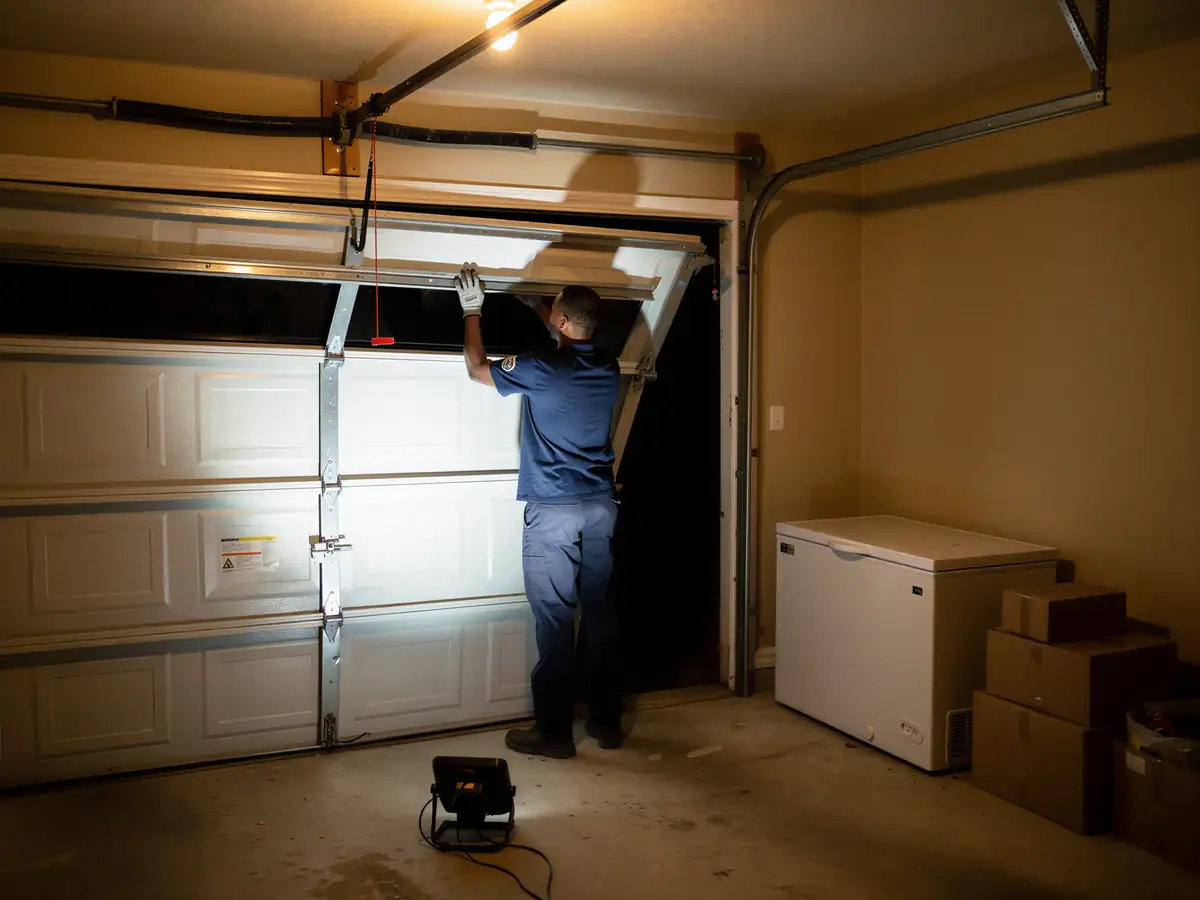
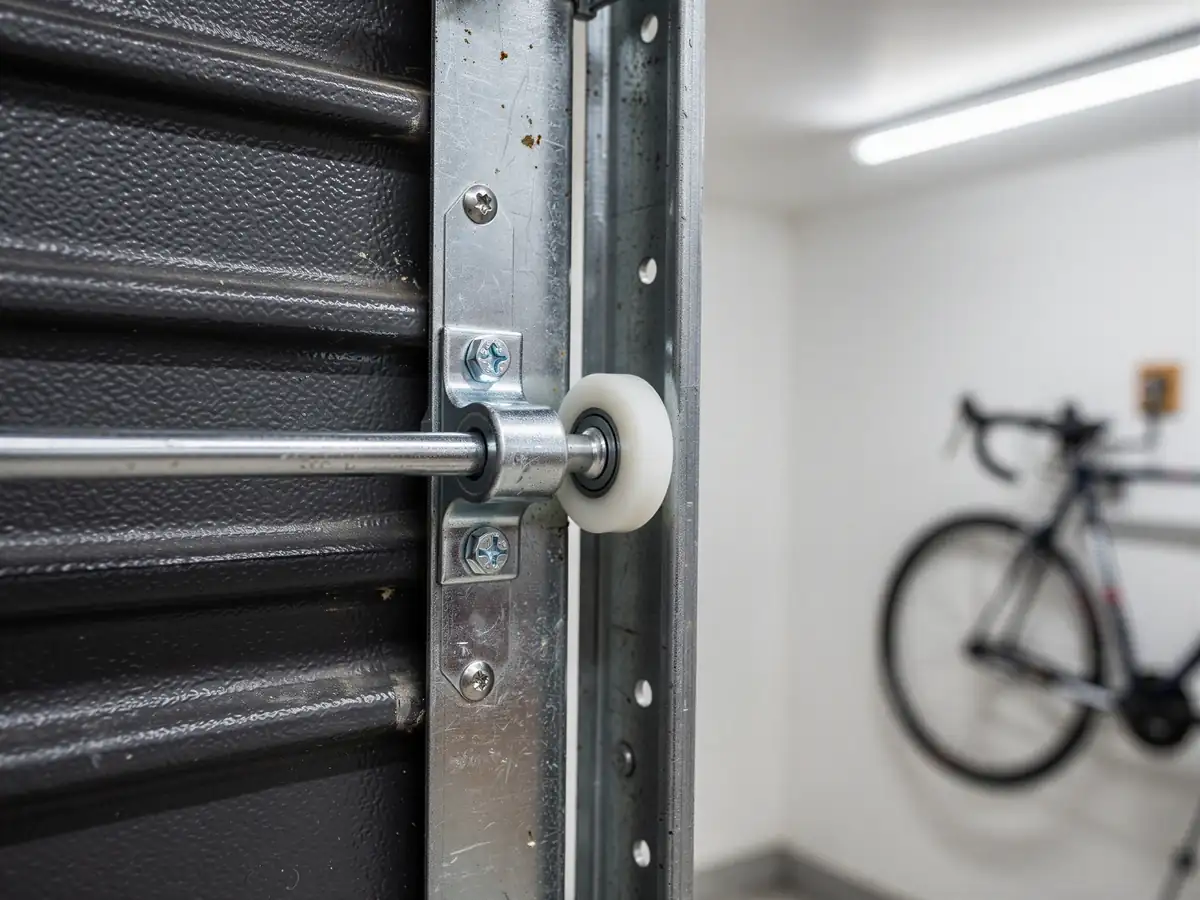
The job itself: disconnect the opener, support the door in the open position, remove the old rollers one at a time so the door stays aligned, inspect the track for pitting or bend as each roller comes out, and set new rollers - nylon with sealed bearings unless the door's weight calls for something heavier. If the track shows wear consistent with age, we replace the worn section rather than reinstall rollers against a track that'll just chew through them again in a year or two. On heavier original doors we check that the new rollers are rated for the weight; an underrated roller on an old solid door fails faster than the one it replaced. We test the full travel of the door a few times before we call it done, listening for the catch or drag that means something's still slightly out.
How It Shows Up
The first sign is usually sound: a grinding or squawking near the top of the track as the door opens, worse in cold weather when old grease has stiffened. Some owners notice the door catching at the same spot on every cycle - that's a flat spot worn into a steel roller riding in a steel track, a wear pattern we see more in a town with this housing age than we do in newer construction. A few describe the door as feeling like it's being pulled sideways slightly near the top of its travel, which is usually the roller skipping a worn groove rather than anything wrong with the opener. None of this is an emergency repair, but left alone it eventually takes the track with it, which turns a roller job into a track job.