Why This Fails Locally
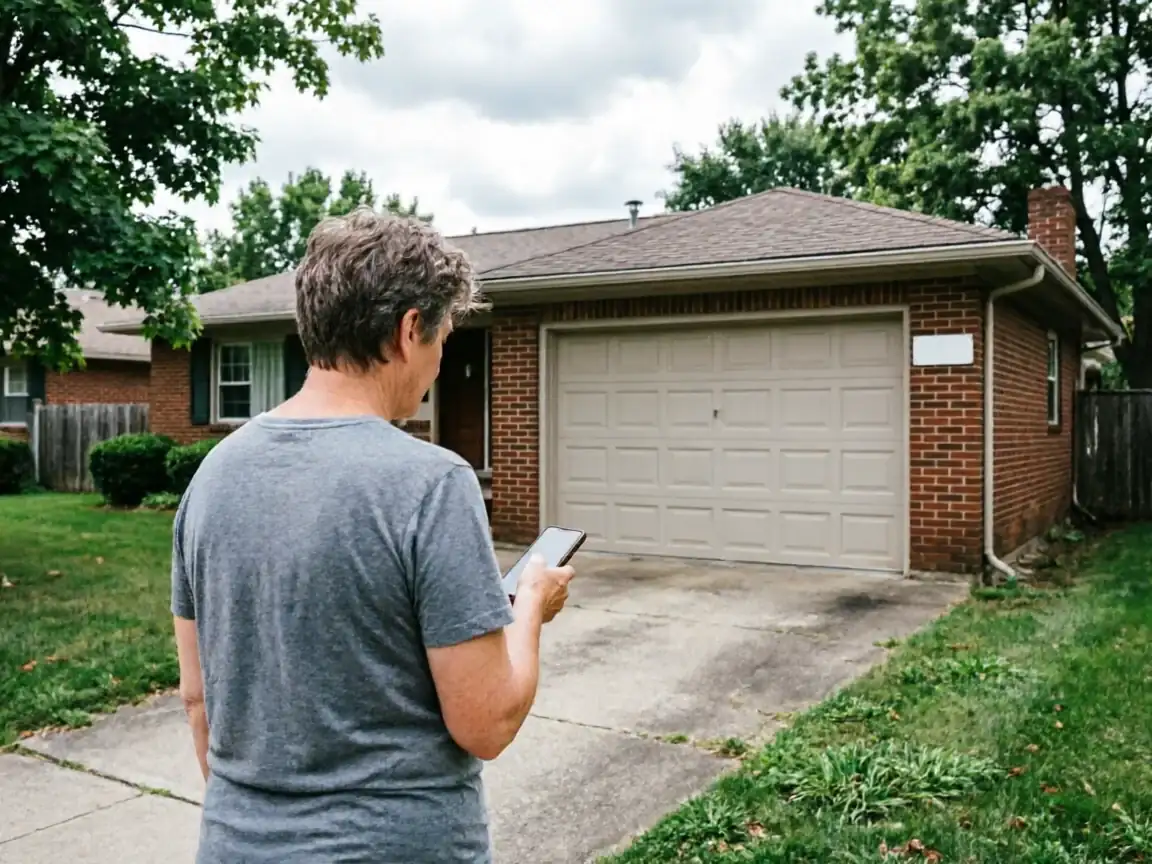
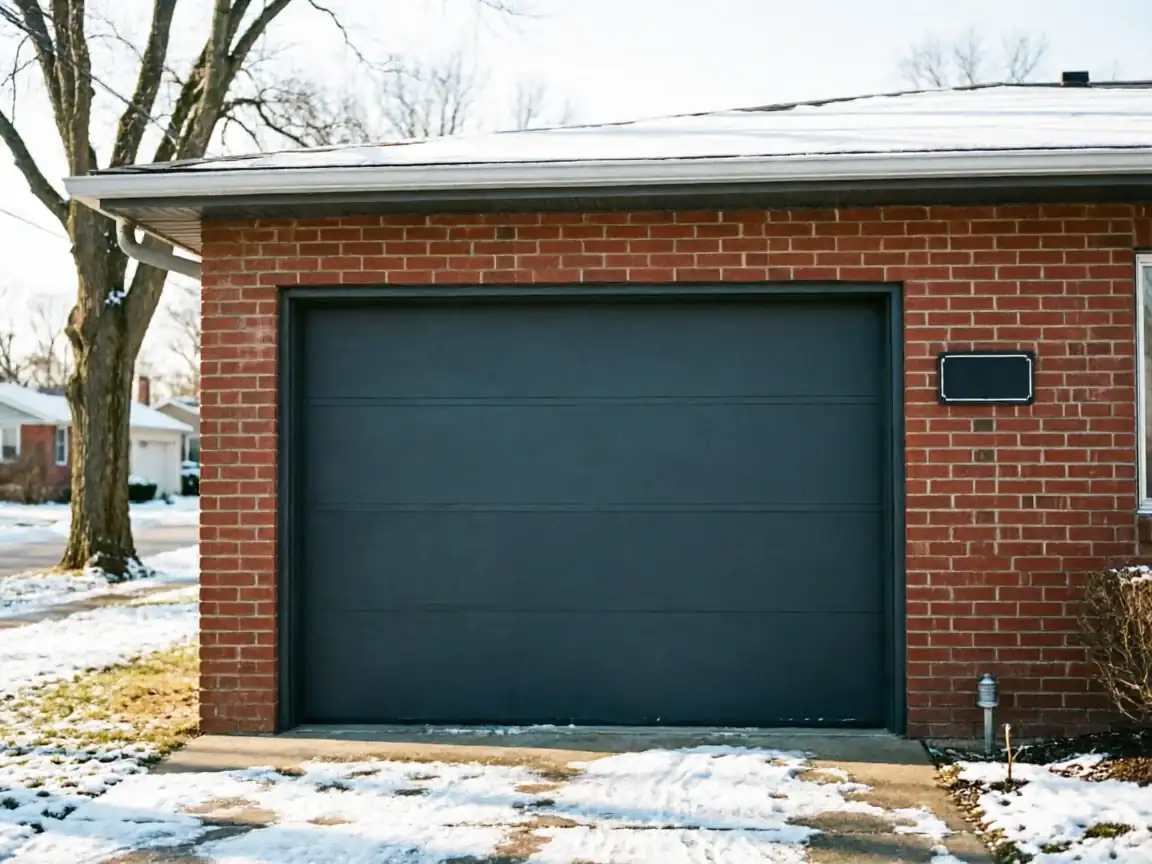
Most of the garage doors we get called out to replace in Lake Zurich were hung sometime between the late 1970s and the early 2000s
Which lines up with the housing stock here - built 1938 through 2009, with the median house dating to 1985. That means a huge share of doors in this town are steel sandwich panels from the 1980s and 90s, sized for an opener and track system that was never built for today's insulation standards or today's spring loads.
Here's the local failure mode
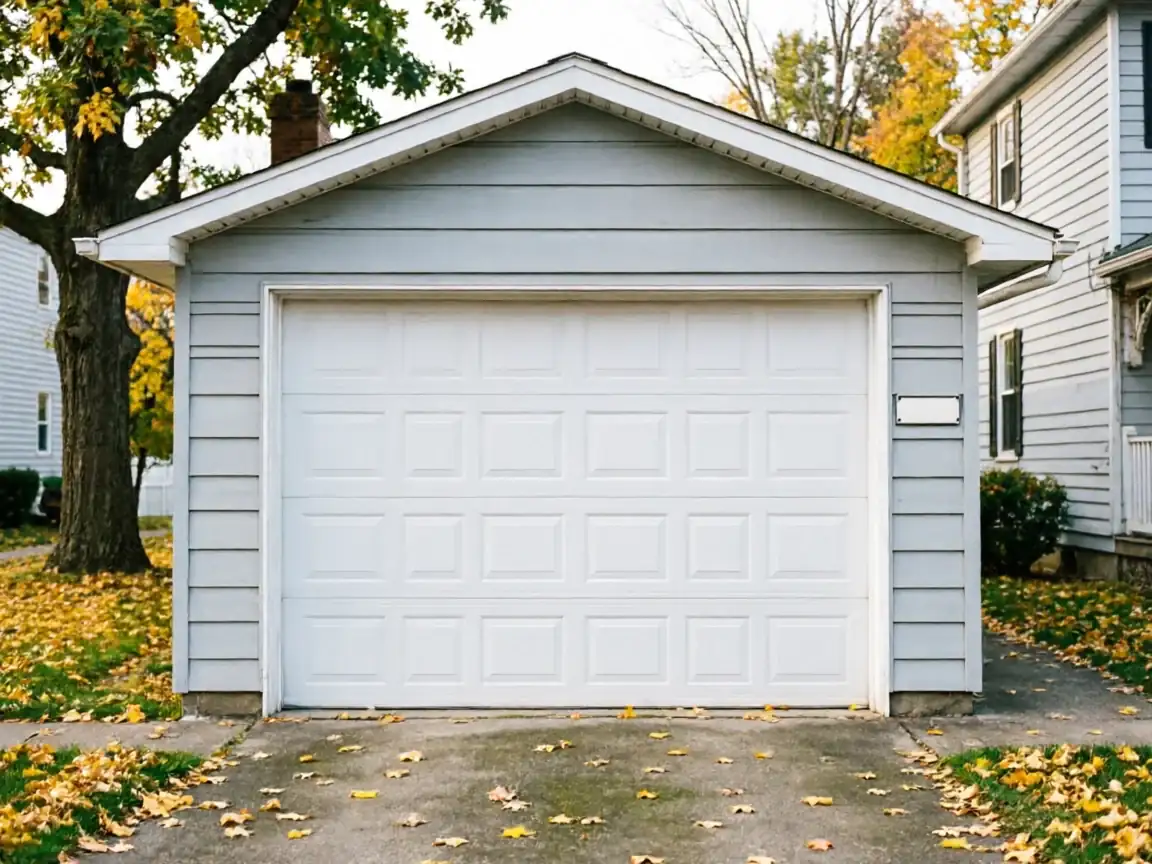
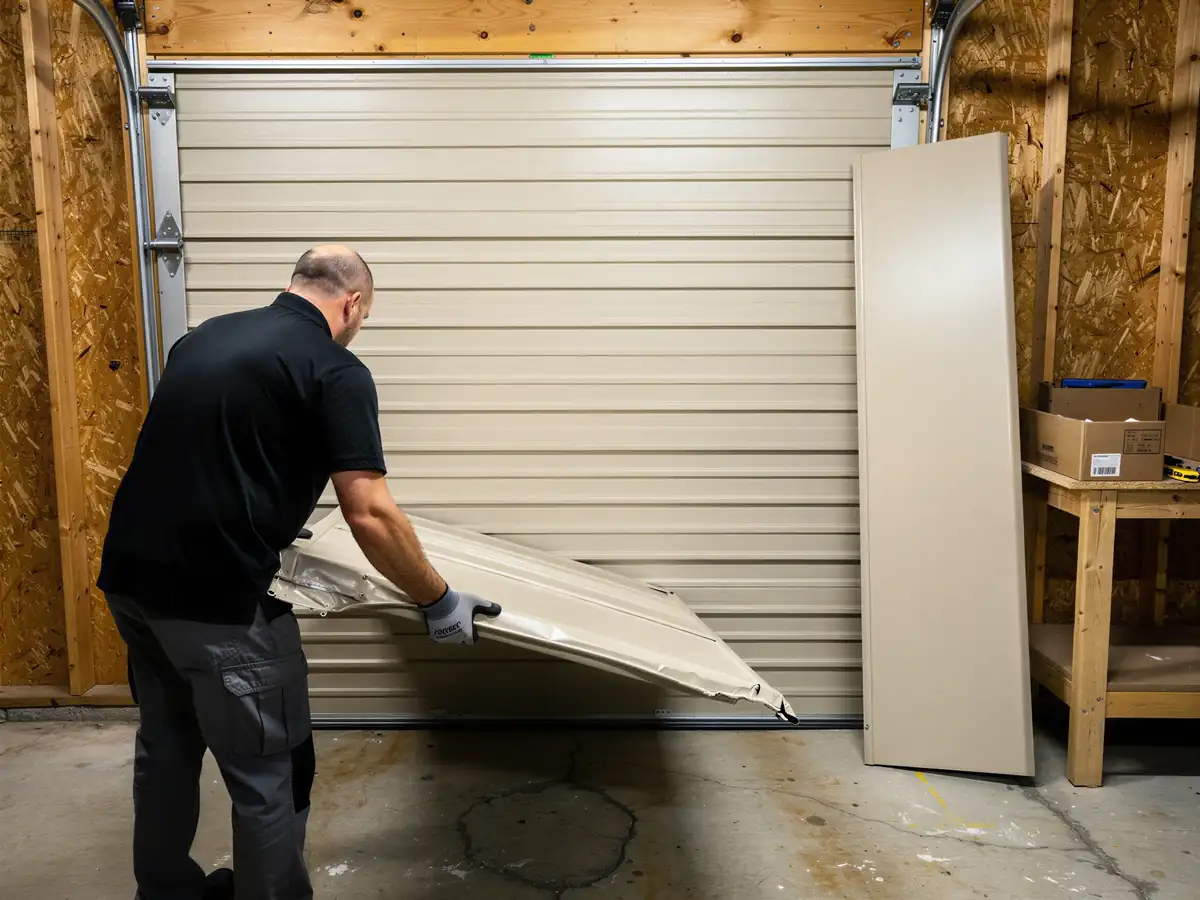
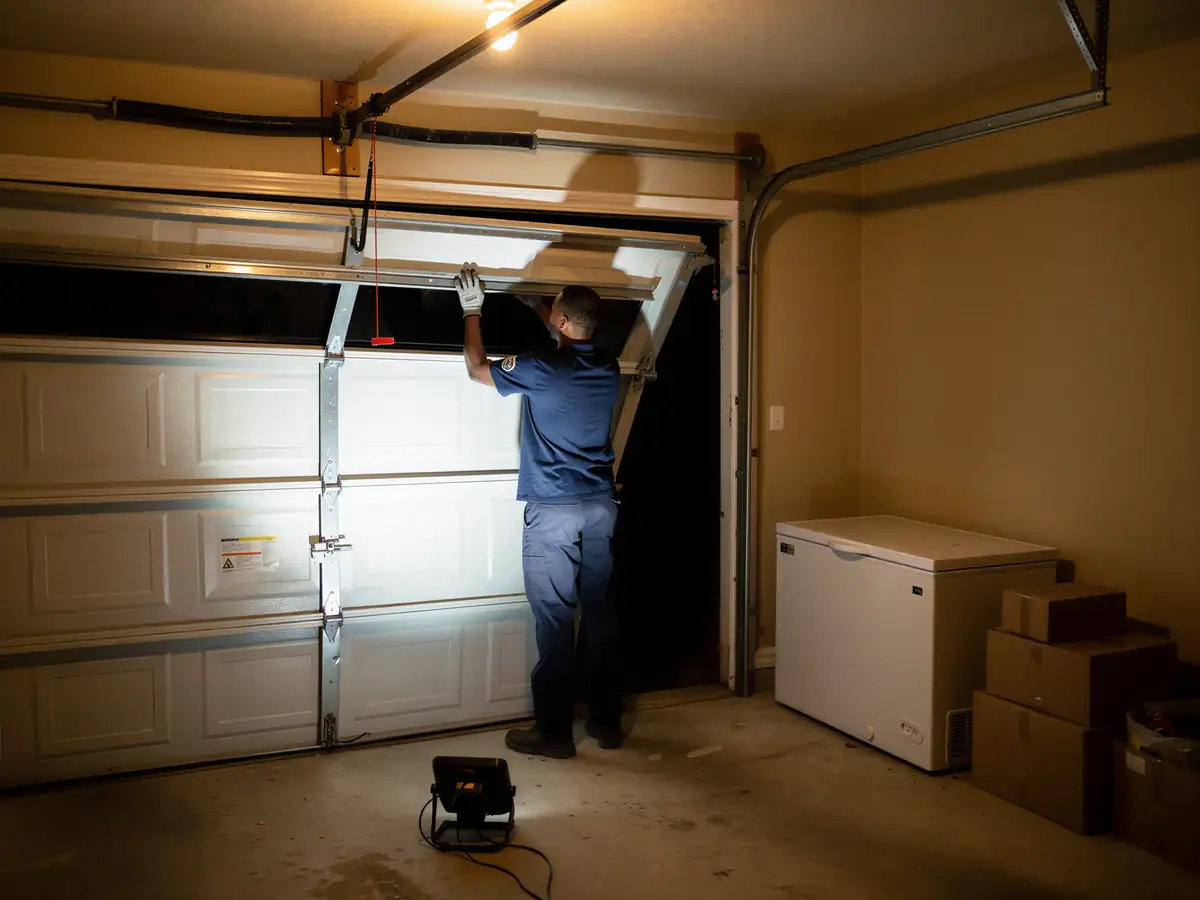
These doors were installed with single-layer steel skins and non-insulated cores, fine for the era but a poor match for a cold, moderate climate that swings hard between summer humidity and winter cold. Steel contracts in the cold, and a panel that's flexed through thirty-plus winters starts to bow at the bottom section, right where the weatherstrip meets the slab. Once that bottom panel curls, the door never seals flush again, no matter how many times you adjust the track.
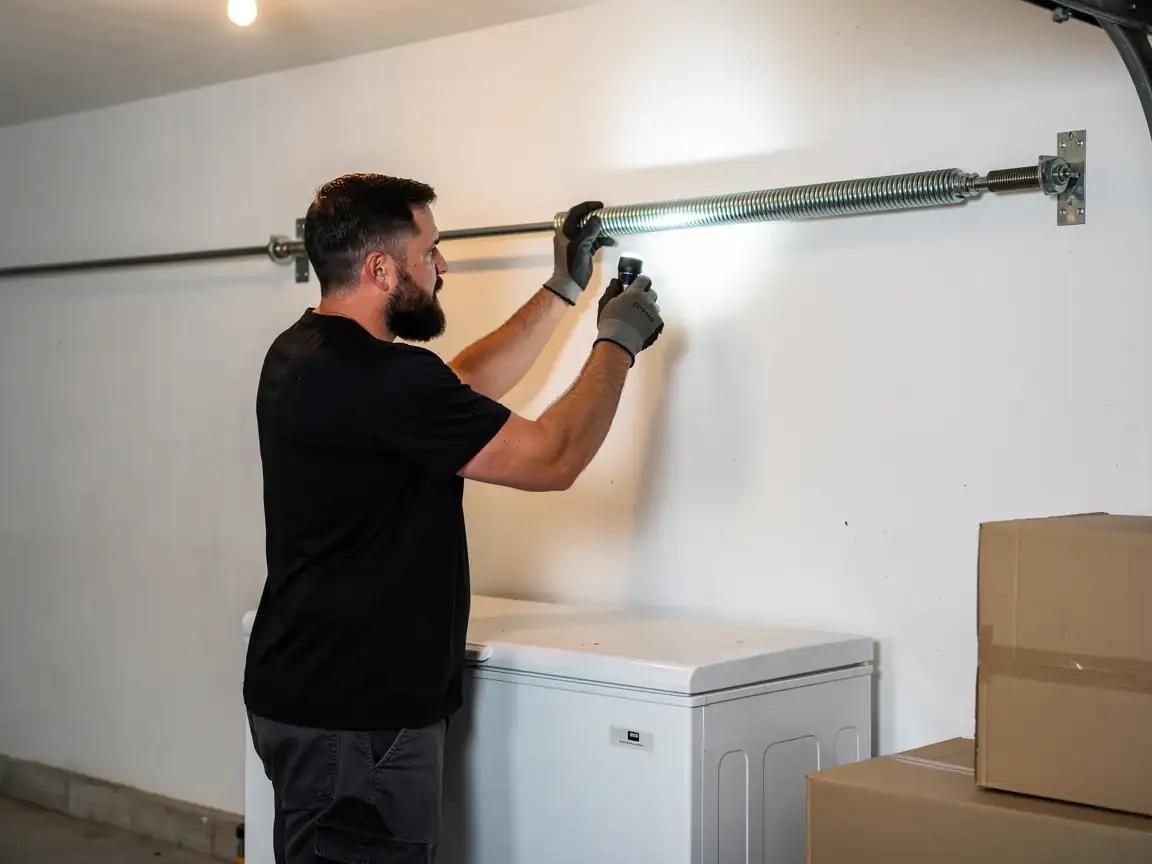
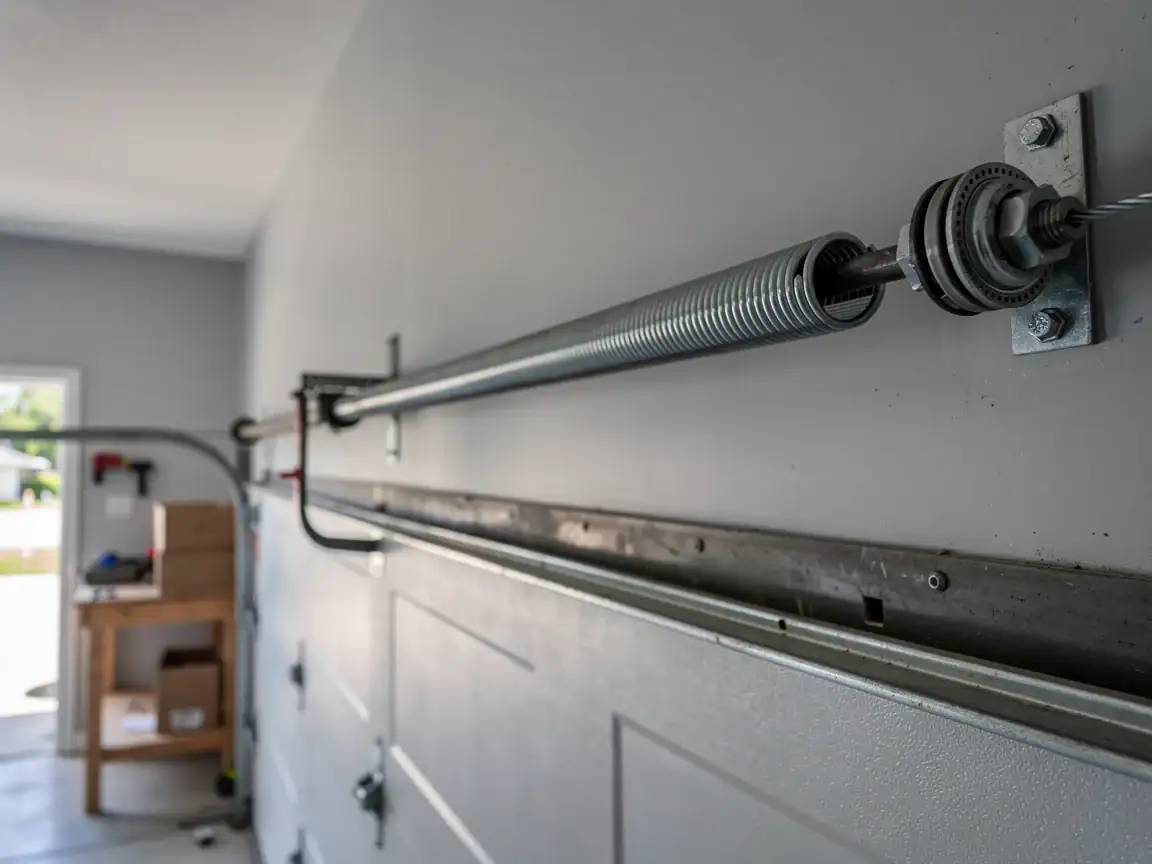
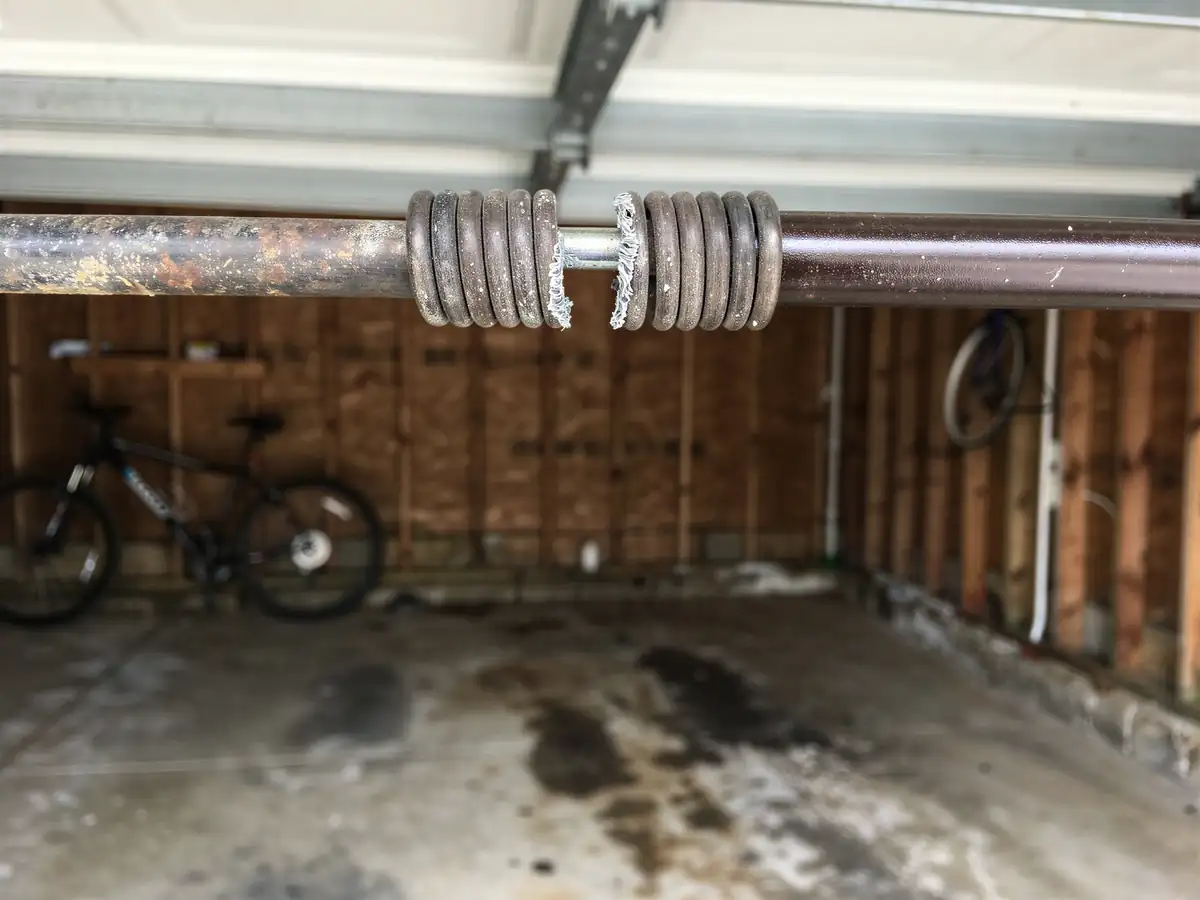
We also see a lot of torsion springs original to a 1980s install still carrying the load today
Springs are rated for cycles, not years, but houses built in that window are now old enough that the spring is well past any reasonable service life even on a door that's seen light daily use. When one of those lets go on a cold morning, it's not a surprise - it's overdue.
Booking a Visit
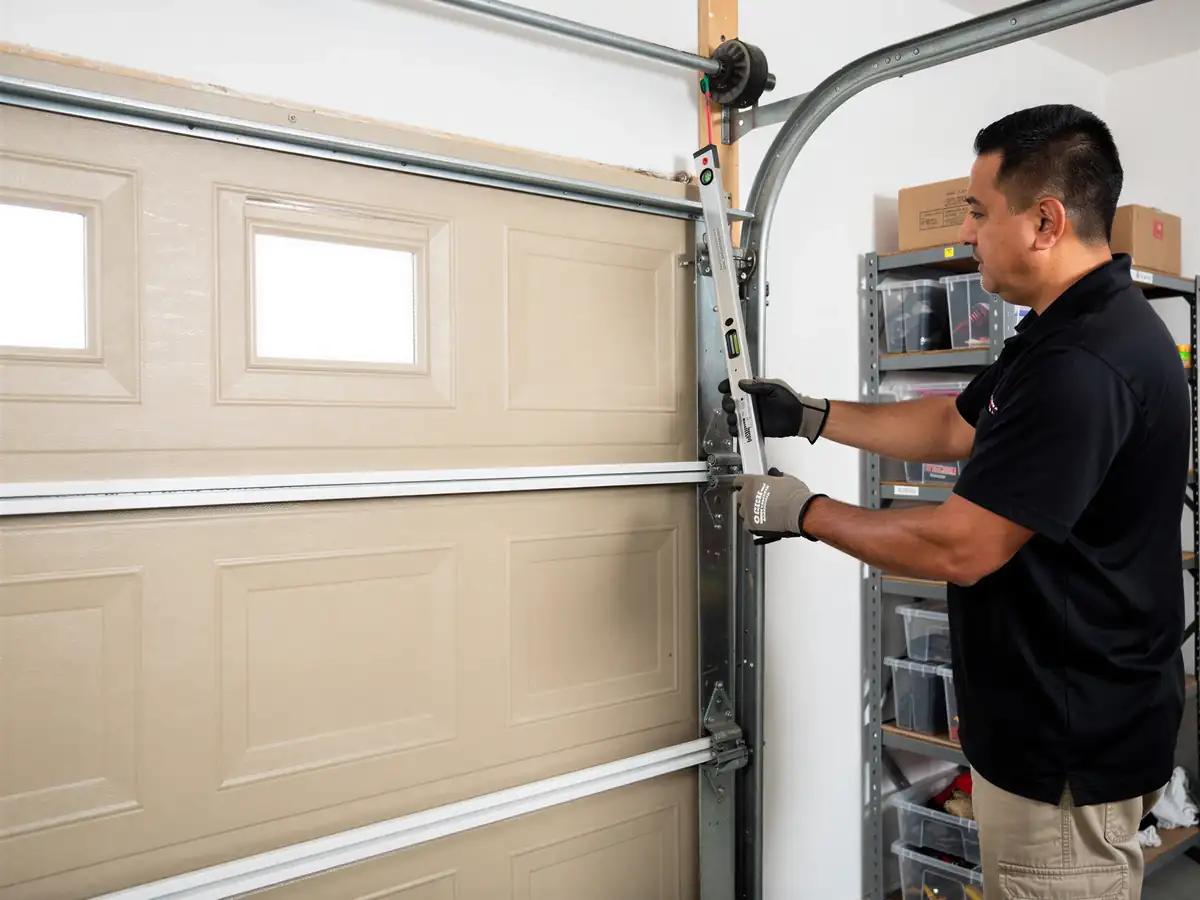
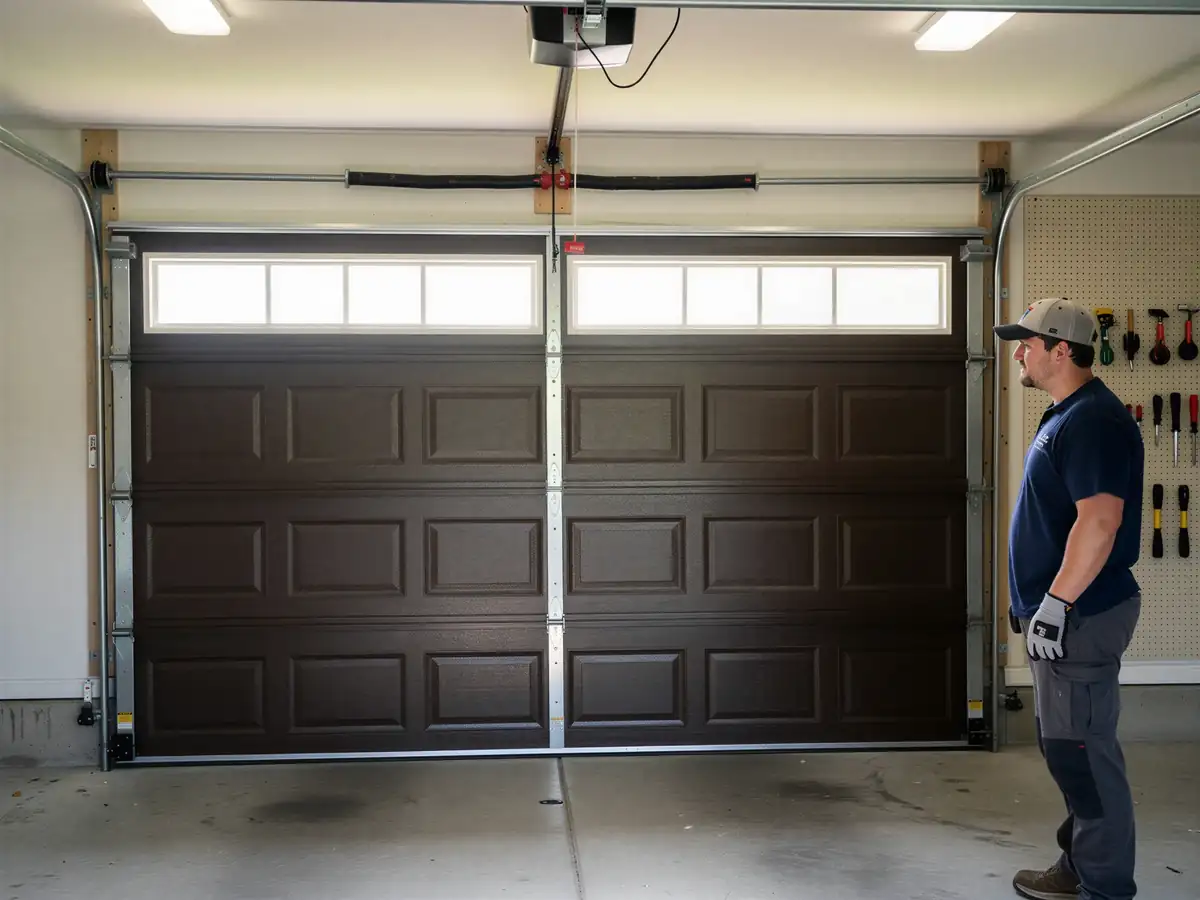
When you call for an installation quote, we need to see the opening in person before we can spec a door. Rough wall dimensions over the phone don't tell us whether your header has room for a standard torsion shaft or whether a low-headroom bracket kit is going to be needed - and in a lot of homes built in this area's 1980s-90s wave, headroom is tighter than current door kits assume.
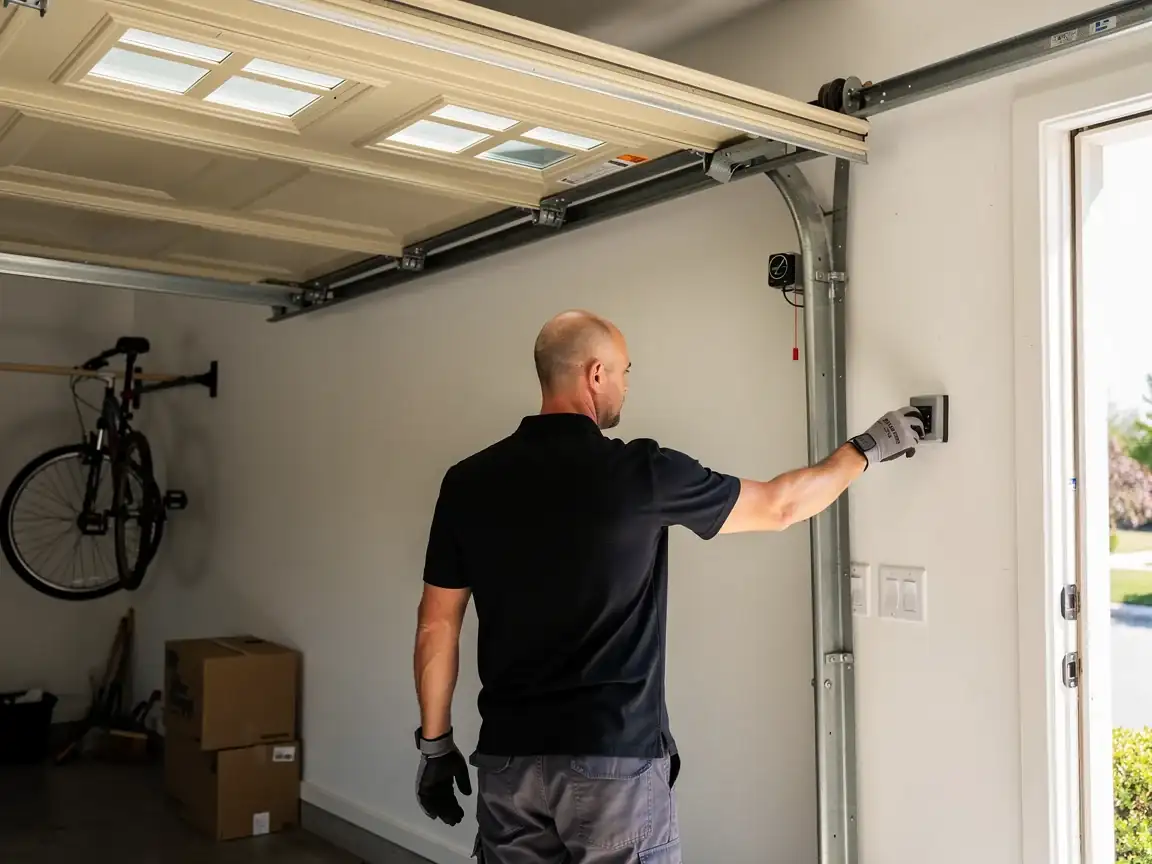
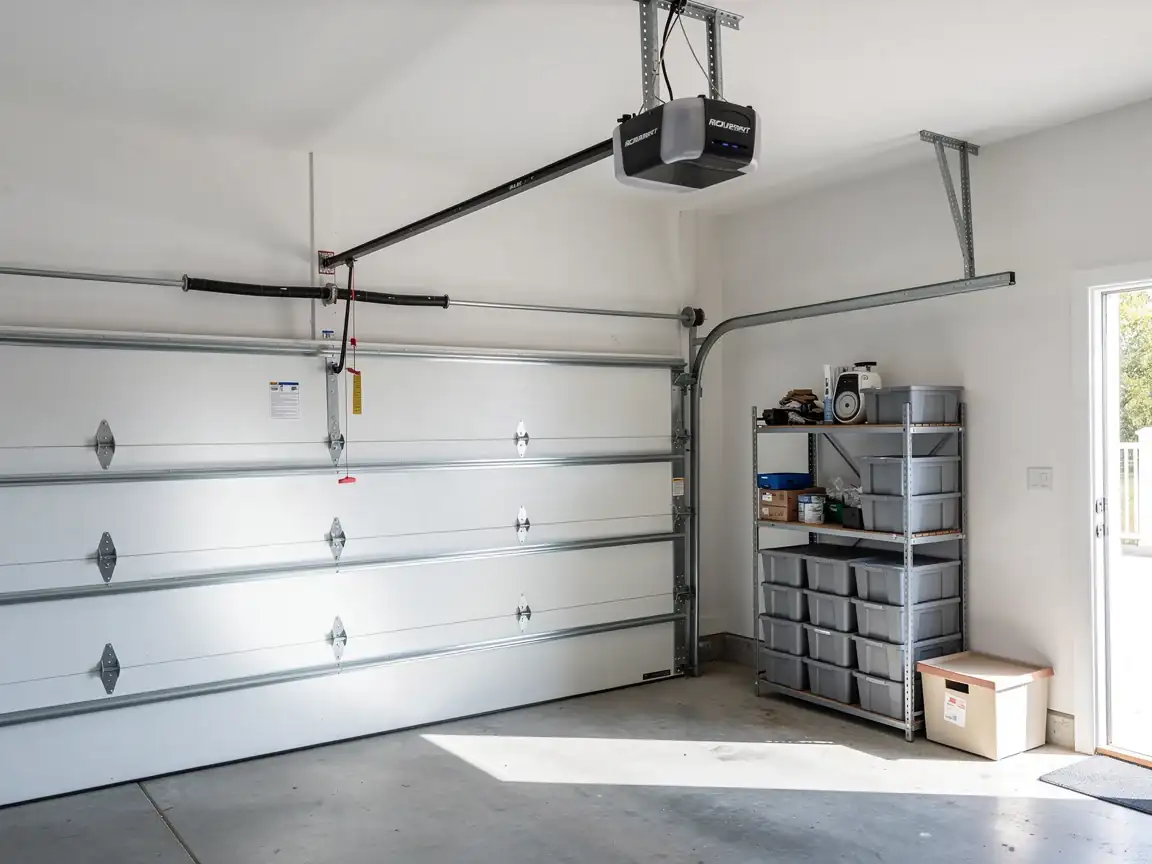
We'll look at the track, the jamb condition, and the opener mount before we talk panel options. If your existing opener is original to the house, we'll tell you honestly whether it's worth keeping or whether it should go with the old door - mixing a new door on an old opener rated for a lighter panel is a common mistake that shows up as opener strain within a year.
Bring any paperwork you have on the current door or opener if you can find it; model numbers save us a trip back out for a part. Otherwise, just be home for the walk-through. We don't quote installations sight-unseen, and we won't pretend a photo tells us enough to get the spring rating right.
Can You Do This Yourself
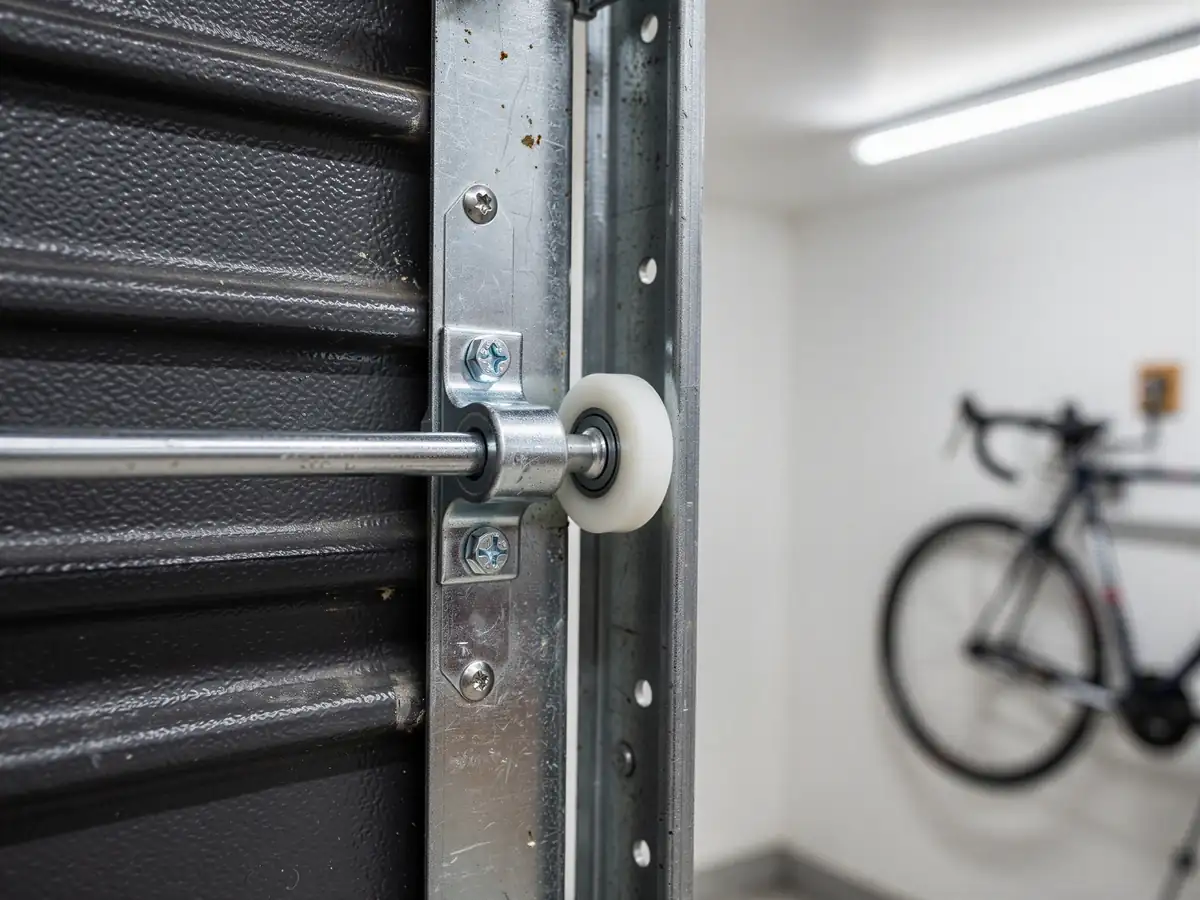
Swapping panels or re-hanging a section is not a project for most homeowners, and we'll say that plainly: a torsion spring under tension can put someone in the hospital, and a misjudged track alignment on a two-car door can rack the whole opening. If you're comfortable with hand tools and want to handle something smaller - replacing worn rollers, weatherstrip, or a bottom astragal - that's reasonable DIY territory and won't void anything on a new install.
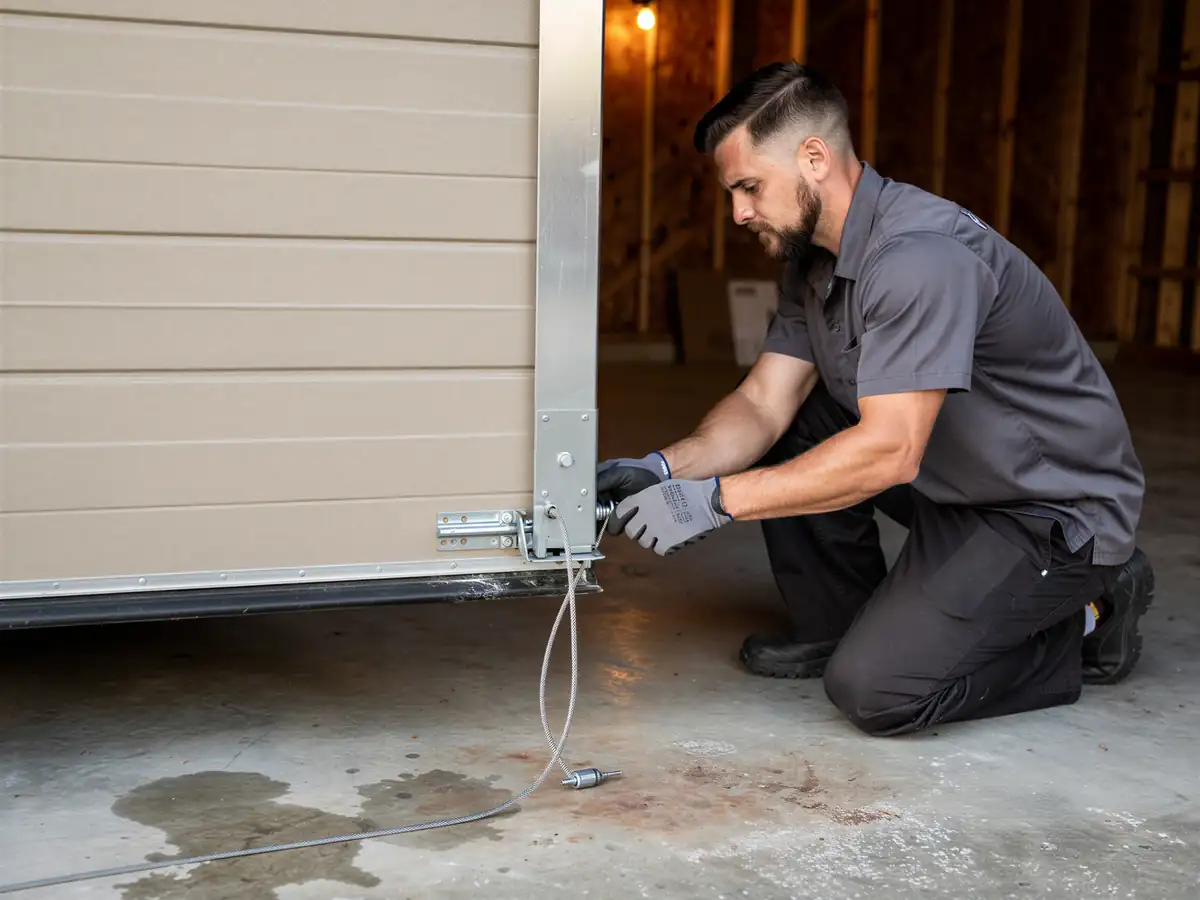
What you shouldn't touch yourself: spring replacement, cable work, or anything that involves disconnecting the opener arm while the door is under load. Full installation also means getting the jamb square and the header anchored correctly for the climate band here - cold-weather expansion and contraction will expose a sloppy install within a season or two, usually as a door that won't seal at one corner.
One honest limit on our end: if your opening is out of square by more than a small amount, or the jamb framing is rotted, that's a carpentry fix before it's a door fix, and we'll tell you to get that sorted first rather than force a door into a bad frame.
How It Shows Up
The first sign is usually a gap at one bottom corner that wasn't there last winter
The panel has started to bow and the weatherstrip can't close it anymore. Next comes noise: a grinding or popping sound as the door travels, which on a panel this age is often the roller tracks finally out of alignment with a frame that's shifted slightly over three decades.
Some owners notice it first as a jump in heating bills
Since an old non-insulated door in a cold climate band is giving up a lot of garage heat, and if the garage shares a wall with living space that loss travels inside. Others notice it as an opener straining harder than it used to, working against a spring that's lost tension and a panel that's heavier than it should feel.
If you're seeing any combination of these on a door that predates 2000
It's worth a look before the spring fails outright rather than after.