Serving Lake Zurich, IL & nearby
(847) 874-0872
Lake Zurich, IL

Safety Sensors and Why They Drift in Lake Zurich

Why garage door safety sensors drift out of alignment on Lake Zurich homes built in the 1980s and 90s, what the cold does to the brackets, and when to call it in.

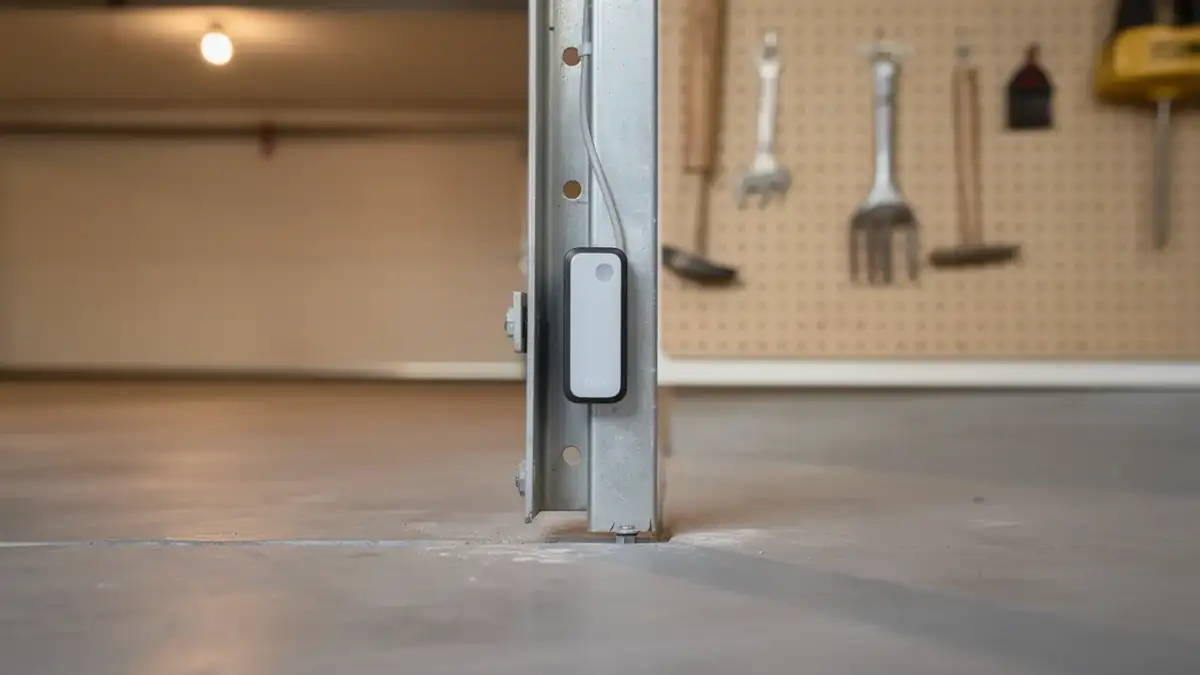
A white garage door sensor is mounted on a metal track.

What the Weather Here Does to It

  1. Most garages around Lake Zurich sit on concrete poured decades ago, and that slab moves

    We're in a cold-moderate climate band, which means the ground freezes and heaves every winter and settles back every spring. That cycle doesn't stop at the slab edge - it works on the thin metal brackets that hold your safety sensors to the bottom of each track, usually about six inches off the floor.

  2. Those brackets get bumped by snow blowers, bikes, and salt-crusted boots all winter

    But the freeze-thaw cycle is what actually shifts them over time, even if nobody touches them. A bracket that's off by even an eighth of an inch can point the sensor's beam just high enough, or low enough, to miss its partner across the opening. You won't notice until the door refuses to close, or worse, reverses on something that isn't actually there.

  3. Houses here went up anywhere from 1938 to 2009

    With most of the stock dating to the 1980s and 90s. That matters because sensor brackets from that era were often screwed straight into painted wood trim instead of the garage's structural framing. Wood trim swells and shrinks with humidity and cold far more than the stud behind it, so the sensor mount moves even when the door track itself hasn't shifted at all.

Doing Nothing For Now

If your door still closes on command and reverses when it should, you don't need to do anything today. Sensor misalignment is usually gradual, not sudden, so a door that's working fine this week will likely work fine next week too. There's no part here that fails catastrophically overnight the way a spring can.

That said, "working for now" and "aligned" aren't the same thing. A sensor pair that's barely catching each other's beam - lined up at the edge instead of dead center - will throw false faults the first truly cold morning, when the metal brackets contract a little more than usual. If your opener has ever refused to close for no obvious reason and then worked fine five minutes later, that's usually the tell. It's not broken yet. It's drifting.

The Problem

The actual failure mode is almost always one of two things: the bracket has rotated slightly on its mounting screw, or the screw itself has loosened in swollen wood trim and let the whole unit sag. Either way, the two sensor eyes - one sends an infrared beam, the other receives it - stop pointing at each other squarely.

Most openers show this as a blinking light on the wall control or on the sensor housing itself, but plenty of owners never notice the blink and just assume the opener is failing. It's worth checking the sensors first, because realigning two brackets takes a few minutes with a level, while diagnosing a logic board or motor issue on a false lead wastes a trip.

On older stock here - closer to the 1938 to 1985 end of what we've got - we also sometimes find sensors mounted to a block of wood that's no longer flat, because the slab underneath has settled unevenly over 40-plus years. In that case, realignment holds for a while and then drifts again, because the real problem is the mounting surface, not the bracket.

When to Get Help

  1. Call if you've tried squaring up the brackets by eye and the door still won't close consistently

    Or if the sensors look aligned but the light still blinks. At that point it's either a wiring issue at the bracket or a receiver going bad, and neither is a confident DIY fix.

  2. We'll also say plainly

    If your garage was built before the 1980s and the sensor mount is screwed into deteriorating wood trim rather than framing, realigning the bracket is a temporary fix. The honest answer in that case is a new mounting point, not another round of nudging the same loose screw. We won't keep charging you to re-align something that's going to drift again in a month.

  3. If the household depends on one working garage door

    Common across the owner-occupied houses in this area - it's worth having it checked before a cold snap rather than during one, since contraction in freezing weather is what usually turns a minor drift into a door that won't close at all.
How it works

From “it’s stuck” to “it’s fixed”

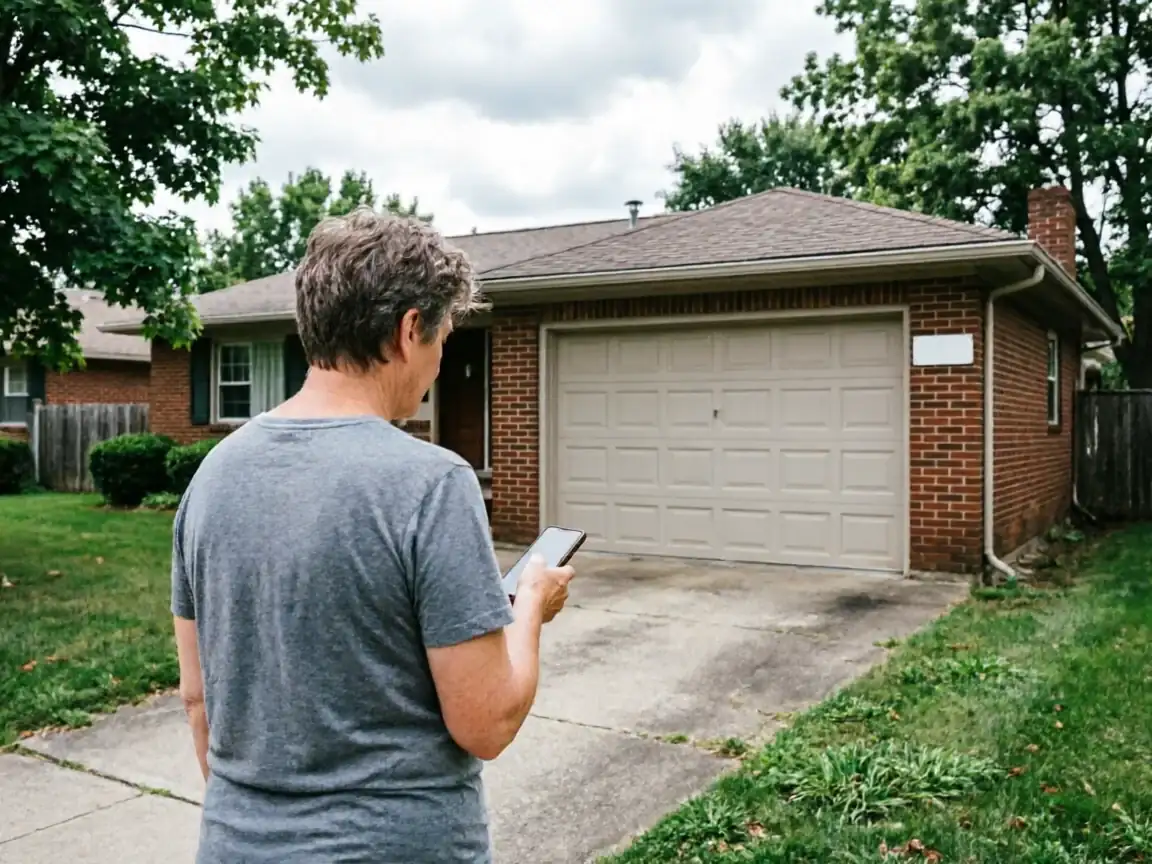
A person stands in a driveway looking at a phone with a house and garage in the background.

Tell us what’s wrong

Describe the symptom - won’t open, loud bang, opener runs but the door won’t move.

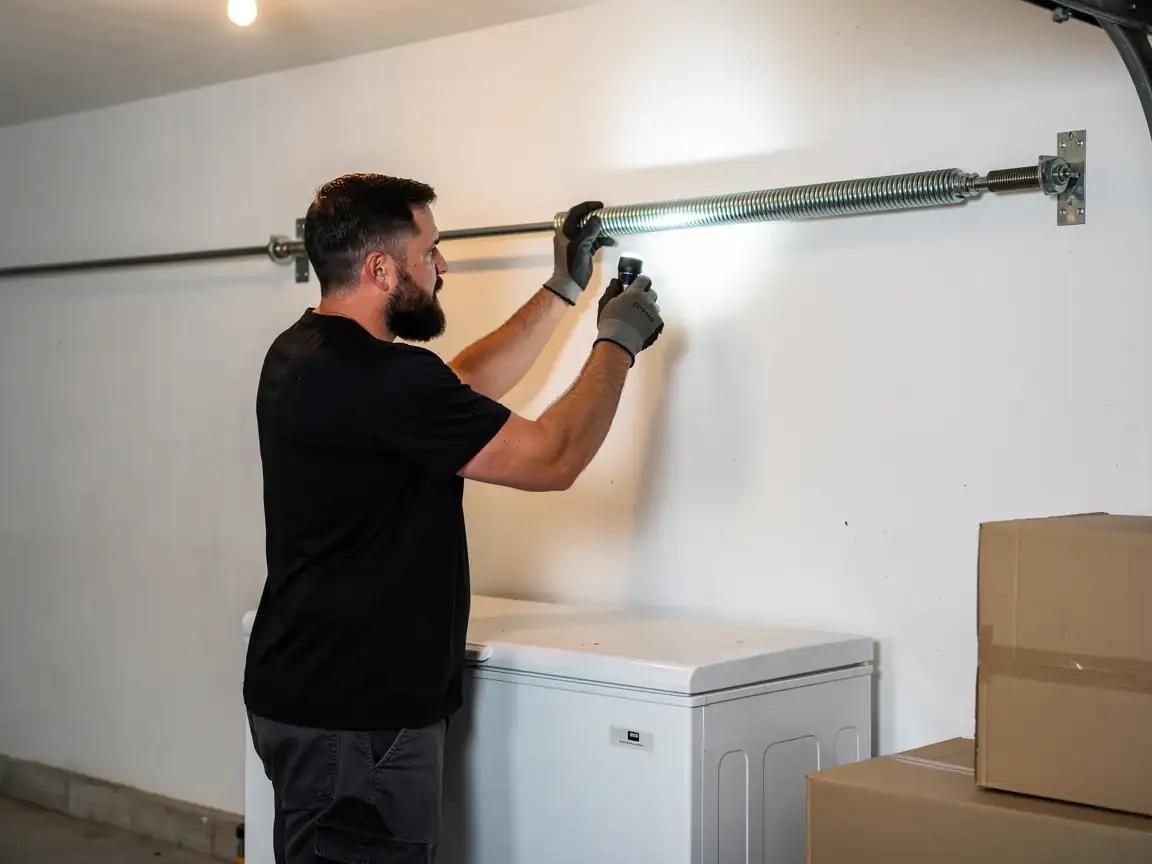
A technician inspects a garage door torsion spring with a flashlight.

On-site diagnosis

A technician tests the door under power and by hand and finds what actually failed.

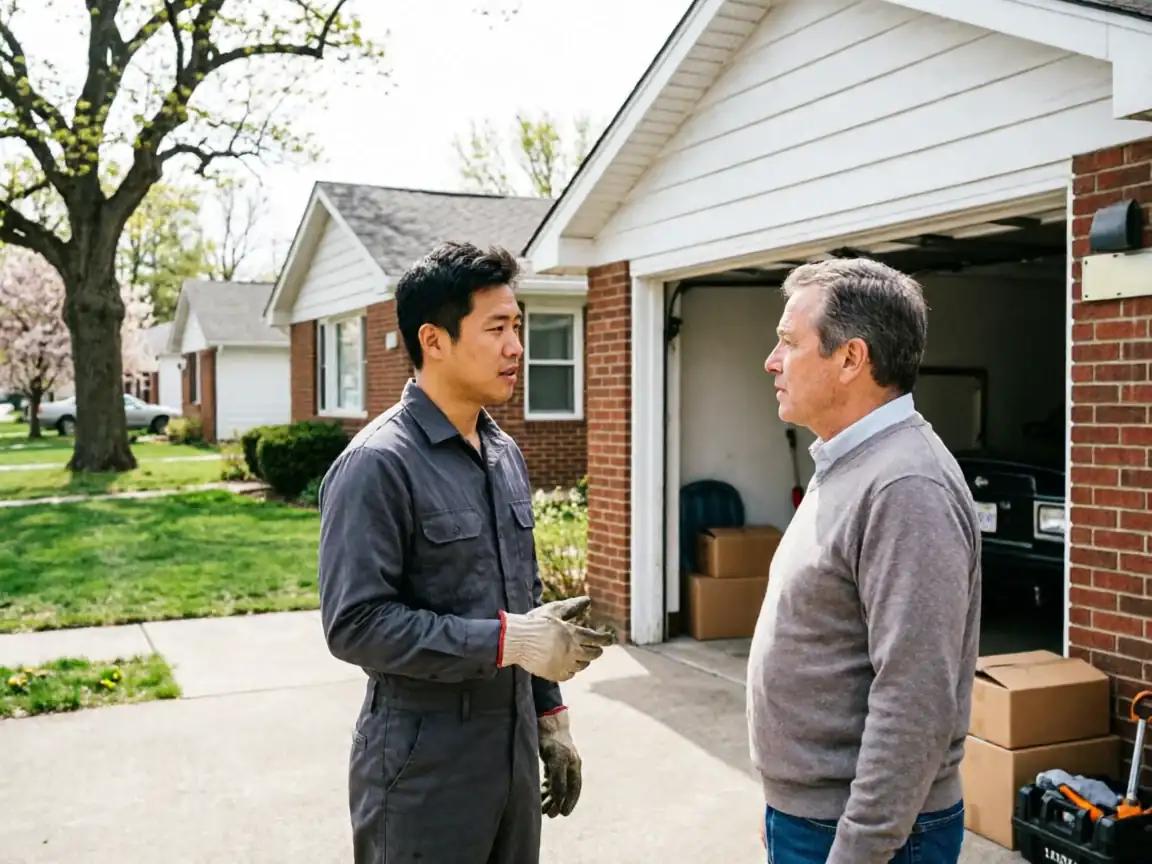
A technician in a gray jumpsuit talks to a man in a gray sweater in a driveway.

Clear, up-front plan

You get the fix that’s needed and what drives the cost - before any work starts.

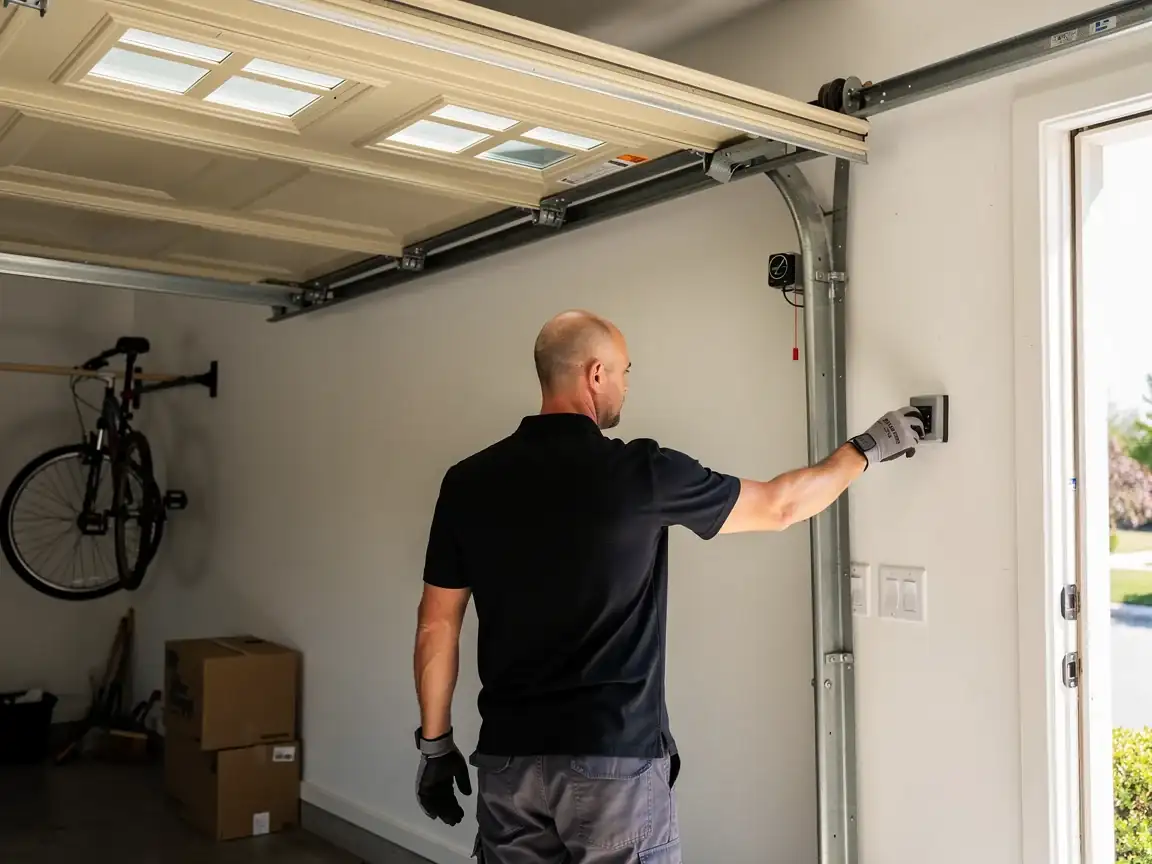
A technician in gloves presses a button on a garage wall.

Repaired & tested

The repair is done, the door is set true and tested, and the work area left clean.

Not sure which repair your door needs in Lake Zurich, IL? Describe what it’s doing - every job starts with a diagnosis.

How we work

What to expect

Diagnosis firstEvery visit starts by finding what actually failed - not a pre-written parts list.
The right part for the doorSprings and openers matched to the door’s weight and age, so the fix holds up.
Straight answersWhen a repair makes more sense than a replacement - or the reverse - you hear it plainly.
Clean, careful workTension released safely, hardware set true, the door tested under power before we leave.
What we do

Garage Door Services

Repair and installation work for Lake Zurich homes and businesses.

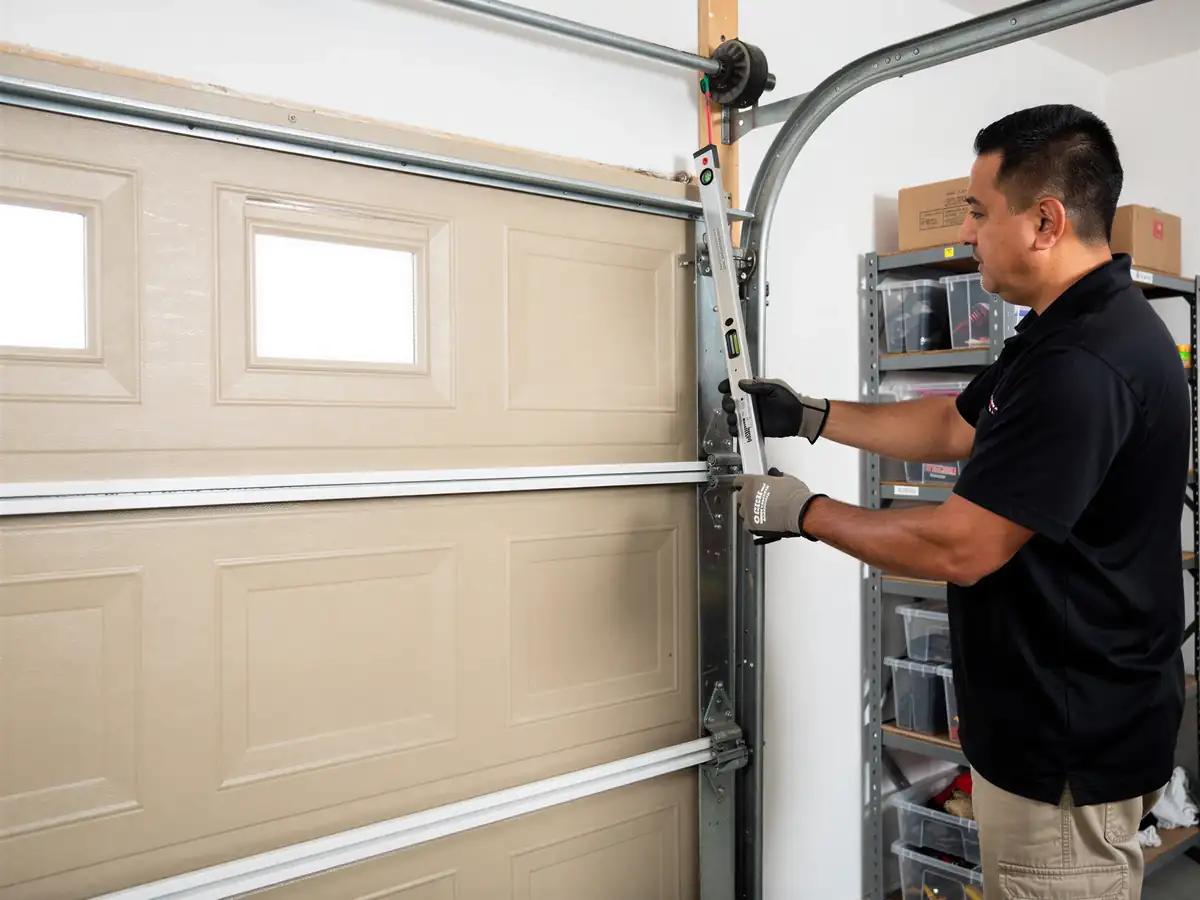
A technician uses a level on a tan garage door.

Garage Door Repair

Lake Zurich Garage Door Pros fixes springs, openers, and tracks on the 1980s-90s doors common across Lake Zurich's housing stock. Same-week booking.

Learn more
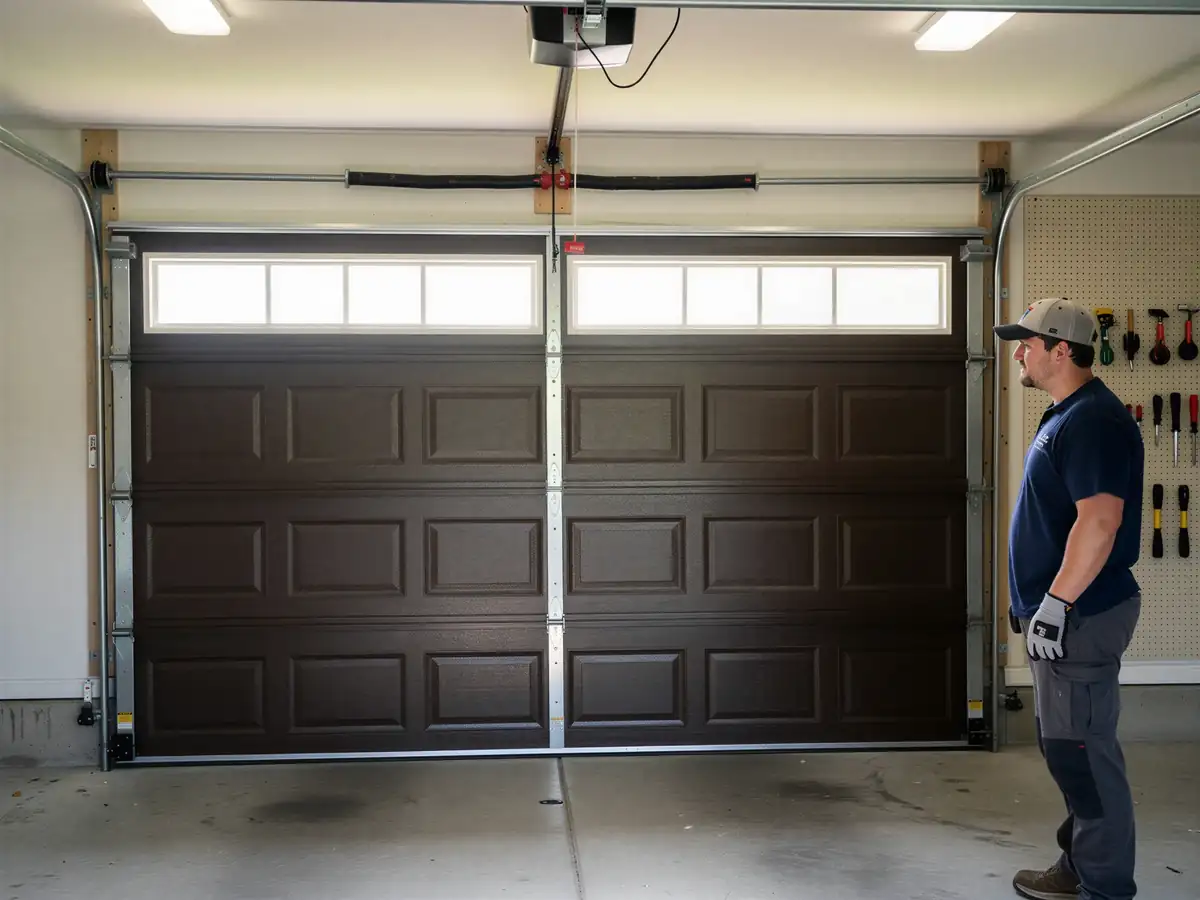
A technician stands next to a closed brown garage door with windows.

Garage Door Installation

Garage door installation sized for Lake Zurich's 1980s-era housing stock and cold winters. Straight talk on what fails, what it costs you, and when replacement wins.

Learn more
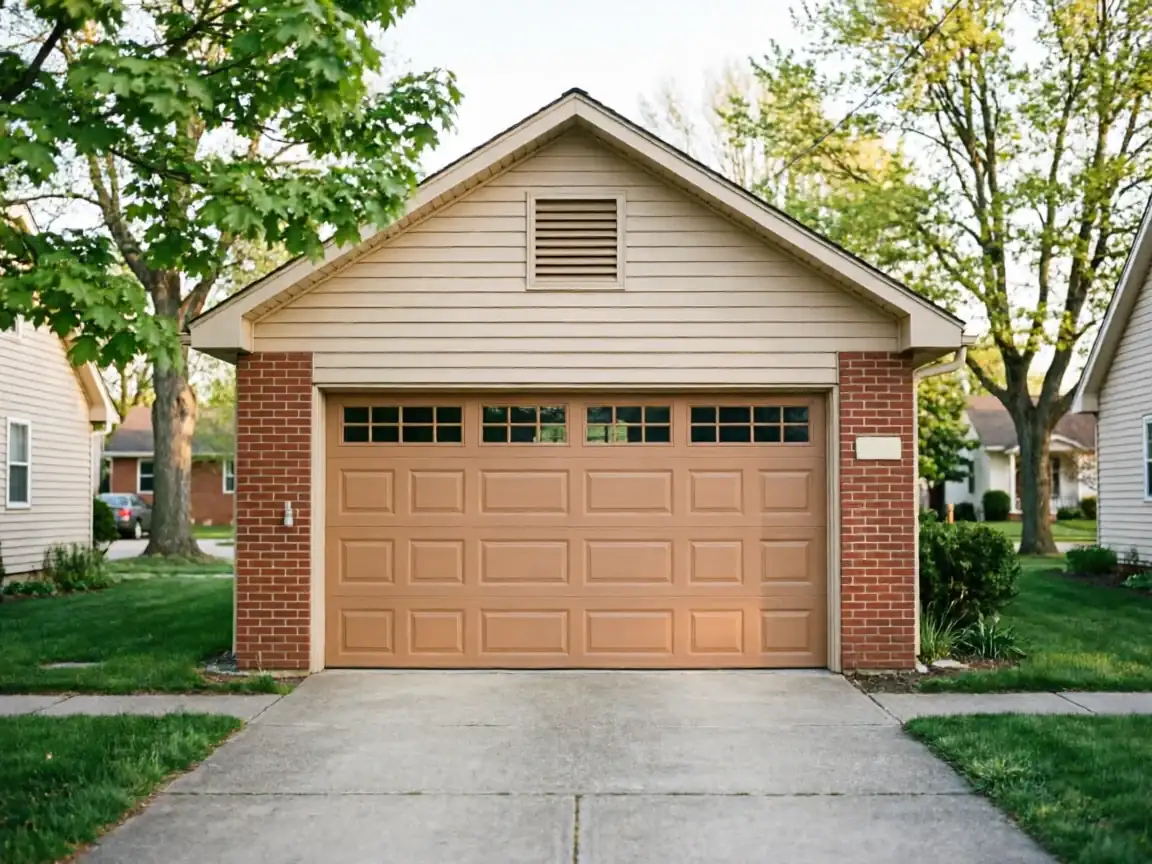
A brown garage door with windows is on a house with tan siding and brick.

Garage Door Service

Lake Zurich homes built mostly in the 1980s and 90s are hitting the age where springs, openers, and rollers fail together. Here's why, and what a visit looks like.

Learn more
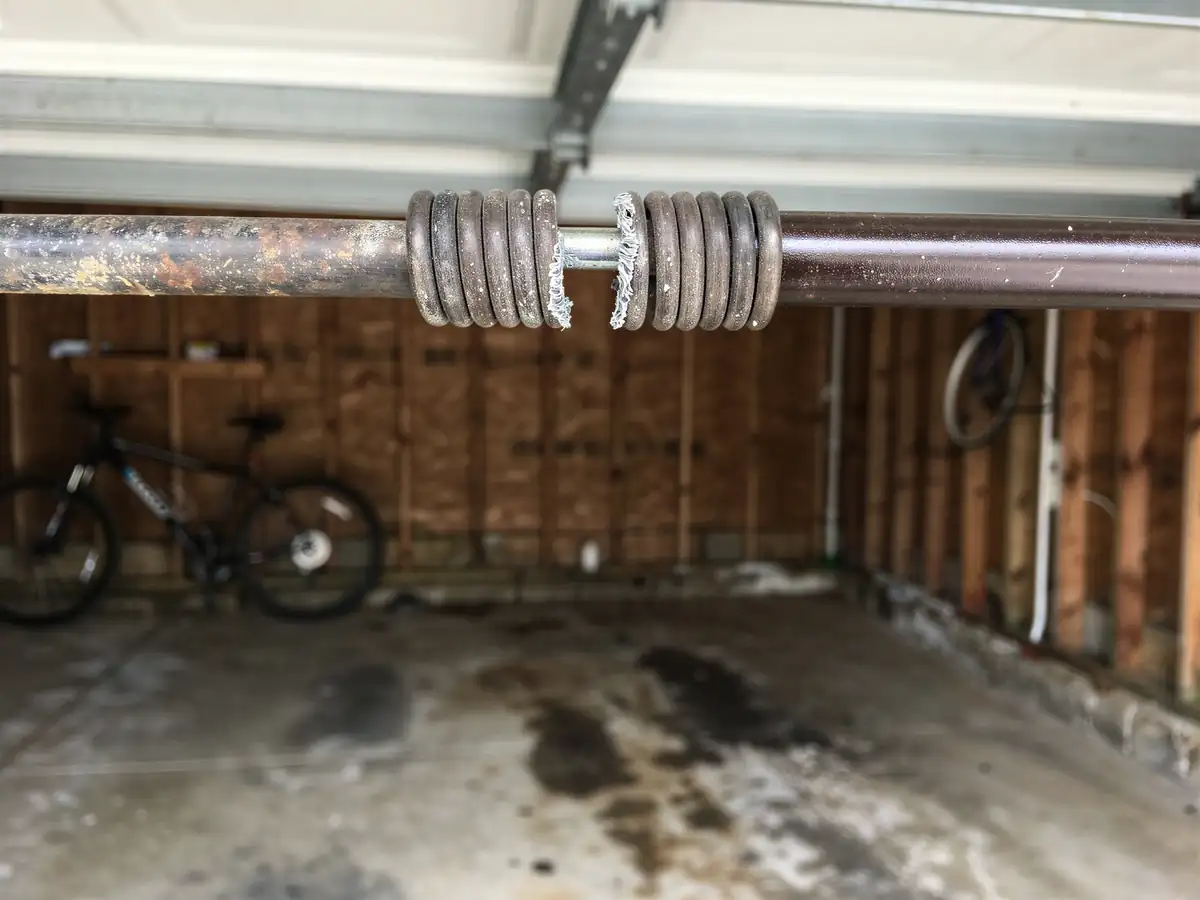
A broken torsion spring is visible on a garage door shaft.

Spring Repair

Broken torsion springs are common across Lake Zurich's 1938-2009 housing stock. Same service area coverage, straight talk on what a repair actually involves.

Learn more
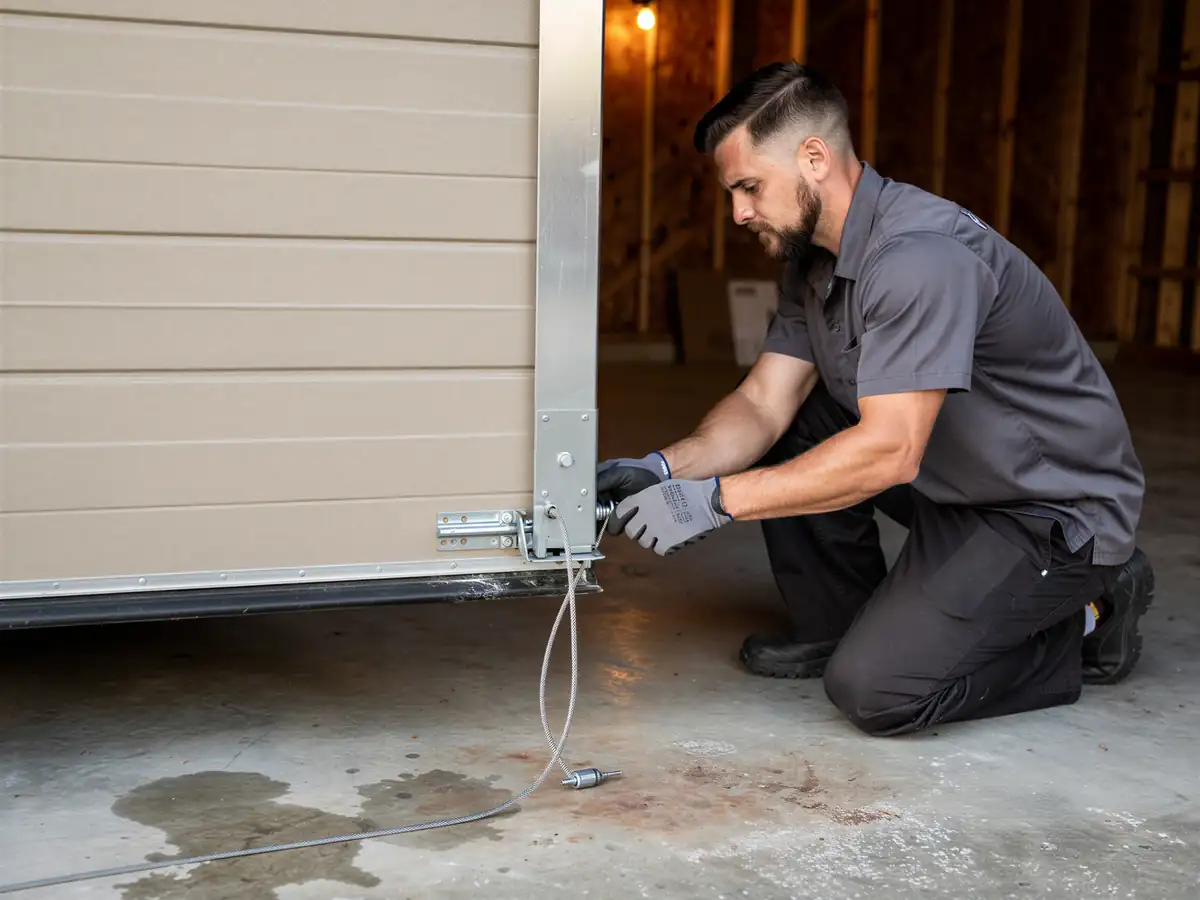
A technician kneels, adjusting a beige garage door's bottom bracket and cable.

Cable Repair

Broken or frayed garage door cables are common in Lake Zurich homes built 1938-2009. We diagnose and repair cable failures fast, before the spring lets go too.

Learn more
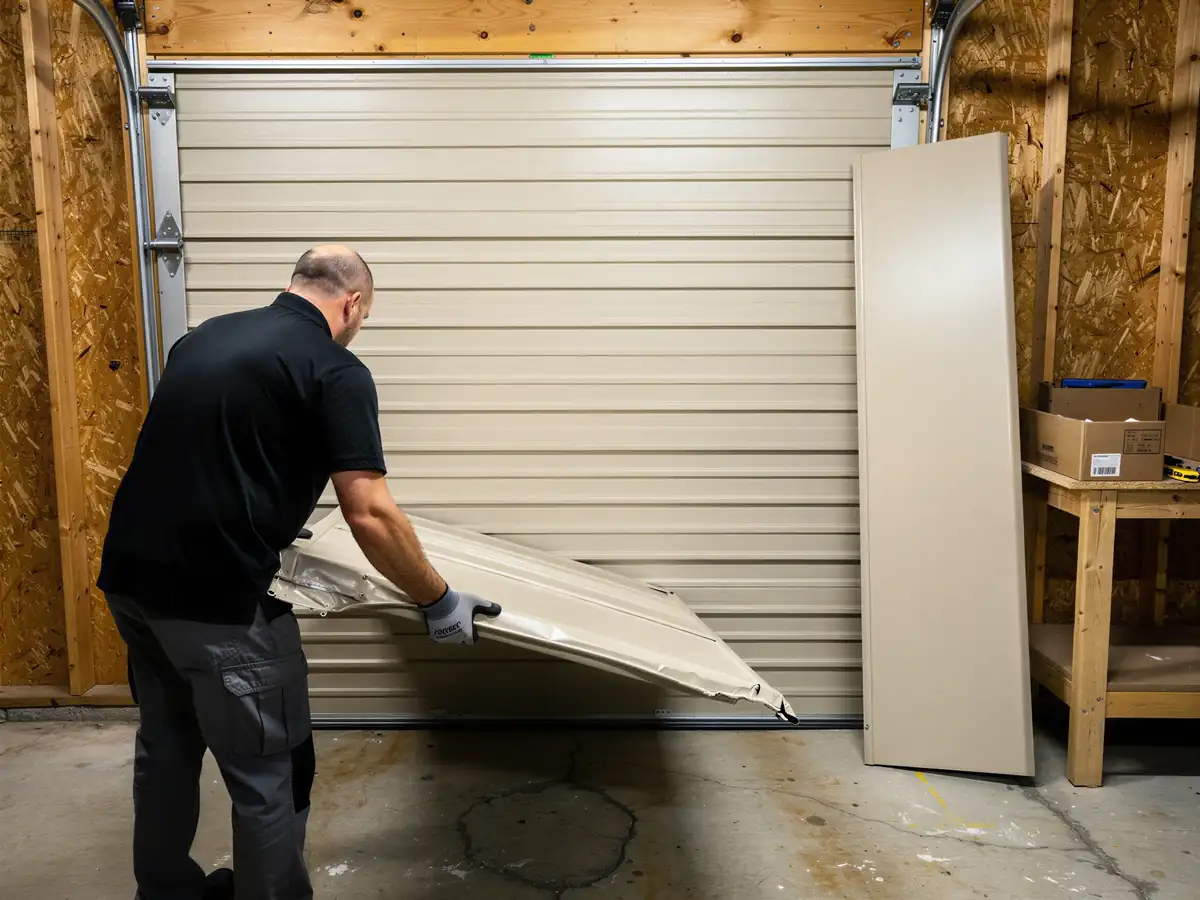
A technician is installing a new tan garage door panel.

Panel Replacement

Panel replacement for Lake Zurich-area homes built 1938-2009, where cold winters crack and dent original steel sections. Serving towns within a 12-mile radius.

Learn more
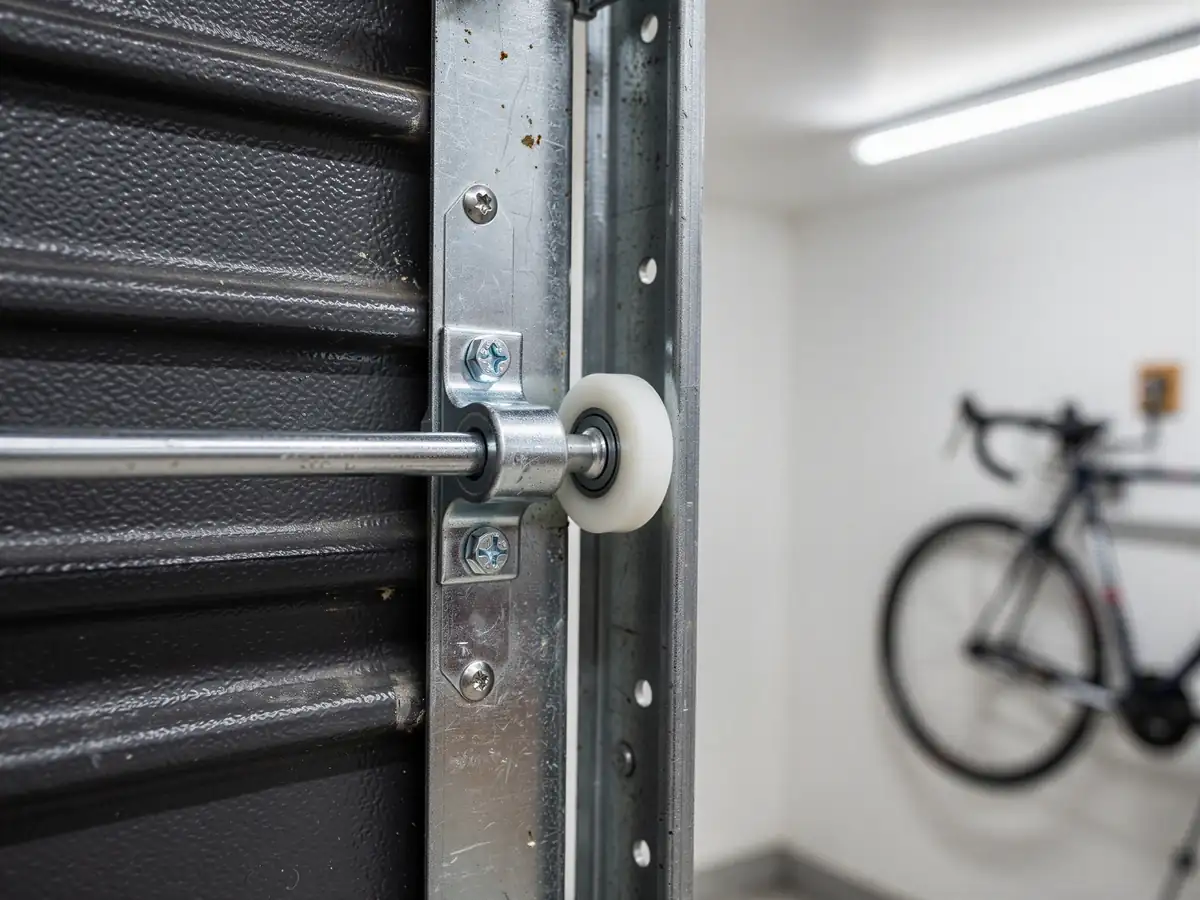
A garage door roller is visible on a metal track, with a bicycle in the background.

Roller Replacement

Worn or seized rollers on Lake Zurich garage doors built in the 1980s and 90s. See why cold winters and original hardware make roller failure common, and how we fix it.

Learn more
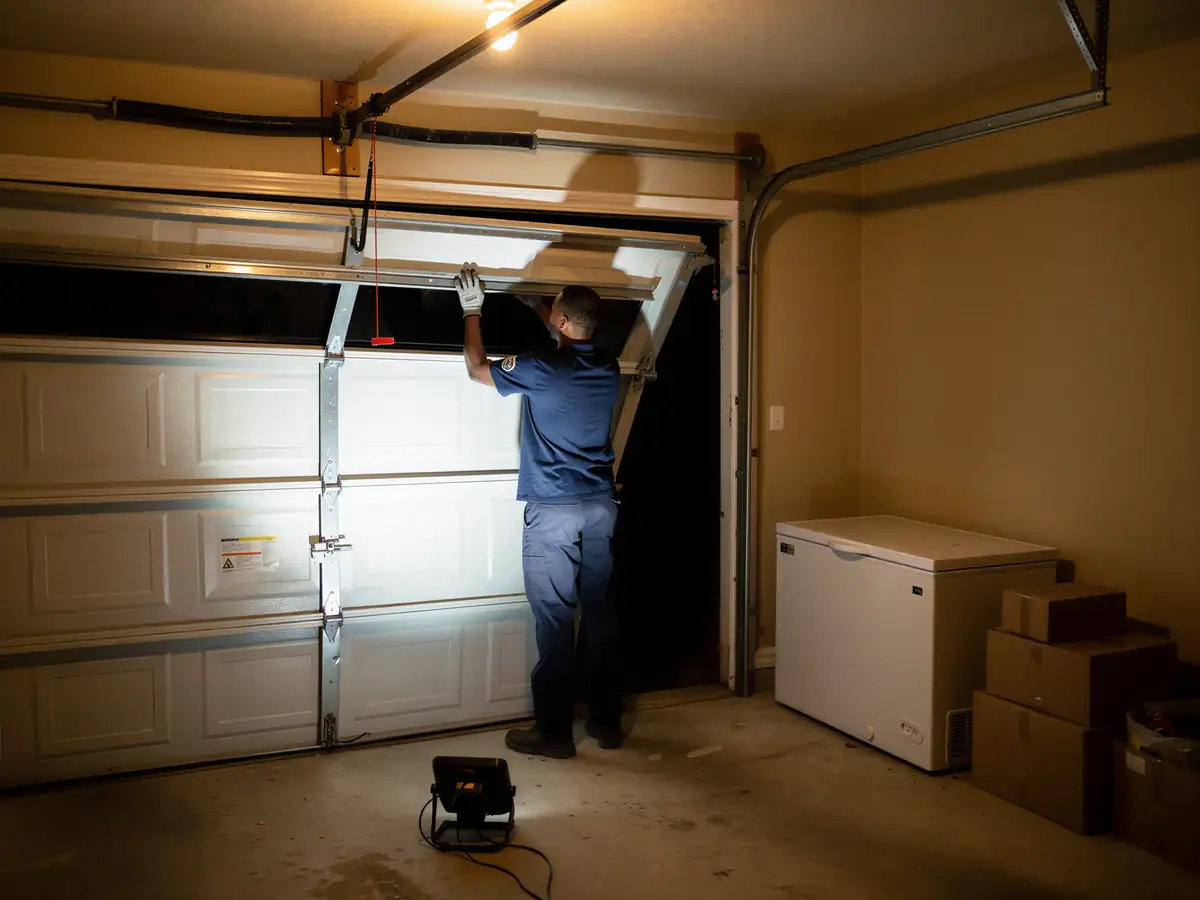
A technician in a blue shirt adjusts a white garage door inside a garage.

Emergency Garage Door Repair

Spring snapped or opener dead in Lake Zurich? We work on doors from homes built the 1930s through the 2000s, in a climate that's hard on steel hardware every winter.

Learn more
Questions

Frequently asked

Straight answers about garage door repair in Lake Zurich. Still unsure? Ask us directly.

Why does my garage door sensor light blink only in winter?

Cold causes the metal sensor brackets to contract slightly, which can be enough to push an already-marginal alignment out of range. If the sensors were borderline aligned in warmer weather, the first hard freeze often tips them into throwing a fault.

Can I fix sensor alignment myself?

Usually, yes. Loosen the wing nut or screw holding each bracket, use a level to square both sensors, then tighten and test. If the mounting surface itself is loose or rotted, realignment won't hold and the bracket needs a new anchor point.

My house was built in the 1980s - does that matter for sensors?

It can. A lot of garages from that era have sensor brackets screwed into painted wood trim rather than structural framing. Wood trim moves more with humidity and cold than the stud behind it, so the sensor drifts even when nothing else in the garage has shifted.

How often should sensors be checked?

There's no fixed interval in the data we work from, but checking before the first hard freeze each year catches most drift before it causes a no-close fault during the coldest stretch of winter.

Ready to get your garage door sorted?

Tell us what it’s doing and where you are in Lake Zurich - we’ll take it from there.

Request a QuoteCall