Why This Fails Locally
Torsion springs wear out by cycle count, not by age on the calendar
But the two are related once you look at what's actually installed around here. Housing across this service area runs from 1938 up through 2009, with the bulk of it built in the 1980s and 90s. That matters because a spring sized for a 1980s door, installed when the house was new, has usually put in thirty-plus years of winding and unwinding by now. Most torsion springs are rated for somewhere around 10,000 cycles - roughly seven to ten years of normal use - so a lot of these original springs are well past due.
The cold is the other half of it
This is a cold-moderate climate band, and steel contracts in low temperatures. A spring that's already fatigued from decades of cycling is more likely to snap on a hard January morning than a mild October afternoon - the metal is less forgiving when it's cold. That combination, older original hardware plus winter temperature swings, is why spring failure calls cluster the way they do across these 65 named areas rather than being spread evenly.
We're not saying every door here has a bad spring
We're saying the housing stock and the climate together explain why this particular failure shows up as often as it does, instead of some other part of the door.
Booking a Visit
We cover the Lake Zurich service area and the towns around it - Deer Park, Kildeer, Hawthorn Woods, Long Grove, Lake Barrington, Inverness, Wauconda, Fox River Grove, Port Barrington, Island Lake, Cary, Oakwood Hills, Lincolnshire, Libertyville, Mettawa, Hainesville, Volo, Riverwoods, Round Lake Park, Prospect Heights, Round Lake, Grayslake, East Dundee, Prairie Grove, Bannockburn, Lakemoor, and Green Oaks among others. When you call, tell us whether the door won't move at all, whether it's lopsided, or whether you heard a bang - that's usually the spring letting go. That detail helps us bring the right spring size and the right tools the first time instead of making a second trip.
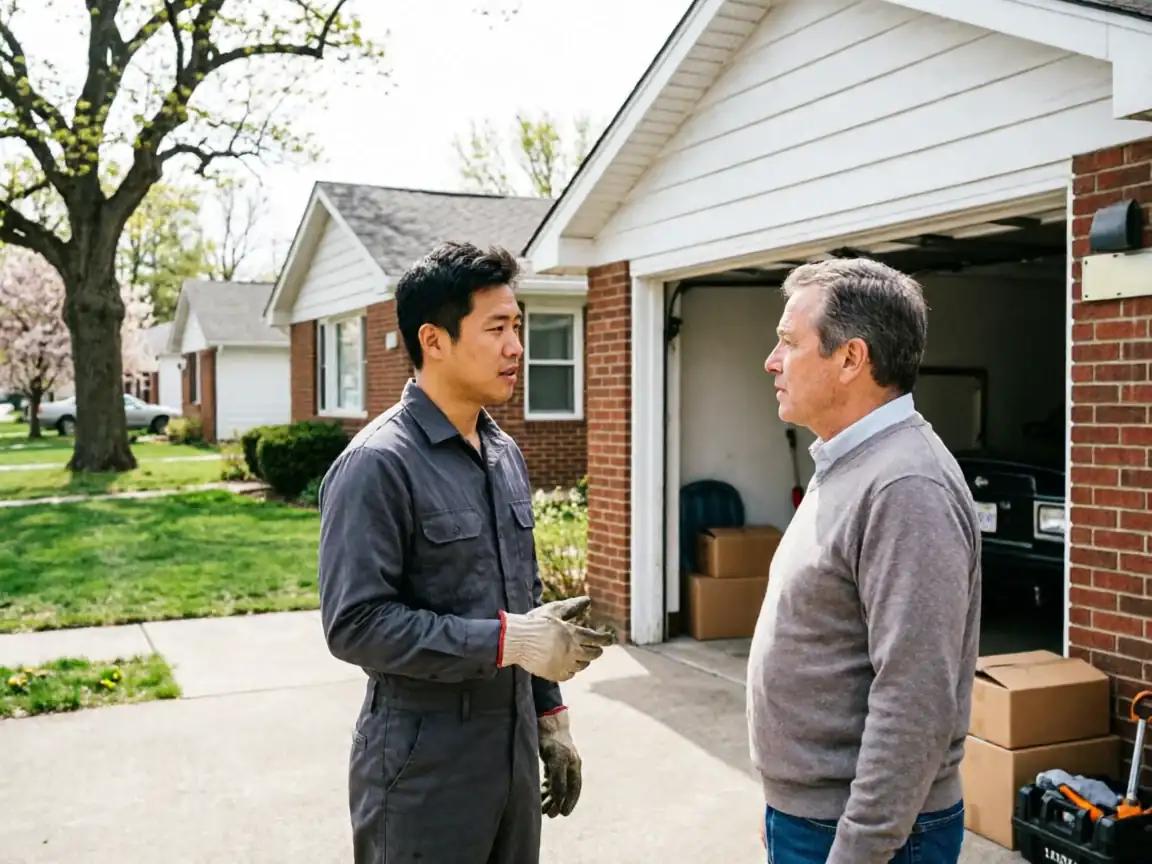
We don't quote spring jobs sight unseen over the phone with a final number. Torsion spring wire size and length vary by door weight and track setup, and guessing wrong means showing up with the wrong part. What we can do is get a tech out to look at the door, measure the spring, and give you a firm price before any work starts.
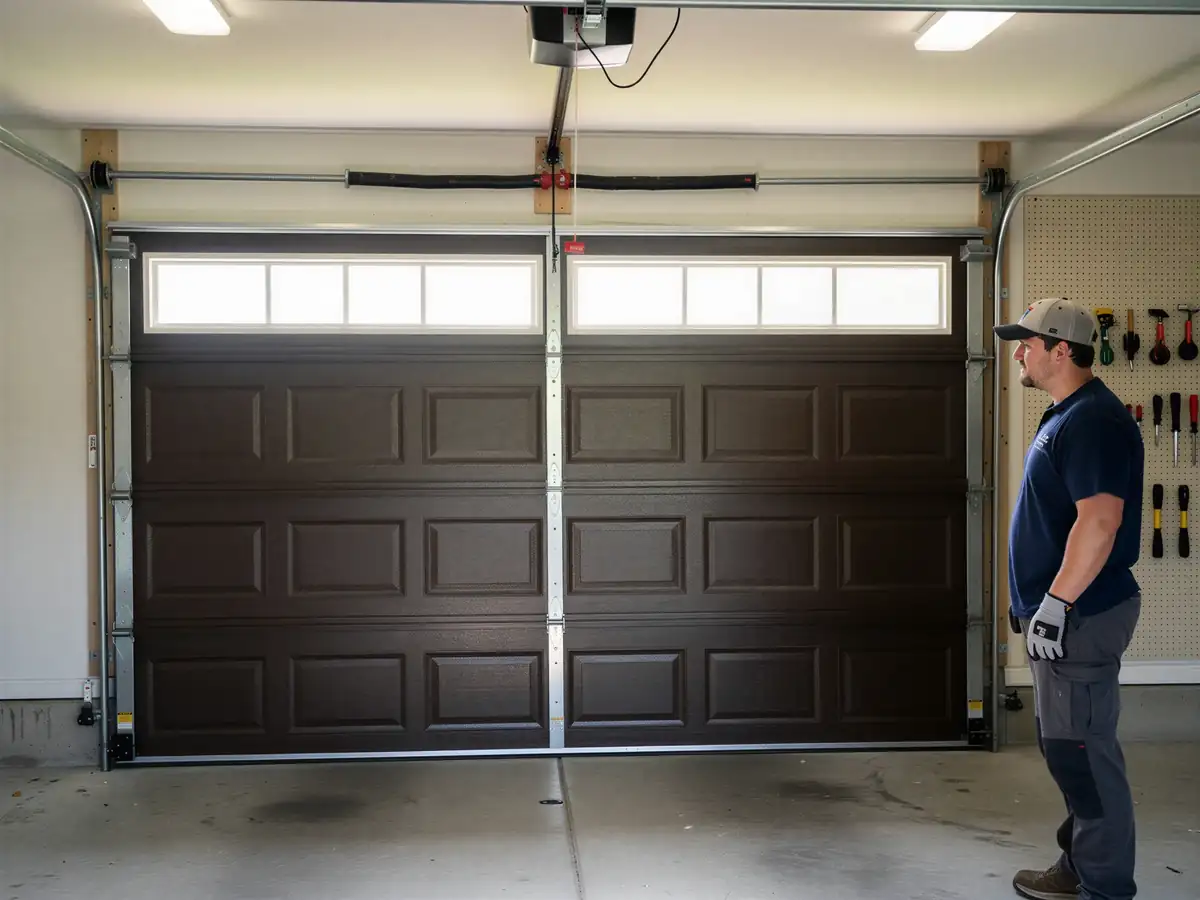
If you've got a two-car door, expect two springs working together even if only one broke - we'll explain why when we're there, since replacing just one is rarely the right call.
Can You Do This Yourself
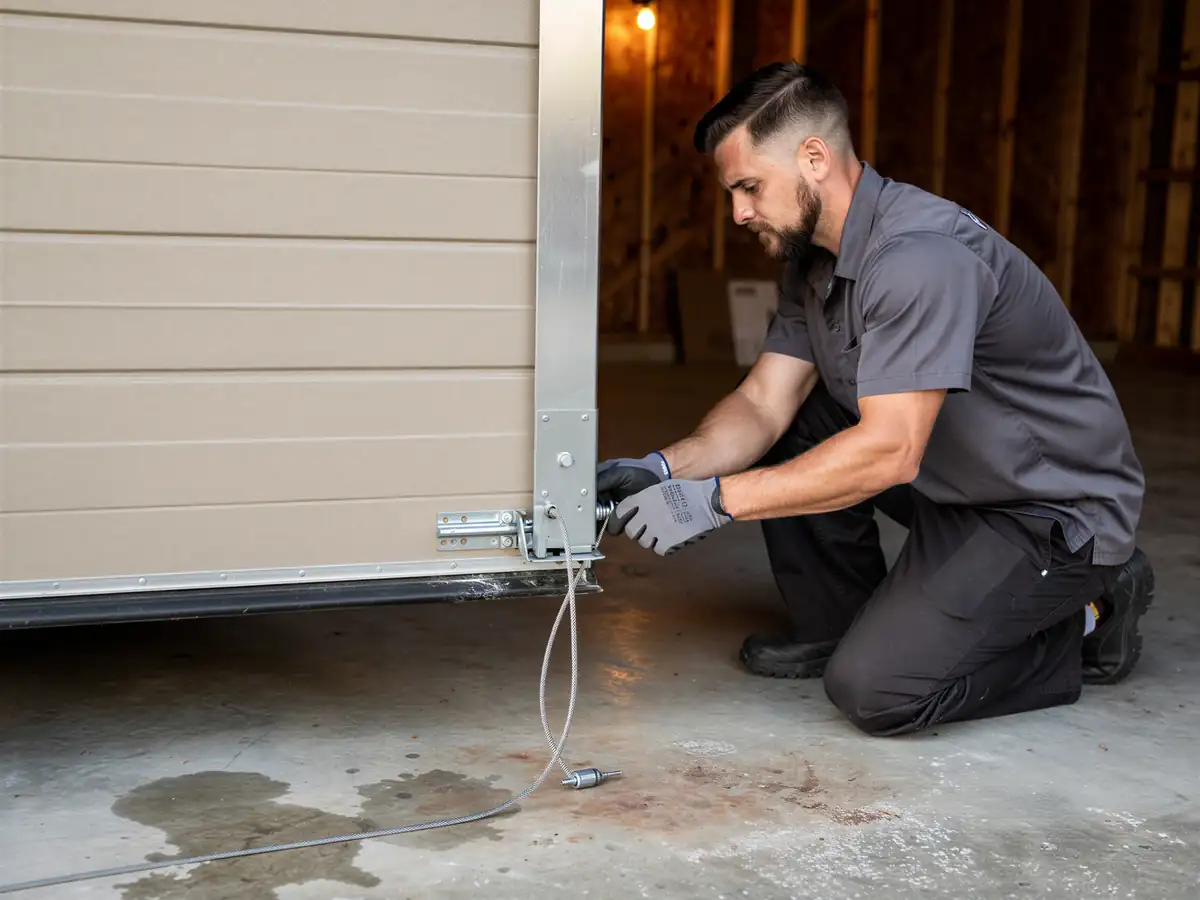
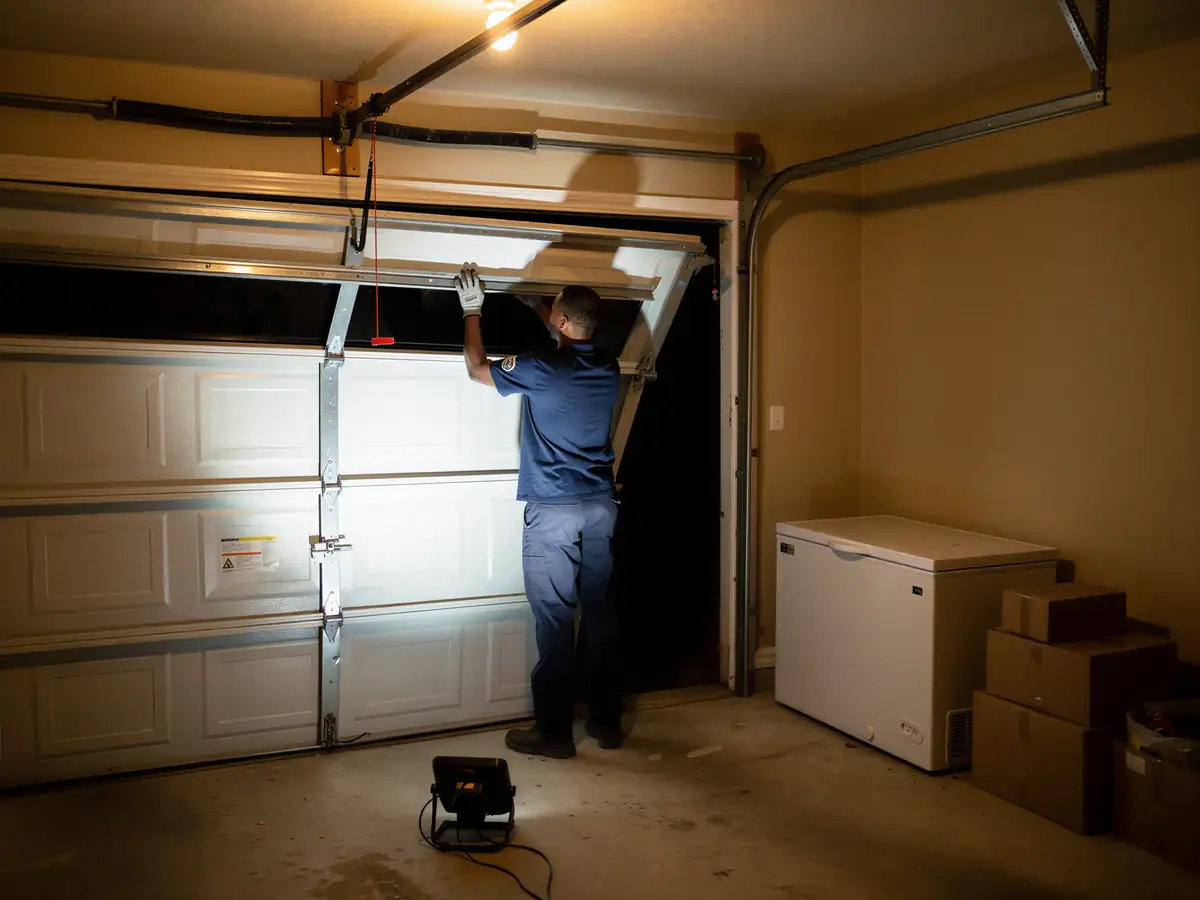
A broken torsion spring is not a reasonable DIY repair, and we'll say that plainly. The spring is under enough tension to break a wrist or worse if the winding bars slip, and the tools to do it safely - proper winding bars, a stepladder rated for the reach, vice grips to lock the door - aren't things most households keep around for a one-time job. This is different from replacing a remote battery or lubricating hinges, which you can absolutely do yourself.
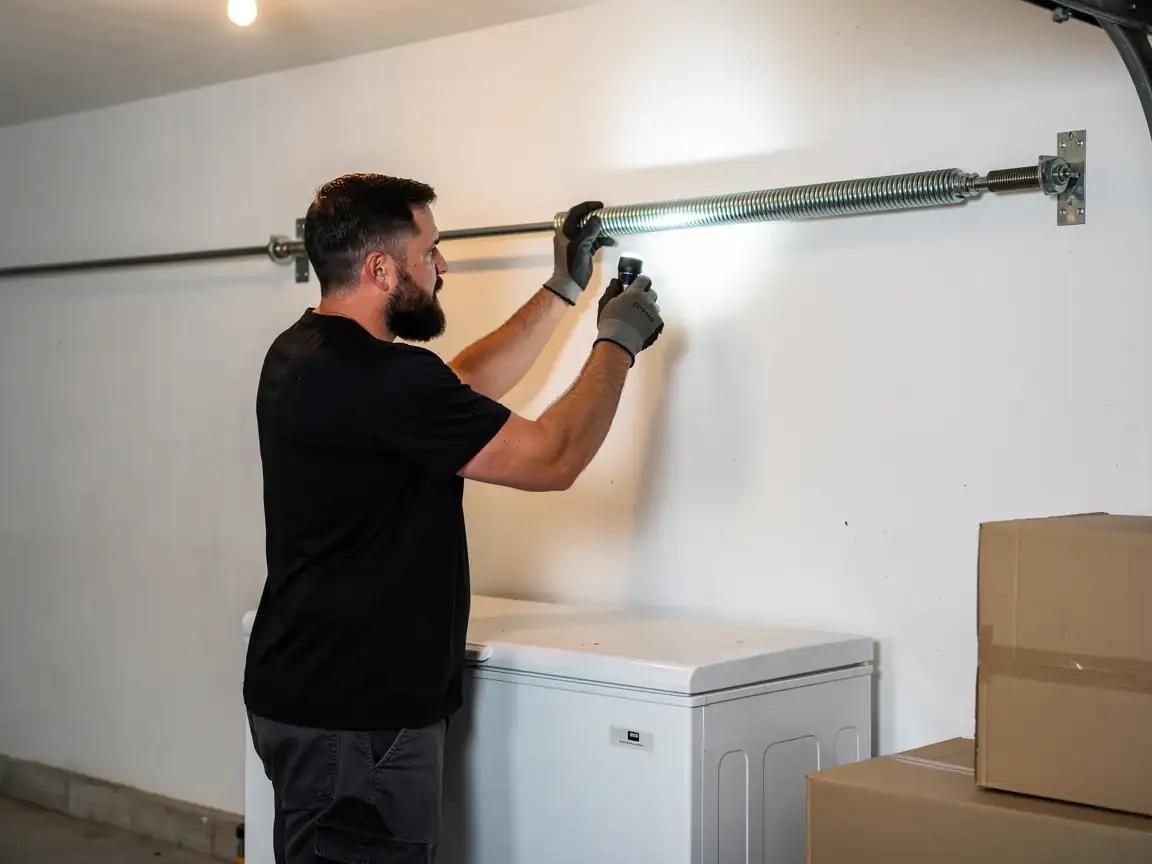
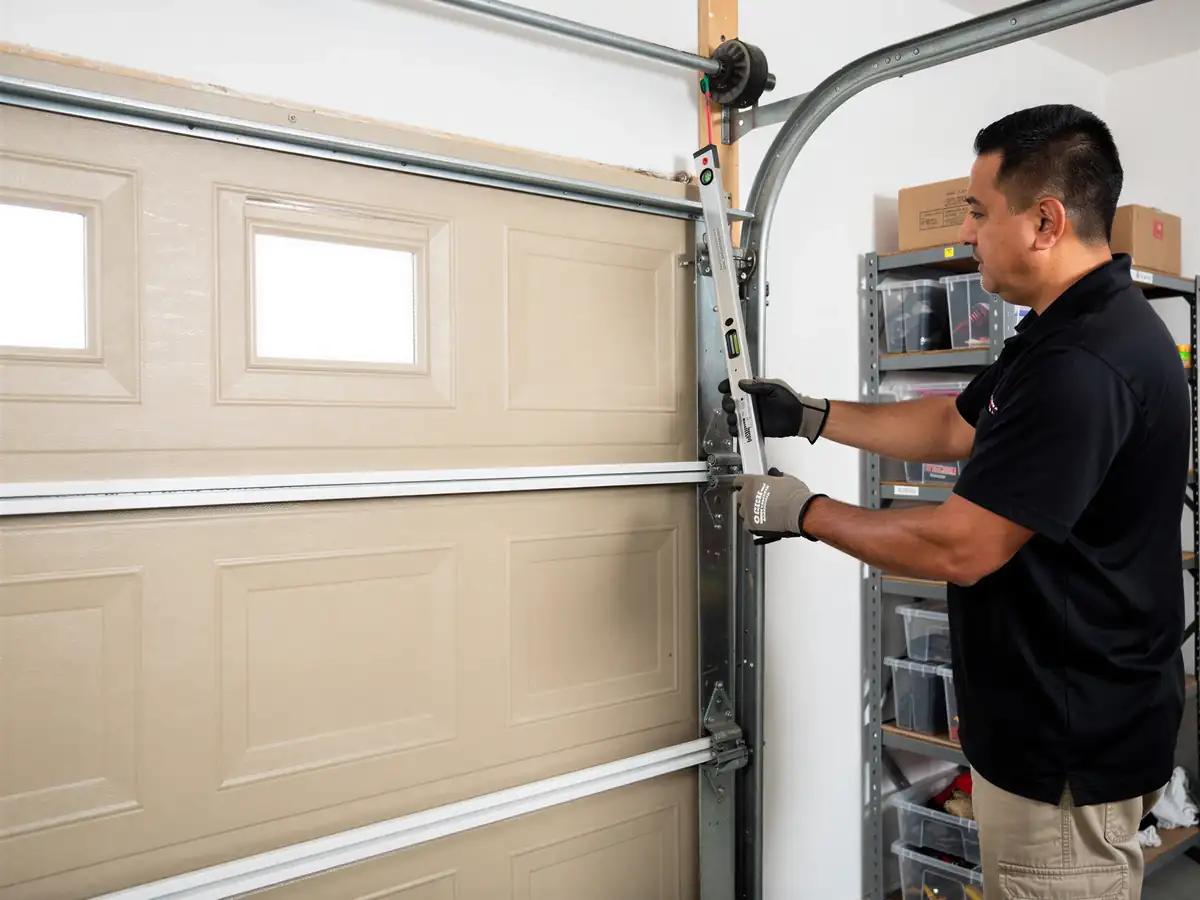
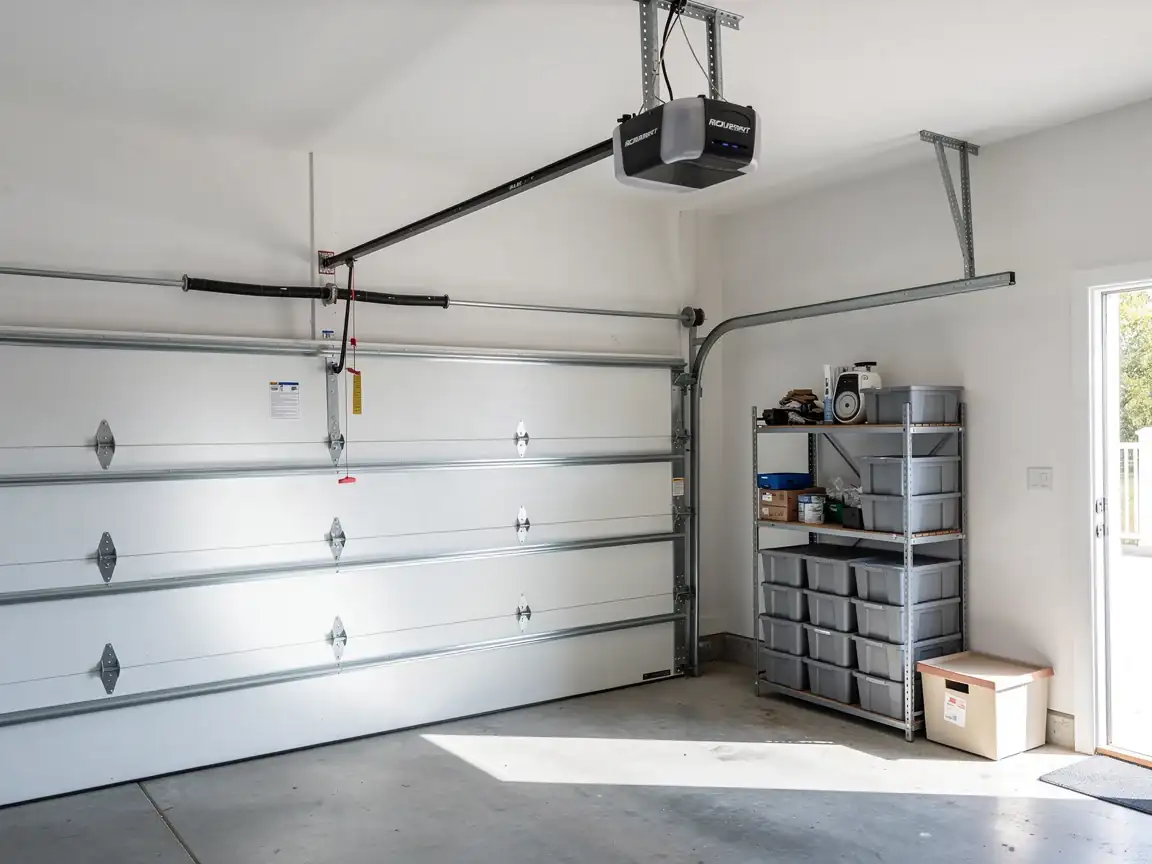
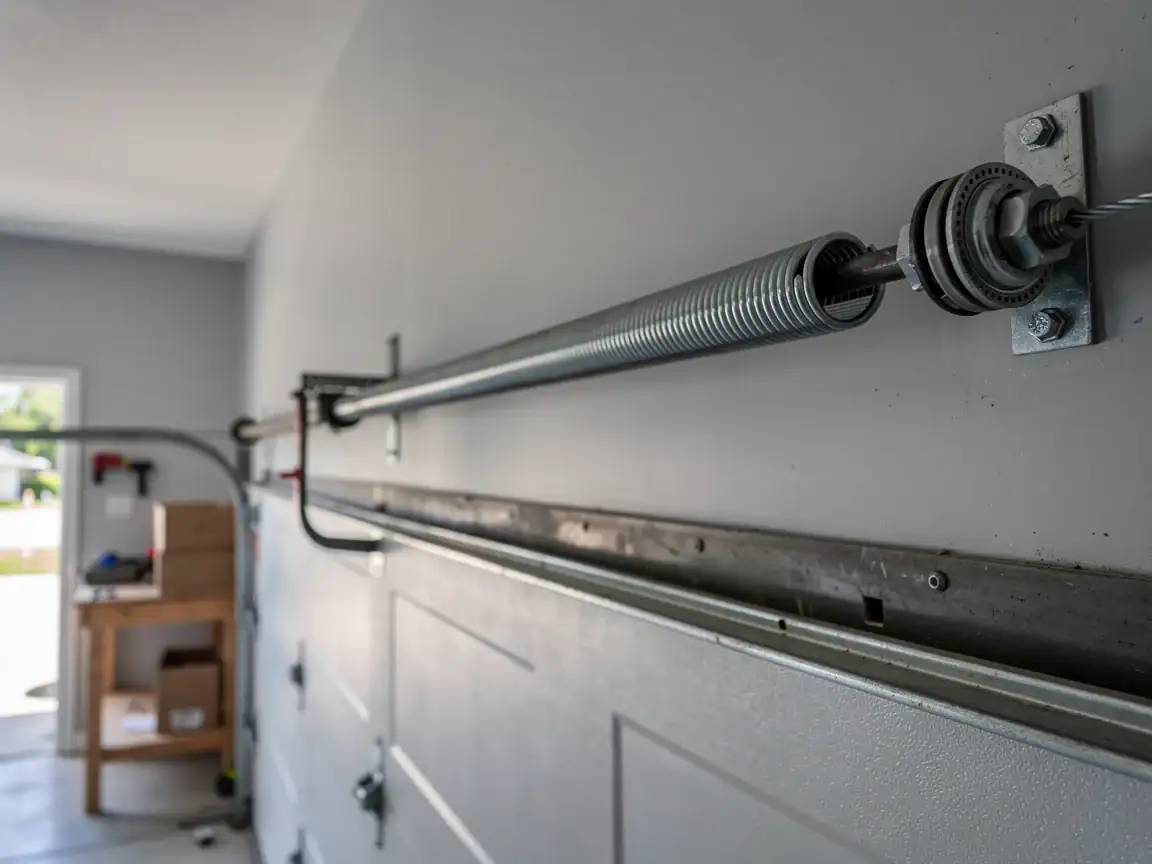
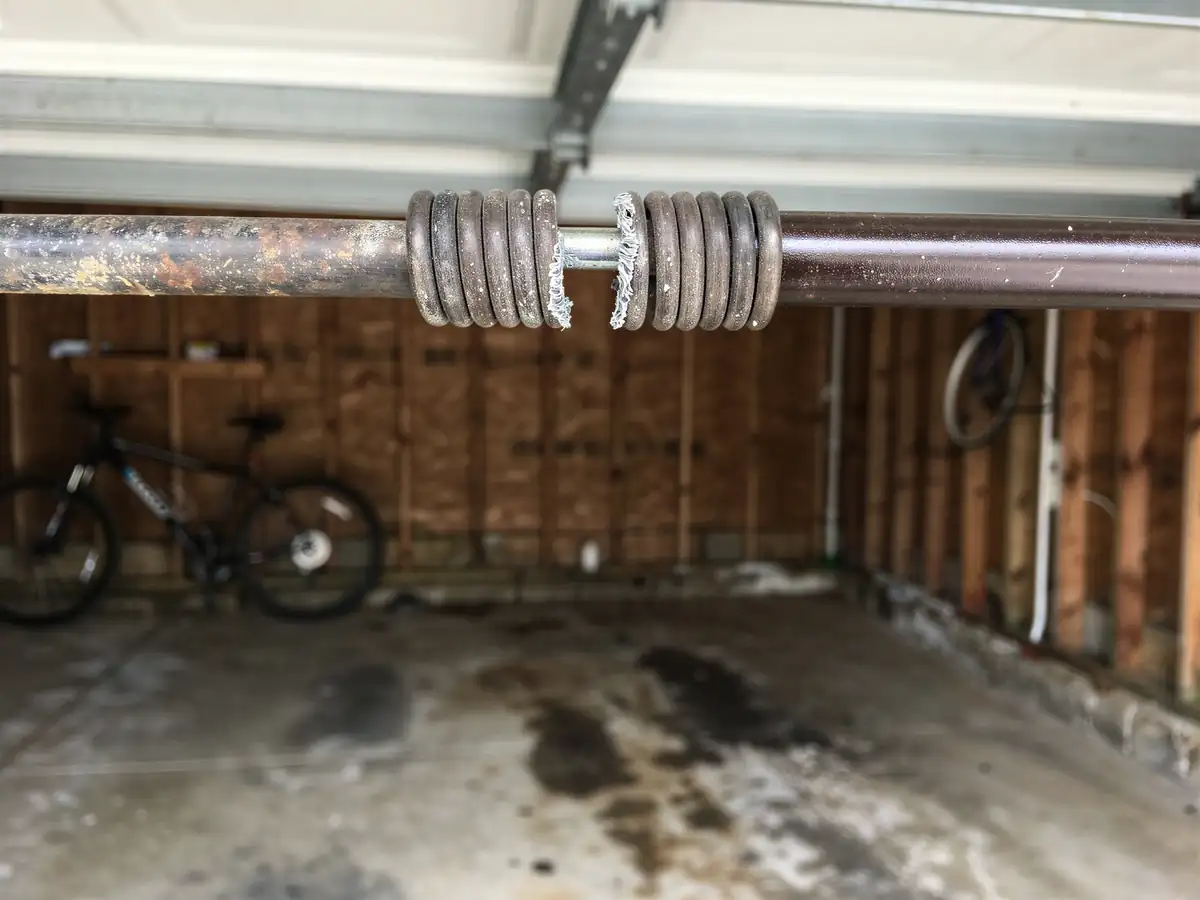
What you can safely check before calling: does the door have one spring or two above the opening, is the spring visibly separated (a clear gap in the coil), and does the door feel unusually heavy when you lift it by hand with the opener disconnected. That information helps on the phone and costs you nothing to gather.
Our honest limitation here: we don't walk people through spring replacement over the phone, and we won't sell you a spring to install yourself even if you ask. The injury risk is real and it's not worth the savings. If the spring is intact but the door is just noisy or slow, that's a different, lower-risk job and worth mentioning when you call.
How It Shows Up
The classic sign is a loud bang from the garage, often in the morning when temperatures have dropped overnight
That's the spring letting go under tension. After that, the door usually won't open with the opener at all, or it opens a few inches and stops because the opener's safety sensors won't force it past the resistance.
A quieter version: the door opens but one side looks lower than the other
Or it drifts down on its own after you've opened it partway. That's often a spring that's lost tension but hasn't fully snapped yet - worth calling about before it does, since a controlled replacement is simpler than an emergency one.
Some owners notice the opener motor straining or making a grinding noise as it tries to lift a door the spring is no longer helping with
The opener isn't broken in that case - it's just doing work the spring used to do, and it won't last long running that way. None of these signs are exclusive to spring failure, but combined with the age of the hardware common across this area's housing stock, they're the pattern we see most.