How Long It Takes
We work out of Lake Zurich, and Winnetka is about 19 miles out - one of the longer drives on our route. That doesn't change how long the repair itself takes once we're there; a broken spring or a bad opener board is still a same-visit fix most of the time. What it does mean is that we're not going to tell you we can swing back twice in one afternoon if a part turns out to be wrong. On an older door, we try to carry what we expect to need based on what you describe on the phone, because a second trip over that distance costs both of us time.
Why This Fails Locally
With a median year built around 1938, Winnetka has some of the oldest housing stock we see, well ahead of the 1985 median that covers most of the rest of our service area. Doors and openers installed or replaced to match houses from that era often ran on hardware that's since been phased out - older-style torsion setups, different drum sizes, tracks that don't match the radius of what's sold now. Add in a cold-moderate climate where temperature swings stress steel cable and spring coil over decades, and you get failures that show up differently than they would on a door installed in 1995. We also see fewer households here overall - about 4,268 - so the calls we get tend to cluster around a narrower band of door ages rather than spread evenly across decades like they do in bigger towns.
What the Repair Takes
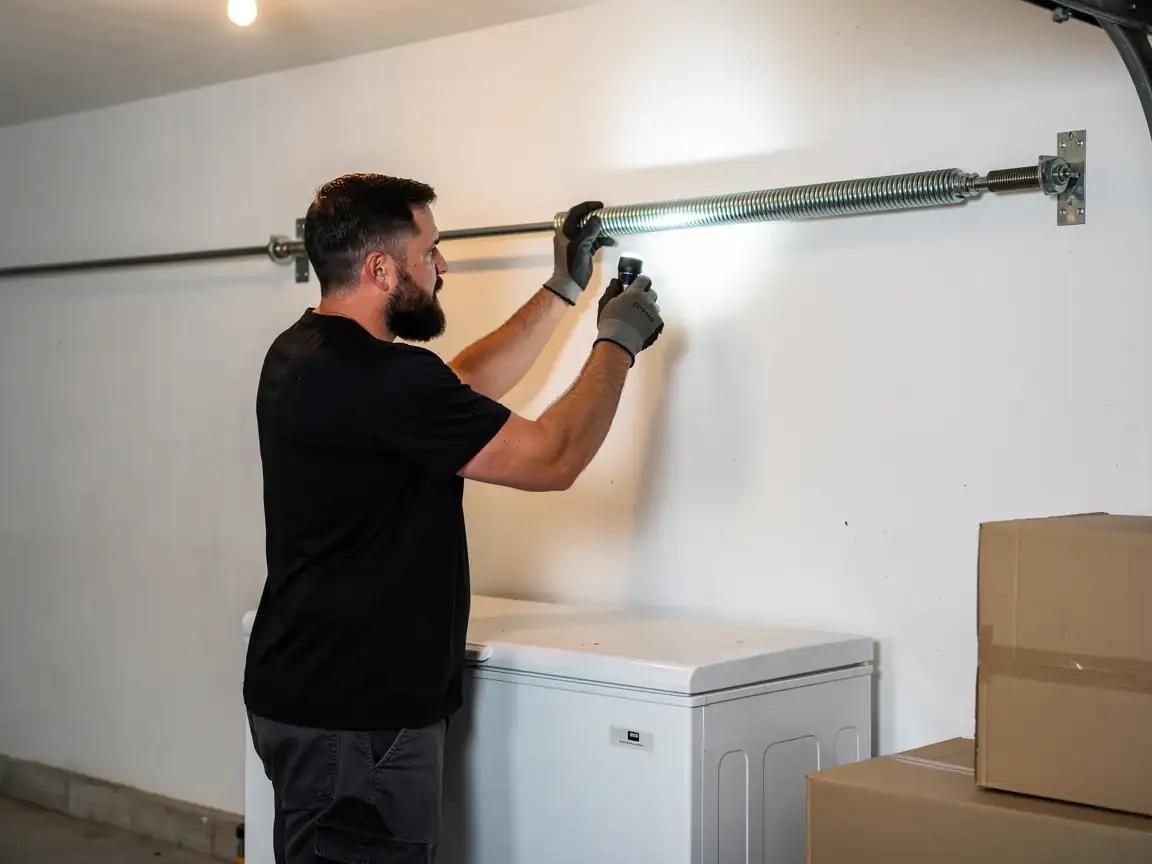
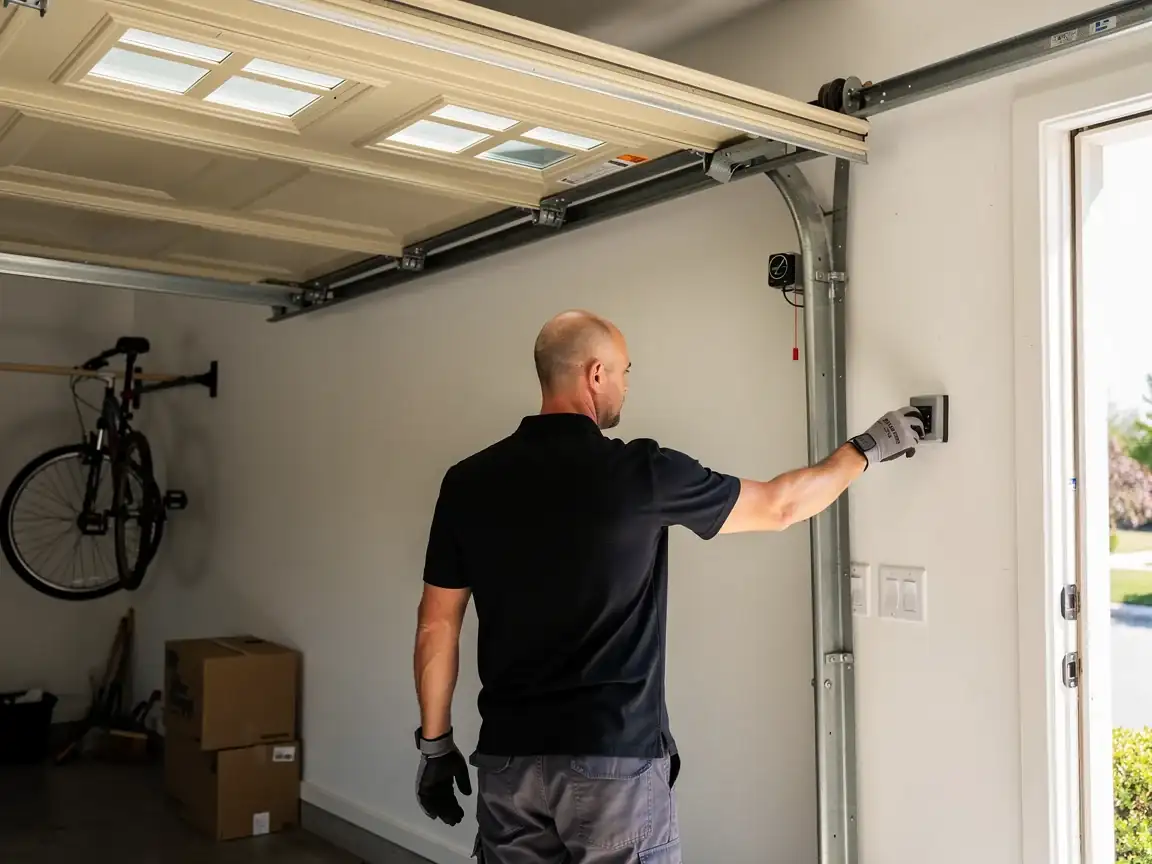
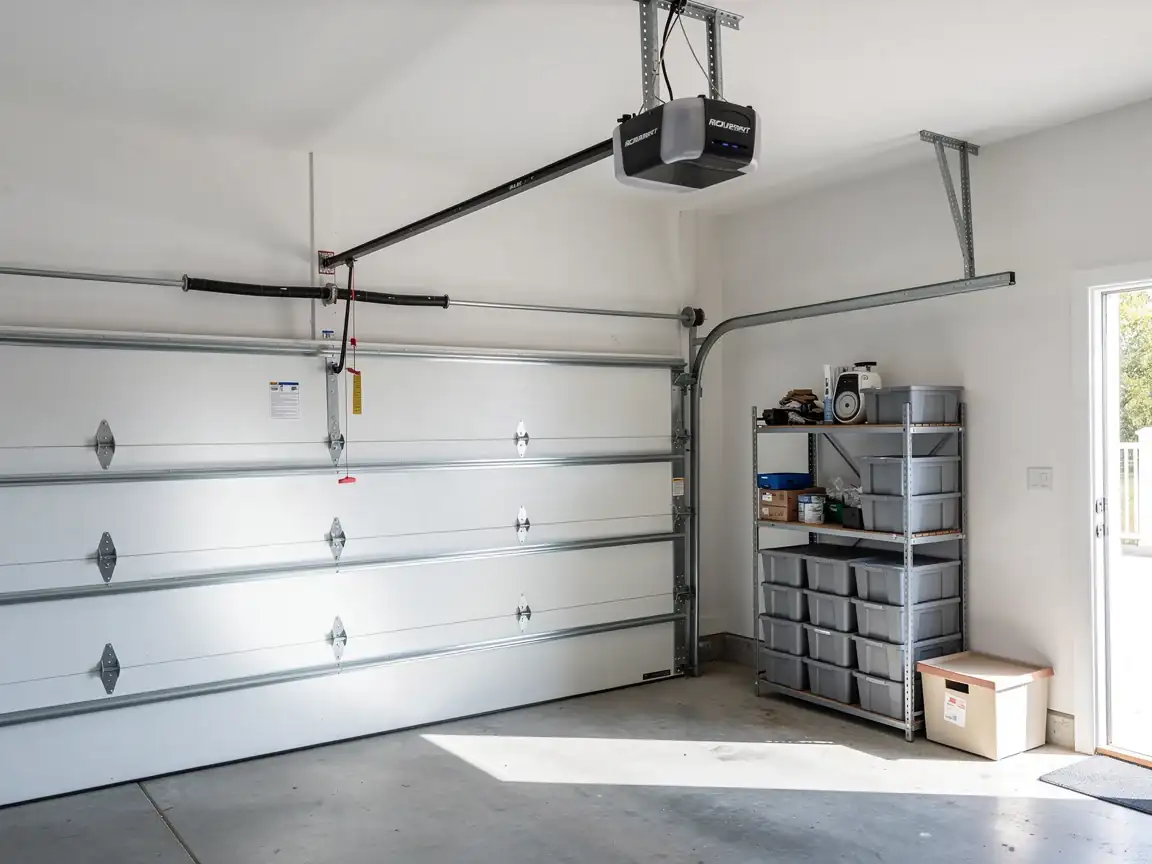
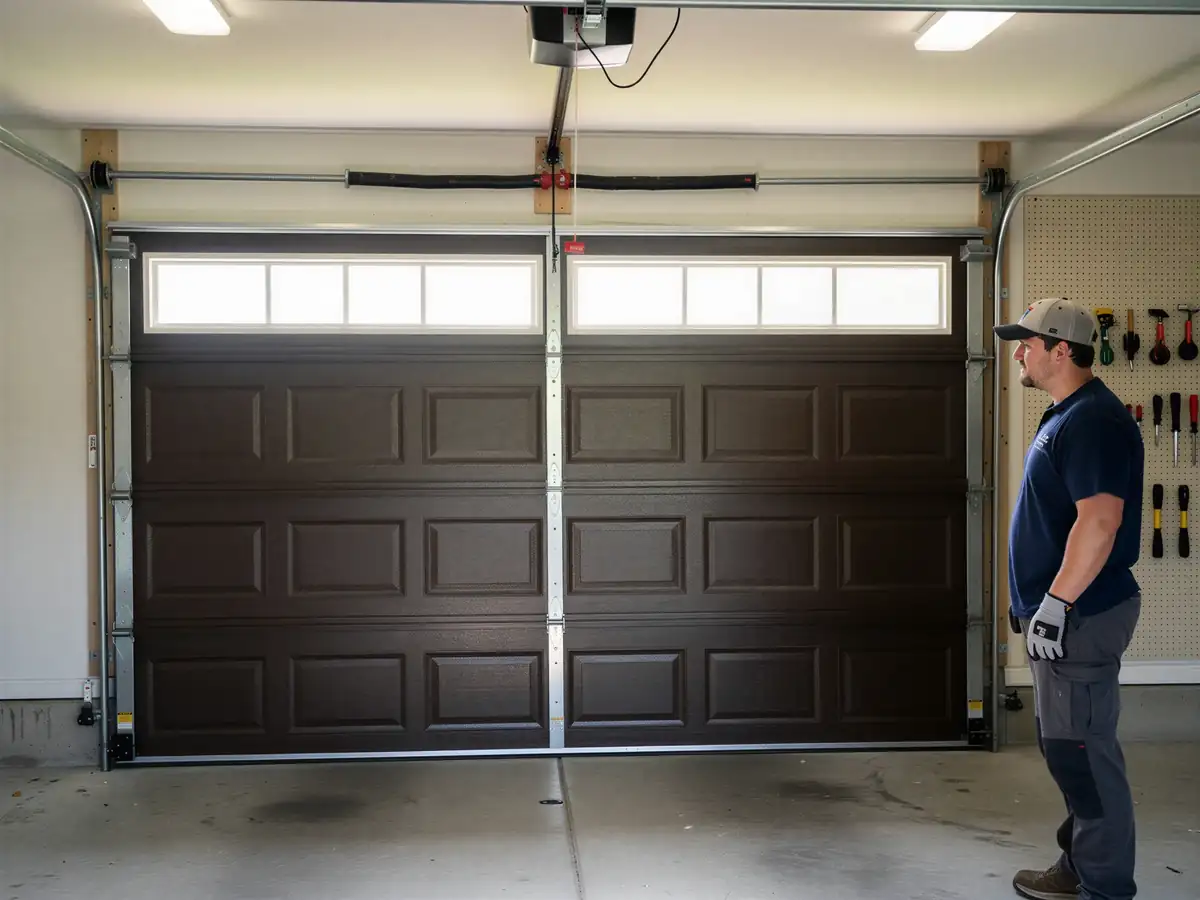
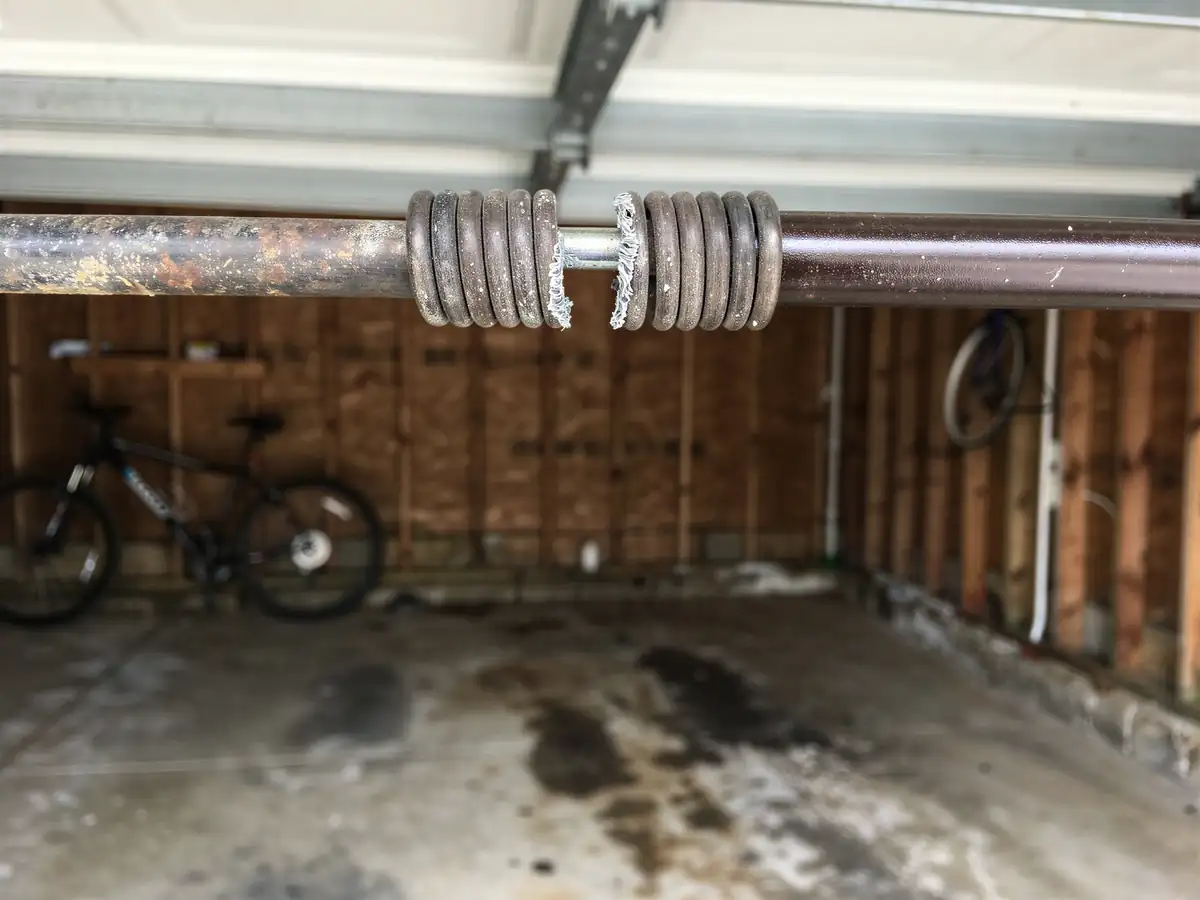
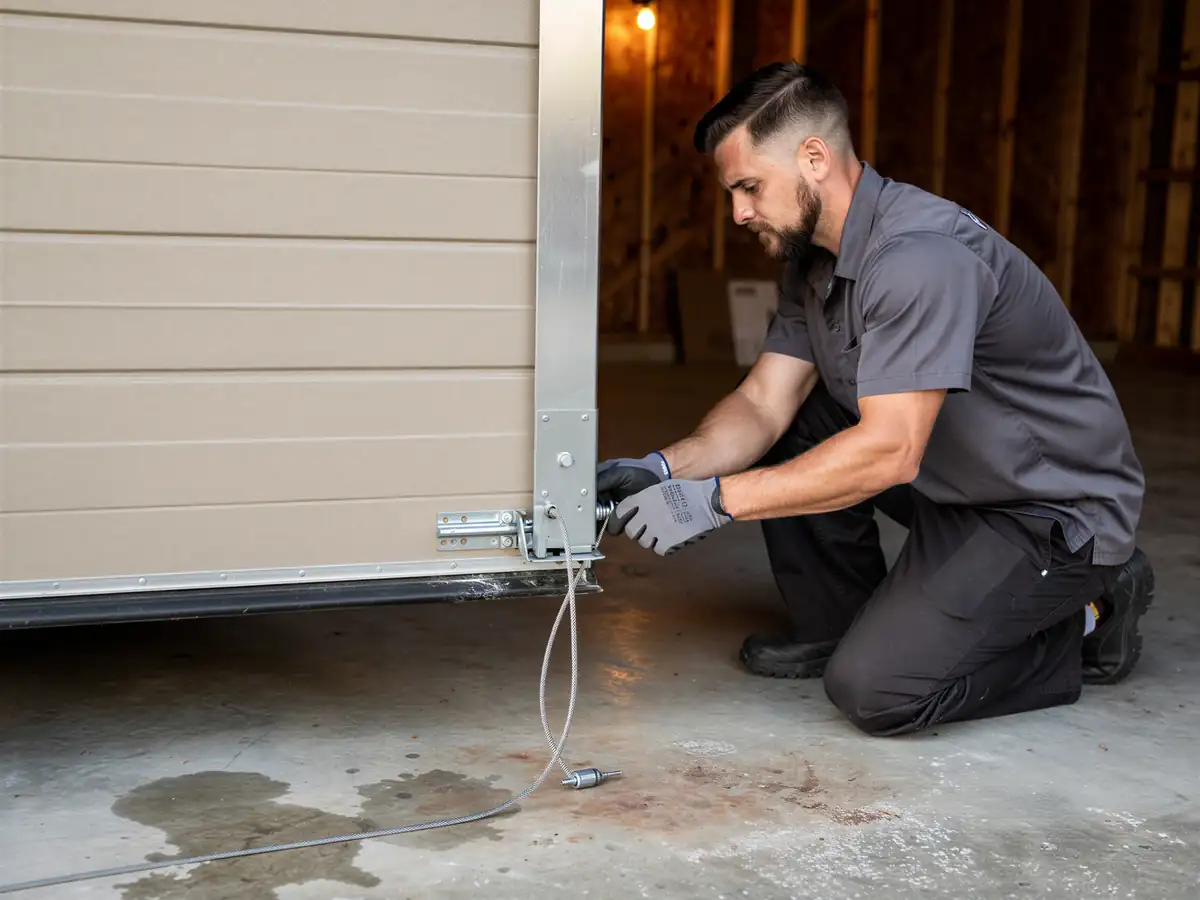
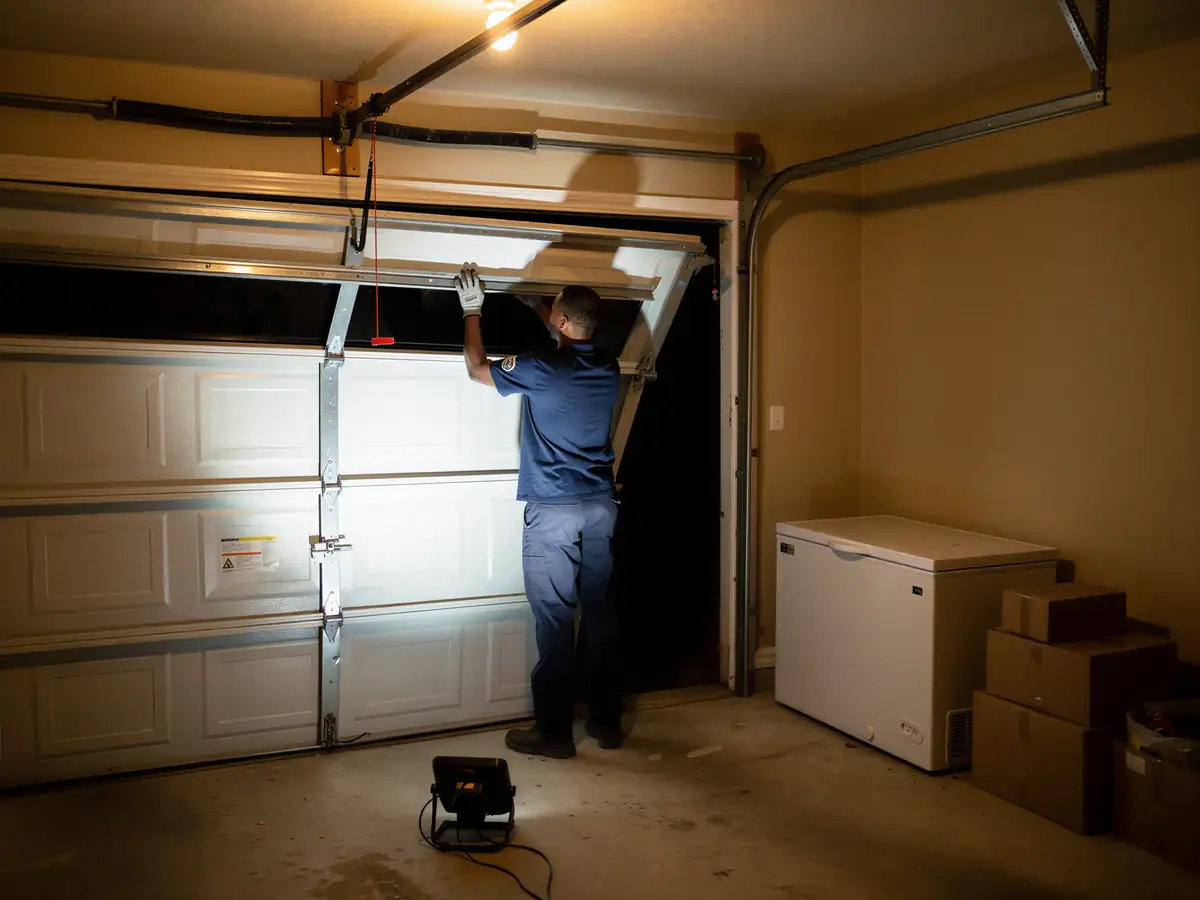
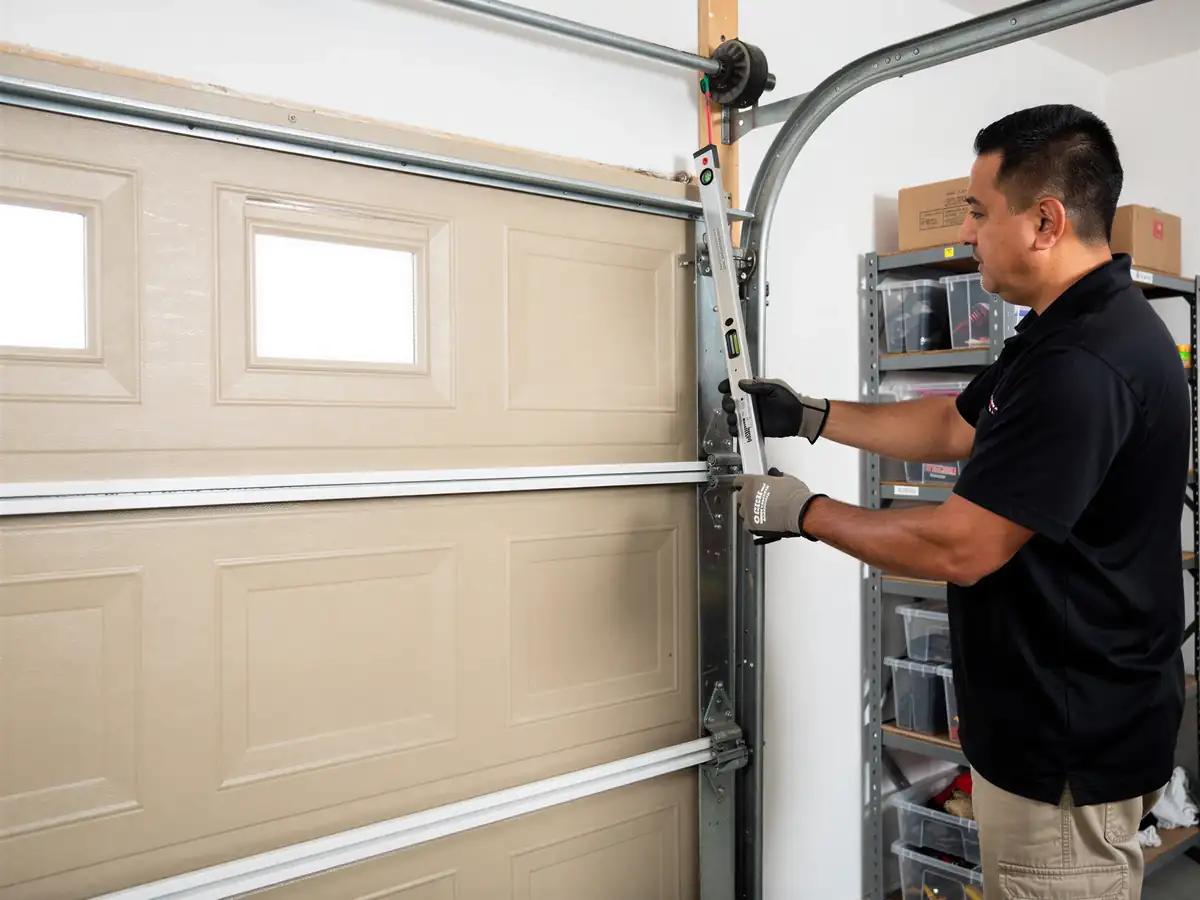
Most Winnetka calls we take start with a spring that's snapped or a cable that's frayed through, and on houses this old, the fix often isn't a straight swap. We have to measure the existing drum and shaft size before we order a spring, because older setups don't always match current standard sizing. If the opener is original to the door, we're also checking whether the circuit board and motor still pair with a modern safety sensor kit, since older systems sometimes need an adapter or a full opener swap to meet current standards. None of this is unusual work, but it's not a five-minute parts-counter job either - expect us to look the whole system over before we touch the spring.
How It Shows Up
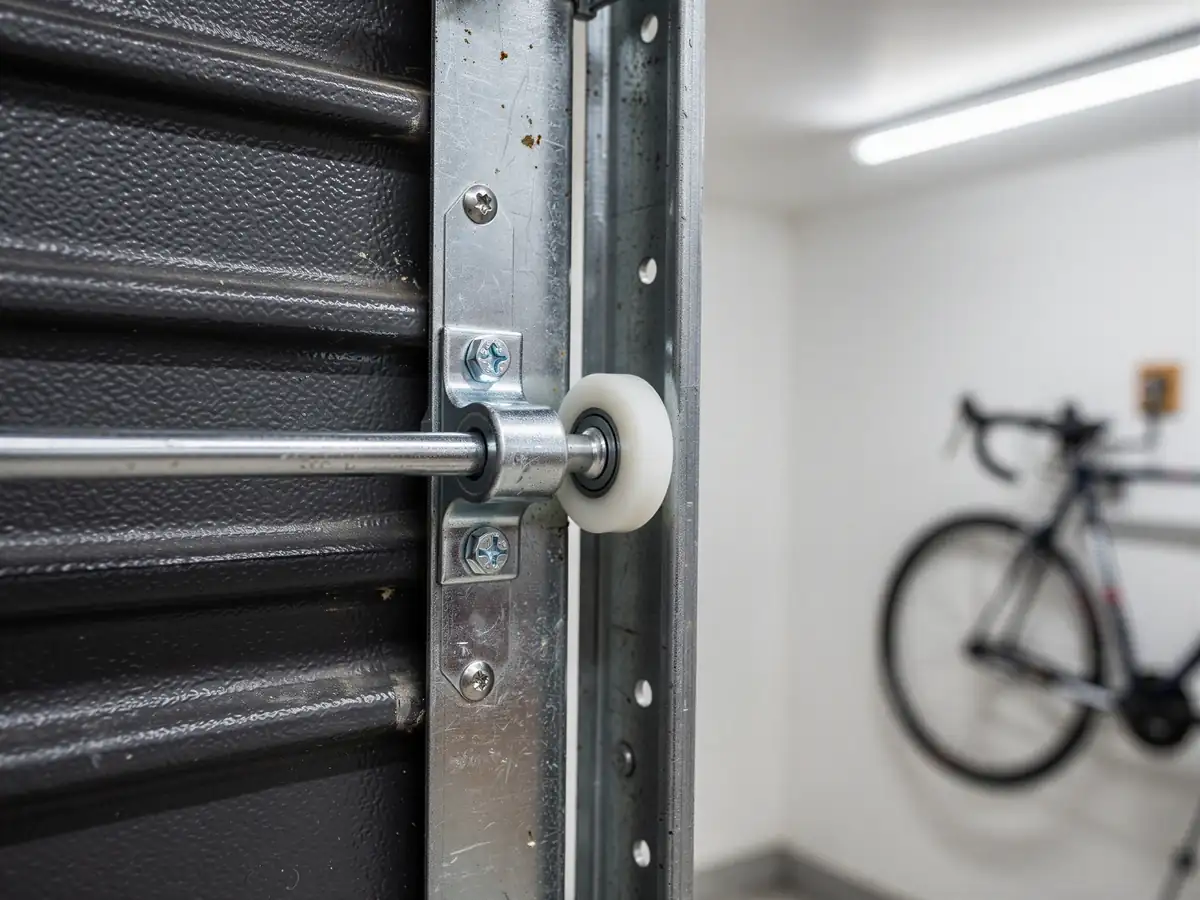
The most common thing we hear on the phone from Winnetka is the door slamming down fast and hard, or not moving at all when the opener is triggered - both classic signs of a broken torsion spring. On older doors specifically, we also get calls about a door that drags or binds partway through its travel, which usually traces back to a track that's shifted slightly out of alignment over decades of settling. Given the cold-moderate climate here, winter mornings bring a third pattern: a door that opens fine once warmed up but groans or sticks on the first cycle of the day, which points to stiff, aged lubricant on original hardware rather than anything broken outright.