How Long It Takes
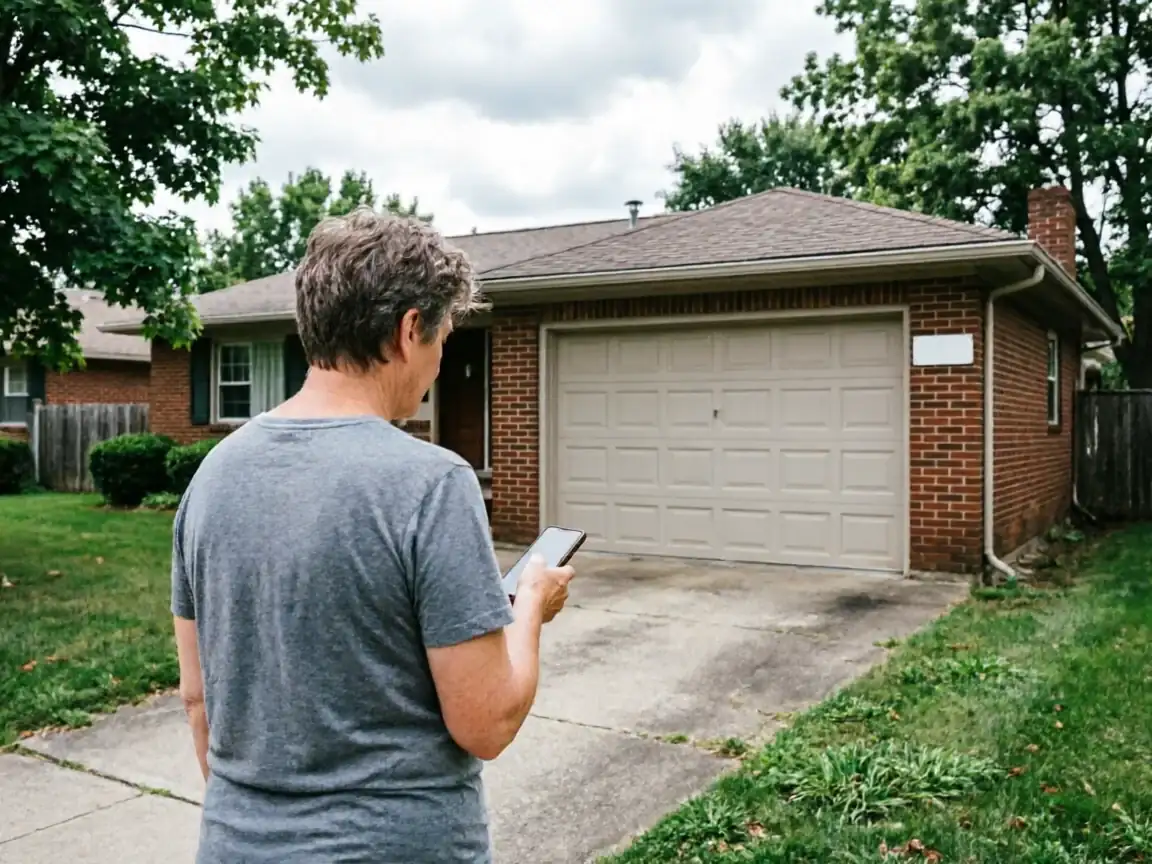
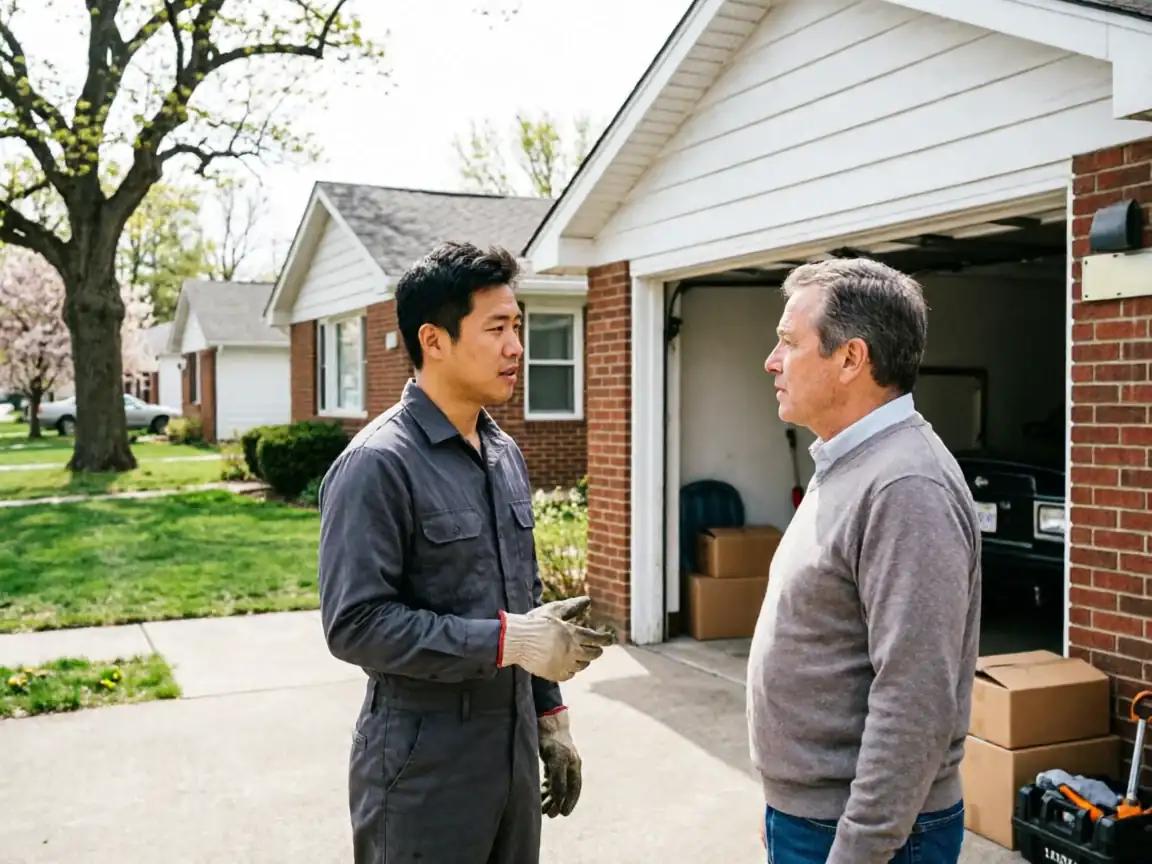
We run this call from Lake Zurich, about 19 miles out, so getting to Winnetka takes longer than it takes to reach a town closer to the shop. That distance matters more for scheduling than for the repair itself - once a technician is on site, fixing a spring or a track takes the same time it would anywhere else. What it does mean is that same-day availability depends on the day's route, not just on how urgent the job feels to the homeowner. We're not going to promise a response window we can't back up from 19 miles away. If the door is stuck open or stuck shut and the house can't be secured, say so when you call - that changes how the day gets routed, even if it doesn't change the drive.
Why This Fails Locally
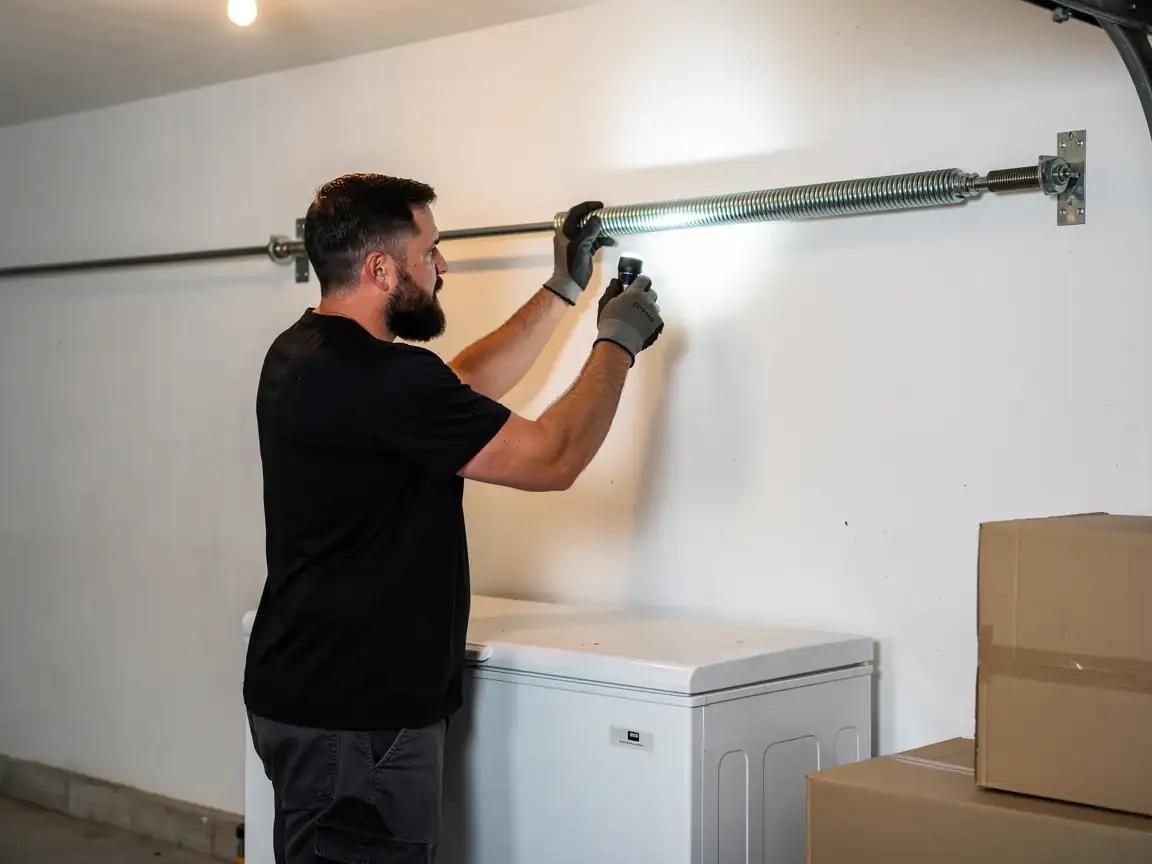
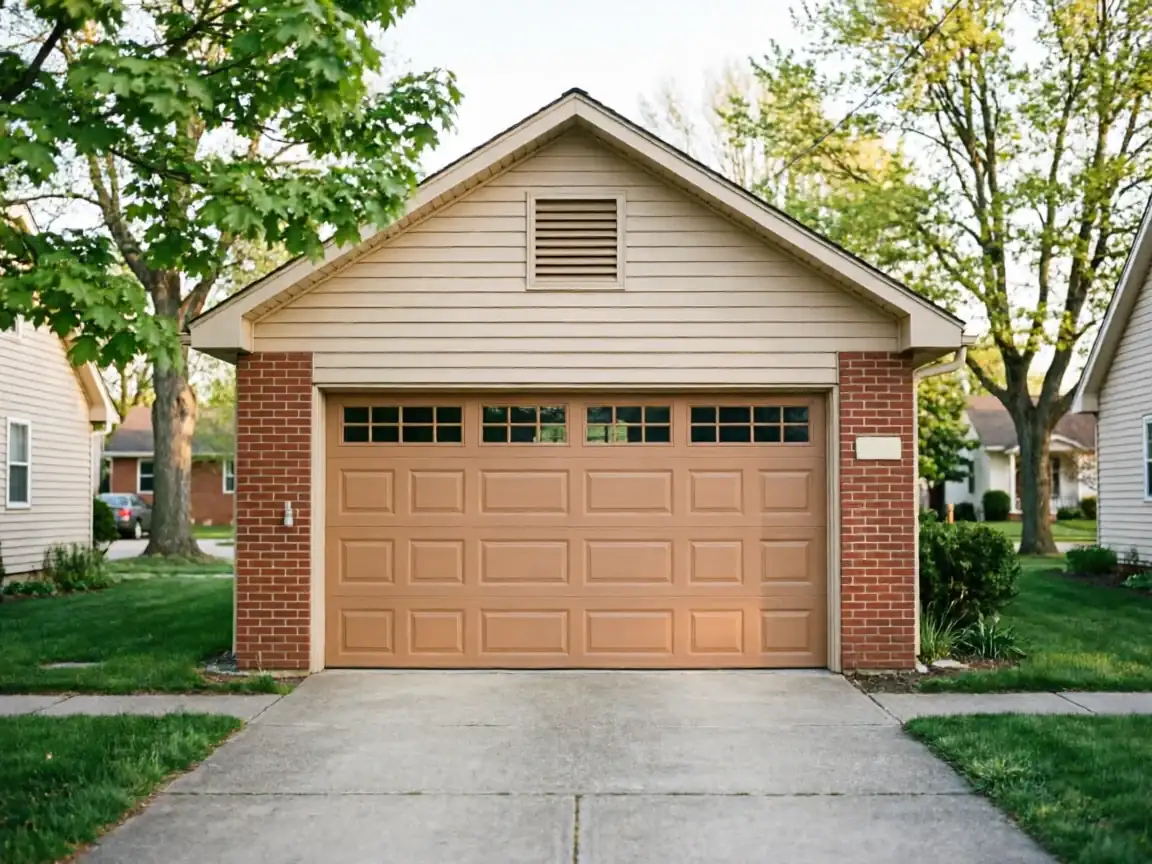
The housing stock across our service area runs from 1938 to 2009 with a median build year of 1985. Winnetka's median build year is 1938 - it's at the old end of that range, not the middle of it. A garage built in the late 1930s or 1940s wasn't built around a garage door opener; openers got retrofitted decades later onto hardware that was never sized for them. That means we see extension springs instead of torsion springs more often on these jobs, narrower door openings that don't match current standard sizes, and headroom that wasn't planned for a modern torsion bar and opener bracket. None of that is wrong or dangerous by itself, but it means parts off a shelf don't always drop straight in, and a repair sometimes needs a bracket adapted or a spring matched by hand rather than swapped from a bin. That's the kind of job that takes longer to diagnose than it does to fix.
What the Repair Takes
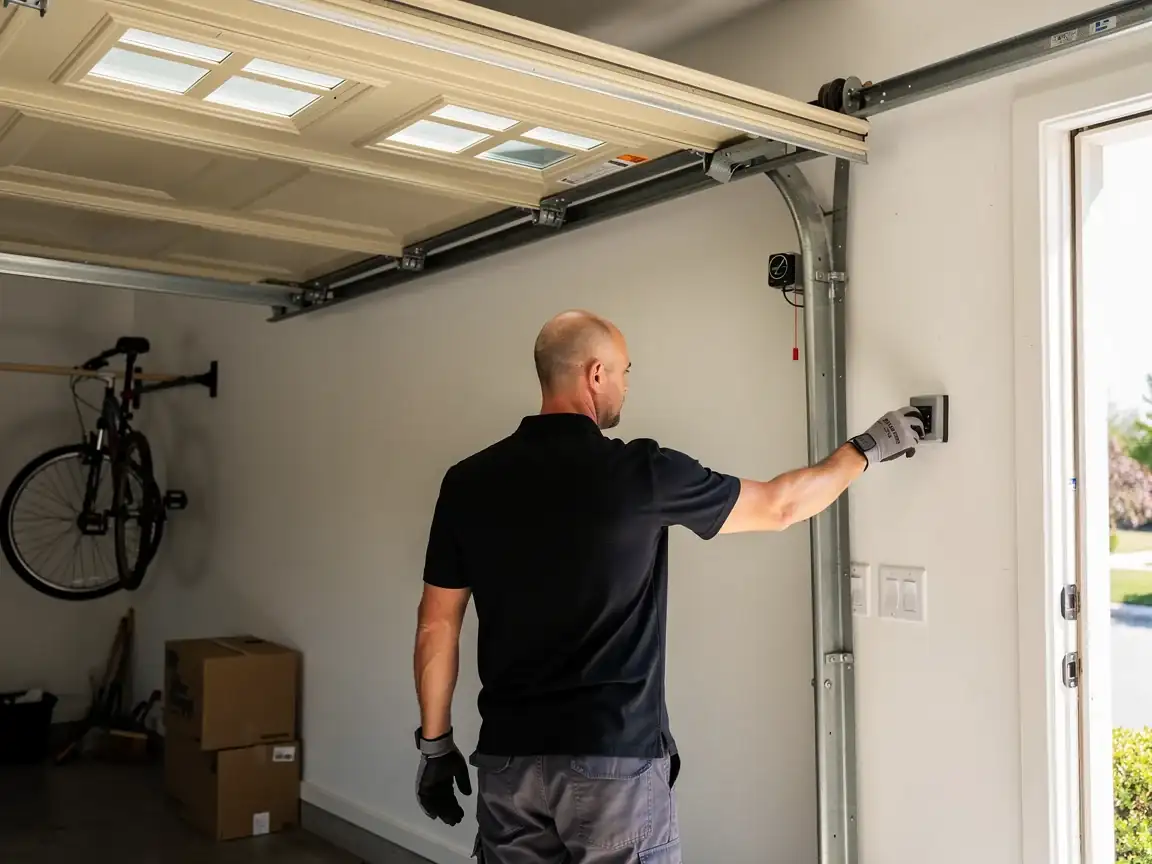
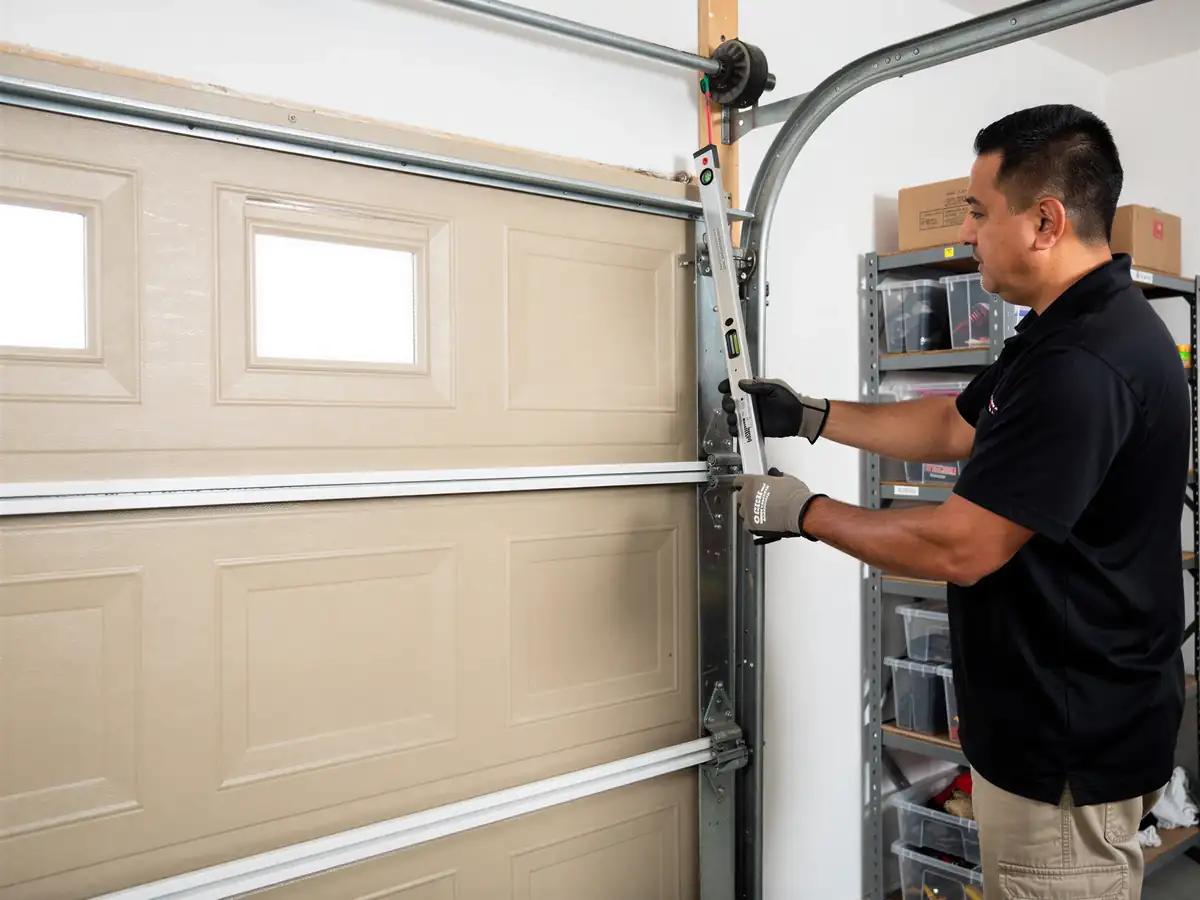
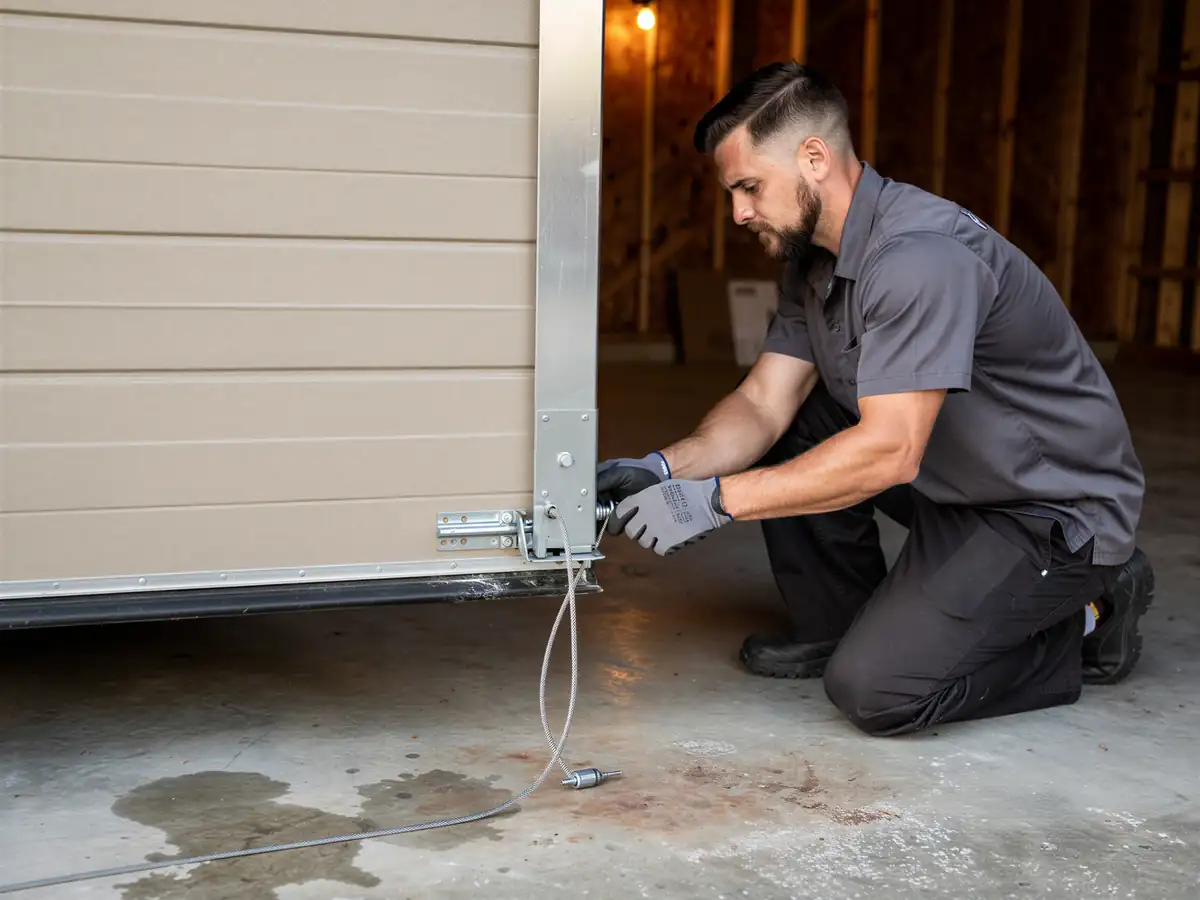
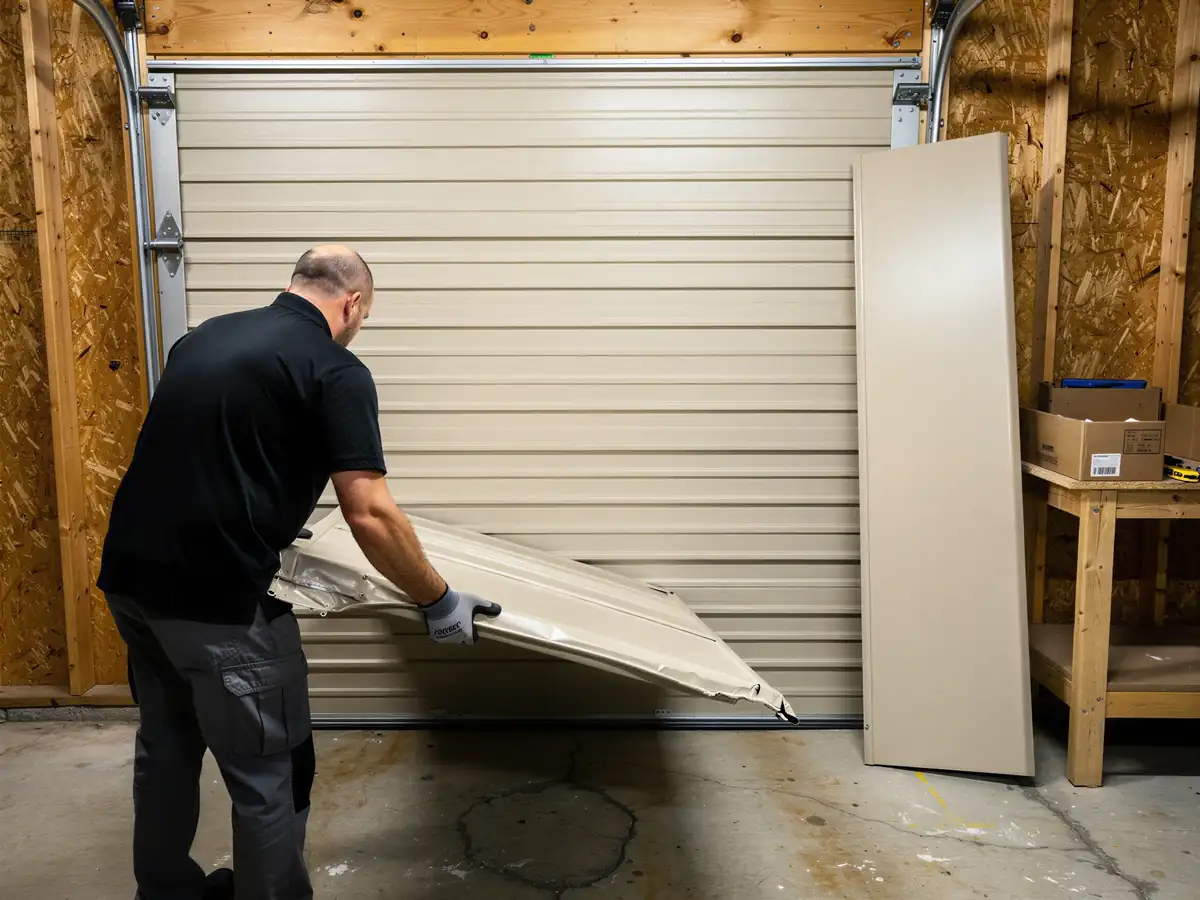
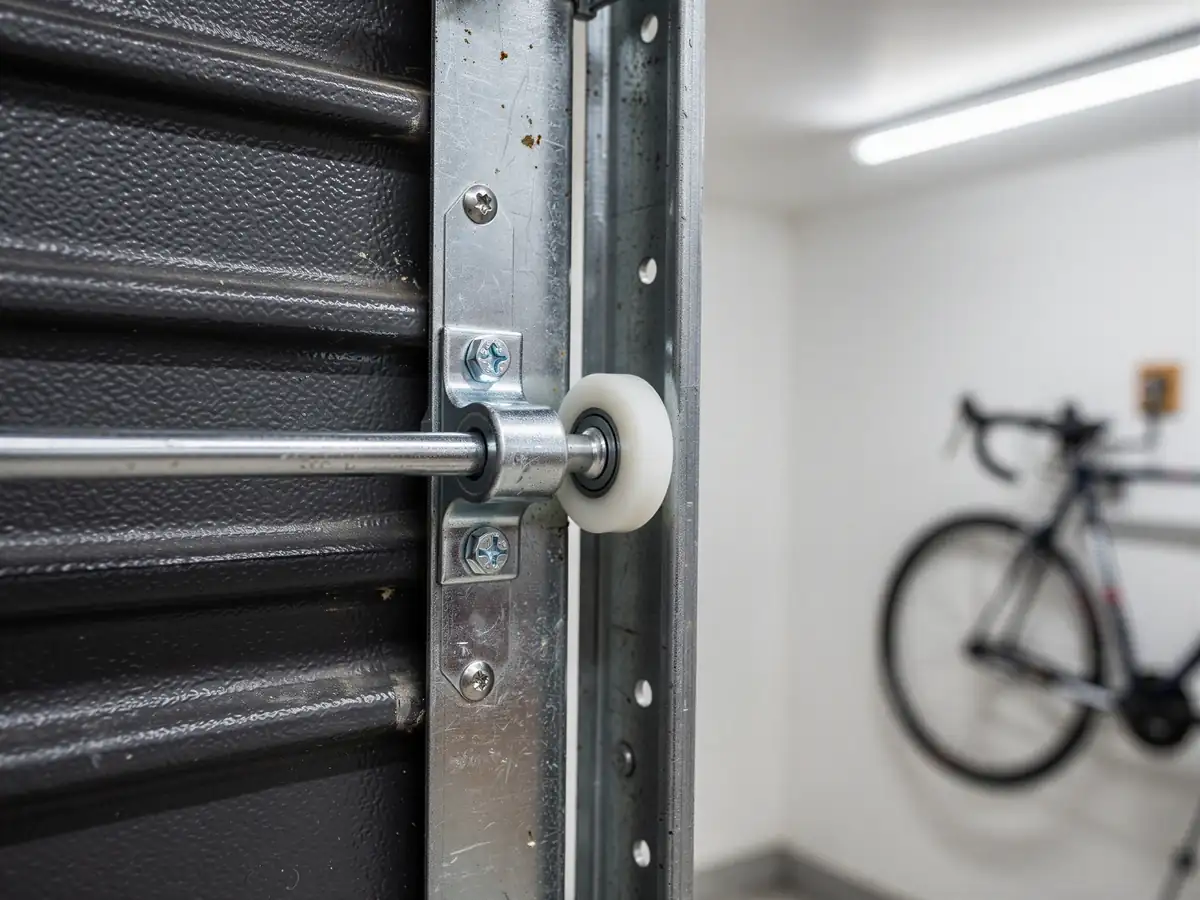
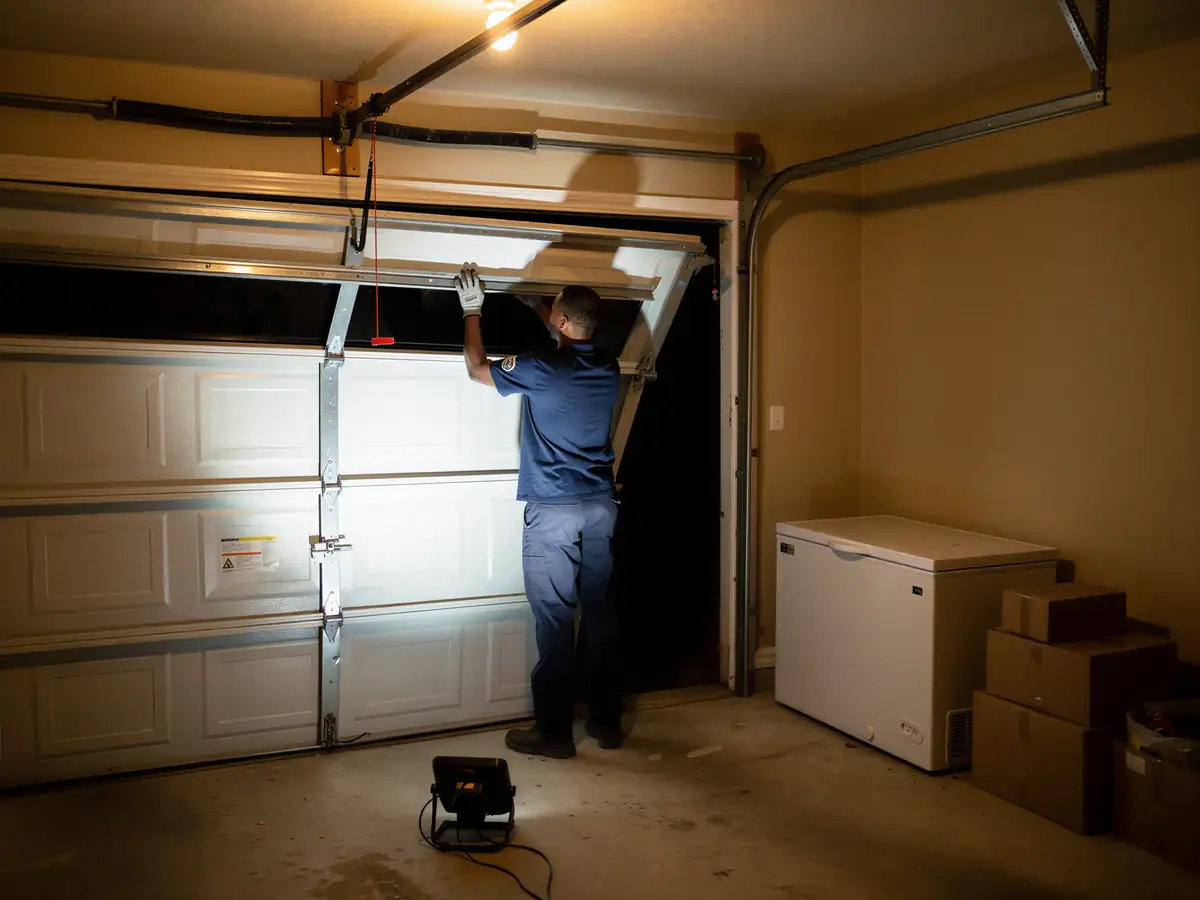
On a door this old, the first step is figuring out what's original and what's been swapped over the decades, because a door that's had one replacement part already might have a mismatch nobody ever noticed - a track from one era paired with a spring from another, or an opener bracket added without resizing the header. Once that's sorted, the repair itself follows normal steps: isolate the failed part, check the rest of the system for wear that's about to become the next failure, and replace what's actually broken rather than everything that's old. We don't replace a whole door because one roller is shot. We do flag when a door has enough mismatched or aging parts that another repair six months out is likely, so the owner can decide whether to fix it again or move to a new door with matched, current hardware.
How It Shows Up
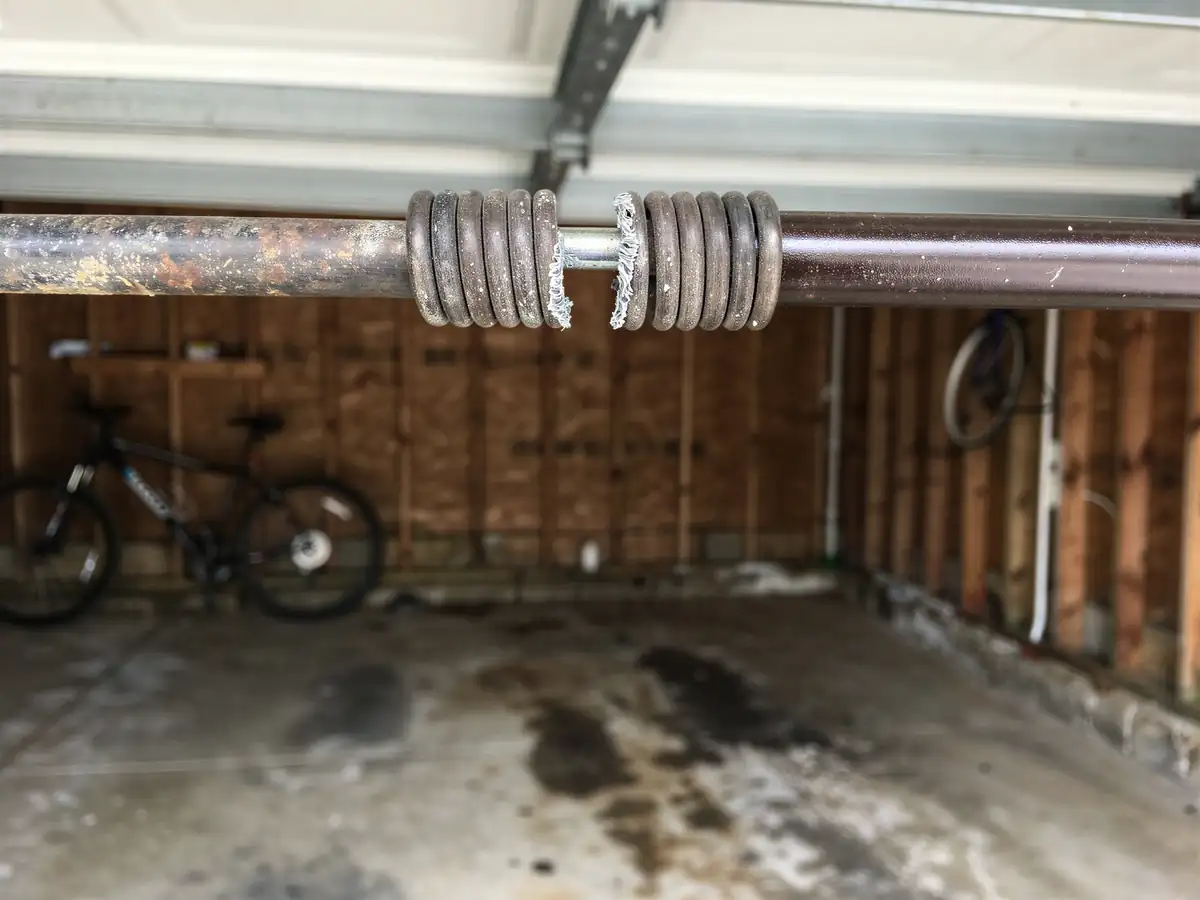
On houses from this era, the first sign is usually noise - a grinding or popping sound as the door travels, which points to an extension spring losing tension unevenly rather than failing all at once the way a torsion spring does. The second common sign is a door that reverses partway up or down, which on older hardware often traces back to a track that's shifted slightly out of alignment over decades of settling rather than anything wrong with the opener itself. A door that suddenly feels heavy to lift by hand, with the opener straining audibly, usually means a spring has already given out even if the door still technically runs. None of these are emergencies by themselves, but they're the kind of thing that gets worse with another winter of use, not better.