Why This Fails Locally
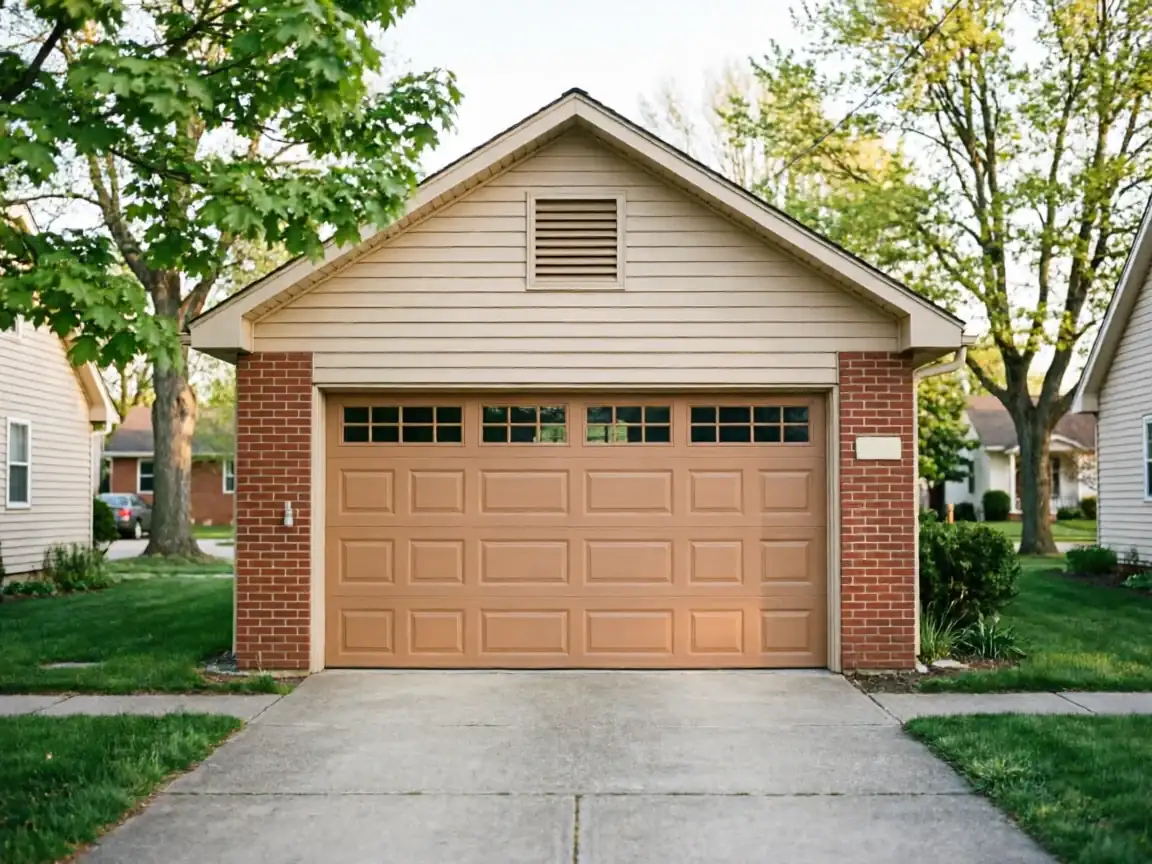
Most of the housing stock in and around Lake Zurich went up between 1938 and 2009
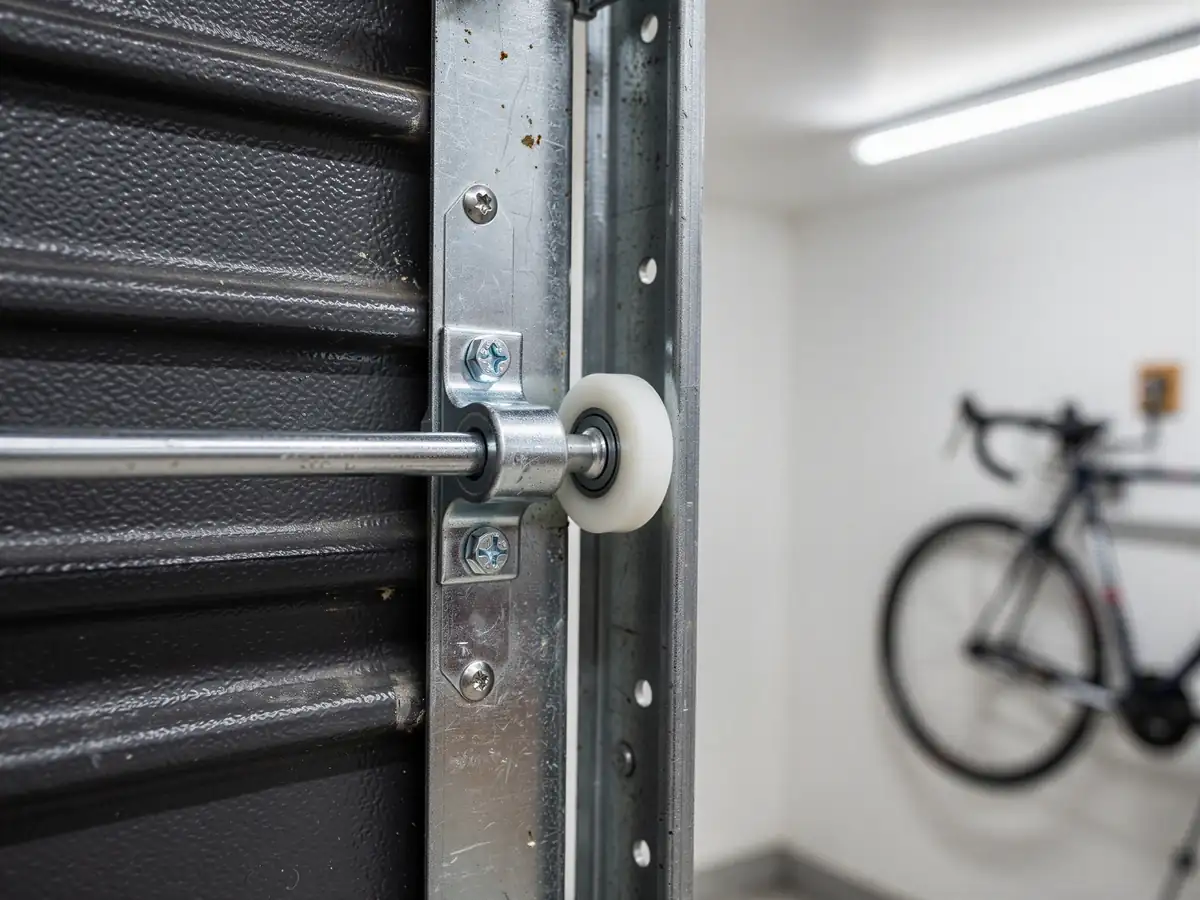
With the median build year landing around 1985. That means a huge share of the doors on this side of the county are still running on the steel rollers the builder installed back when the subdivision went in - stamped steel, no nylon sleeve, riding in galvanized track that's now thirty to forty years old. Those rollers were never meant to outlast the house.
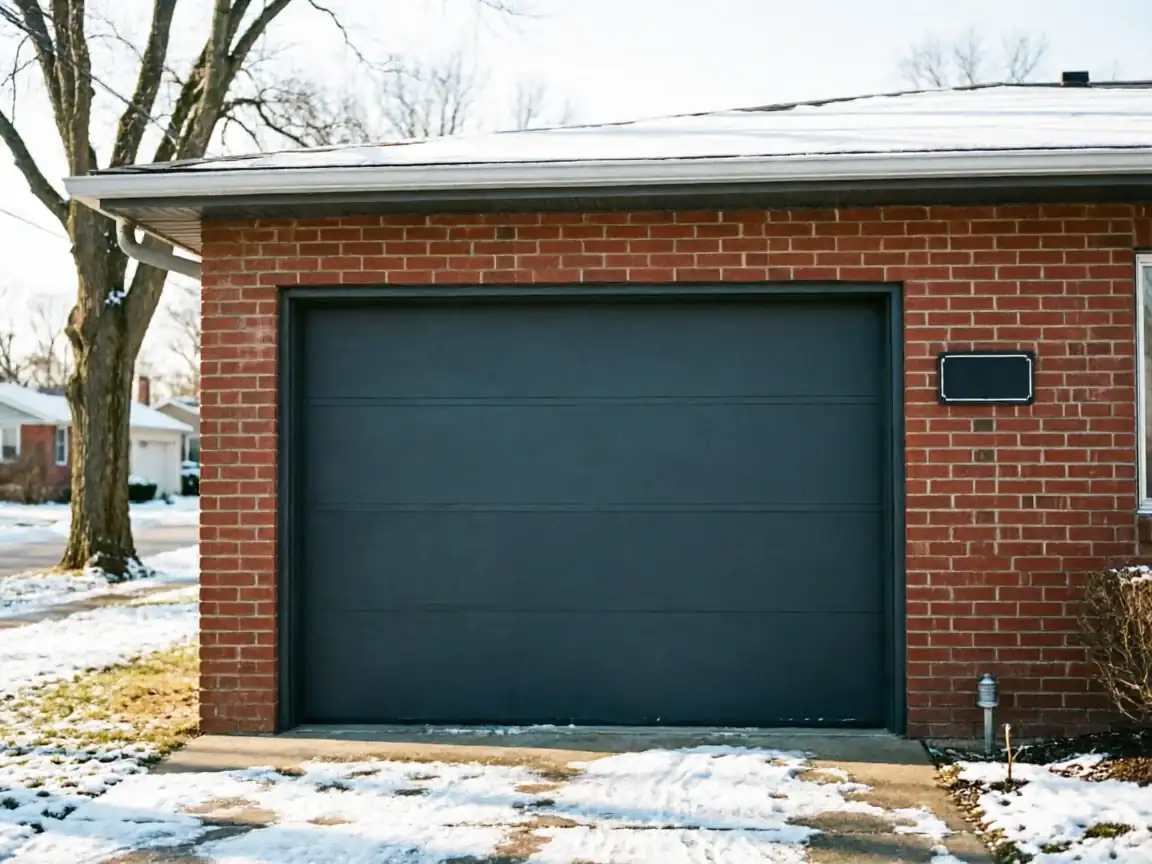
Add the climate band here
Which is cold with real seasonal swings, and you get a second problem layered on top of the first. Steel rollers contract in sub-freezing temps, the wheel bearing dries out, and the stem starts to bind in the track instead of rolling through it. You hear it before you see it - a grinding or clunking as the door travels, worse on the first cold mornings of the season. On a door that's already thirty-plus years old, that's not a fluke, it's the hardware reaching the end of its service life at the same time the weather starts stressing it.
This isn't a problem unique to one street or one subdivision
It's a function of when this area got built out and what it gets built in - 1980s and 90s construction, cold-climate use, original parts still in the track.
Booking a Visit
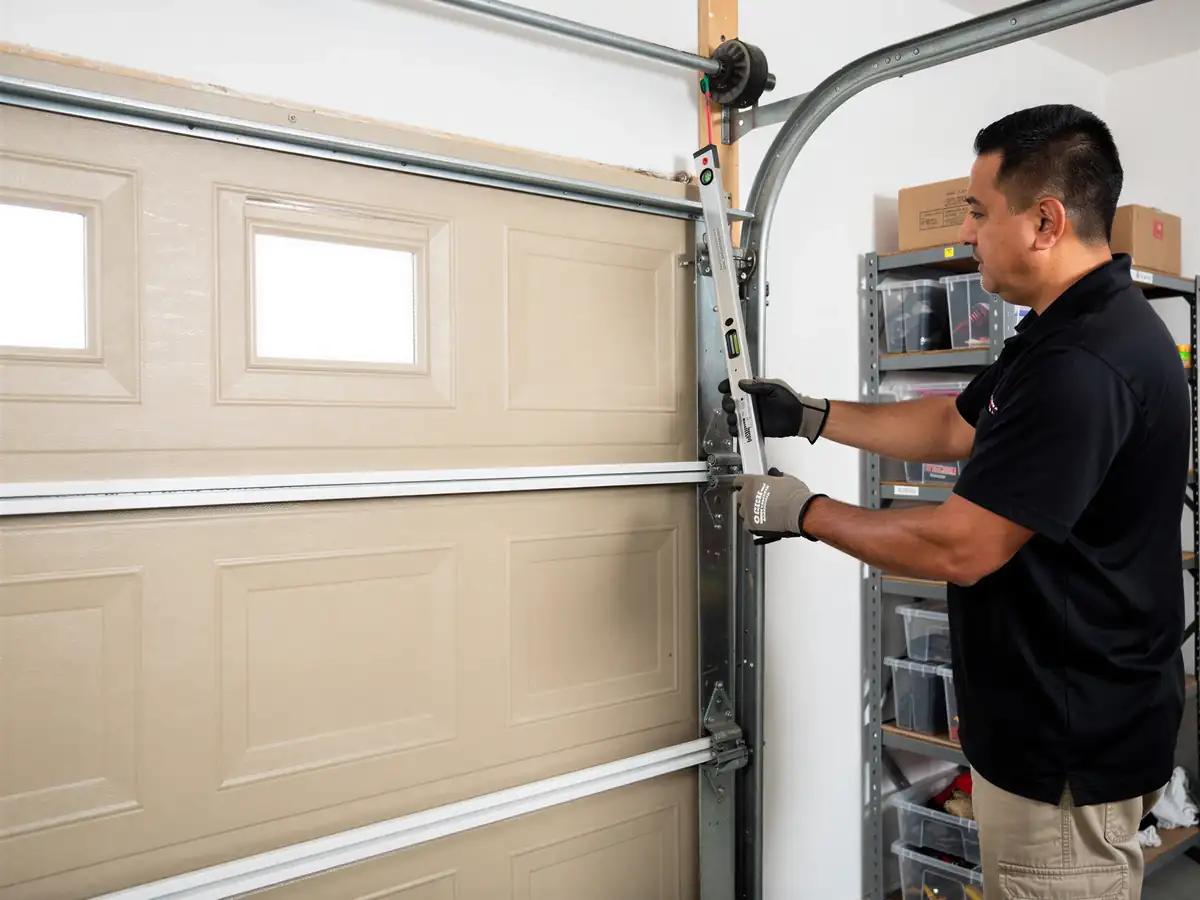
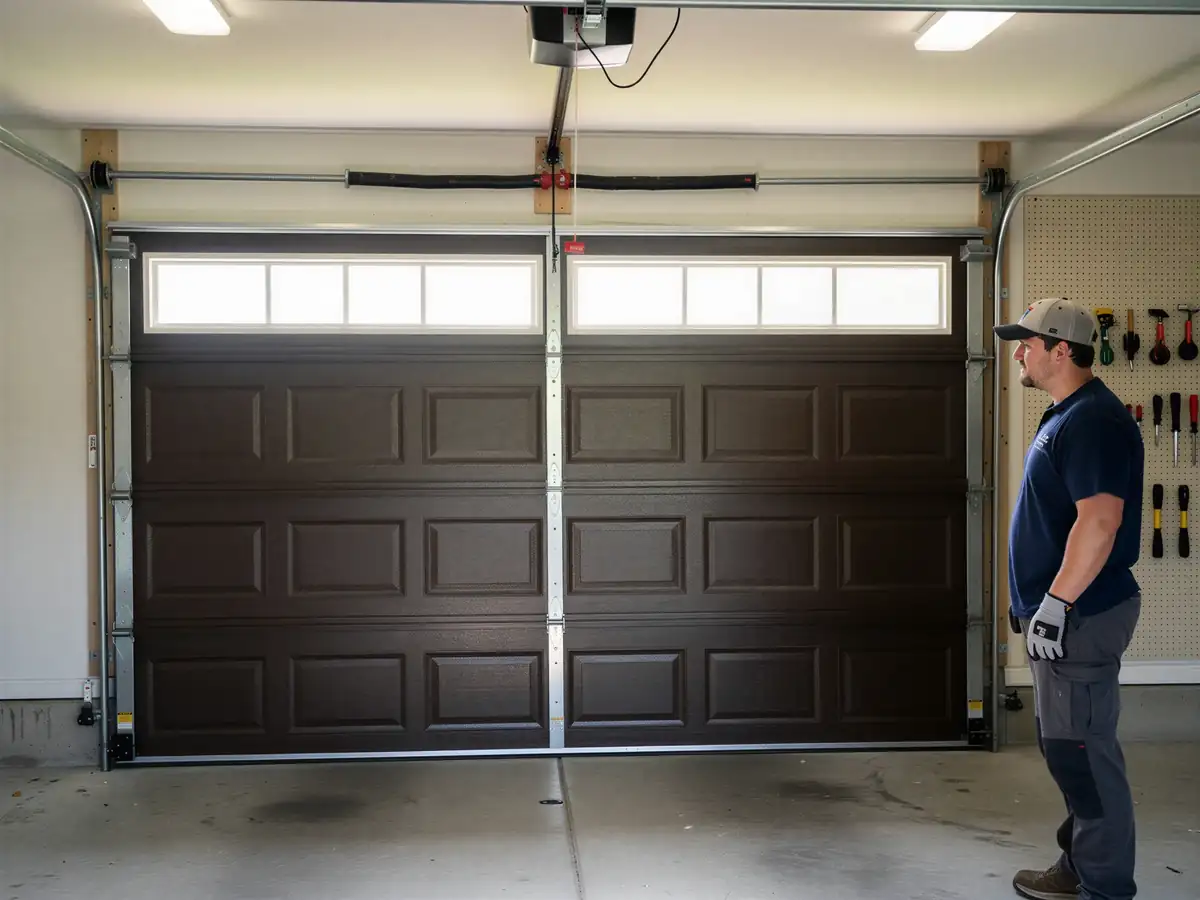
A roller job is usually a single visit - we come out, open the door a few times to listen and watch the travel, and confirm it's the rollers and not the track, the spring, or the opener trying to compensate for a drag it can't overcome. If it's rollers, we swap the full set on both tracks so you're not left with new wheels riding against old partners that are about to go the same way.
We work across the wider area, not just the village center, so if you're closer to Kildeer, Hawthorn Woods, or Long Grove, that's still a normal call for us, not a special trip. The households we see here - and this area has close to 175,000 of them, with roughly 100,000 of those owner-occupied houses - run the same mix of original 1980s and 90s hardware, so the job looks similar house to house even when the address changes.
One honest limitation: if your rollers have been grinding long enough to chew up the track itself, bent or gouged rail isn't a roller fix - that's a track replacement, and we'll tell you straight if that's what we're looking at instead of selling you rollers that won't solve it.
Can You Do This Yourself
Rollers are one of the more approachable DIY jobs on a garage door, with a caveat. The bottom rollers sit in brackets connected to the cables that are under spring tension - touch those wrong and you're dealing with a line under load, not a loose screw. The top and middle rollers on a door that's down and disconnected from the opener are reasonably safe to pull and replace one at a time, provided you never remove more than one roller's bracket at a stretch so the panel doesn't drop.
What trips people up isn't the swap itself, it's matching the stem length and wheel diameter to what's actually in the track - a lot of 1980s and 90s doors here used a nonstandard stem size that doesn't match what's on the shelf at a hardware store today. Buy the wrong stem length and the roller either binds in a track that's too tight for it or rattles loose in one that's too wide.
If the door is original to a mid-80s build, this is also a reasonable moment to ask whether the whole roller-and-track system is worth sinking parts into, or whether you're better off letting it ride until something bigger fails. We'll give you a straight answer on that in person - we don't push a full track replacement on a door that just needs its rollers done.
How It Shows Up
The earliest sign is usually sound, not motion
A rhythmic thunk as each roller hits a slightly worn spot in its own rotation, repeating every few inches of travel. As the wheel wears further, the door starts to hesitate at the same points in the track every time, which is different from a spring problem that makes the whole door feel heavy from the start of the cycle.
In the cold months, that hesitation gets worse fast
A roller that was merely noisy in October can seize hard enough in January that the opener strains against it, and that strain is what actually burns out gears inside the opener or snaps a cable - the roller was the root cause, the opener or cable is just what fails first. If you've got a door built sometime in the 1980s or 90s stretch that makes up most of the housing here, and it's started grinding worse since the temperature dropped, that pattern points straight at the rollers before anything else.
Catching it at the grinding-noise stage is the cheap fix
Catching it at the seized-solid, opener-straining stage usually means we're replacing more than just rollers.