How Long It Takes
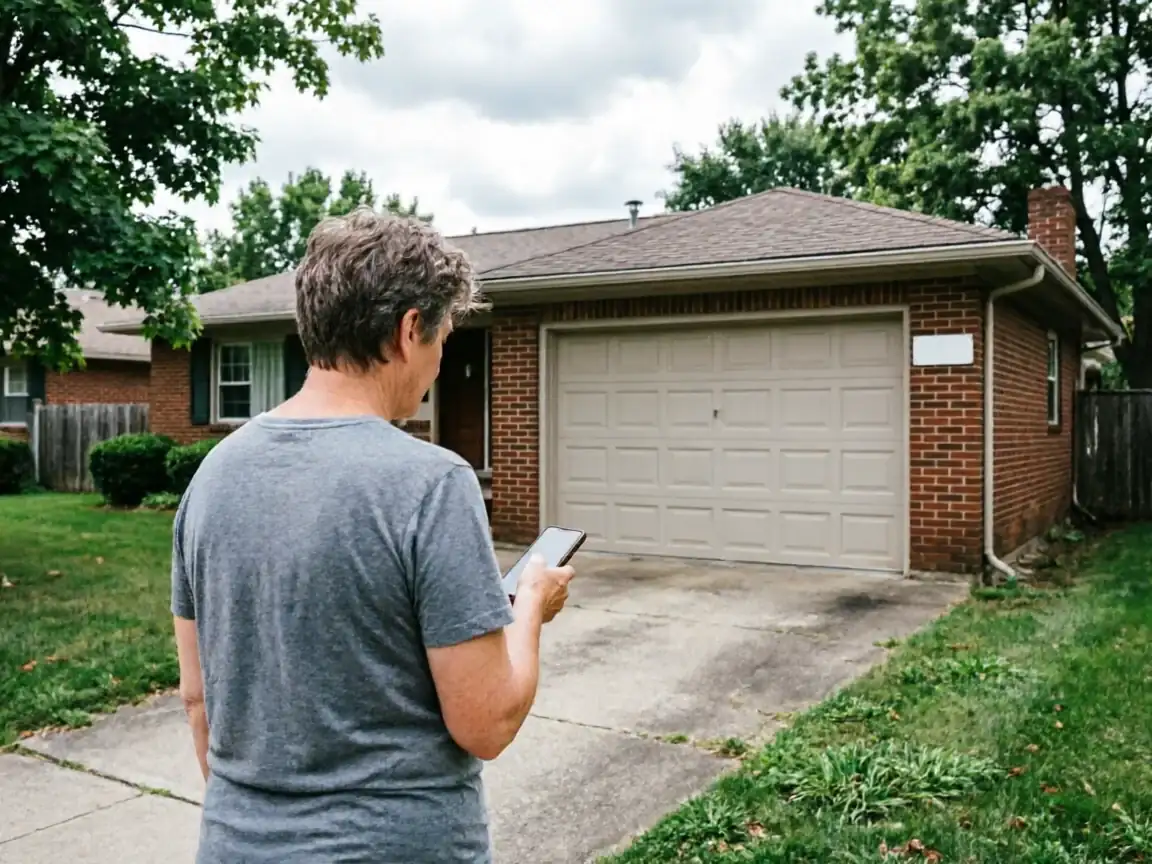
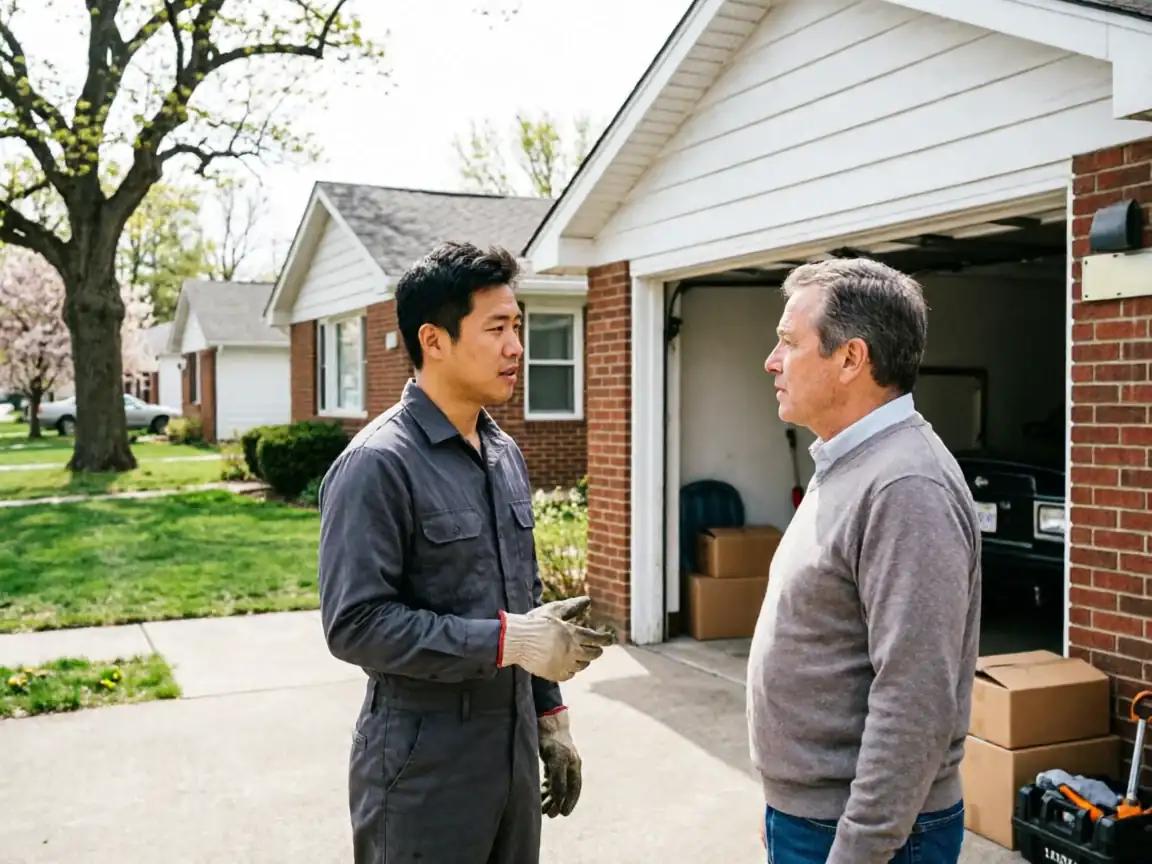
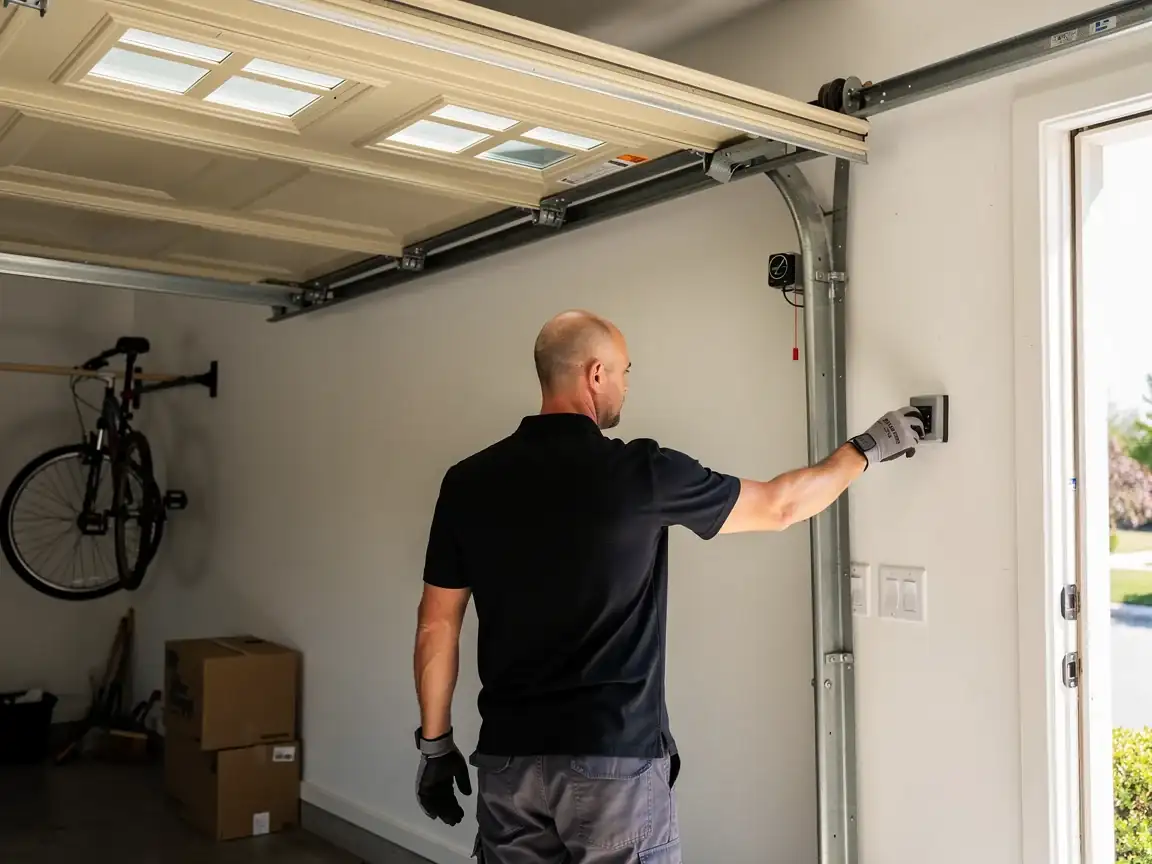
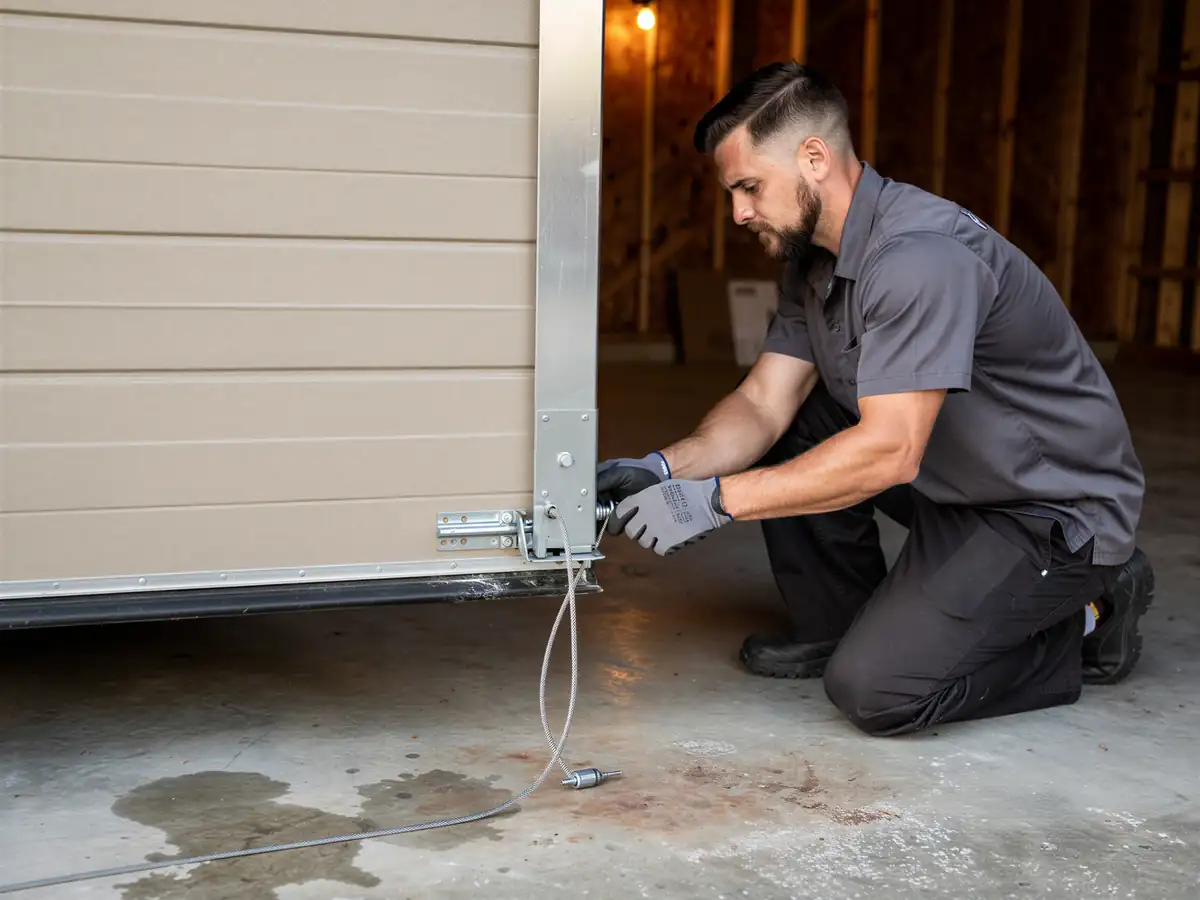
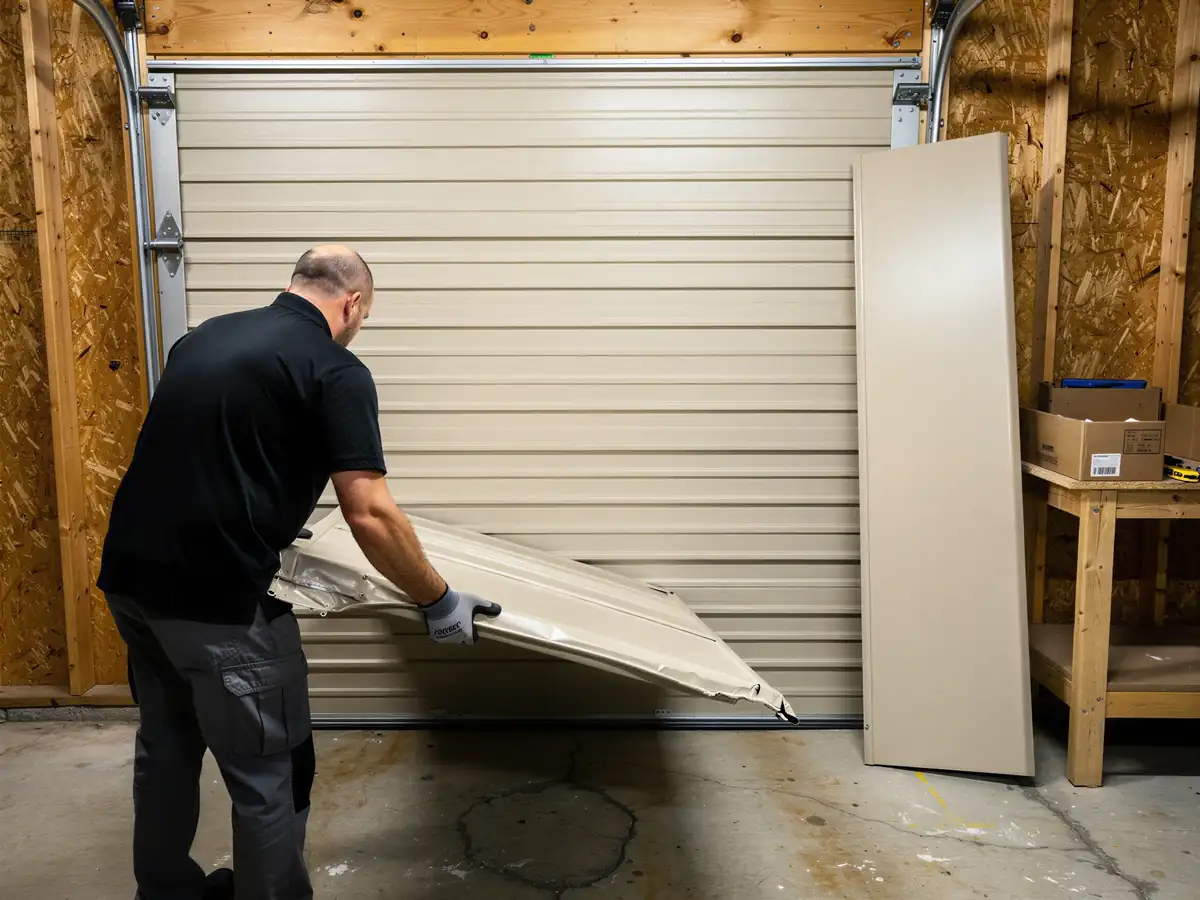
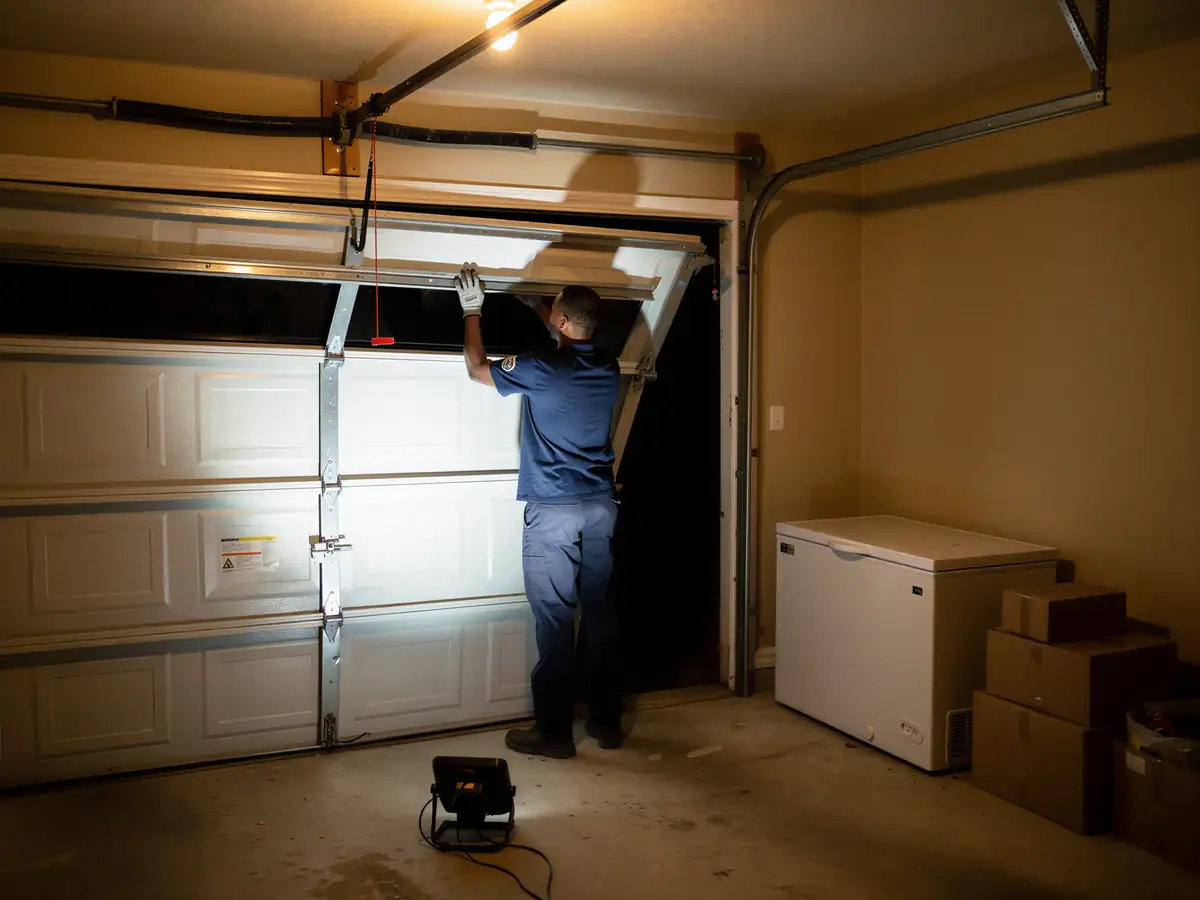
We run this call from Lake Zurich, 19 miles out, so the drive is part of the math on any emergency visit to Winnetka. That's one of the longer legs we cover in this territory, and it's worth knowing before you call at 6 a.m. with the car trapped behind a dead door. Once we're on site, the repair itself usually isn't the slow part - it's figuring out what's underneath decades of paint and prior patch jobs on a door that's been standing since before most of the region's housing stock existed. A straightforward spring or cable job goes fast. A door where the track has been reset twice and the opener is a later add-on to original hardware takes longer to diagnose than to fix. We'd rather tell you that up front than promise a window we can't hold from 19 miles away.
Why This Fails Locally
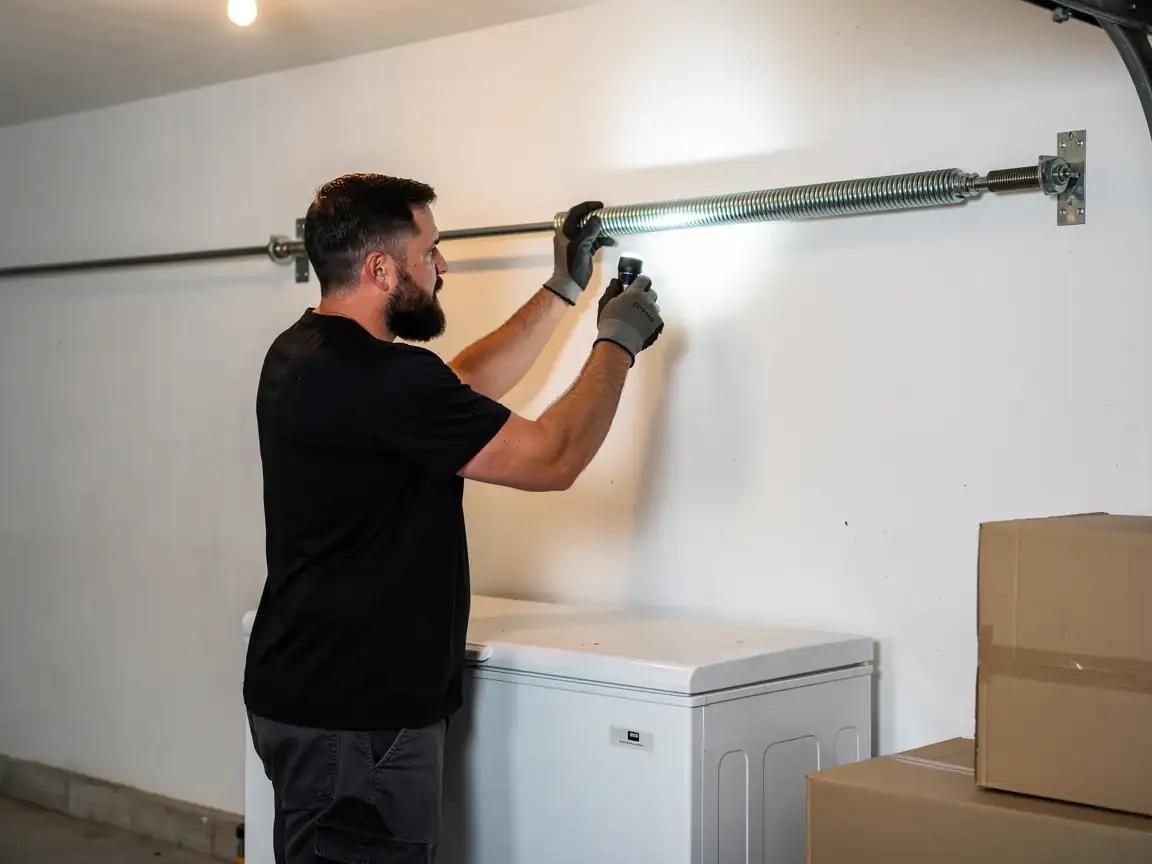
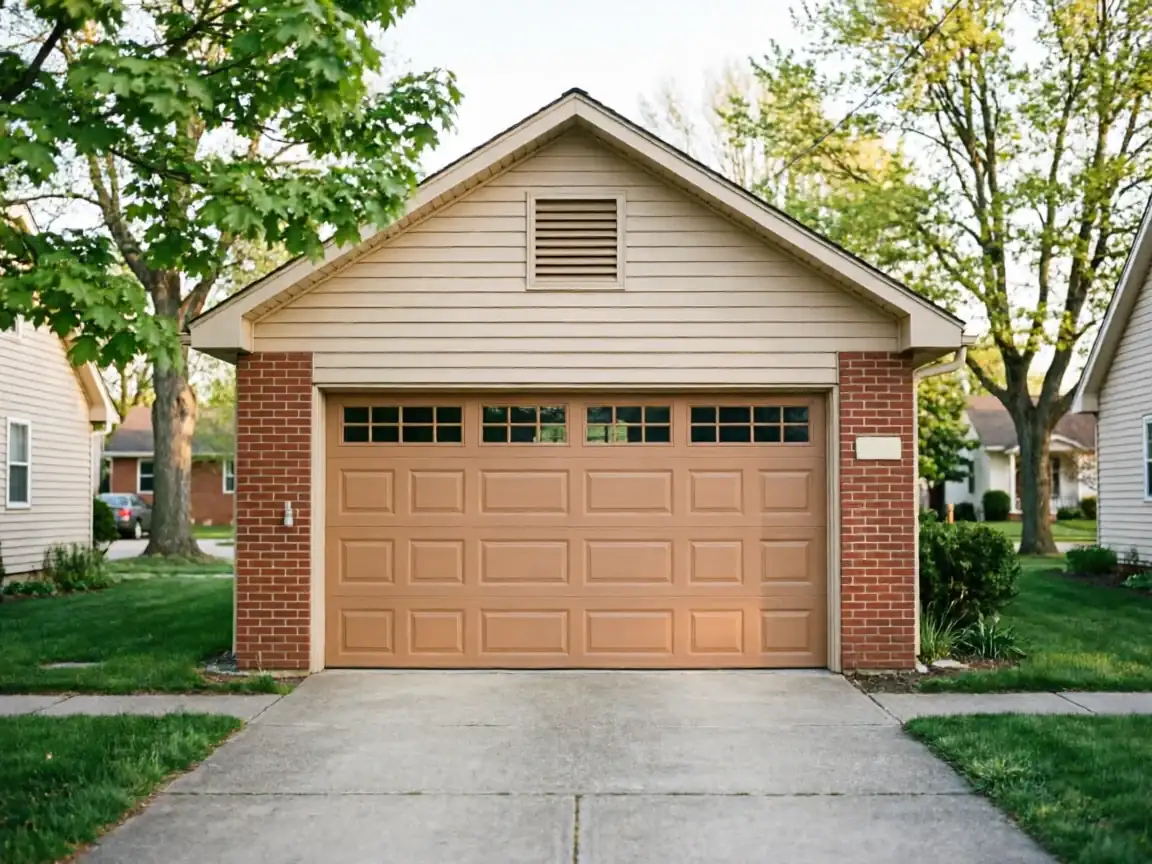
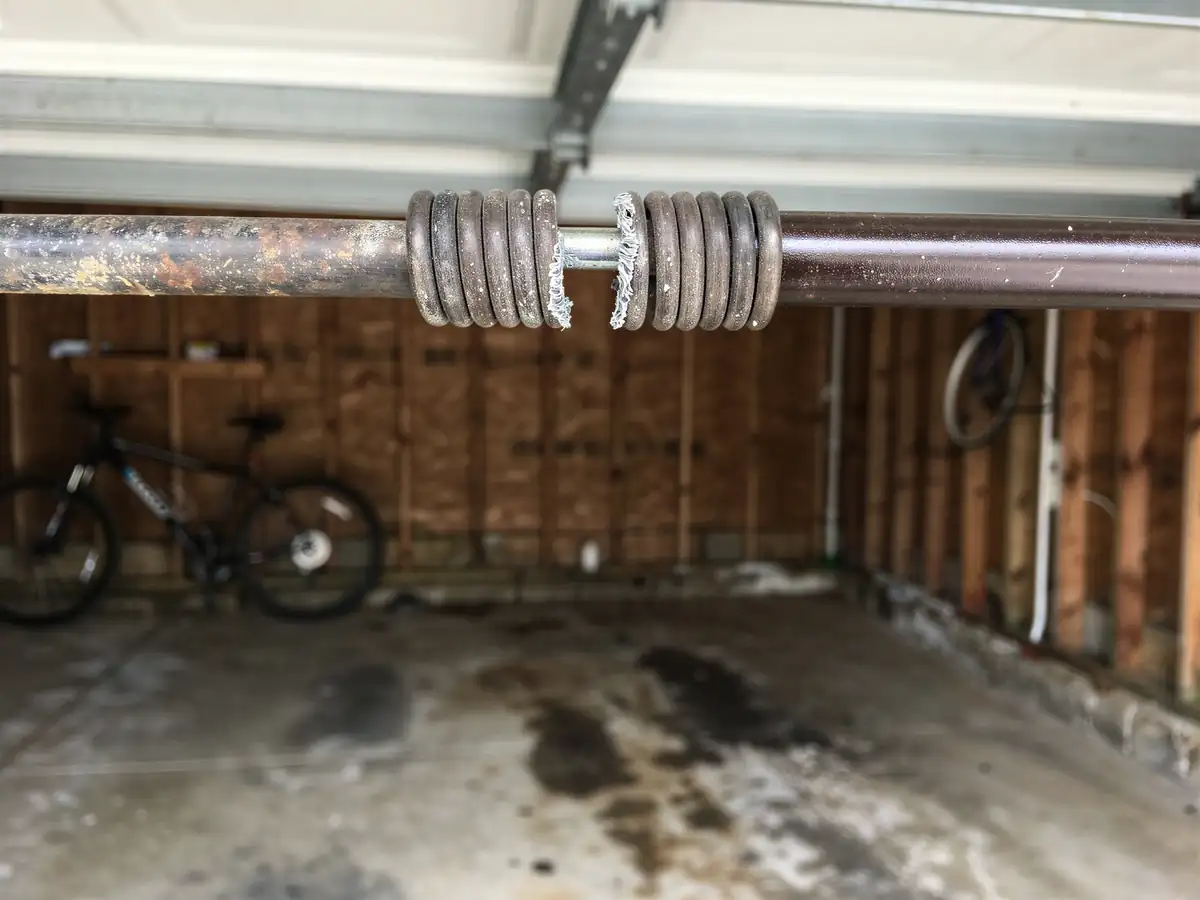
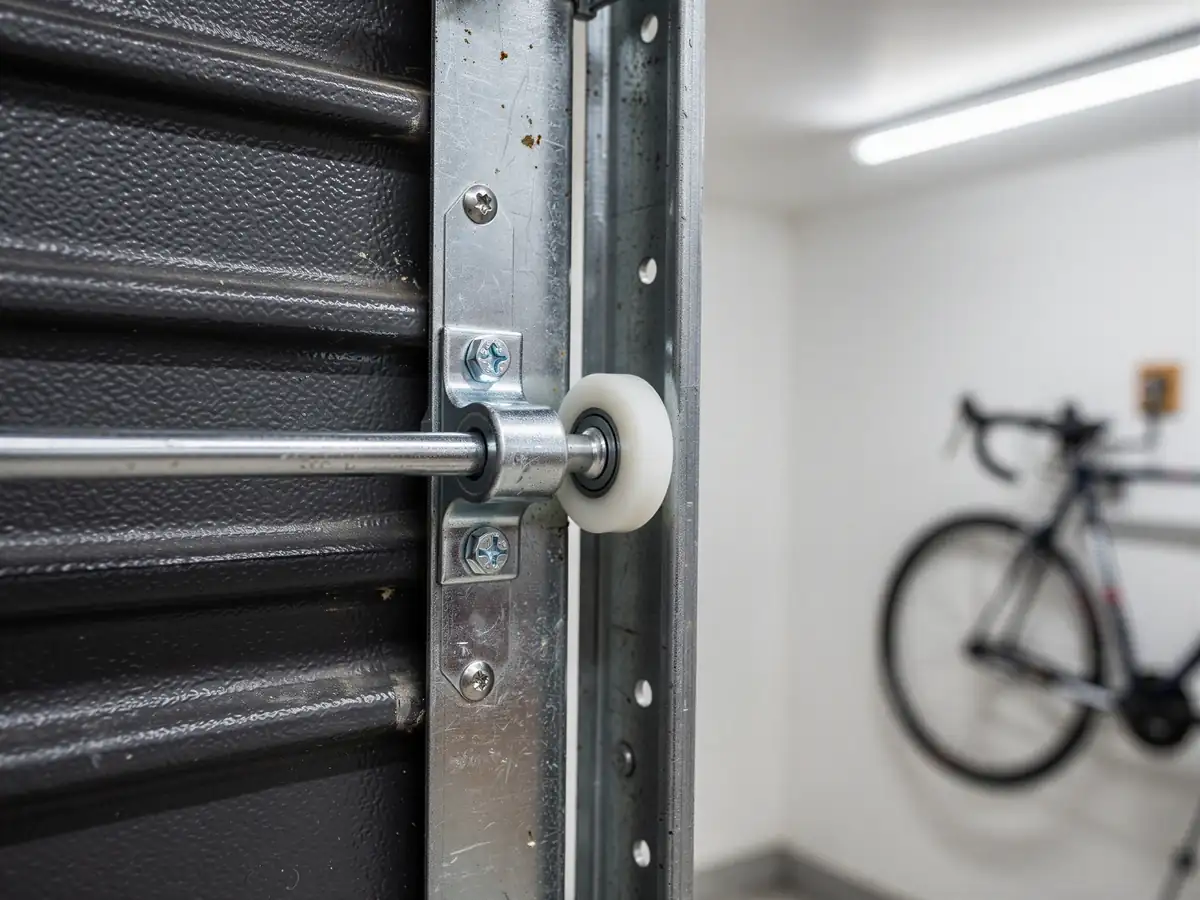
Winnetka is a small suburb by household count - about 4,268 of them - set inside a service area with 174,673 households and just under 100,000 owner-occupied homes. That small, dense, old core matters: with a median build year of 1938, a meaningful share of Winnetka garage doors are running on hardware that predates torsion-spring standardization in a lot of the newer construction we see elsewhere in the territory. Add the region's cold moderate climate, and steel components that have cycled through close to ninety winters of temperature swings are the ones most likely to fatigue at the cable or the spring coil rather than fail cleanly all at once. That's a different failure pattern than a 1985-built door twenty minutes away, where the hardware is a generation or two newer and the fatigue hasn't had as long to accumulate.