Why This Fails Locally
A big share of the houses in this area went up between the late 1930s and 2009
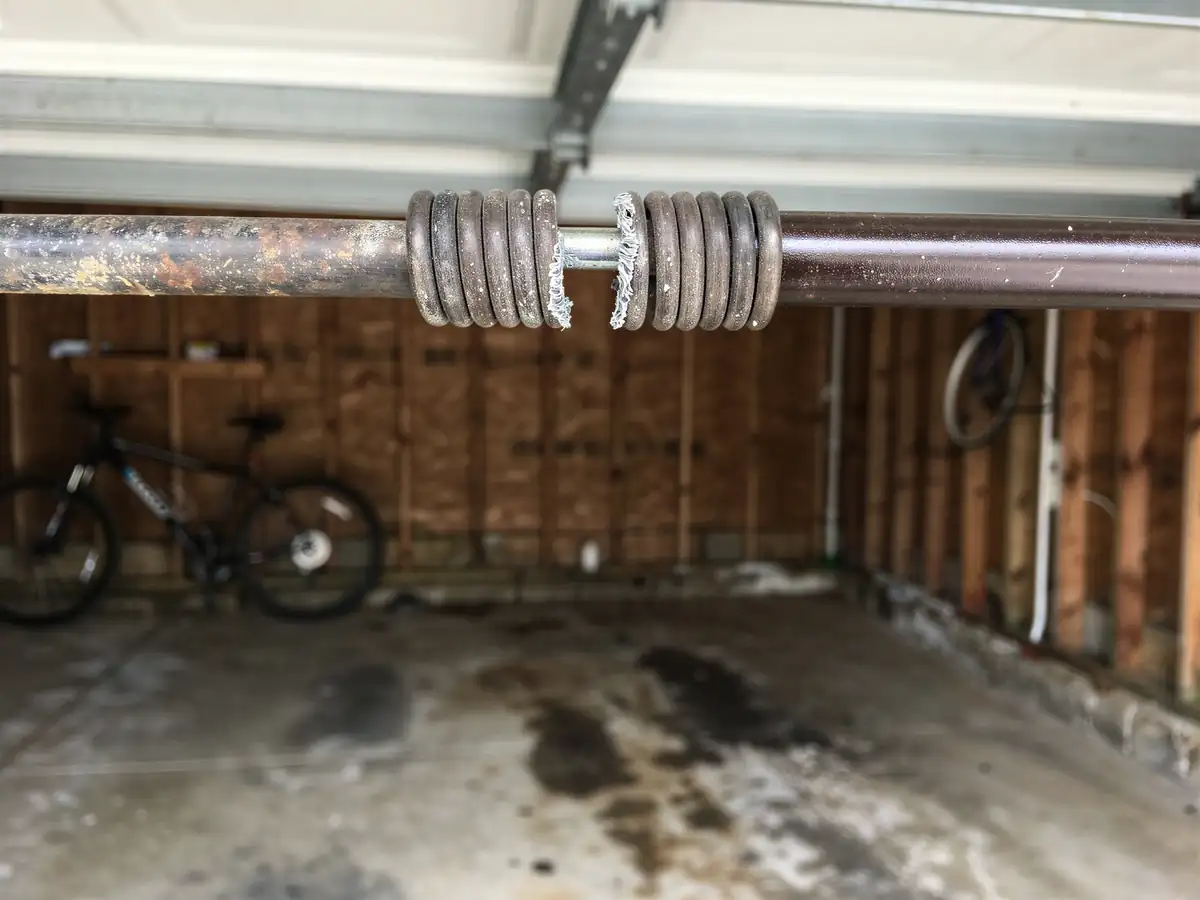
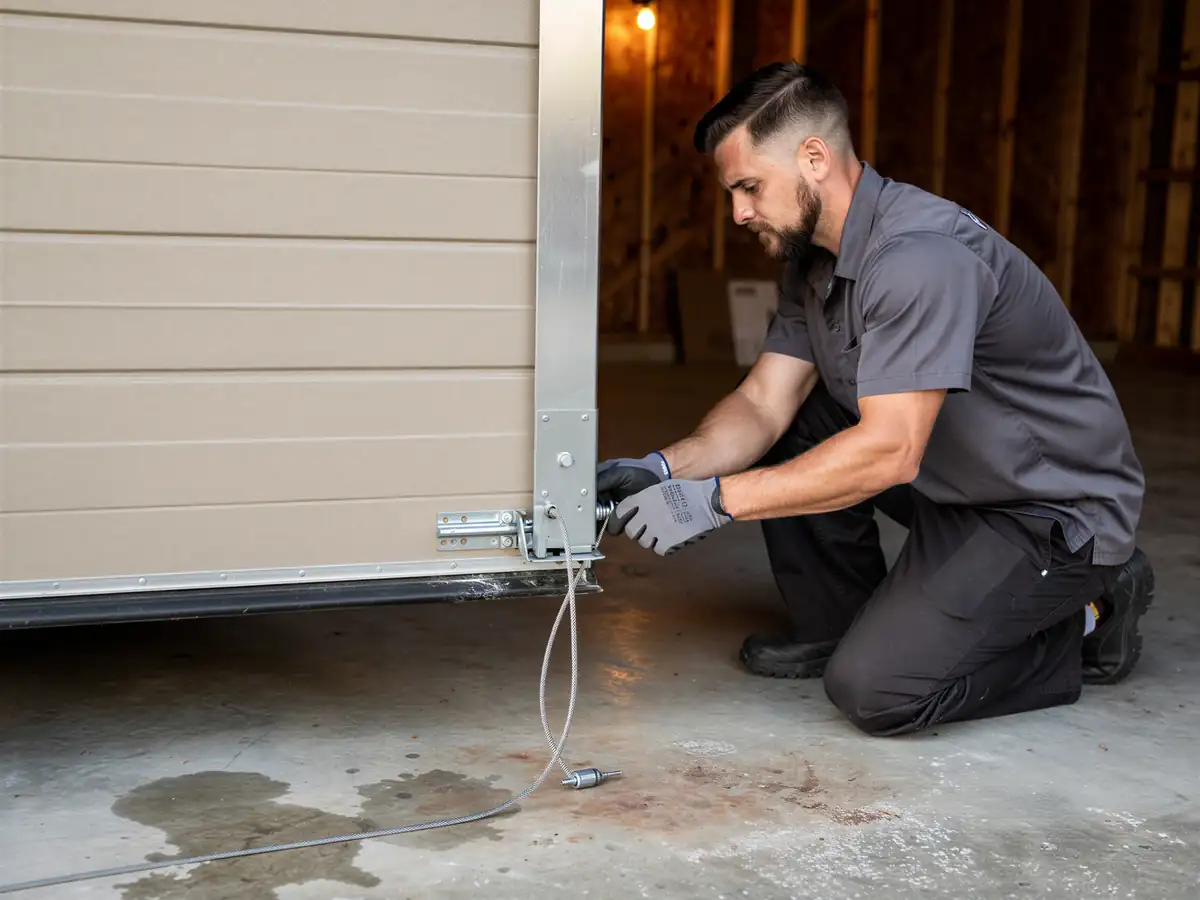
With most of that stock dating to the 1980s and 1990s. Doors installed in that window used lift cables rated for a certain number of open-close cycles, and thirty-plus years of daily use wears a cable down long before most owners notice. The cable doesn't usually snap clean - it frays one strand at a time near the bottom bracket or where it wraps the drum, and you see a jerky, uneven pull on one side of the door before it fails outright.
Cold is the other piece
This area sits in a moderate-cold climate band, so cables see repeated freeze-thaw cycles every winter. Moisture gets into the strands, freezes, and the metal fatigues faster than it would in a mild climate. A cable that's fine in October can be down to a few threads by February. Add a garage that isn't insulated - common in houses from this era - and the swings are worse, because the cable and drum contract and expand more than they would in a heated space.
We see this most on doors that are original to a 1980s or 1990s build and have never had the cables replaced
If your door is pulling to one side, or you hear a pop followed by the door dropping a few inches, that's the cable, not the spring, in most cases - though the two often fail close together.
Booking a Visit
Call and tell us what the door is doing - pulling to one side, stuck halfway, or down and won't move at all. A cable that's visibly frayed or already off the drum is a same-day priority, because a door on one working cable can come down unevenly and that's a real risk to anyone standing under it or a car parked inside.
We'll ask the age of the door if you know it, whether it's ever had cable work done, and whether the garage is heated. That tells us what gauge and length cable we're likely bringing, since houses in this area span a wide range of ages and door sizes. If you're not sure, that's fine - we confirm everything on site before we touch anything.
Don't try to force the door open or closed once a cable looks off. A door held up by one cable and a spring under tension can shift without warning. Leave it where it is, keep people and vehicles clear, and call.
Can You Do This Yourself
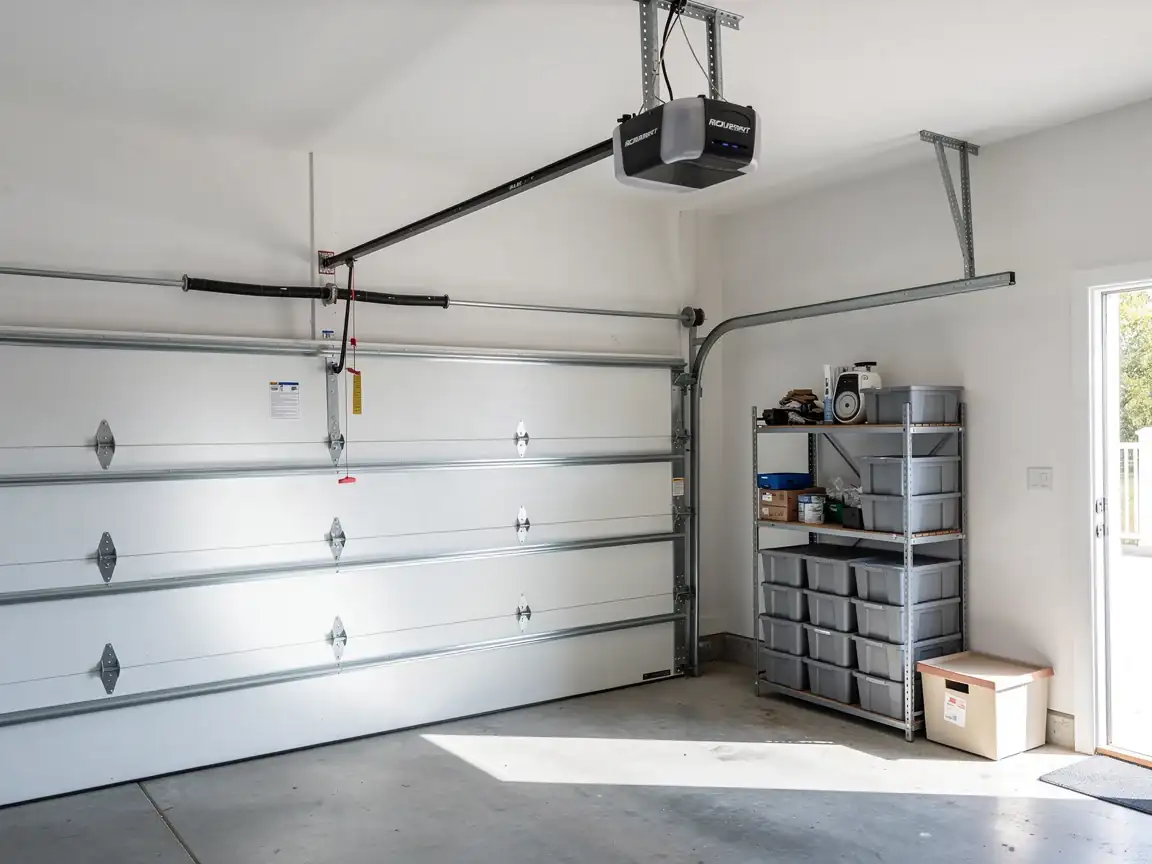
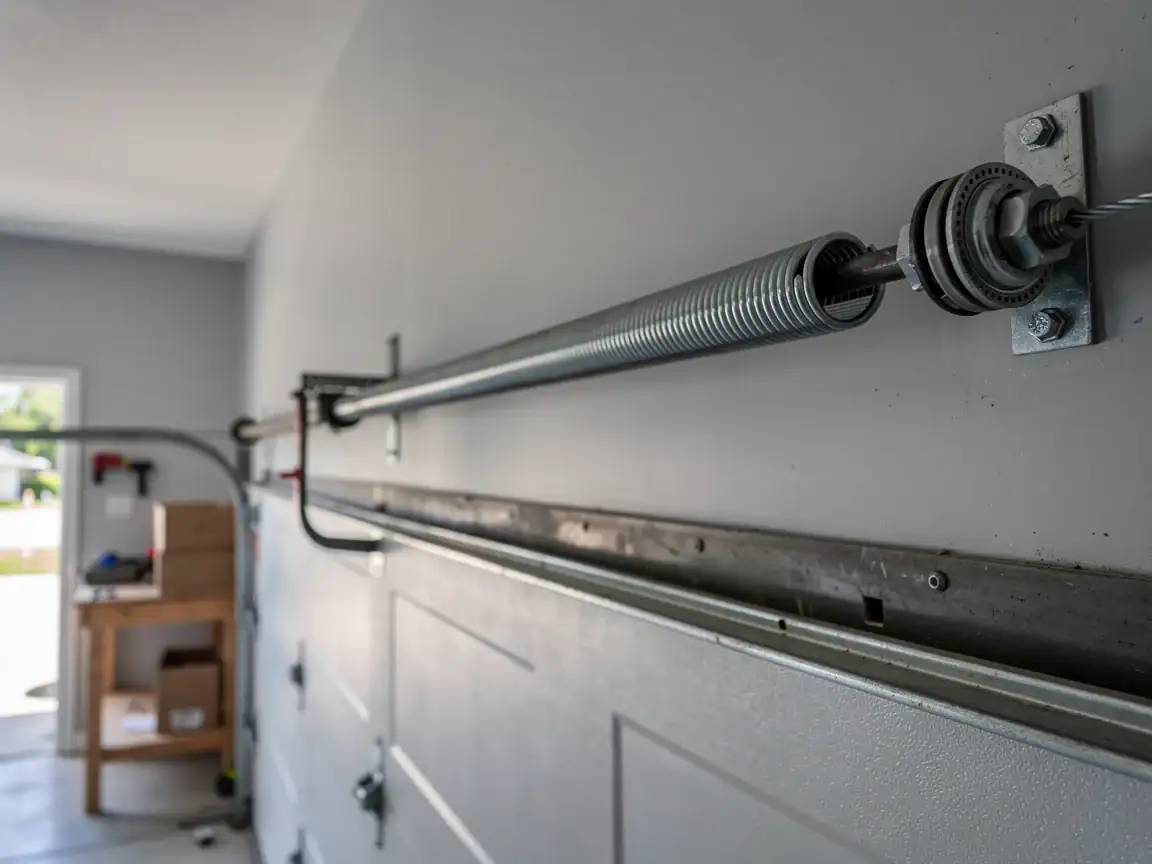
Cable replacement is not a job we'd tell most homeowners to take on. The cable connects to a spring system under heavy tension, and loosening the wrong bolt while a torsion spring is still wound is how people end up in the ER. Even on an extension-spring door, the cable and the pulley system can whip if you release it wrong.
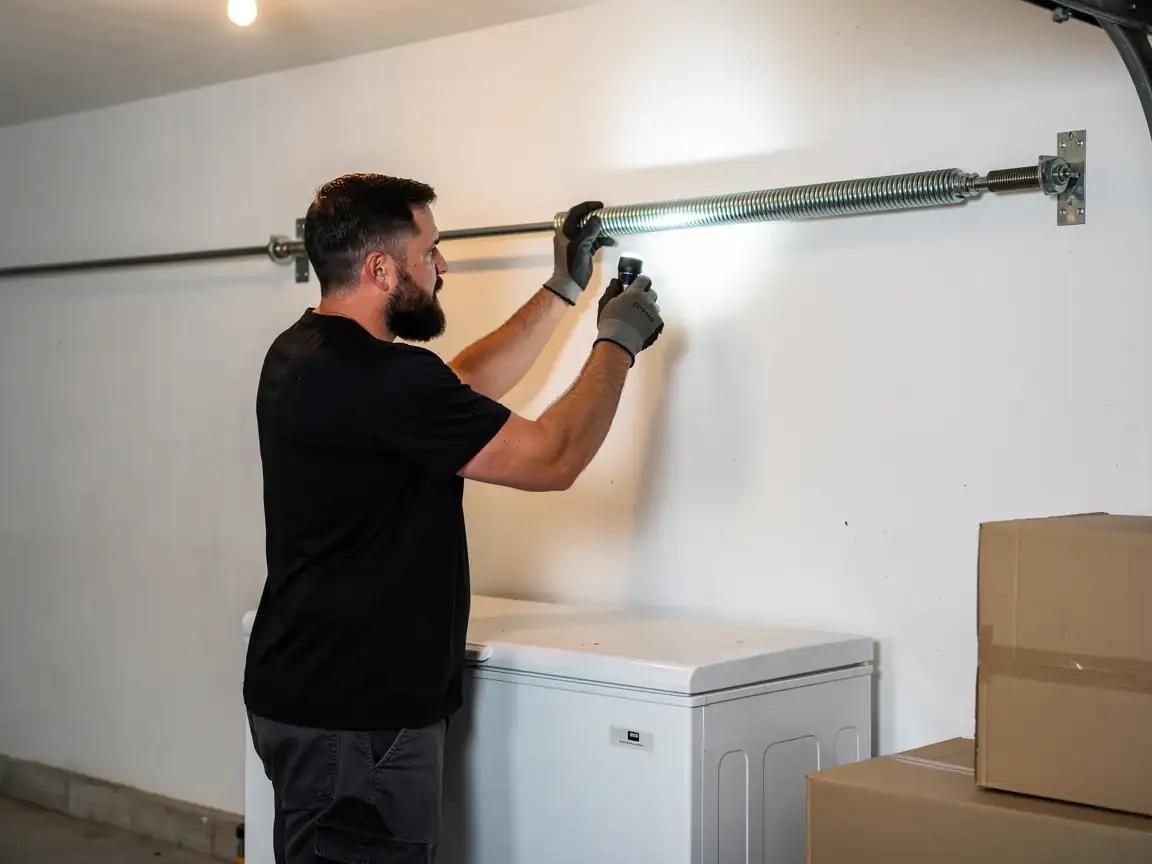
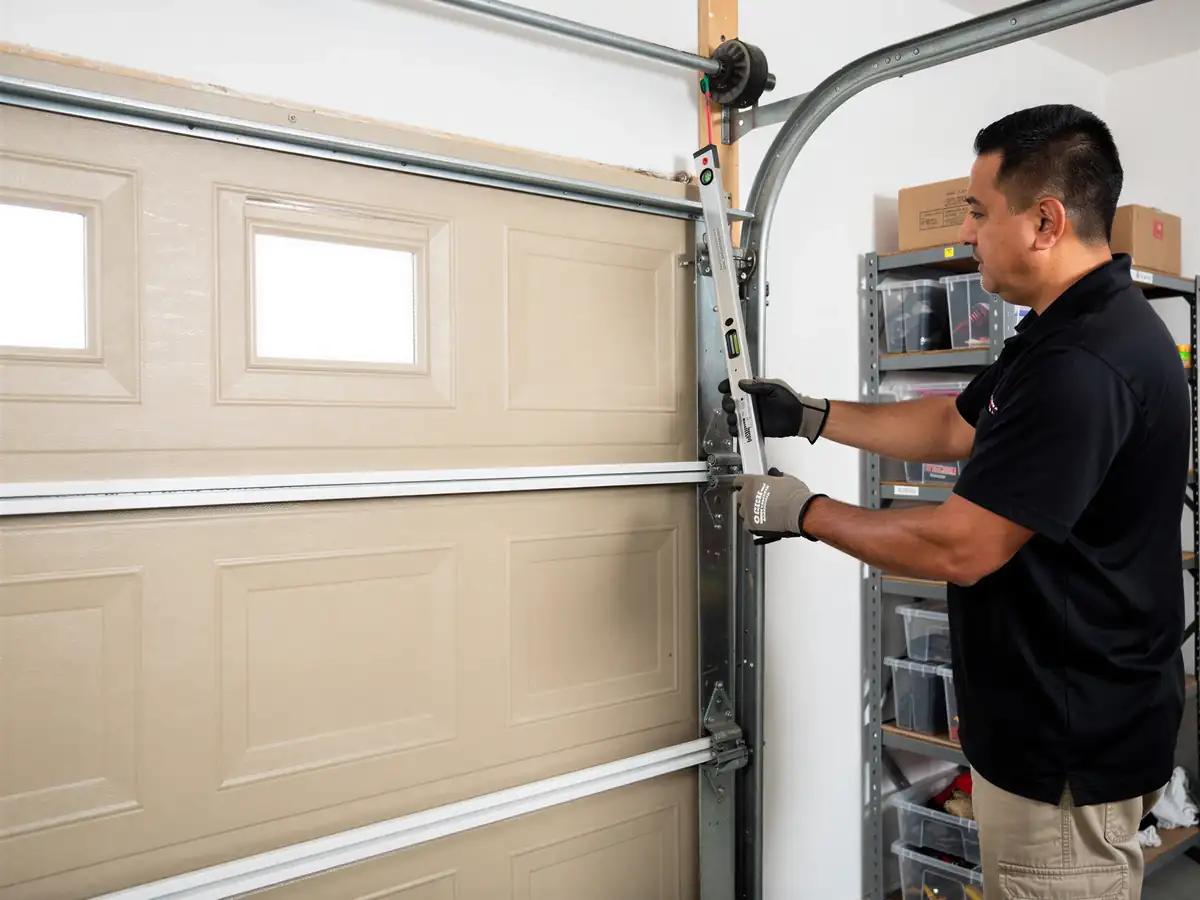
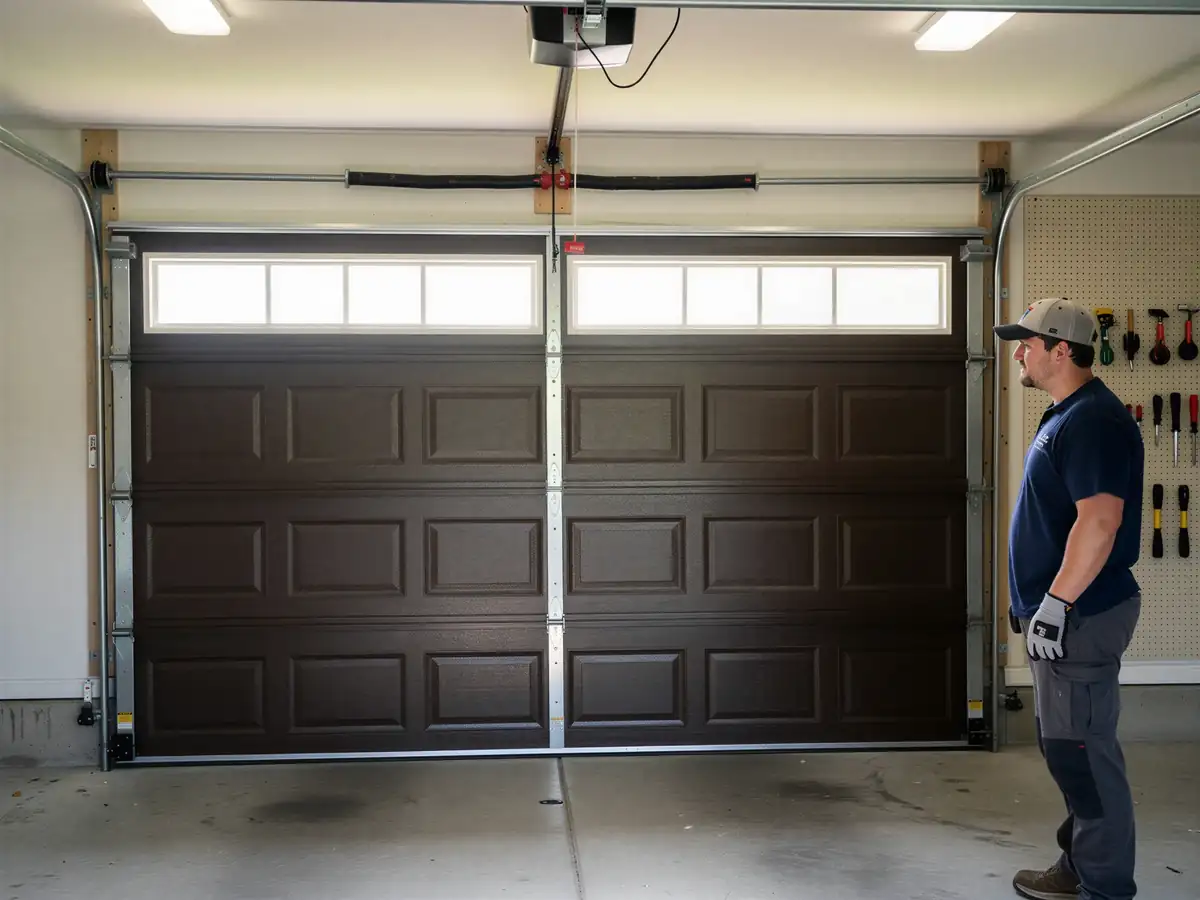
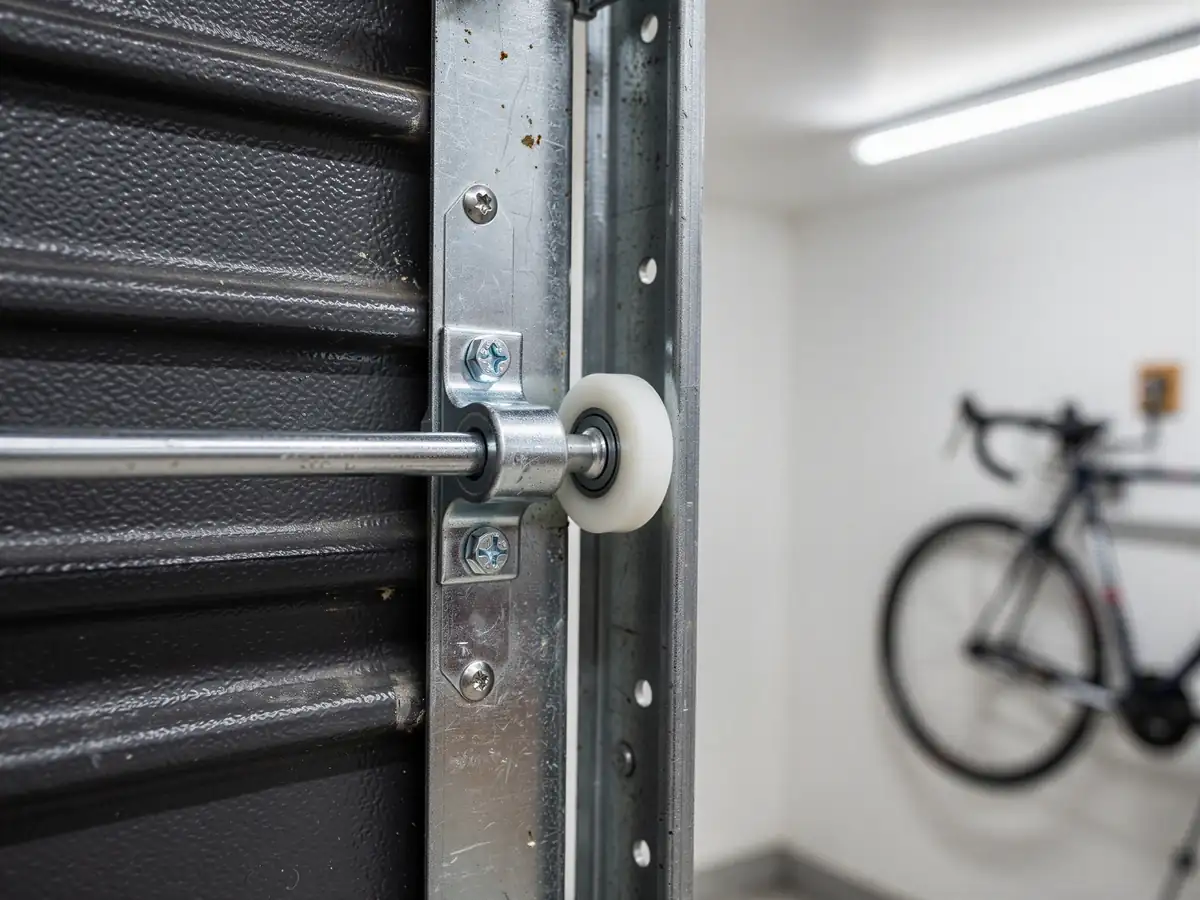
If you're comfortable with basic tools, the one thing worth doing yourself is a visual check: with the door closed and the opener unplugged, look at both cables along their full length for fraying, rust, or kinks, especially near the bottom brackets and where they wind onto the drums. If one side looks worn and the other doesn't, that's useful information to give us on the phone, and it can speed up the visit.
Past that, leave it alone. Replacing a cable means dealing with spring tension safely, and the cost of a repair truck visit is a lot cheaper than a trip to urgent care.
How It Shows Up
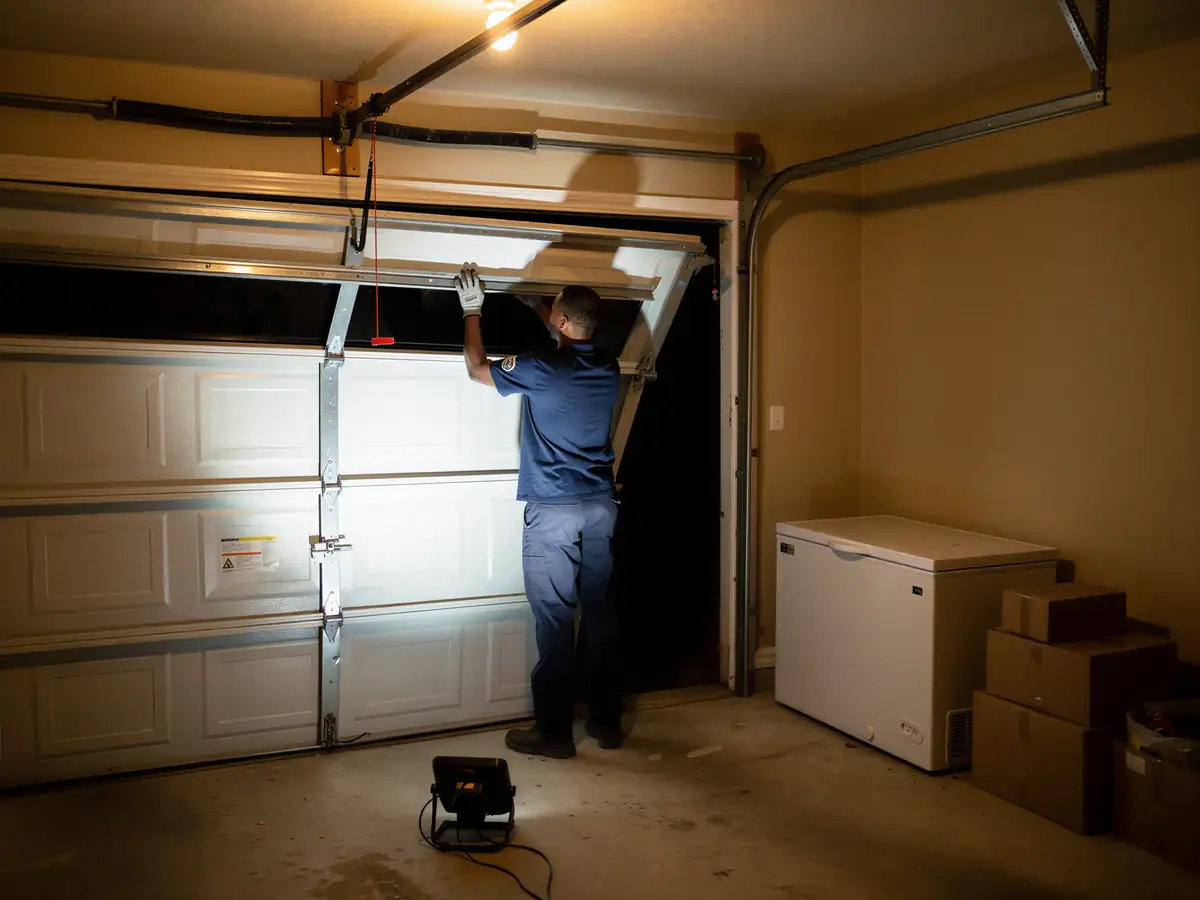
The clearest sign is a door that tilts or drags to one side as it moves
Instead of traveling flat. You might also hear a sharp pop followed by the door sagging an inch or two on one corner - that's usually a cable letting go at the drum or the bottom bracket. Sometimes it's quieter: the opener strains, clicks, or reverses partway through the cycle because the door is binding against an uneven cable.
A fully snapped cable on one side will often leave the door stuck wherever it was when the cable gave out
Sometimes partly open and impossible to budge by hand or opener. If that happens, don't keep hitting the button - repeated tries can bend the track or strain the opener motor trying to move a door that's no longer balanced.
Worn cables rarely fail without warning if you're watching for it
A slight shimmy in the door track, a fraying strand you can see from the garage floor, or one side of the door hanging a touch lower than the other are all early tells, months before the cable actually breaks.