Why This Fails Locally
Most of the housing stock in this part of Illinois went up between 1938 and 2009
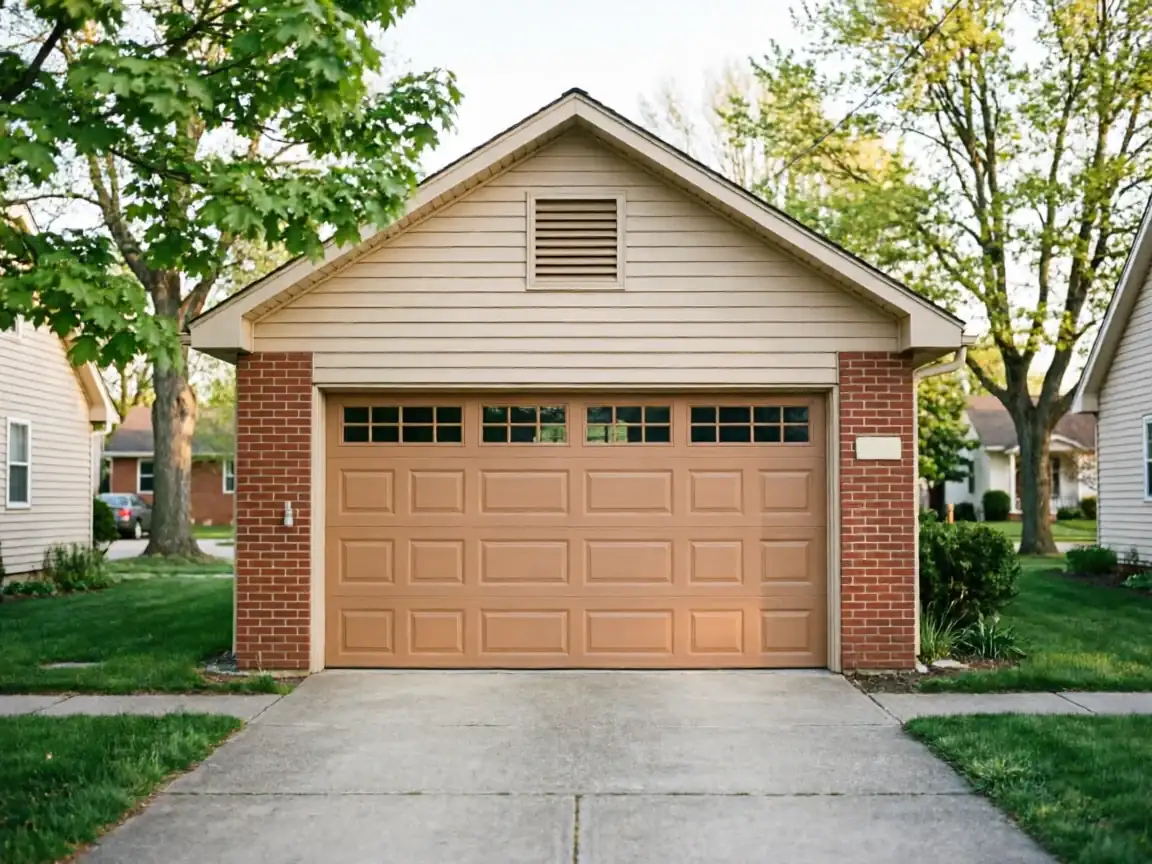
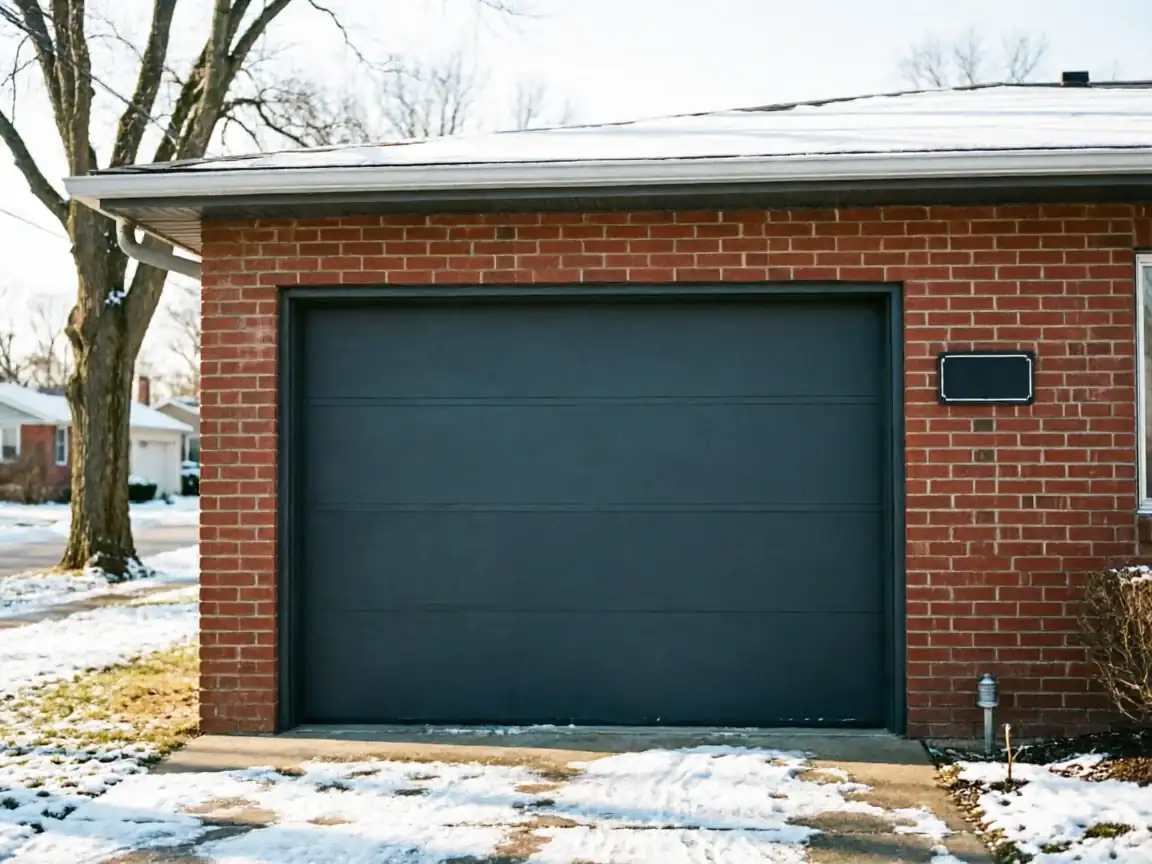
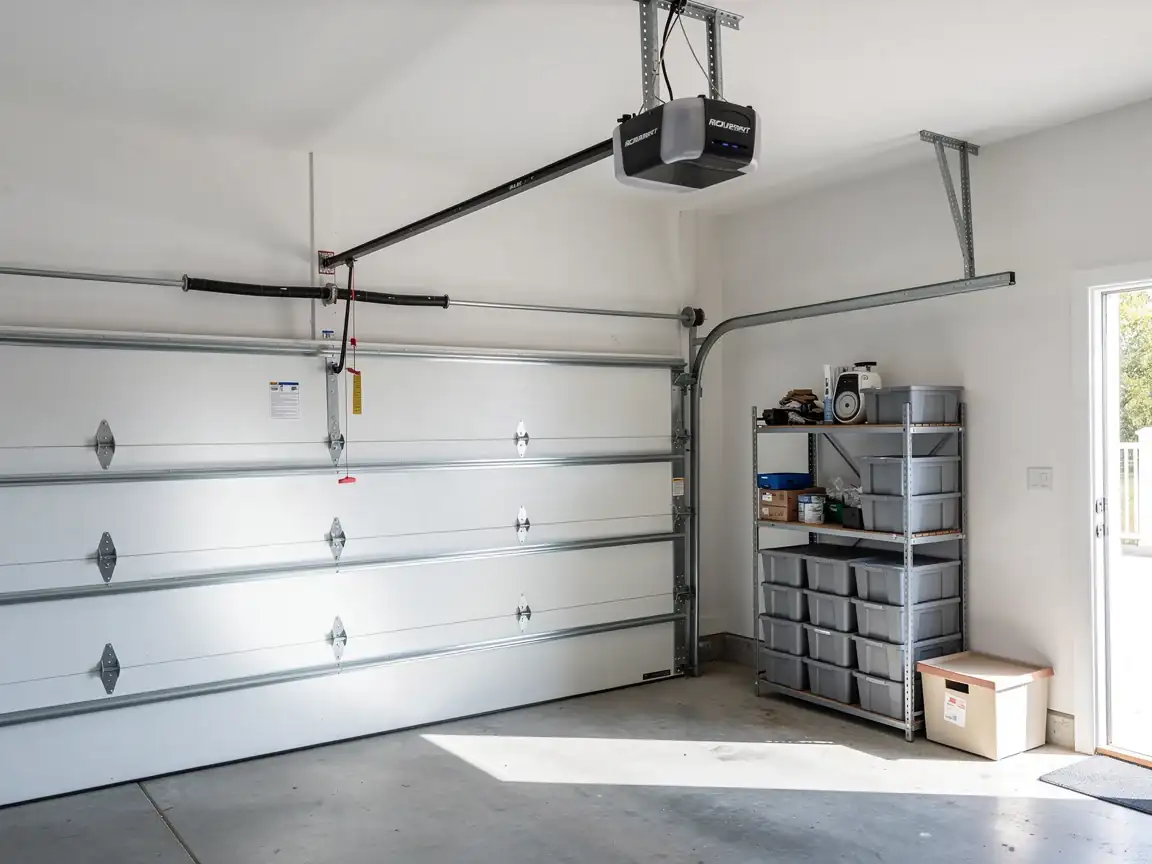
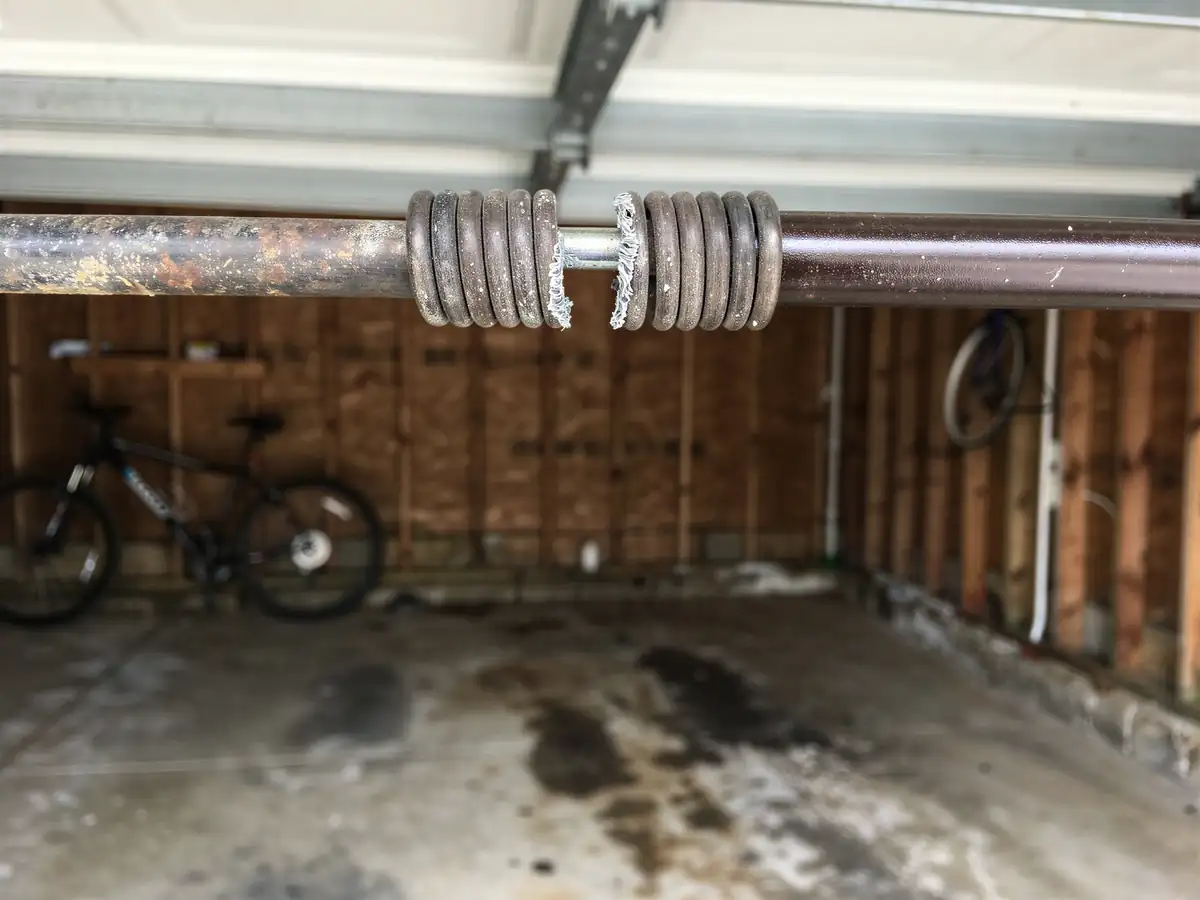
With the heaviest building in the 1980s and 90s. That matters because torsion springs are rated by cycle count, not by calendar year, and a spring installed during that boom is well past its working life by now. Add a cold-climate winter to the mix and the steel gets brittle right when the door gets used the most - heavy doors, cold mornings, a motor straining against stiff cables. Openers from that same era often used nylon gears that crack rather than wear down, so they fail without warning instead of slowing down first. None of this is a defect in any one house. It's what happens when a lot of garages built in the same twenty-year window hit the same age at roughly the same time, in a climate that doesn't go easy on them. If your door is original to a house from that stretch and it's never had the spring replaced, the cold snap that breaks it is only a matter of which cold snap, not if.
The honest part: we can't tell you over the phone whether it's the spring, the opener, or both
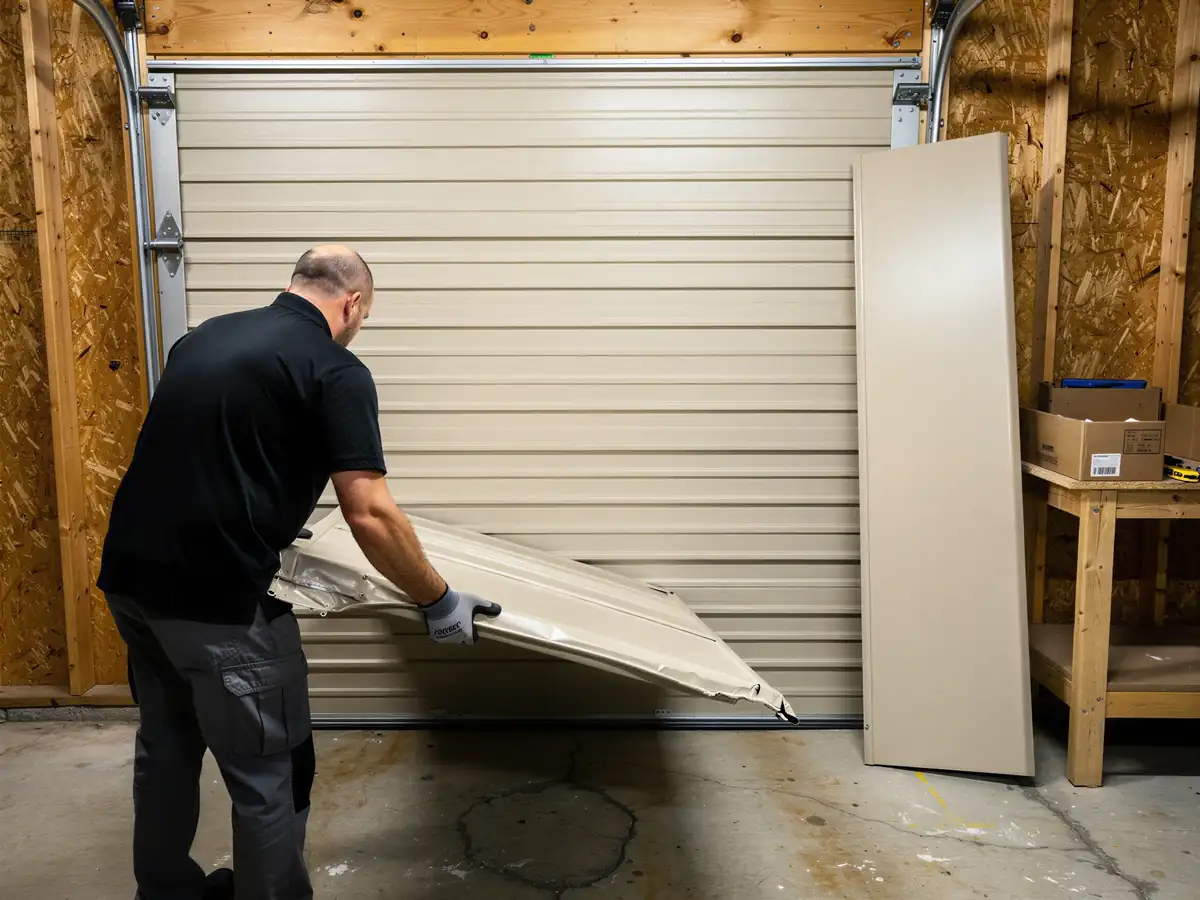
Some of that only shows up once we're standing in front of the door.
Booking a Visit
When a call comes in, we want to know what the door is doing - stuck open, stuck shut, moving but noisy, or not moving at all - because that tells us what's riding in the truck before we leave. This crew covers a service area built out from Lake Zurich: Deer Park, Kildeer, and North Barrington all sit about two miles out, Hawthorn Woods about three, and Long Grove and Lake Barrington around four miles each. Wauconda, Fox River Grove, Port Barrington, and Inverness fall within six miles of Lake Zurich, and South Barrington runs about eight. Grayslake sits roughly ten miles out, on the far edge of the area this crew covers.
One limitation worth saying plainly: some opener models and specialty spring sizes aren't sitting on the truck and have to be ordered, which can push a full repair out a few days even after the first visit gets the door safe and operable. We'd rather tell you that up front than have you wait around guessing.
For more about the company, see the home page.
Can You Do This Yourself
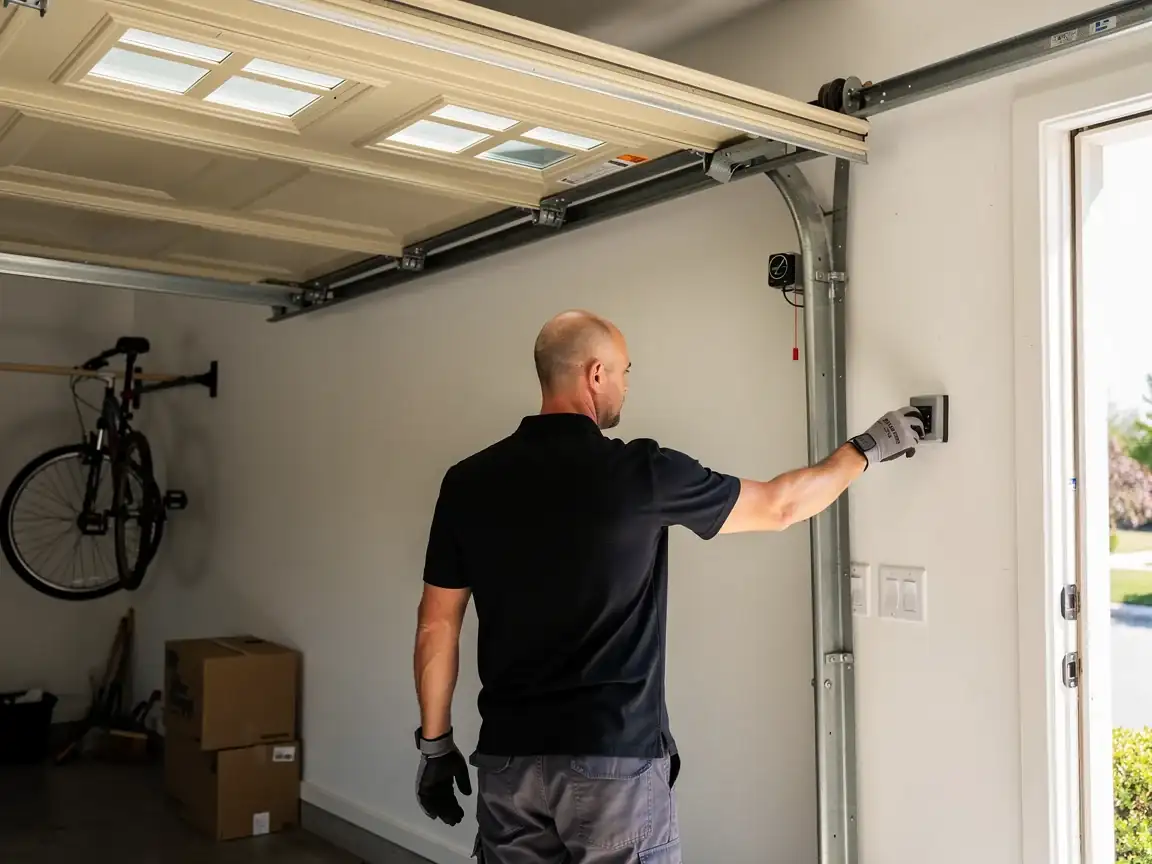
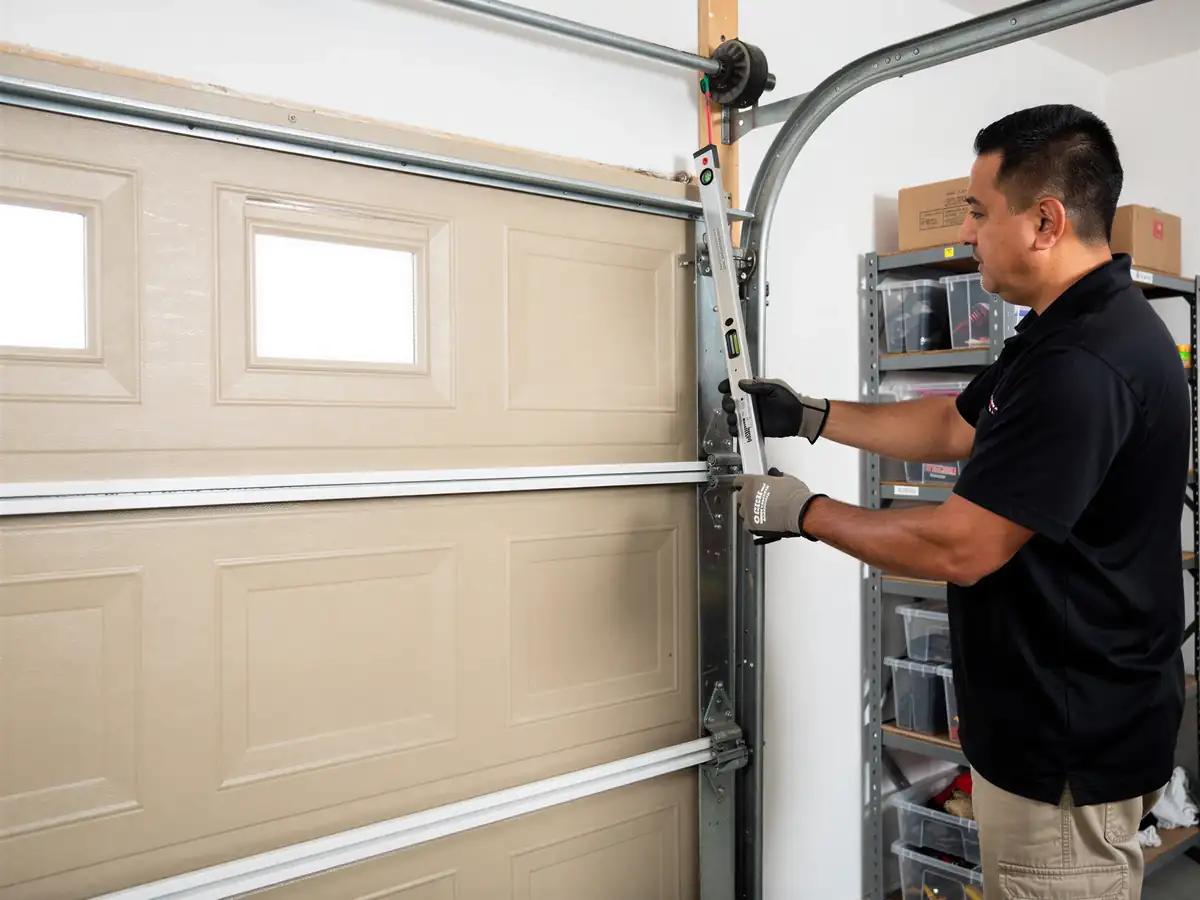
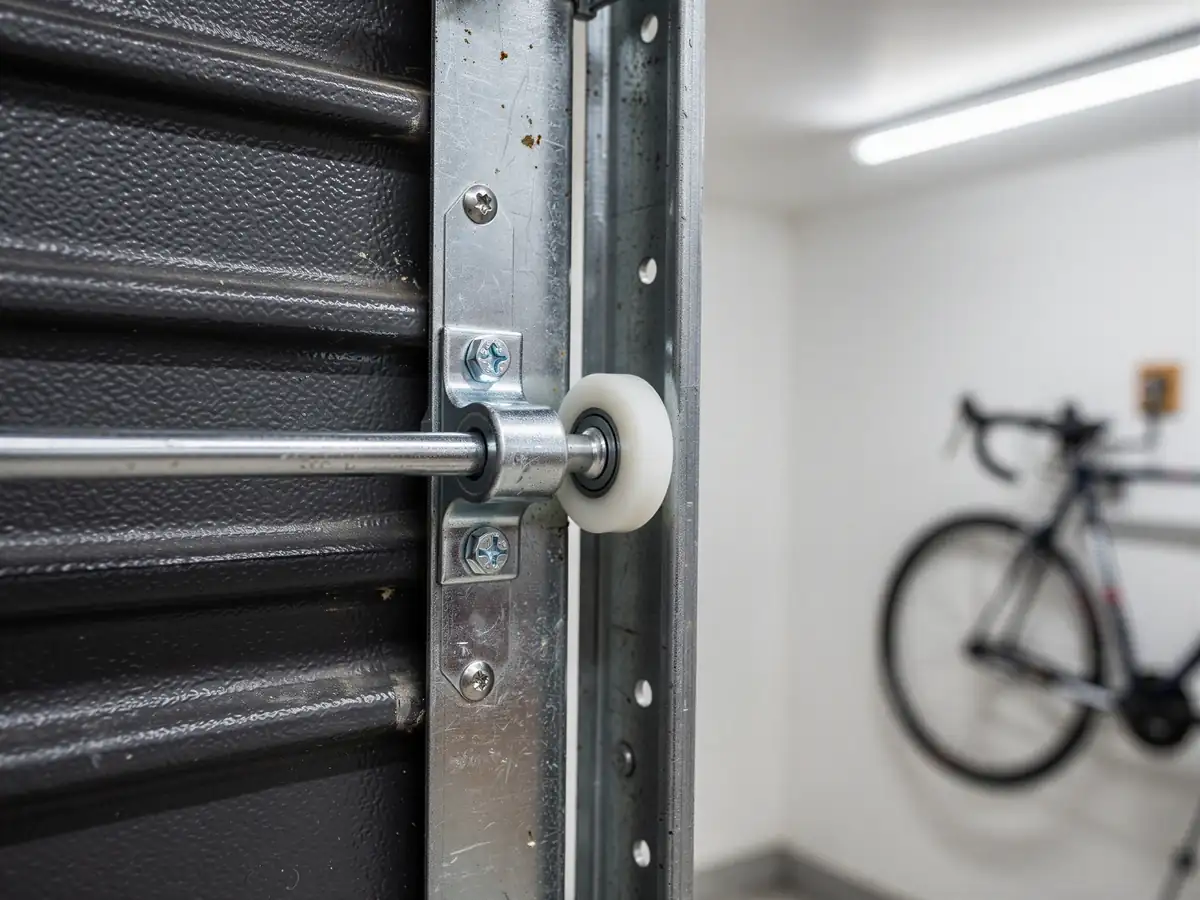
Some of this is fine to check yourself. Look at the track for a bent section, listen for a grinding opener motor, check whether the remote and the wall button both fail or just one - that tells you if it's the opener's logic board or something mechanical. Tighten loose hinge bolts if you can reach them safely with the door down and the opener unplugged.
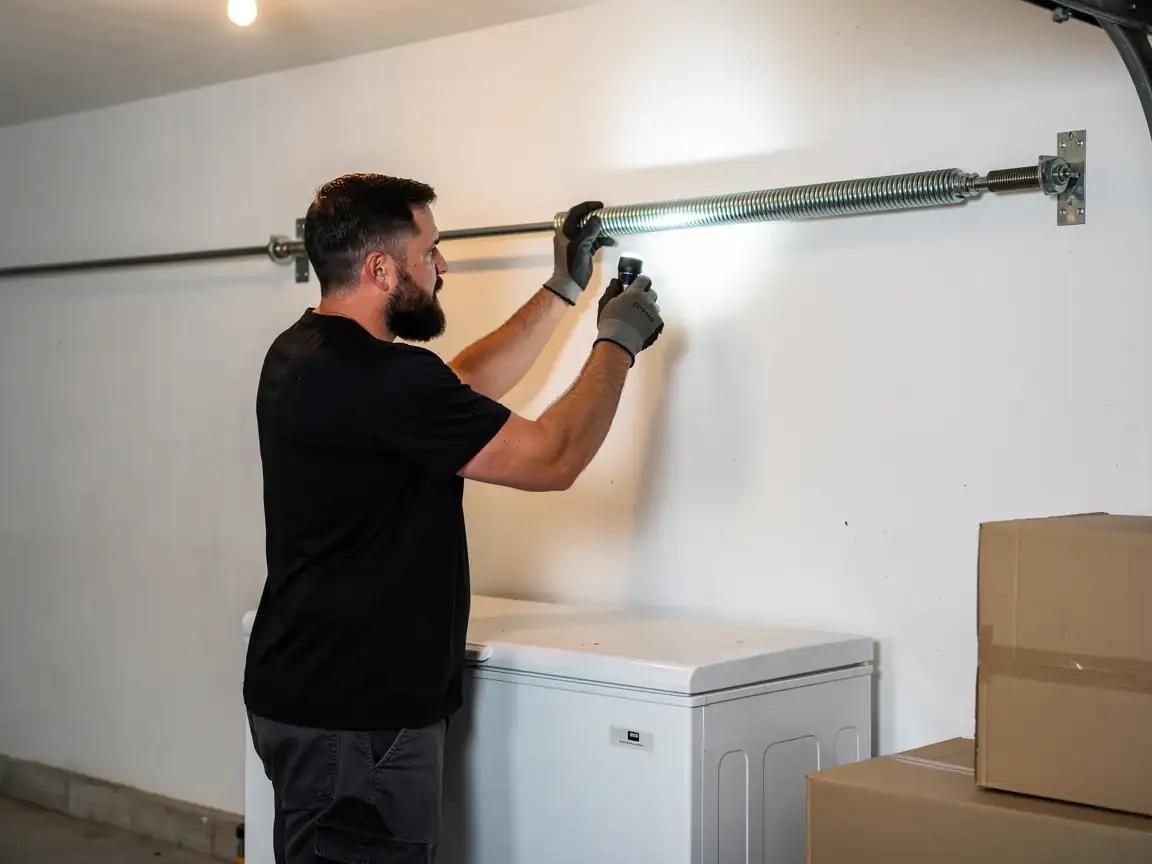
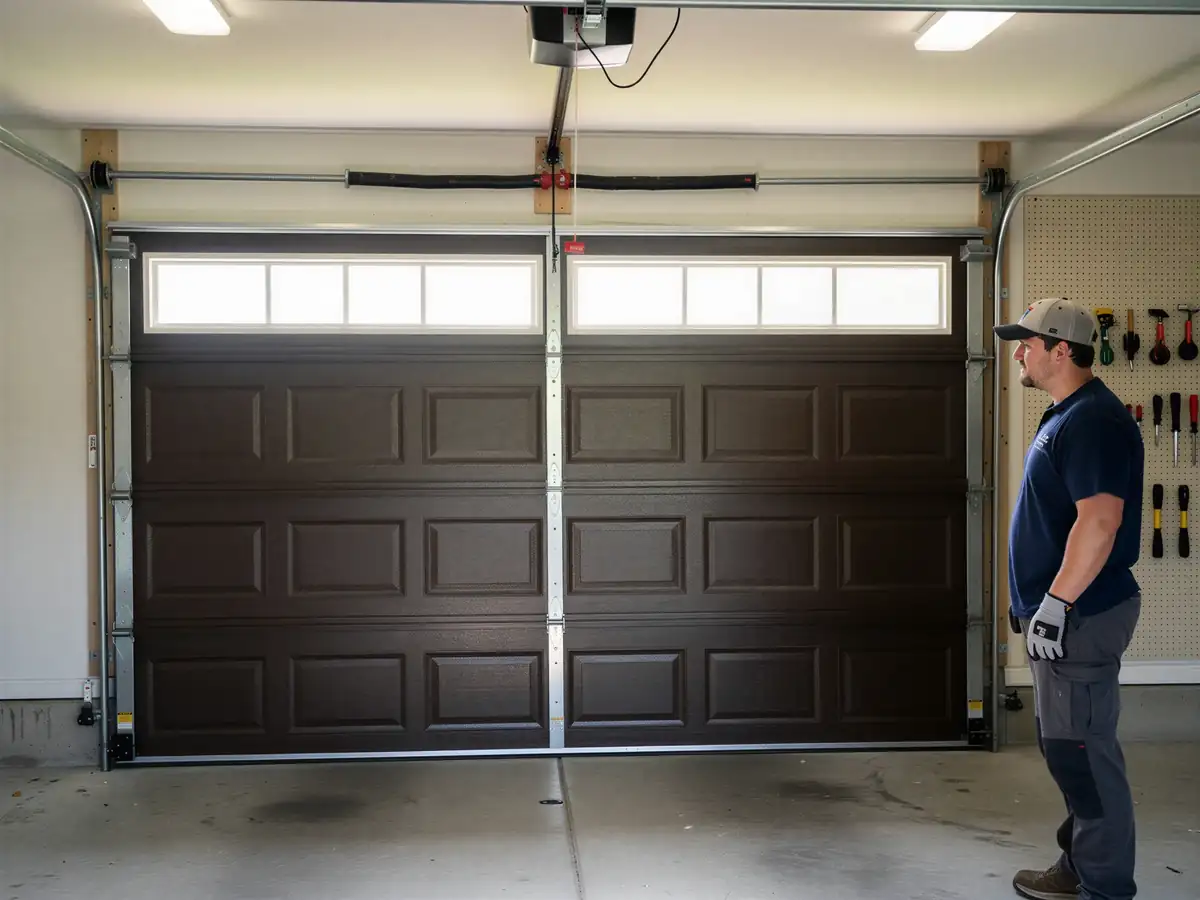
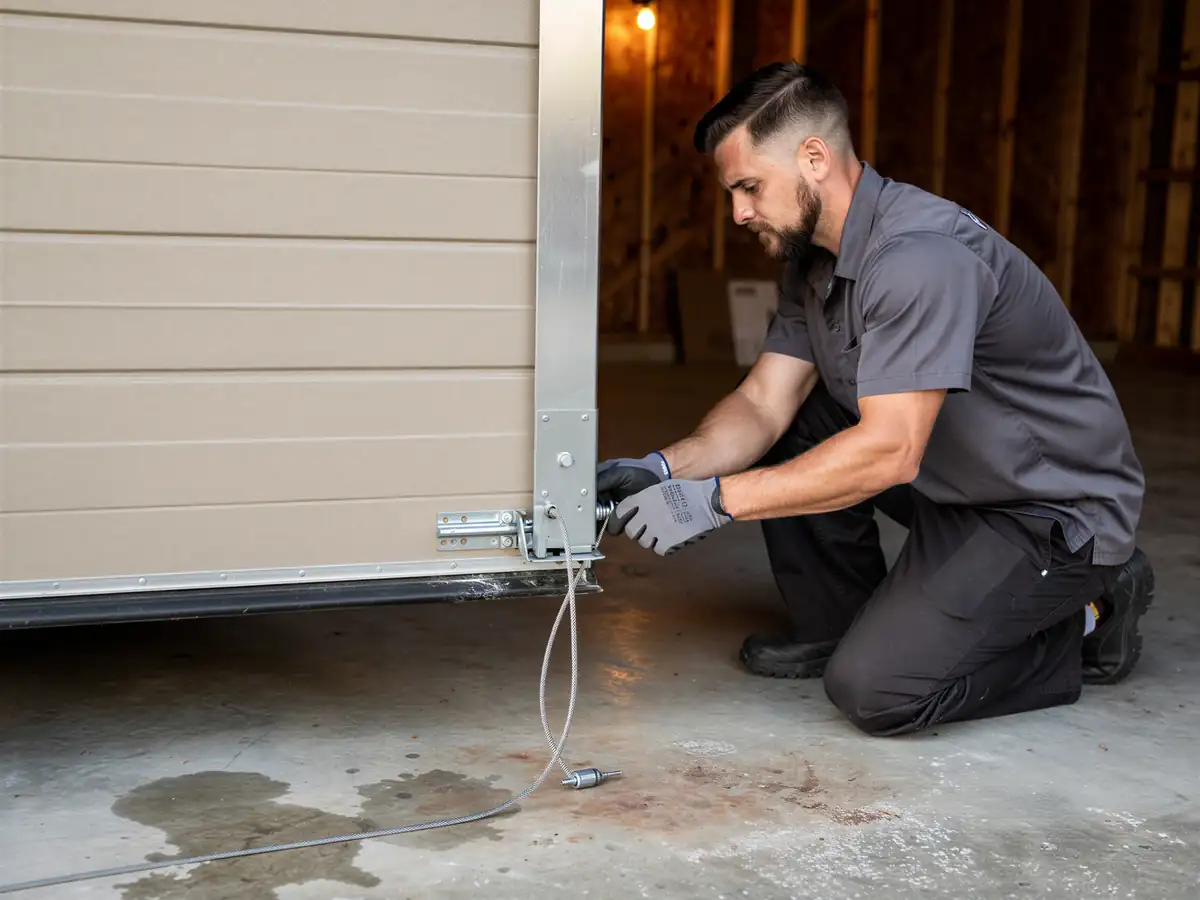
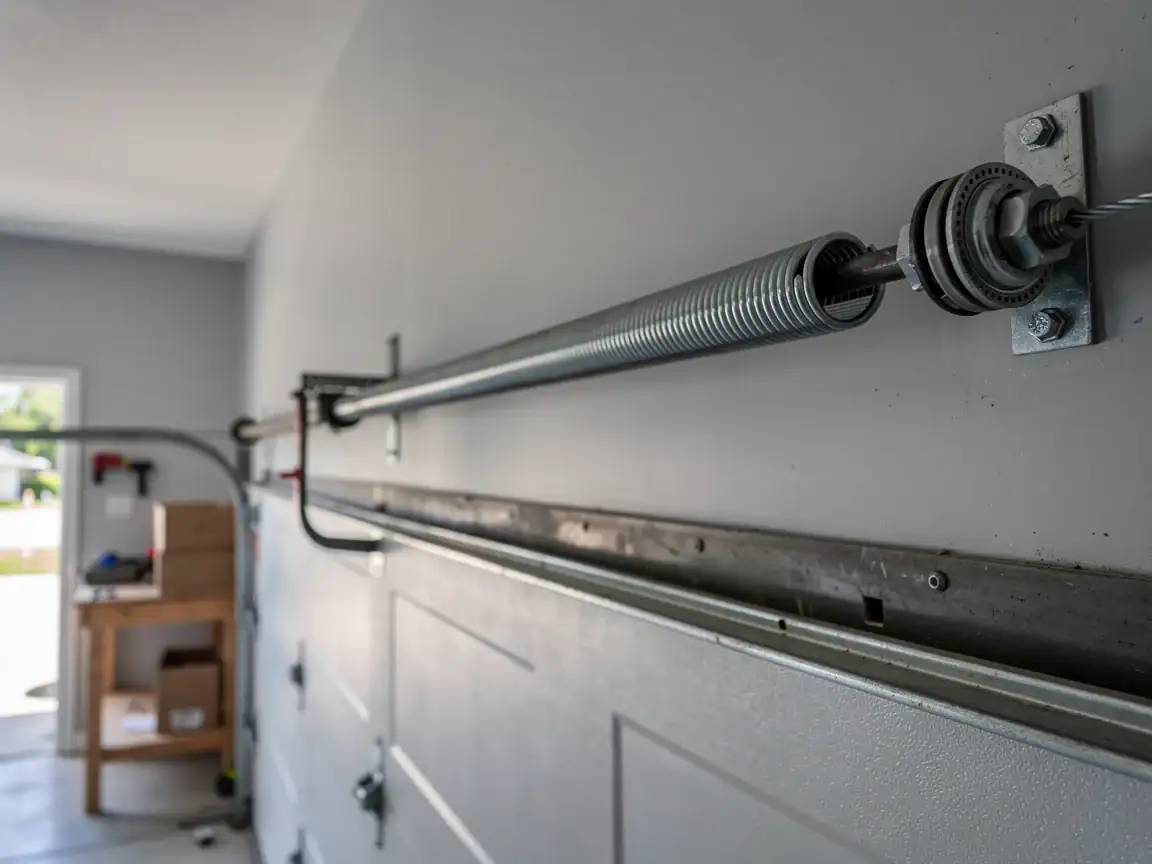
What you should not touch is the torsion spring itself. It's wound under enough tension to break bones if it lets go while you're working on it, and there's no safe way to eyeball a bad weld or an undersized spring and swap it yourself without the right bars and clamps. Same goes for the cables under the drums - they carry the door's full weight when the spring is out of commission, and a frayed one can snap without warning.
If the door won't budge and the opener just hums or clicks, stop pulling the emergency release cord and trying to force it. That usually means a broken spring is holding the full weight of the door, and forcing it can let the door come down fast.
How It Shows Up
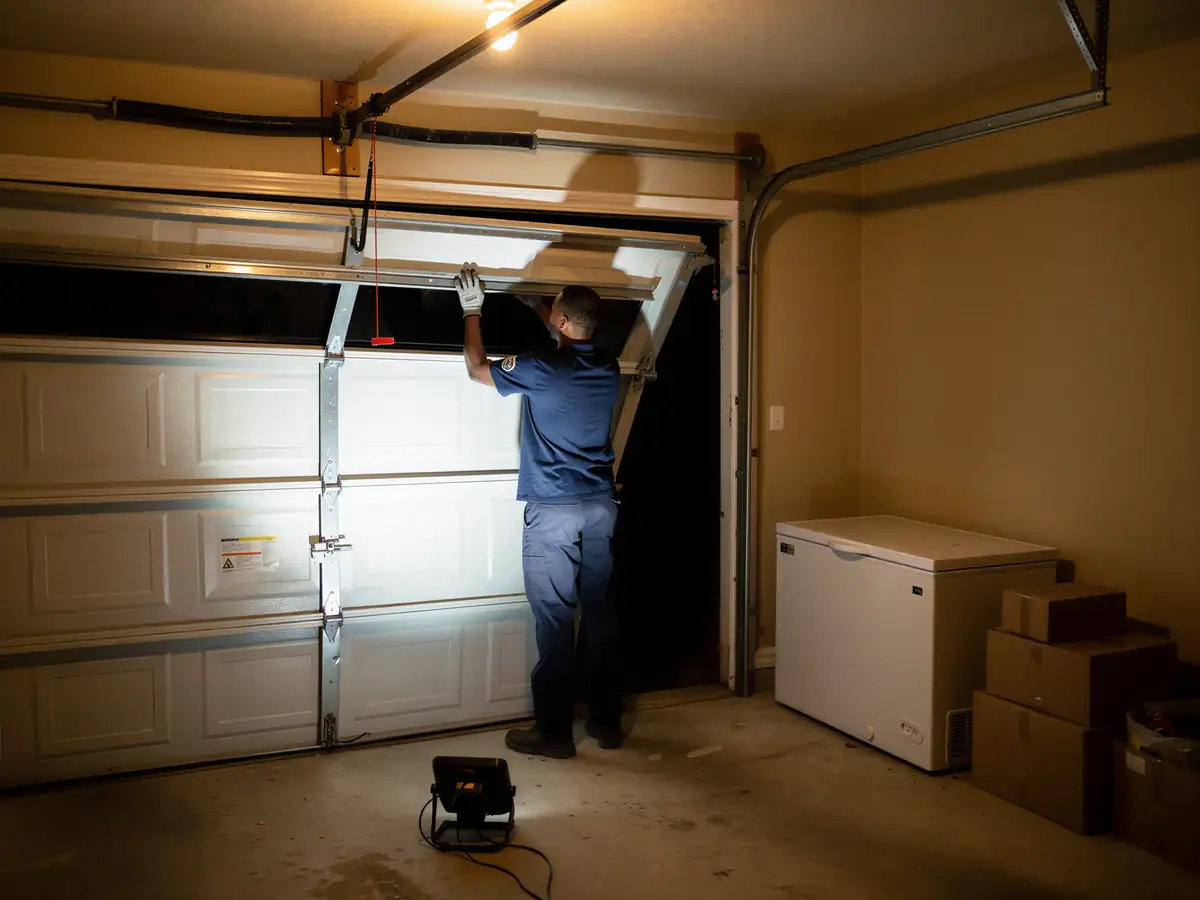
The most common call is a loud bang from the garage
Usually first thing in the morning, followed by a door that won't lift at all - that's a torsion spring letting go, and it happens more in cold weather because steel contracts and gets more brittle right when the door's heaviest from the cold. Second most common: the opener motor runs, the light comes on, but the door doesn't move, which usually means a stripped gear or a disconnected trolley rather than the spring.
A door that creeps open crooked
With one side higher than the other, points to a cable off the drum on one side rather than the opener. And a door that reverses itself halfway down, every time, is almost always the safety sensors - either knocked out of alignment or blocked, not a spring problem at all.
This crew's service area runs from Island Lake and Cary
Each about eight miles from Lake Zurich, out past Lincolnshire and Libertyville at nine miles, to Grayslake at ten. It also stretches east to Riverwoods, Round Lake Park, and Prospect Heights, all around ten miles from Lake Zurich, and north to Lakemoor and Green Oaks, about twelve miles out.