How Long It Takes
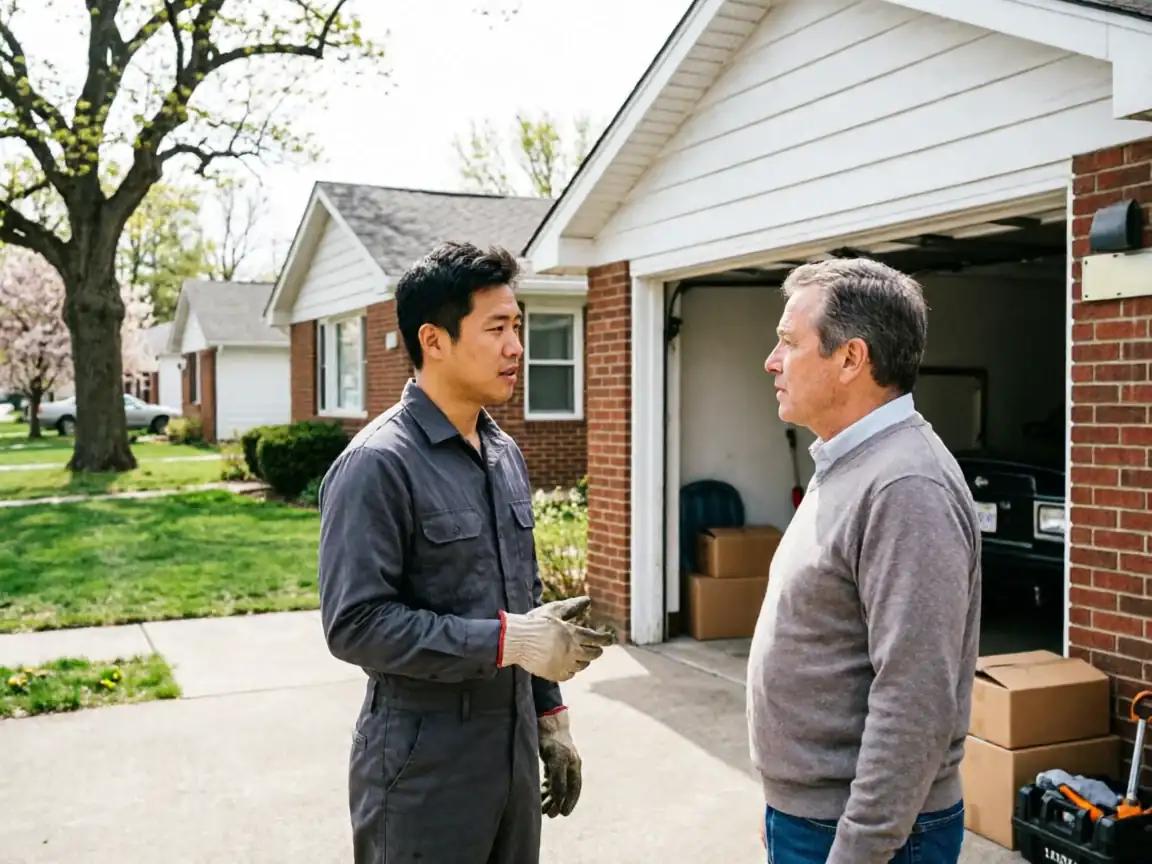
We're not going to promise a same-day slot for Winnetka. The truck comes from Lake Zurich, nineteen miles out, and that drive is part of scheduling a visit here the way it isn't for towns closer to the shop. Once a tech is on site, a straightforward cable swap on one side of a residential door is a contained job. It gets longer when the drum has to come off too, or when the opposite cable is close enough to failure that replacing just one doesn't make sense. Older doors, more common in a town with a 1938 median build year, sometimes have non-standard track spacing that slows down fitting a new cable to length. We'd rather take the extra time to set tension correctly than leave a door that slams the last six inches because the cable's not matched side to side.
Why This Fails Locally
Winnetka's housing stock skews old. The median home here was built in 1938, more than a generation ahead of the 1985 median across the rest of our service area, and a lot of these houses have been through at least one door replacement without a full hardware update. That leaves cables running over pulleys and drums that have seen decades of use, with wear nobody notices until a strand lets go. Cold winters in this part of Illinois stiffen galvanized cable and make a frayed strand more likely to pop where it crosses a dry pulley, usually on the first hard-use morning after a cold snap. On a door that's been lifted and lowered a few thousand times on the same cable, that's often the moment it finally goes. We also see more unbalanced springs on older setups, which puts uneven load on one cable and wears it faster than its twin.
What the Repair Takes
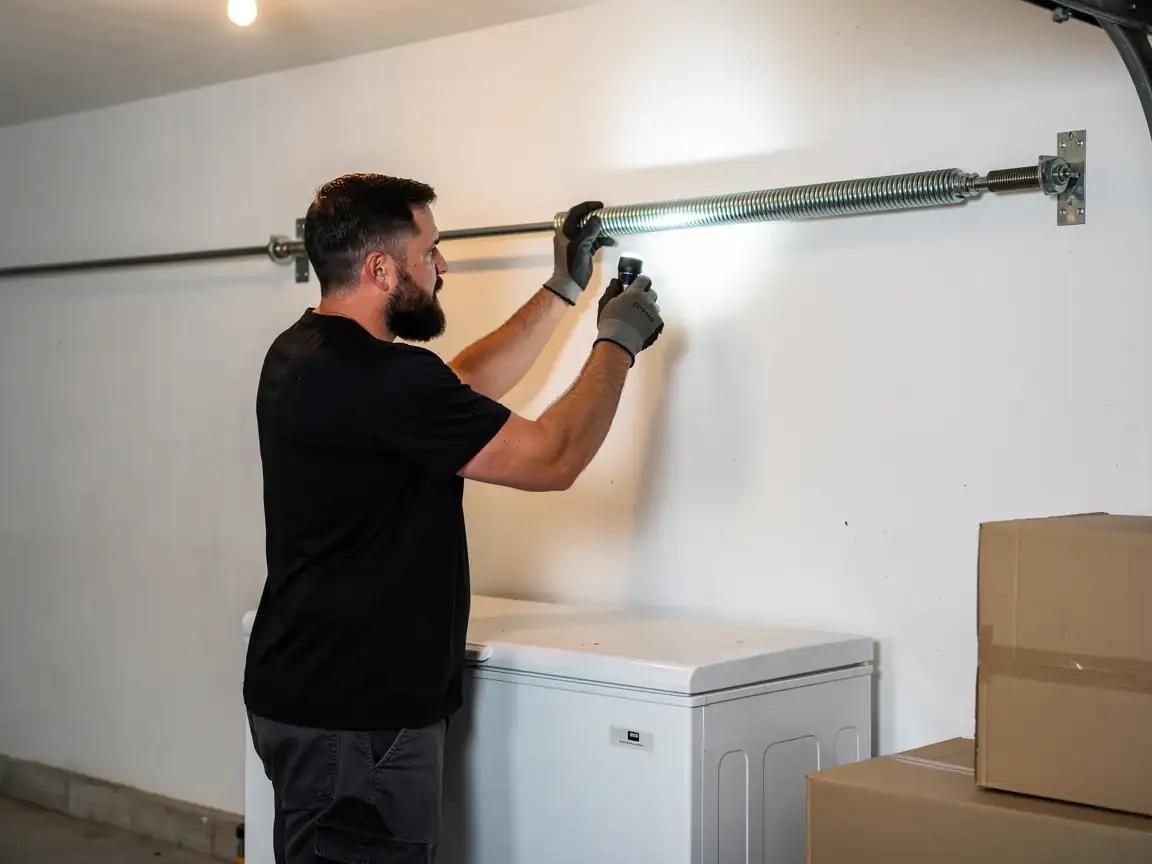
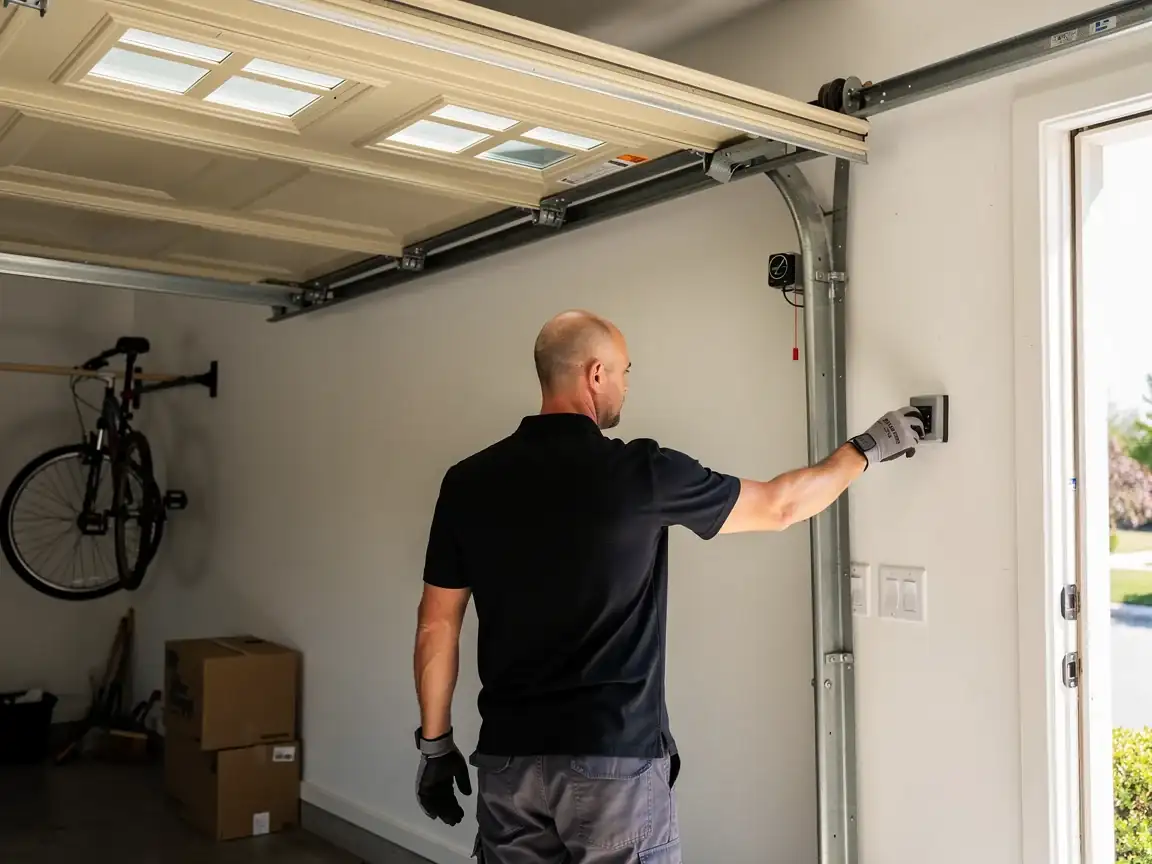
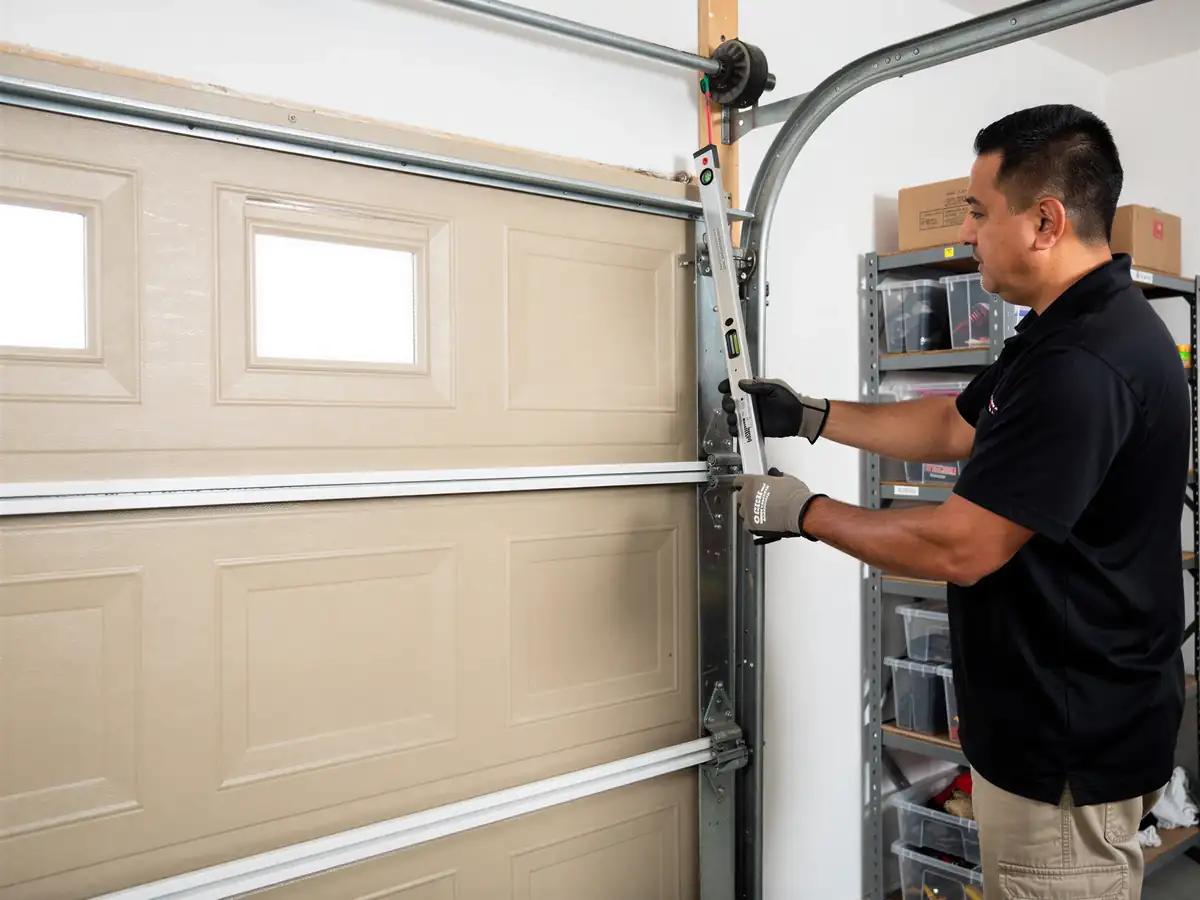
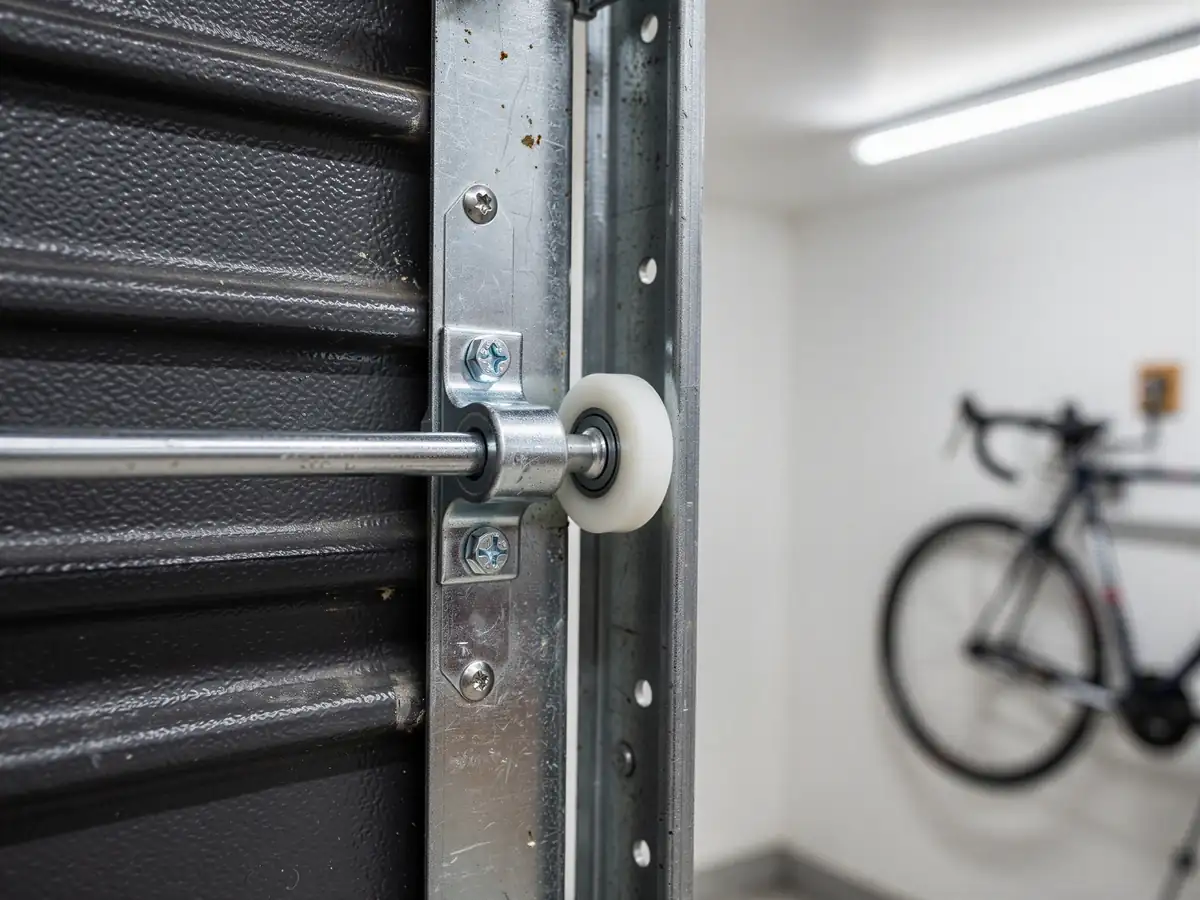
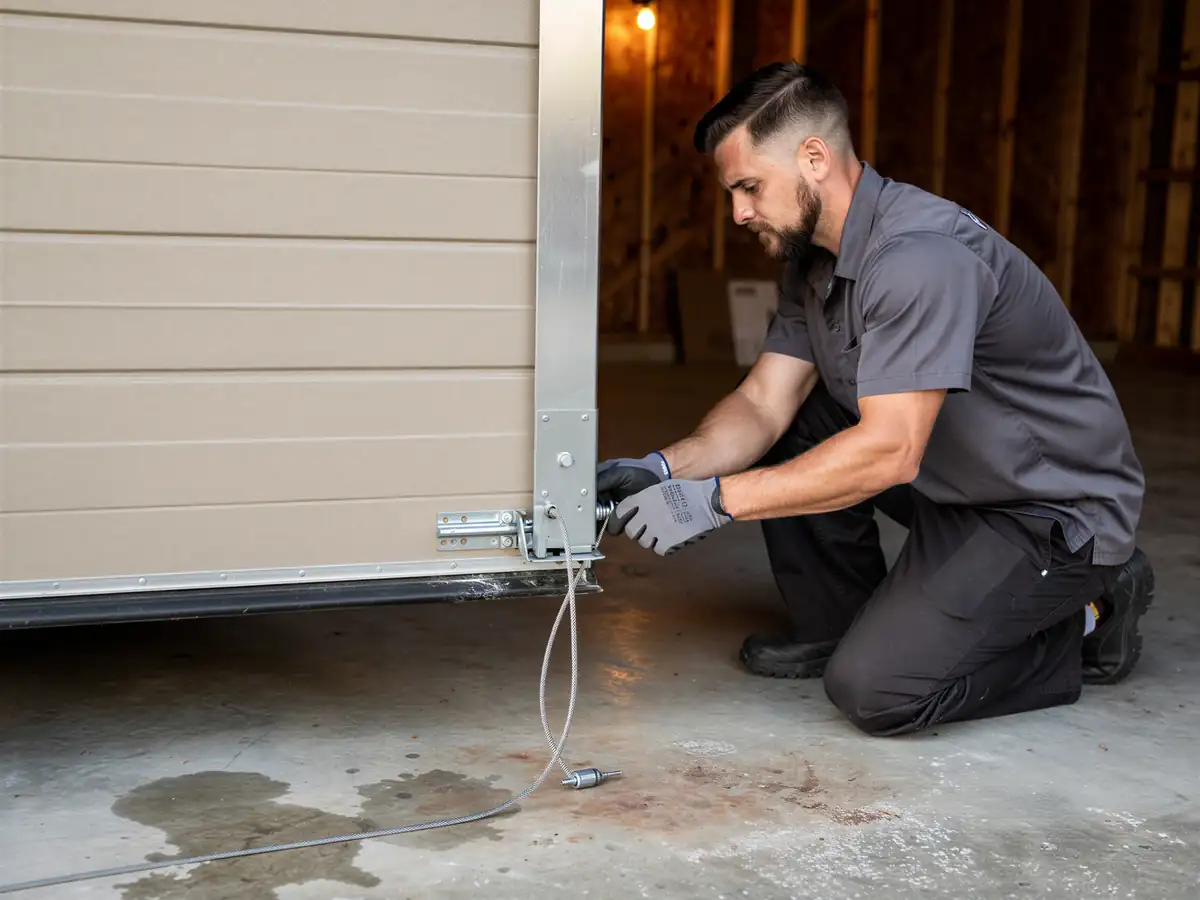
Cable work starts with releasing spring tension safely, which is most of the actual risk in the job. From there we pull the old cable, check the drum grooves for wear or burrs that would chew through a new one in a few months, and check the opposite side cable even if it looks fine, since matched age usually means matched wear. On a lot of Winnetka's older doors we're also checking bottom brackets and rollers while we're in there, because original hardware from a 1938-era house often doesn't match what we'd install new today. We set new cable to length, re-tension the spring, and run the door through a full open-close cycle a few times watching for drift or uneven lift before calling it done. If the drum or bracket is damaged, we'll say so plainly rather than rig a cable around a bad part.
How It Shows Up
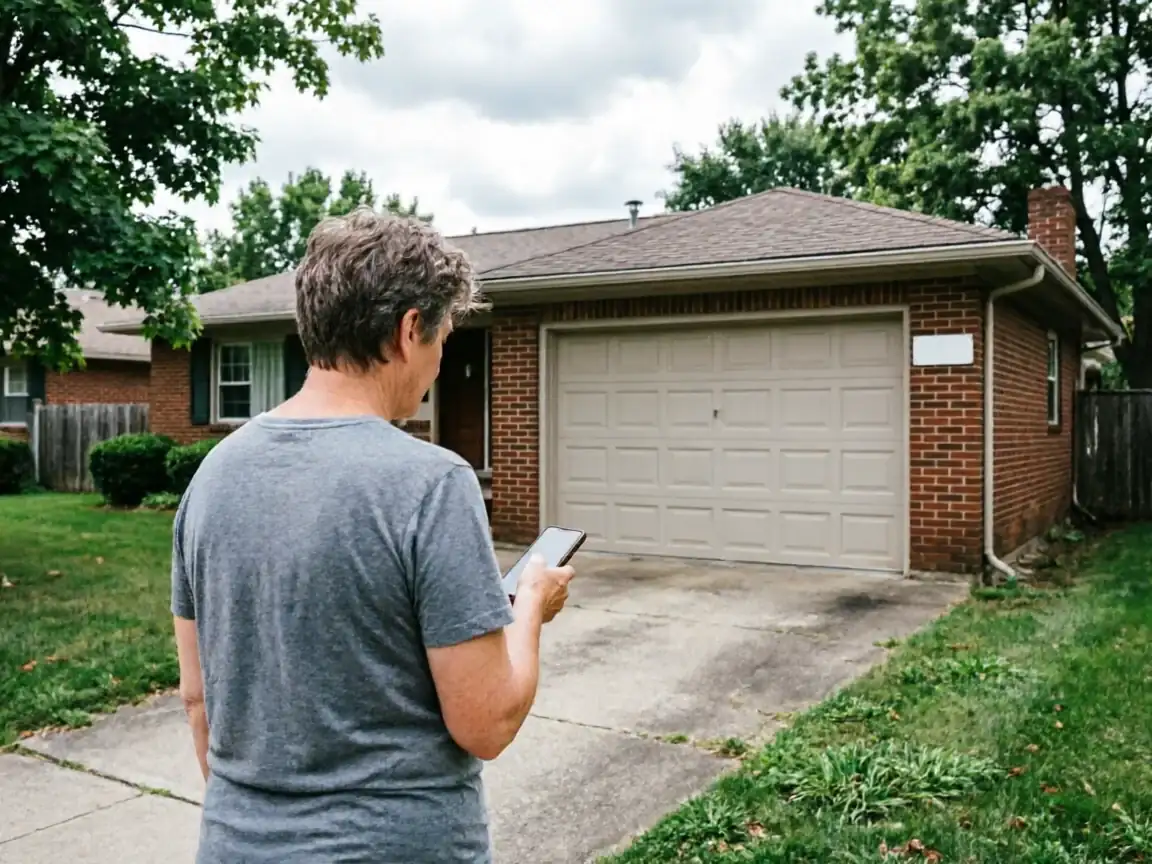
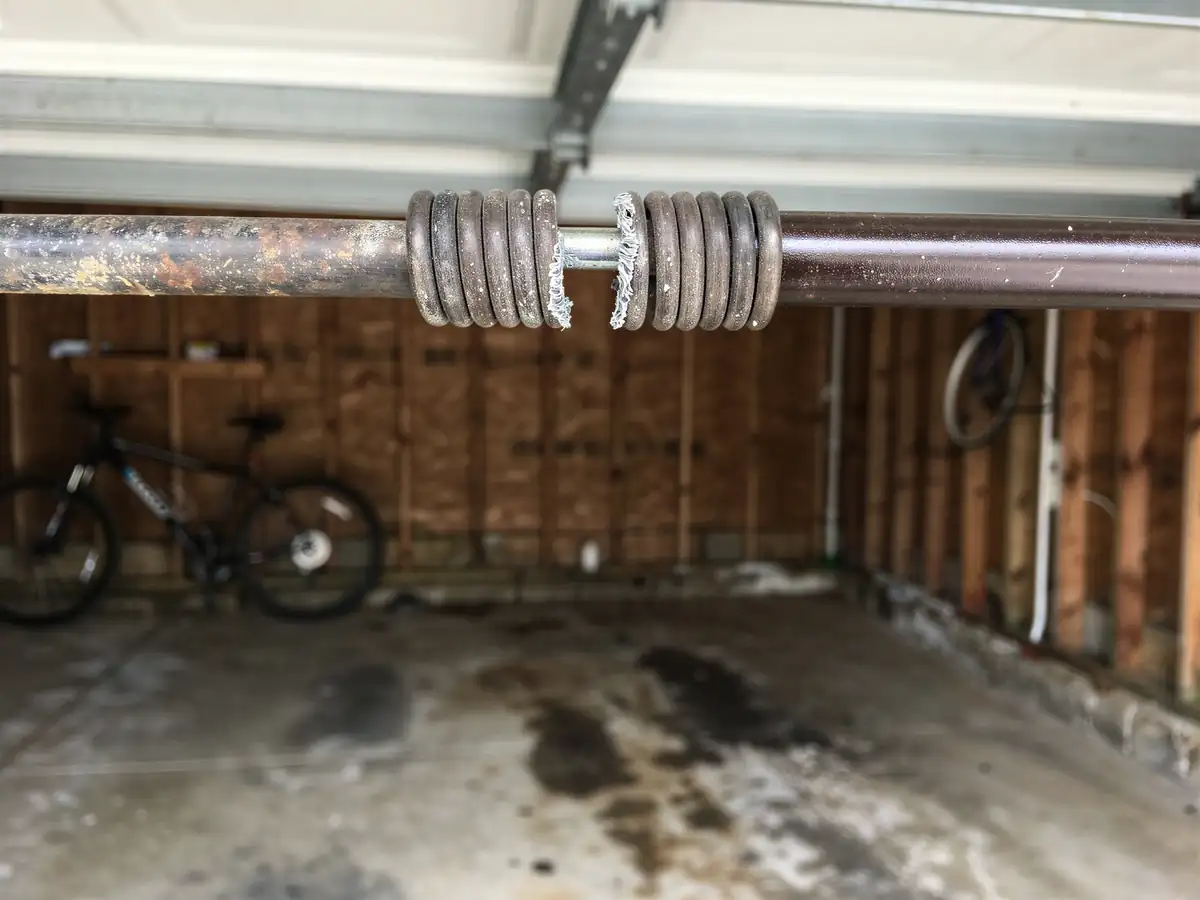
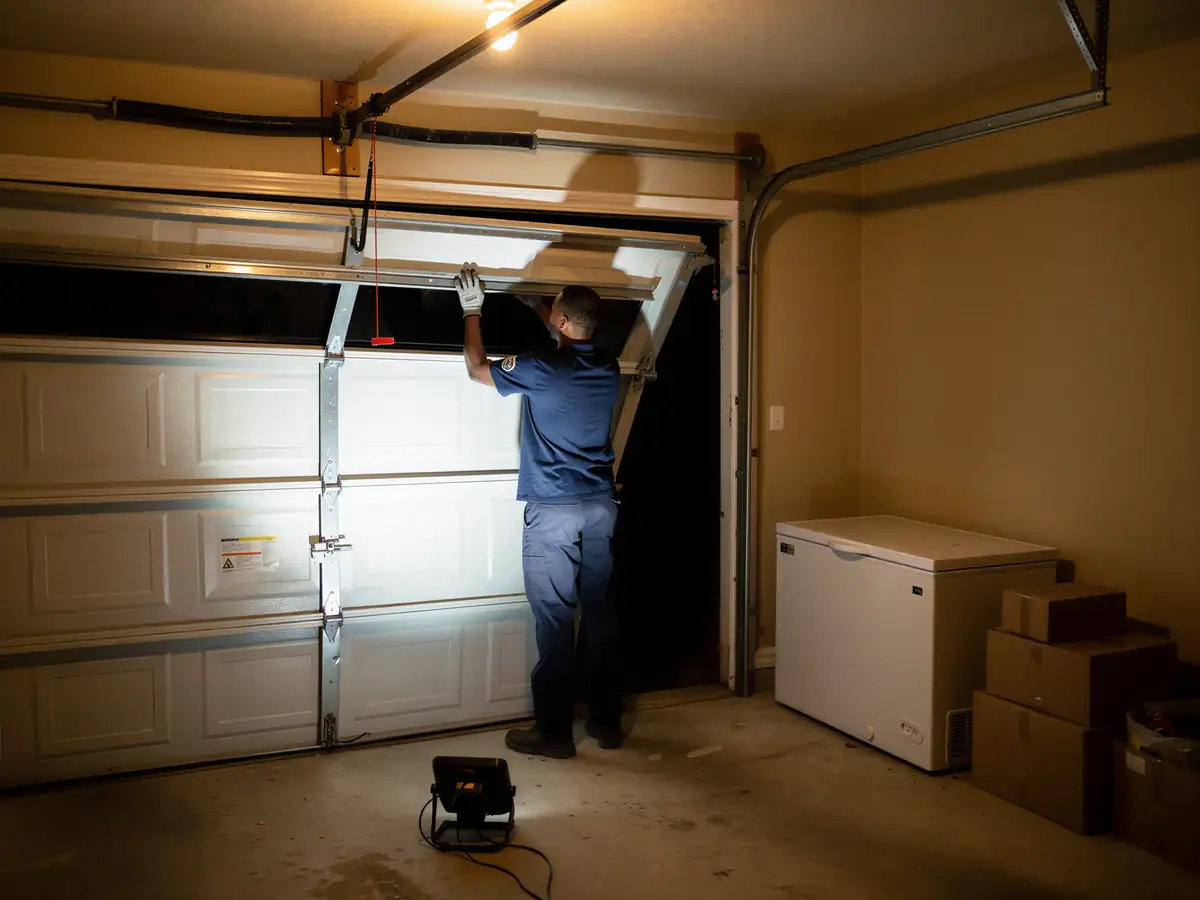
Most owners notice it the same way: the door looks tilted when it's partway up, one corner dragging lower than the other, or there's a slapping sound as it moves. Sometimes it's quieter - a cable that's frayed but not yet broken makes a faint ticking or grinding near the bottom of the track as the strands catch. If the door won't budge at all and the opener is straining or clicking without lifting it, a cable has likely already come off the drum, and running the opener again can make the damage worse. On older Winnetka doors we also see the cable rubbing against a bent bottom bracket, which wears a groove into the cable itself over months before it finally snaps. Catching it at the fraying stage is cheaper and safer than waiting for it to let go.