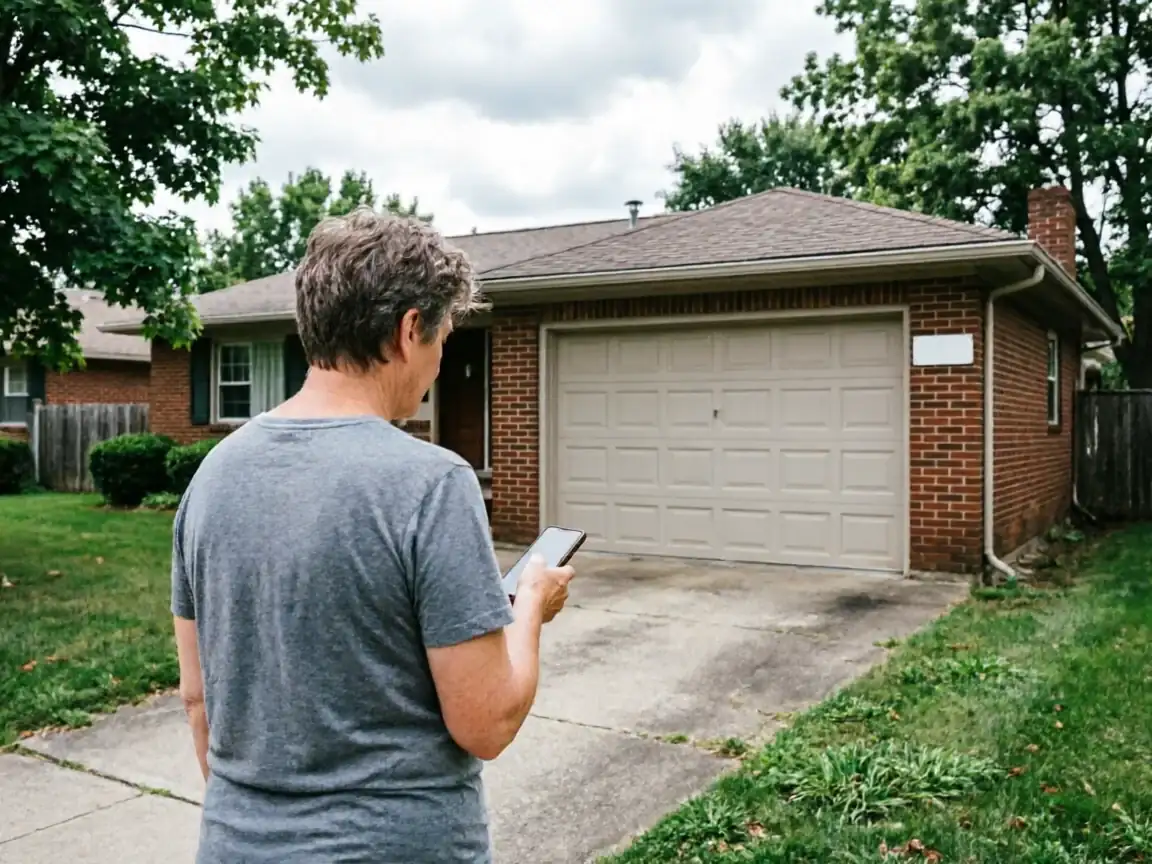
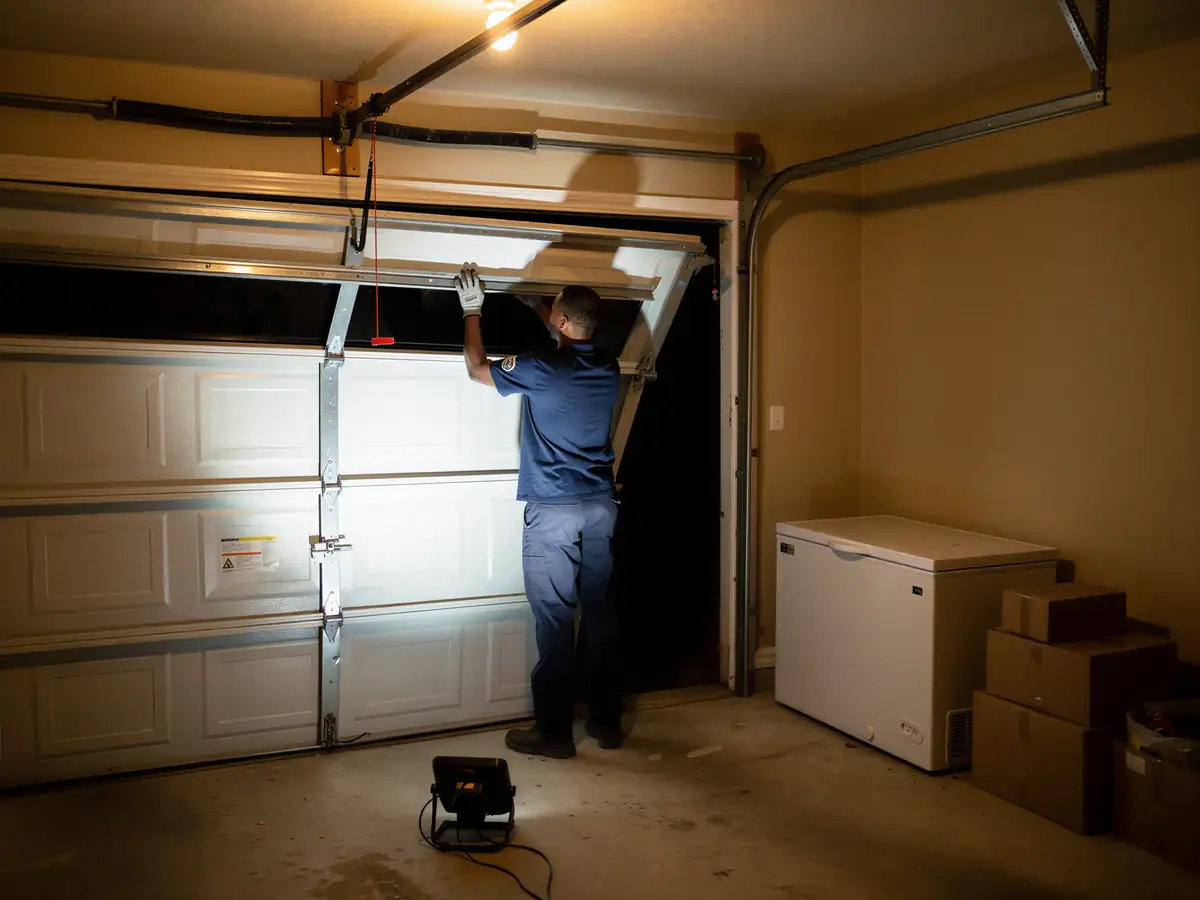
Lake Zurich sits in a cold-moderate climate band, which means the garage door seal on your house goes through a real freeze-thaw cycle every winter, not just a few cold snaps. The bottom seal and the weather seals along the side jambs harden and crack faster here than they would somewhere milder, because the rubber contracts hard in January and then has to flex again in a March thaw. Housing in this area was mostly built between 1938 and 2009, with the median sitting around 1985, which means a lot of garages still have the original vinyl bottom astragal or a replacement that's twenty-plus years old itself. That rubber doesn't fail all at once. It loses its memory first - it stops springing back to the floor shape after the door closes - and that's when you start feeling draughts along the slab instead of seeing an obvious gap. If your door was installed anywhere near that median build year, the seal has outlived its useful life even if nobody's touched it since.
Doing Nothing For Now
Not every draught needs a same-week fix. If you're feeling cold air along the bottom edge but the door still seals flush when closed and the track hardware isn't making noise, you can get through a season on a worn seal without real damage to the door itself - you're paying for it in heating bill, not in garage door failure. Houses built in the 1980s-90s stock that makes up most of this area often have steel sections that hold up fine structurally for decades; it's the seals and the weatherstripping on the jambs that wear out long before the panels do. If the gap is small and even along the bottom, a seasonal gasket or a door sweep can buy time until you're ready to deal with it properly. Where it stops being a wait-and-see problem is when the gap is uneven - meaning the door isn't sitting level anymore - because then you're not just losing warm air, you may be looking at a track or roller issue underneath the symptom.
The Problem
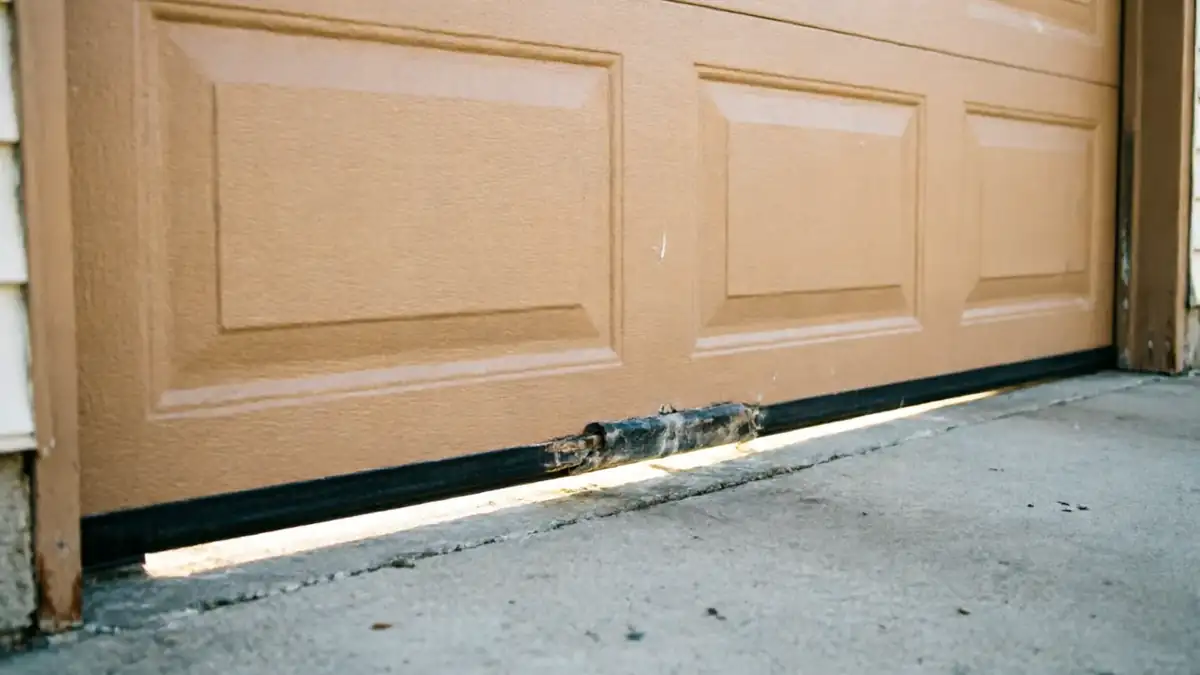
The actual failure mode in this area is pretty consistent: original or early-replacement bottom seals from houses in that 1938-2009 build range dry out, shrink slightly, and pull away from the slab at the corners first. You'll feel it as cold air at the edges of the door before you feel it in the middle. On older stock - anything from the earlier end of that build window - the astragal track the seal sits in can also be the old style that only accepts a specific seal profile, which narrows what you can buy off the shelf. Side seals and the top seal against the header fail the same way but get noticed less because they're not at floor level where a draught is obvious. In a cold-moderate climate like this one, a gap that's been open all winter isn't just a comfort issue - sustained cold air against a steel door's inside face can speed up condensation on the panel, which over years contributes to rust at the bottom edge where water collects.
When to Get Help
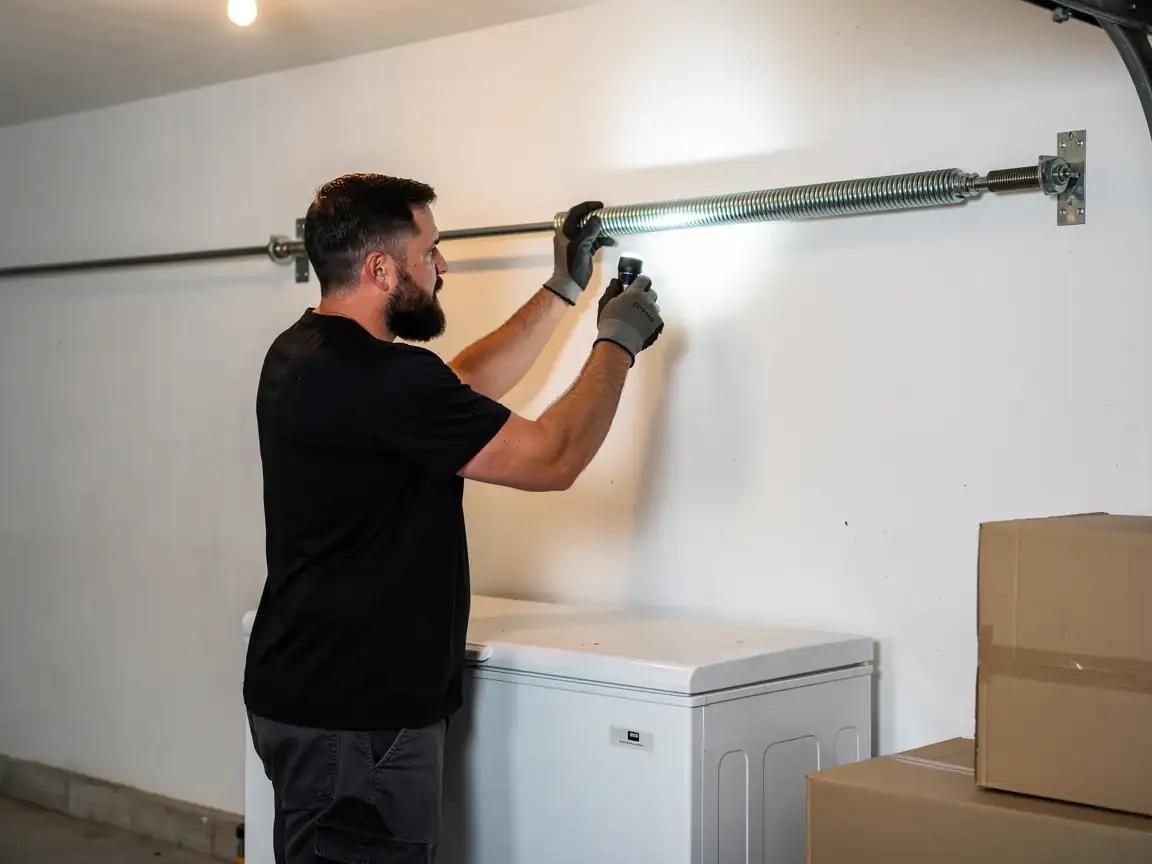
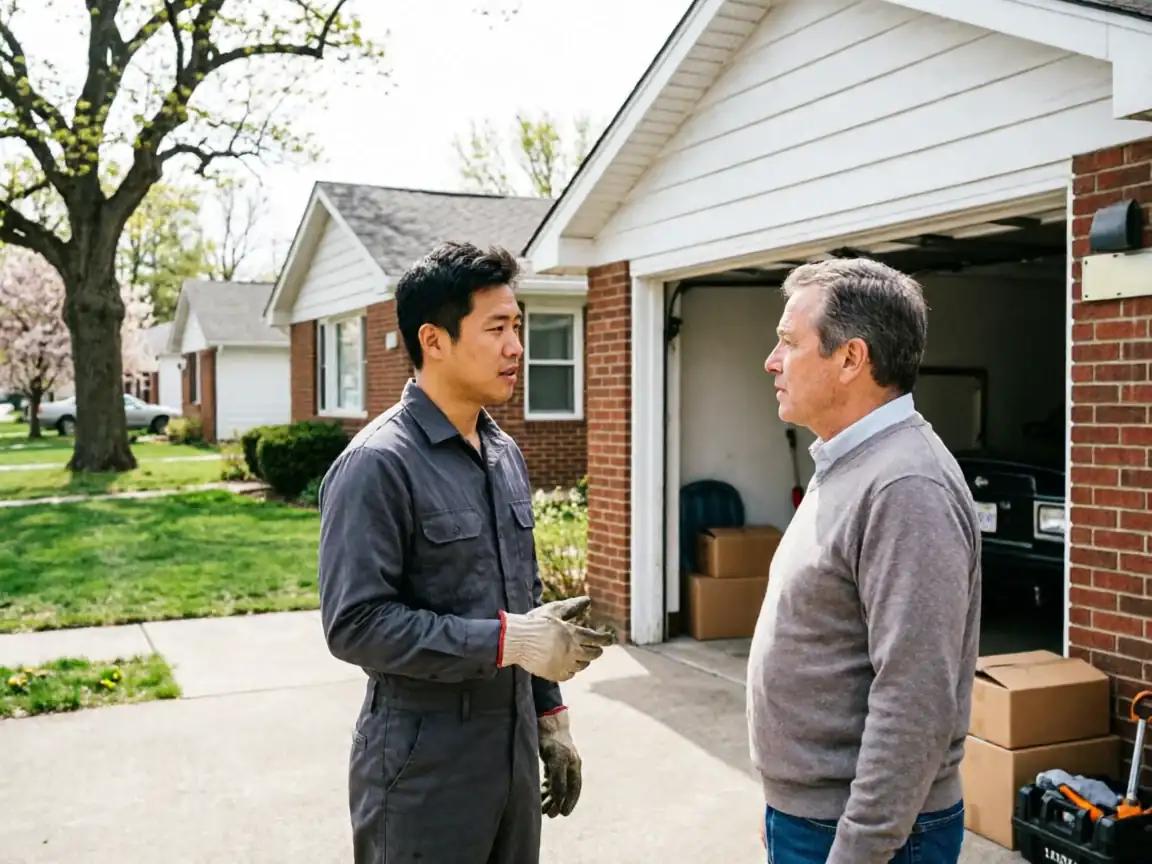
Call when the draught is uneven, when the door doesn't sit flush at one corner no matter how many times it cycles, or when the existing seal is cracked enough that it's shedding pieces rather than just stiffening. Those point to a track, hinge, or leveling issue, not just old rubber, and that's a job for a service call rather than a trip to the hardware store. We don't stock every astragal profile for every door era on the truck - older or less common track styles sometimes mean a short order delay, and we'll tell you that up front rather than make you wait on-site. If your door is otherwise sound - no rust through the steel, hardware tight, opener working fine - replacing the seal is usually a small job. If the door's original from the earlier end of that 1938-2009 range and showing rust or sag along with the draught, that's worth a real look before you spend money on seals alone.
Why does my garage door feel drafty even though it looks closed all the way?
In a cold-moderate climate like Lake Zurich's, the bottom seal hardens and shrinks over winters, pulling away from the slab at the corners even though the door itself is closing fully. You see the gap less than you feel it - cold air comes through unevenly, usually worse at the edges than the middle.
How old does a garage door seal usually get before it needs replacing here?
With housing in this area built mostly between 1938 and 2009 and median around 1985, a lot of original seals are well past their working life. Vinyl bottom seals typically start failing somewhere in the decade mark in this climate, faster if they've never been replaced.
Can I just add a door sweep instead of replacing the whole seal?
If the gap is small and even, a sweep or supplemental gasket can hold you over for a season. It's not a permanent fix, and it won't help if the door isn't sitting level - that's a hardware issue a sweep can't solve.
Is a drafty garage door actually hurting anything besides my heating bill?
Over time, yes. Sustained cold air against the inside of a steel panel in this climate can encourage condensation, and condensation sitting at the bottom edge for years is a common path to rust. It's slow, but it's real.
Ready to get your garage door sorted?
Tell us what it’s doing and where you are in Lake Zurich - we’ll take it from there.