What the Repair Takes
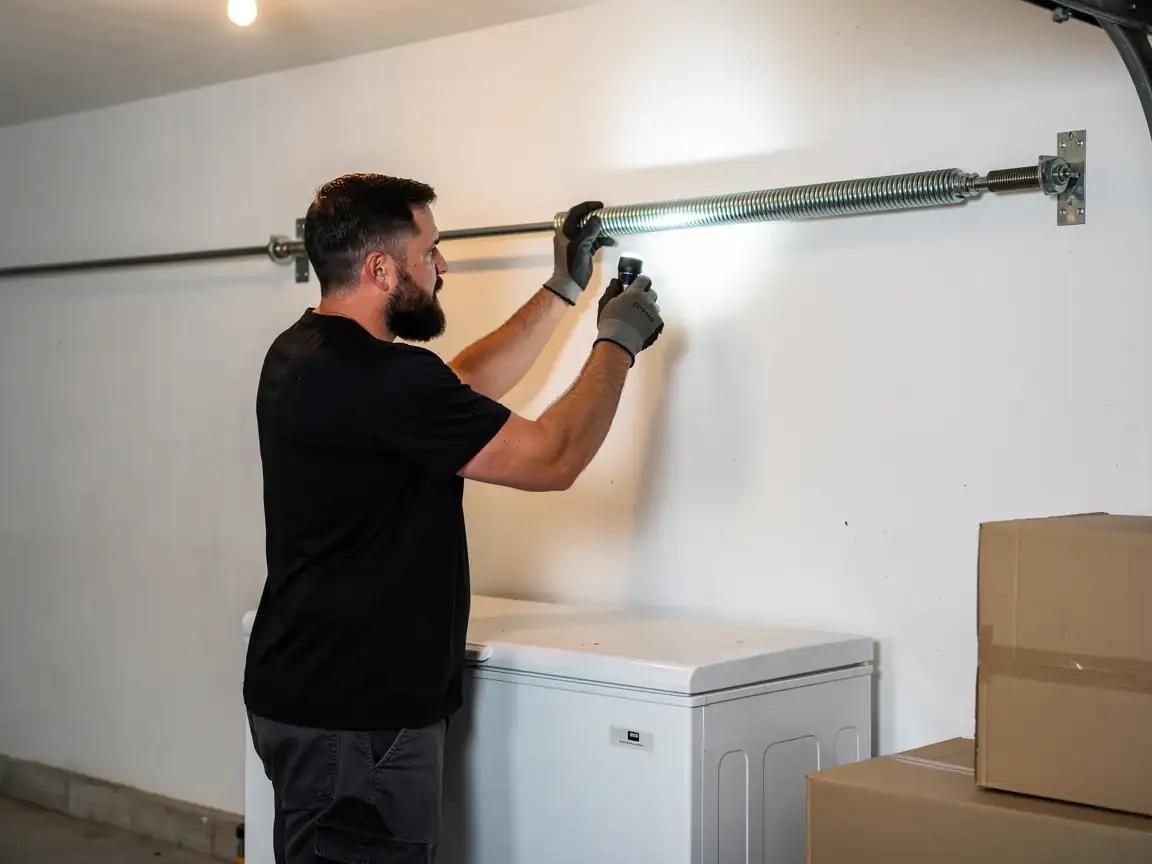
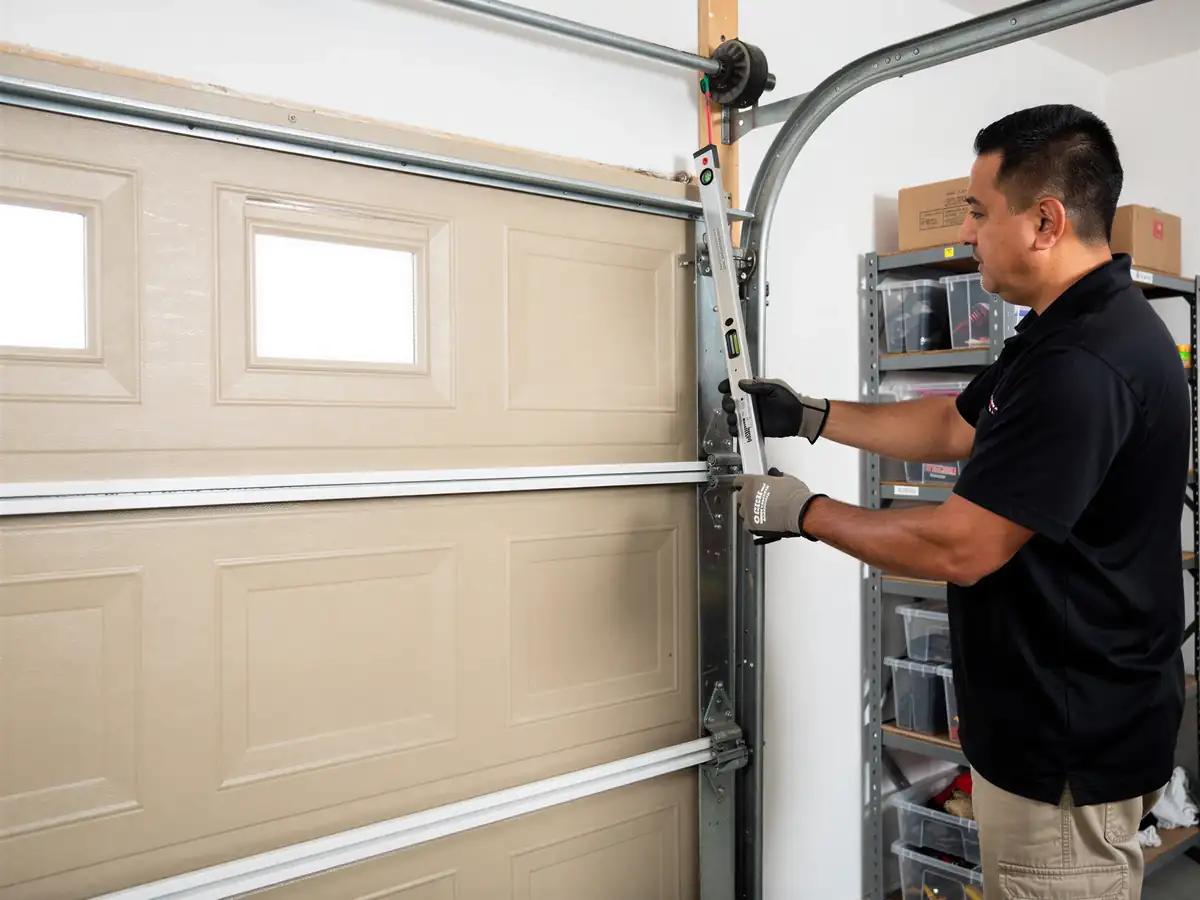
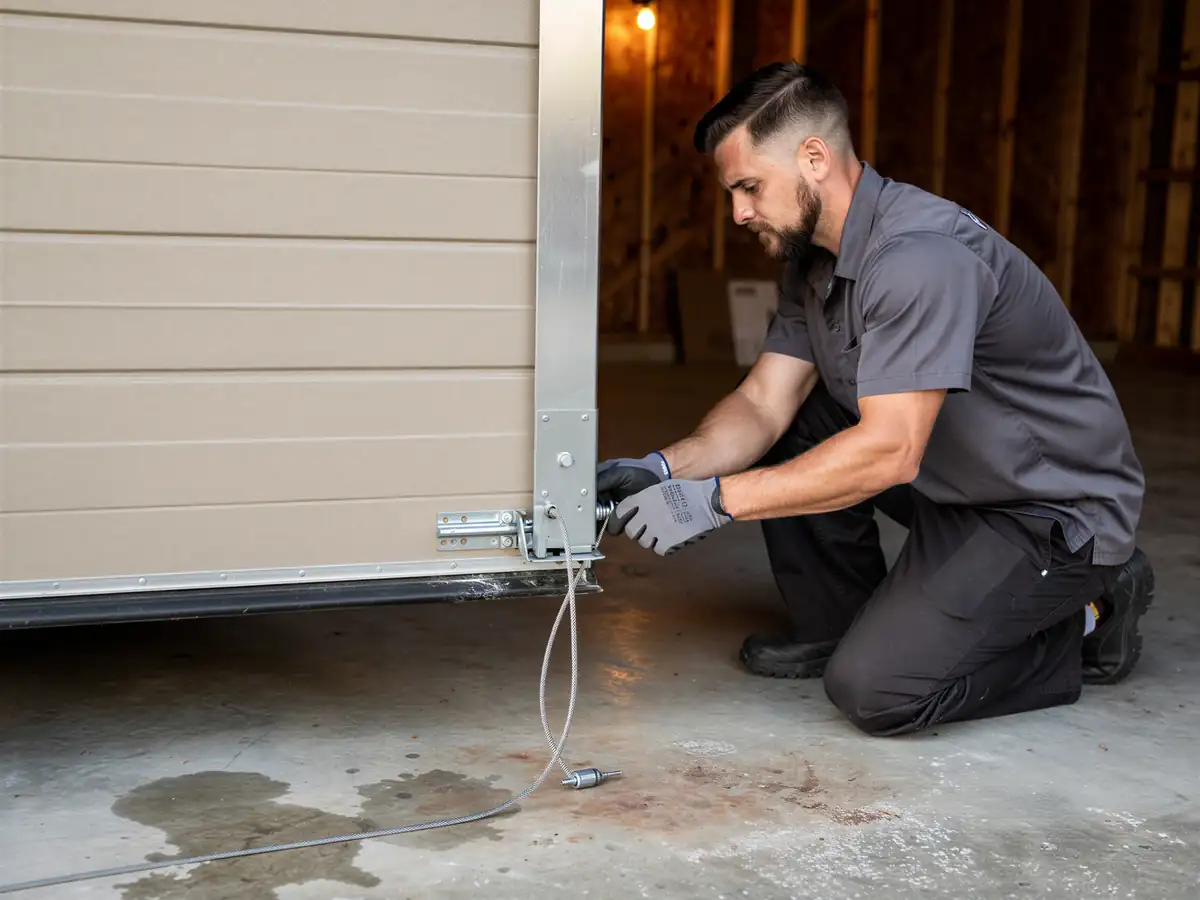
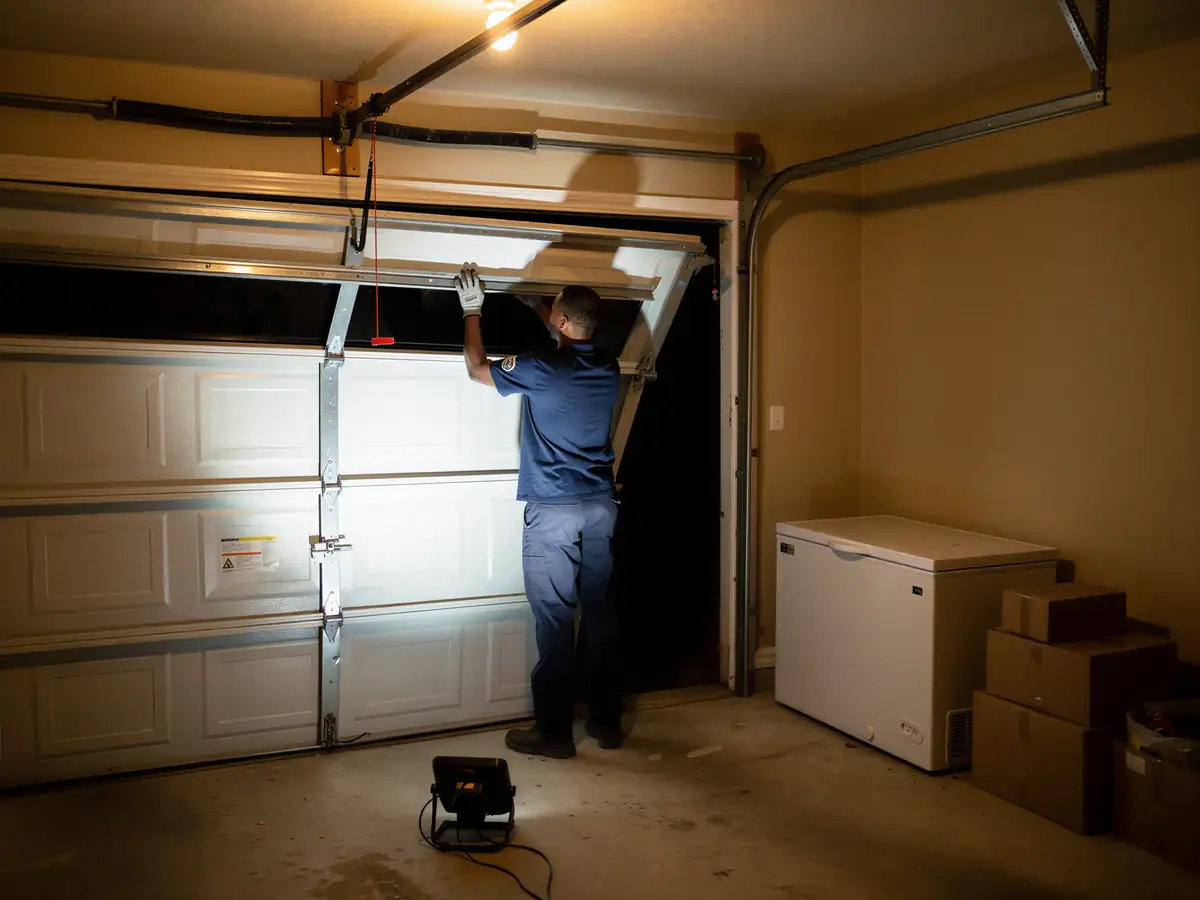
A straightforward torsion spring swap on a residential door is a bracket-off, old-spring-out, new-spring-wound-to-tension job - no drywall work, no track replacement unless something else bent on the way down. We measure wire diameter, coil length, and inside diameter against your actual door weight rather than guessing off the age of the house, because even two 1990-built homes on the same block can carry different door weights depending on insulation and panel material. Winding bars, not a drill, bring the spring to the right number of turns - that's the step that separates a repair that lasts from one that's back on our schedule in six months. If both springs are original and one has gone, we'll tell you the second is on borrowed time, but we don't replace a spring that's still doing its job just to round out the job - that's your call, not ours.
Can You Do This Yourself
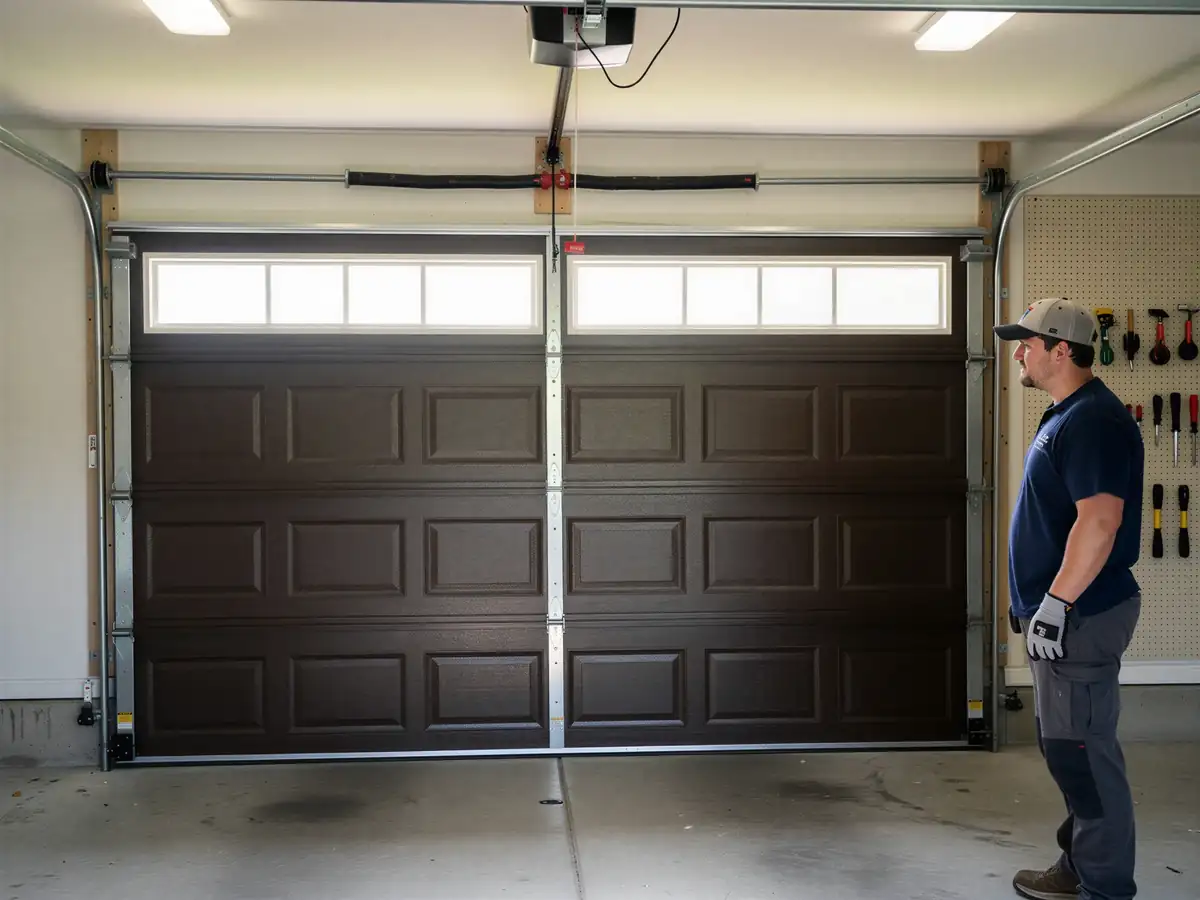
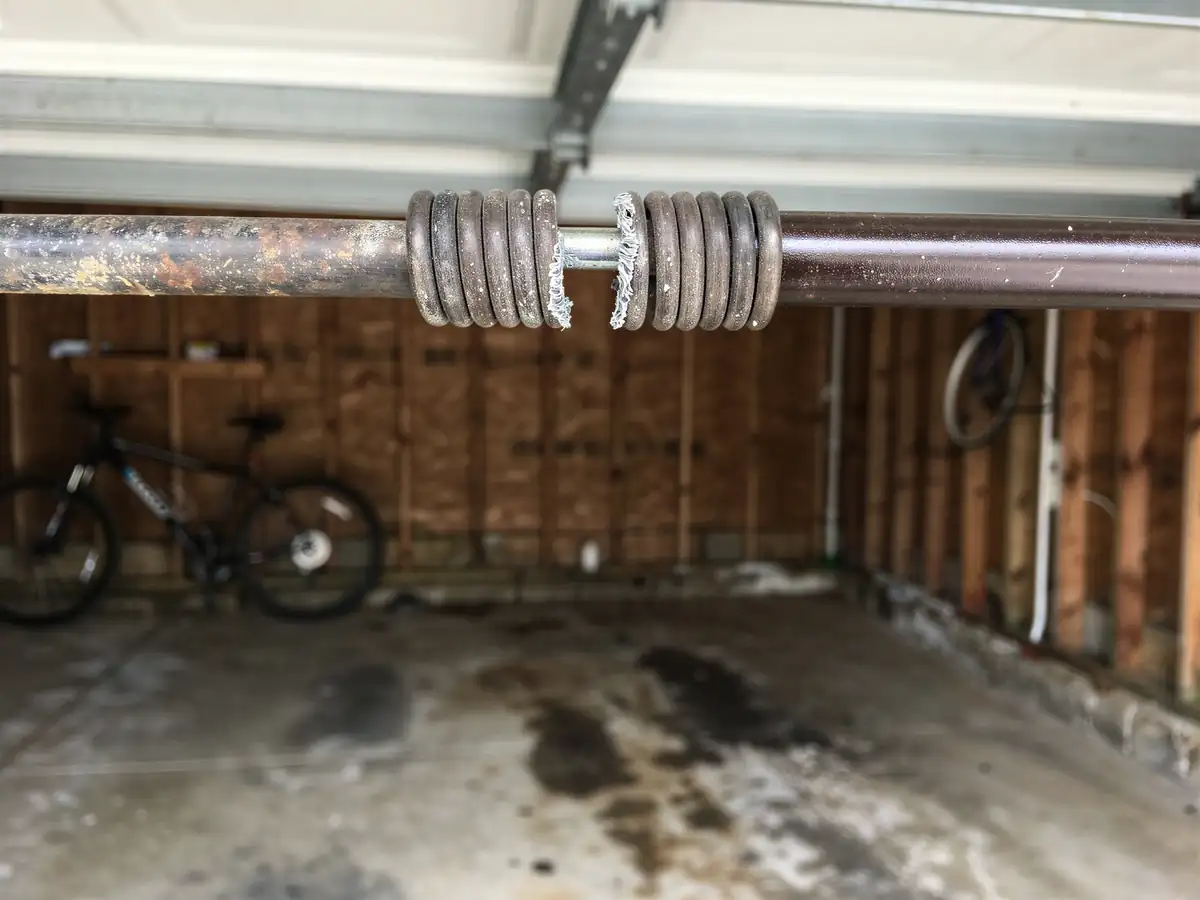
A torsion spring is wound under enough force to put someone in the hospital if it lets go while you're working on it, and that force doesn't care how many videos you watched first. We're not going to walk you through winding one yourself - that's the one job on a garage door we tell homeowners flatly not to attempt without the right bars and a second set of hands that knows what they're doing. What you can safely check yourself: whether the cables are still seated on the drums, whether a spring is visibly separated (a gap in the coil is a dead giveaway), and whether the opener is trying to lift against a broken spring - if it is, unplug it so the motor isn't straining against the full weight of the door.
Why This Fails Locally
The area's cold-moderate climate band means steel spring wire in this region goes through a real annual swing - frozen stiff in January, fully expanded by July - and that cycle is what fatigues the coil over the decades, not any one hard winter. A median build year of 1990 in Wauconda means a lot of doors here are old enough to have lived through three decades of that cycle on factory-grade wire that wasn't spec'd for a 30-year service life in the first place. It's not a Wauconda-specific defect - it's Wauconda-specific math: the age of the housing stock plus the climate band it sits in equals a spring population that's due, whether or not any individual door has failed yet.
Parts We Carry
We carry standard torsion springs across the common residential wire gauges and lengths used on single and double doors built through the 1990s and 2000s - which covers the bulk of what's on the road out to Wauconda. What we don't stock on the truck is anything unusual: oversized commercial coils, odd-length springs for a custom door, or extension-spring setups from older wood doors, since those are rare enough in this housing stock that we order them to the job rather than carrying them cold. If your door turns out to need one of those, we'll tell you straight and get you a timeline instead of pretending we have it on the shelf.