What the Repair Takes
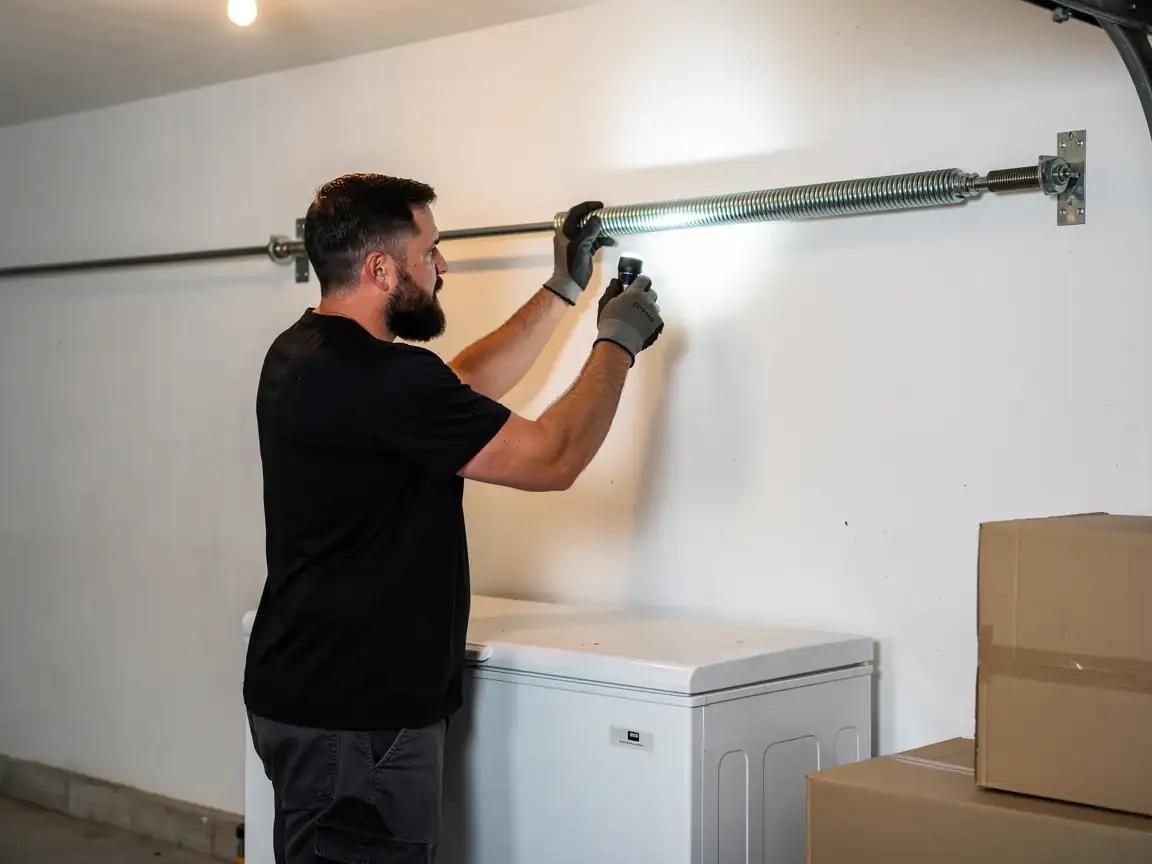
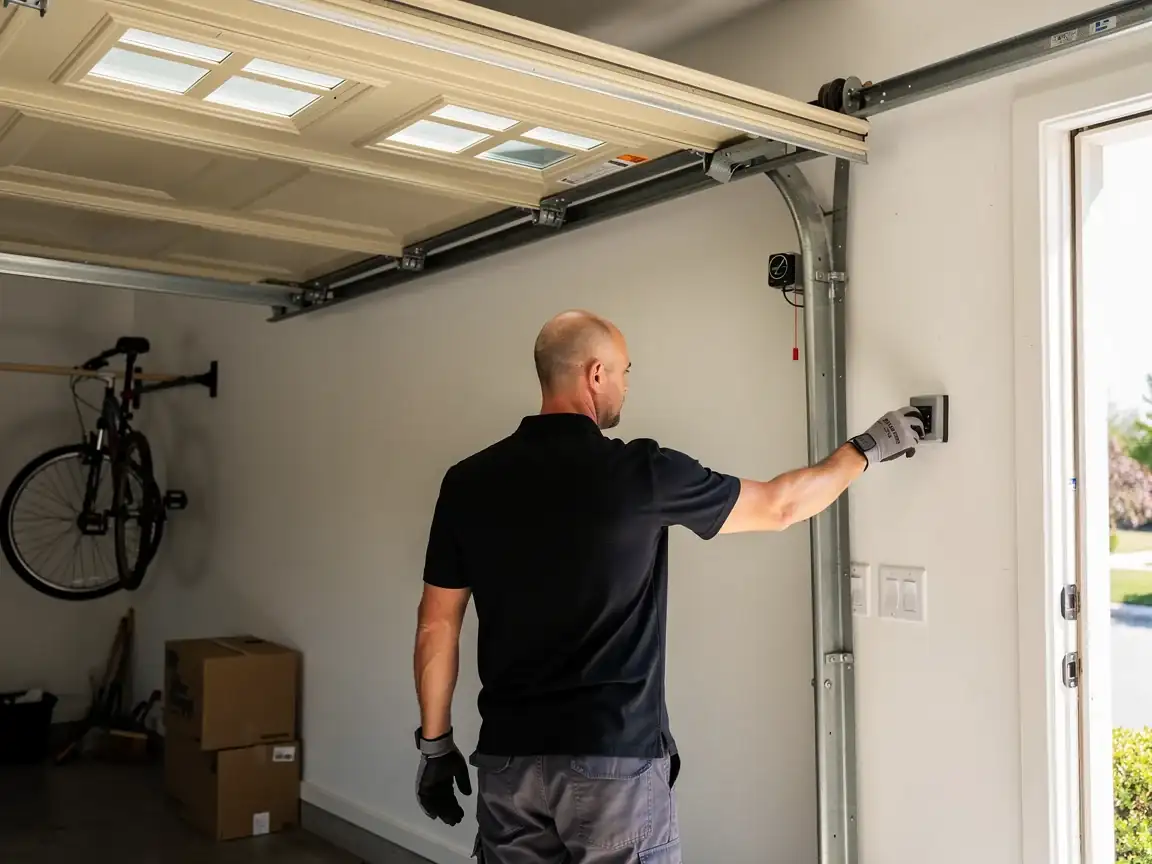
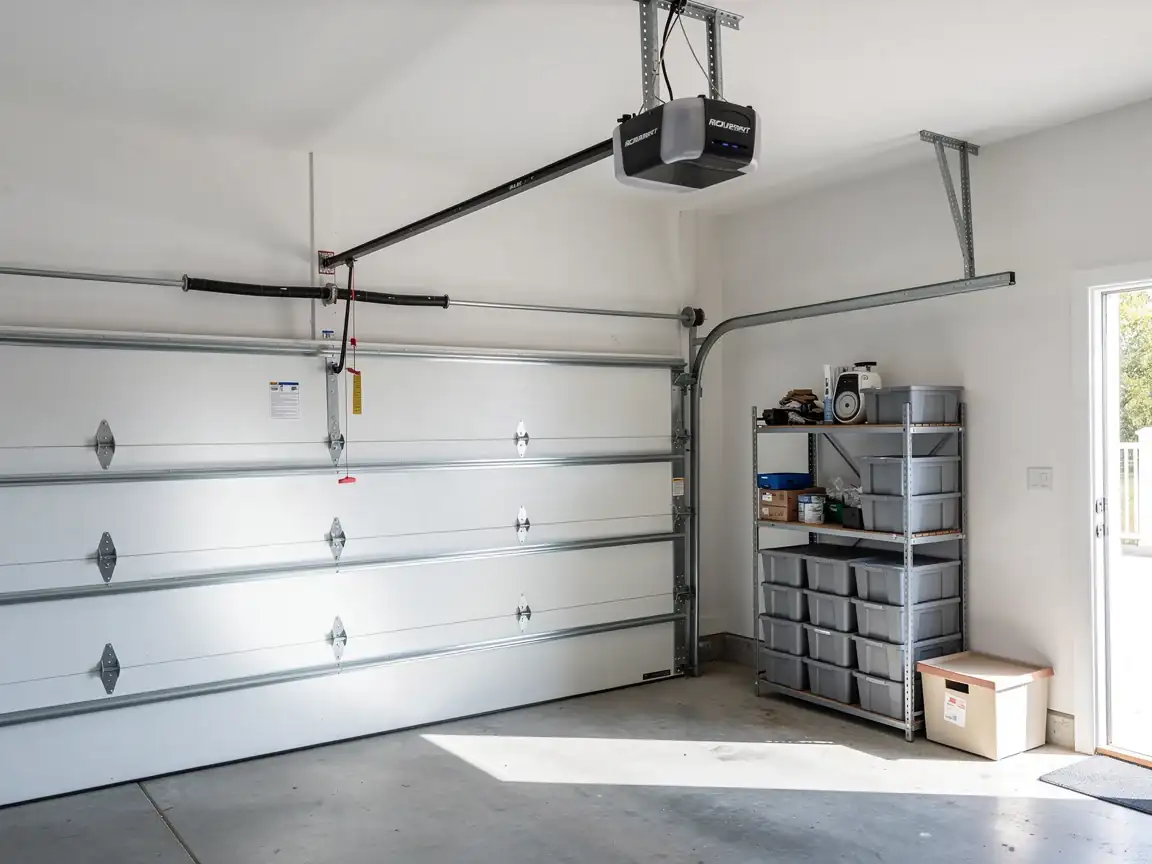
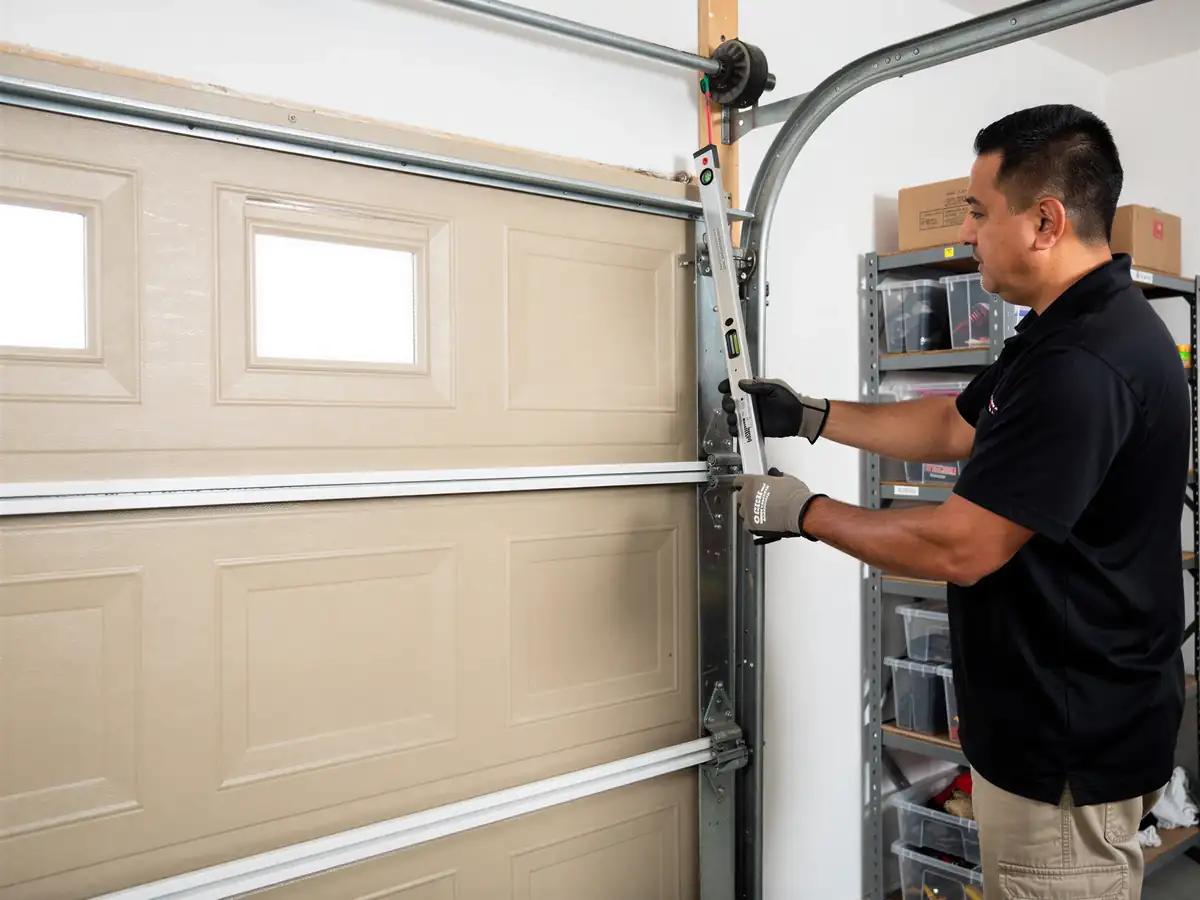
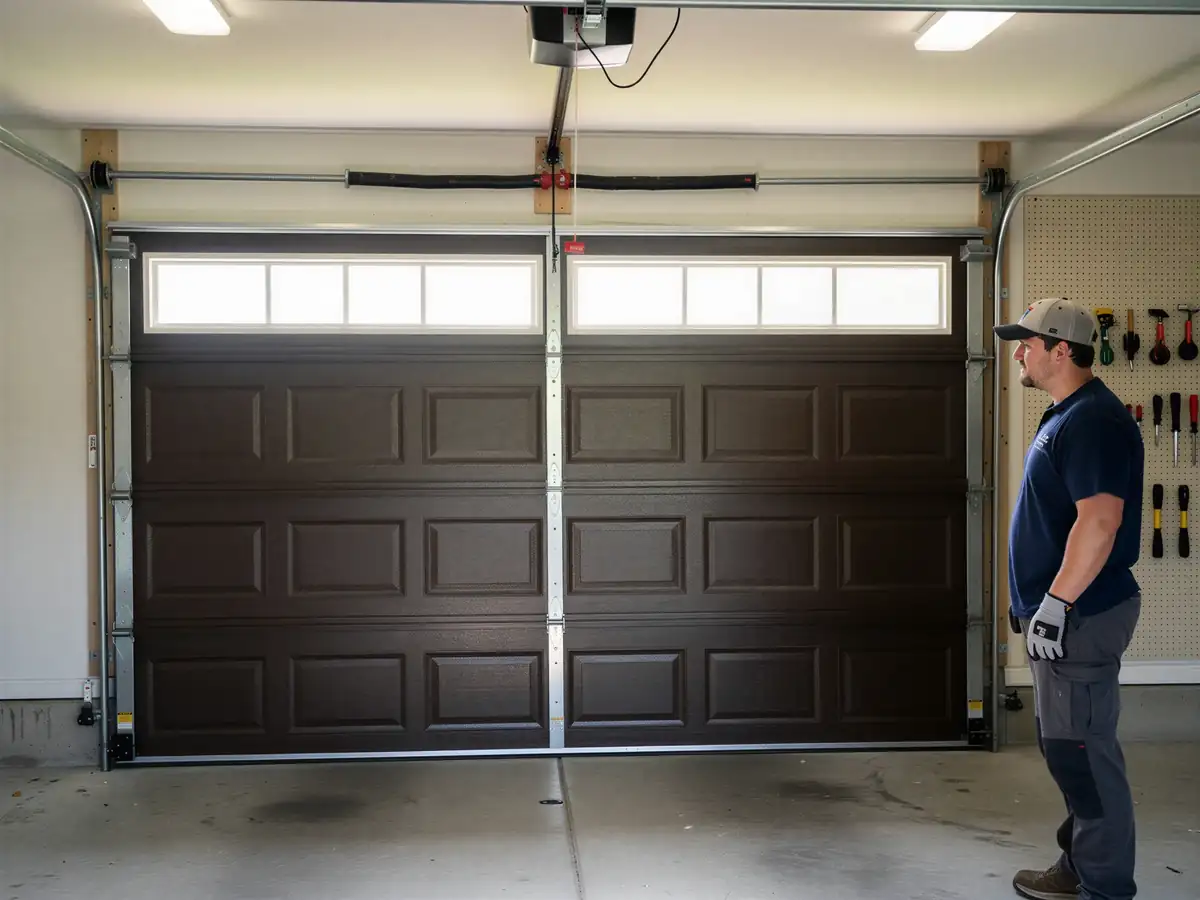
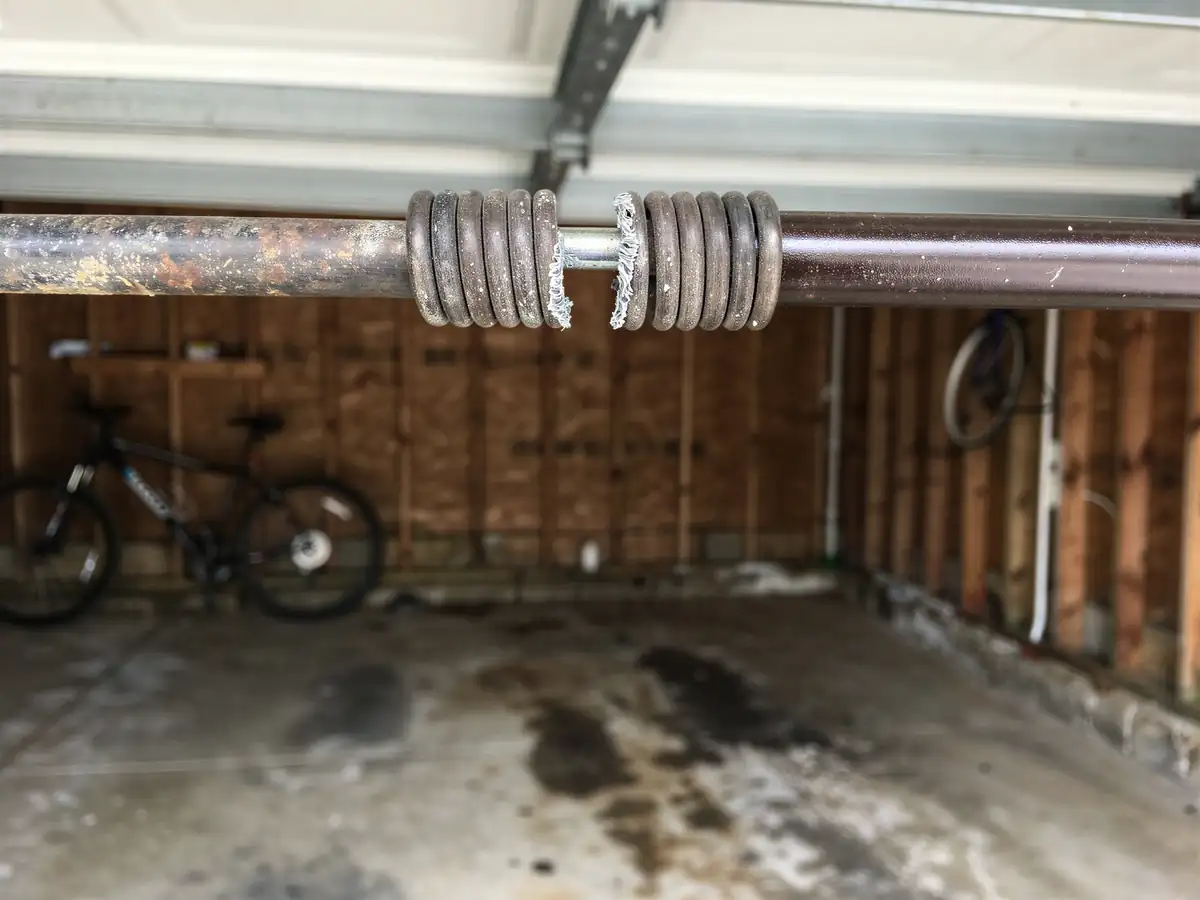
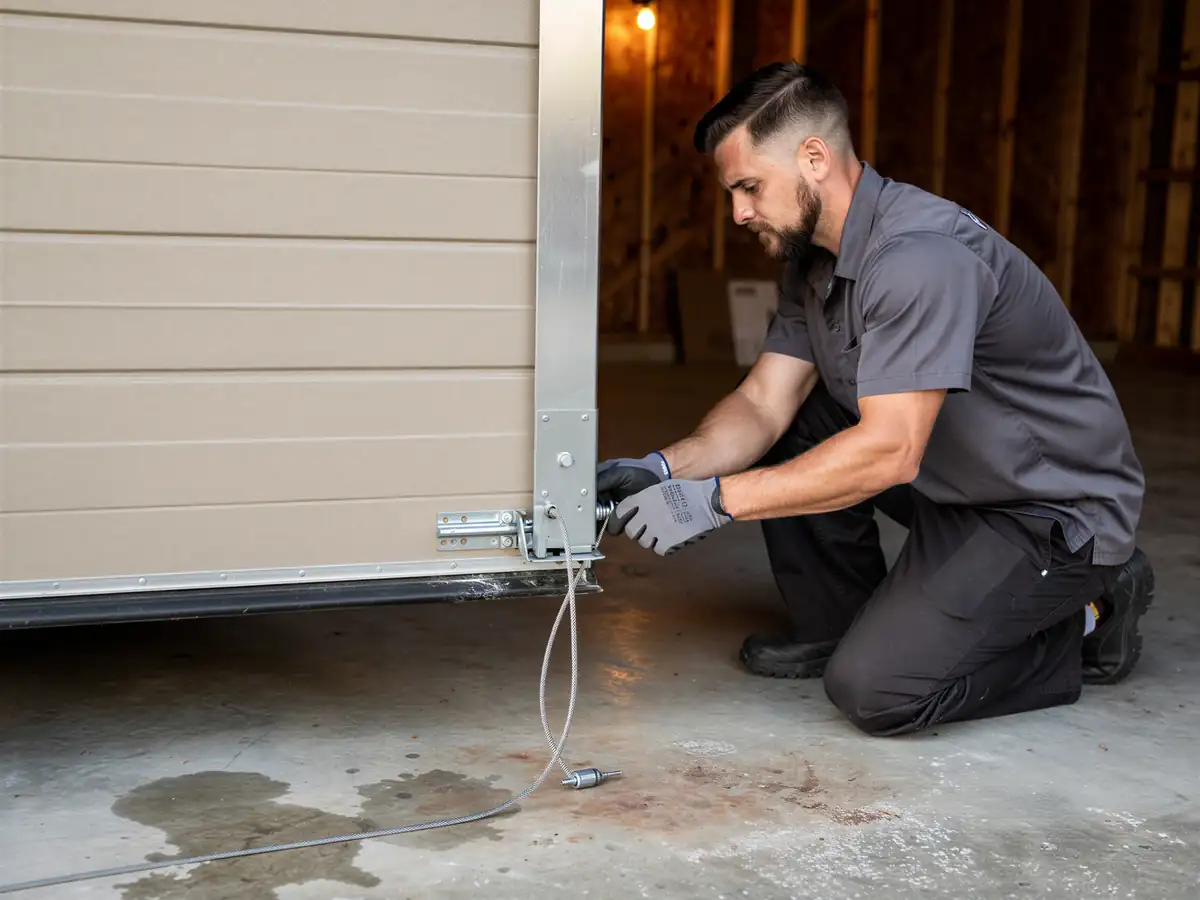
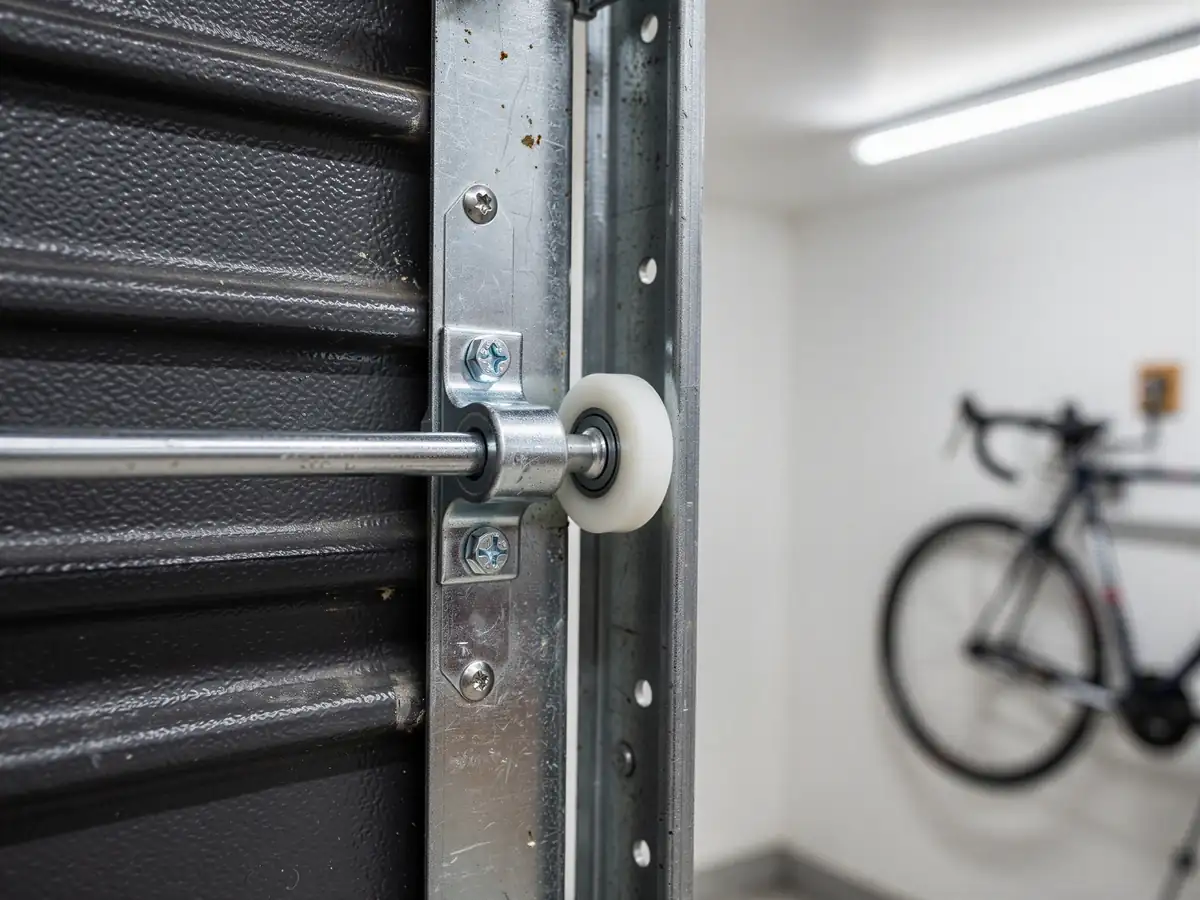
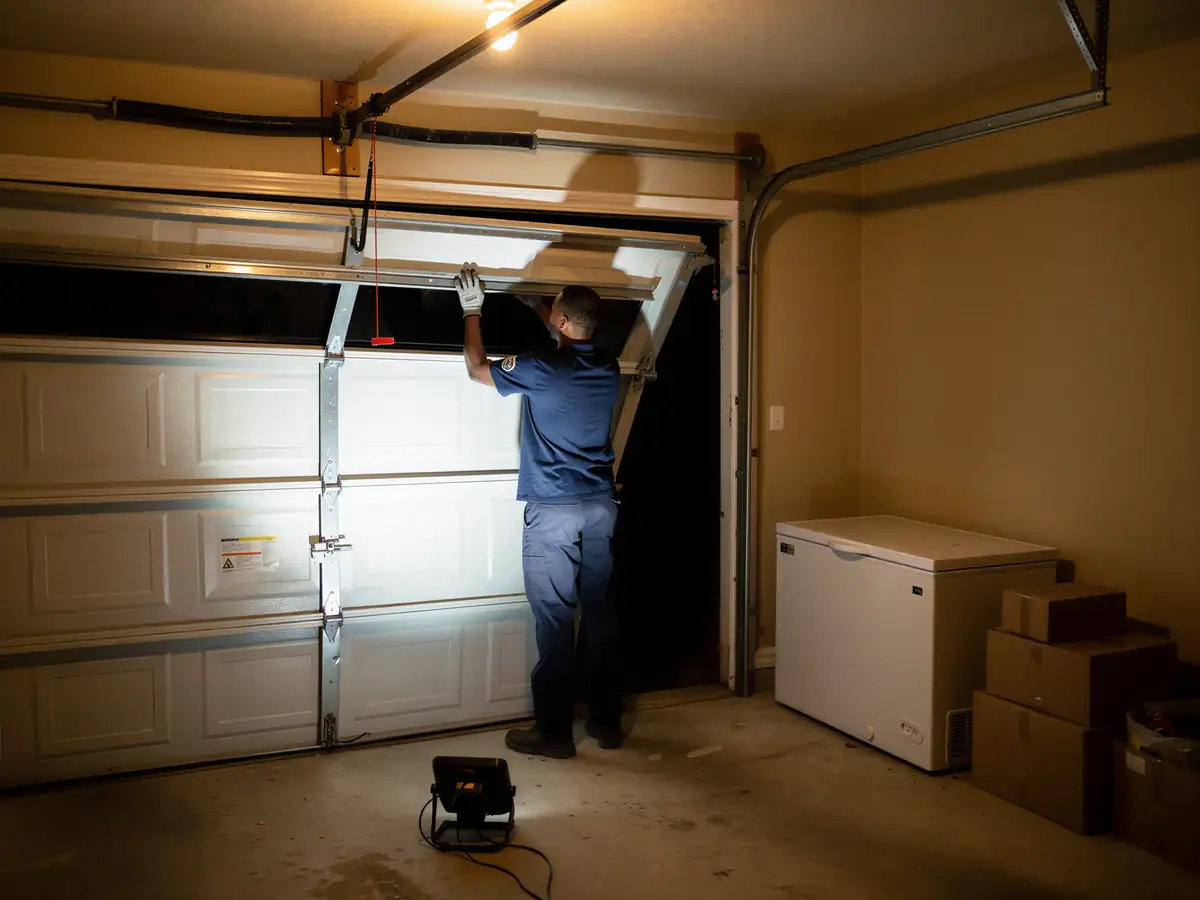
A torsion spring swap on a door from this era is usually a single spring, correctly wound, with new cables while we're in there - cable wear doesn't show until one strands and the door drops crooked. If the opener is the original chain drive, we check the gear kit before we talk replacement; sometimes that's the whole fix. Rollers on 1990s steel doors are often the stock nylon ones, and after three decades they're usually chalky and loud rather than actually failing, so that's a cheap swap, not a scare. Cold-climate weatherstripping is worth checking too - at this build date, the bottom seal is original more often than not, and in a moderate-cold winter that gap is where the draft comes from. We don't guess at parts on-site without opening the door up first; what the repair takes depends on what's actually worn versus what just looks old.
Can You Do This Yourself
Rollers, weatherstripping, and tightening loose hardware - fine, go ahead, those are low-risk and don't need a truck. A torsion spring is a different story: it's wound under enough tension to break a wrist or worse, and the winding bars for a 1990s-era single-shaft system aren't something most homeowners own or want to learn on. Cable replacement is in the same category - one slip and the door comes down on whatever's under it. If your opener is grinding and you're not sure if it's the gear or the motor, that's a five-minute call for us versus a part you might buy and not need. The honest line: anything that involves the spring, the cable, or opening the opener housing past the light cover is not a weekend project.
Why This Fails Locally
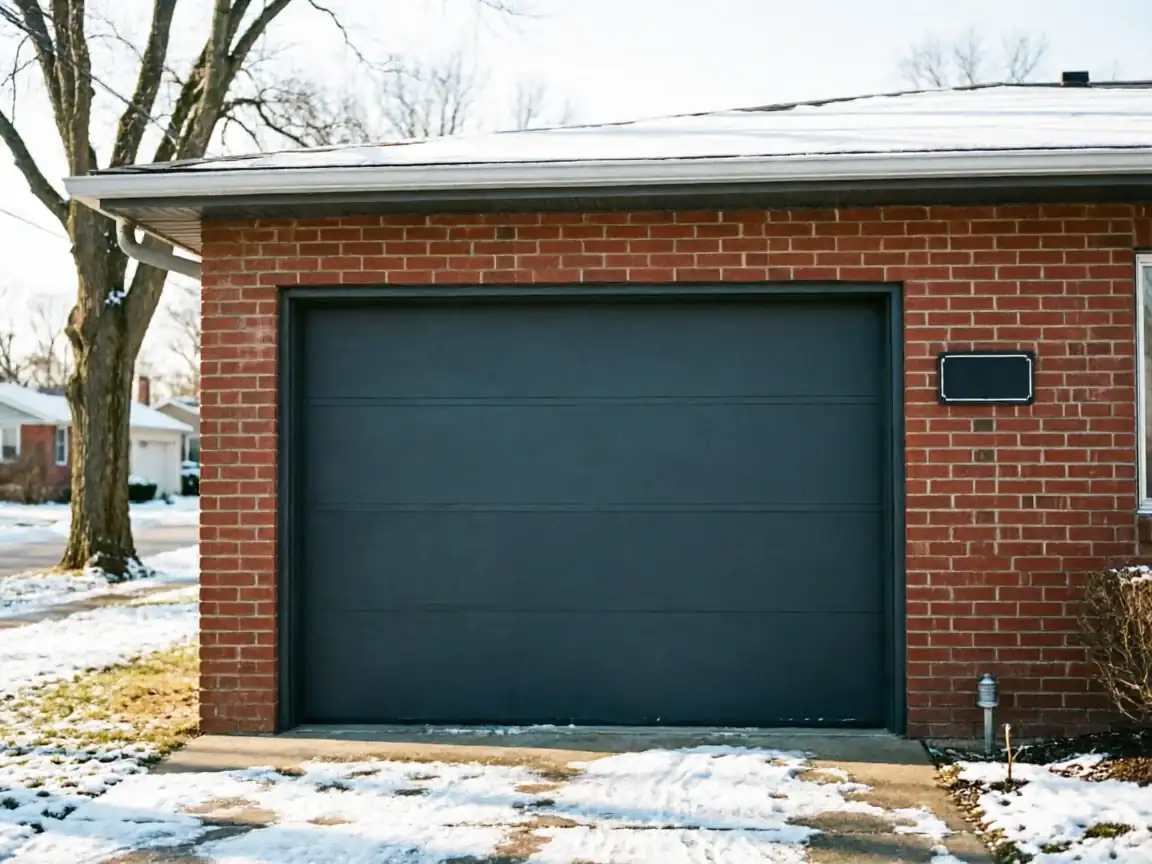
With roughly 5,115 households in Wauconda and a median income of $112,438, this isn't a town full of distressed older housing stock - it's mid-income, mid-age, and the doors fail the way mid-age doors fail: fatigue, not neglect. A torsion spring rated for 10,000 cycles has usually hit that mark by year 30 regardless of how well the house was kept. The failure mode we see most here is a spring that finally lets go on a cold morning, because steel contracts in the cold and a spring already near the end of its cycle count doesn't have much margin left. That's a cold-climate problem layered on top of an aging-hardware problem, and it's specific to houses built around the same time as most of Wauconda's.
Parts We Carry
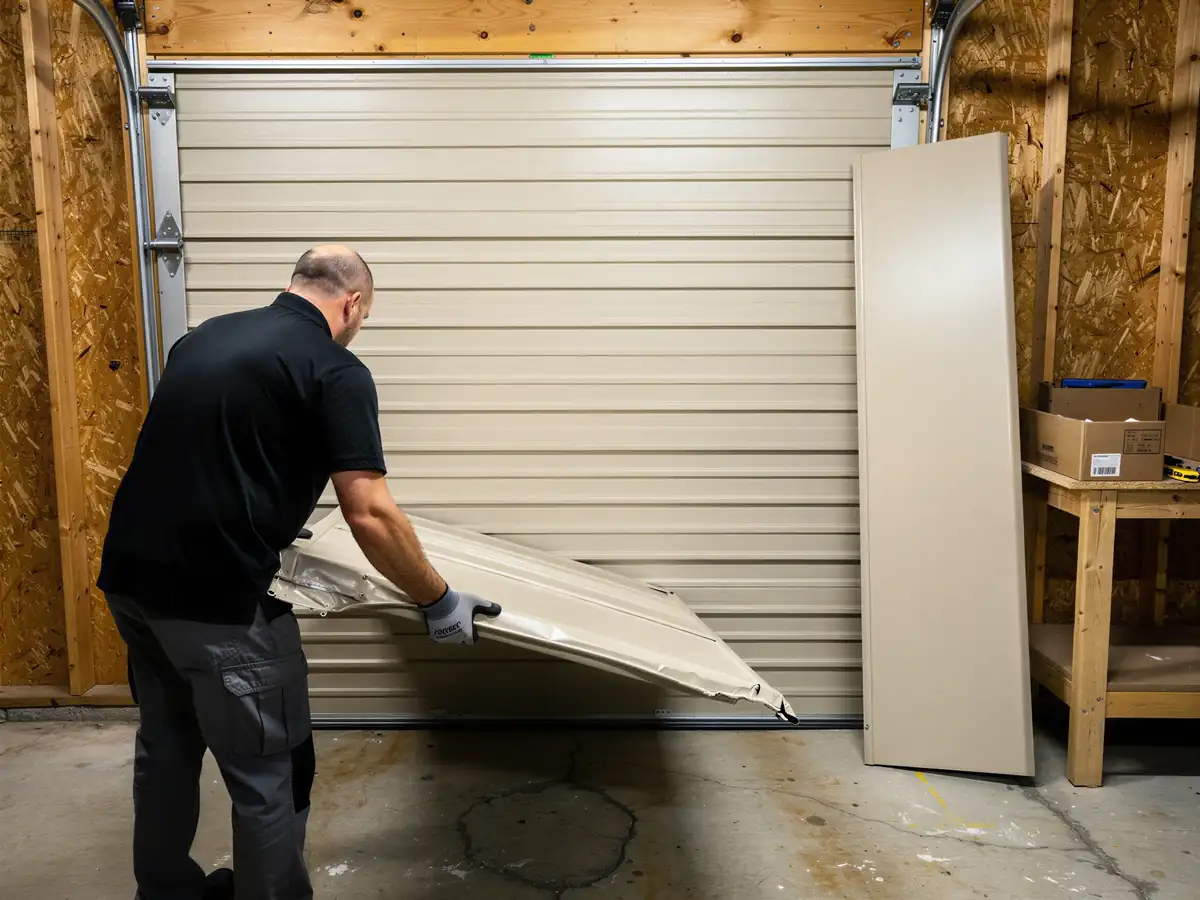
On the truck for this kind of call: torsion springs sized for single and double doors from the early-90s era, steel cable sets, nylon and steel rollers, bottom weatherseal, and gear kits for the common chain-drive openers still running in houses this age. What we don't stock on the truck is anything custom - a non-standard panel size or a discontinued opener model means a lead time, and we'll tell you that up front rather than promise a same-visit fix we can't deliver. If your door turns out to need a full replacement rather than a repair, that's a different conversation and a different visit, not something we push mid-repair.