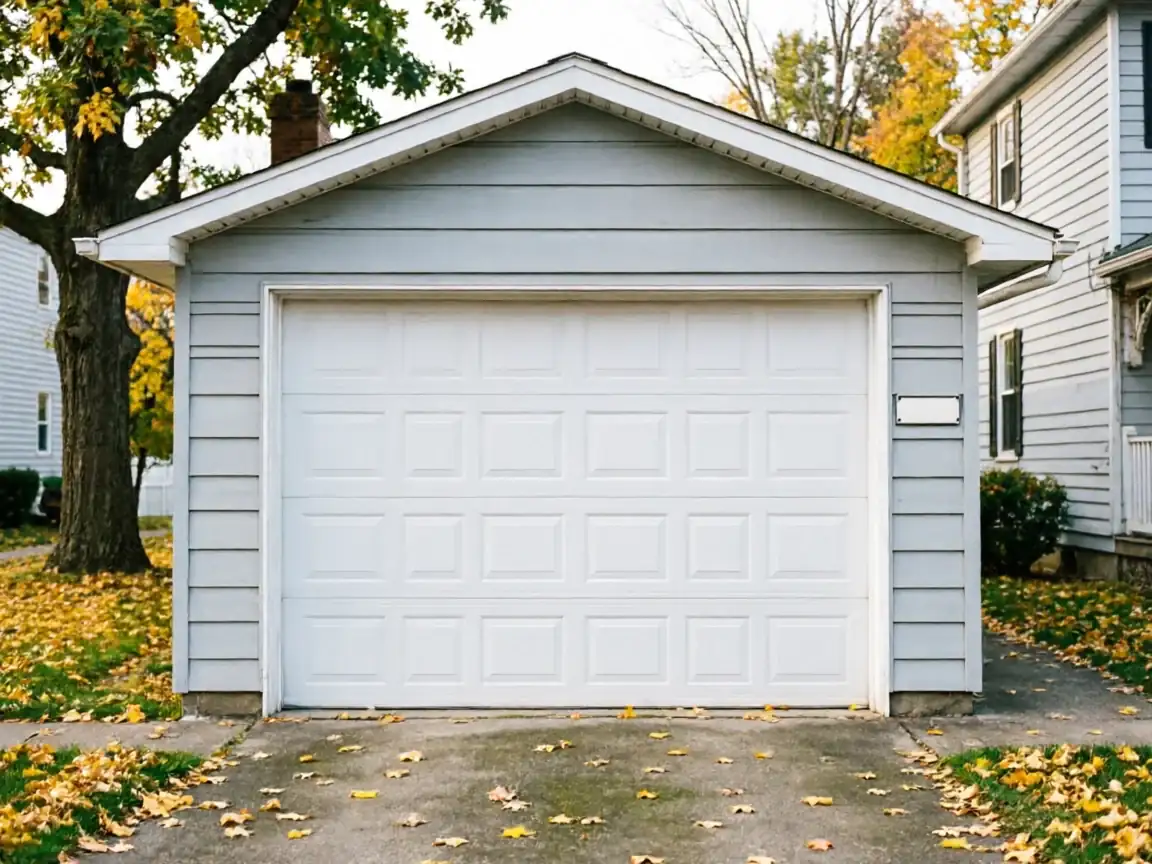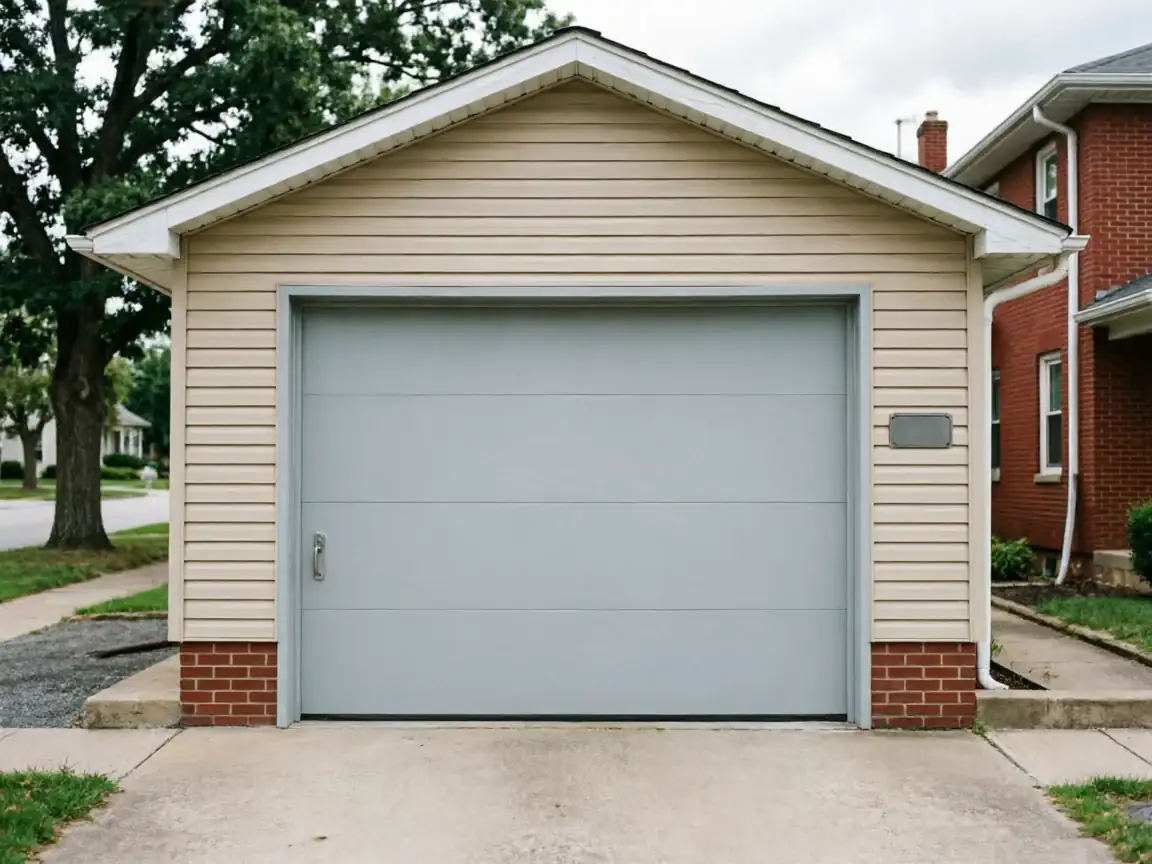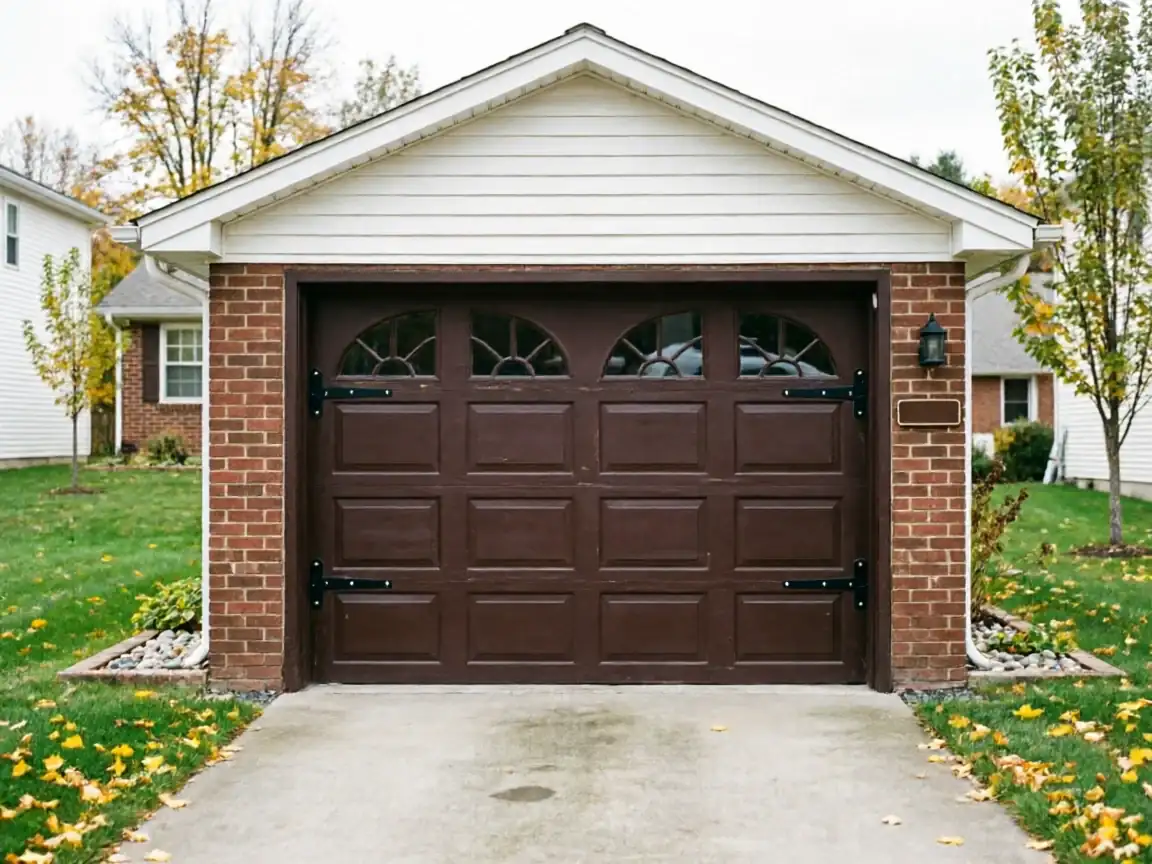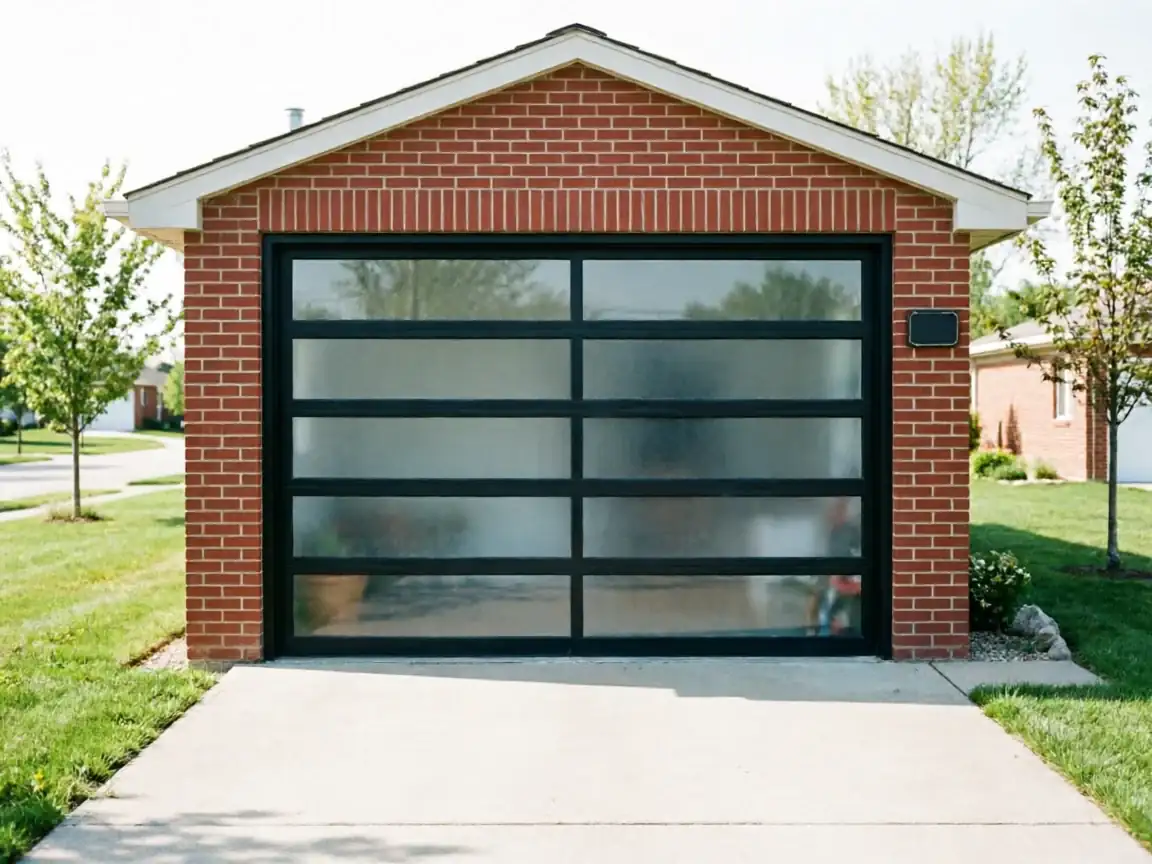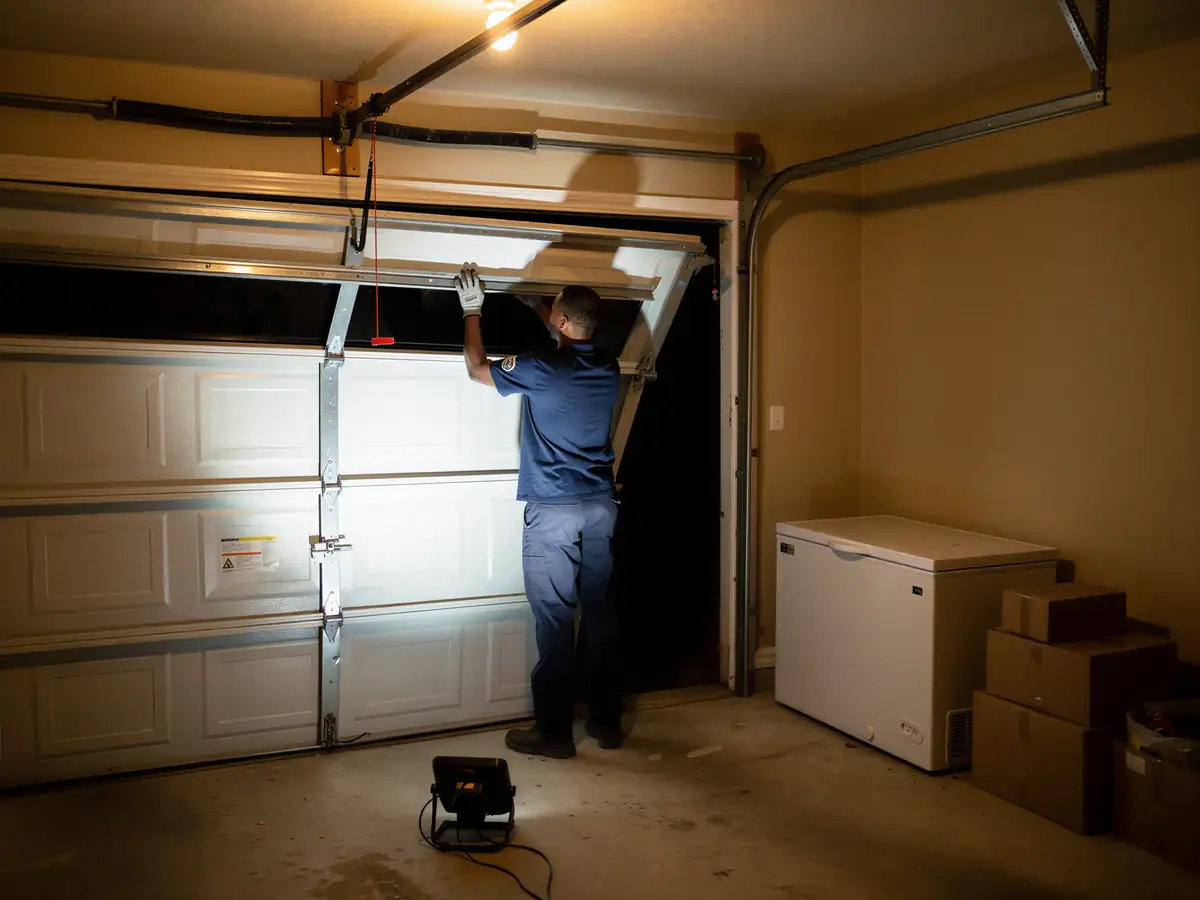
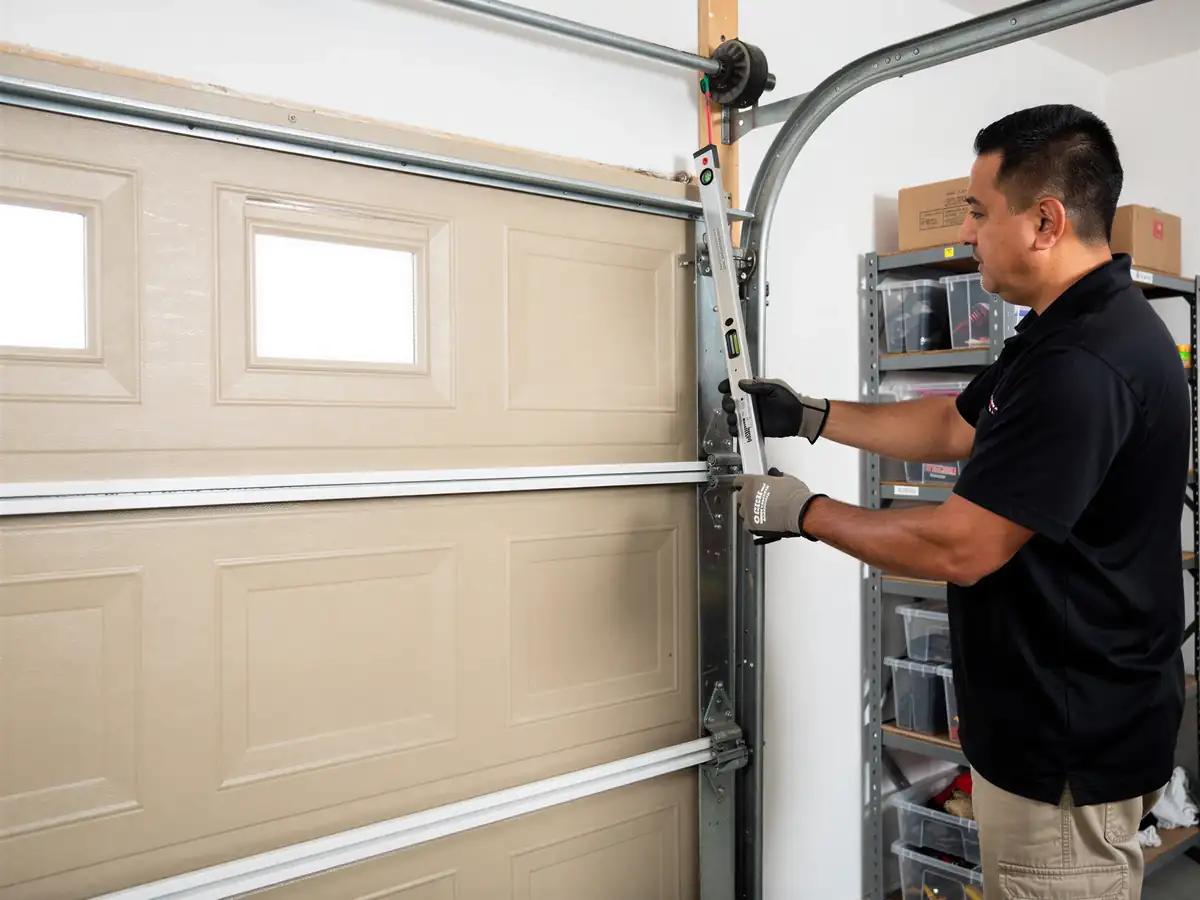
Where This Job Goes Sideways
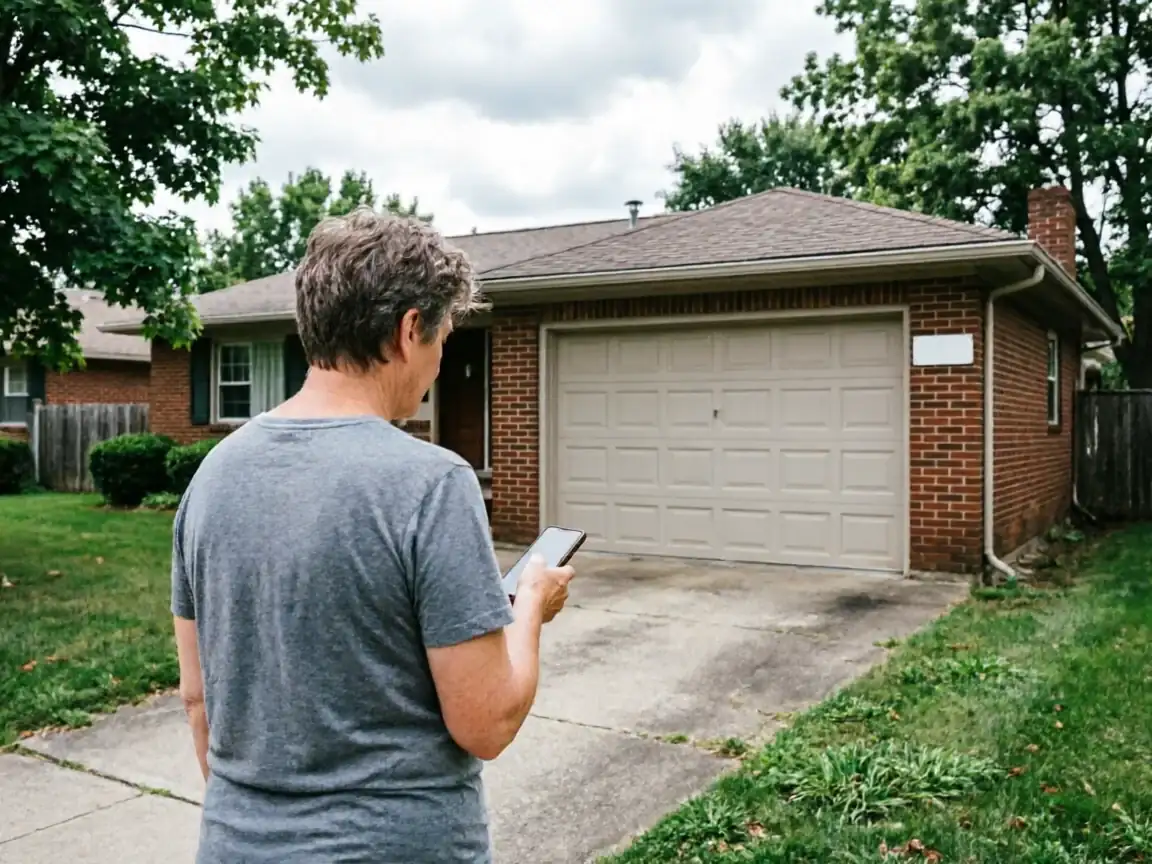
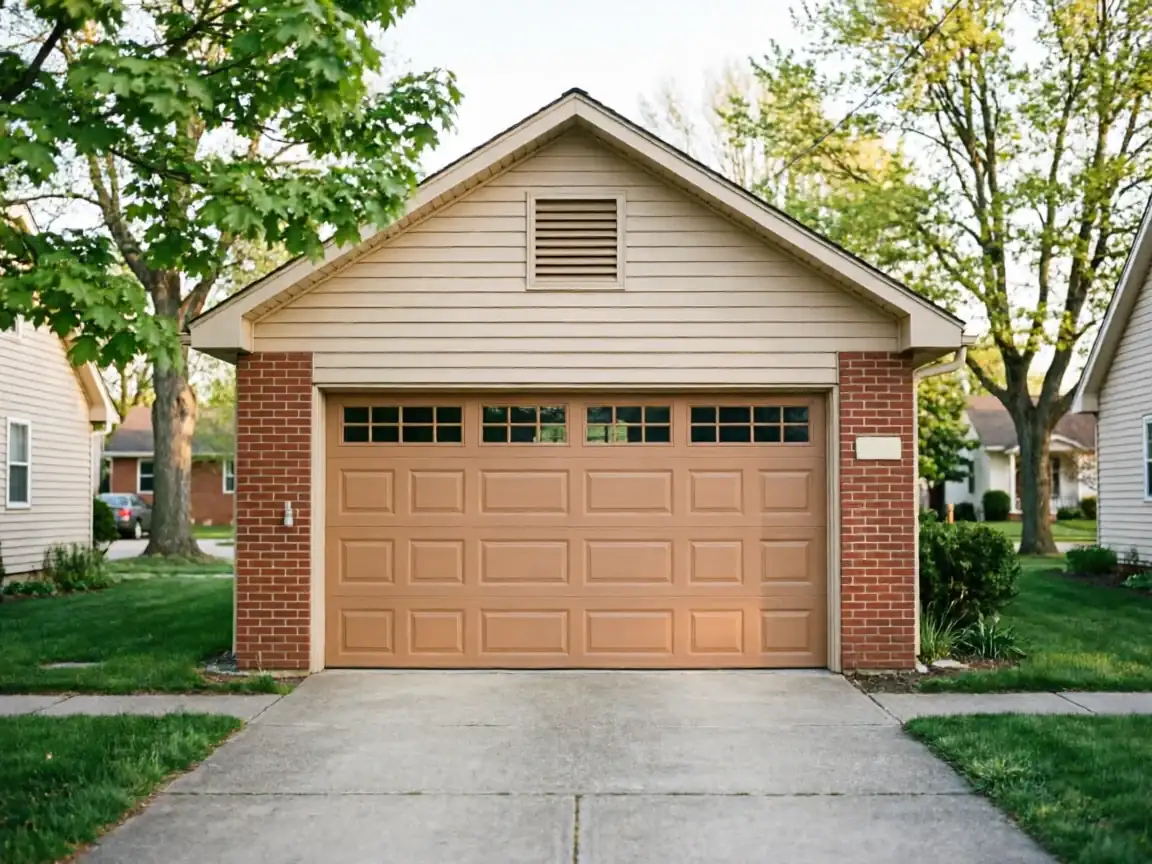
Most garages in Wauconda went up around 1990
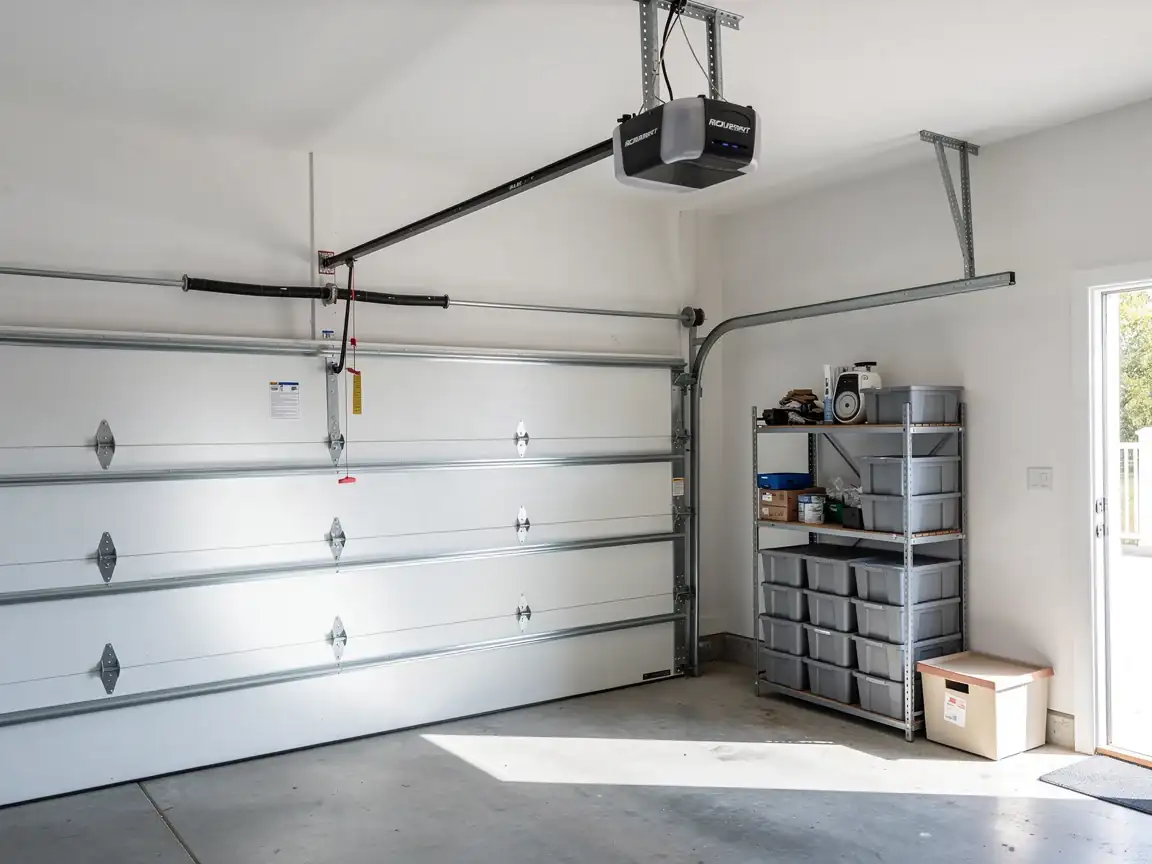
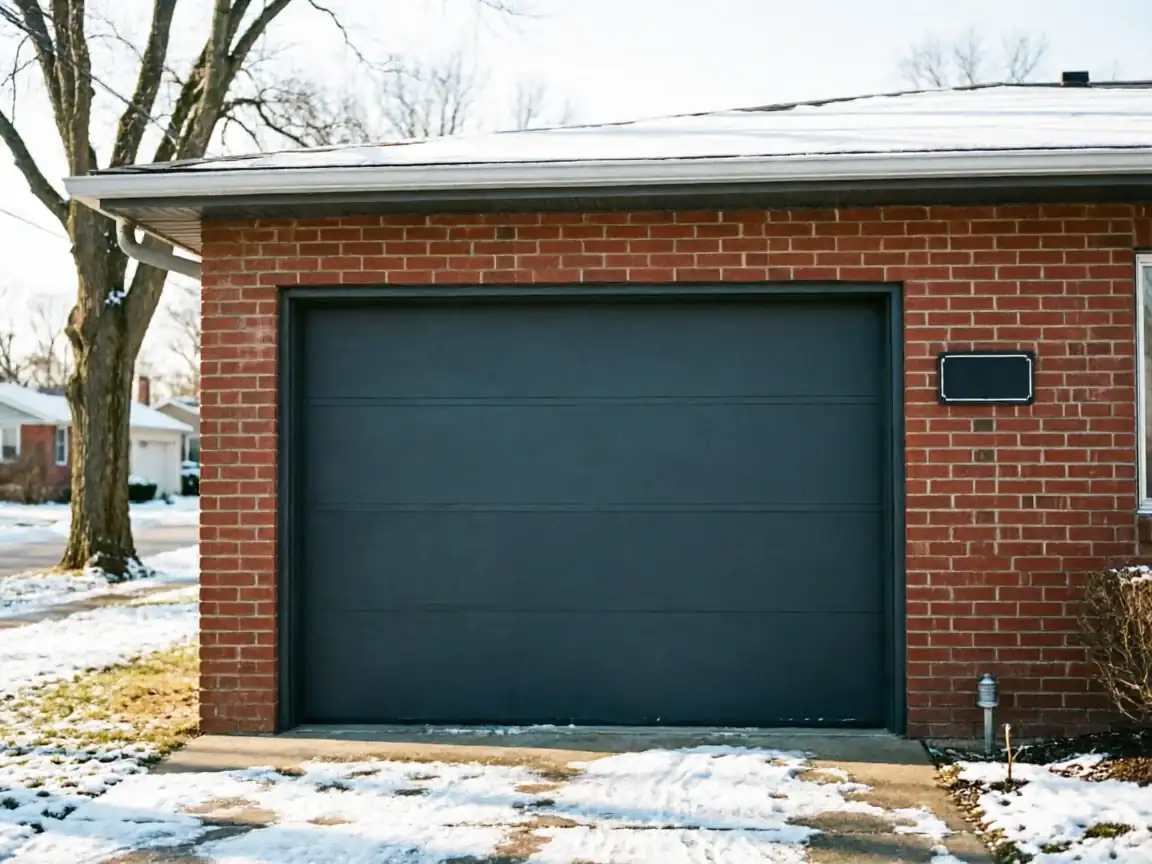
Which puts them square in the era of steel sectional doors - usually a 16x7 double on the front-facing garage and a single 9x7 or 8x7 off to the side. These are raised-panel steel, often a single layer with no insulation, hung on galvanized track that's now pushing three decades of winters. That's long enough for the zinc coating to pit where road salt and snowmelt splash up, and for the factory grease on rollers and hinges to gum up rather than lubricate.
The failure pattern we see from this housing stock is consistent
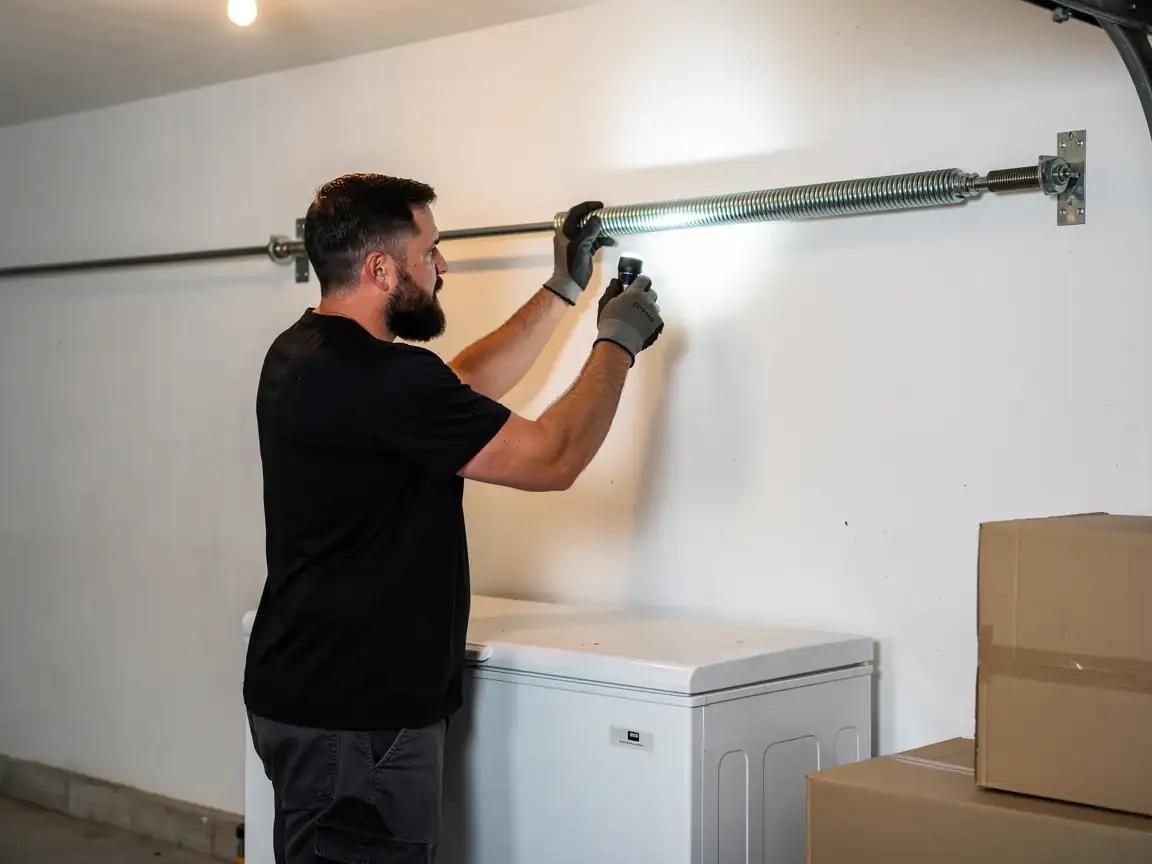
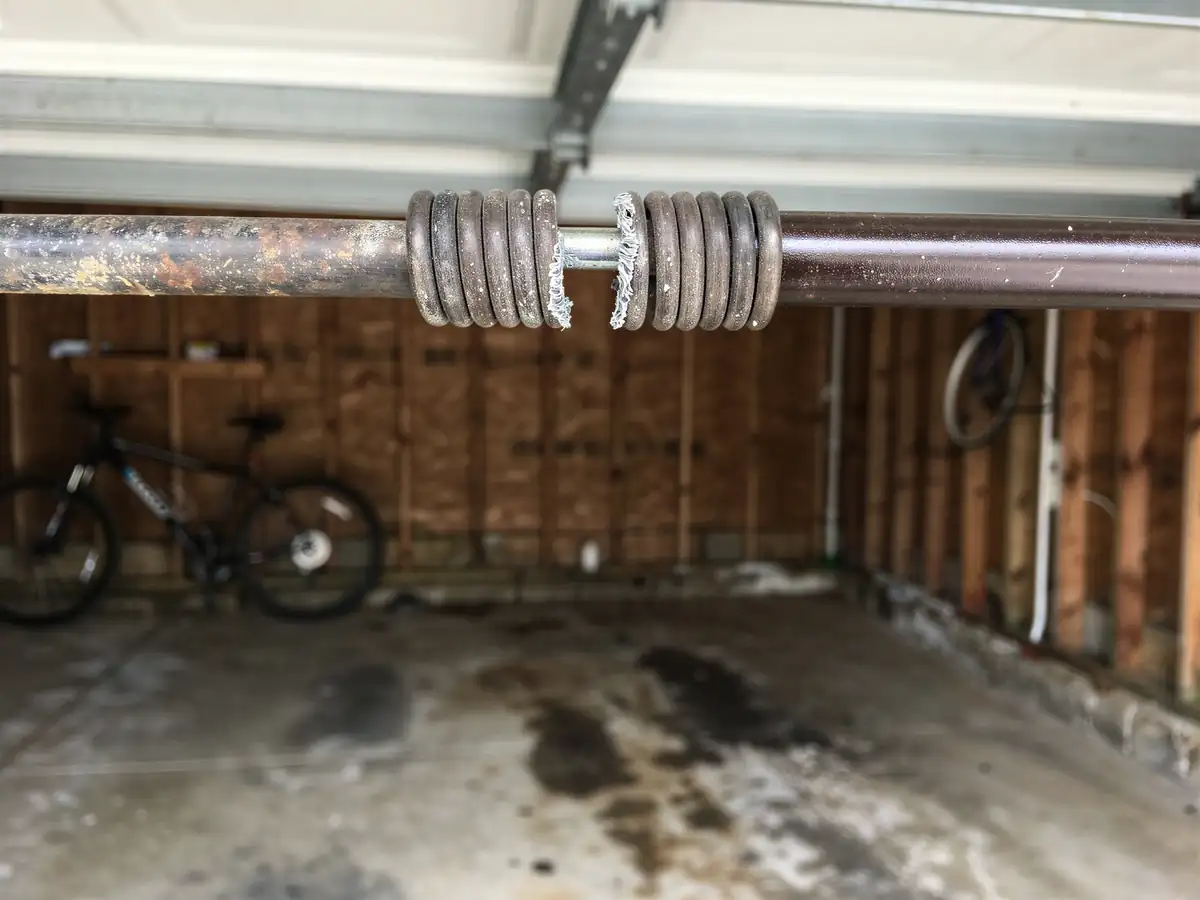
Extension springs that have cycled past their rated life snap without warning, usually in the cold when steel is least forgiving. Builder-grade openers from the same build-out era are also hitting the end of their gear life - the drive gear strips, or the logic board starts dropping signals. None of this is Wauconda-specific hardware, but the age of it is, because the houses here went up in a tight window and the doors are aging together.
What the Repair Takes
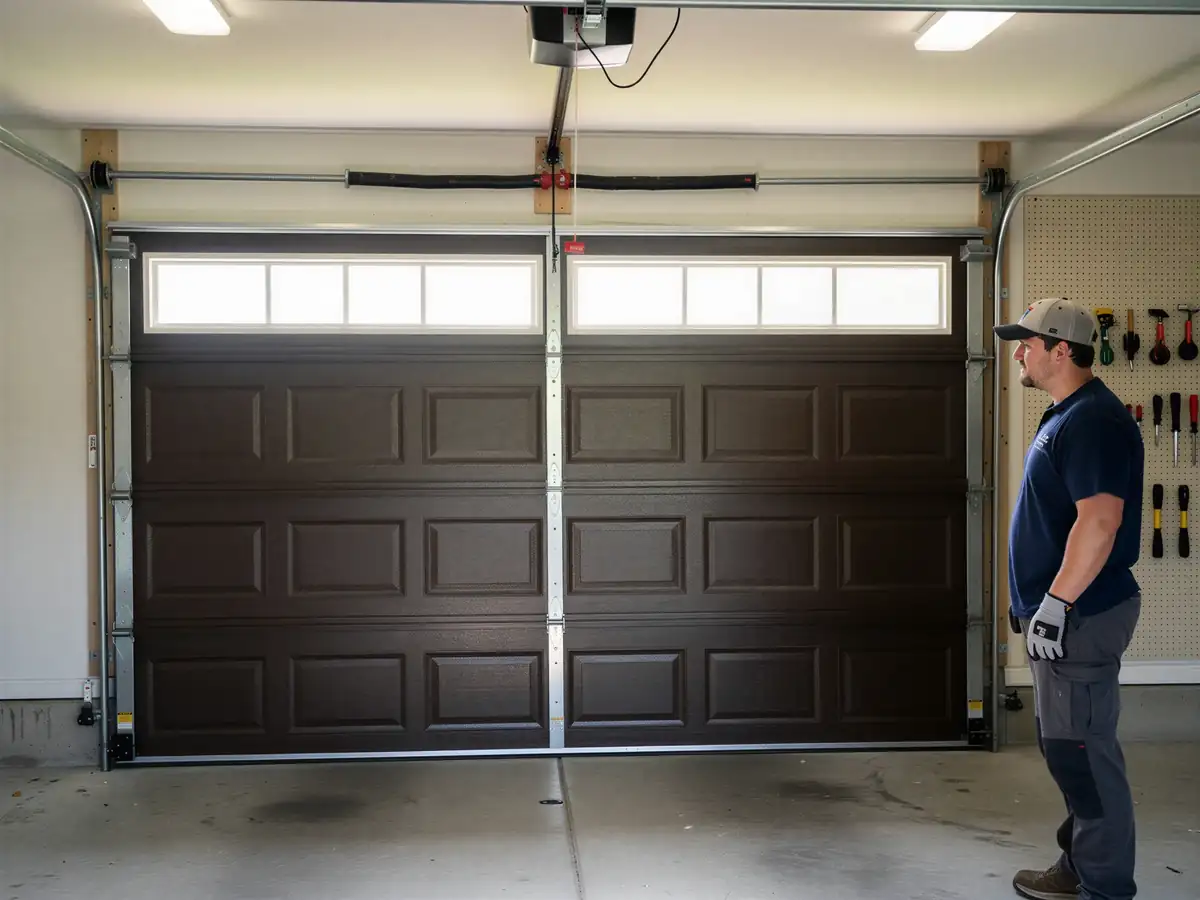
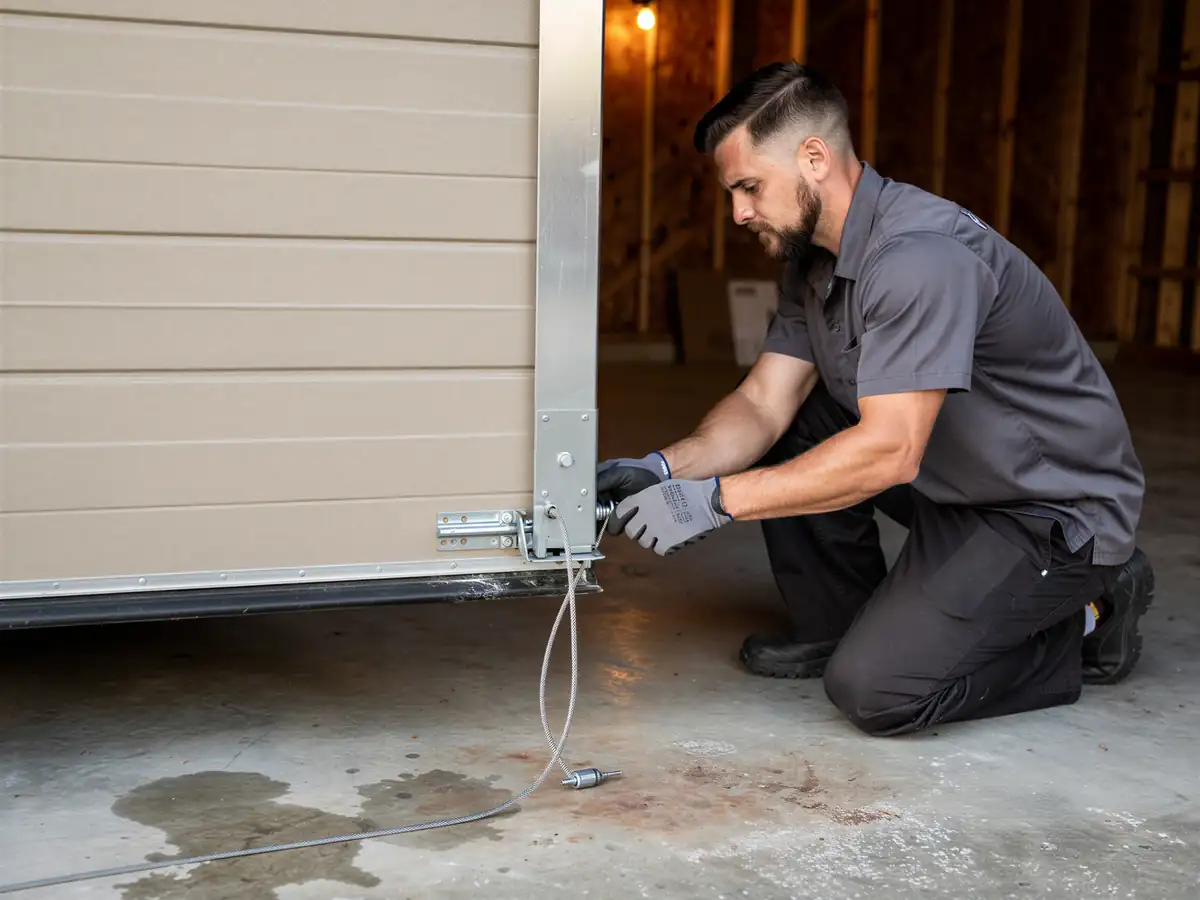
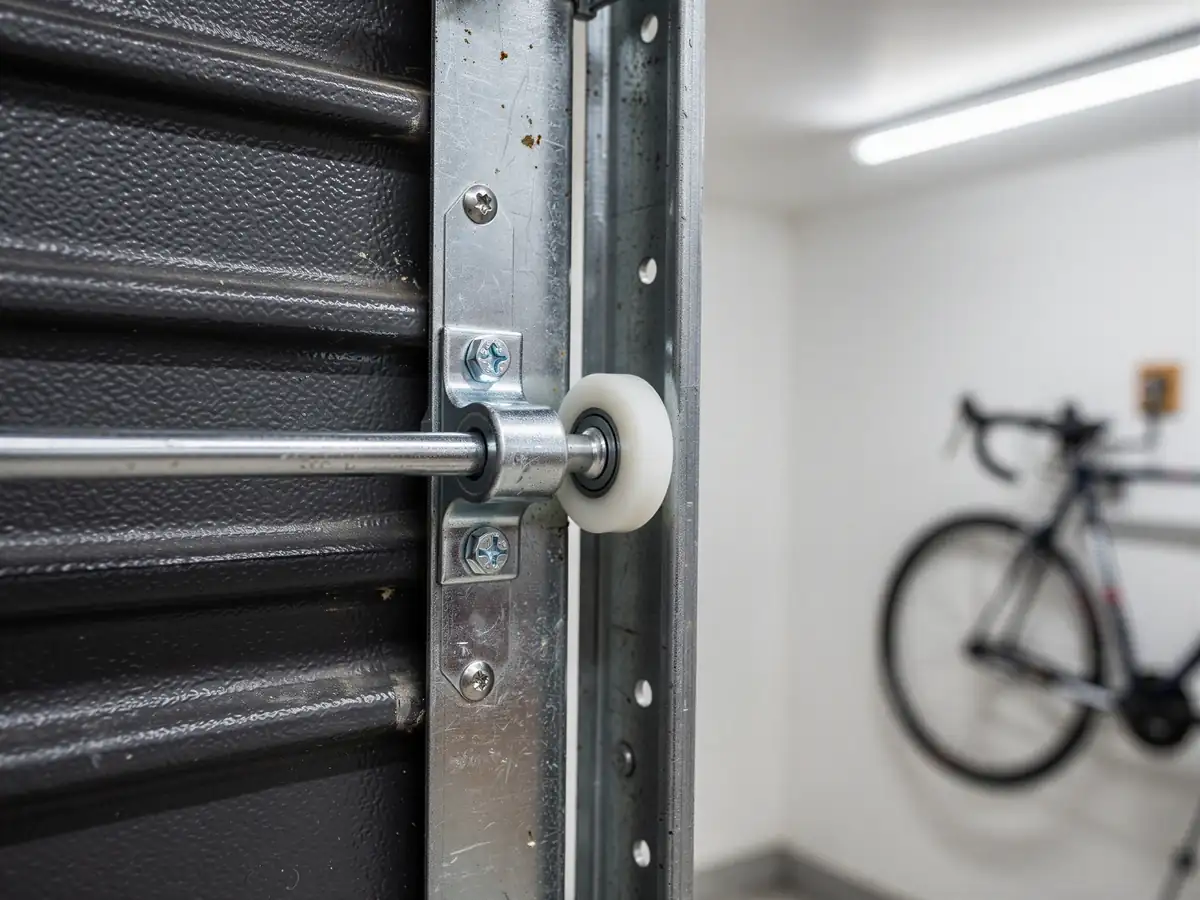
We start by figuring out whether the door is on torsion springs above the opening or extension springs along the horizontal track, because that changes the parts and the approach entirely. A snapped extension spring on a 1990-built double door usually means both springs get replaced as a pair - one has already outlived the other even if it hasn't broken yet. Rollers, end bearings, and the lift cables that run off a frayed extension spring often need replacing in the same visit, since they take the same abuse.
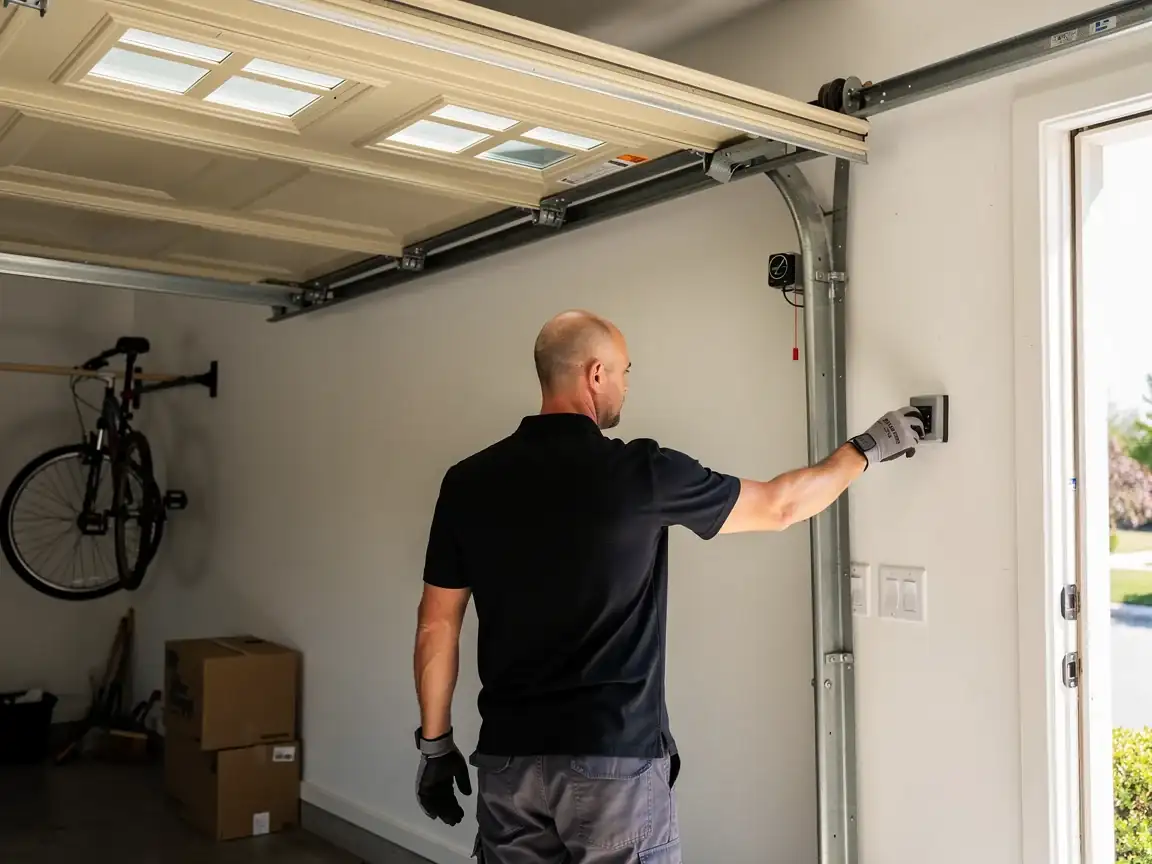
For openers from this era, we check the gear and sprocket kit before we recommend a full replacement - a worn drive gear is a cheap fix if the motor and board are still sound. If the board itself is failing, replacement is usually the better call than chasing intermittent faults.
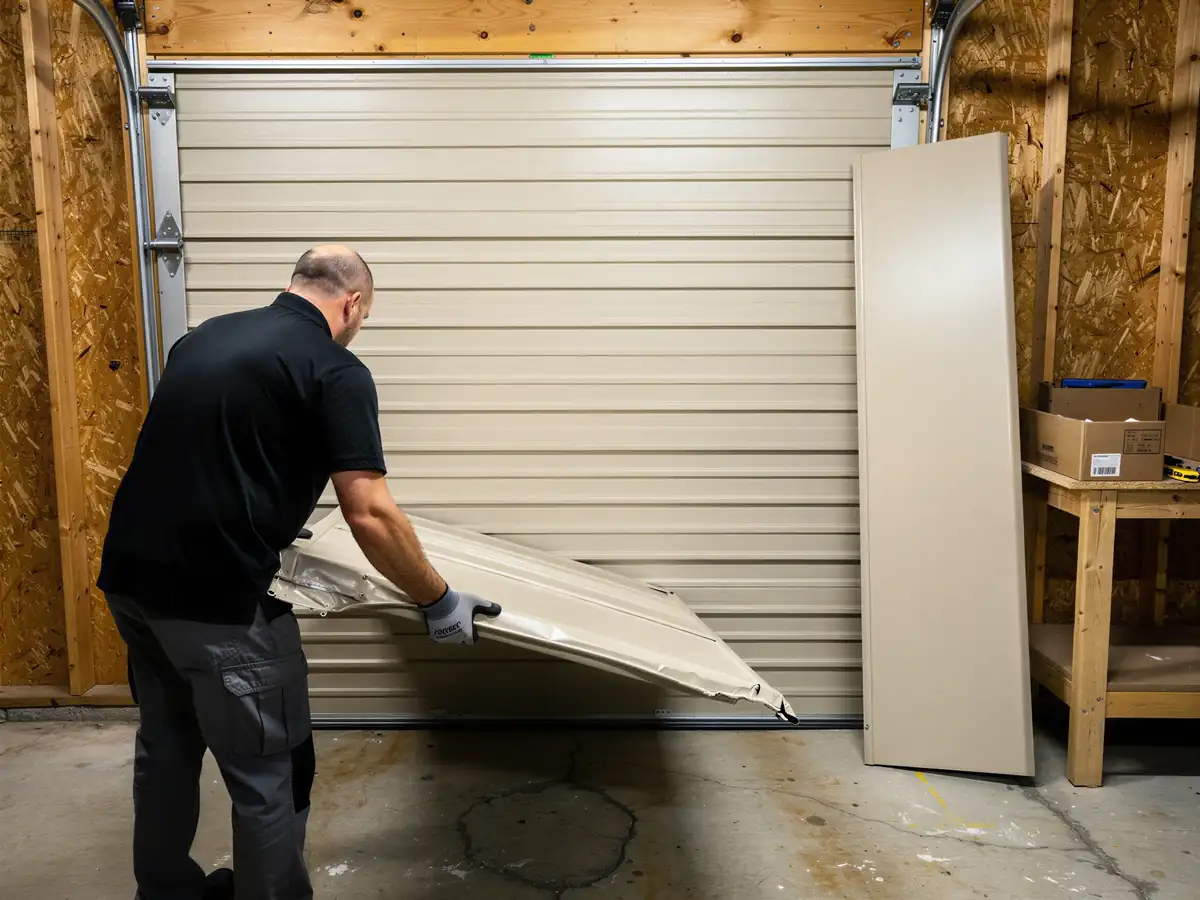
Here's the limitation: if your door is an odd width or a discontinued panel color from a builder who's no longer around, matching panels can take time to source. We'll tell you that up front rather than promise a same-visit panel swap we can't deliver.
Can You Do This Yourself
Lubricating hinges and rollers, tightening loose track brackets, and testing the auto-reverse safety feature are all things a homeowner can handle safely on a door this age. Torsion and extension springs are not. A wound torsion spring holds enough stored force to break a wrist or worse if the winding bars slip, and a 16x7 double door's springs are sized to lift a heavier door than most people expect.
If a spring has already broken and the door is stuck, don't try to force it open with the opener - that just strips the gear or burns the motor trying to lift a dead-weight door. Pull the manual release, prop the door if you need the garage open, and leave the spring swap to someone with the right bars and clamps. For everything else - a noisy roller, a track that's knocked slightly out of alignment, a remote that's stopped syncing - it's worth a call before it turns into a bigger repair.
Booking a Visit
We run this job out of Lake Zurich, about 6 miles from Wauconda
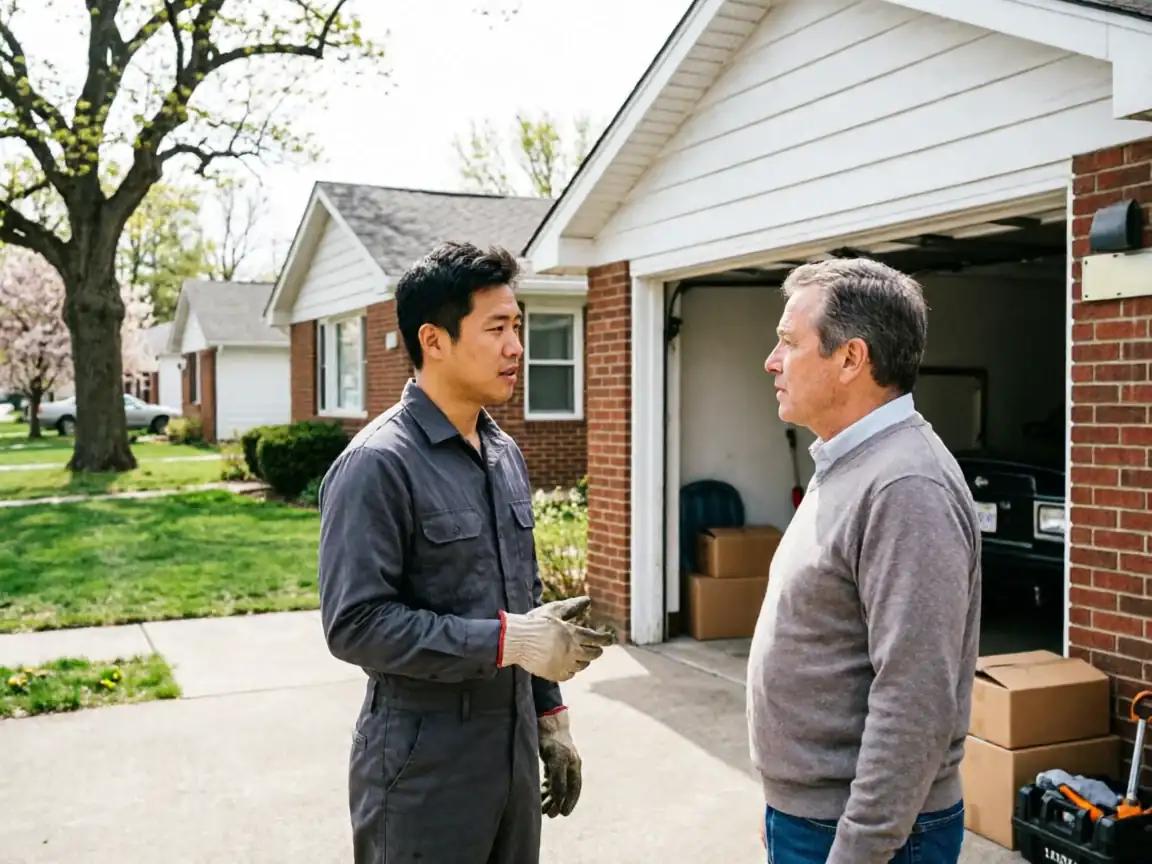
So a service call here is a short drive rather than a cross-county trip. When you call, tell us the door size, whether it's torsion or extension spring, and roughly how old the opener is - that gets us to your door with the right spring weight and hardware already on the truck instead of guessing on-site.
- 6 miles
See more on service across nearby towns
Or check the full repair page for Lake Zurich if you want to see what we cover for the home base itself.
Why This Fails Locally
Wauconda sits in a cold climate band, and that matters more for a 1990-era door than people assume. Steel contracts in low temperatures, which tightens tolerances on a track that's already slightly out of square from 30-plus years of settling. Spring steel also loses some flexibility in deep cold, which is exactly when a spring that's near the end of its cycle count tends to let go - not in July, but on the coldest morning in January when you need the door to open on the first try.
The other piece is simple math: with roughly 5,115 households in Wauconda and a housing stock centered on 1990, a large share of these doors are original or close to it. Original hardware from that build window is reaching the point where it's not a question of if a spring or cable fails, it's when. We're not telling you to replace a door that's working fine - just that if yours is from the original build and still running factory springs, that's worth a look before it fails on its own schedule.
Parts We Carry
For the door sizes common to this housing stock - 16x7 and 9x7 steel sectional - we stock standard torsion and extension springs, galvanized lift cables, sealed ball-bearing rollers, and the hinges and end bearings that wear out alongside them. We also carry drive gear and sprocket kits for the builder-grade chain and belt openers that came standard in homes built around 1990, plus weatherstripping rated for a cold climate, since the factory seal on a door this old has usually hardened and cracked.
What we don't keep on the truck is matching replacement panels for discontinued colors or custom widths - those get special-ordered once we've confirmed the exact match needed. For anything standard, the goal is to get your door back in service in one visit rather than a return trip for parts.