What the Repair Takes
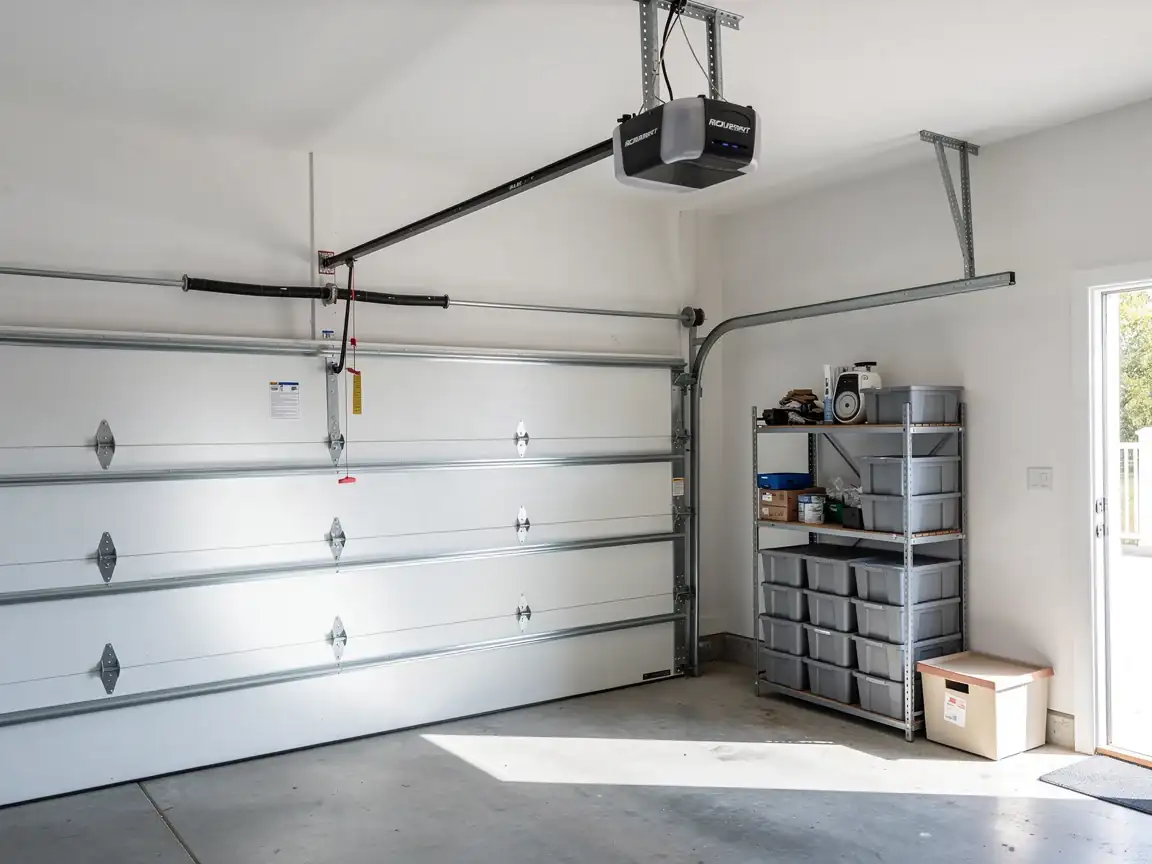
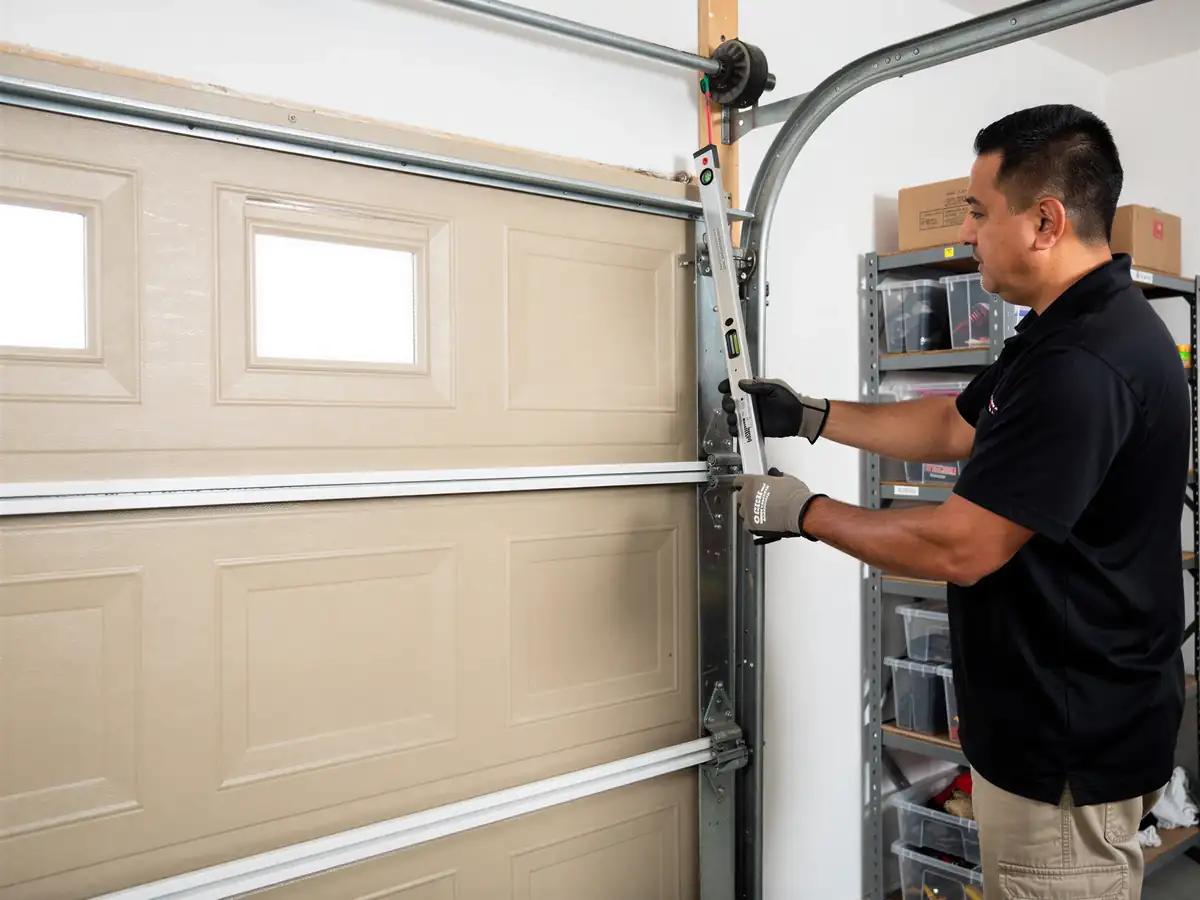
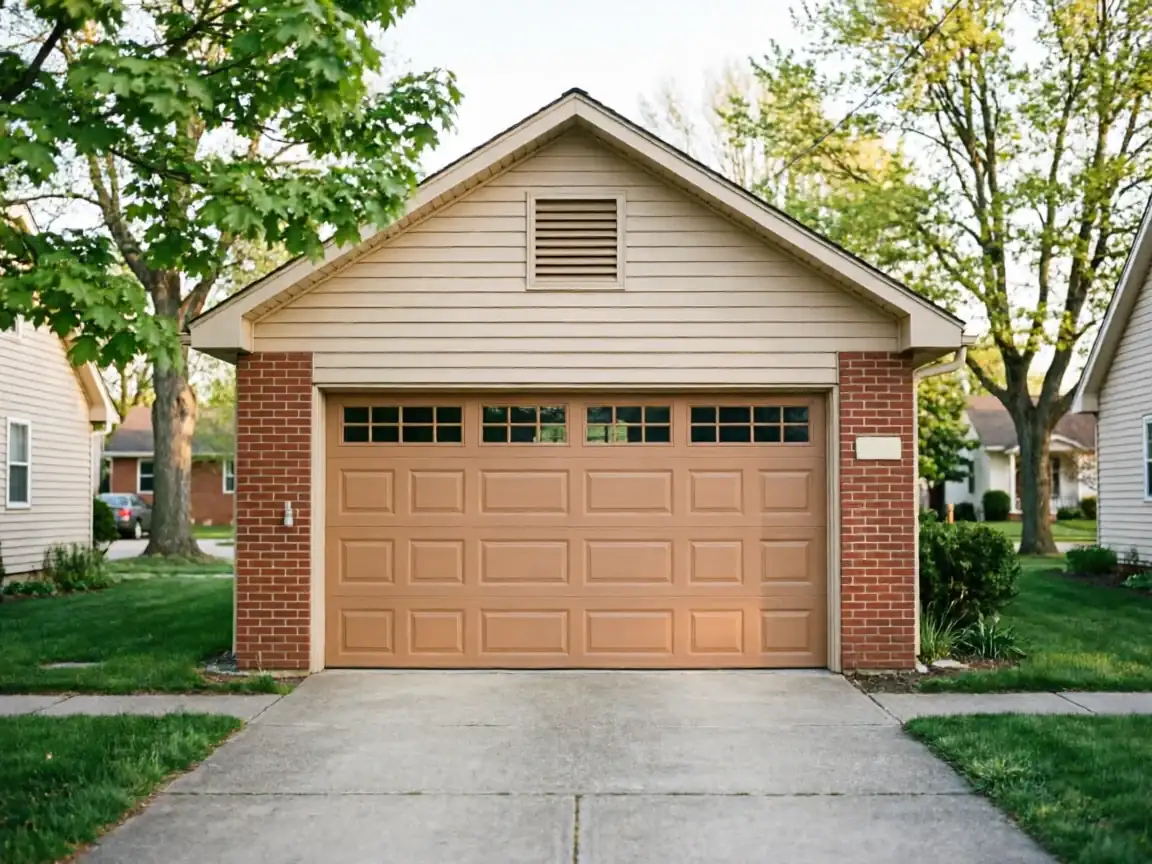
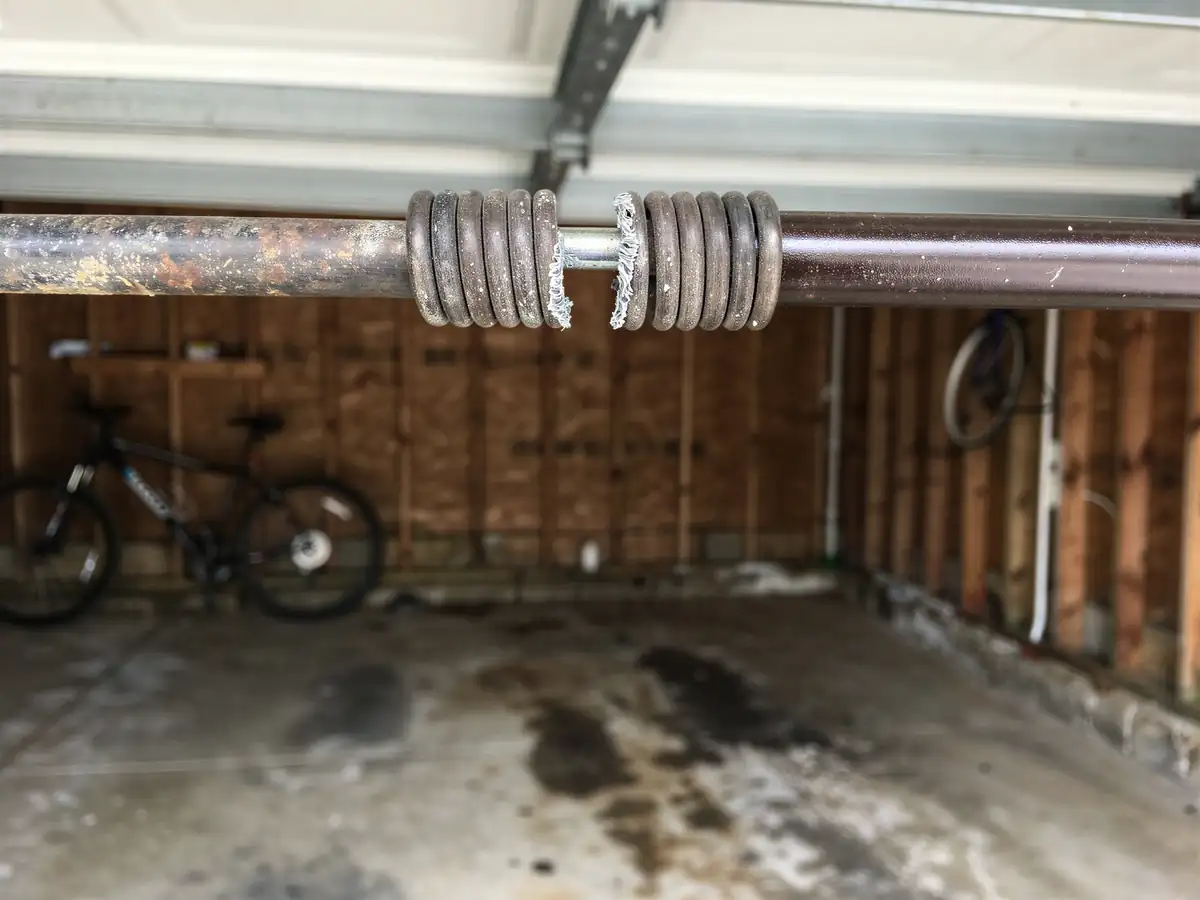
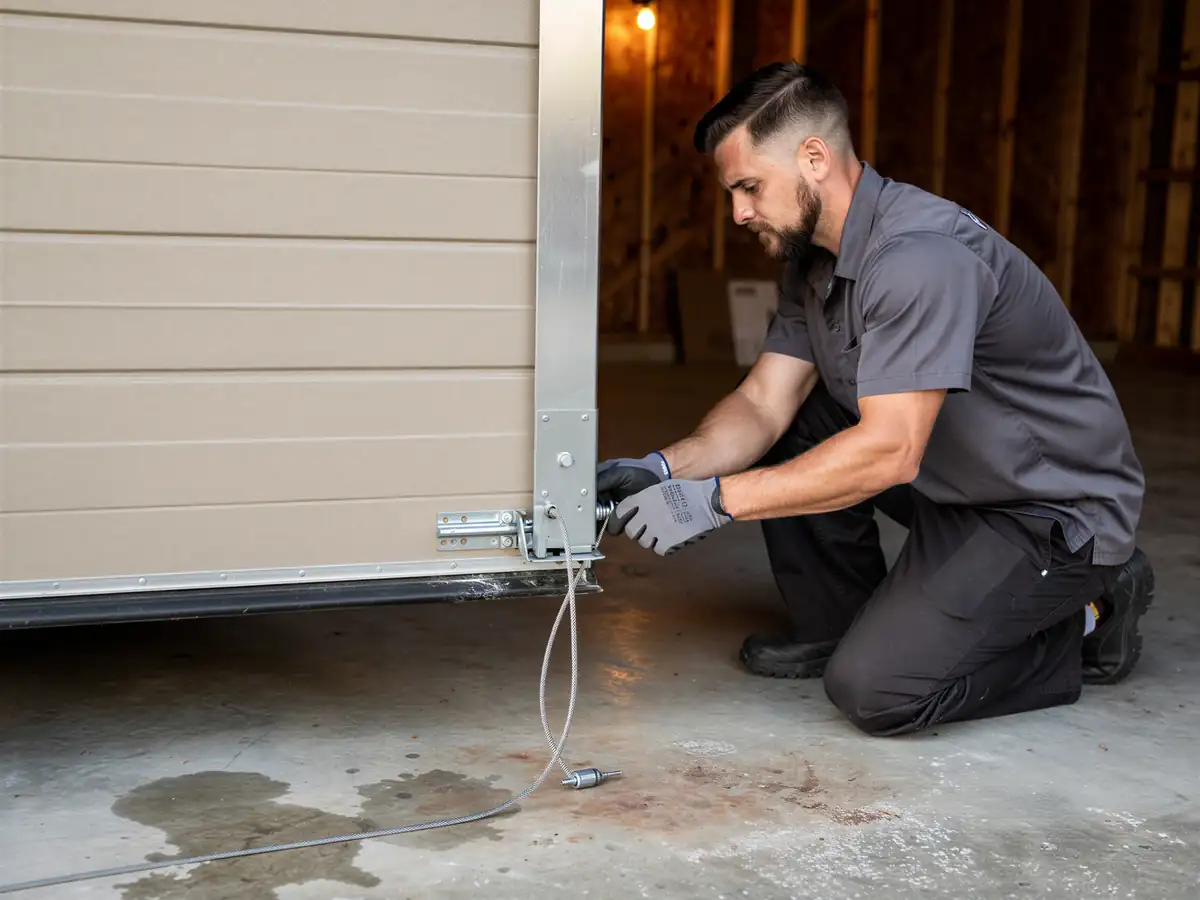
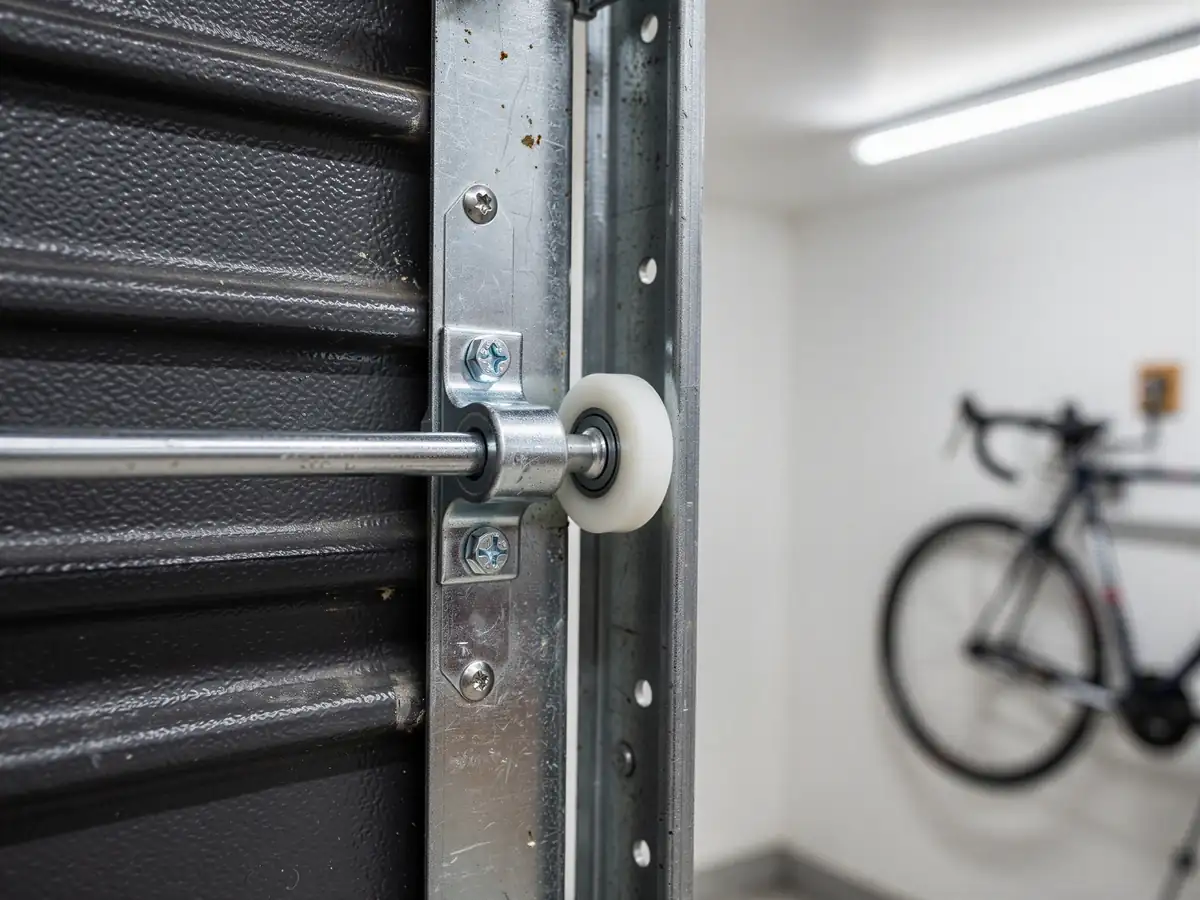
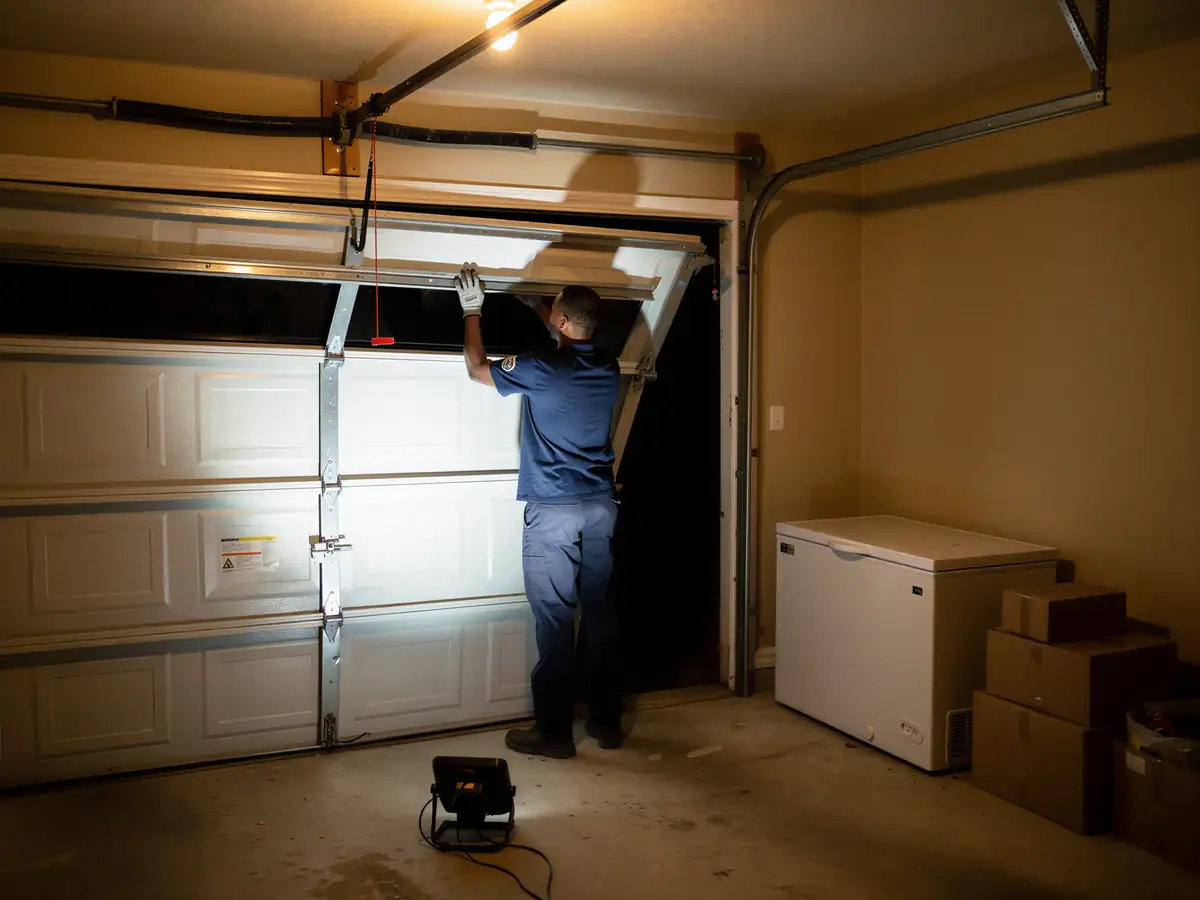
A broken torsion spring, a snapped cable, or an off-track panel on a door from the early 1990s build era is a different job than the same failure on a 2015 door. The steel gauge is thinner, the rollers are usually the original nylon ones that have gone brittle, and the torsion hardware is often sized for a lighter door than what's actually hanging on it - a common mismatch in houses from that period where the original builder-grade door got swapped for a heavier insulated one without upgrading the springs. We carry spring sets rated for that range of door weight on the truck, along with standard cable and roller stock, because it's the combination we run into most in this part of the service area. Climate plays a role too: this is a cold-moderate region, and cold steel is brittle steel - a spring that's been flexing fine for a decade can snap on the first hard-freeze morning of the season. That's not unique to Wauconda, but it's part of why winter calls here skew toward spring failure over, say, opener electronics.
Can You Do This Yourself
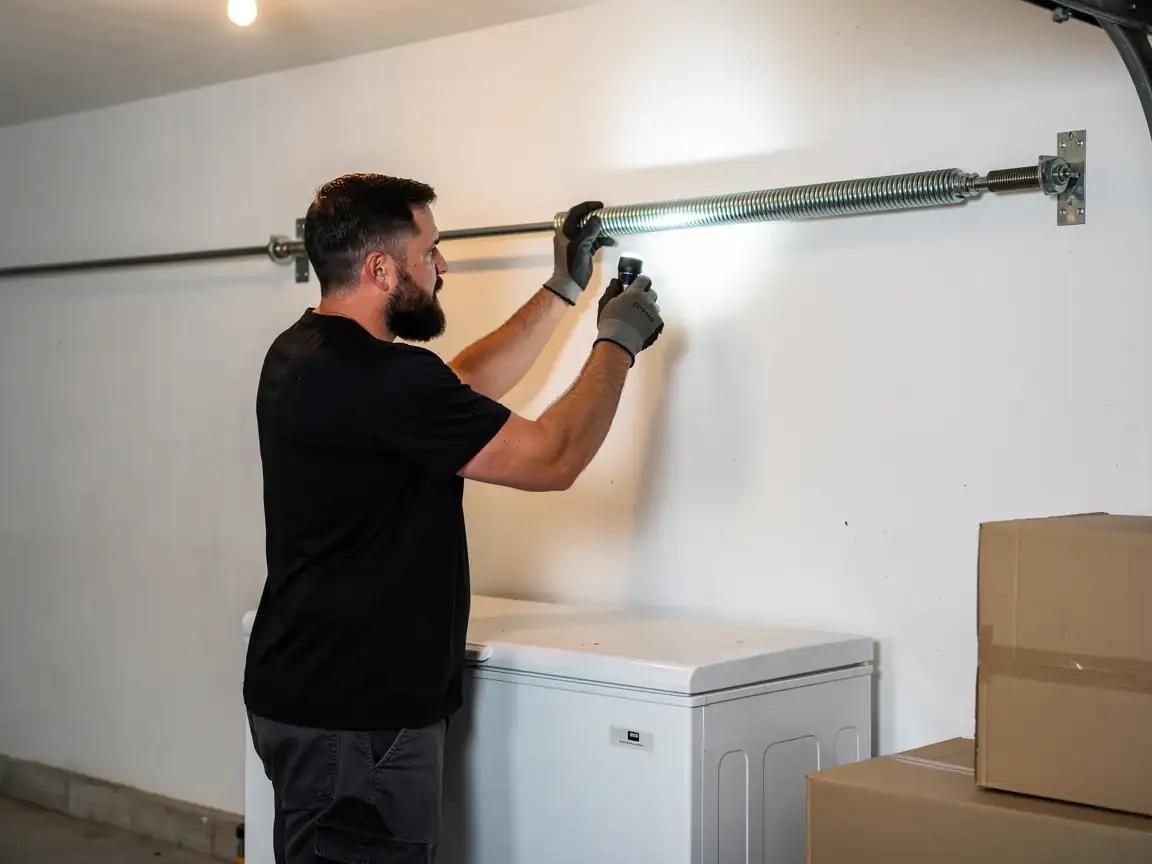
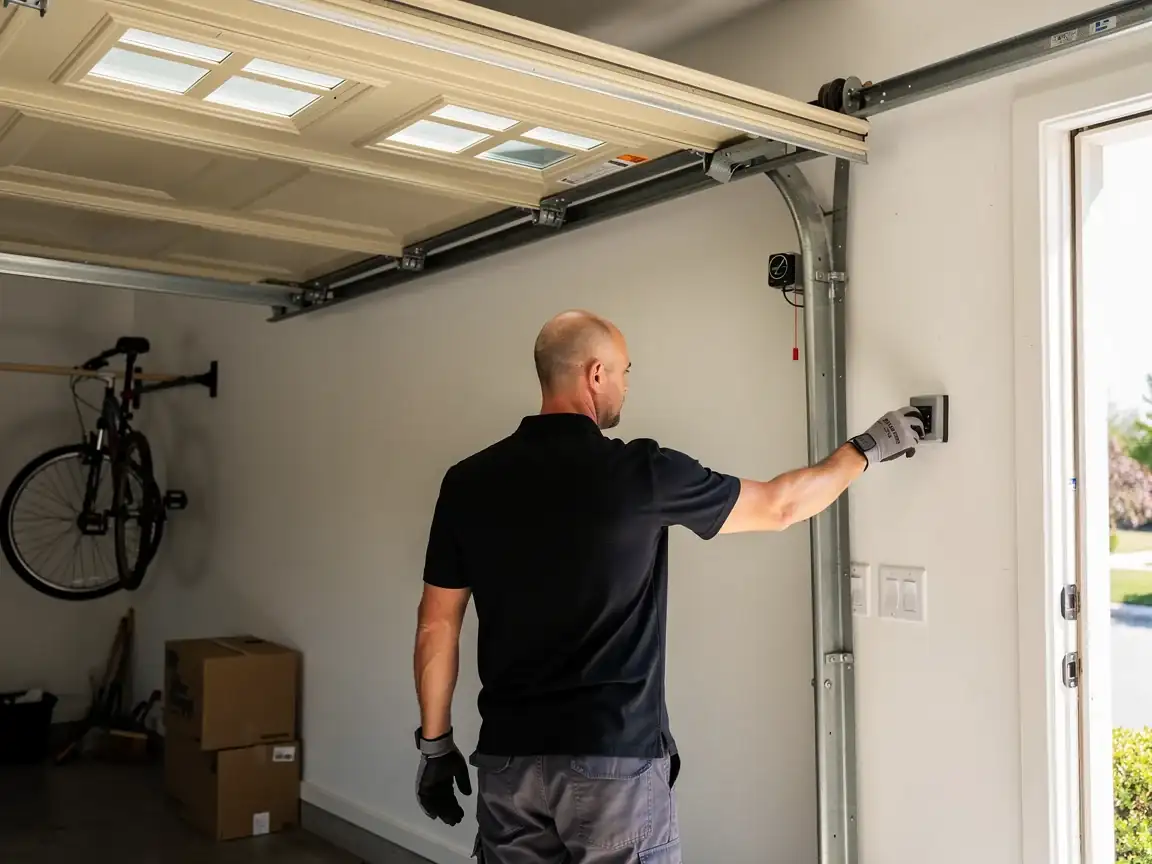
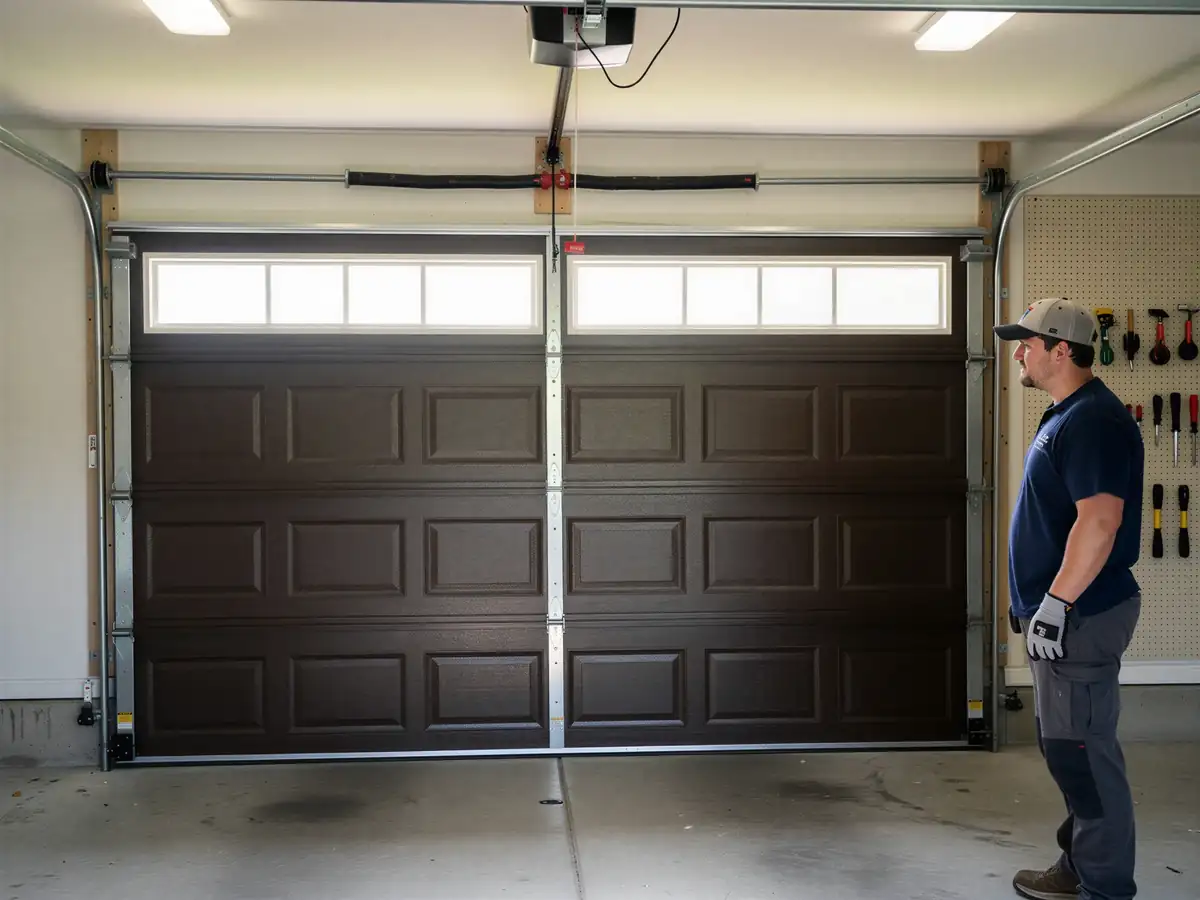
Torsion springs are under enough tension to break a wrist or worse, and that doesn't change because the door is thirty years old instead of five. If the door won't open and you can see a gap in the spring above the door, or a cable has come off the drum, that's a call-a-pro job, full stop - we're not going to pretend otherwise to sound reassuring. What you can safely check yourself: the photo-eye sensors near the floor (a smudge or a stray box in the beam path is a common false alarm on older setups), and whether the opener is simply unplugged or tripped a breaker. If the door moves by hand with the opener disconnected but won't go with power, that's usually the opener, not the door, and it's a smaller job. If it won't budge by hand either, stop - that's spring or cable, and that's ours.
Why This Fails Locally
With 5,115 households in Wauconda and a housing stock centered on 1990 construction, the failure pattern here is fairly consistent: original torsion springs rated for a lighter door than what's currently installed, nylon rollers past their service life, and openers old enough that the logic board itself is the point of failure rather than anything mechanical. None of that is dramatic, but it's why an emergency call here is rarely a total mystery once we're on site - the door's age tells us most of the story before we touch a wrench. The income profile matters too: at a median of $112,438, most owners we talk to want the repair done right once rather than a cheap patch that fails again next winter, and the parts we stock reflect that.
Parts We Carry
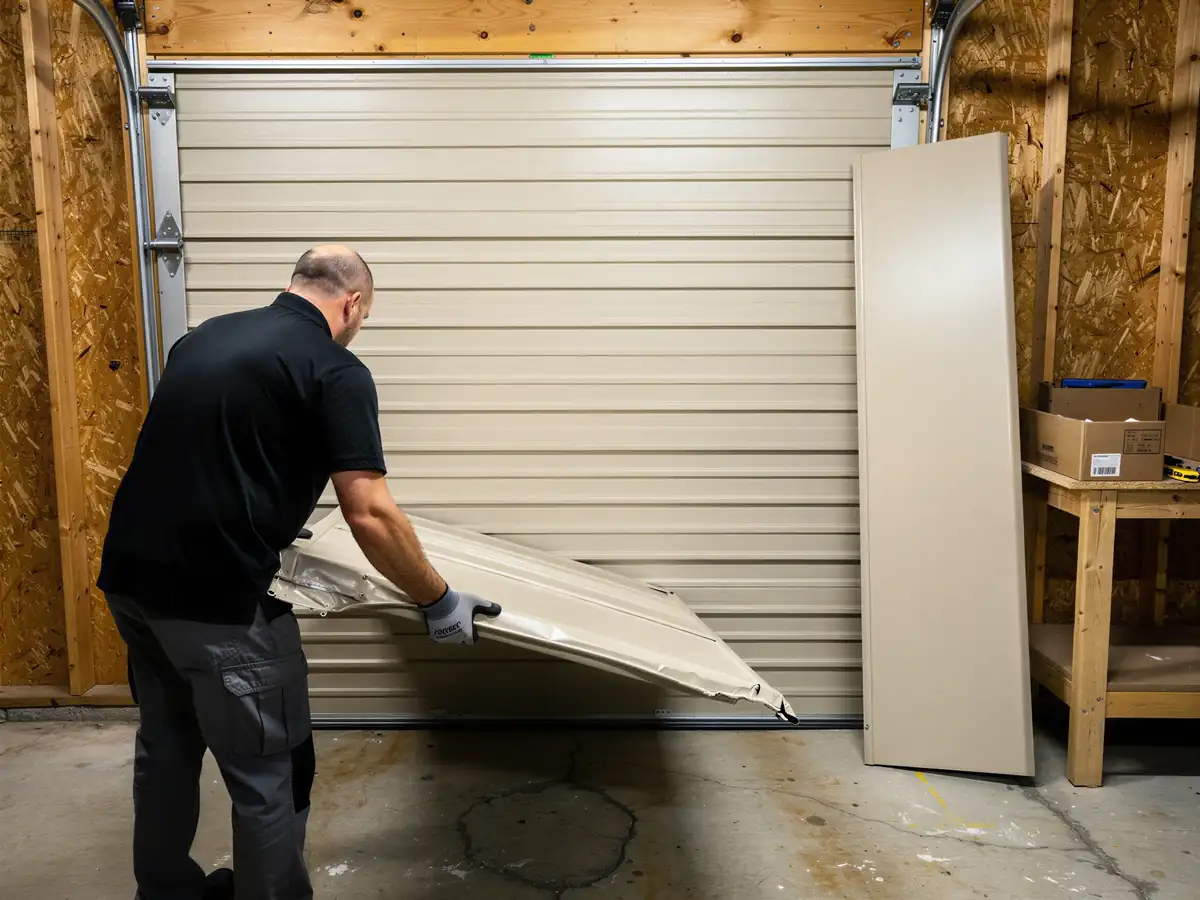
On the truck for this part of the service area: torsion springs sized for both lightweight and insulated steel doors (the mismatch mentioned above is common enough that we stock both), standard lift cables, nylon and steel rollers, and basic track hardware. What we don't carry as a standard stock item is a replacement door panel itself - those are ordered to match the existing door's style and come with a lead time, so if a panel's caved in from impact, that first visit is diagnosis and a temporary fix, not a same-day panel swap. We'll tell you that on the phone, not after you've waited around for a truck that can't finish the job in one trip.