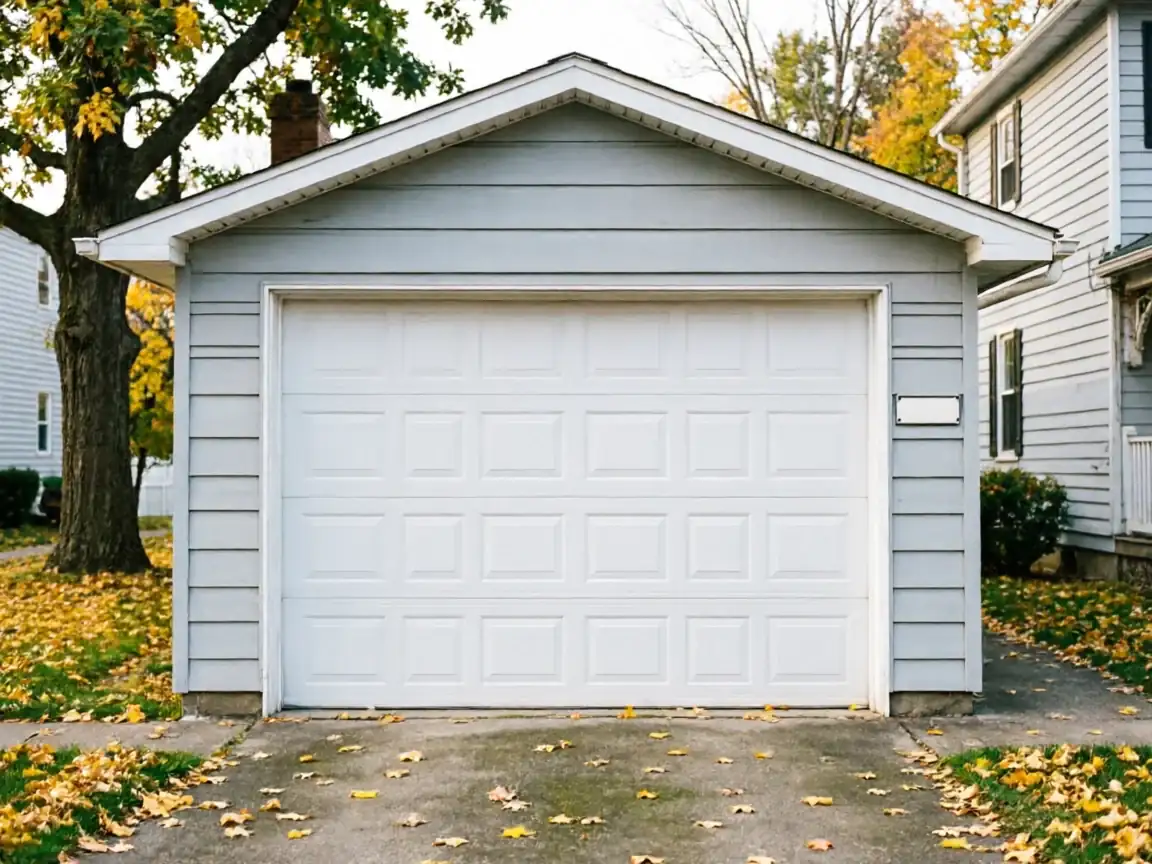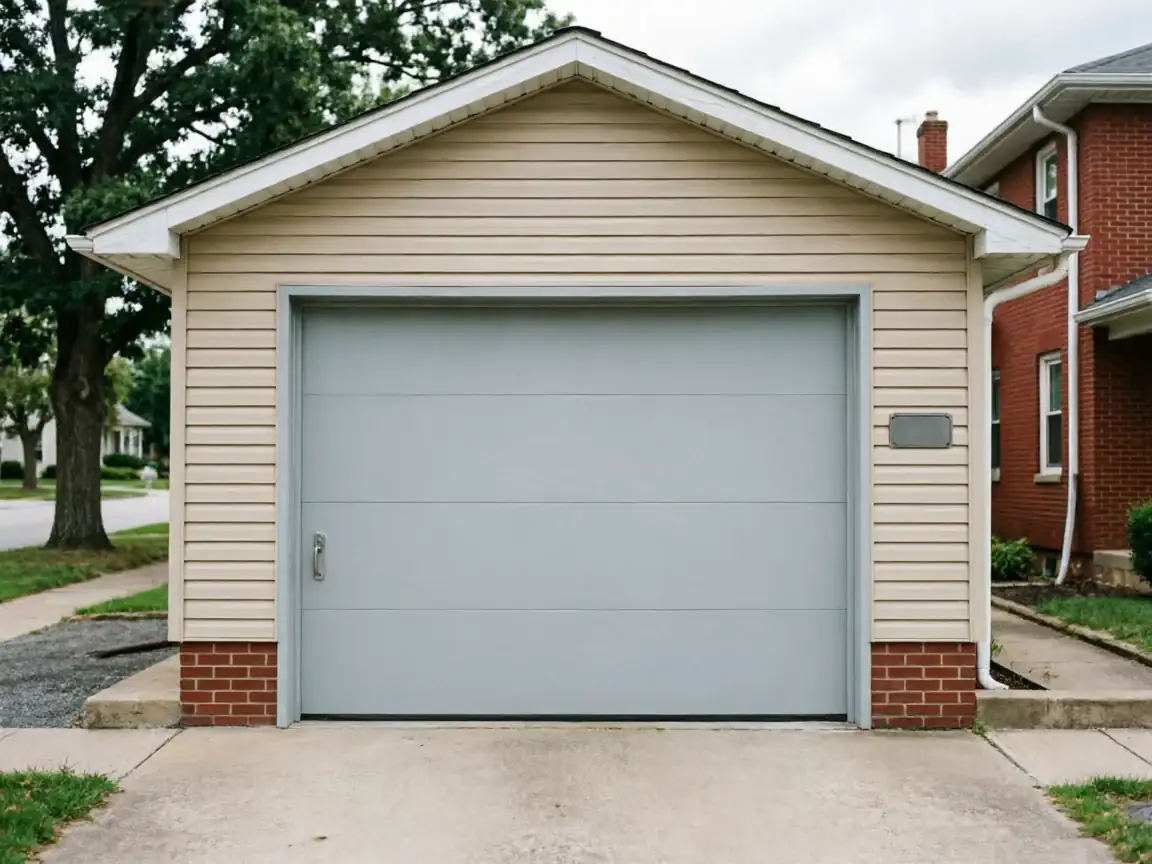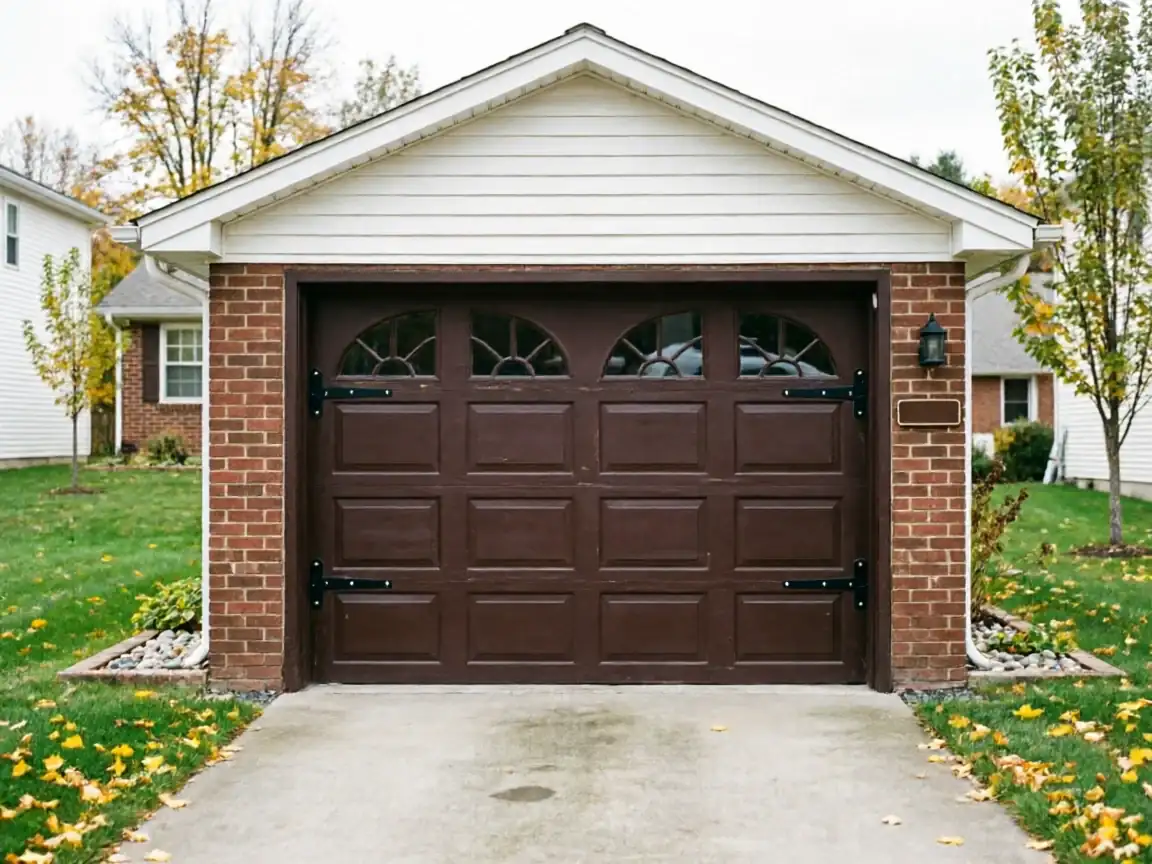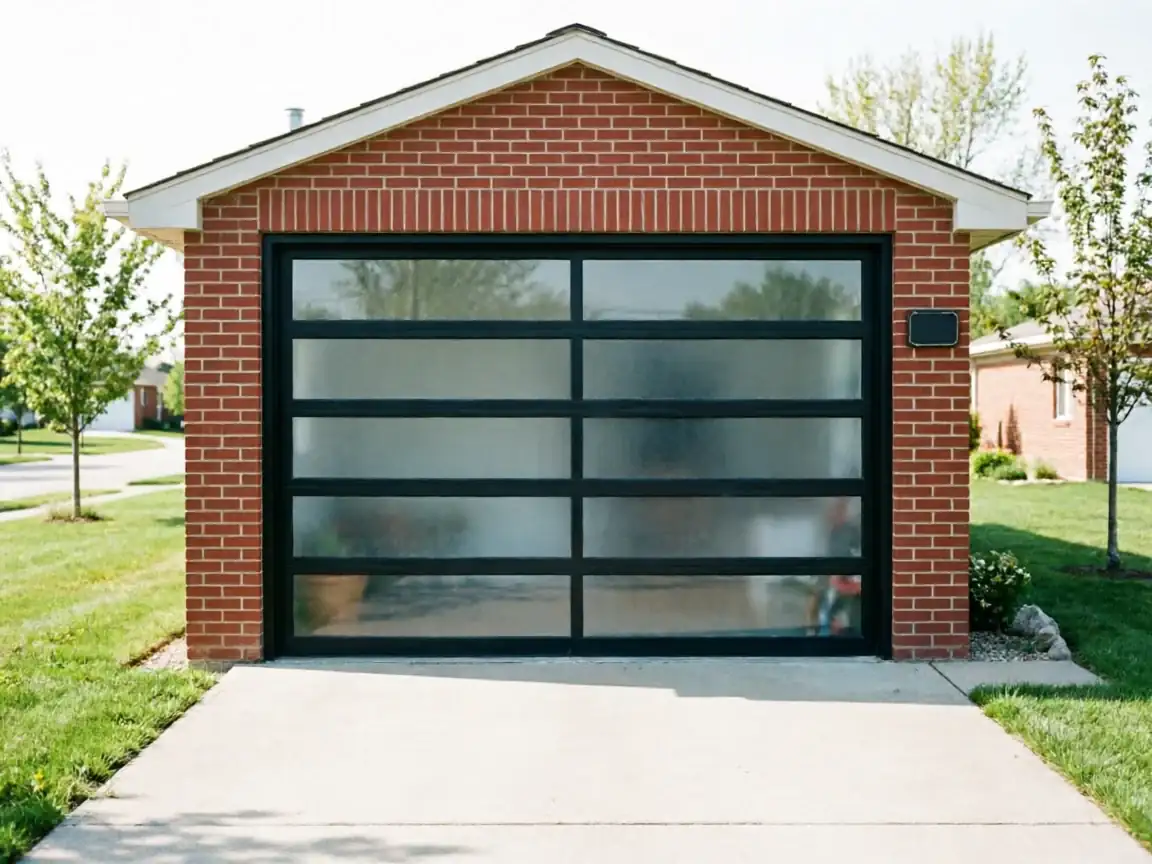
What the Repair Takes
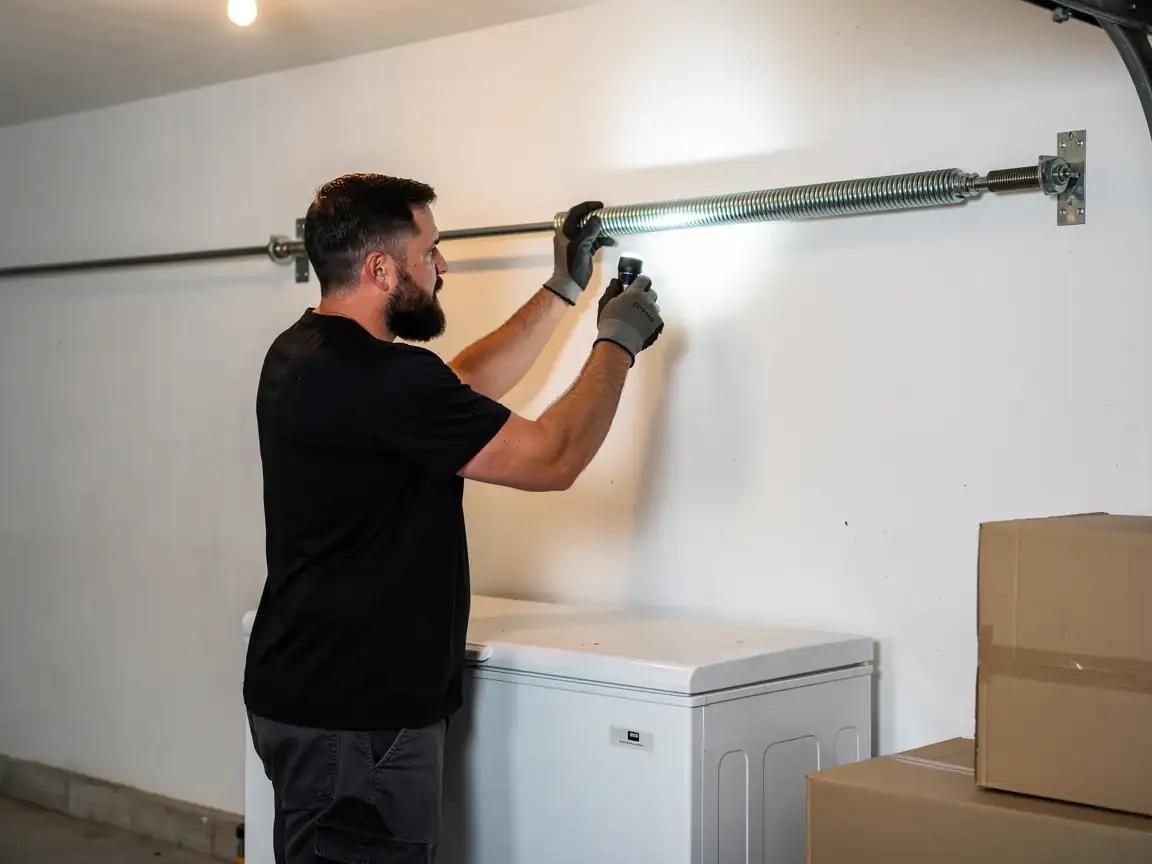
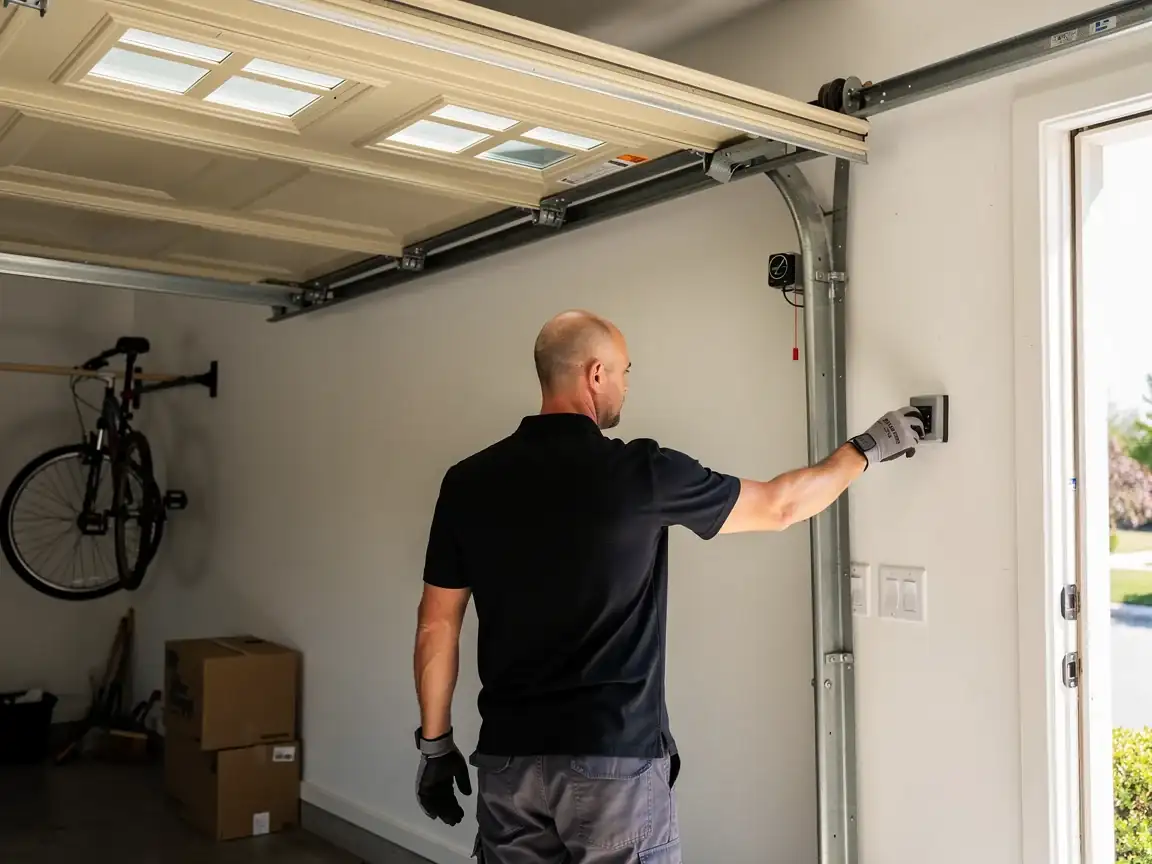
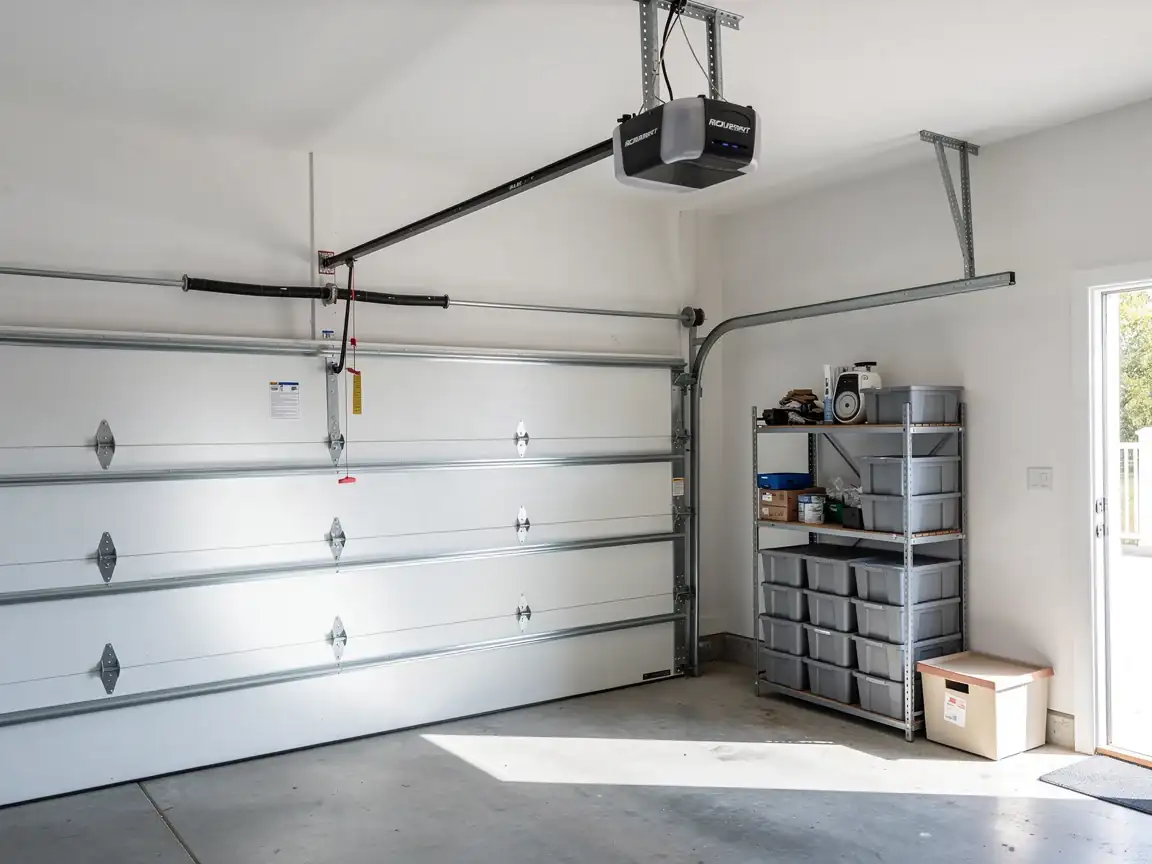
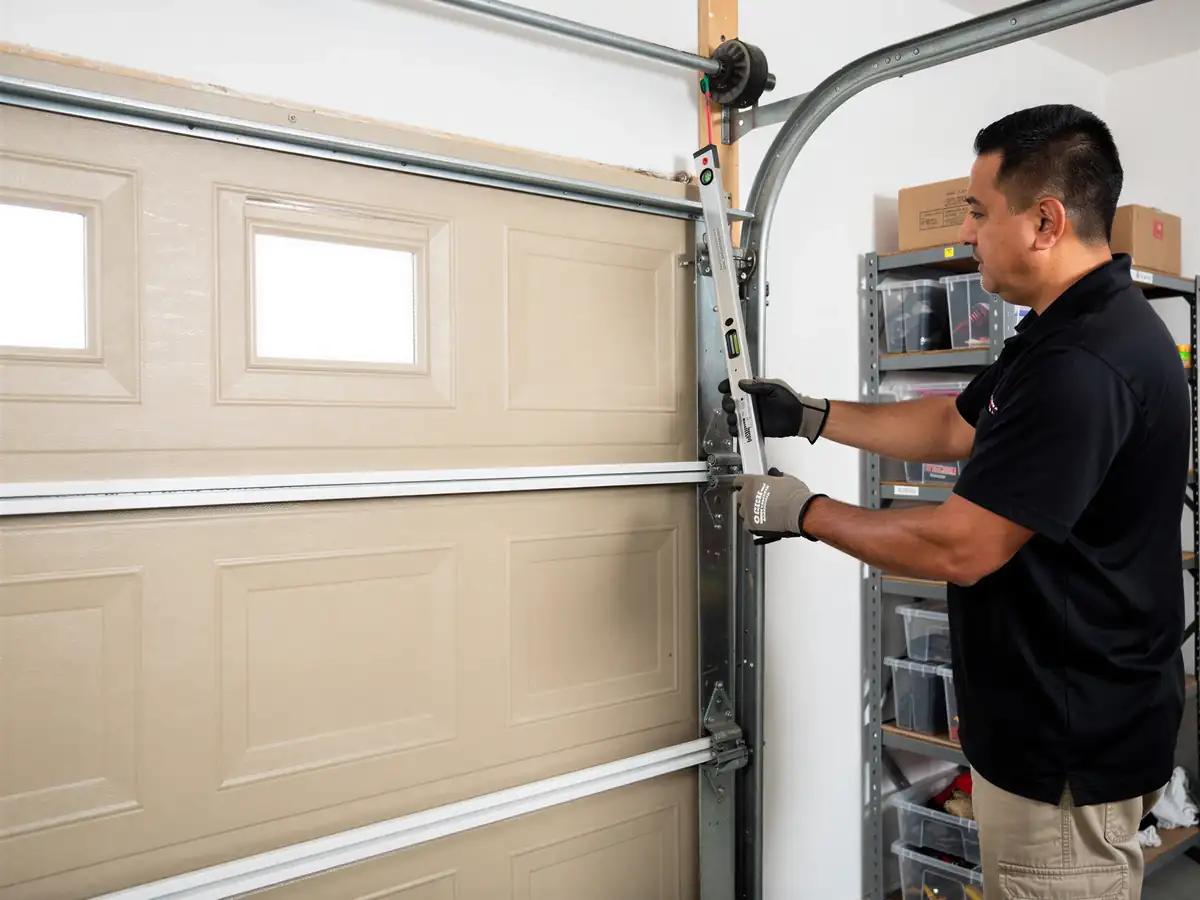
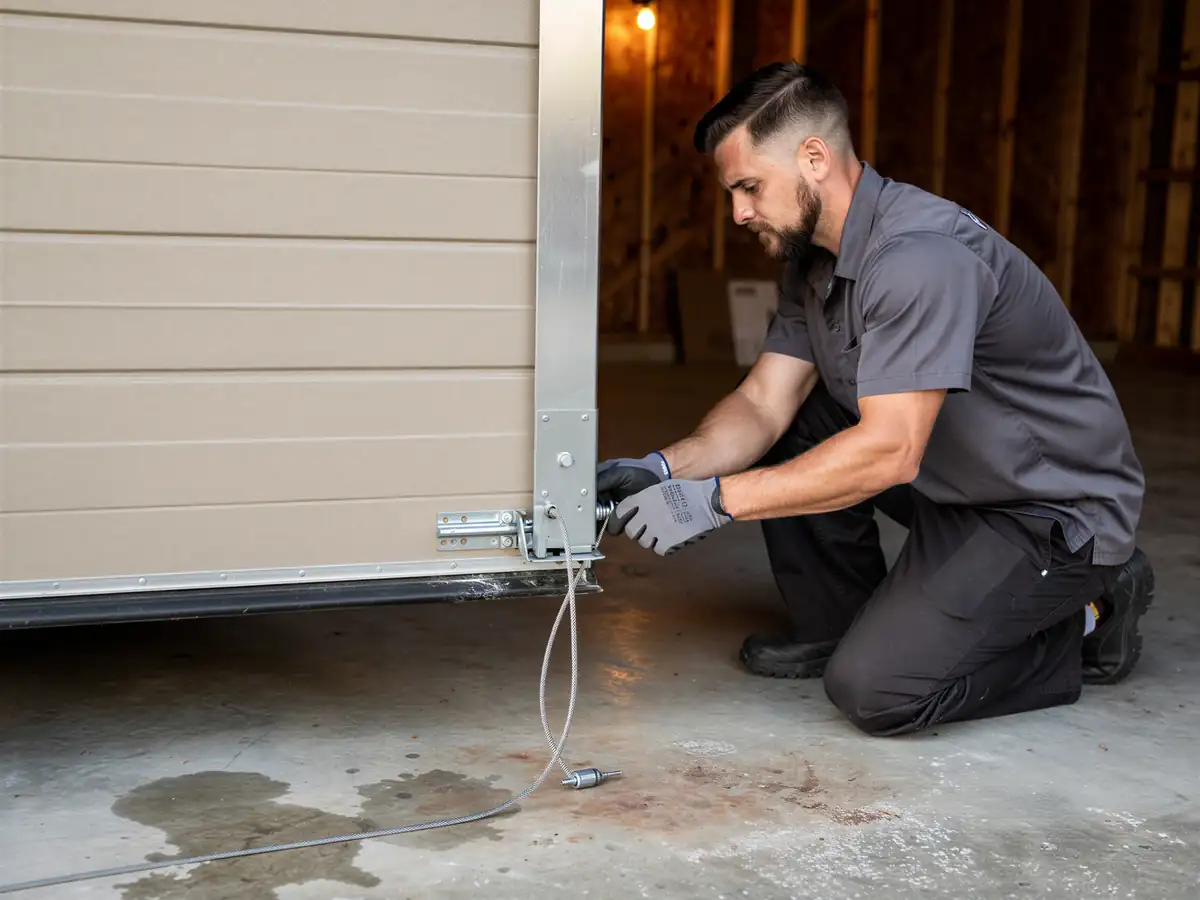
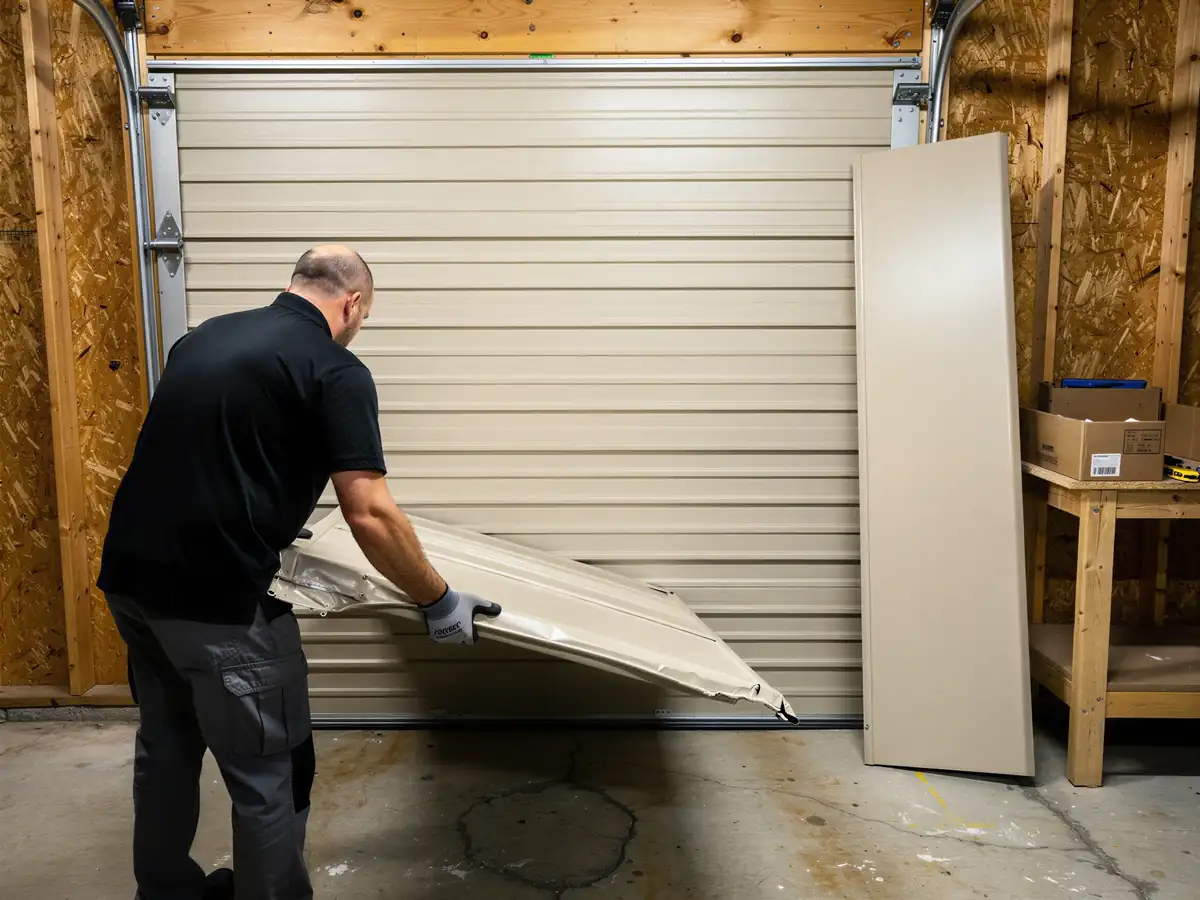
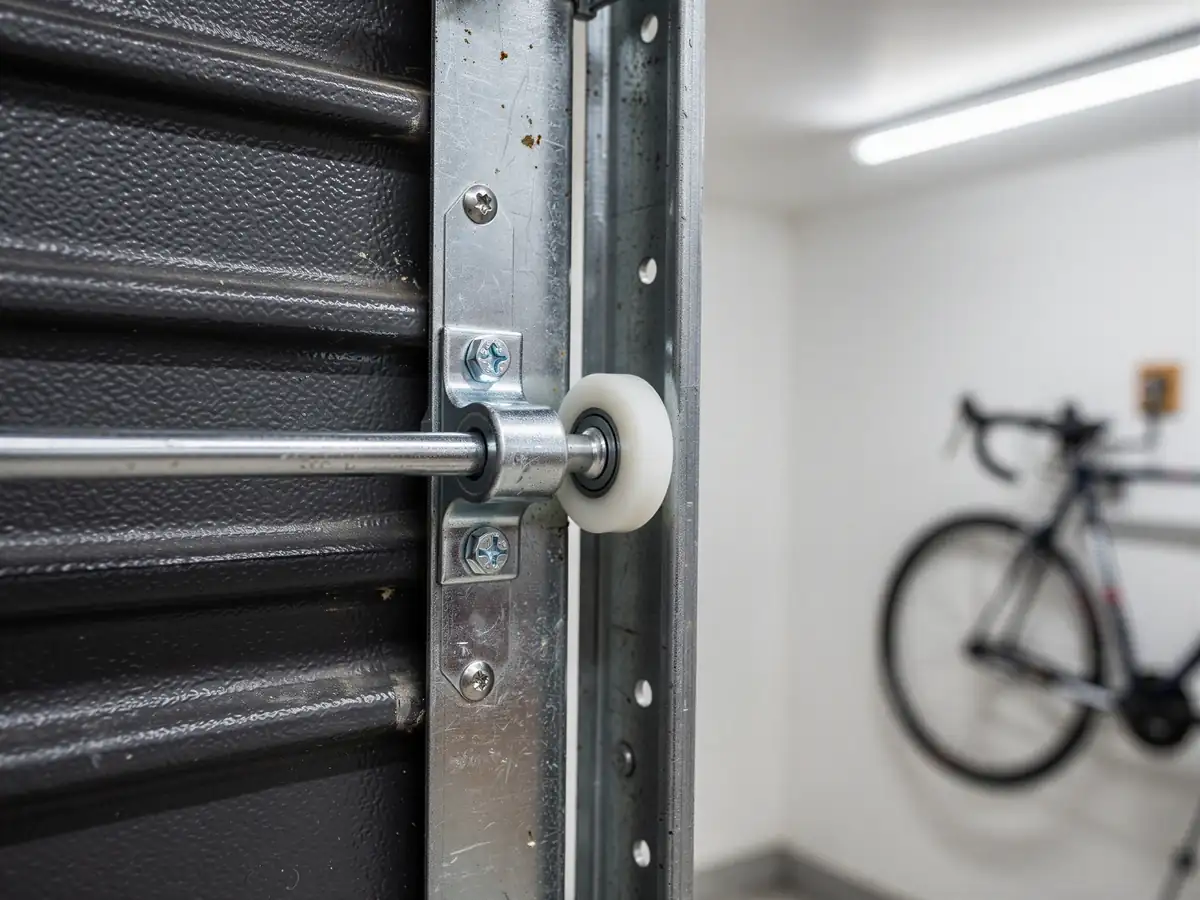
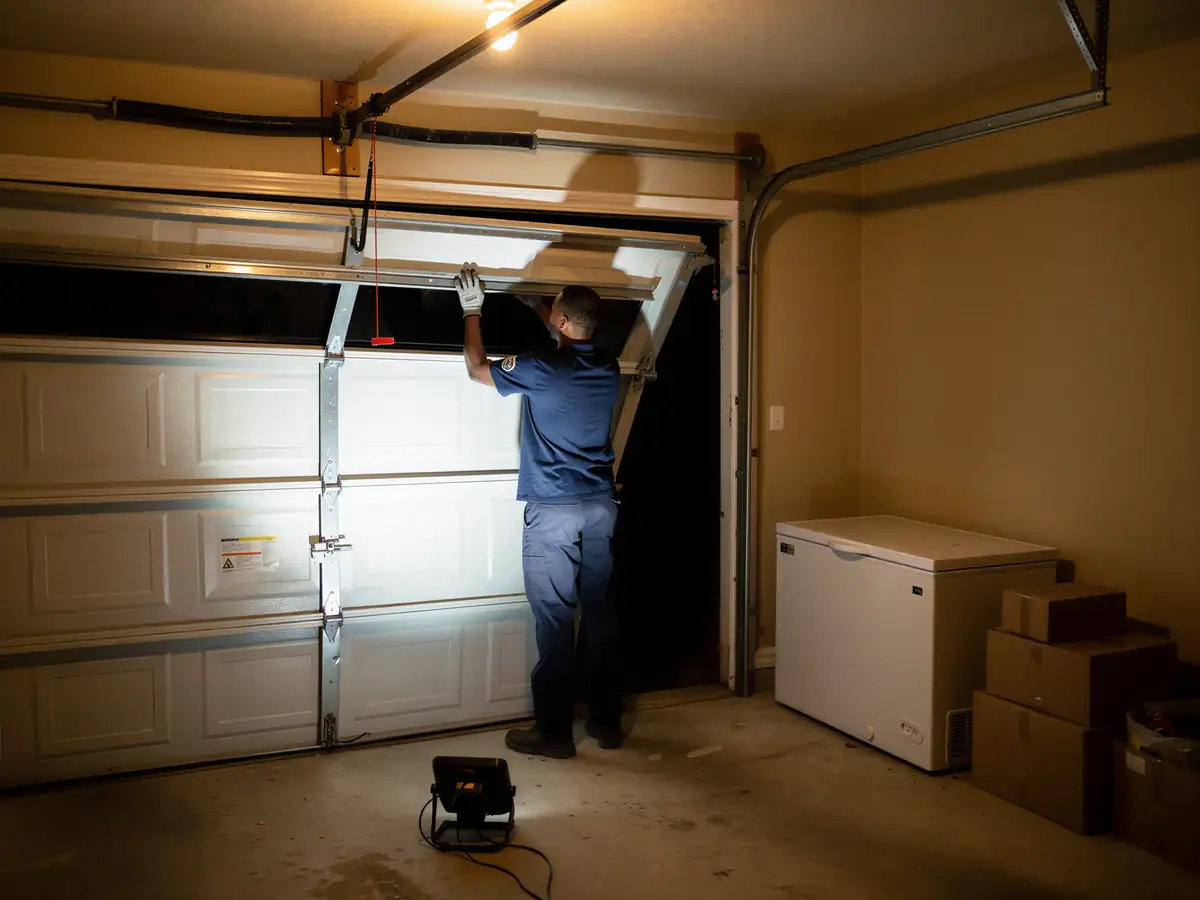
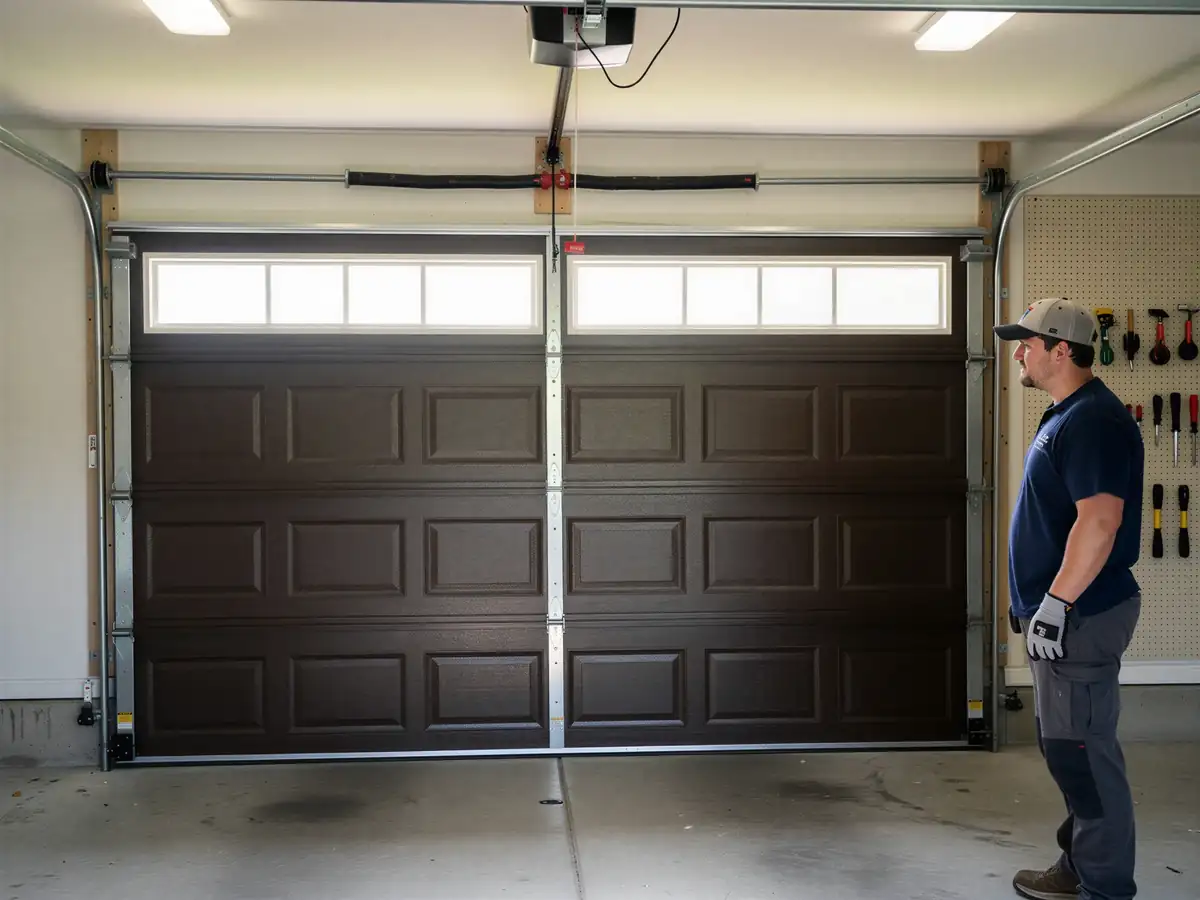
A full door swap on a house from Wauconda's main building era is usually a one-day job: old door and track out, new door, springs sized to the door's actual weight, and opener bracket reset to match. The torsion spring has to be matched to the door's weight and the drum's cable path, not just picked off a size chart - undersize it and the opener motor takes the strain every single cycle, which is how openers from this same build era are already failing. Track alignment is the other piece people underestimate. Houses built through the late 1980s and into 1990 in this area often have garage ceiling framing with less headroom than newer construction, so a standard-radius track doesn't always clear. We check headroom before we commit to a track style, not after the door's already hung. Expect us to pull the old door, inspect the jamb for rot or settling, set the new track and springs, hang the door, and balance it so it holds at any point when released by hand. That balance check is non-negotiable - a door that's heavy on one side will wear the opener's gears down fast, no matter how new the motor is.
Can You Do This Yourself
A torsion spring under full tension holds enough stored force to break bones or worse if it lets go while you're working on it, and that's true whether it's a cheap spring or an expensive one. If you're comfortable swapping a garage door opener's logic board or replacing rollers on a door that's already off its springs, that's reasonable DIY territory. Pulling an old door and setting new springs, cables, and a track on a door sized for a home built around 1990 is not. Beyond the safety issue, getting the spring size wrong on a house in this income bracket's typical door weight - insulated steel, 16 by 7 - means an opener that burns out its drive gear in under two years. We're not going to tell you every job needs a pro; swapping weatherstripping or a broken hinge is well within reach for most owners with basic tools. Full door and spring replacement isn't that kind of job, and the math on a hospital visit versus a service call isn't close.
Why This Fails Locally
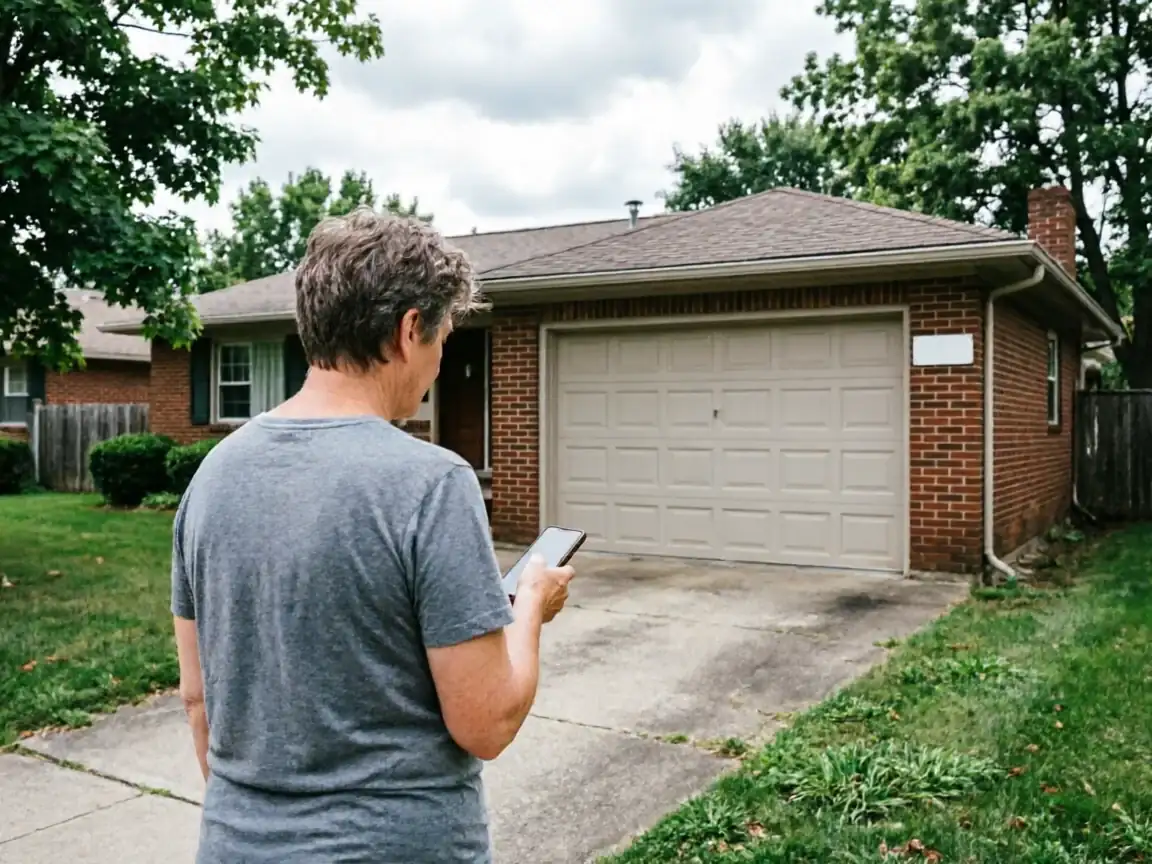
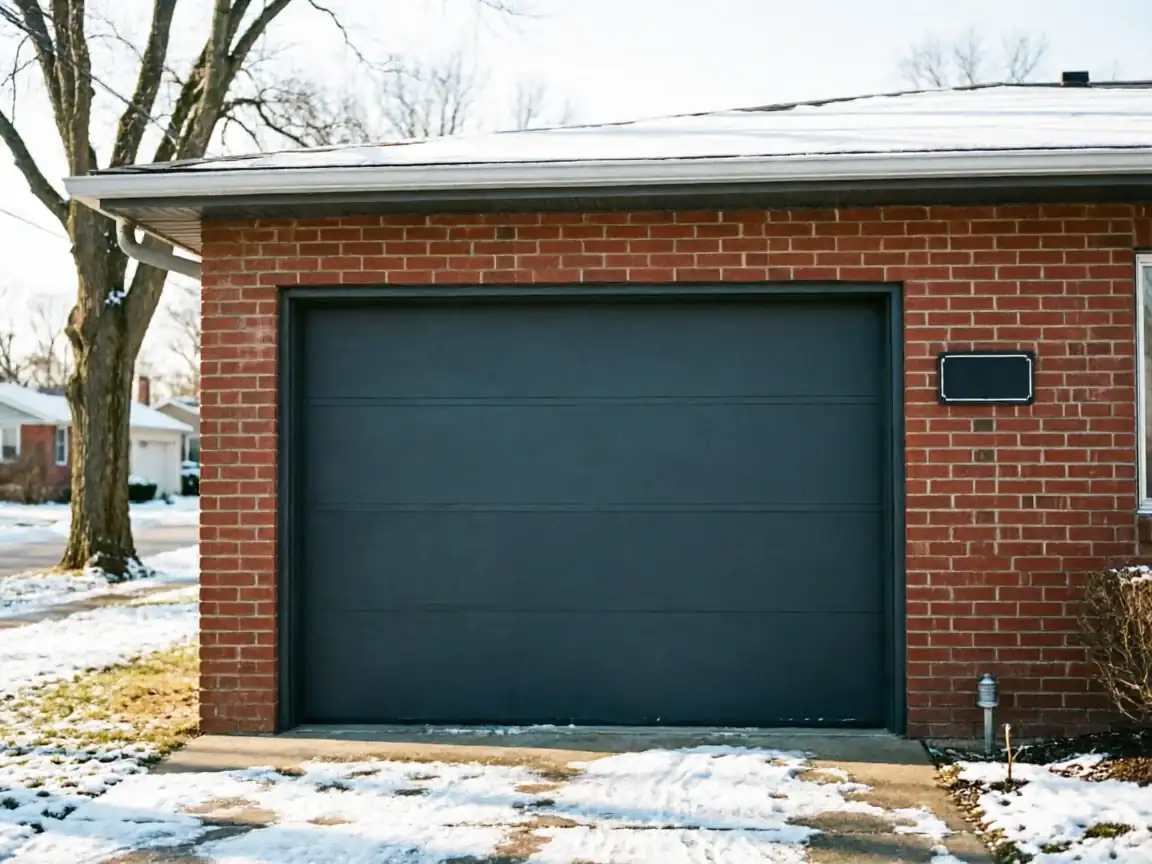
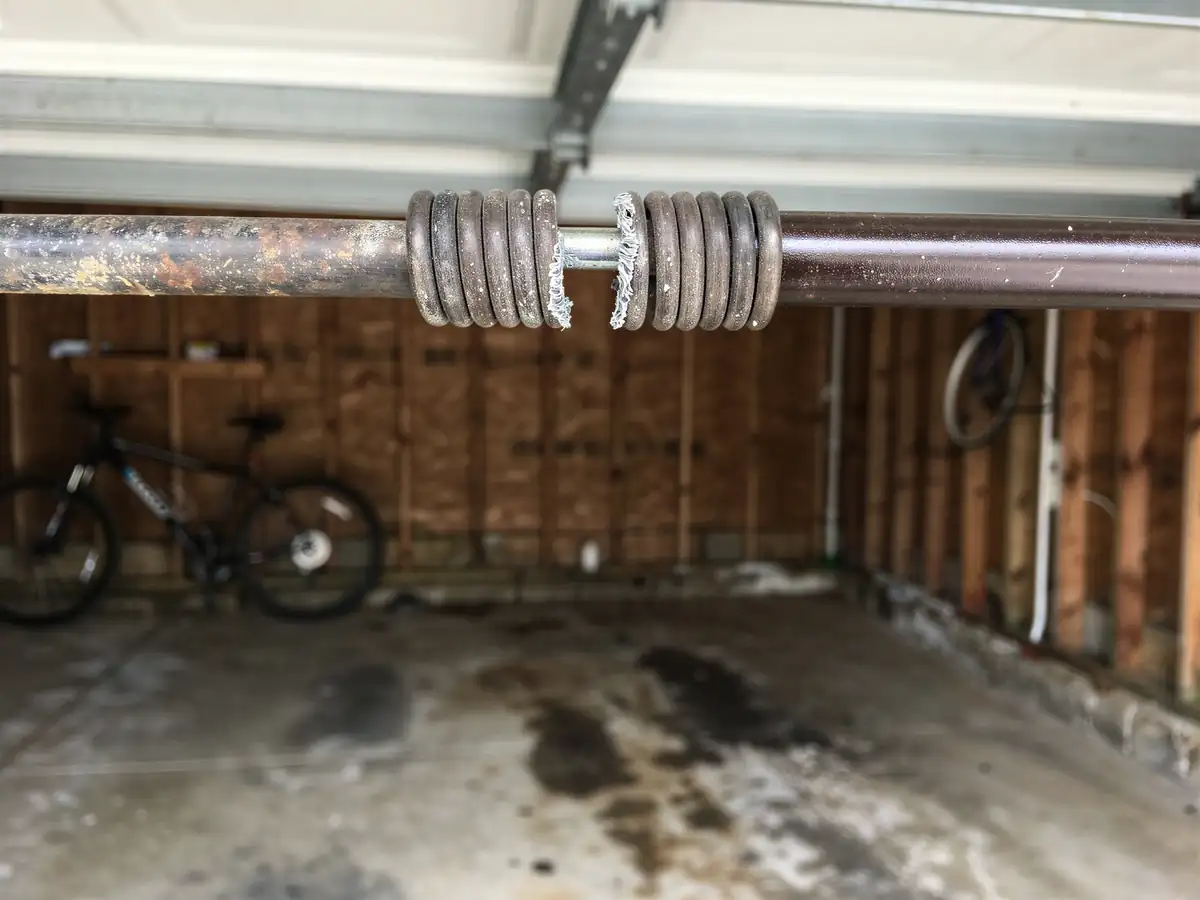
The climate band here is classified cold-moderate, which means winter swings hard enough that steel contracts, lubricant thickens, and a door that was balanced in October can bind by January. On a 1990-built home, the original opener and springs have usually already been through thirty-plus winters of that cycle, and the failure pattern we see is consistent: the spring loses tension gradually, the opener compensates by working harder, and the owner doesn't notice until the door won't lift at all on a cold morning. New installs here get sized with that cycle in mind - springs rated for the door's full insulated weight, not a bare-door estimate, because an uninsulated-spec spring on an insulated door in this climate band wears out fast. Median household income across the service area runs around $121,583, with Wauconda itself closer to $112,438, and that gap shows up less in what people choose to install and more in how long they wait to replace a door that's clearly failing. Waiting through another cold season on a door that's already binding usually turns a spring swap into a full track and opener job.
Parts We Carry
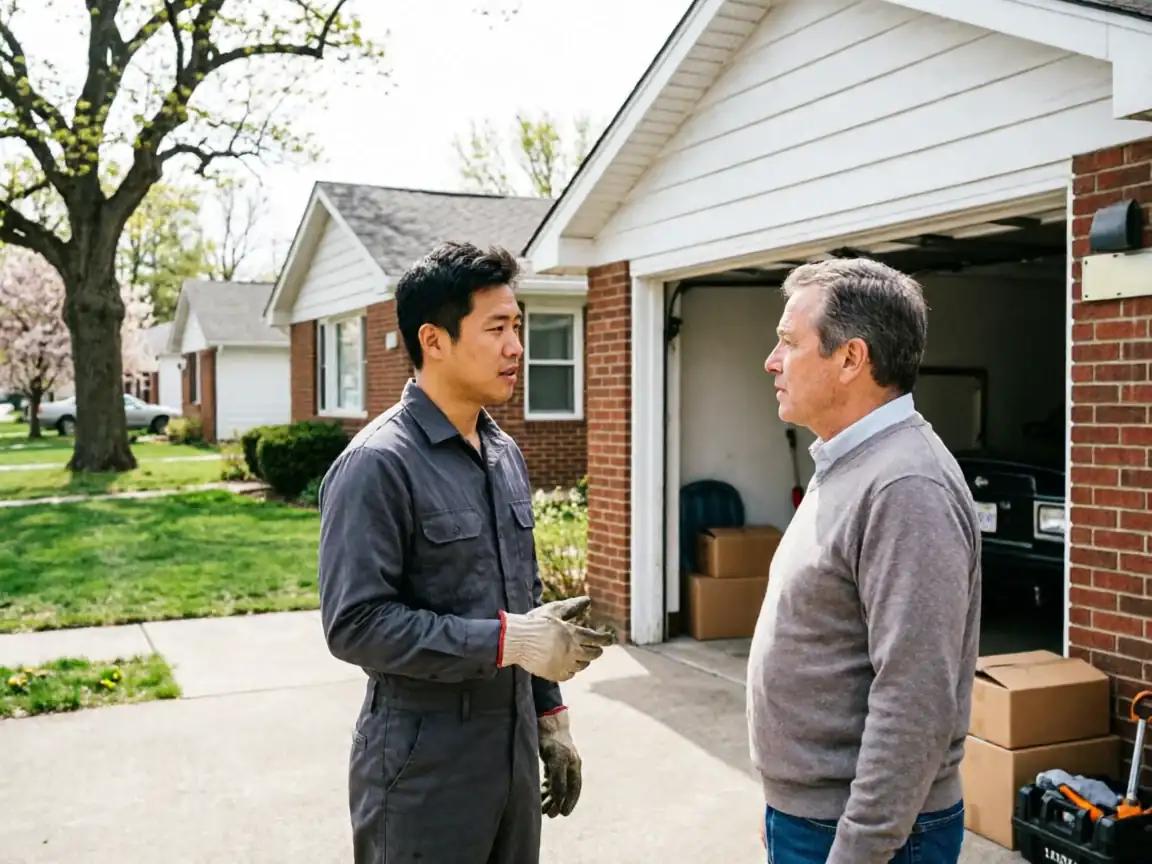
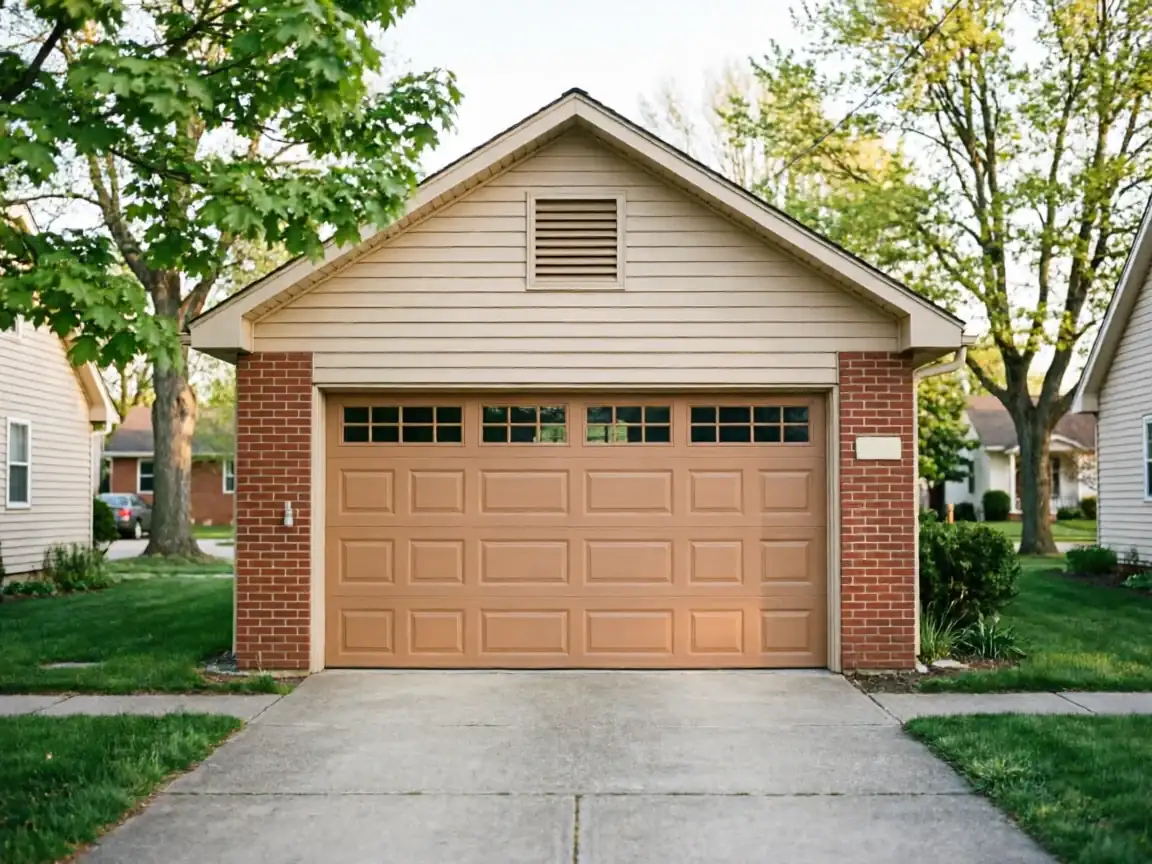
We stock common torsion springs, standard steel sections in the sizes that fit most doors from the 1980s and 1990s stock common across this part of the territory, and standard-lift openers. What we don't keep on the truck is custom millwork - carriage-house wood doors or non-standard widths outside the typical 9-foot and 16-foot openings usually mean a special order with a lead time we don't control, and we'll tell you that up front rather than quote a date we can't hit. If your opening is a standard size and you want a straightforward steel or insulated steel replacement, we can usually turn the job fast once we've measured. If you're after something custom, plan on waiting on the manufacturer, not on us.