Where This Job Goes Sideways
The fault we see most in Wauconda isn't a broken spring or a dead opener
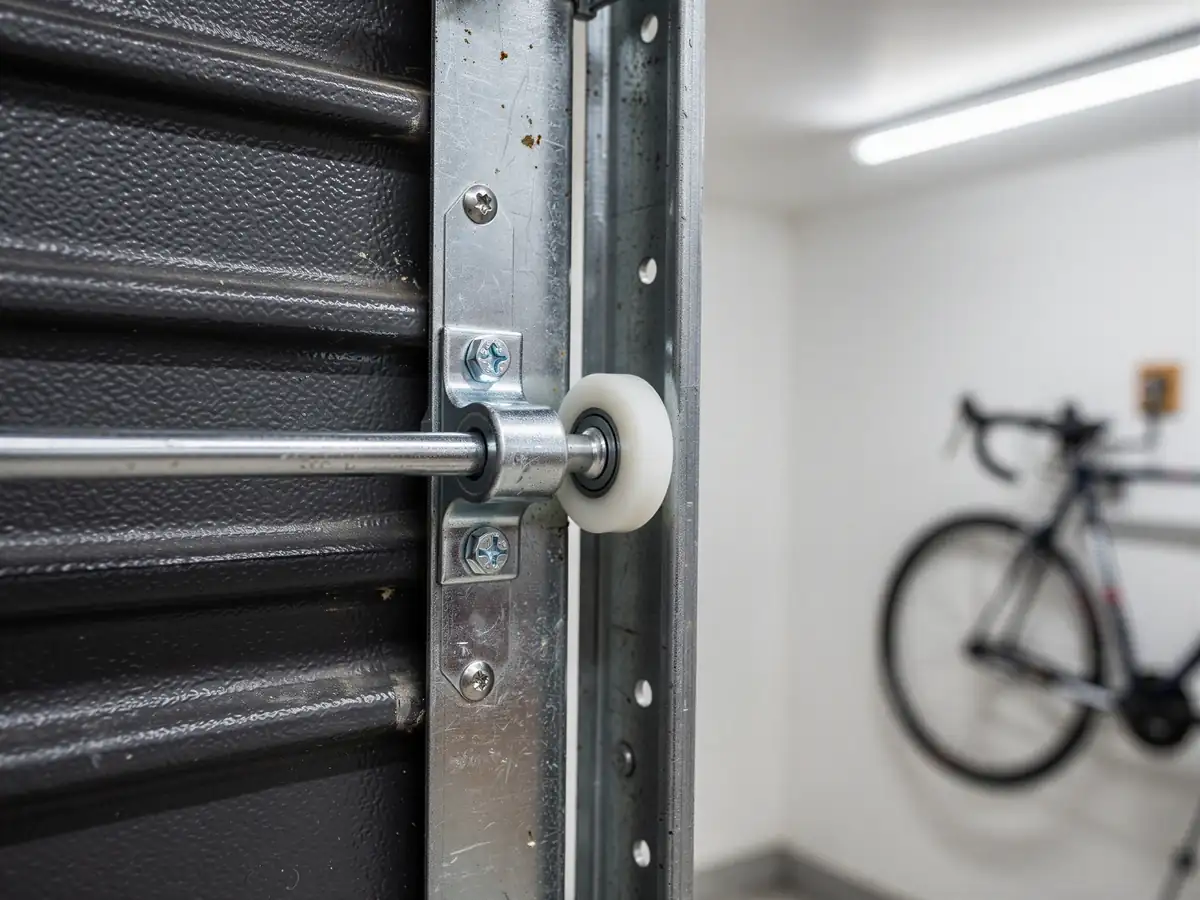
It's rollers that have worn down unevenly on one side of the track, so the door walks sideways as it travels and starts chewing into the vinyl weatherstrip or binding on the header bracket. Homeowners usually notice it as a grinding sound that gets worse over a few weeks, then the door starts sticking a few inches before full close.
This matches the housing stock here
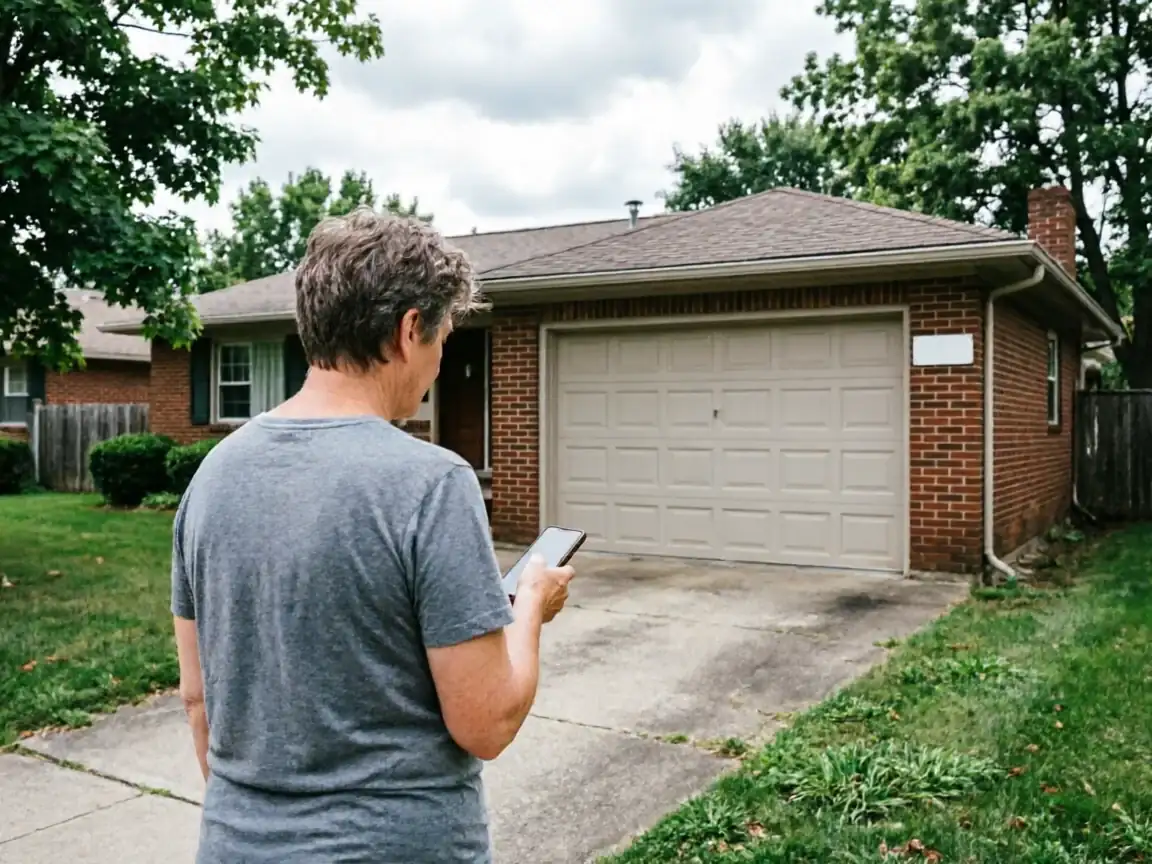
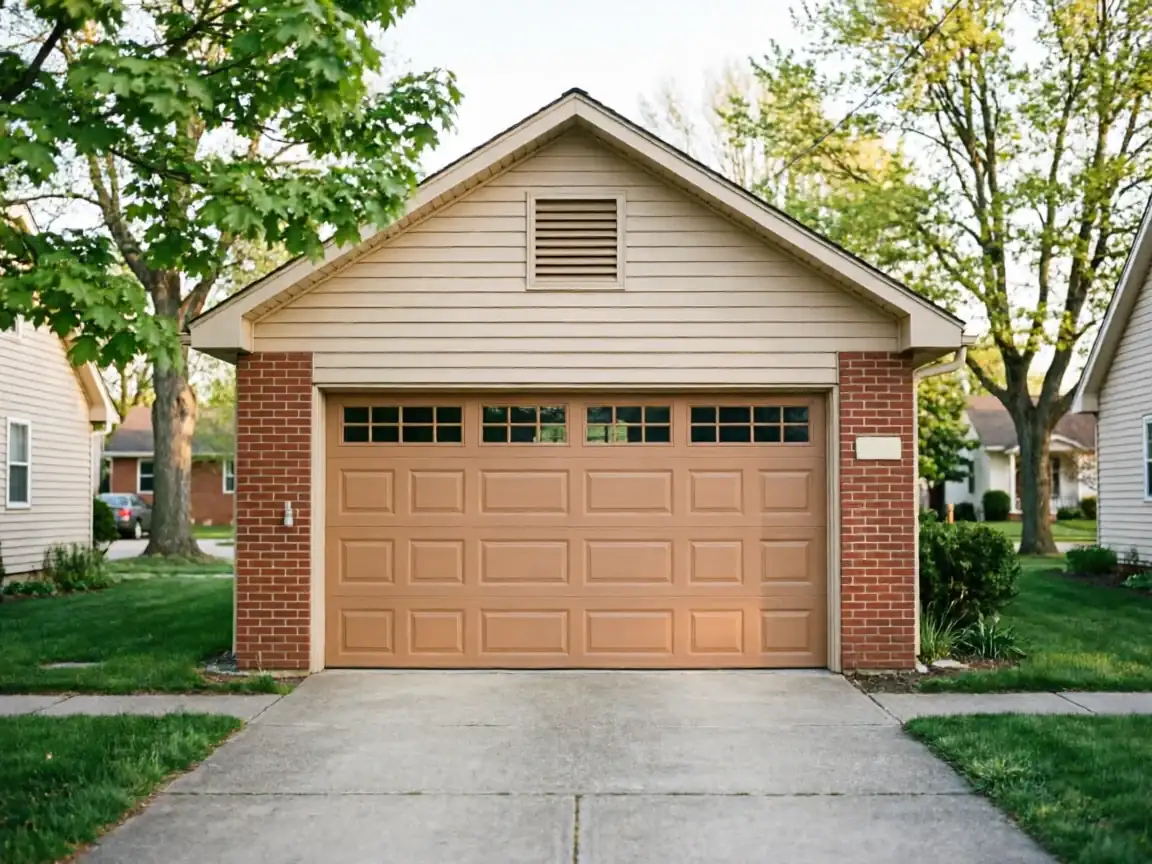
Wauconda's homes run a median build year around 1990, which puts most garages right in the era of steel rollers riding on galvanized steel track - not the nylon-on-aluminum setups you'd find in anything built after the mid-2000s. Steel rollers hammer the track every cycle instead of rolling quiet, and after thirty-plus years of that hammering, the track itself develops flat spots that a new roller set can't fix on its own. We check the track wear pattern before we quote roller replacement, because sometimes the roller is the symptom and the track is the actual job.
What the Repair Takes
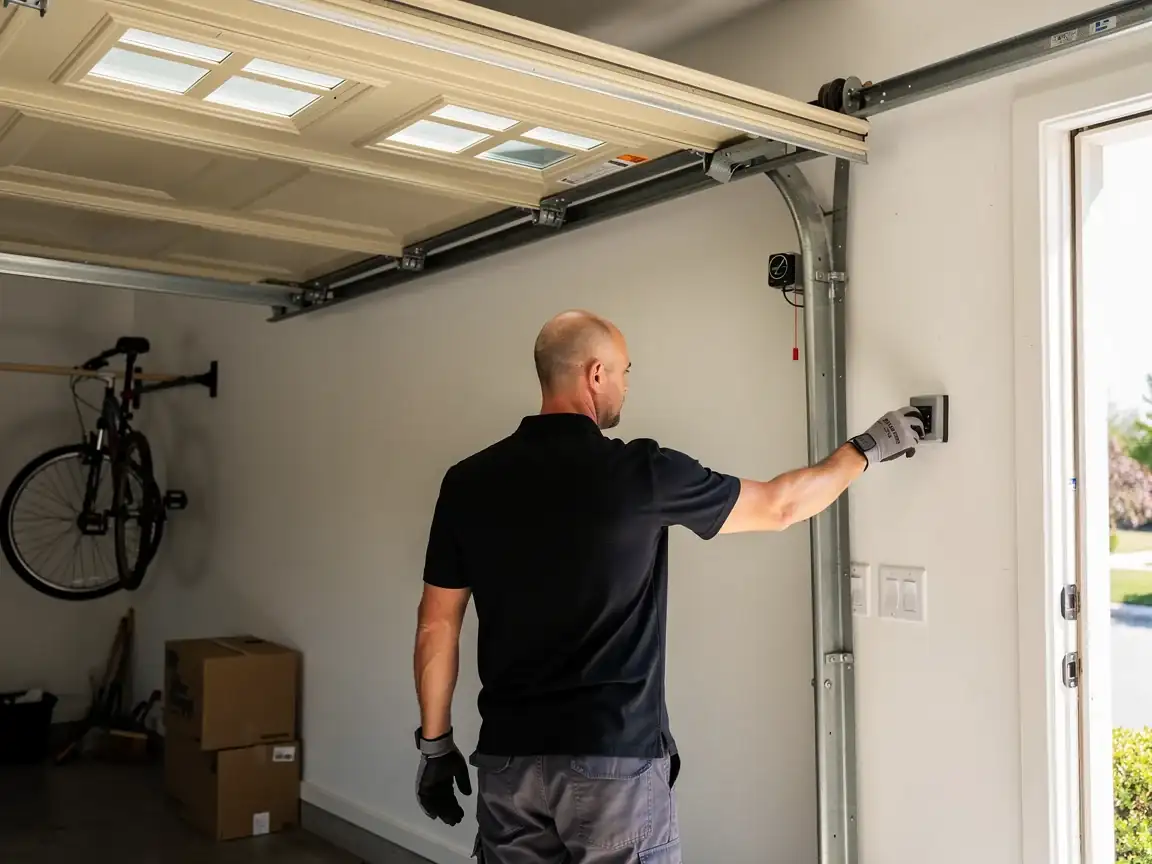
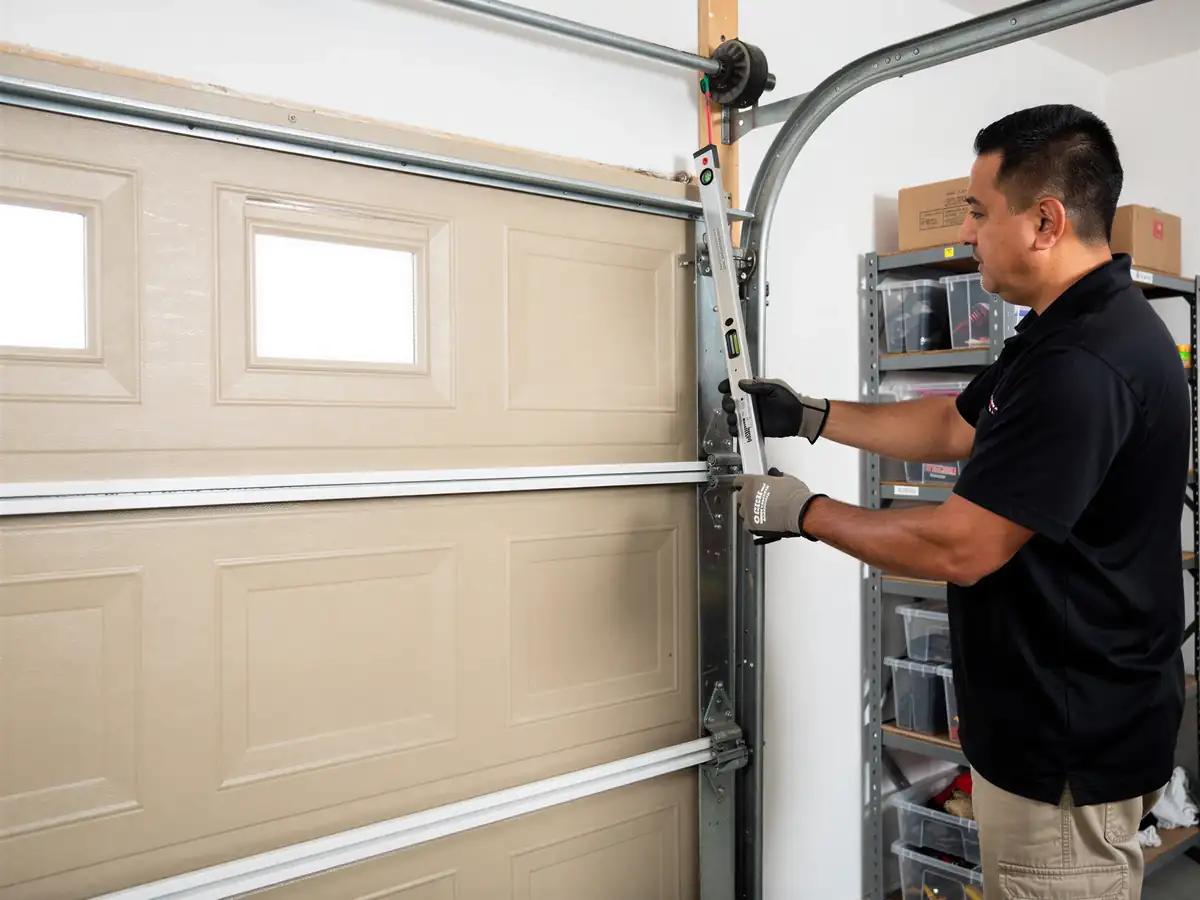
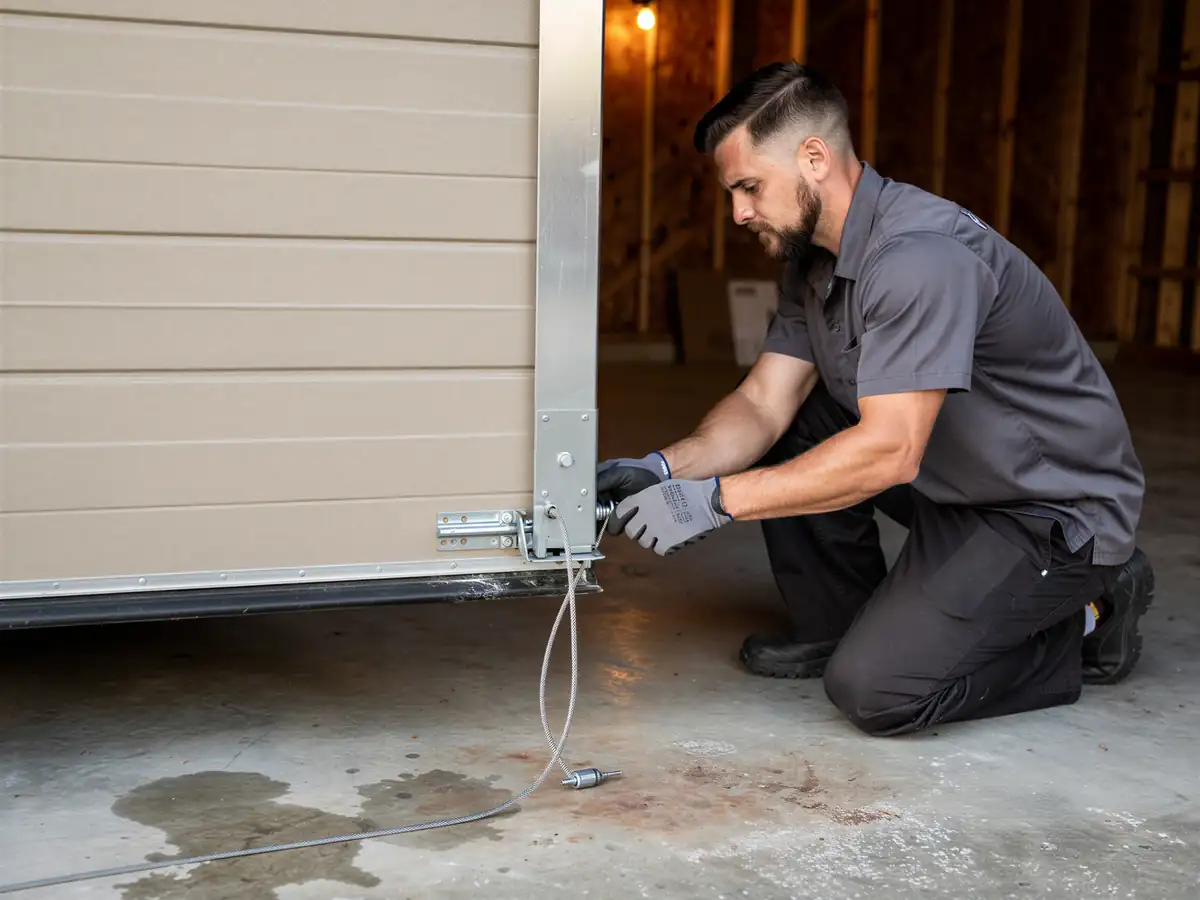
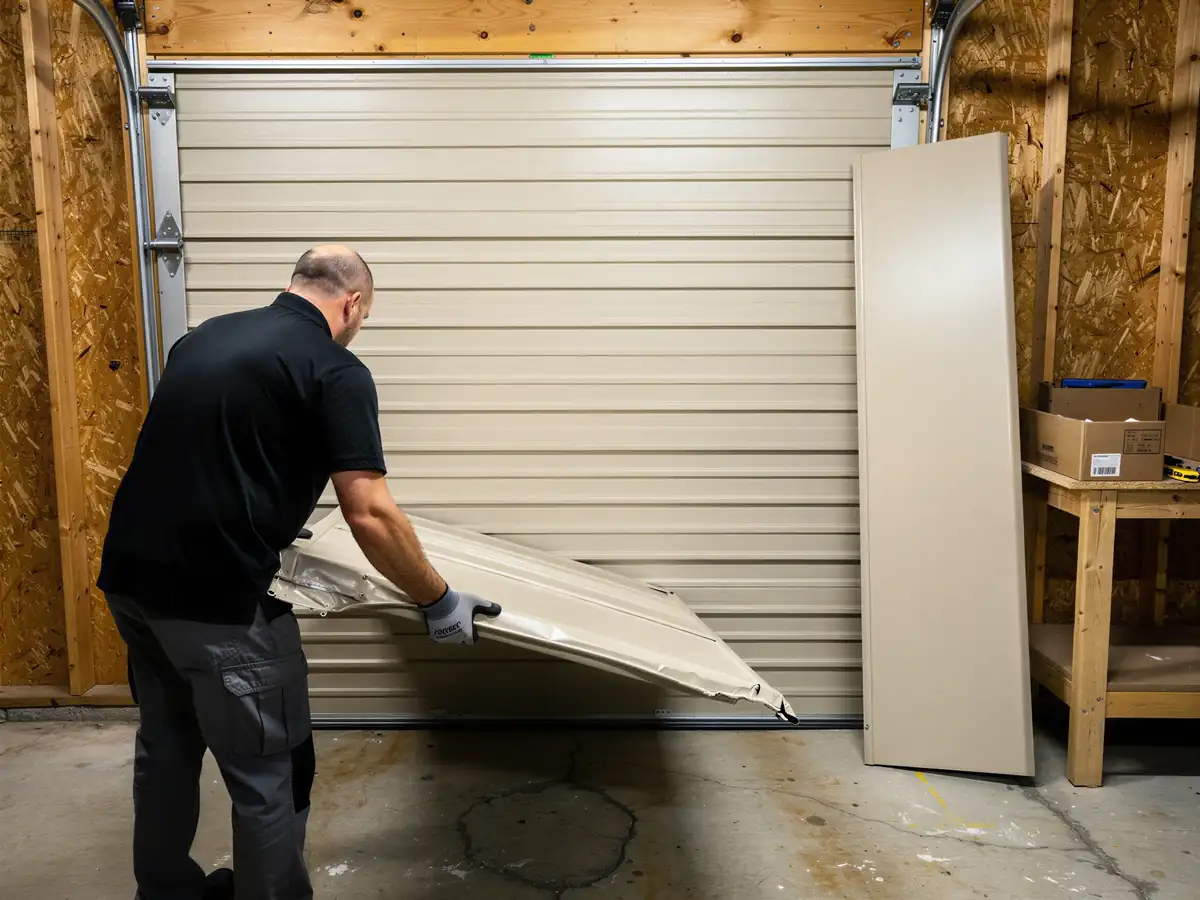
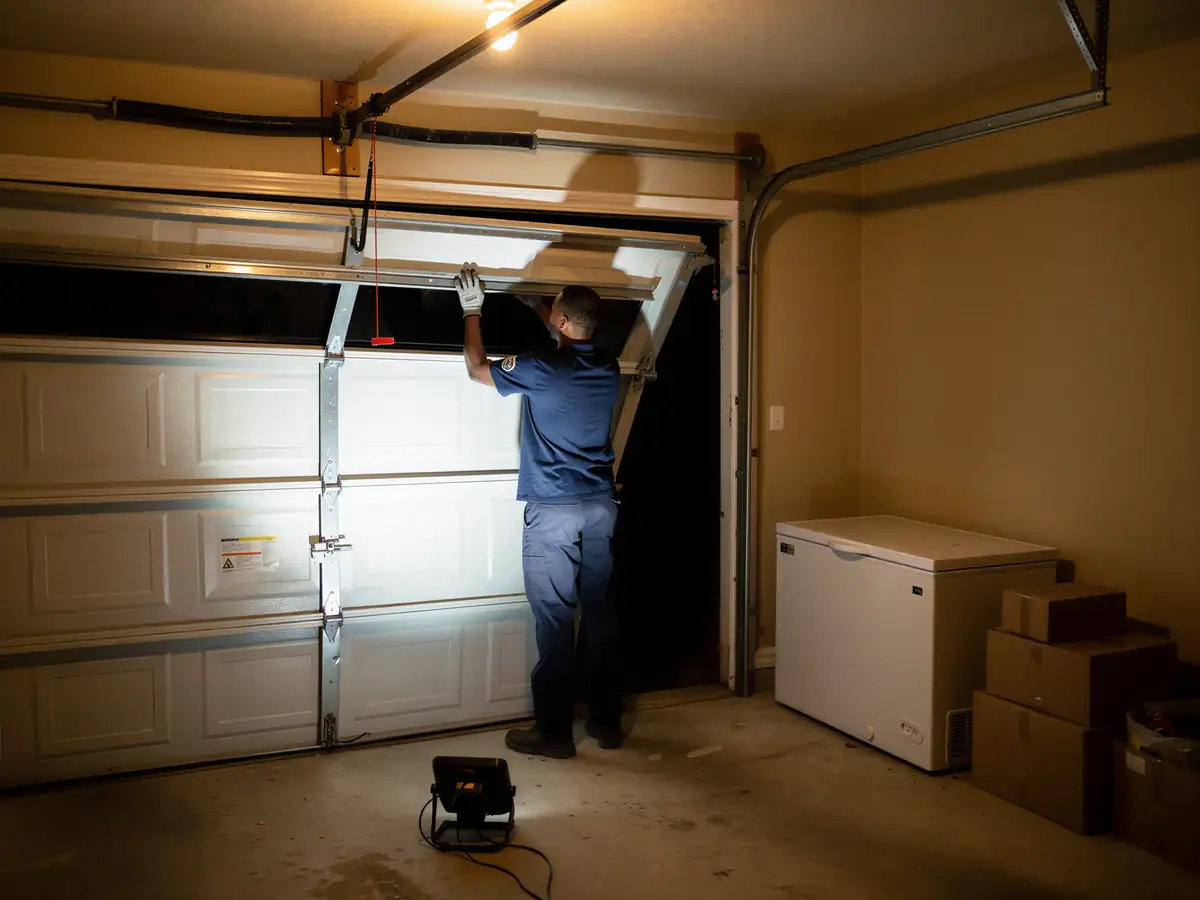
A straight roller swap on a double door means pulling the door down, releasing tension at the bottom bracket, and working each roller out of its track channel one at a time so the door stays supported. On a 1990-built garage with original steel track, we're also checking for rust pitting at the vertical seams near the floor - the stretch of track that eats the most moisture over a Chicago-area winter.
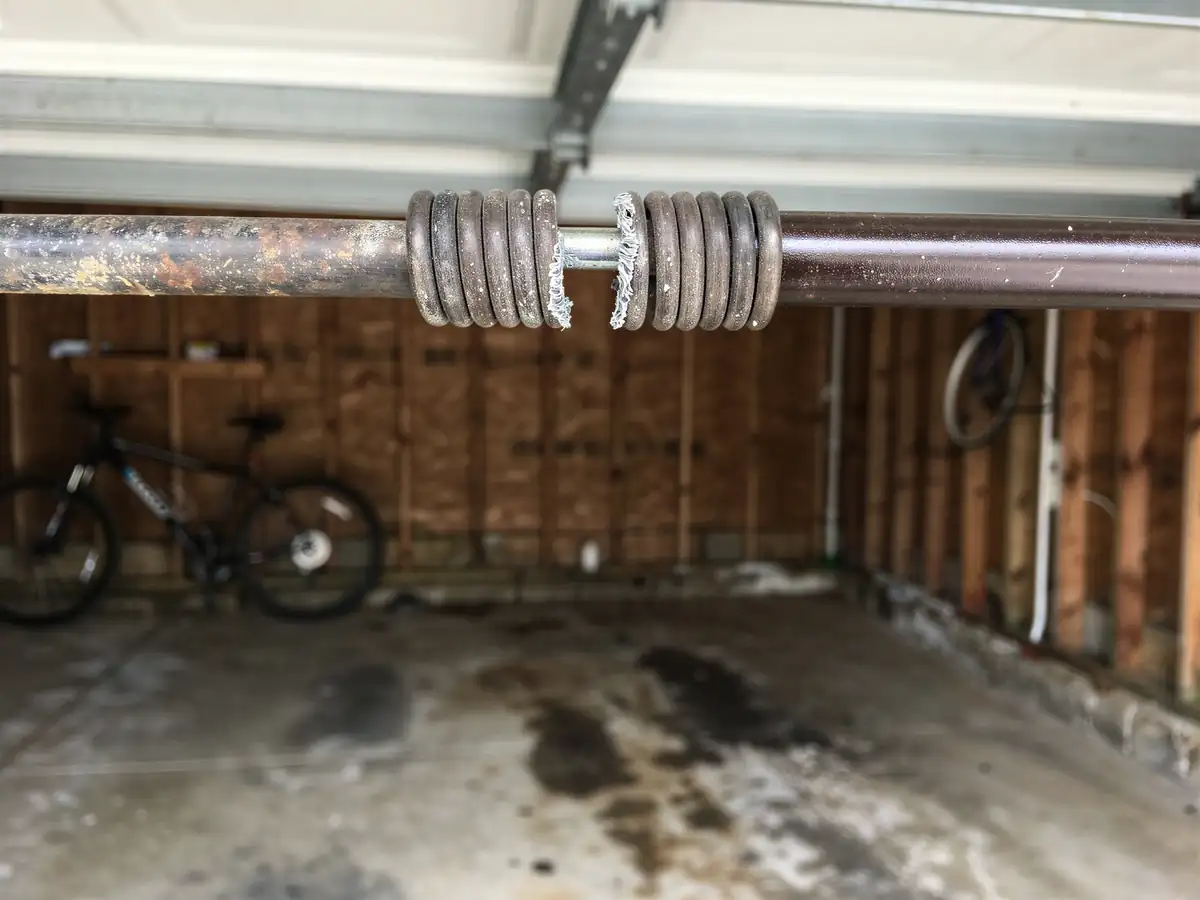
If the track has developed a groove or a bend from years of steel-on-steel wear, roller replacement alone won't quiet the door down. We'll tell you straight if the track needs to come out with it, because a new roller set riding in a worn channel just goes noisy again in a season or two. That's the honest limitation here: we don't sell a roller swap as a fix for a track problem, even though the roller swap is the cheaper ticket.
Can You Do This Yourself
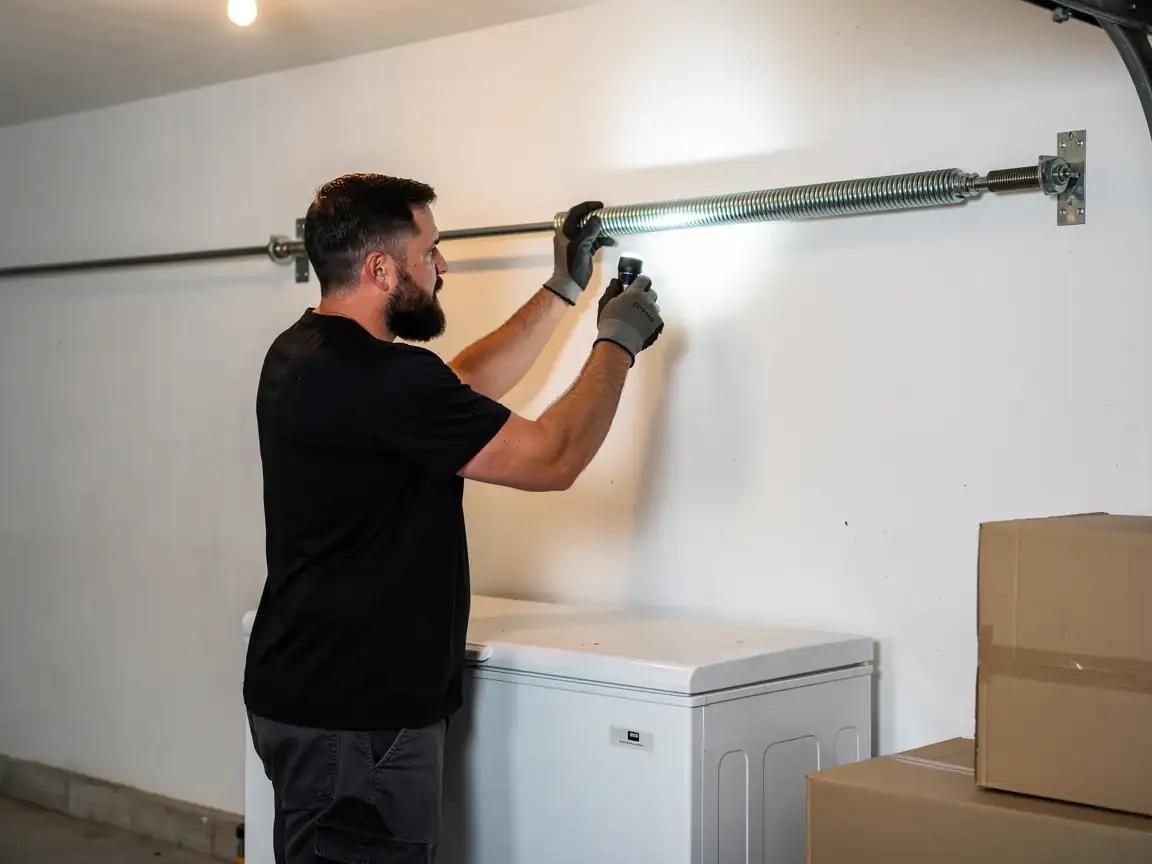
Swapping a roller or two on a single-car door with the door down and the spring untouched is within reach for a homeowner with the right tools - a pair of pliers, patience, and no fear of working the roller stem out of the bracket slot. Where it stops being a weekend job is anything involving the top two rollers near the torsion spring, or a track section that's bent enough to need realignment against the jamb.
The other complication specific to a 1990-era door is the hardware gauge. Original brackets from that period are often a slightly different stamped size than what's sold off the shelf now, so a universal roller kit can sit loose in the bracket and rattle even after a correct install. We carry stock sized for that era; a hardware-store kit sometimes doesn't fit the same way.
Booking a Visit
We run this job out of Lake Zurich, about 6 miles from Wauconda
So we're not sitting in town waiting on a call - we schedule roller jobs on the route for the day. Tell us if the door is sticking, grinding, or walking off-track when you call, since that helps us bring the right roller gauge and track stock the first trip instead of a second one.
- 6 miles
See our near Wauconda page for the other towns we cover on the same route
Or check the Lake Zurich roller replacement page if you want the full rundown on how we handle this repair in general.
Why This Fails Locally
Wauconda sits in a cold-moderate climate band, and that matters more for rollers than people expect. Steel rollers on steel track contract and expand with the swing between a 90-degree summer afternoon and a January cold snap, and that repeated flex is what eventually pits the roller stem where it seats in the bracket. Nylon rollers handle that swing better, which is part of why we usually recommend the upgrade when we're already there.
With roughly 5,115 households in Wauconda sitting mostly in that same late-1980s to early-1990s build window, the roller wear pattern we see is pretty consistent door to door - it's less about any one house and more about what every builder in that stretch was putting on garages at the time.
Parts We Carry
We stock nylon roller sets sized for the stamped bracket gauge common to doors built around 1990, along with the galvanized track sections that pair with that era's hardware. If your door's original track has flat-spotted from years of steel rollers, we can usually match the section length on the truck rather than special-ordering it.
We don't carry every roller size for every decade of door - if your garage is newer construction with a different bracket spacing, that's a different part number and may need a day's lead time. We'll tell you up front if that's the case rather than forcing a fit that won't hold.