What the Repair Takes
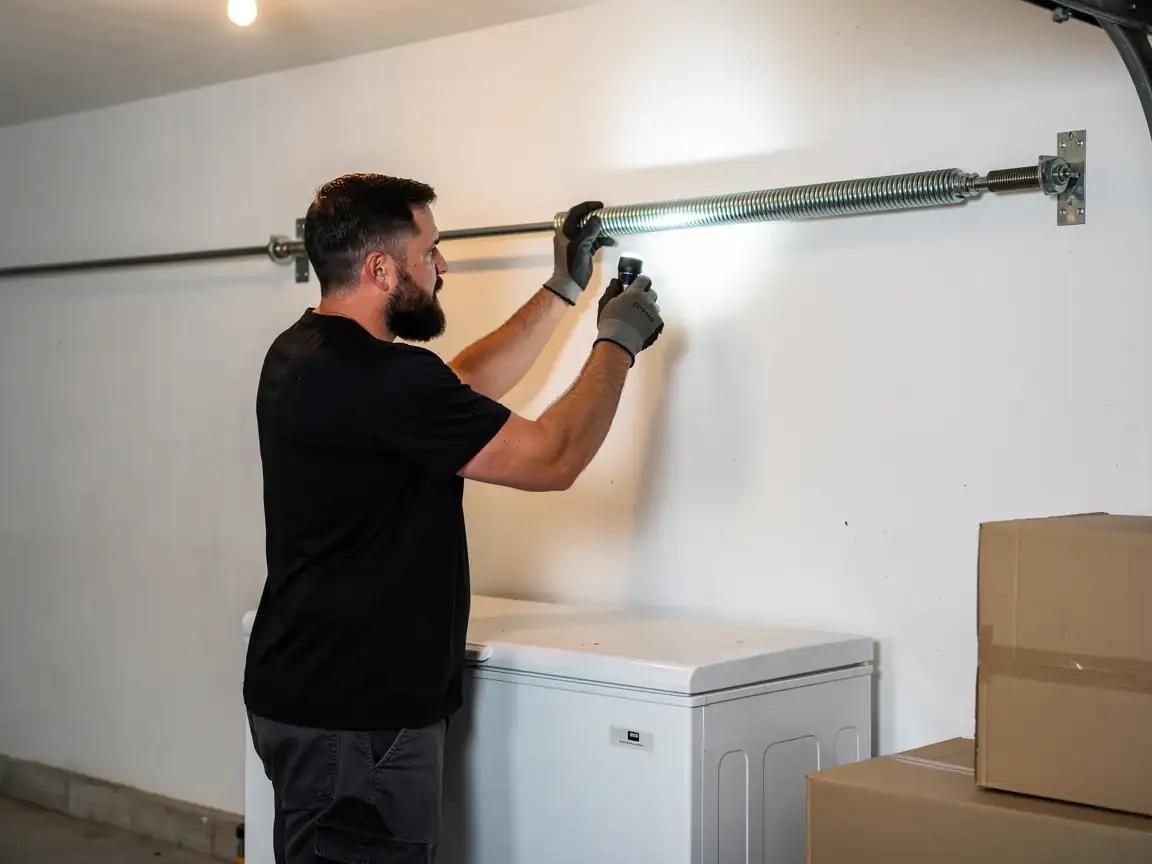
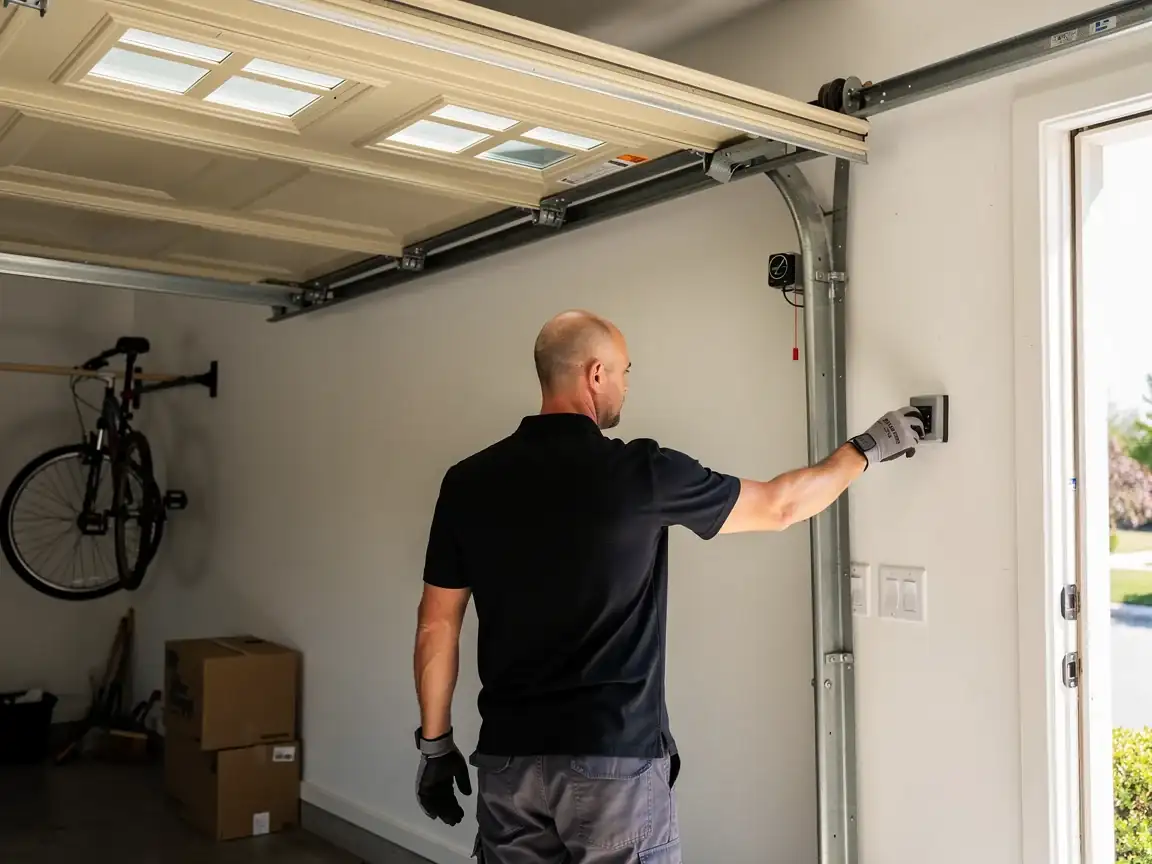
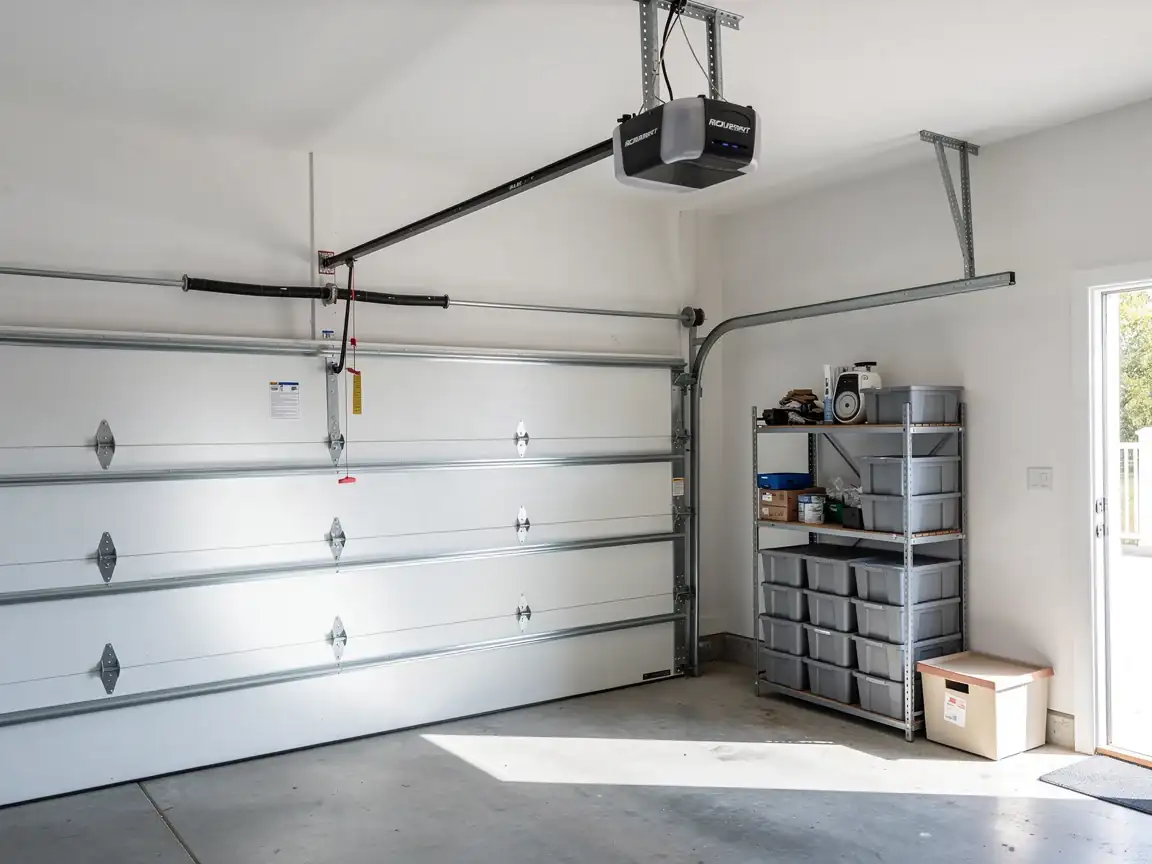
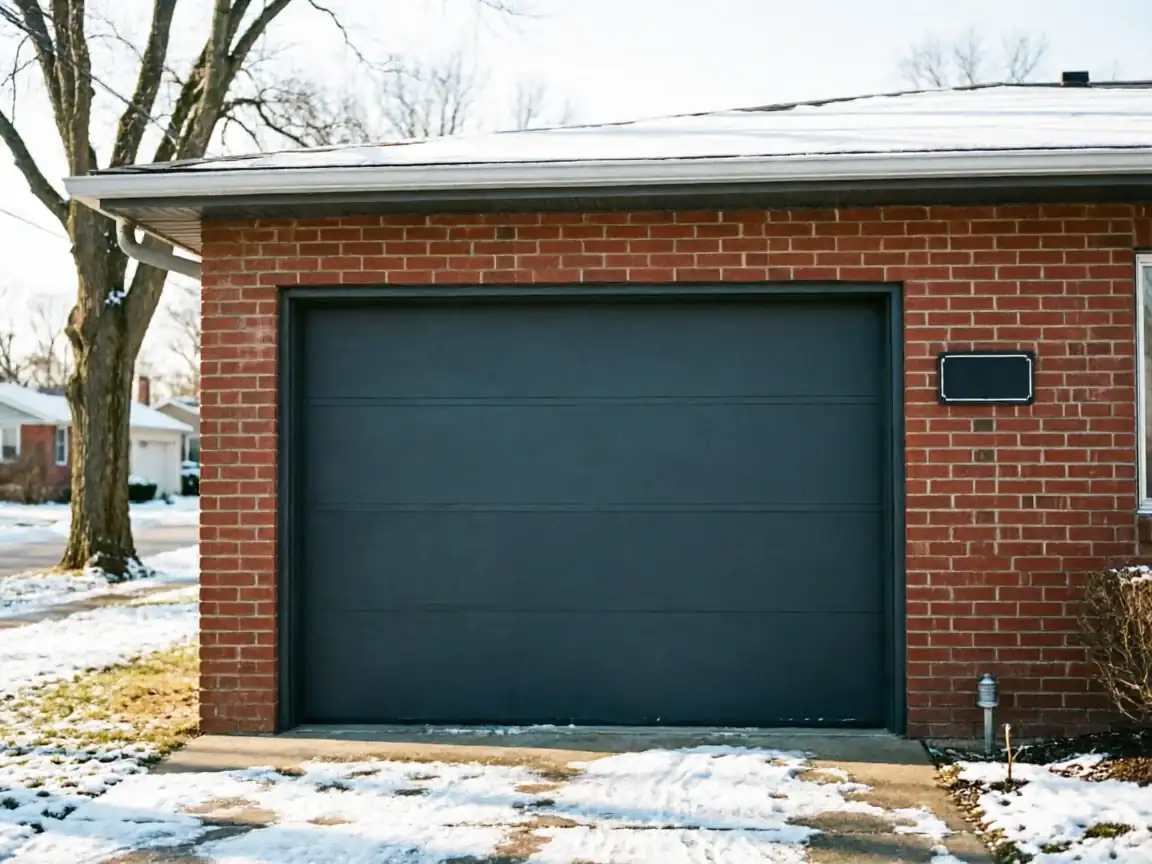
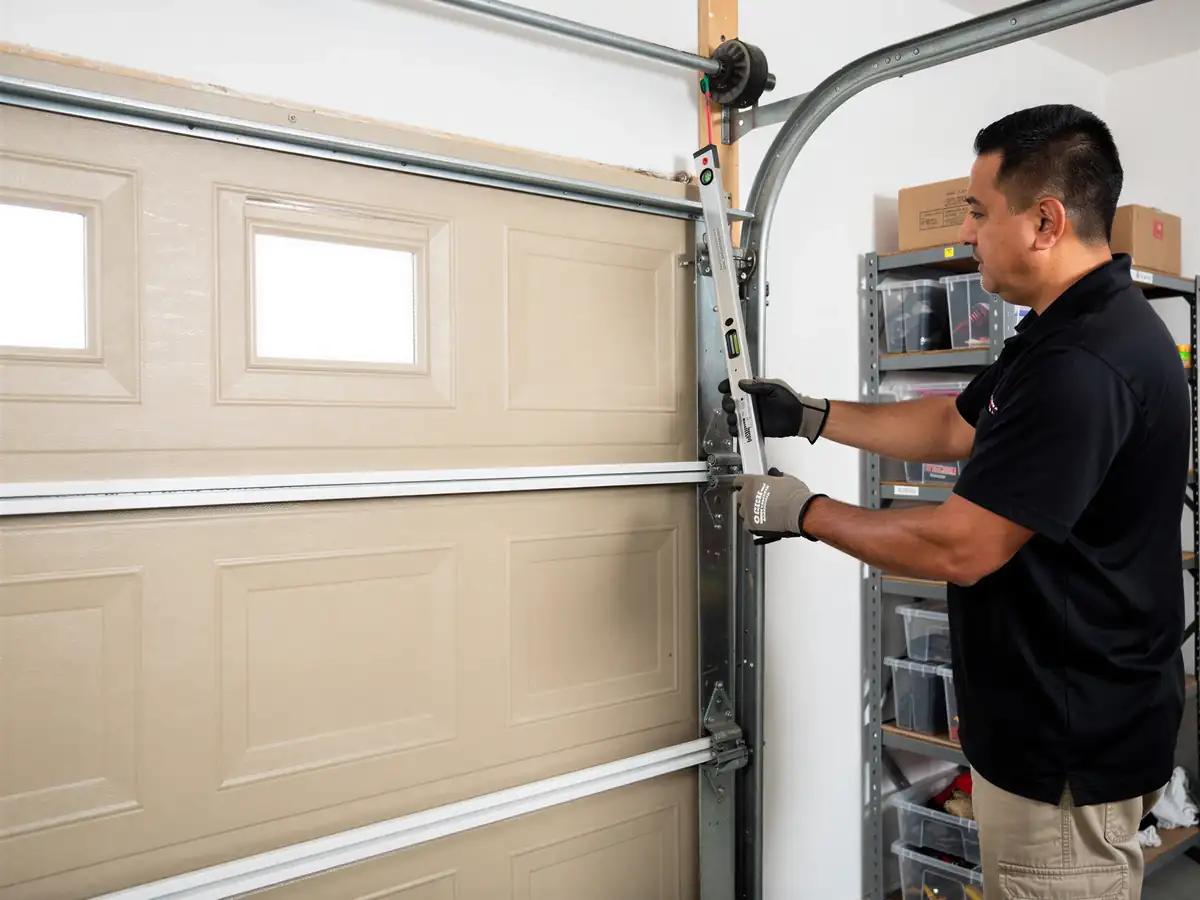
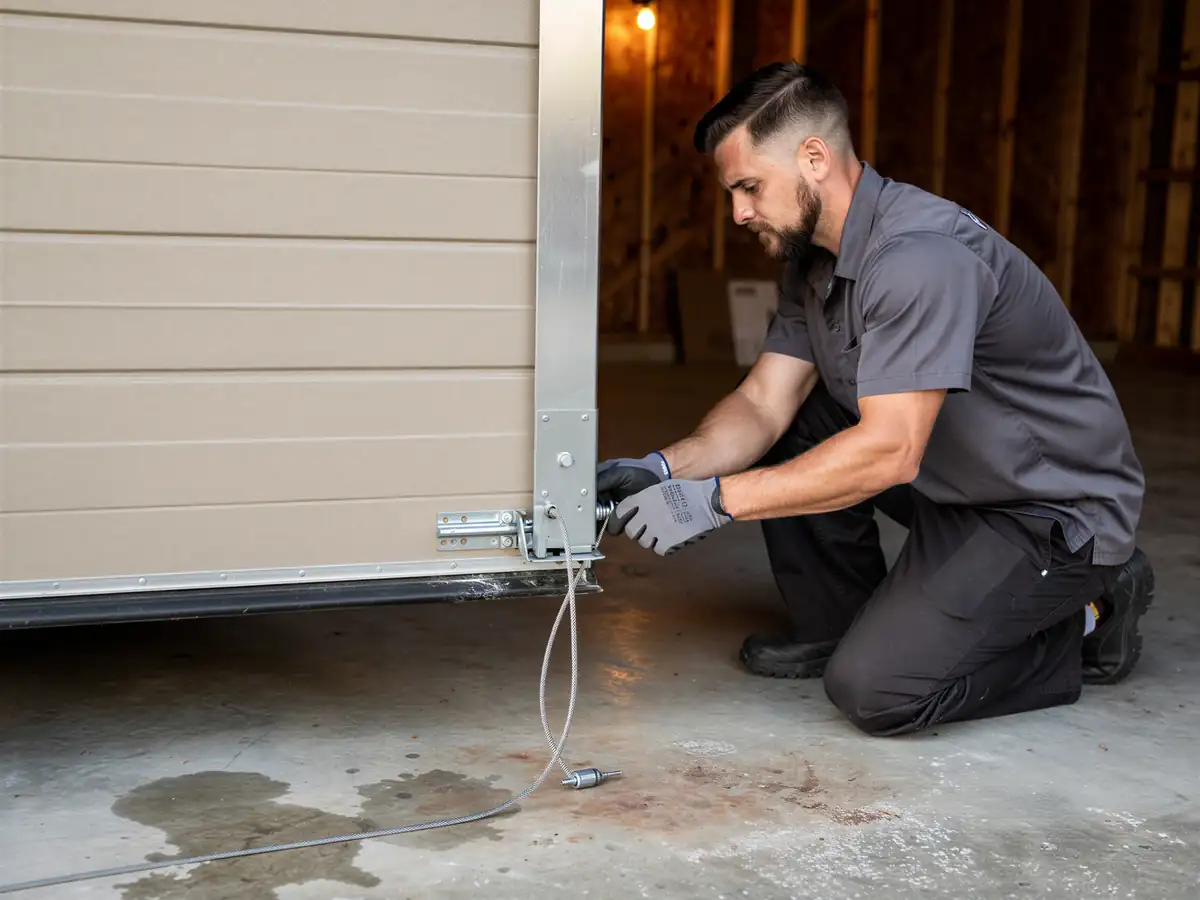
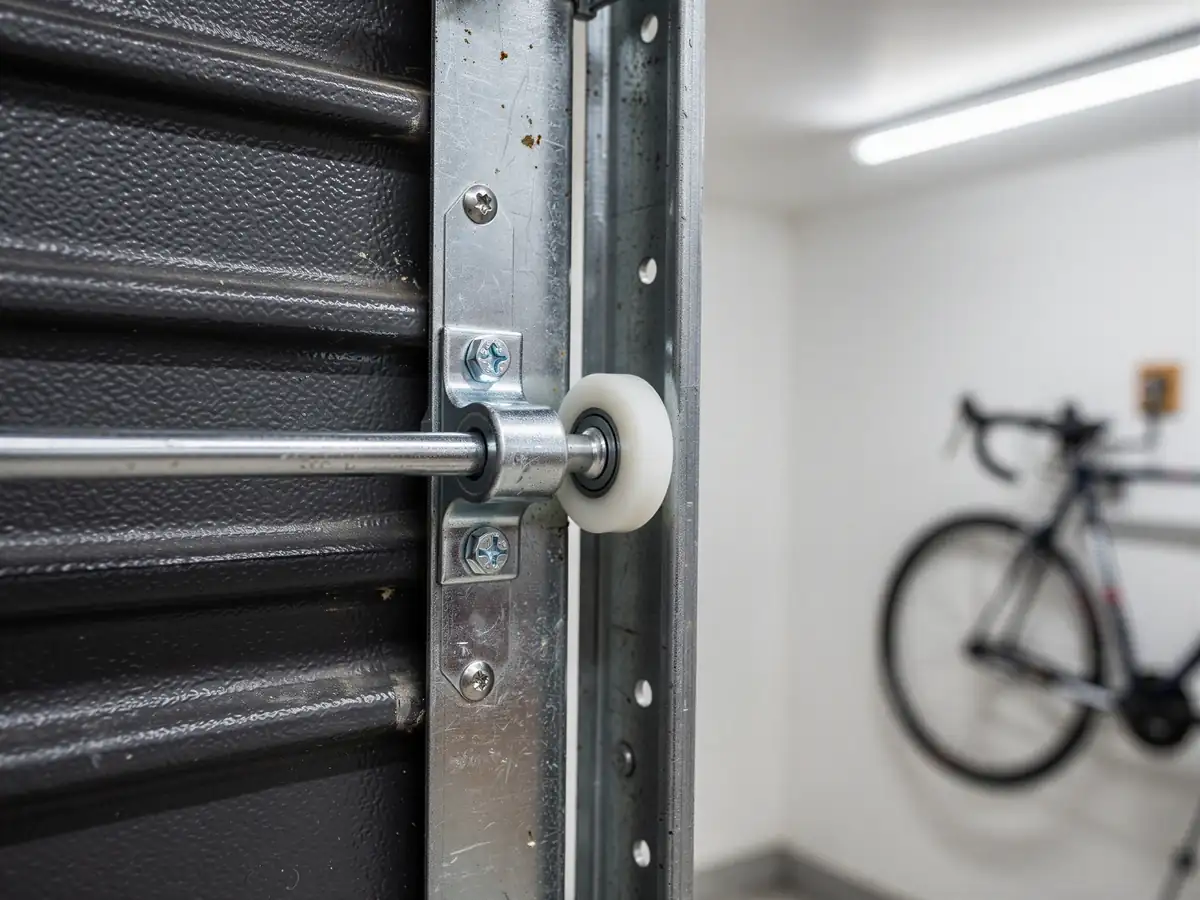
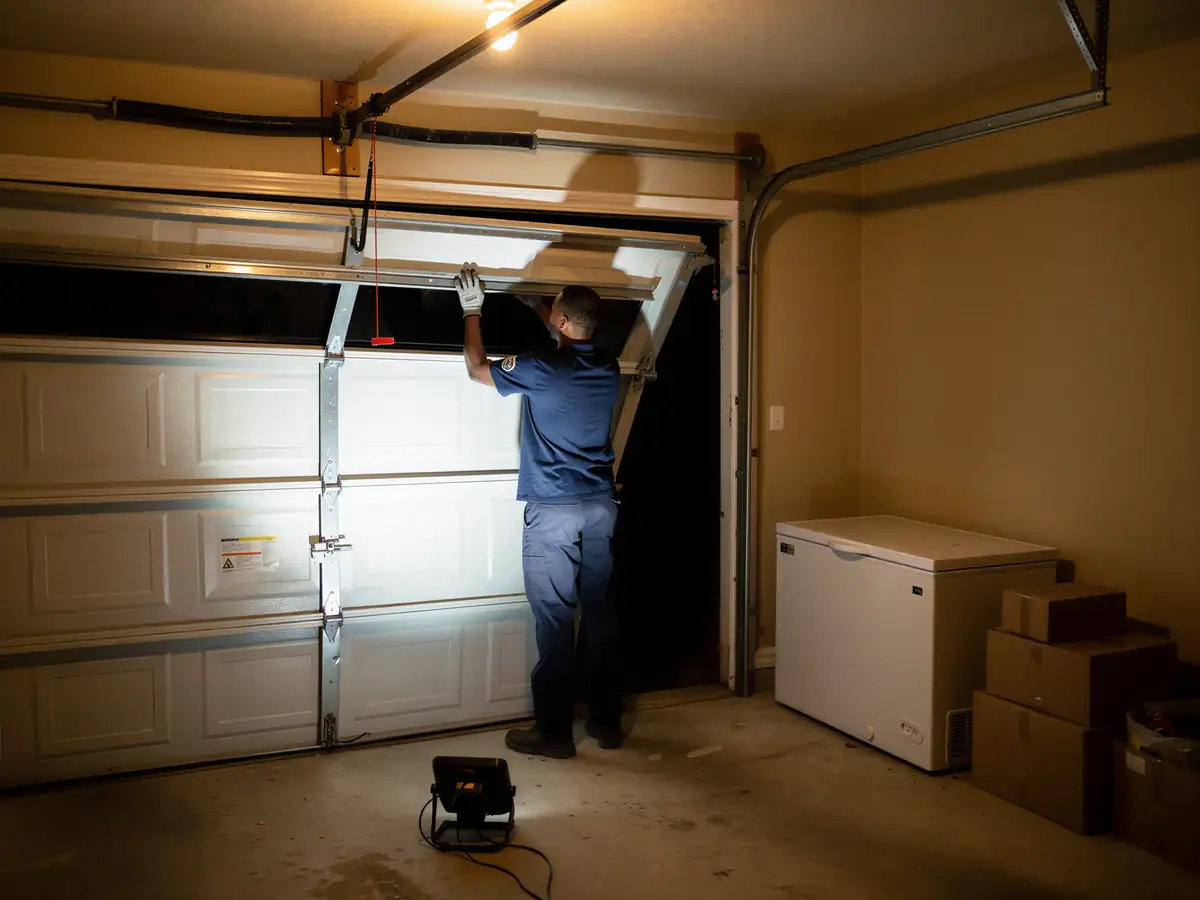
On a house from the early '80s, the torsion spring is almost always original or a direct one-for-one replacement installed years back. The shaft, the end bearing plates, and the cable drums on these doors are standard sizes, which is good news - we're not hunting down an odd part. What we do find, more often on this vintage, is a stretched or rusted cable that nobody noticed because the spring was doing the holding. We replace the spring, check both cables for fraying, and check the drums for wear before we wind anything. Cold winters here put extra strain on steel coils that are already forty-plus years into their working life, which is exactly the kind of age this pocket of the service area has in common. If the opener's been swapped out since the door went up, we also check that the travel limits match the new spring tension, because mismatched settings are what snap a brand-new spring in its first winter.
Booking a Visit
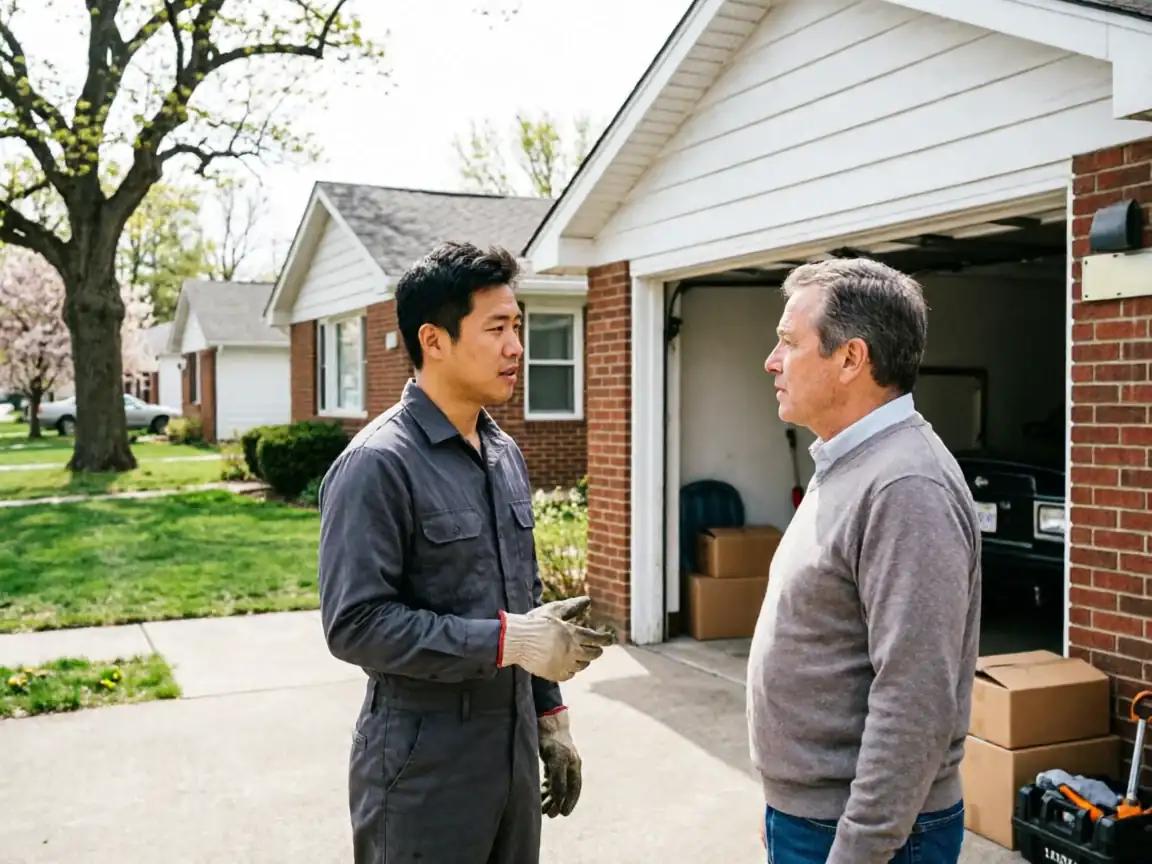
We run the call from Lake Zurich, two miles out, so there's no local branch or storefront in North Barrington - just a truck that comes to you. Tell us the door's a double or single, roughly how old the house is, and whether the spring broke clean or just sagged, and we'll bring the right spring size on the first trip instead of guessing and coming back.
How Long It Takes
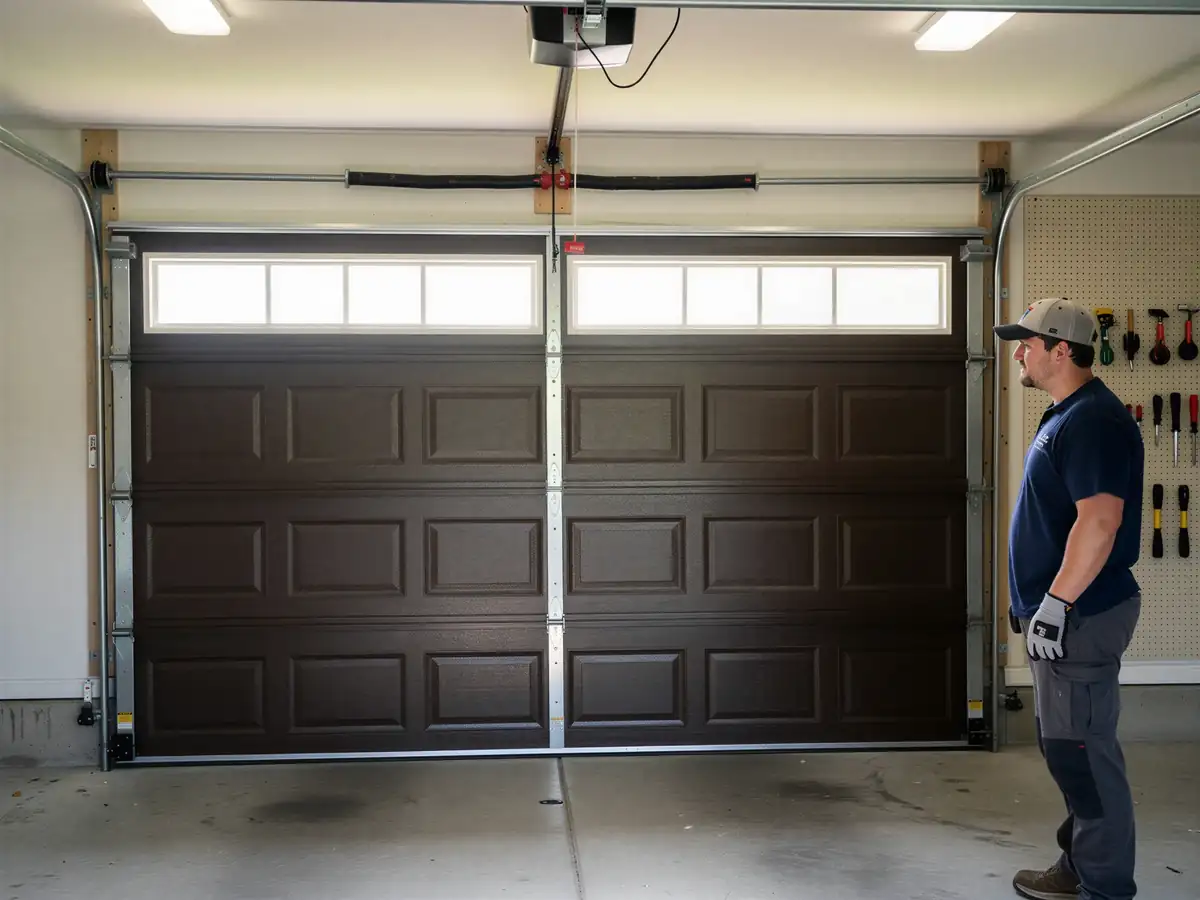
Most spring jobs on this kind of door run under two hours once we're on site, start to finish - pull the old spring, fit the new one, check cable and drum wear, test the balance. A double door with two springs or a drum that needs replacing alongside the spring runs longer. We don't carry every spring size on the truck for every job, so if yours is an unusual winding (more common on doors that have had non-standard hardware fitted over the years) we may need a day to get the right part before we come back and finish.
How It Shows Up
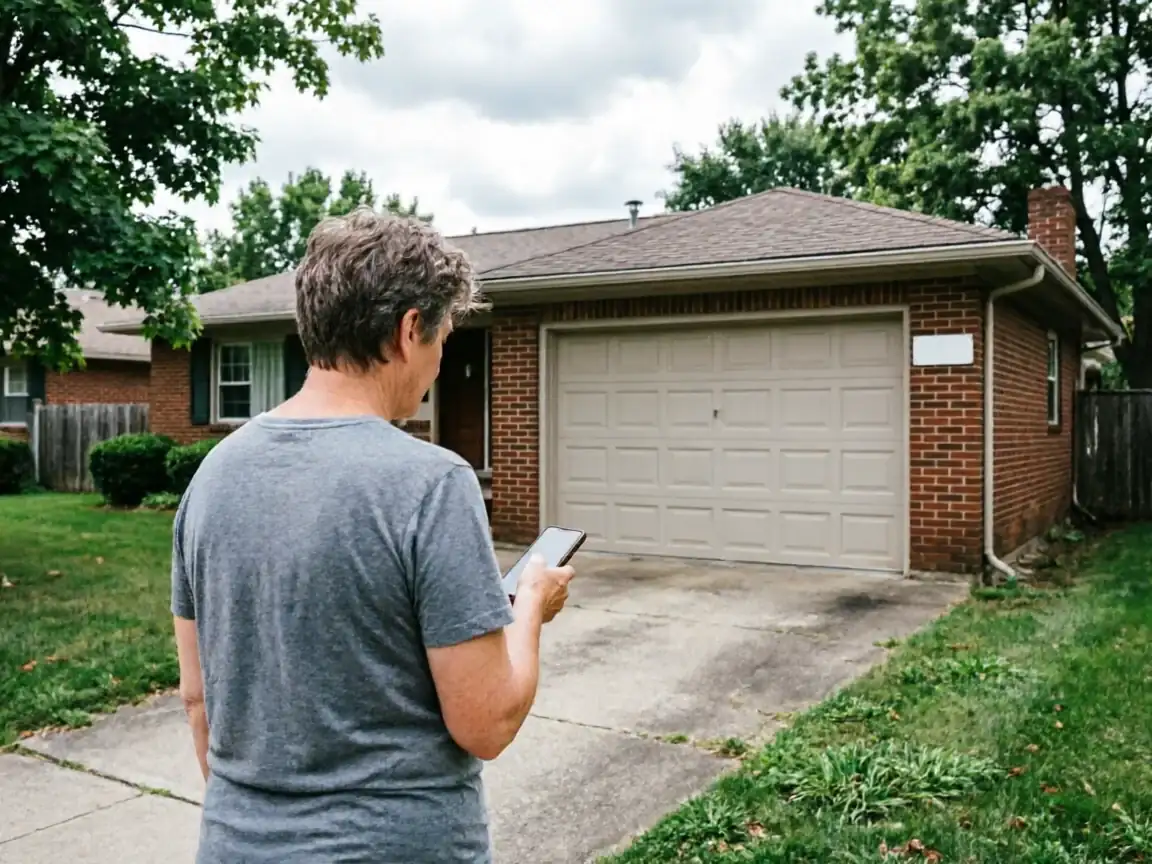
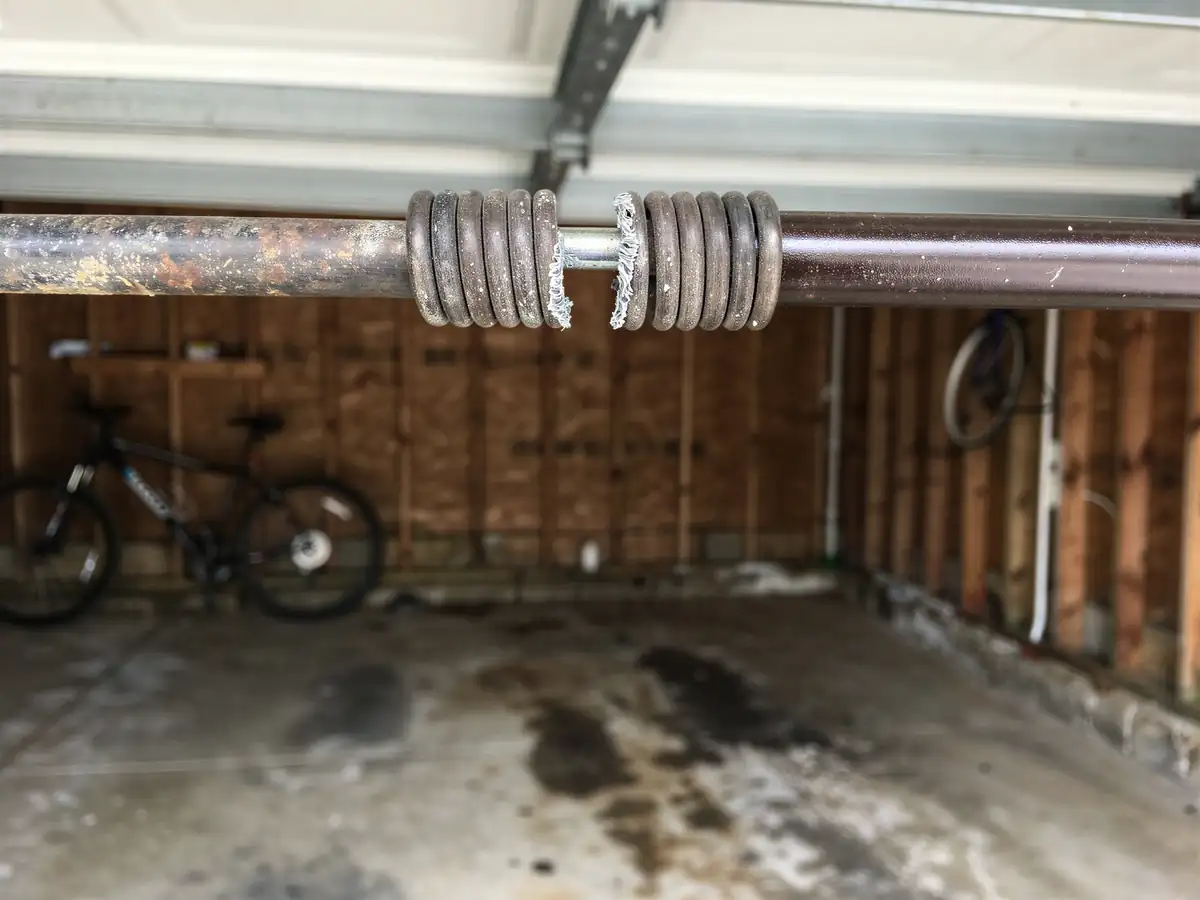
The door that won't stay open on its own, or that drops the last few inches with a bang, is a spring that's already lost most of its tension - not a motor problem, even though the opener usually gets blamed first. On houses from this era, a loud bang followed by a door that's suddenly hard to lift by hand, with the opener straining, is the classic sign of a full break. Cold mornings make it worse: steel coils stiffen in the cold band we're in here, and a spring that was barely hanging on through fall often lets go on the first hard freeze. If the door looks crooked in the frame, or one side drops faster than the other when you pull the release, that's usually one spring gone on a double-spring setup, not both.