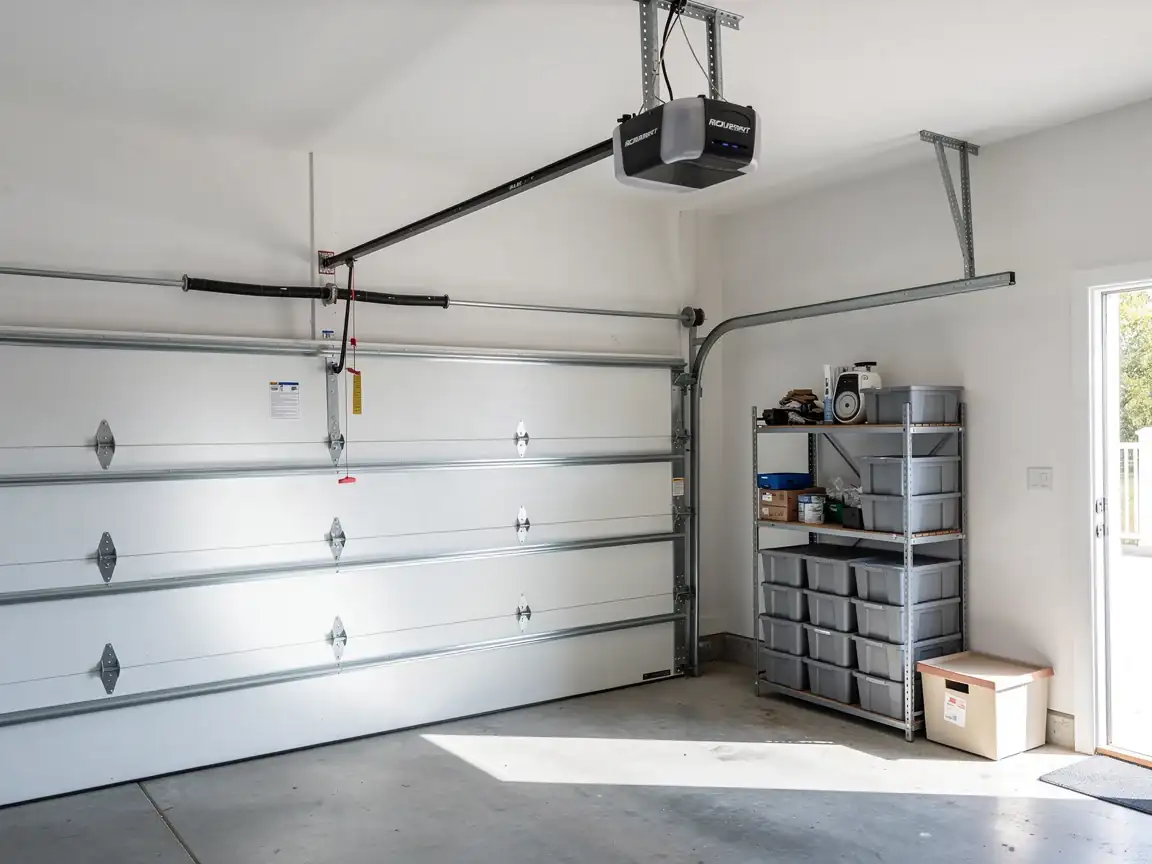
What You Pay
We don't post a flat number here because cable jobs vary with the door
A single frayed cable on a lightweight door is a different job than a snapped cable paired with a bent drum or a track that's pulled loose, and North Barrington's housing stock runs both ways. What we can tell you: this is a short trip for us. North Barrington sits about two miles from our Lake Zurich base, so you're not paying for a long haul built into the job. The cost comes from parts and the actual repair, not from mileage. We'll give you the number for your door before anything gets worked on, not after.
If your door is original to a house built in the early 1980s
There's a decent chance you're also looking at a tired spring or a drum that's seen 40 years of use, and we'll flag that honestly rather than just swap the cable and send you on your way with a system that's still one failure from the next call.
- 40 years
What the Repair Takes
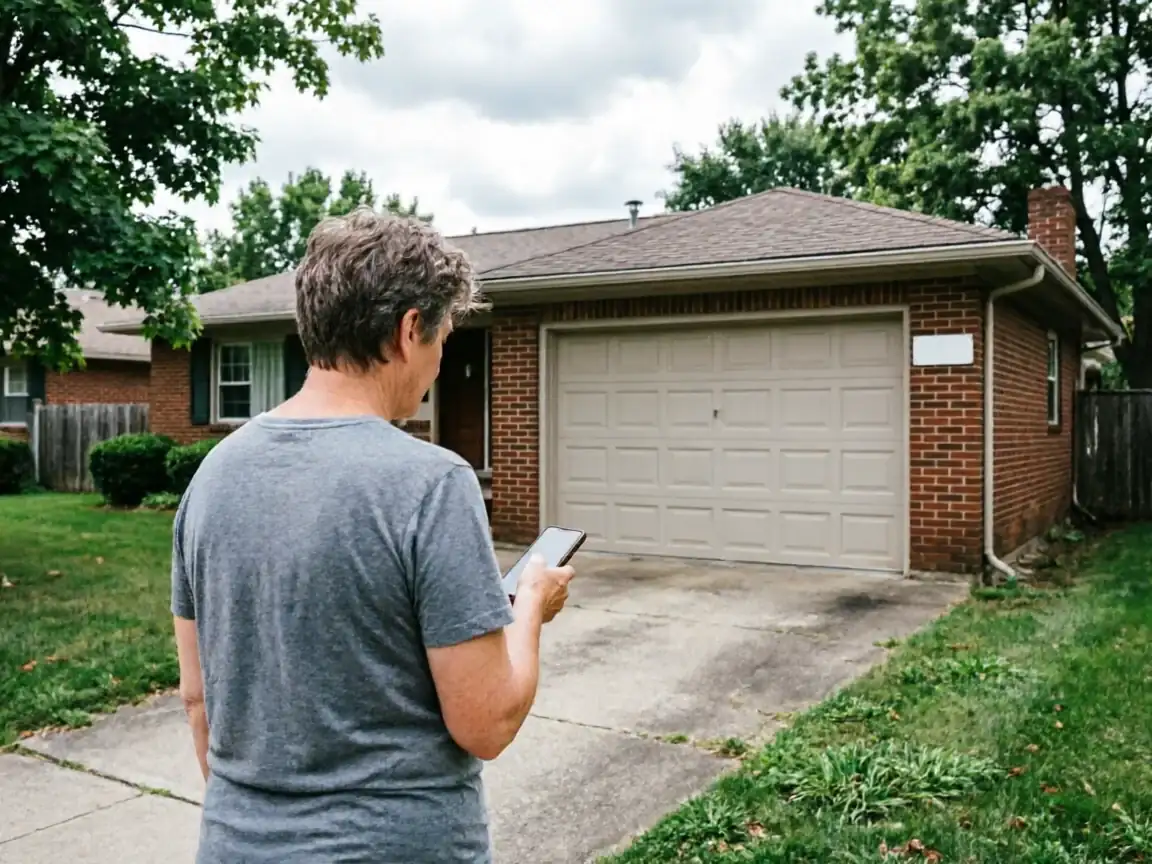
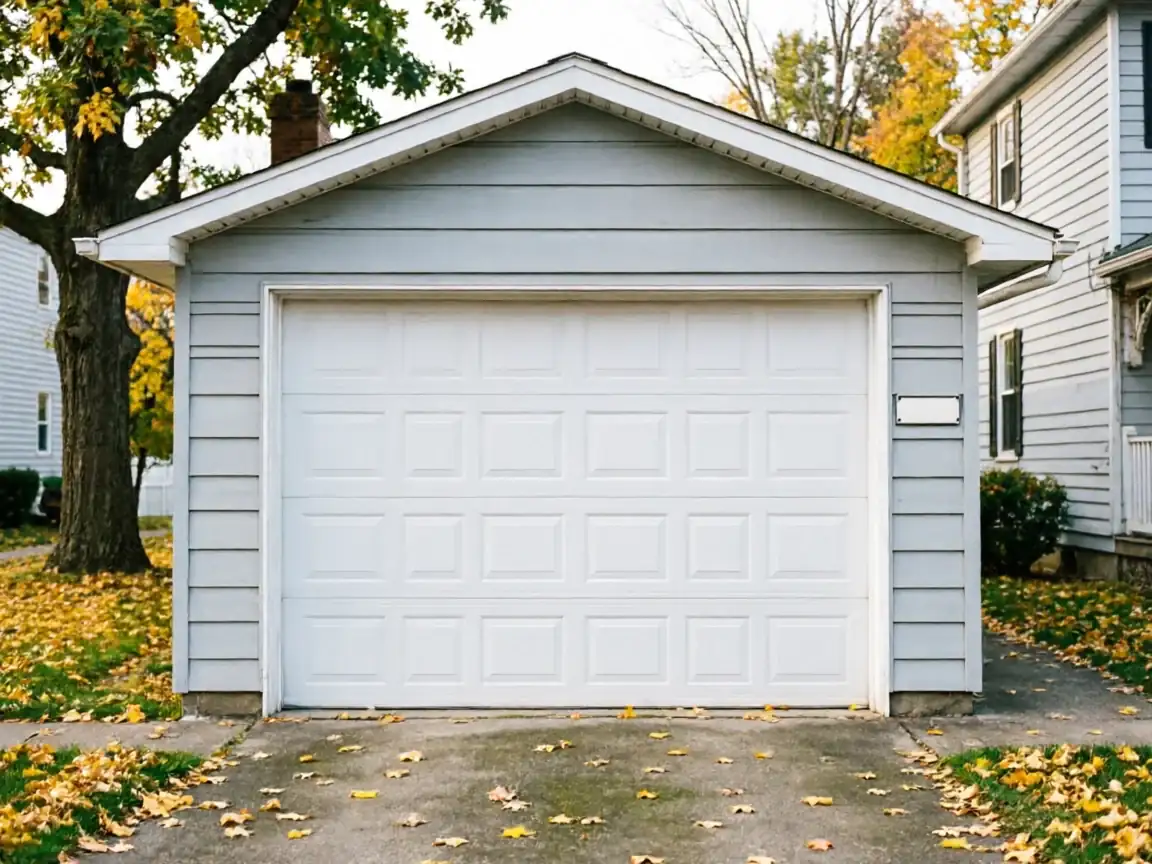
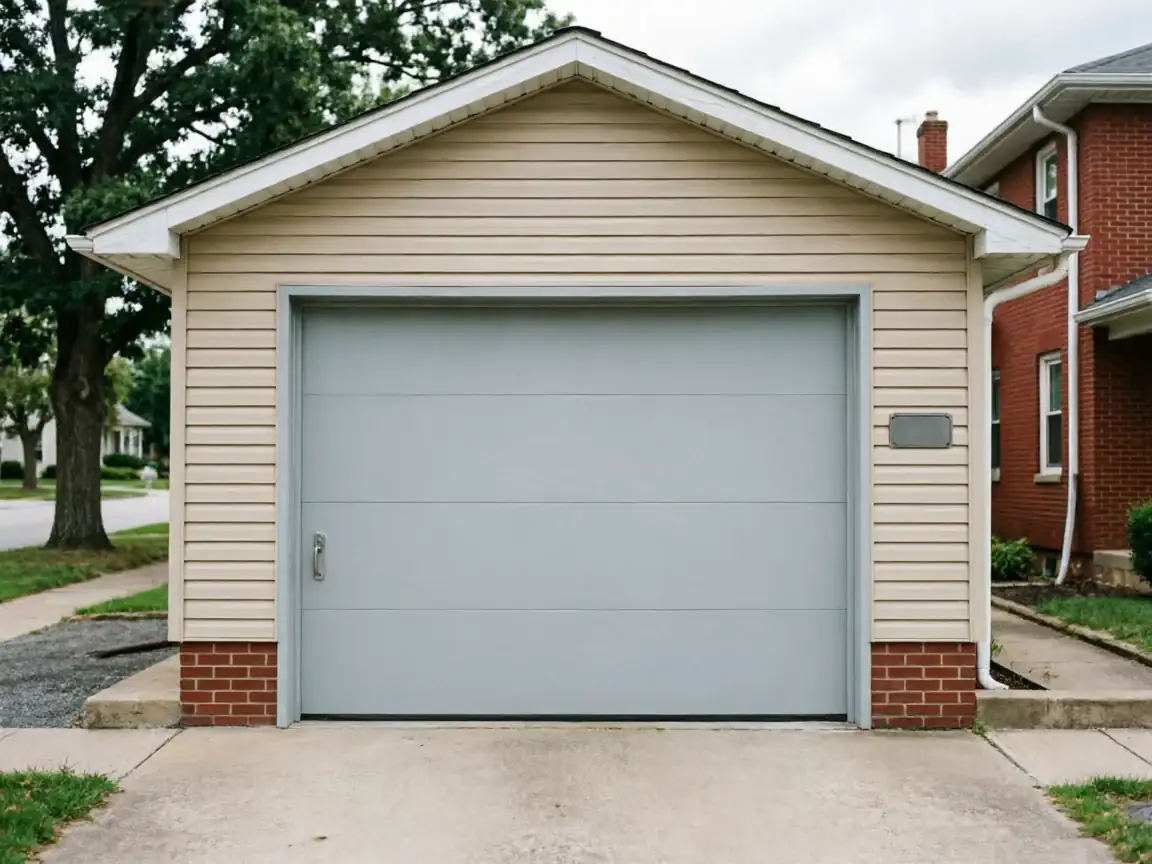
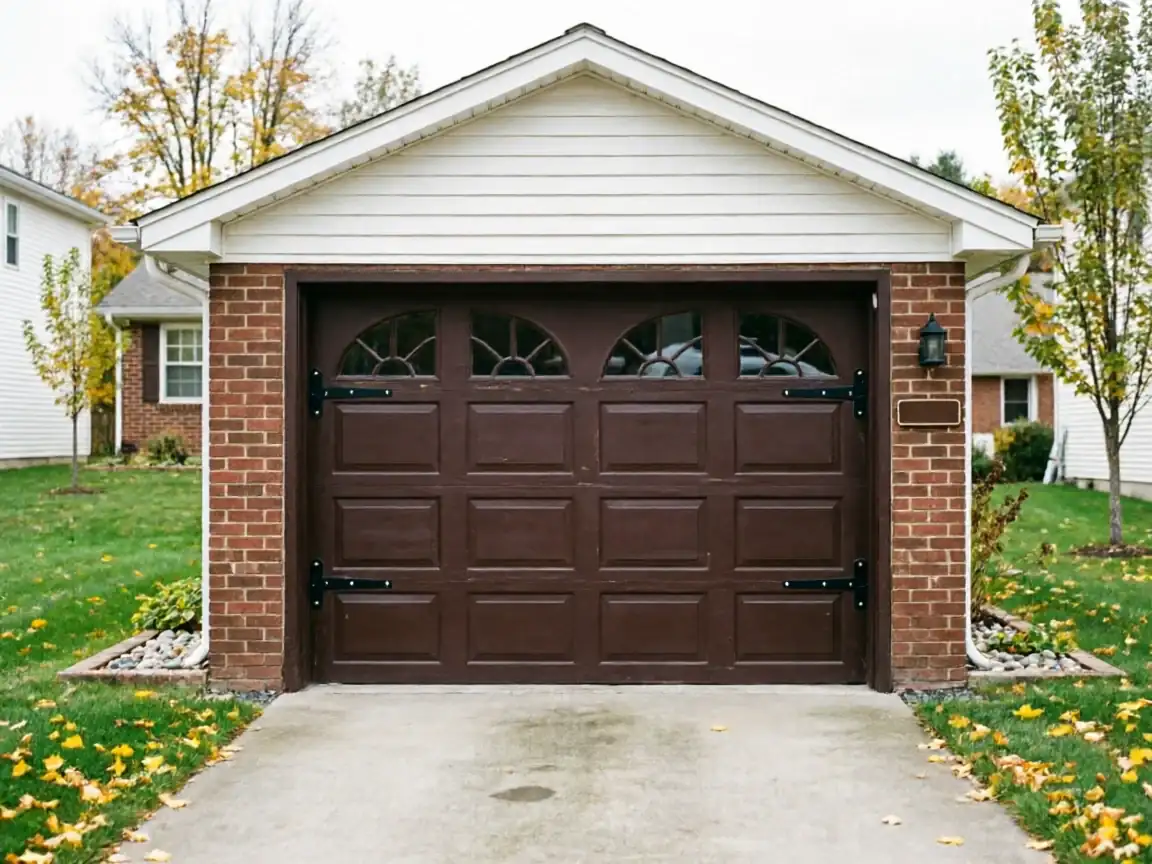
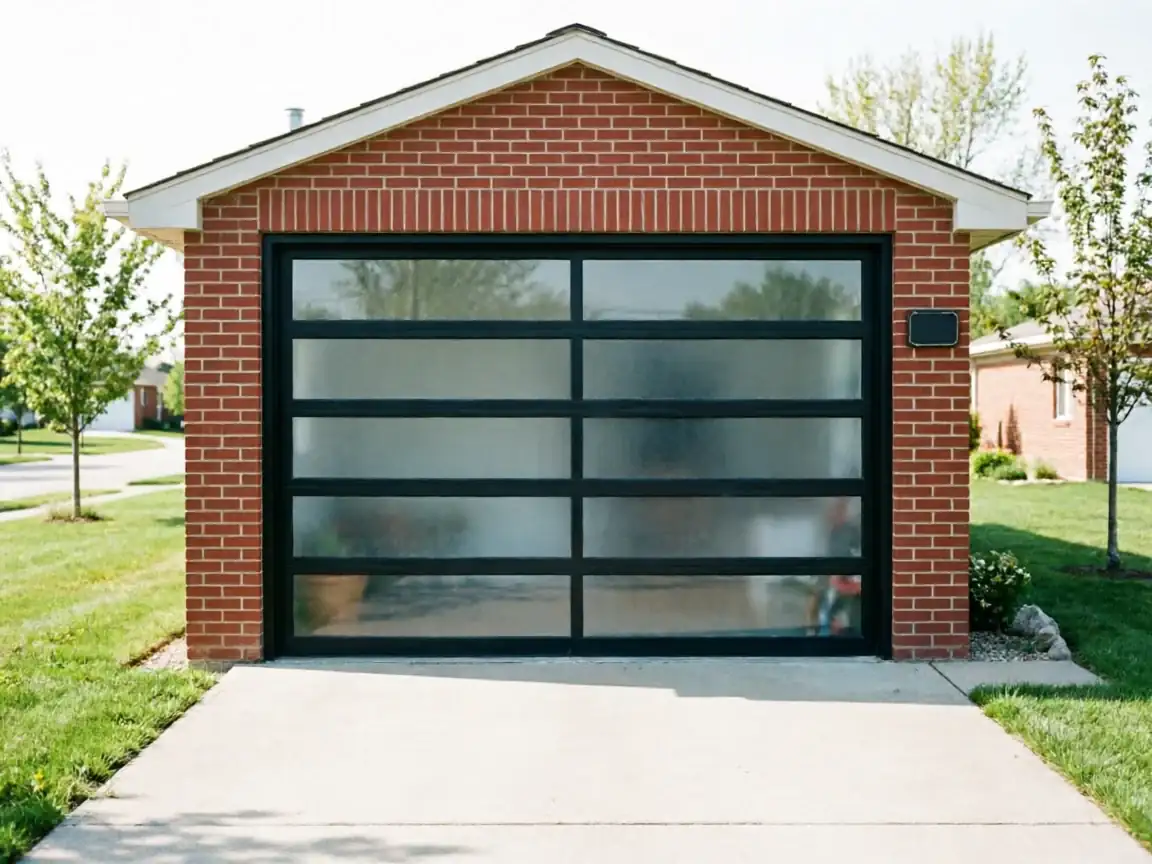
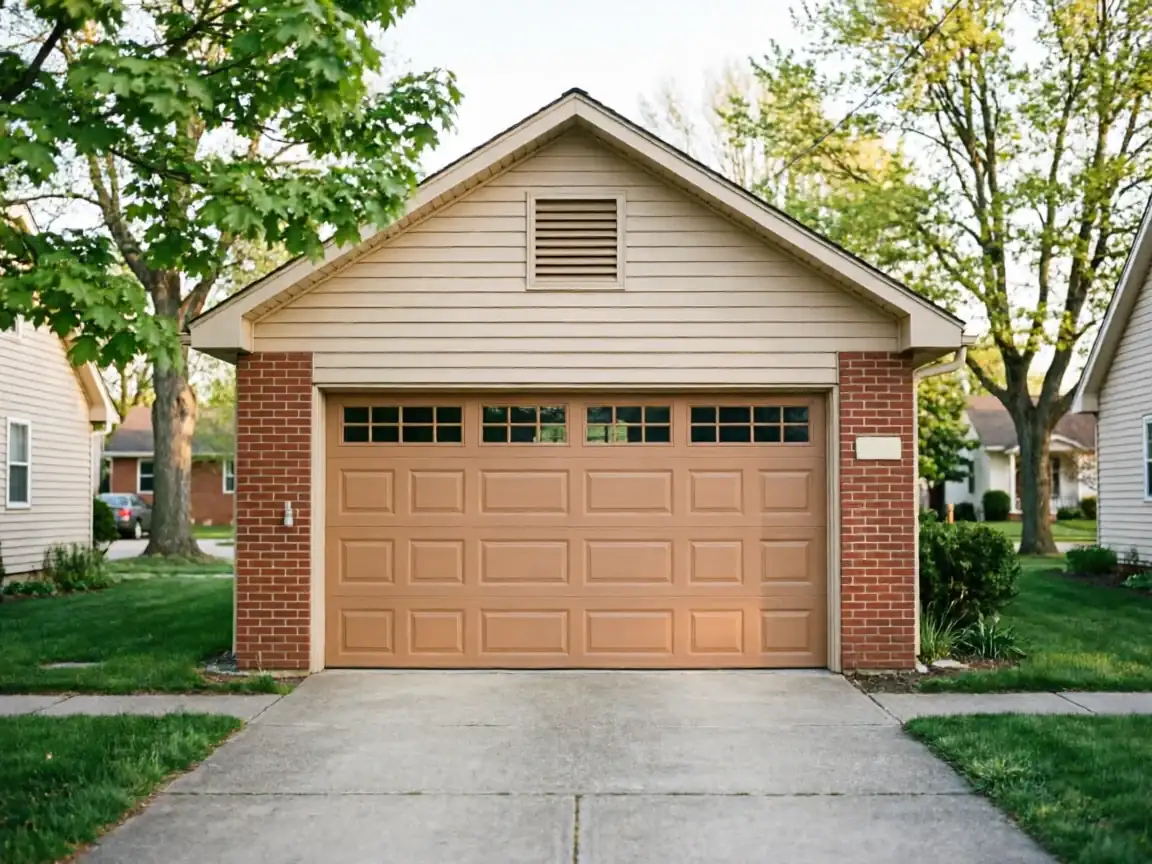
Most of North Barrington's homes went up in the early-to-mid 1980s, right in the middle of the broader 1938-2009 build range we see across the service area. That era means steel sectional doors on extension or torsion springs, with cable drums that were decent quality new but are now old enough that the galvanized coating has worn thin in spots. A worn cable on a door this age usually isn't an isolated problem - it frayed because the drum edge roughened, or because the spring tension drifted and put uneven load on one side.
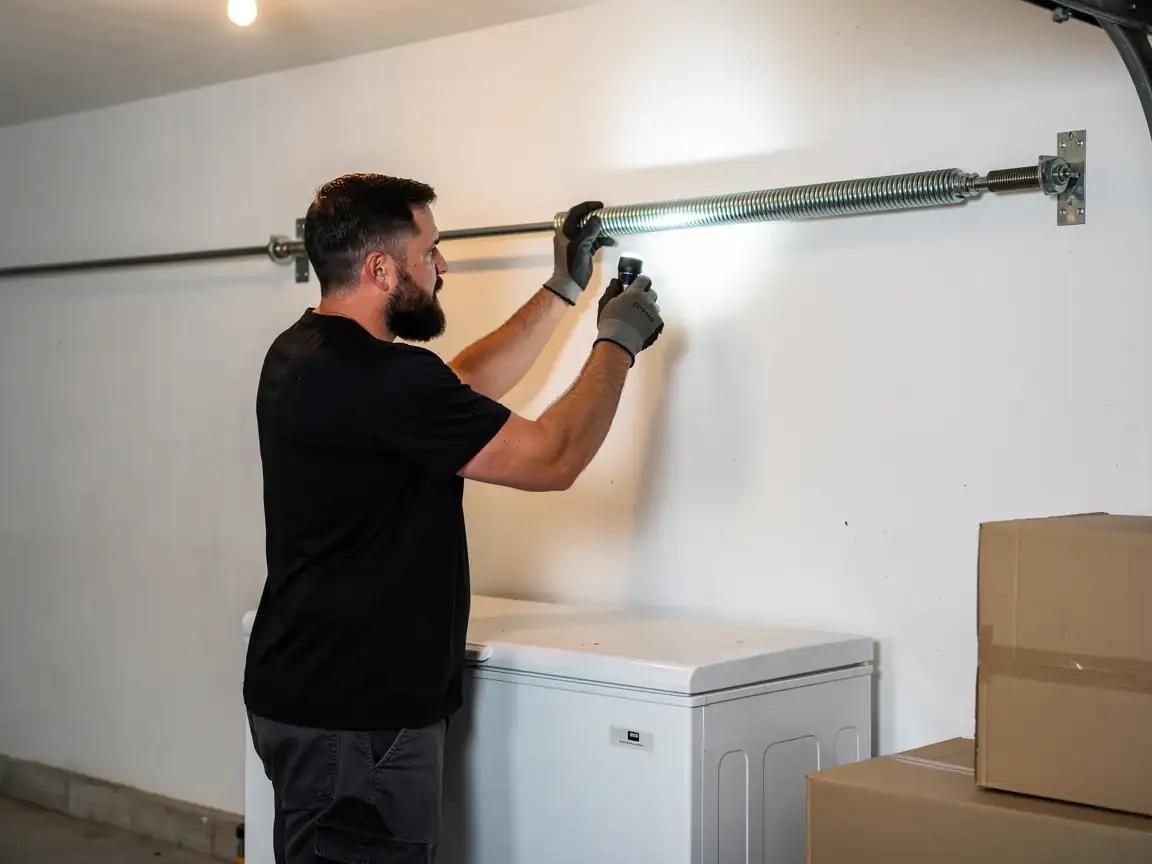
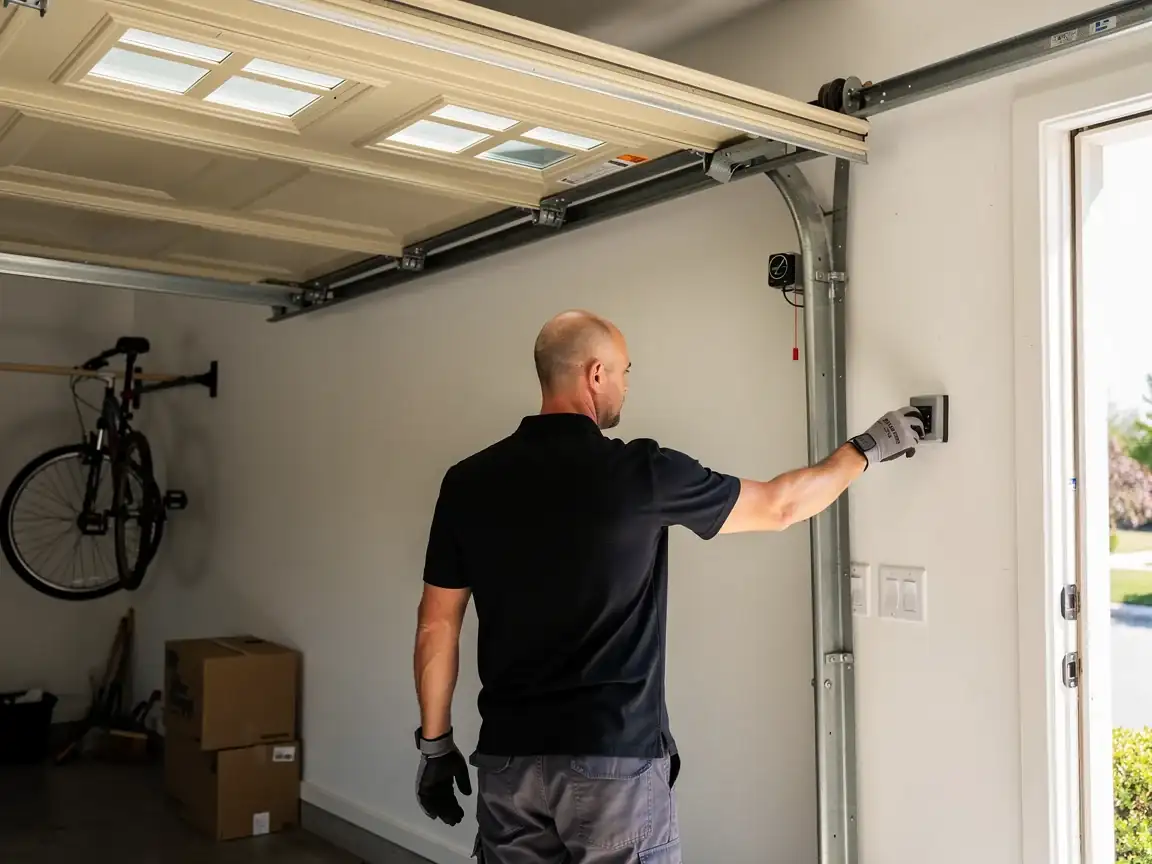
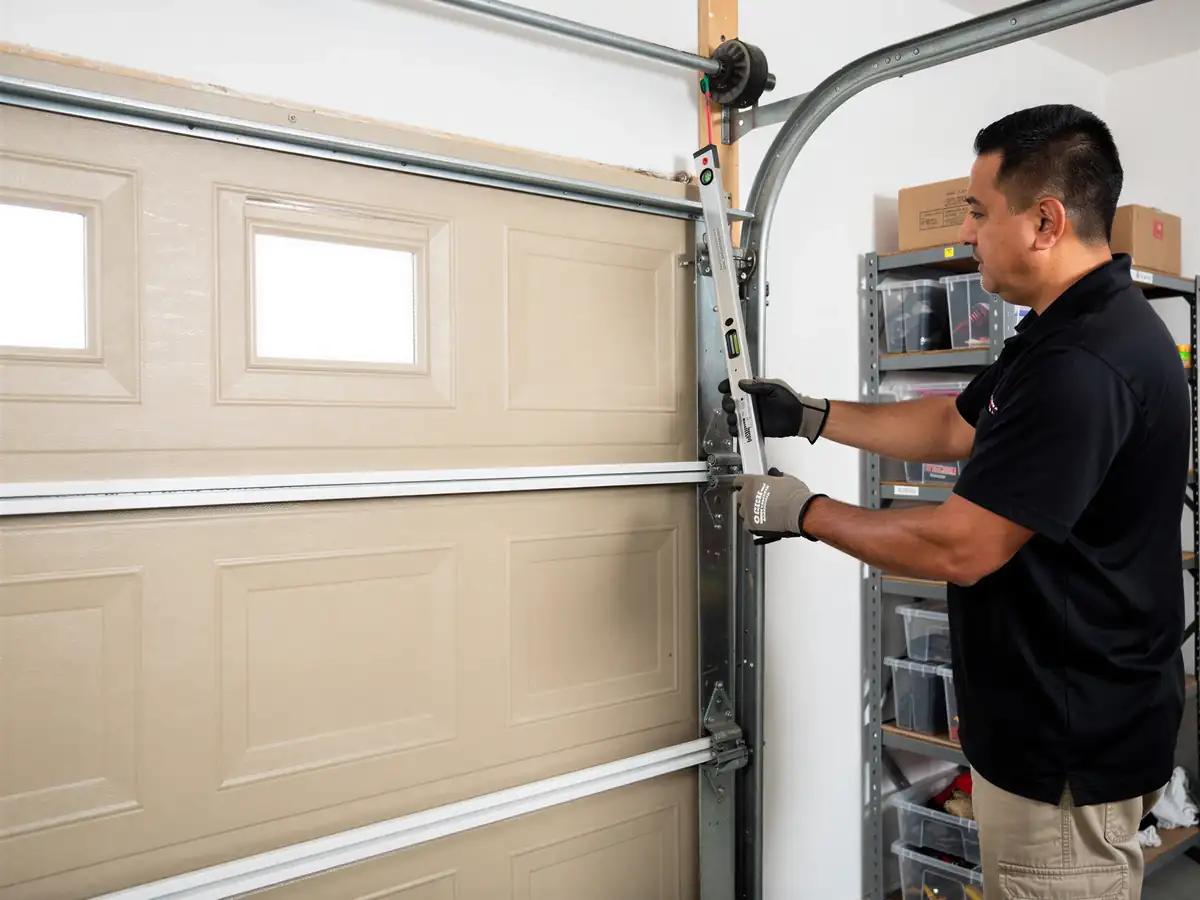
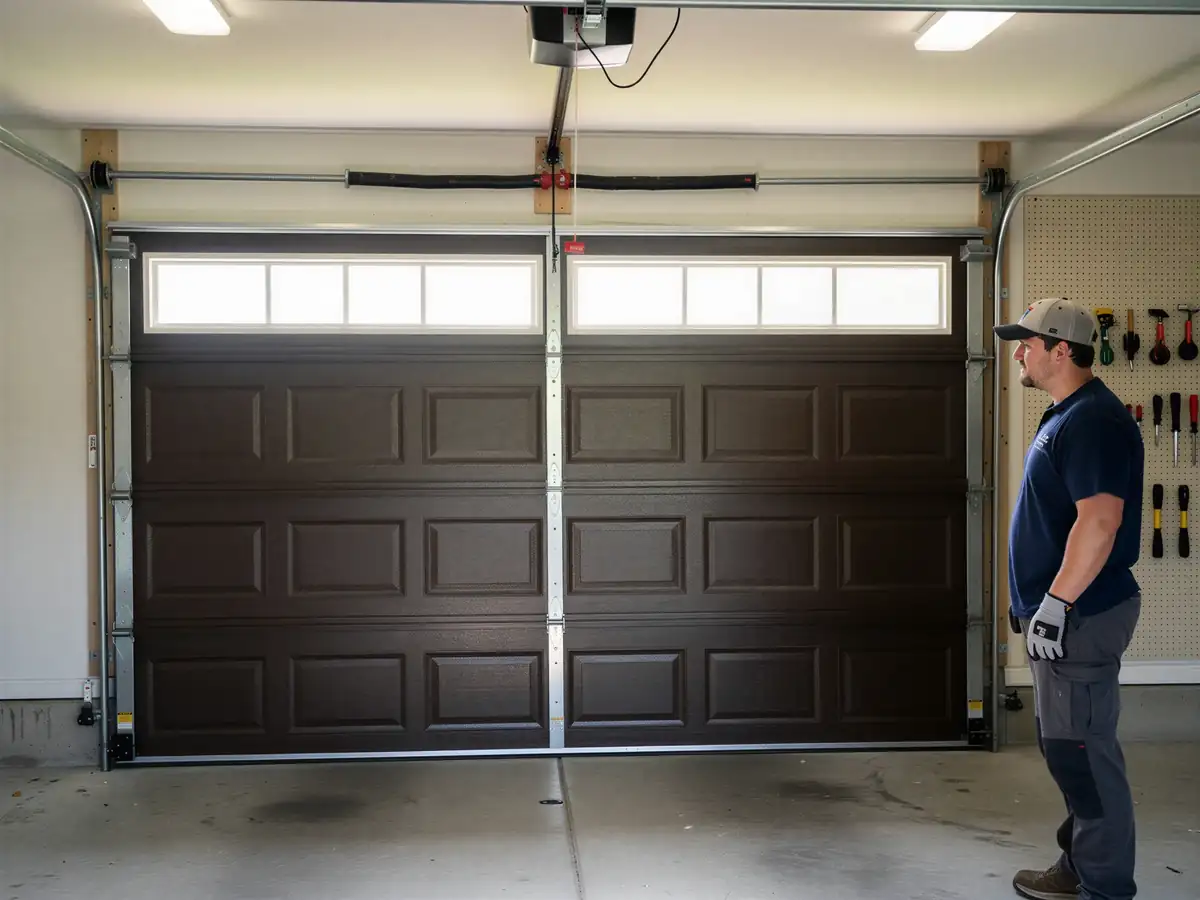
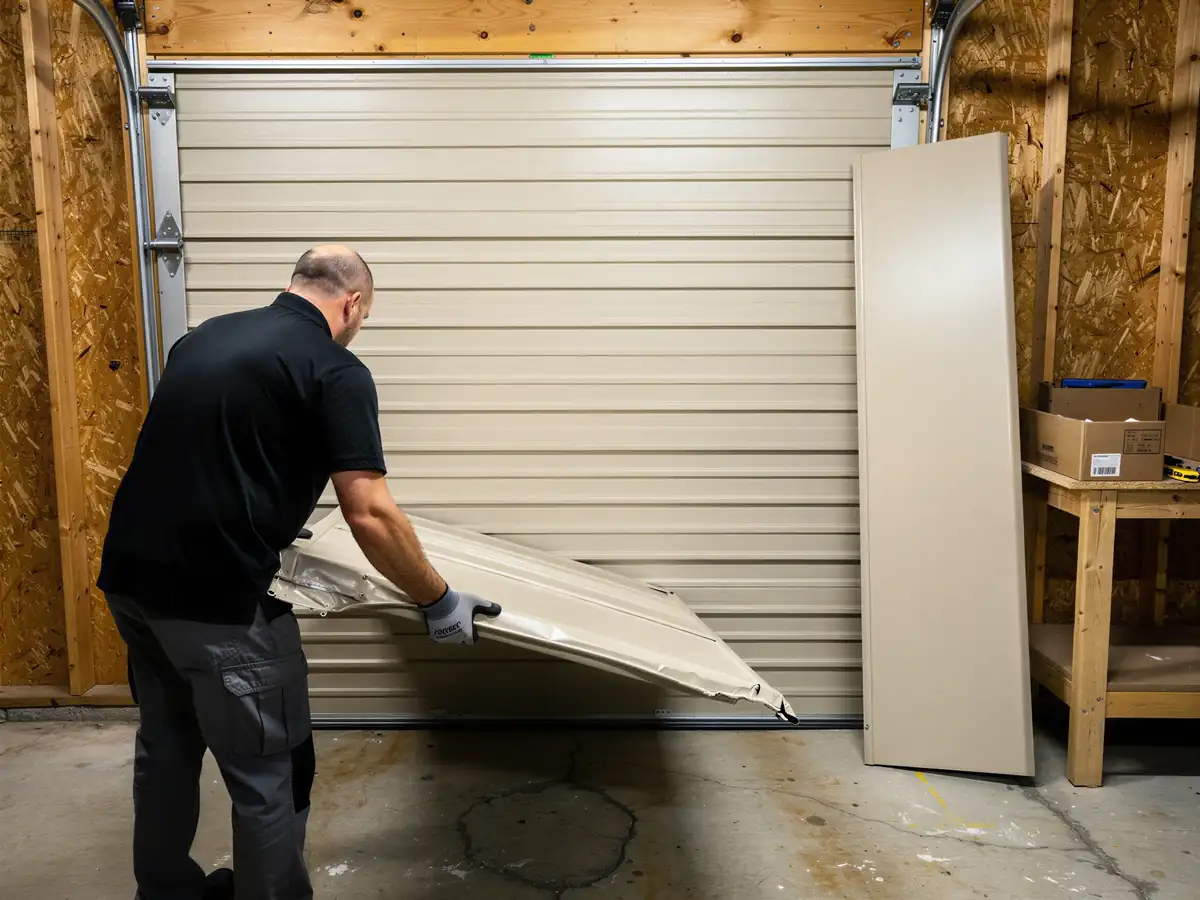
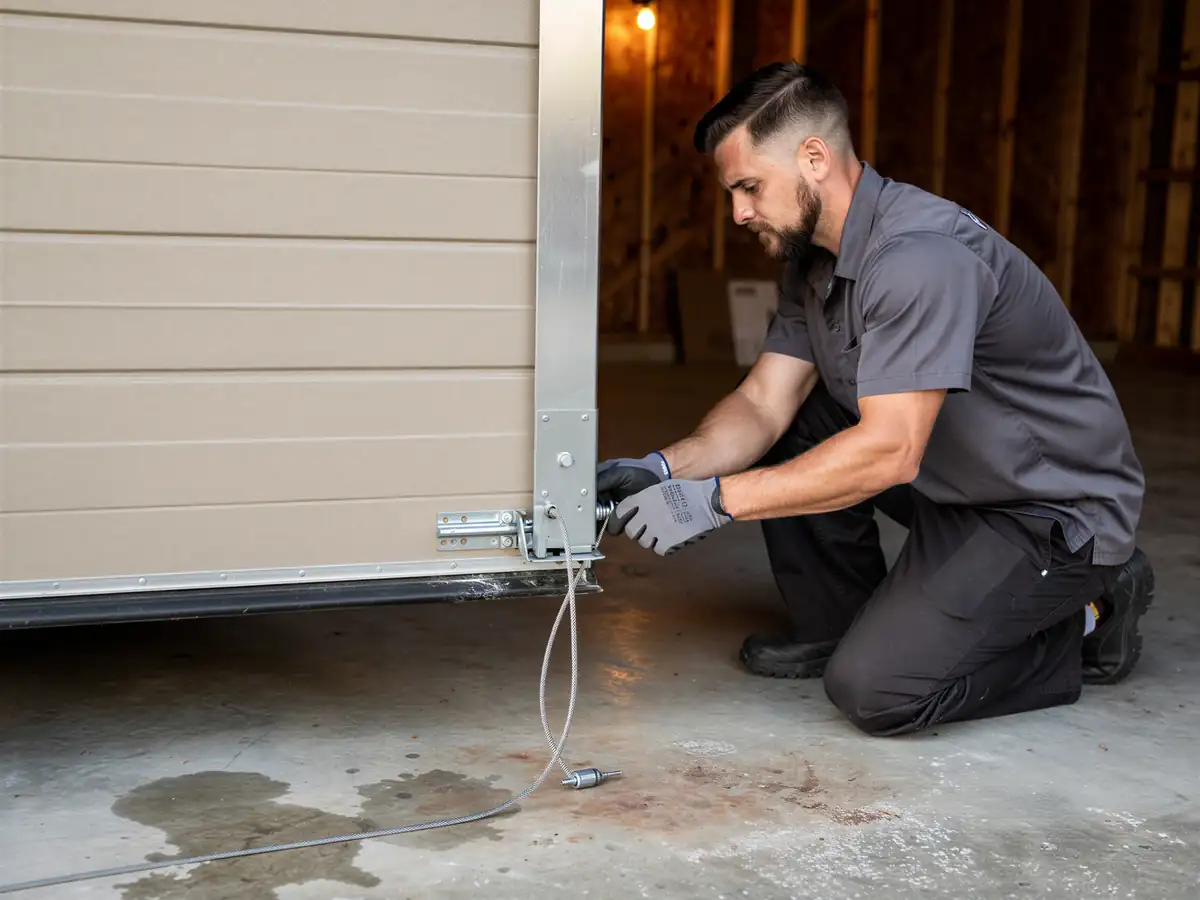
The job itself is straightforward: unload the springs, pull the old cable, check the drum for burrs or grooves, and run a new cable sized to match your door's weight and track height. On a two-car door with torsion springs, we're also checking that both cables are matched - a mismatched pair is a common cause of a door racking sideways in older setups like what's common here.
Booking a Visit
We cover North Barrington out of our Lake Zurich shop - two miles isn't a trip that changes how we schedule or price a job, it just means we're there fast once we're headed your way. There's no local branch or drop-off point here; every truck comes from Lake Zurich, so when you call, you're booking a visit, not a walk-in.
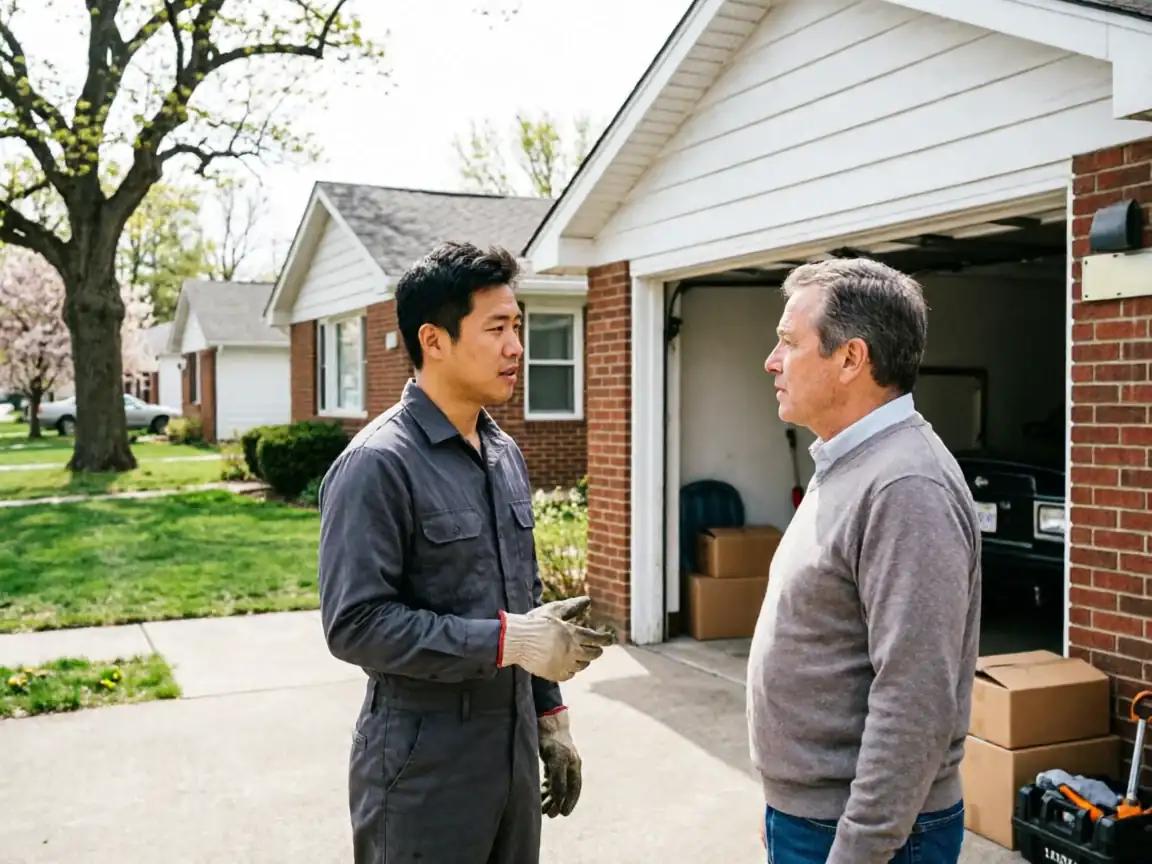
Tell us what the door is doing - one cable visibly off the drum, a door that won't budge, a loud snap you heard - and we'll bring the right stock for a cable repair rather than guessing on-site. See our North Barrington coverage or the full cable repair details for Lake Zurich for what we carry on the truck.
Can You Do This Yourself
A garage door cable is under real tension from the spring system
And the honest answer is: don't do this one yourself. Loosening a torsion spring without the right bars, or working near a cable that's already partially snapped, is how people get hurt - a cable under load can whip hard enough to break a finger or worse. This isn't a caution we give to pad the page; it's the one repair on the list we won't walk a homeowner through over the phone.
What you can safely check before calling
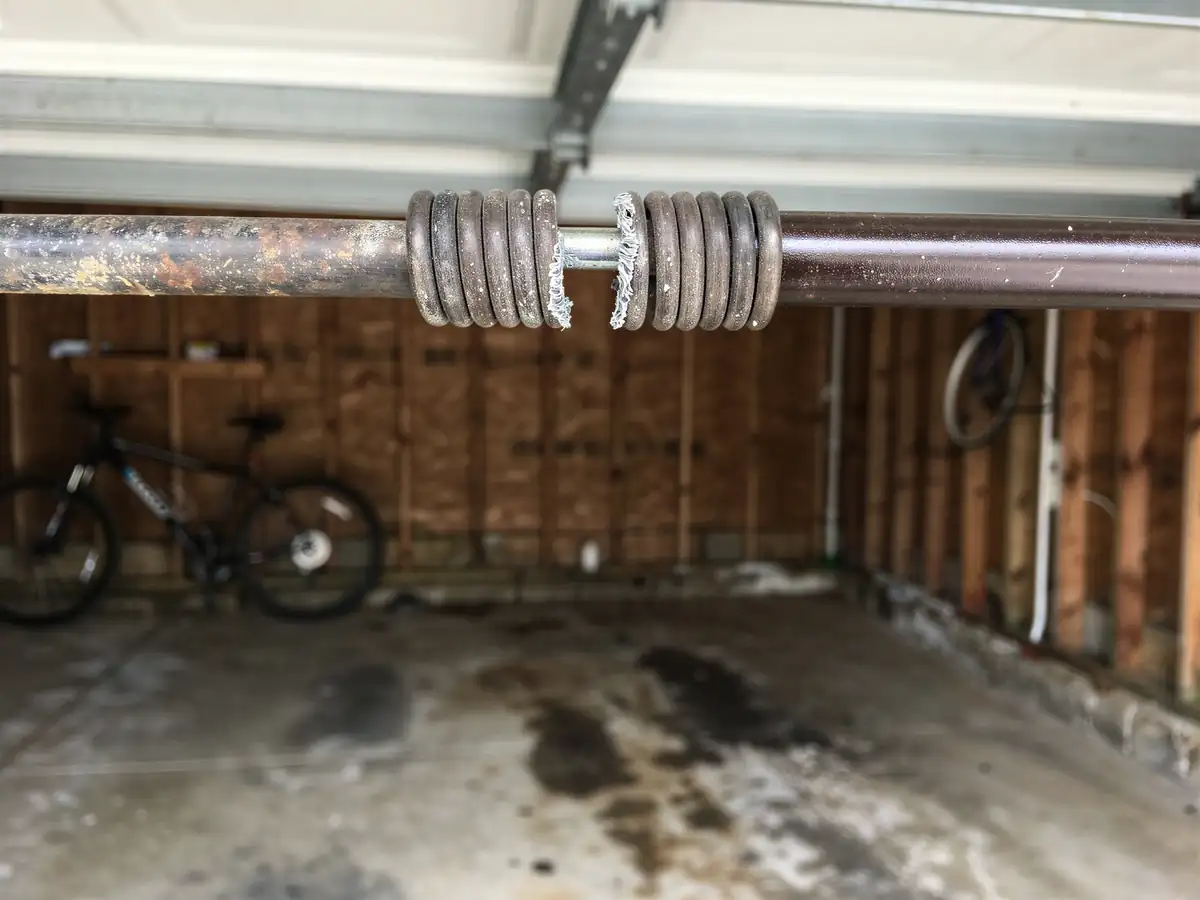
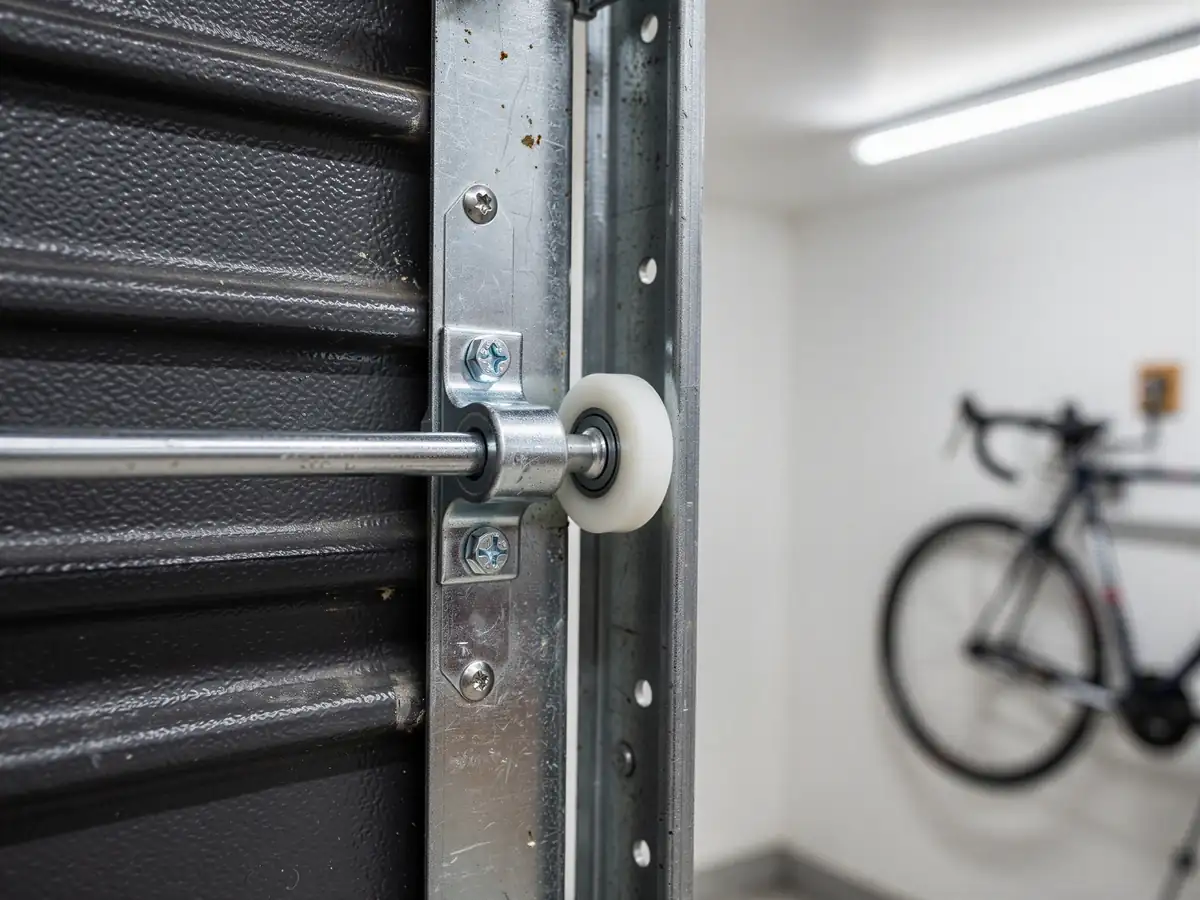
Look at the cable near the bottom bracket for fraying, and look at the drum at the top for a cable that's jumped the groove. That tells us what to bring. Past that, leave the spring and drum work to the visit.
How Long It Takes
A single cable replacement, with no spring or drum damage behind it, is usually the shorter end of our service calls. If the drum is grooved or the spring needs attention too - more likely on a door original to a house built in 1982 - the visit runs longer because we're not just swapping a part, we're rebuilding the whole lift side so the door tracks evenly again.
We don't quote a fixed window up front because we won't know which of those two jobs it is until we've looked at the drum and the spring tension in person. What we will do is tell you on arrival, before any tools come out, which one you're looking at and how long that version takes.
How It Shows Up
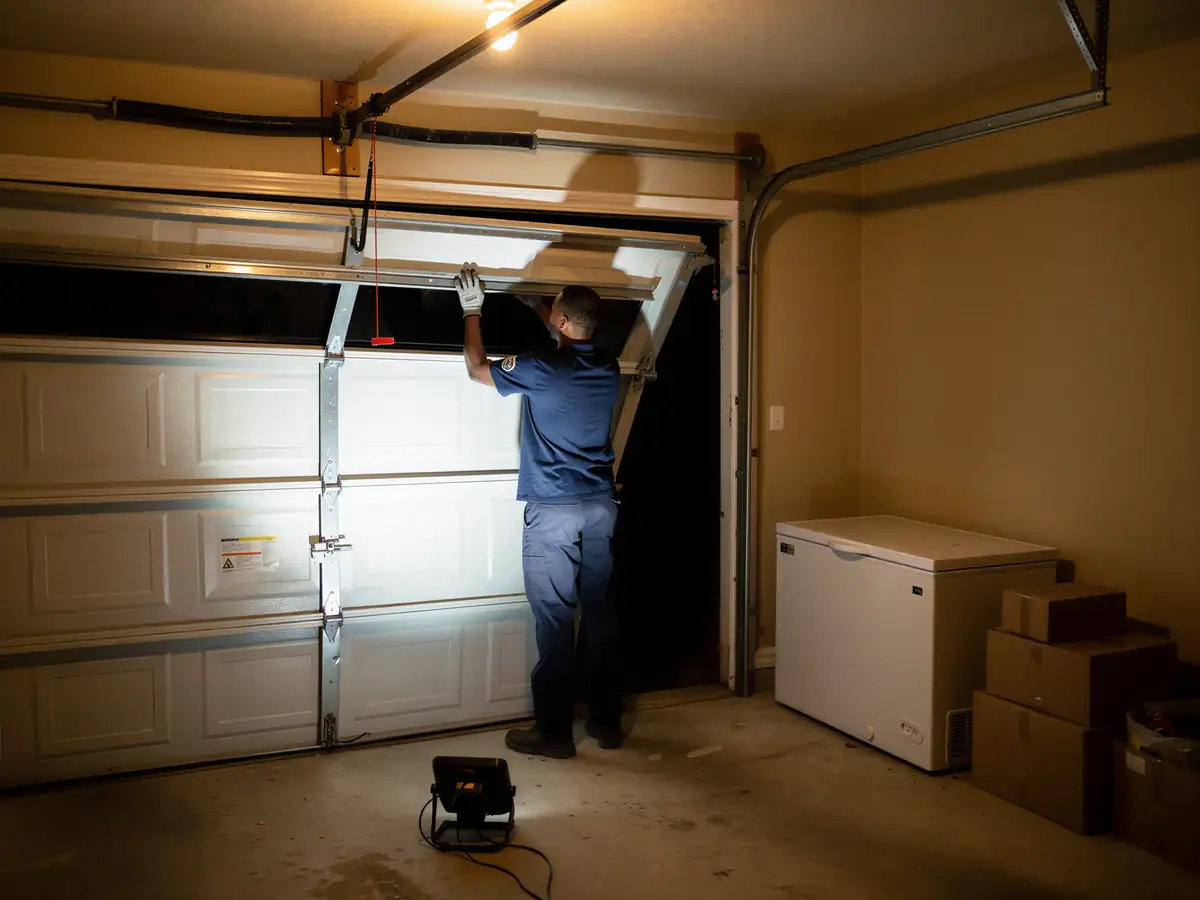
A cable problem rarely looks like a cable problem at first. What homeowners usually notice is a door that hangs crooked - one corner lower than the other - or a door that reverses itself halfway up because the opener senses uneven resistance. Sometimes it's simpler: a visible loop of cable hanging loose near the bottom roller, or a faint popping sound right before the door stops working on one side.
In North Barrington's older housing, where doors and hardware have often gone 30-plus years without an upgrade, these symptoms tend to show up gradually - a slight lean that gets worse over a few weeks - rather than all at once. If your door suddenly won't move at all, that's more often a fully snapped cable or spring, and at that point the door shouldn't be forced open or closed until it's looked at.