What the Repair Takes
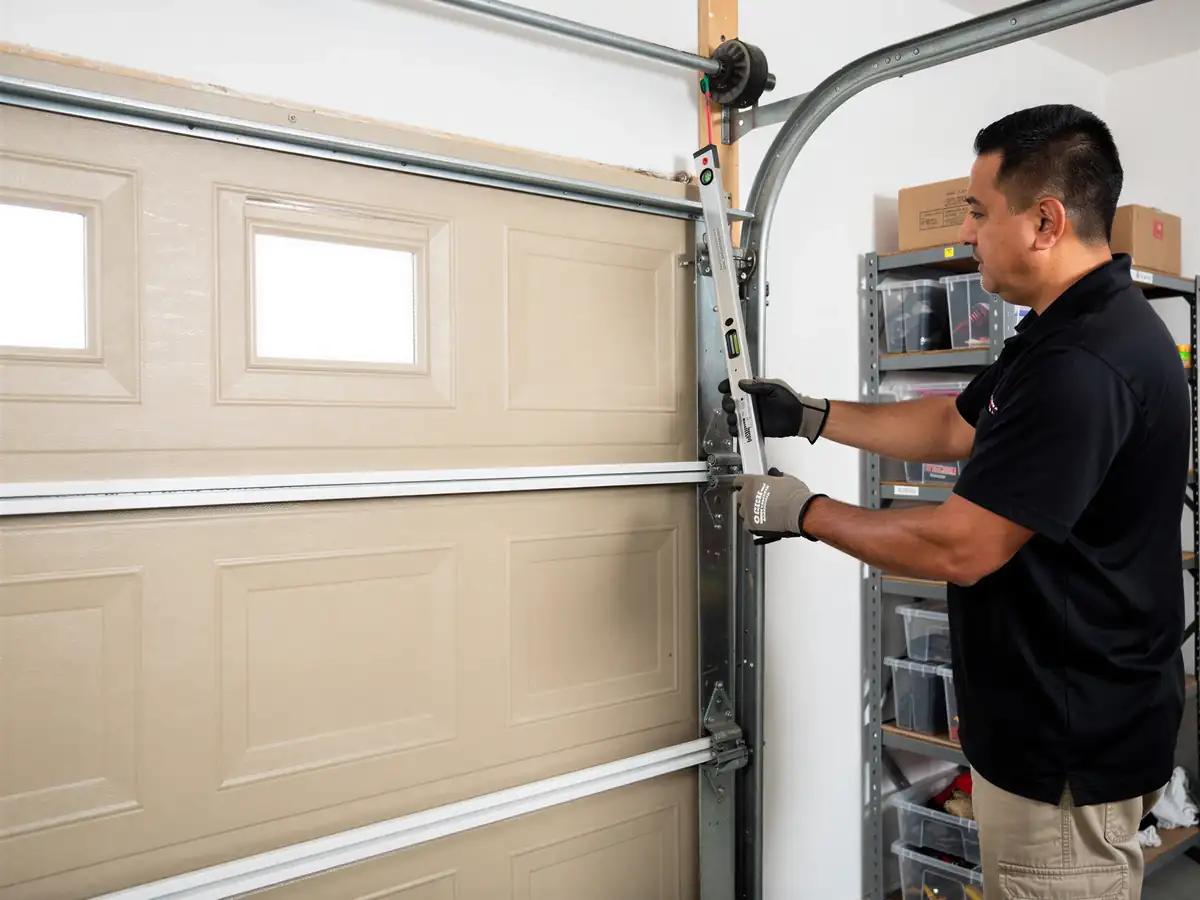
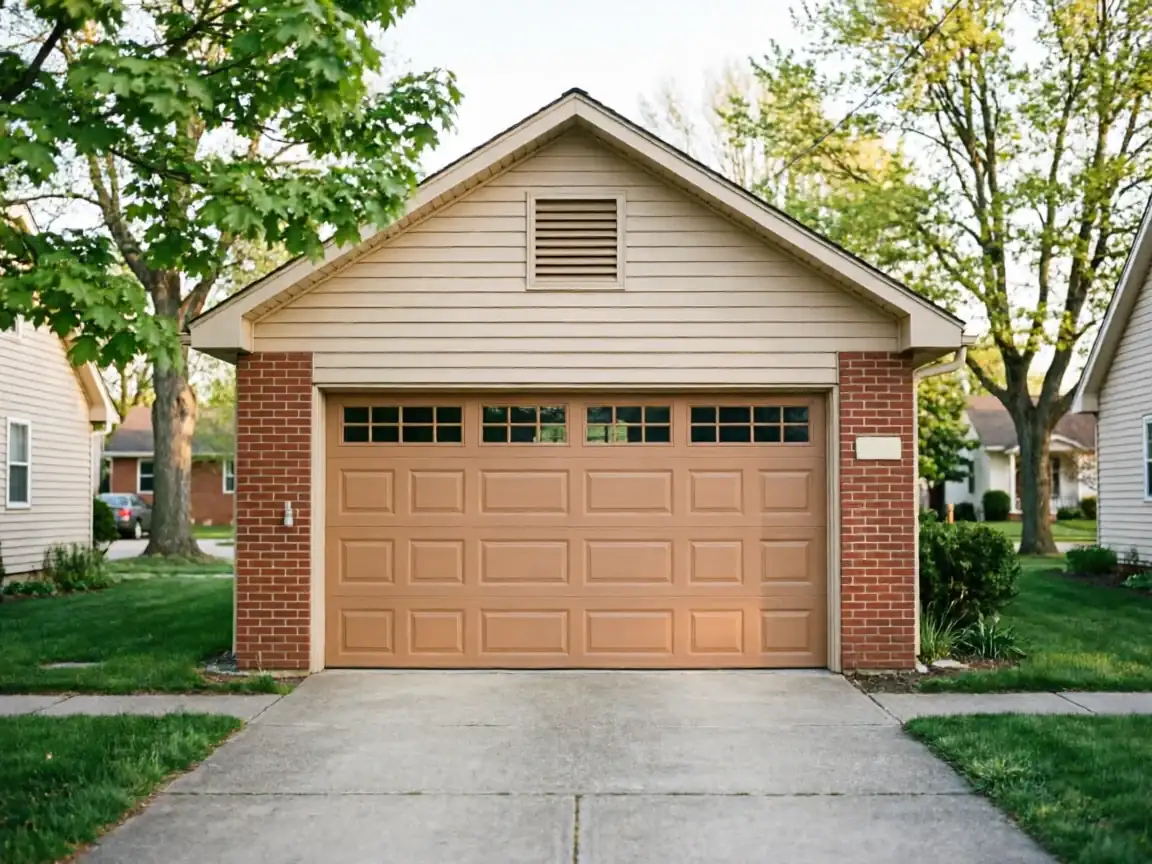
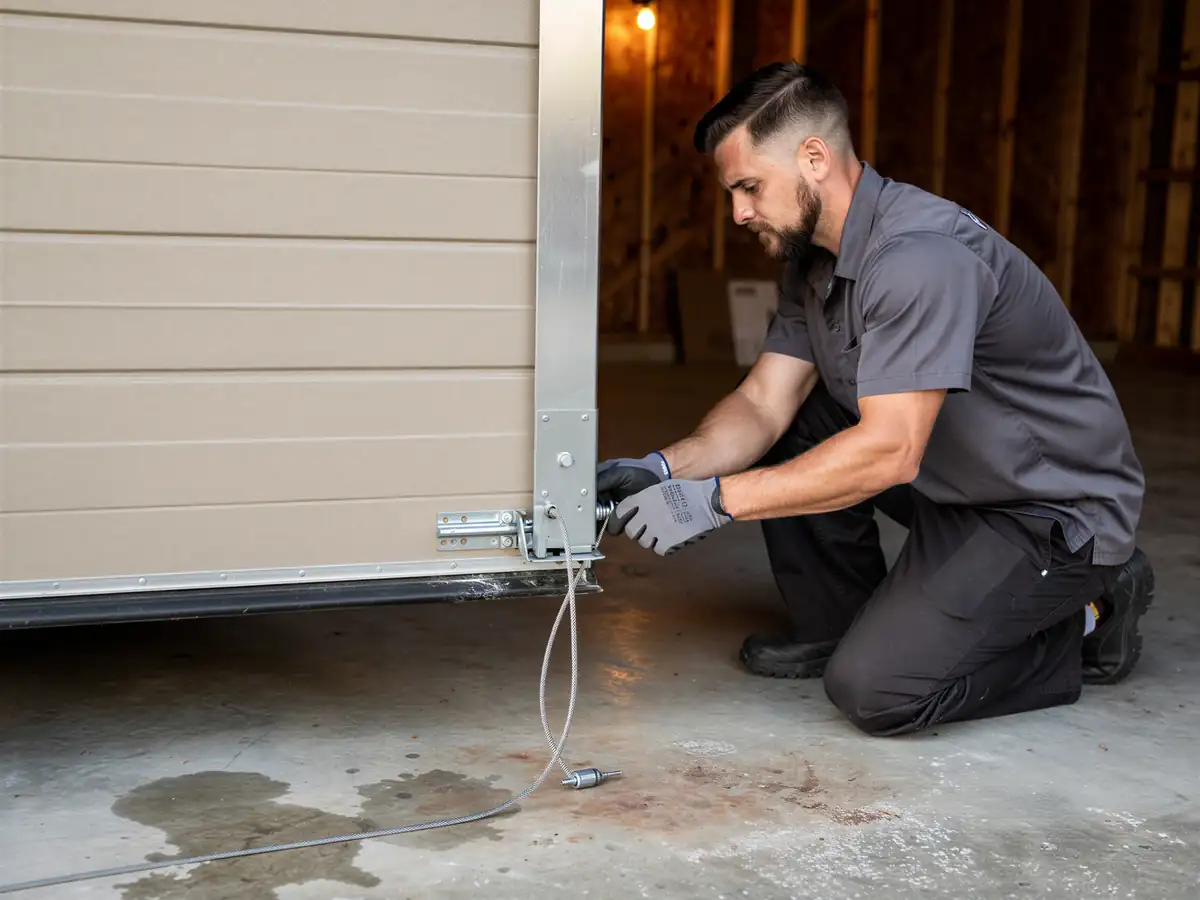
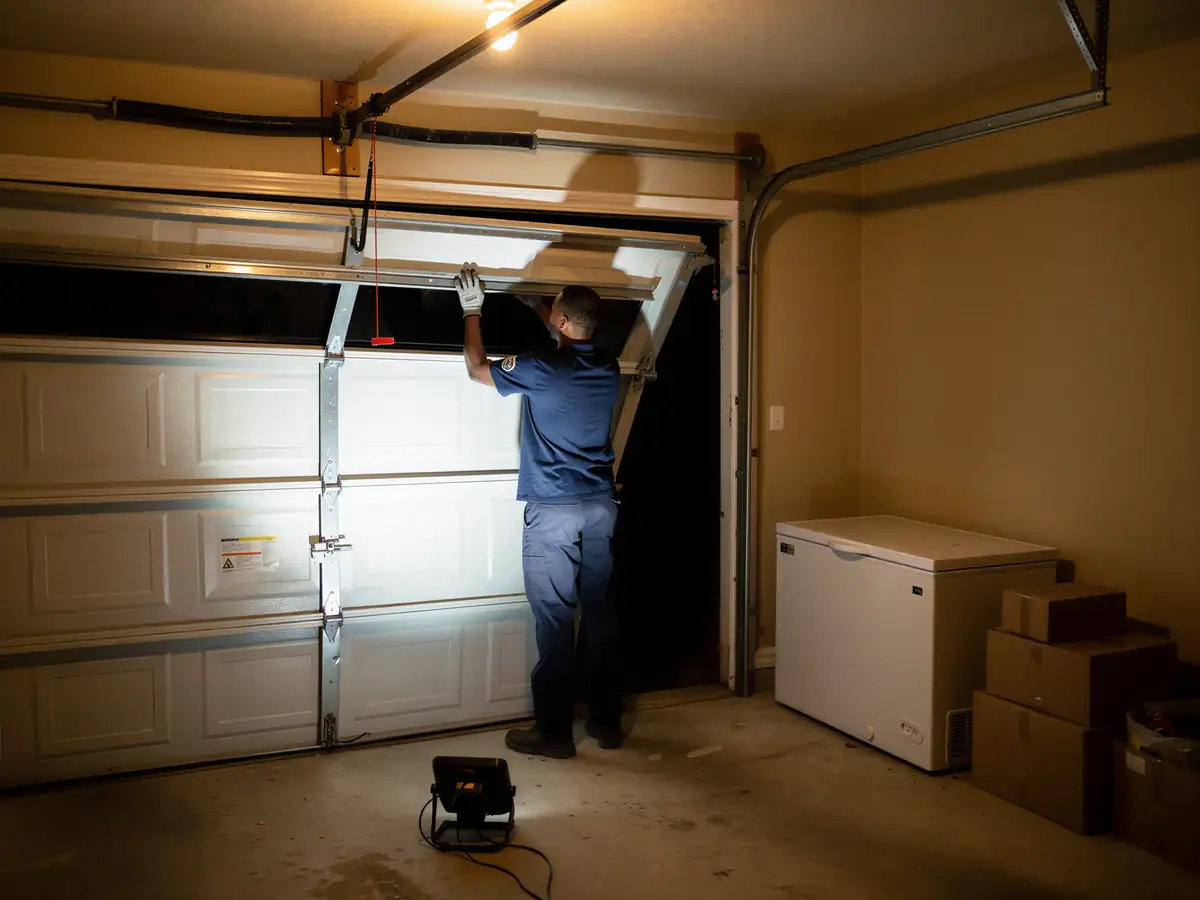
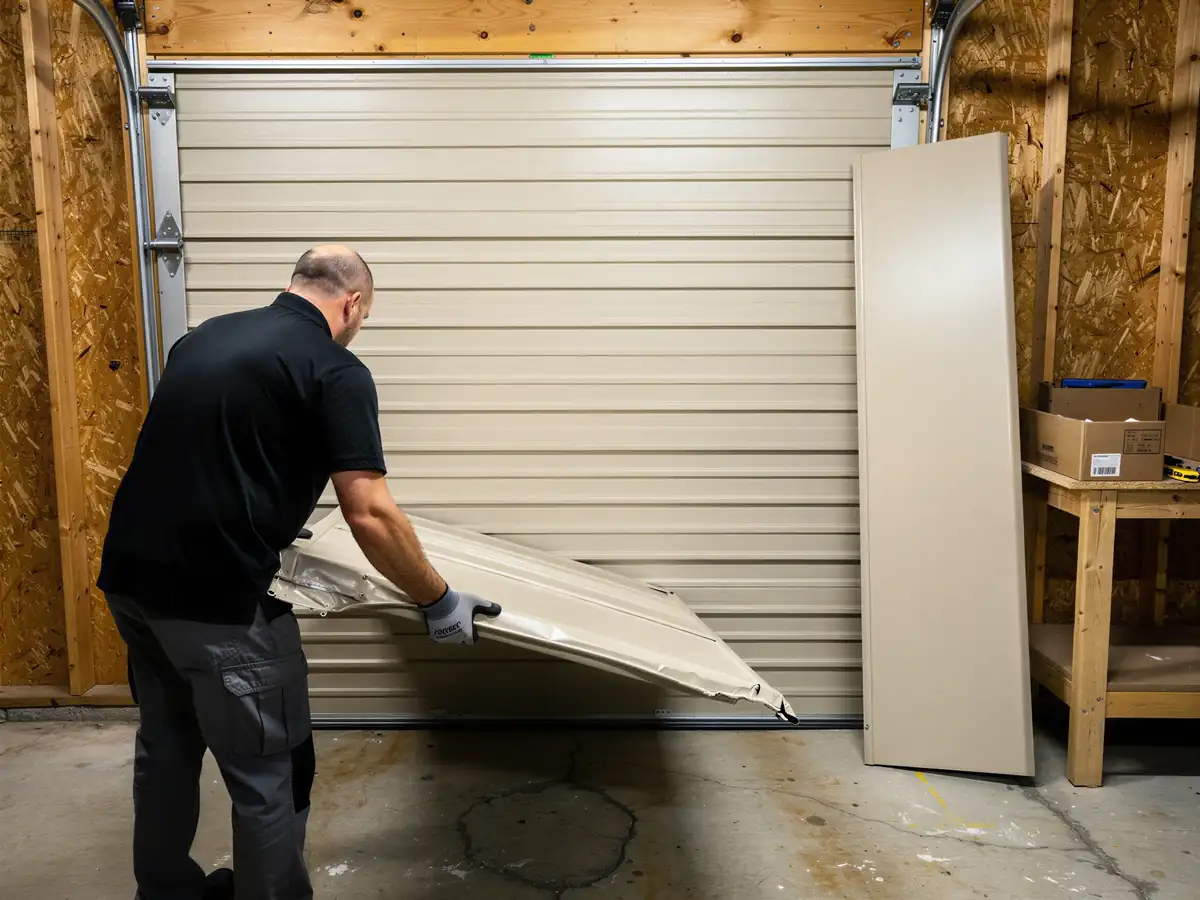
A single-panel swap on a sectional door is straightforward when the manufacturer still makes that panel style and color. The harder case - more common on a house built around 1982 - is a door old enough that the original run has been discontinued. We measure the panel height, the section count, and the hinge spacing before we promise a match, because a close-but-wrong panel is worse than leaving the dent. On steel doors from this era the panels are usually still a standard width, which helps. On doors with custom or builder-grade facing, we may need to order from a supplier rather than carry it on the truck, and we'll tell you that up front instead of discovering it on site.
Booking a Visit
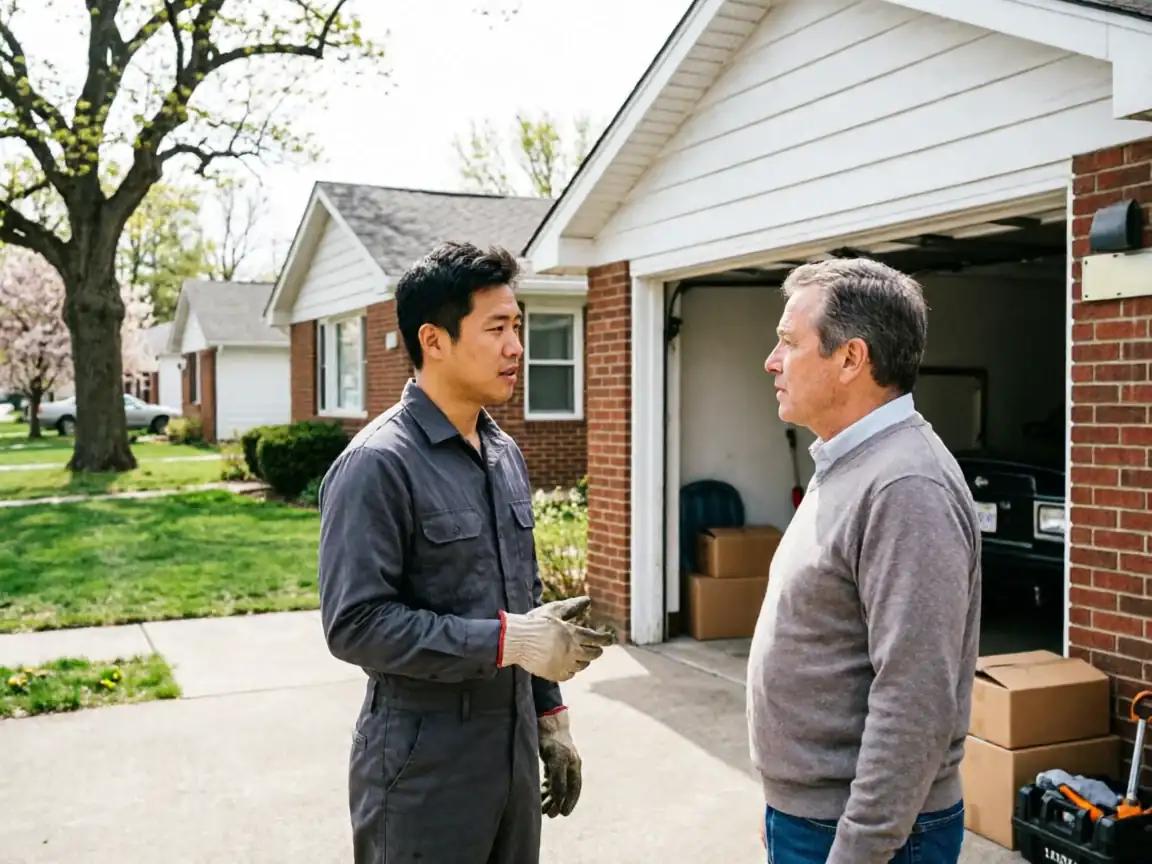
We run this job from Lake Zurich, about 2 miles from North Barrington, so getting a truck to you isn't the hard part - matching the panel correctly before we show up is. When you call, have the door's brand and approximate age ready if you know it; for a 1982-era house that's often enough to narrow down the panel profile before we ever cut a replacement order. We'll ask whether the dent or damage is cosmetic or whether the panel is affecting how the door tracks, because that changes whether this is a same-visit fix or a return trip once parts land.
How Long It Takes
A stocked panel match with the door otherwise sound is usually a single visit. A panel we have to special-order for an older or discontinued style can run into a lead-time wait before we come back to install it - we don't carry every discontinued steel profile on the truck, and we're not going to pretend we do. Winter adds a small variable: cold makes steel more brittle to work with and can stiffen the caulking seal around the new panel, so a job that's quick in July sometimes takes a little more care in January.
How It Shows Up
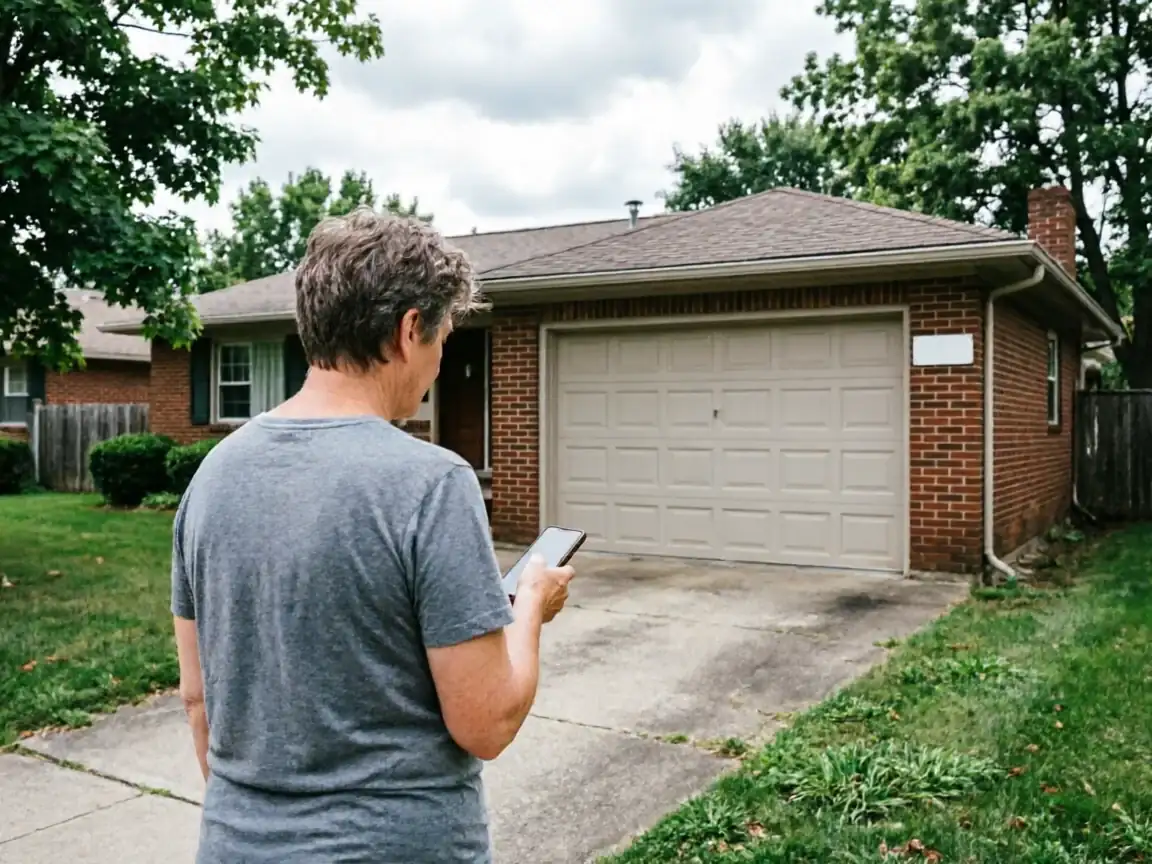
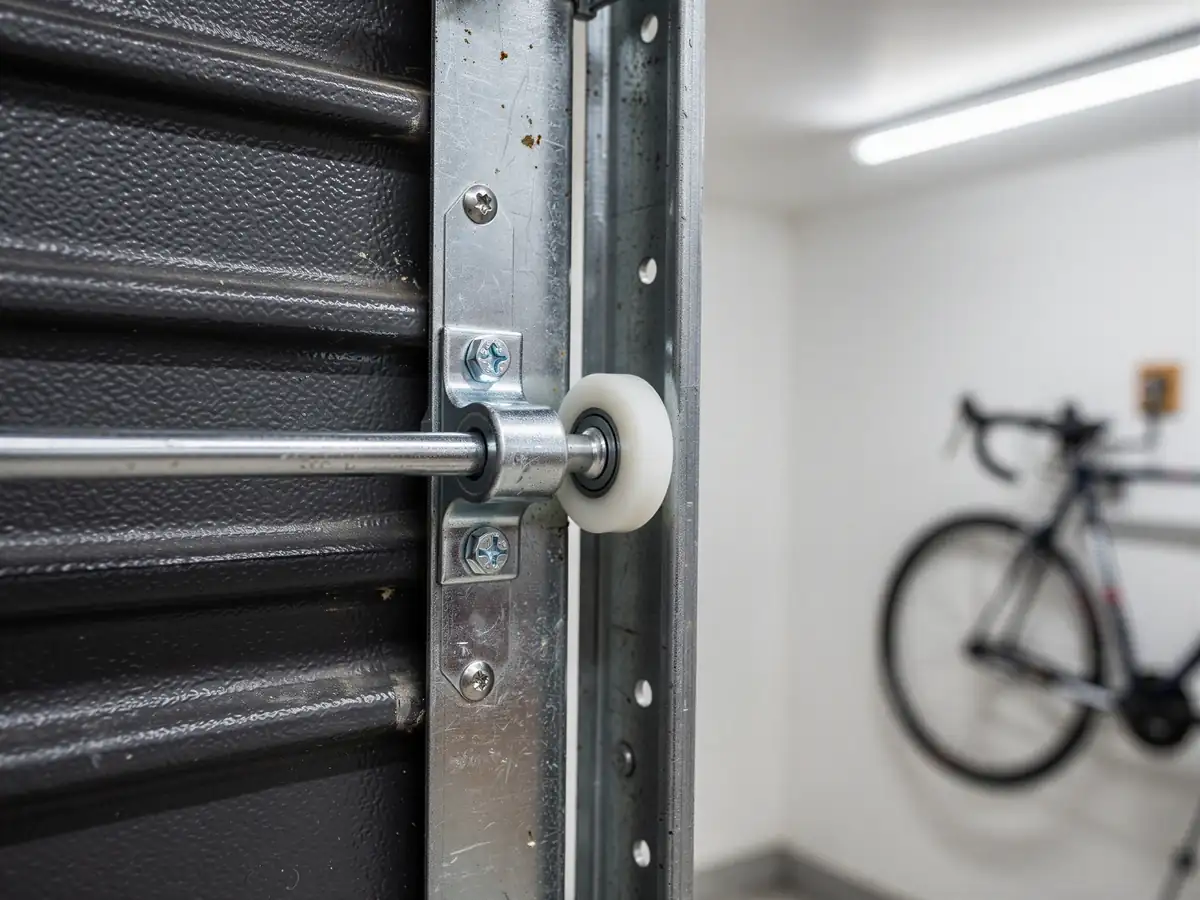
The most common complaint we hear from this area isn't a dent from an obvious impact - it's a panel that's bowed or rusted through at the bottom seam, which is a slower failure tied to how the door sits against the slab over the years. On a 1982-built house, that bottom panel has had four decades to take on moisture at ground level even if the rest of the door looks fine. Owners usually notice it as a gap of daylight at the base, or a panel that looks slightly warped compared to the ones above it, long before the door stops working. Catching it at that stage is cheaper than waiting for the panel to fail enough to bind the rollers.