What the Repair Takes
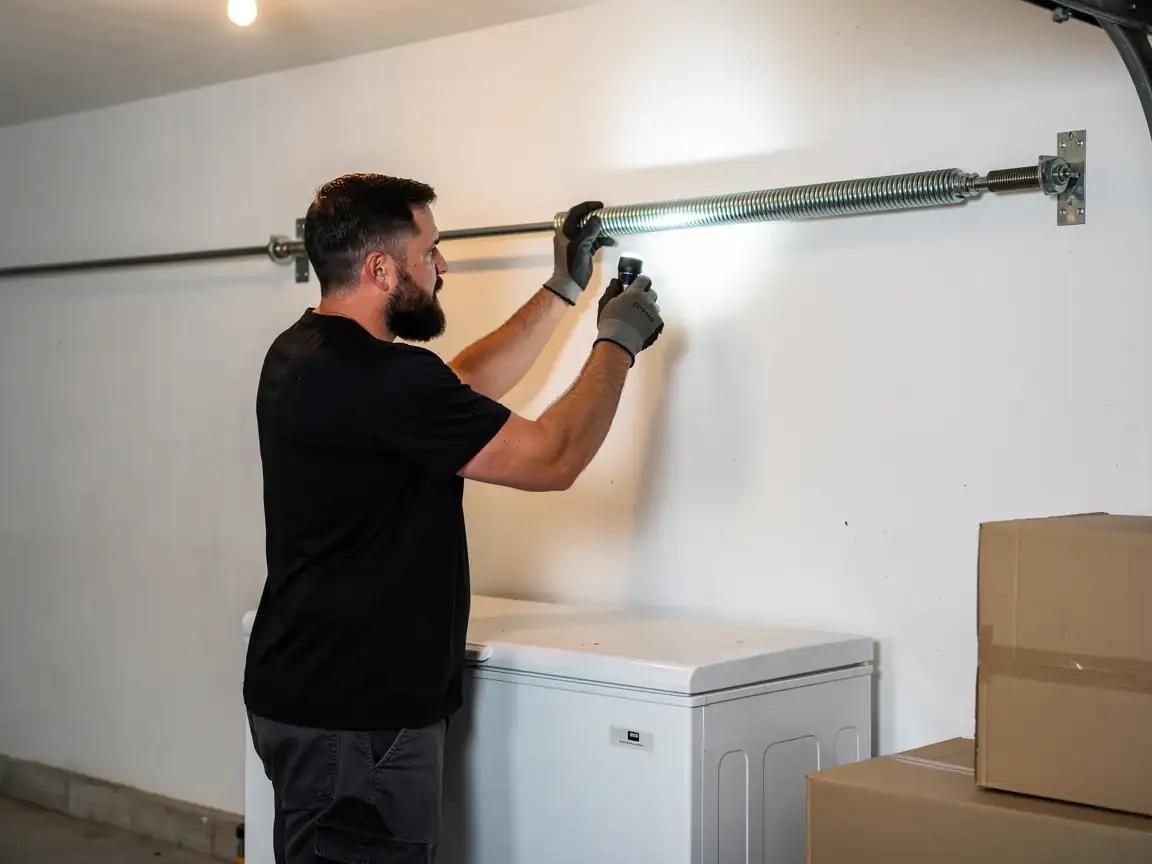
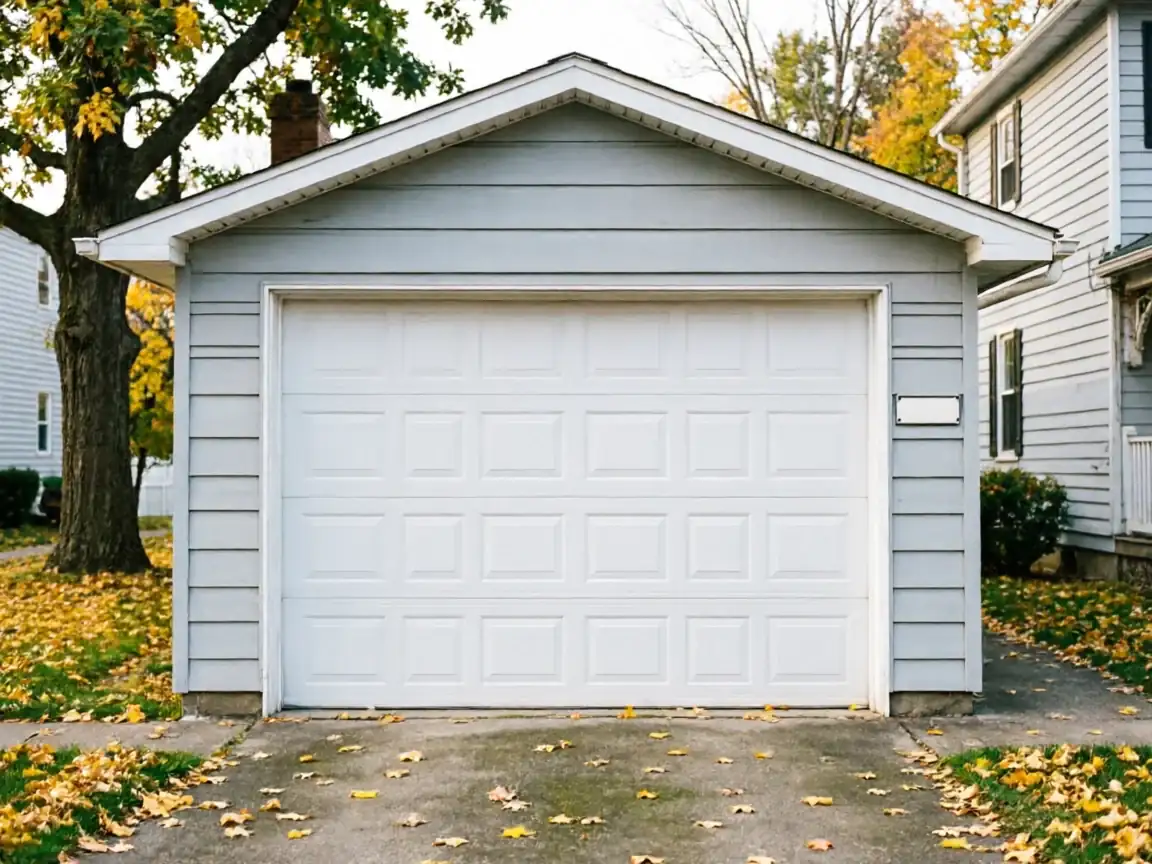
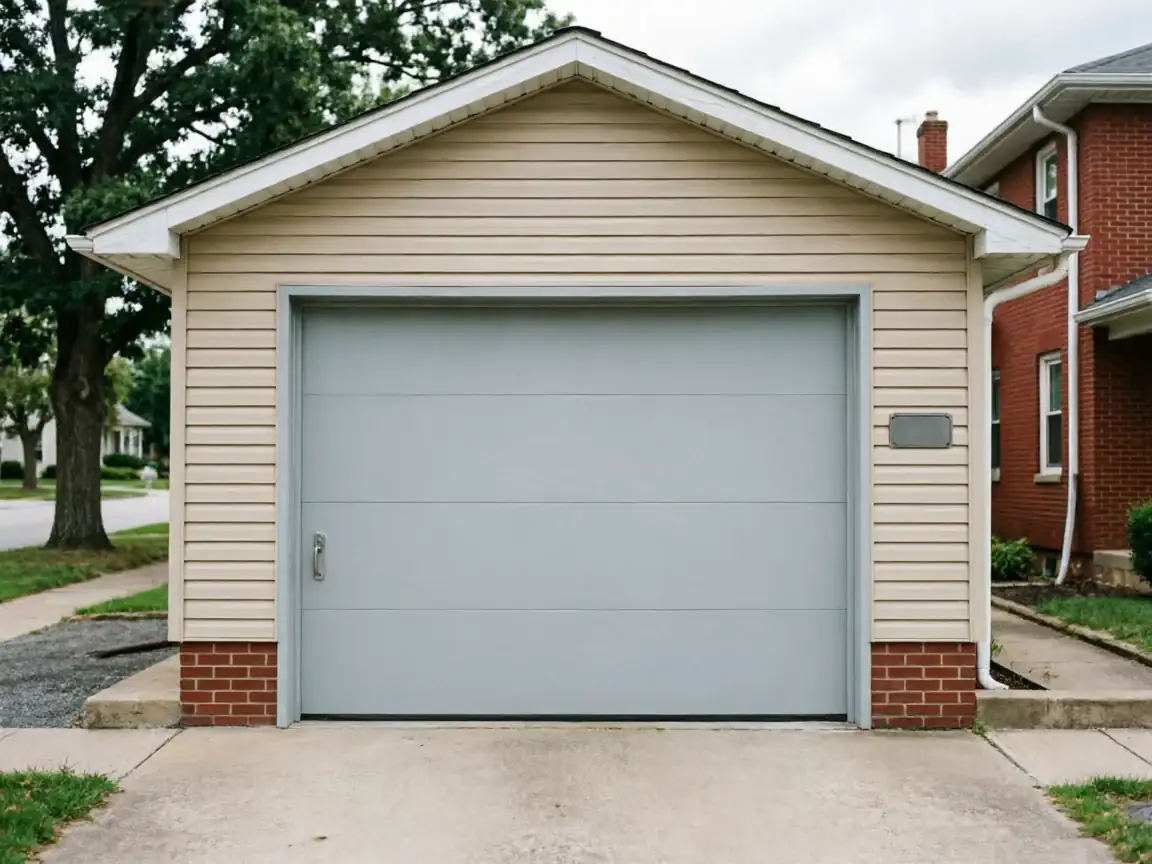
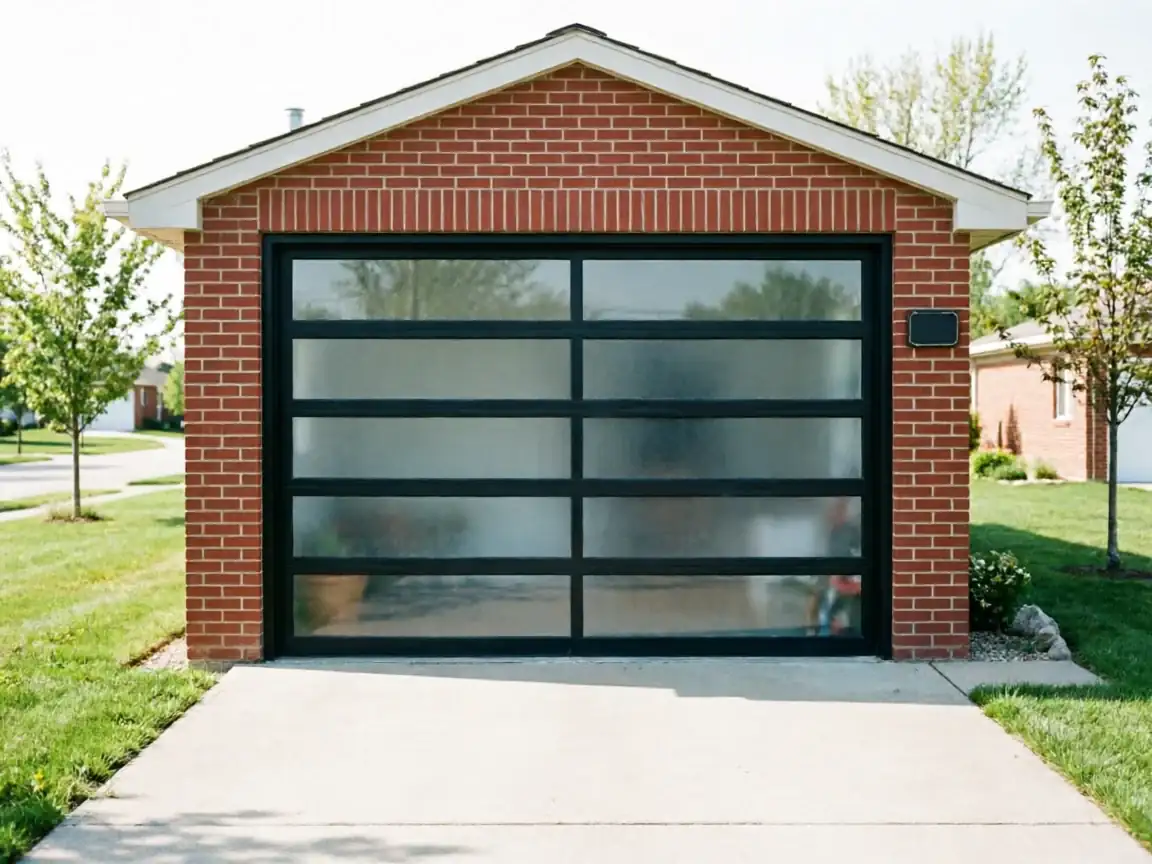
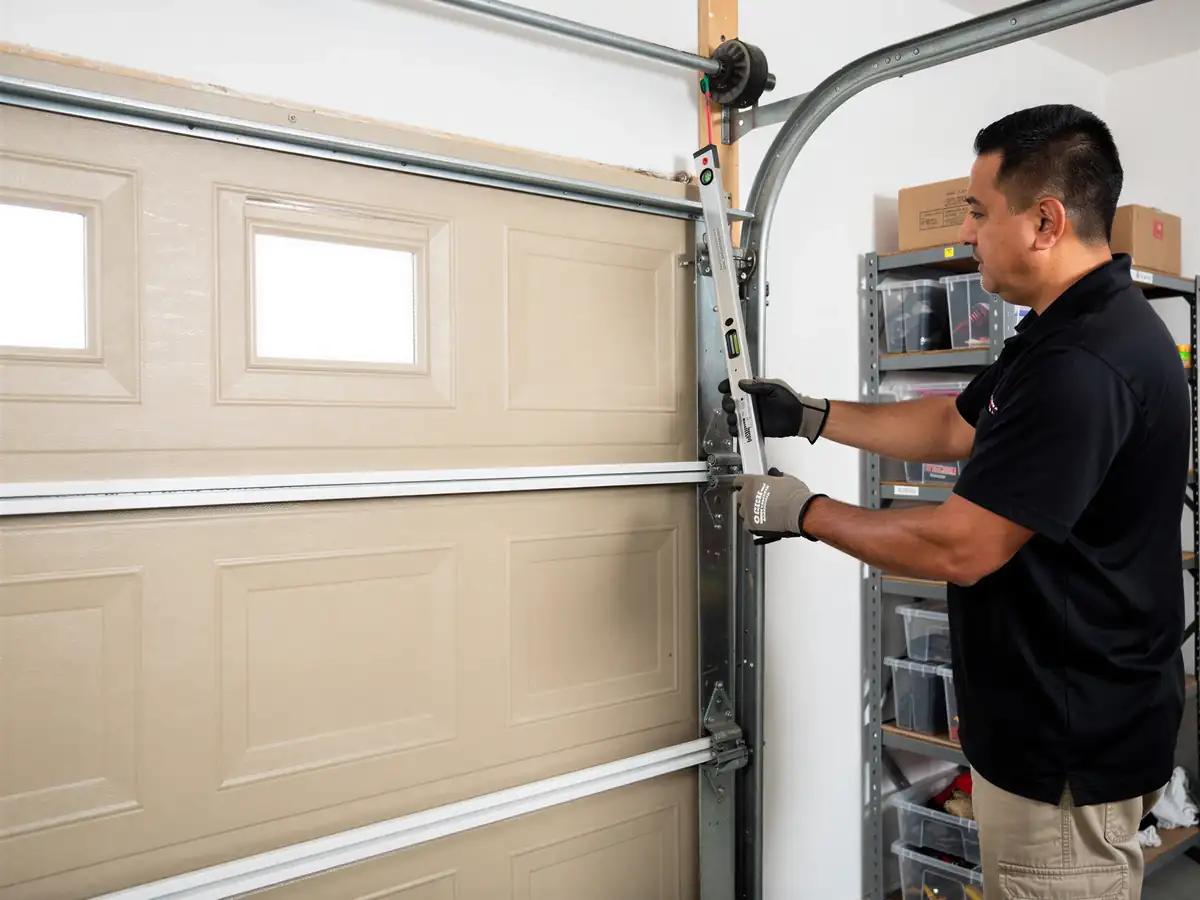
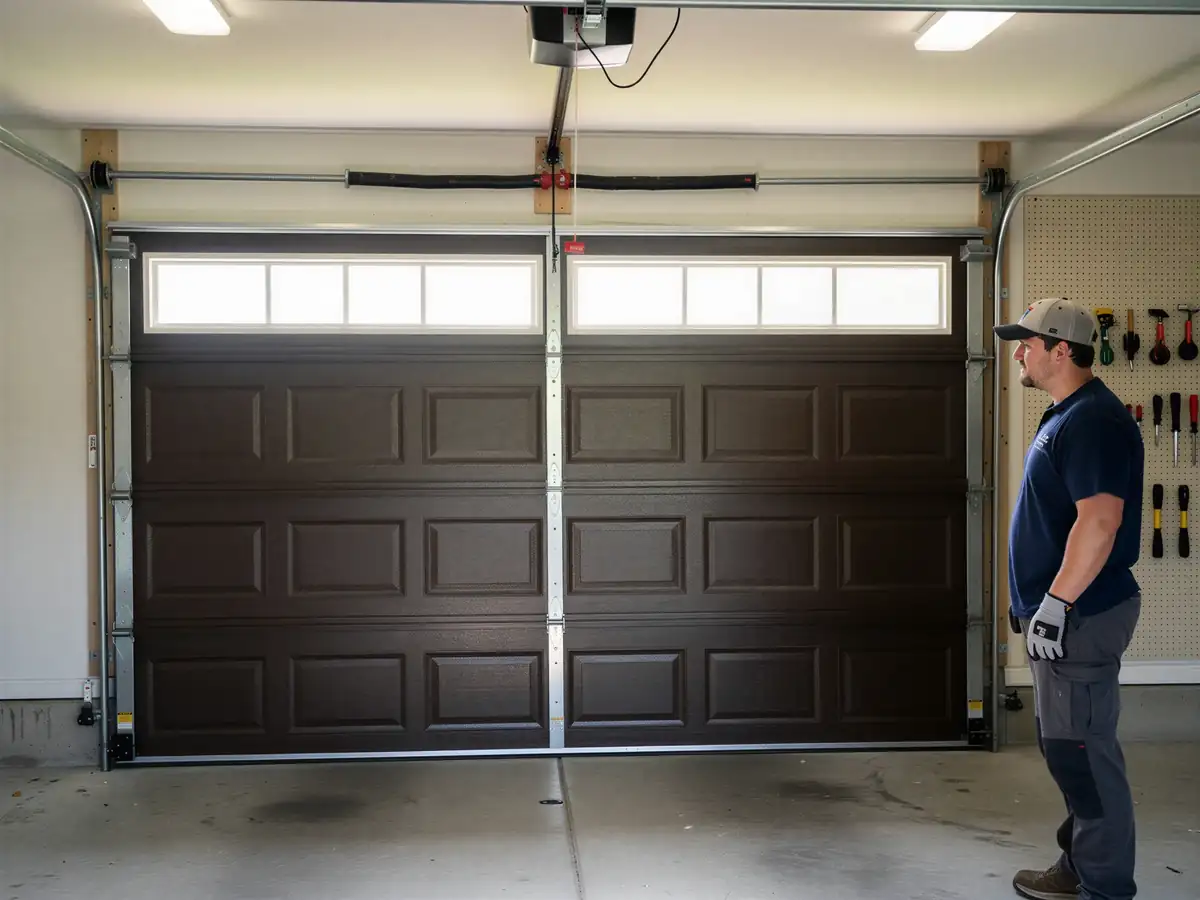
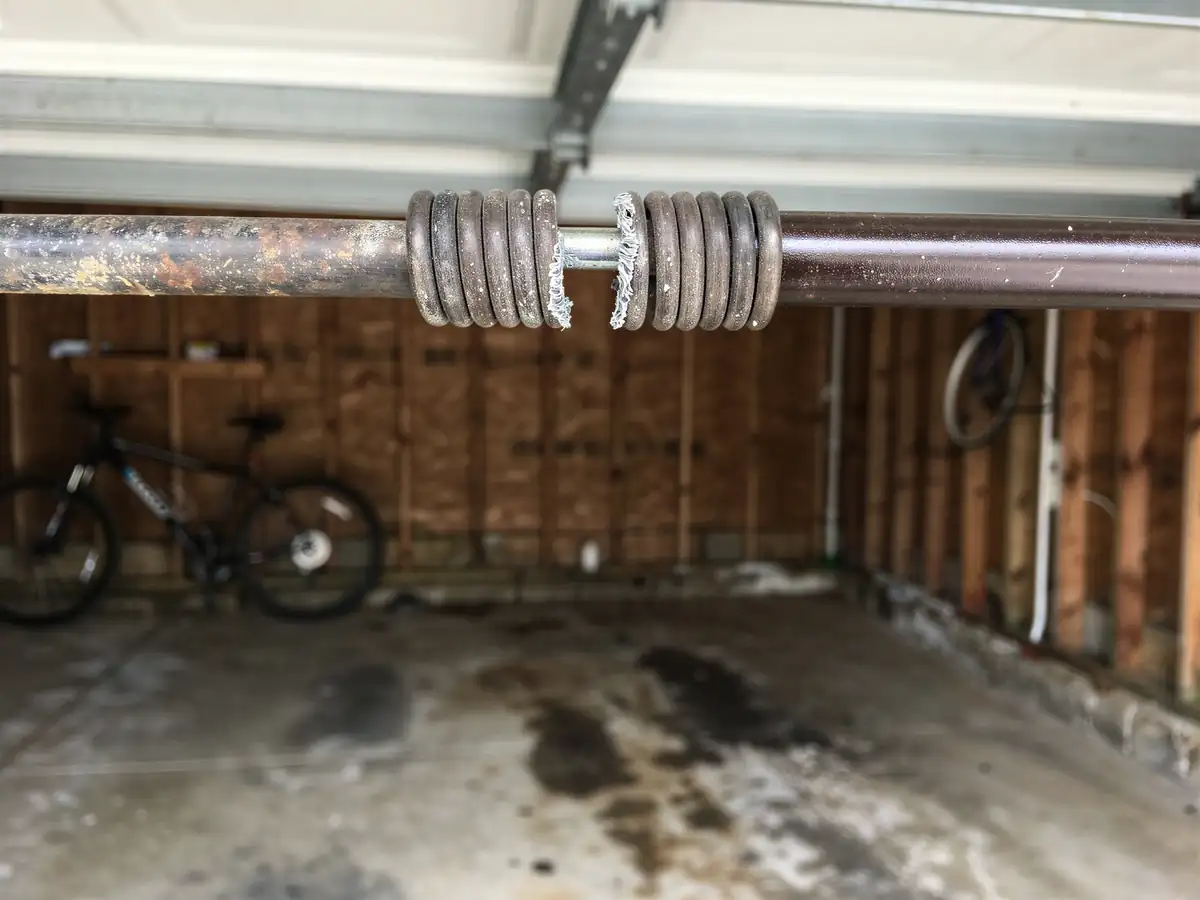
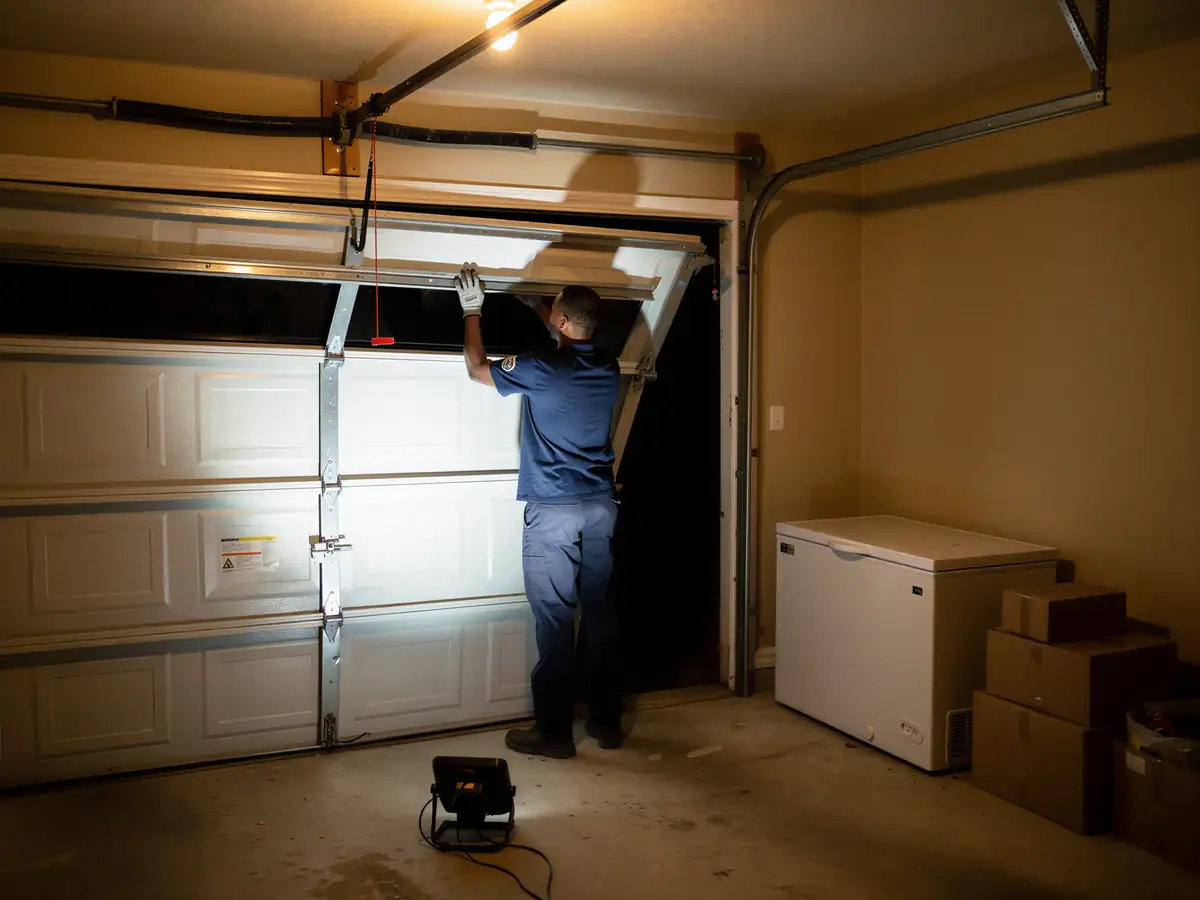
The service area runs cold-climate winters, and the big double doors common in North Barrington take more strain from temperature swings than a single door does - more surface area for the panel to contract and expand, more load on the two springs working together instead of one. The usual call here is a broken torsion spring on a double door, a worn roller that's started grinding on a track that's seen twenty-plus winters, or an opener that's lost the strength to lift a heavier insulated door. Houses from this era still commonly run original openers, which were not built with today's safety reversal standards, so if yours is original to a 1982 build we'll flag that rather than just patch around it. We carry common double-door torsion springs on the truck; wood-faced panels sometimes need an order, and we'll tell you that up front rather than promise same-day on a part we don't have.
Booking a Visit
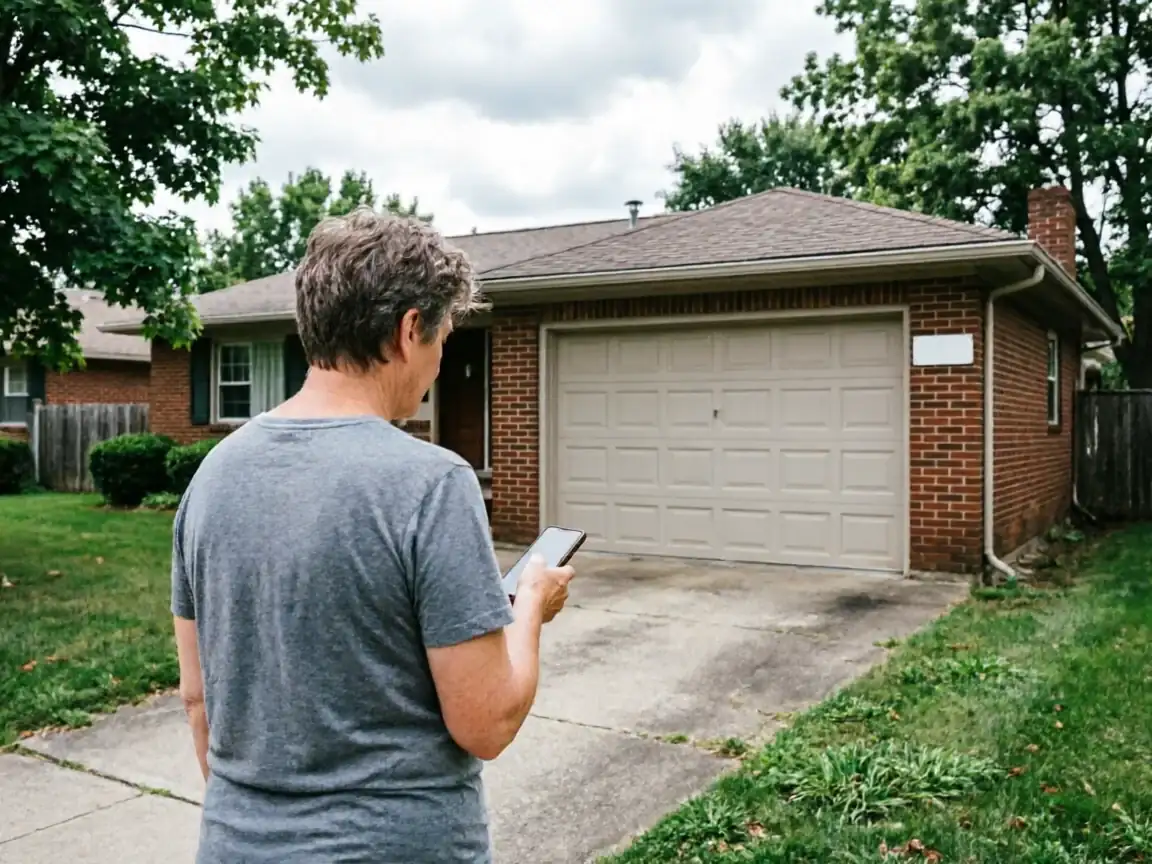
We run out of Lake Zurich, about two miles from North Barrington, so getting a truck to you isn't a long haul. Call and describe what the door's doing - won't open, opens but won't close, grinding, sagging on one side - and we'll tell you honestly whether it sounds like a spring, a track, or an opener before anyone drives out. For a neighborhood like this with fewer than 1,100 households, we're not running a route through here daily, so booking a specific morning or afternoon window works better than asking for the next available slot.
How Long It Takes
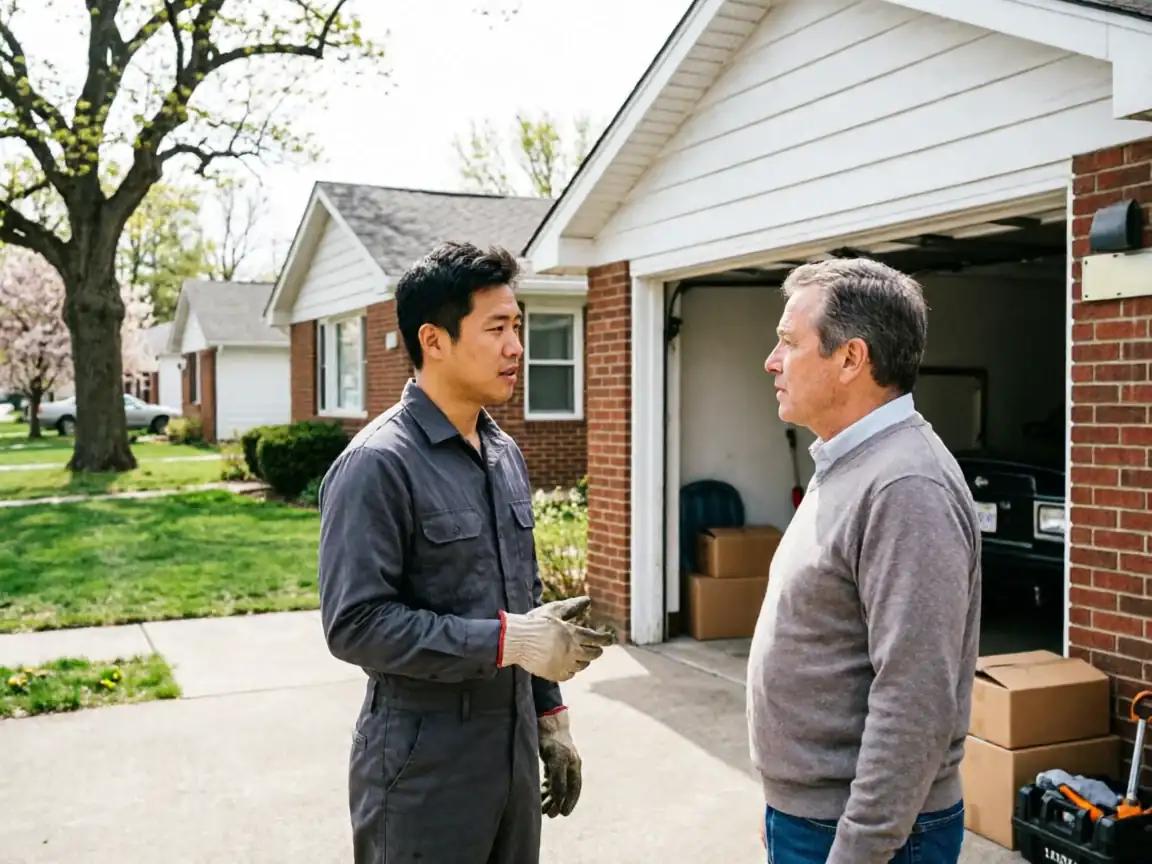
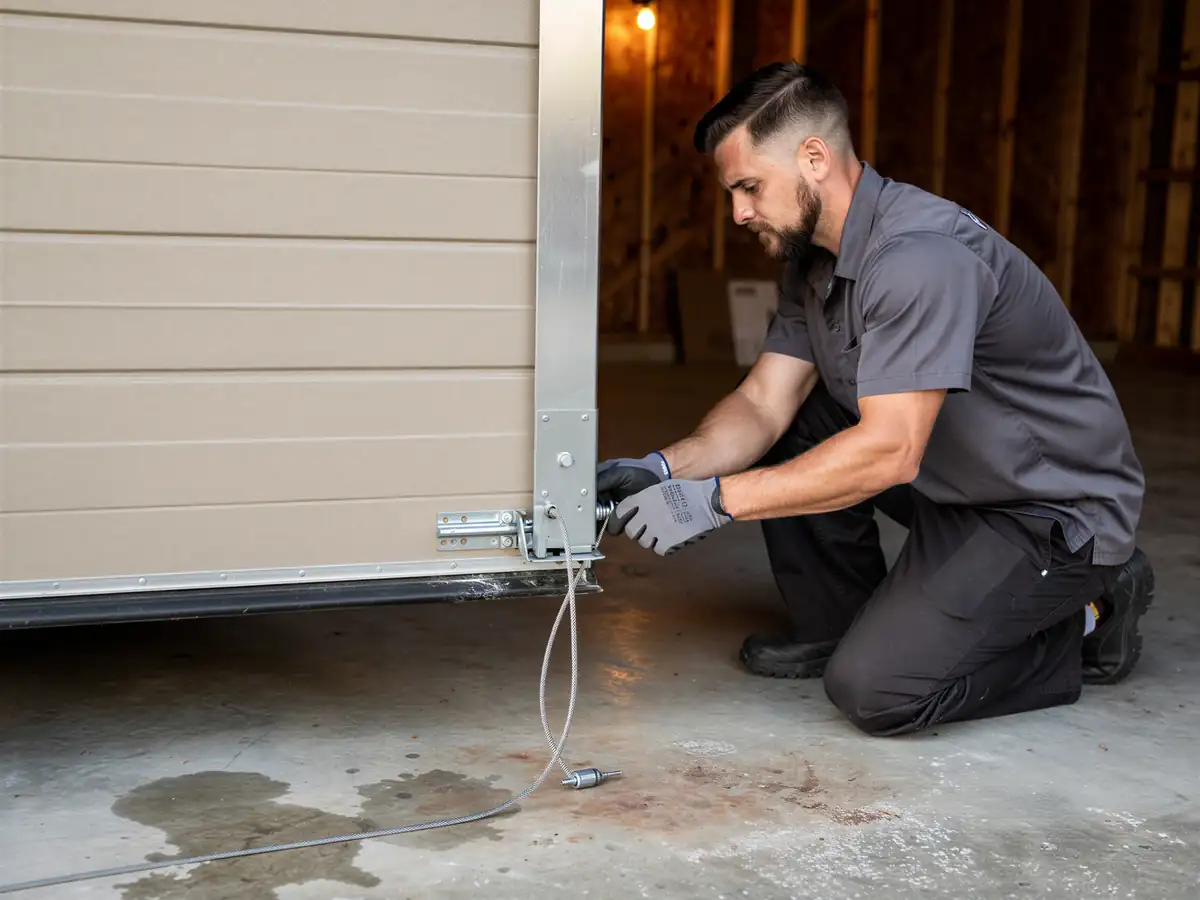
A spring replacement on a standard double door usually runs under two hours once we're on site with the right part. Roller and track adjustments are quicker. Where it stretches out is parts: wood-faced panels and some original hardware from houses built in the early 1980s aren't things we stock on the truck, and ordering a matching panel can add days. We'll tell you at the door whether we're fixing it today or coming back.
How It Shows Up
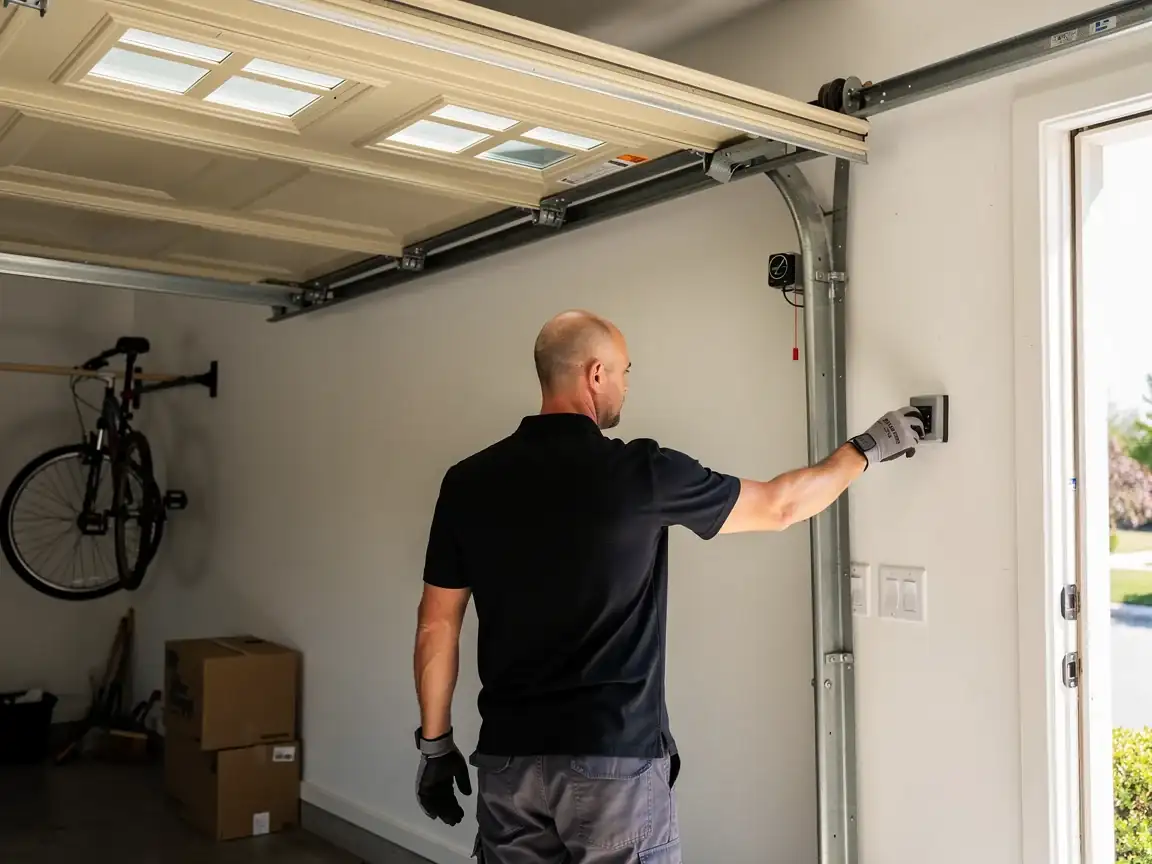
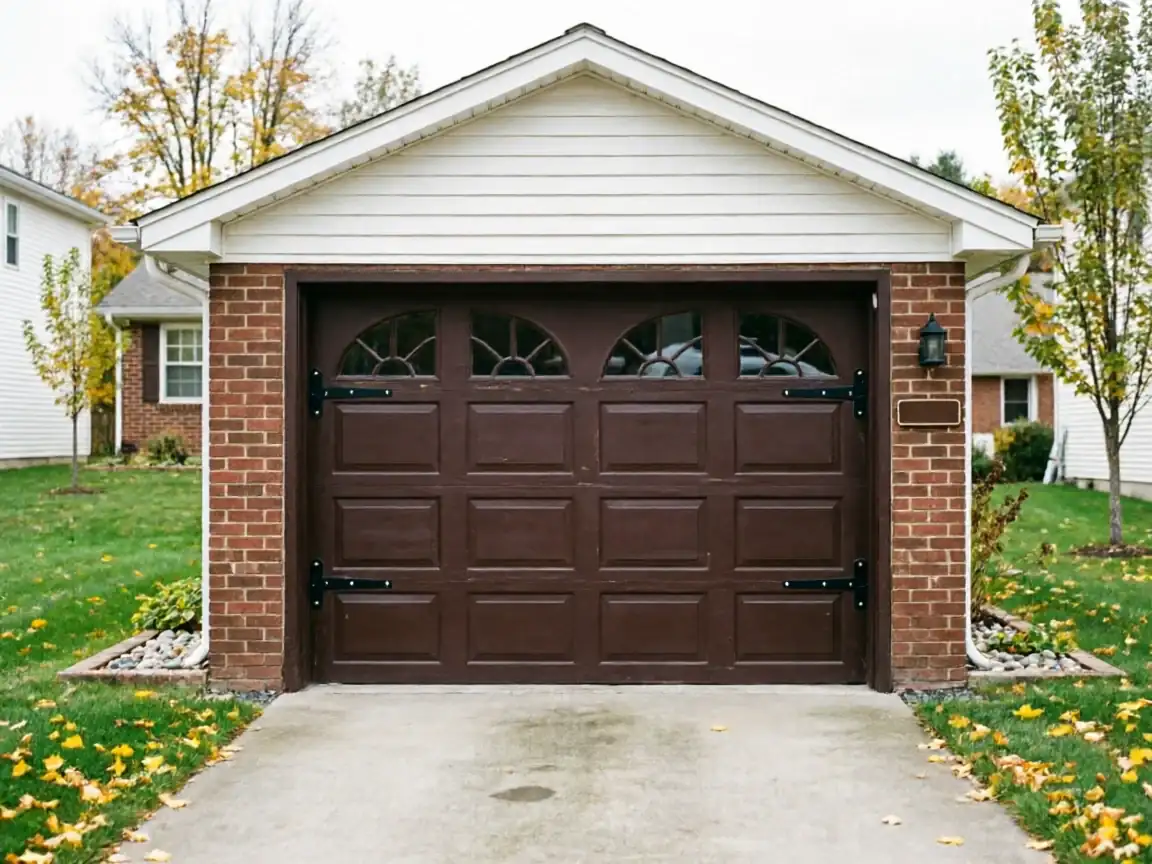
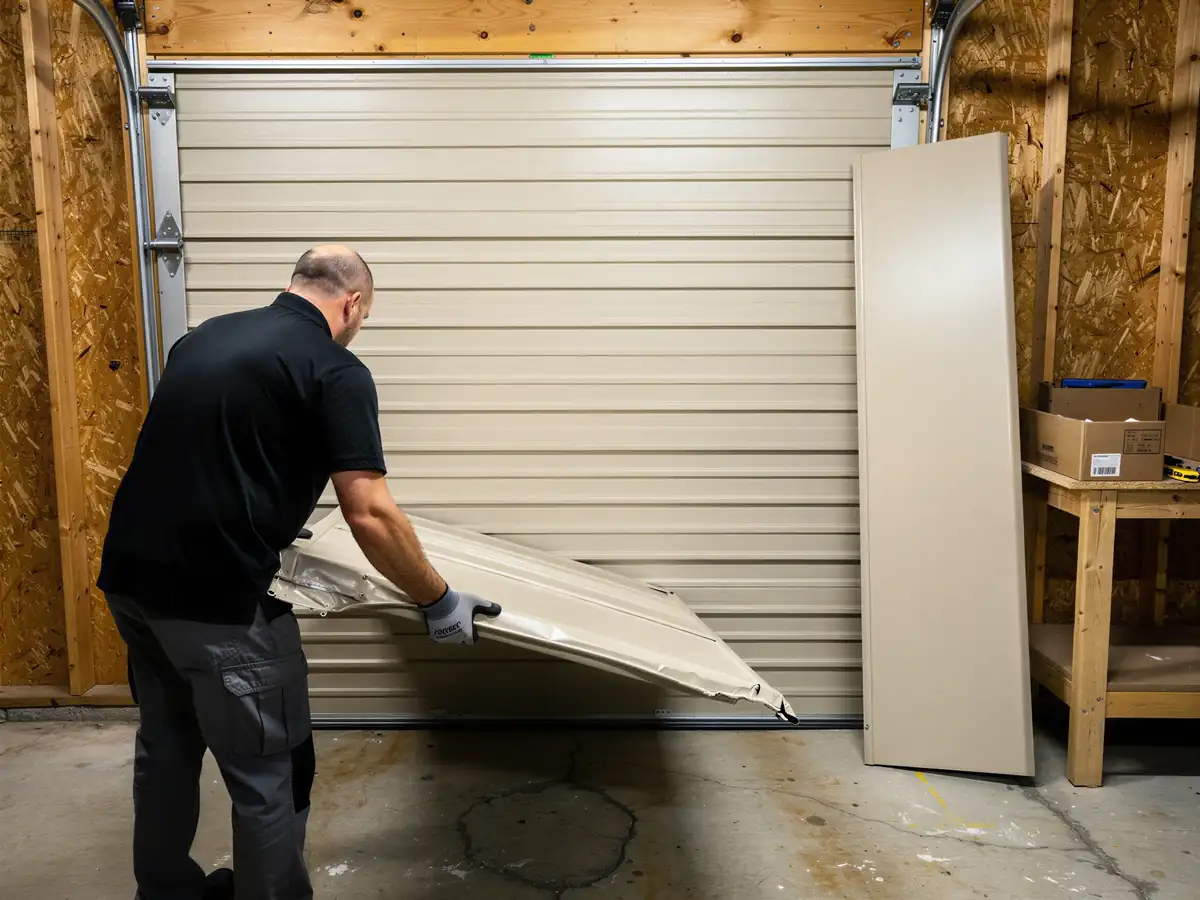
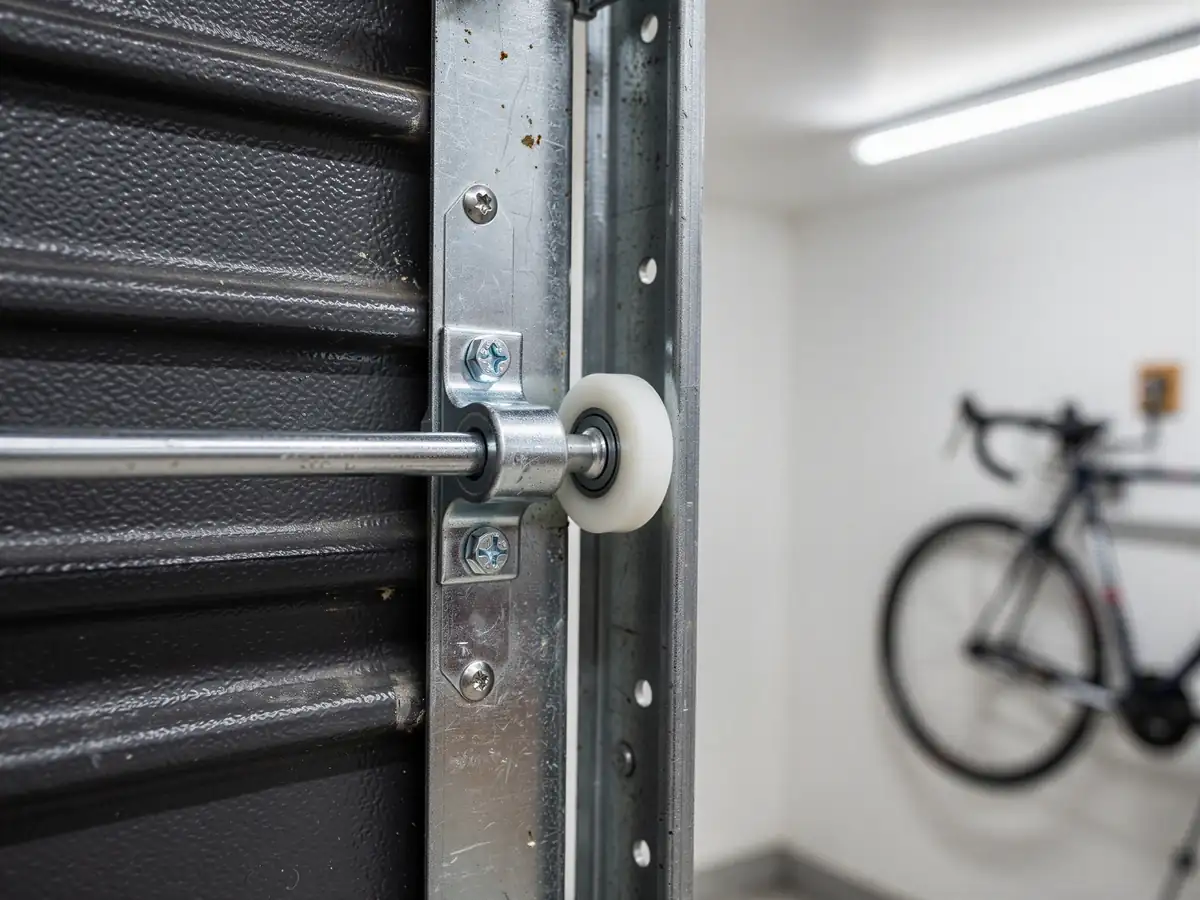
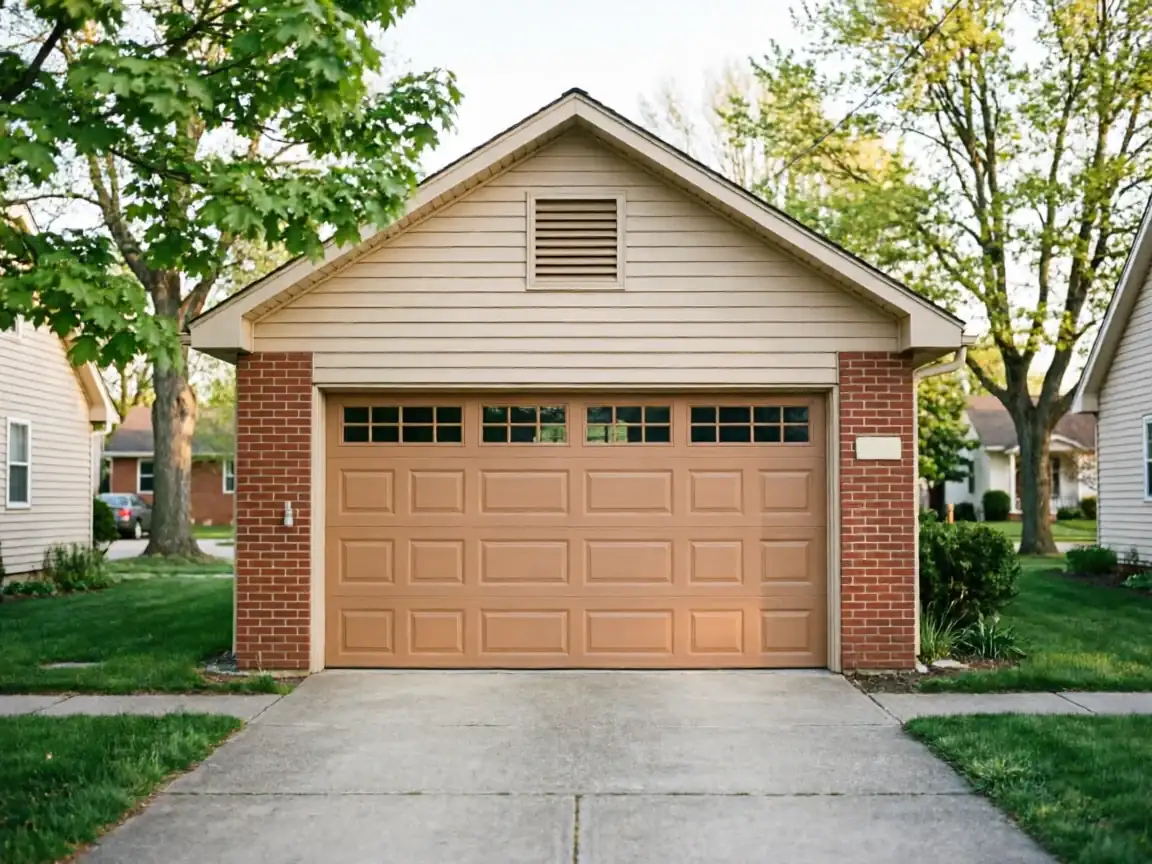
The first sign is usually one side of the double door sagging lower than the other, or the door stuttering partway up before the opener gives out. On a wood-faced door, look for a panel that's swelled or cracked along the bottom - moisture gets into the wood grain over a cold winter and it shows up as a stuck or uneven door by spring. A grinding sound on the track, or a door that reverses on its own partway down, points to a roller or a safety sensor rather than the spring, and that's a cheaper fix if you catch it early instead of waiting for the spring to go too.