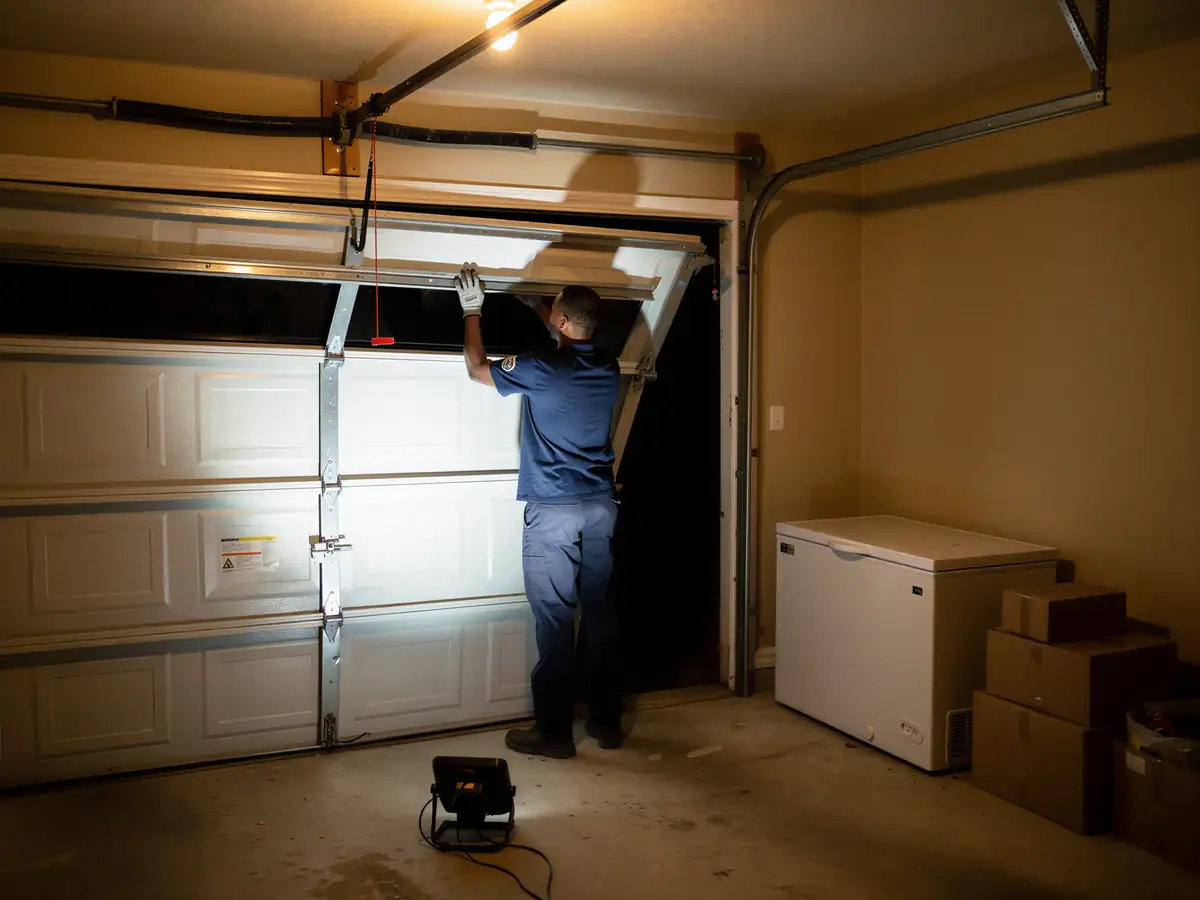
Parts We Carry
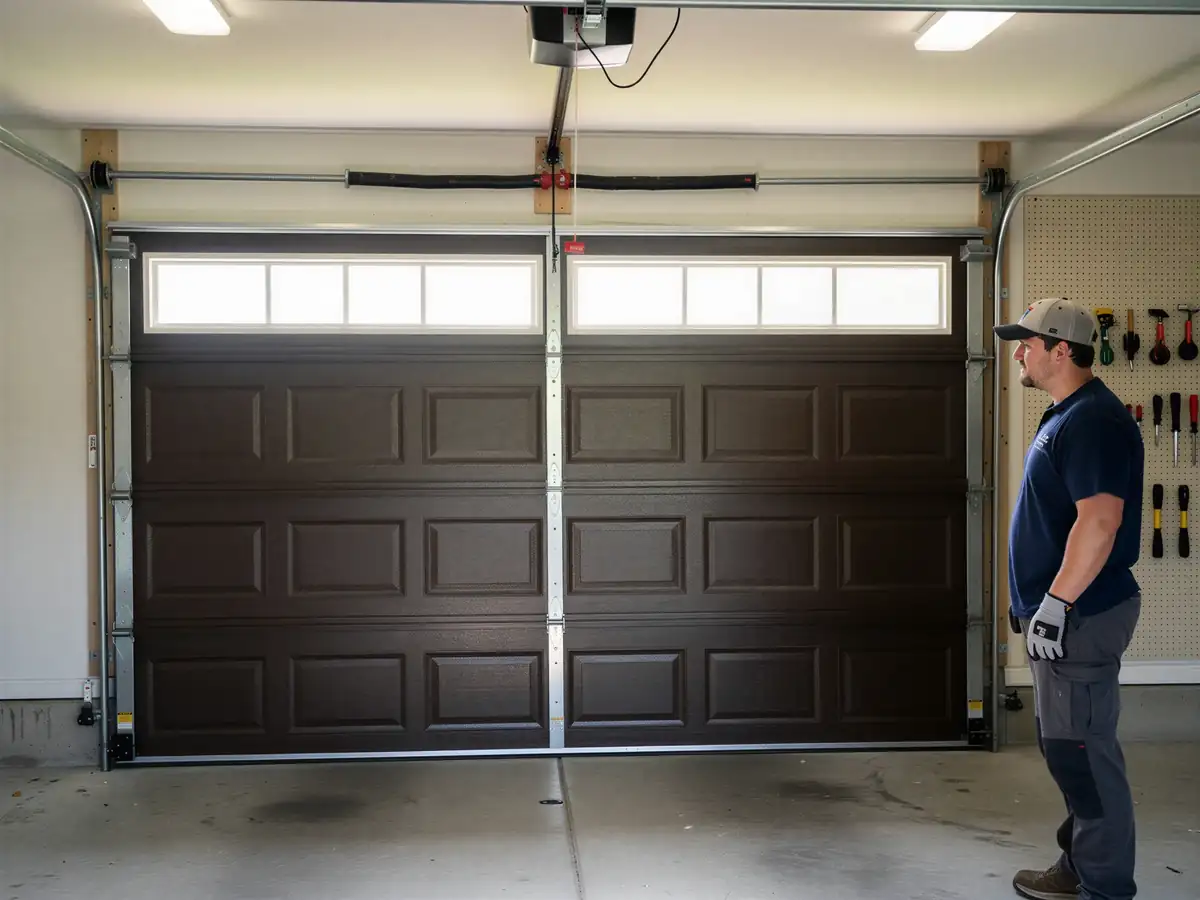
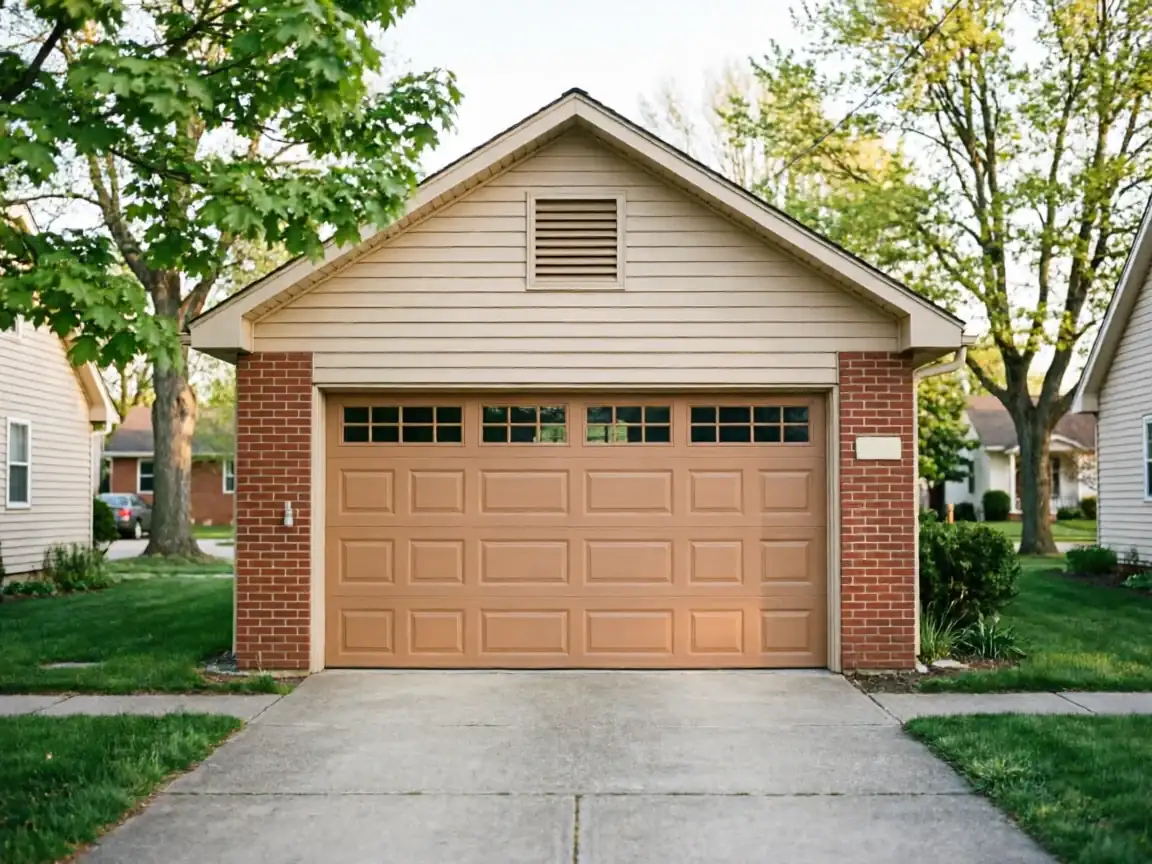
For a town built mostly in the mid-90s, we stock torsion springs sized for the standard 7-foot double-door openings that were common in that era's construction, along with the end bearing plates and cable drums that tend to wear alongside them. The COLD moderate climate here means steel springs see real freeze-thaw cycling every winter, which is part of why a 1996-era spring is dying now rather than lasting another decade. We also carry extension spring sets for the smaller single-car openings that show up on some of these lots, since not every garage in town got the double-door treatment. What we don't stock on the truck: oversized commercial-grade torsion springs or anything custom-wound - those are special order and add a day or two, which is worth knowing before you count on same-day replacement for an unusual door.
Can You Do This Yourself
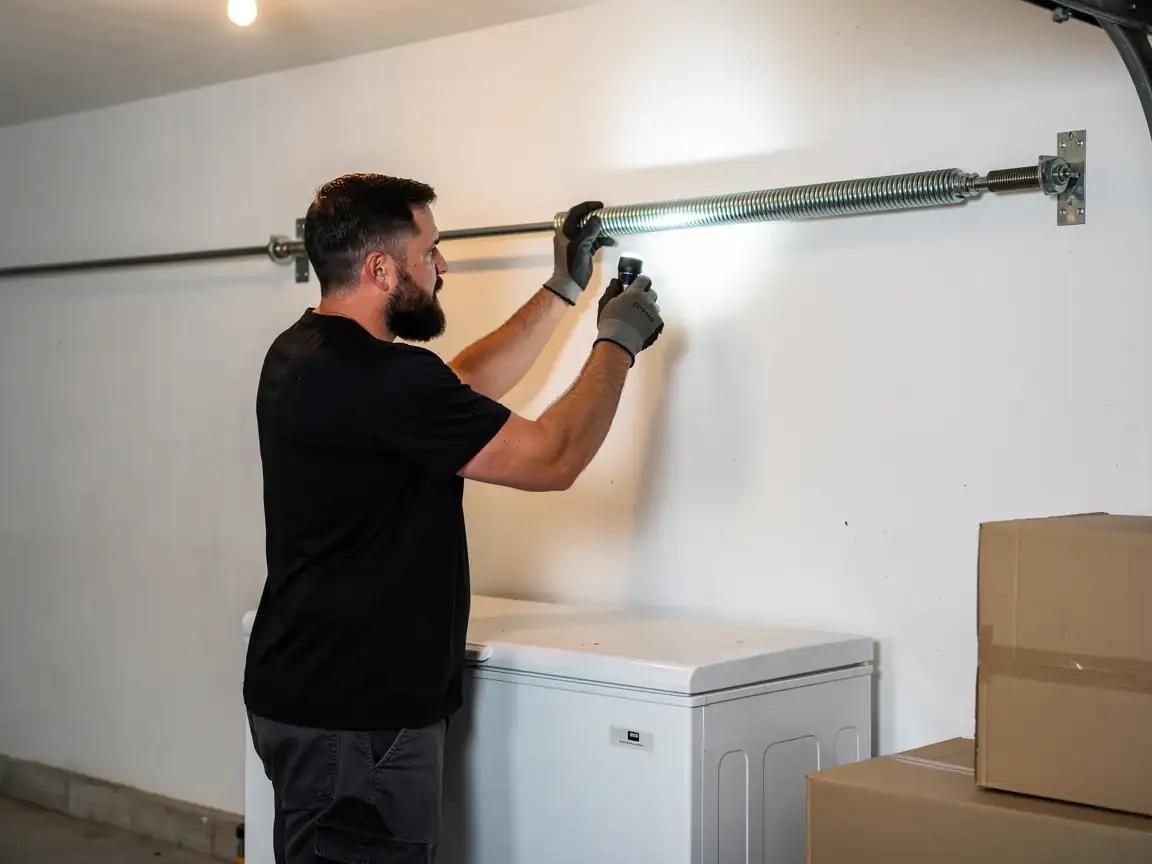
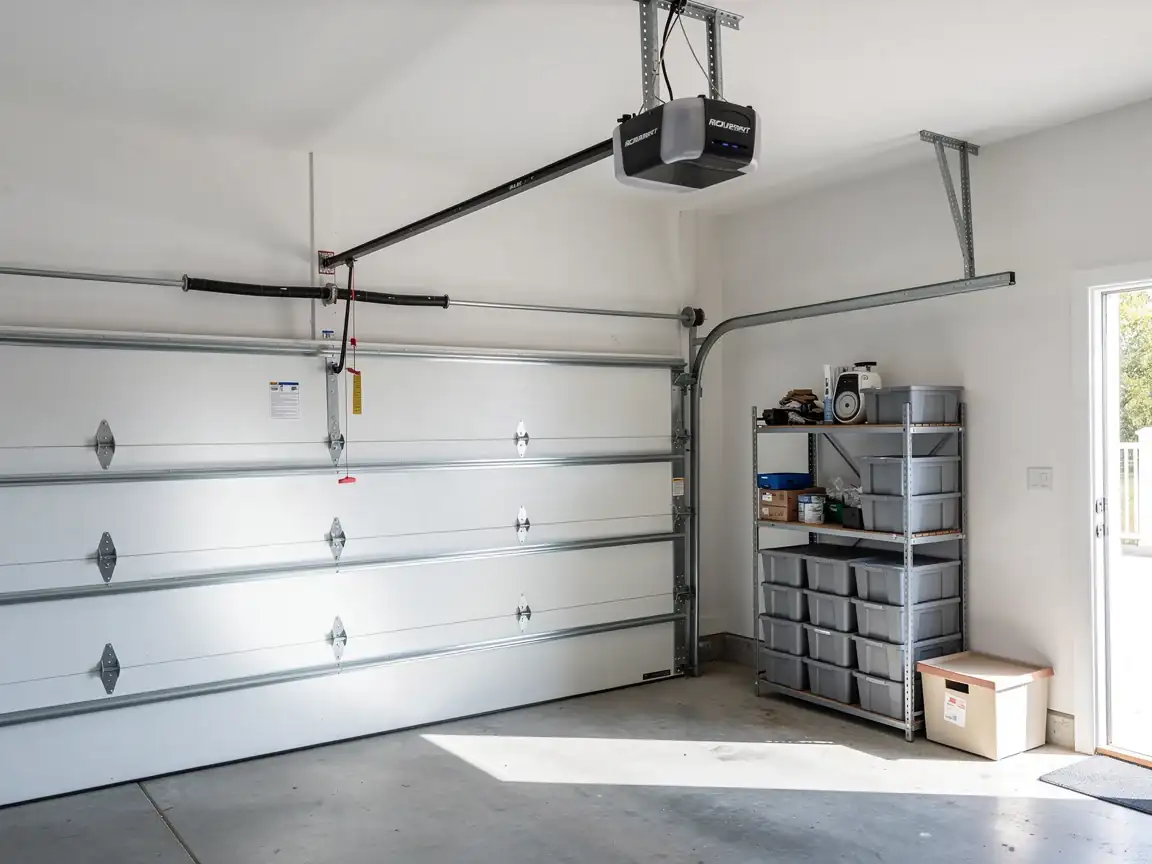
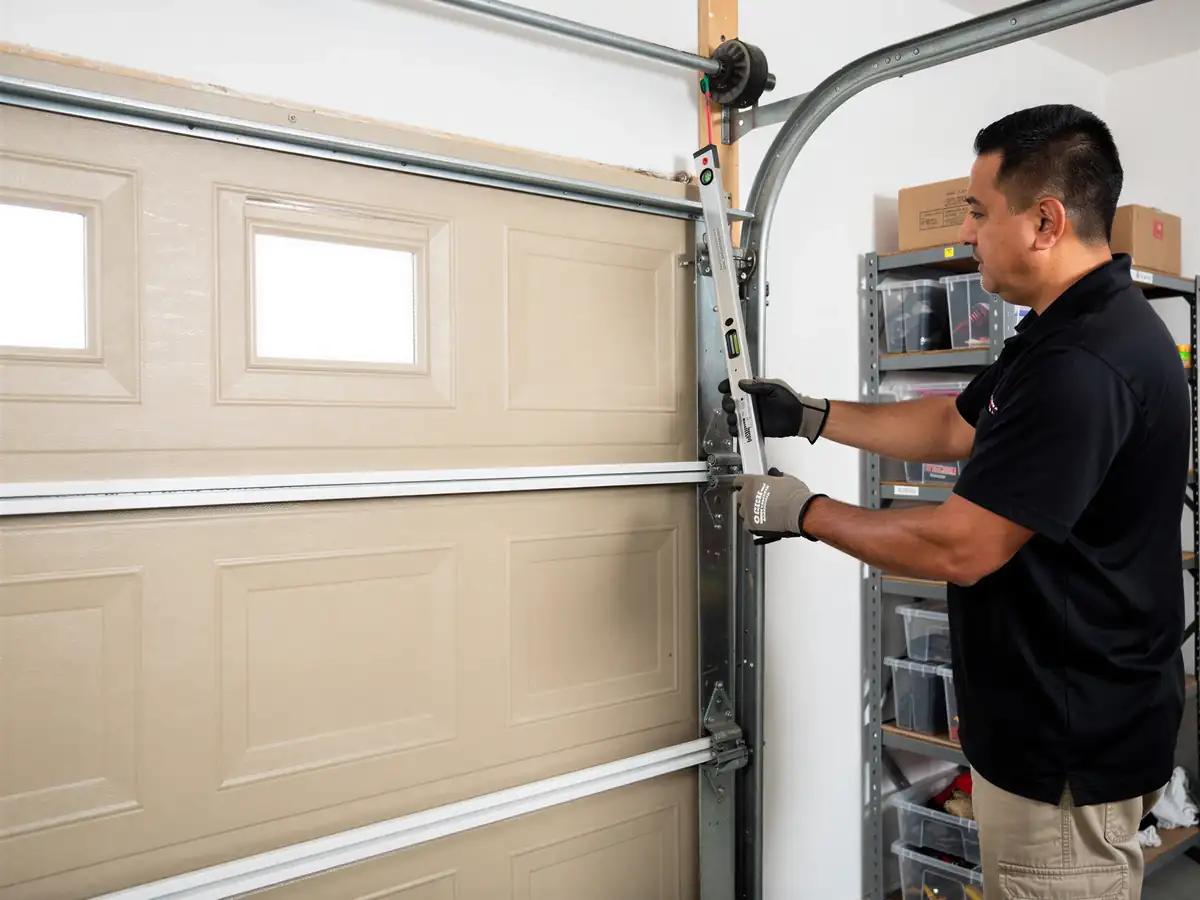
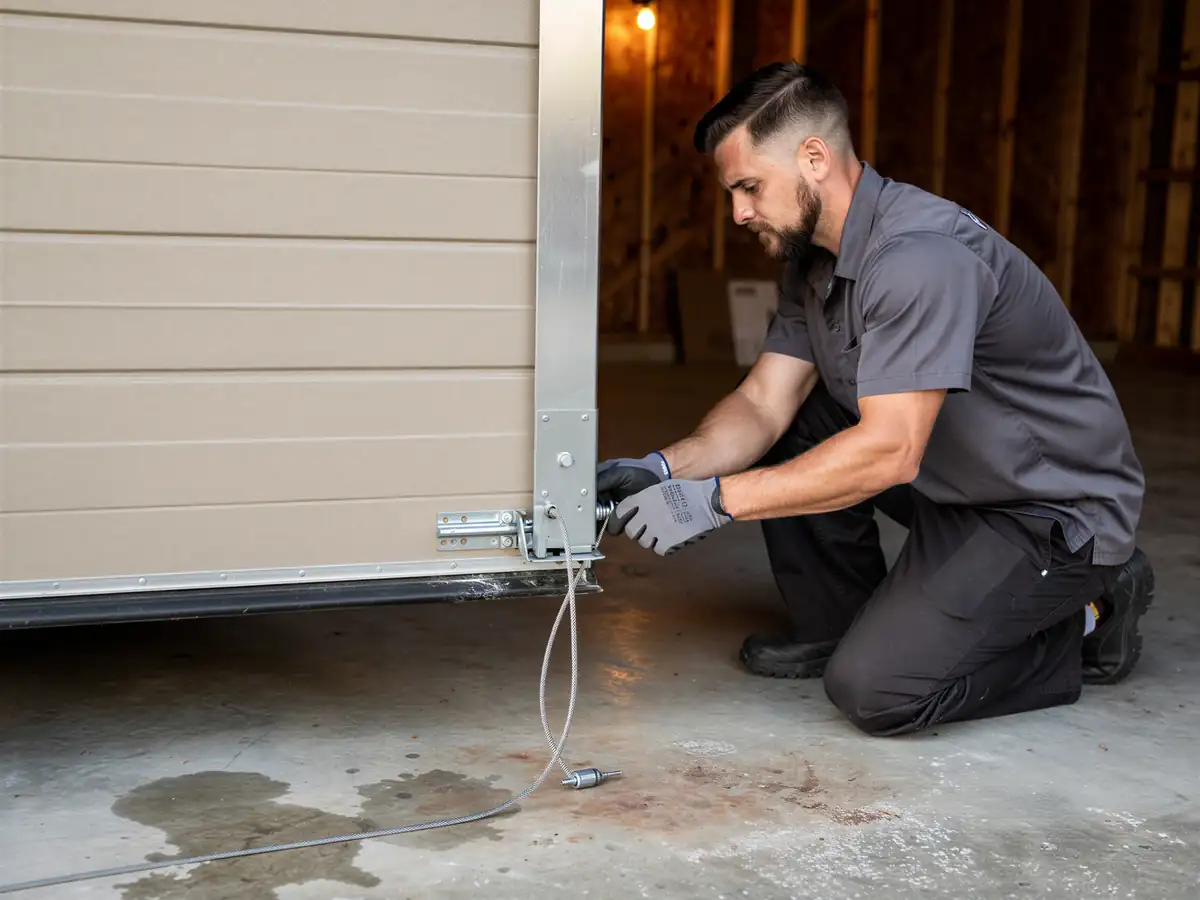
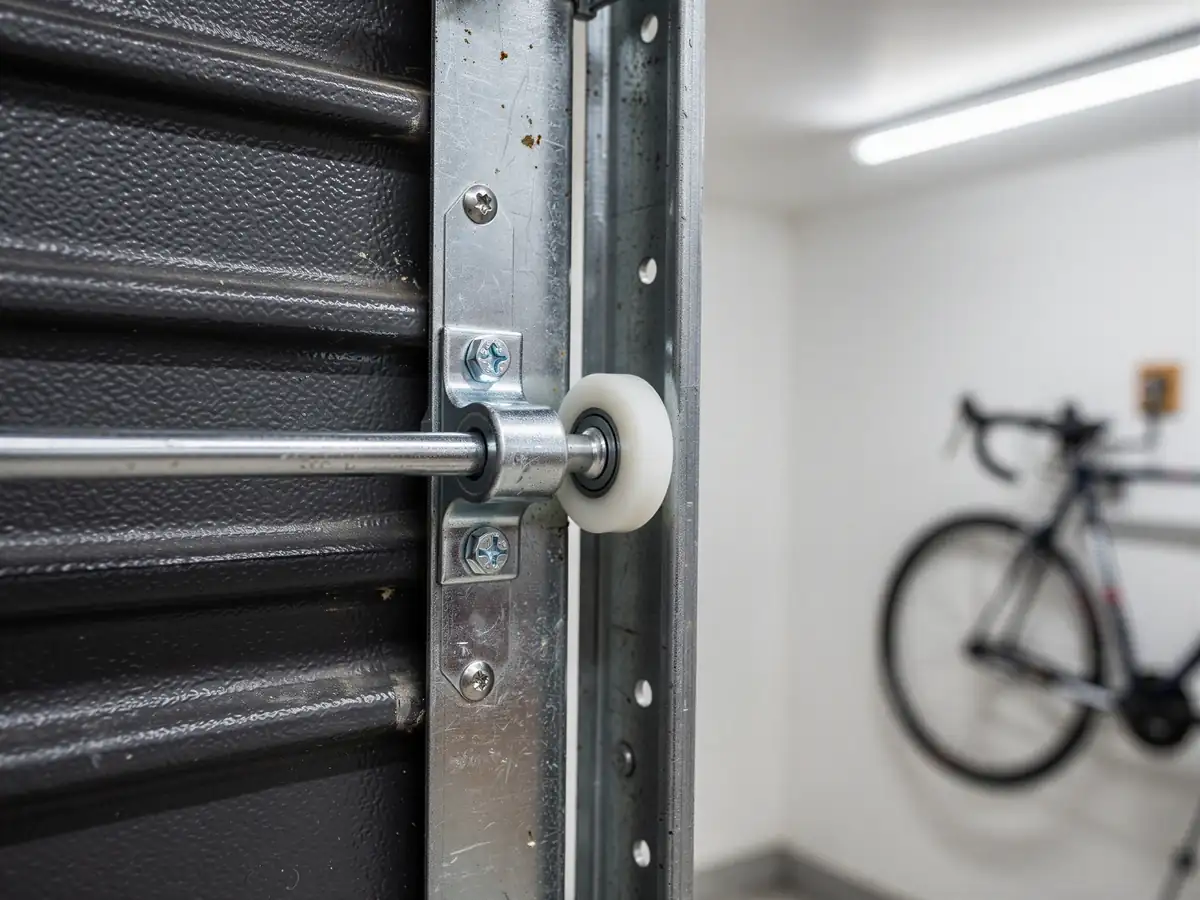
A torsion spring under tension can break a hand or worse, and the winding bars and clamps needed to do it safely aren't something most homeowners own or have used. If your door has one spring across the top of a double door, that's torsion - leave it alone. Extension springs mounted above the horizontal tracks on either side are lower-risk, and checking those for rust, gaps between coils, or a frayed safety cable is reasonable DIY territory. Lubricating hinges and rollers, tightening loose bolts, and watching the balance by disconnecting the opener and lifting the door by hand are all fine for an owner to do. But replacing either spring type yourself, given the income and resale value typical of homes in this area, is a bad trade of risk for the cost of a service call. We won't talk anyone out of a safe DIY check - just out of winding their own torsion spring.
How It Shows Up
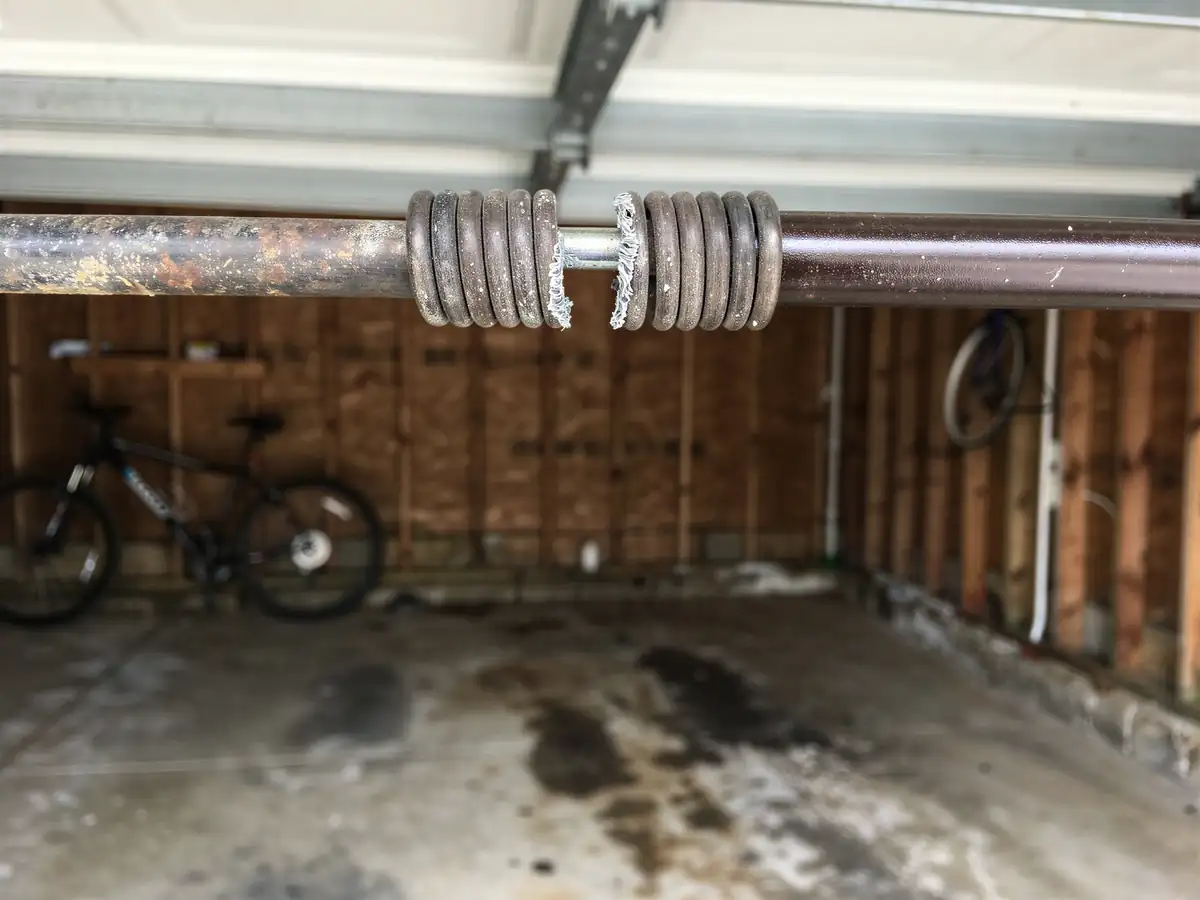
The usual signs: the door won't lift past a foot or two, or the opener strains and reverses itself mid-cycle. A loud bang from the garage, especially on a cold morning, is almost always a torsion spring letting go - if you hear that, don't run the opener again until it's replaced. Slack or a visible gap in the spring coil when the door is down is an early warning before a full break. On the double-door torsion setups common in this part of town, a snapped spring usually means the door won't budge at all, even by hand, since the counterweight is gone. If you can still lift it manually with real effort, the spring may be weak rather than fully broken - worth a call either way before it fails the rest of the way.