Why This Fails Locally
The fault we see most in Hawthorn Woods isn't a broken spring or a dented panel
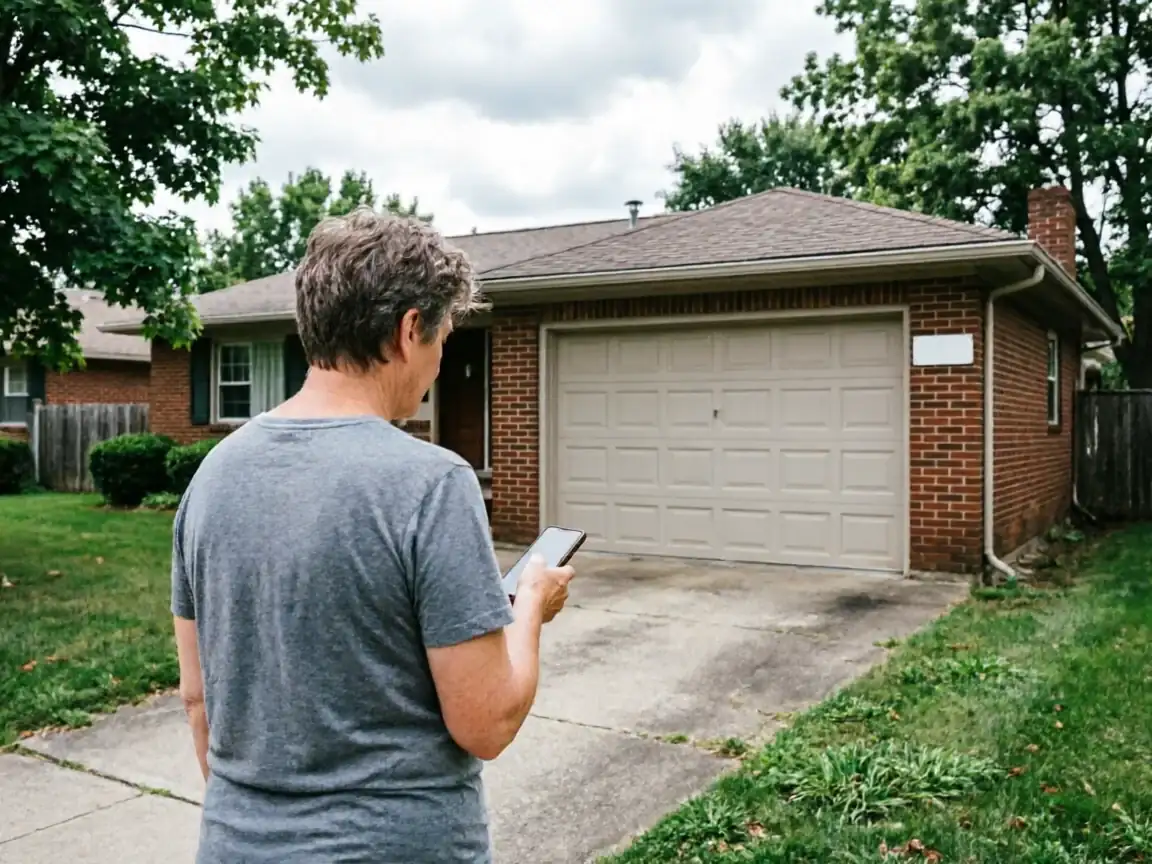
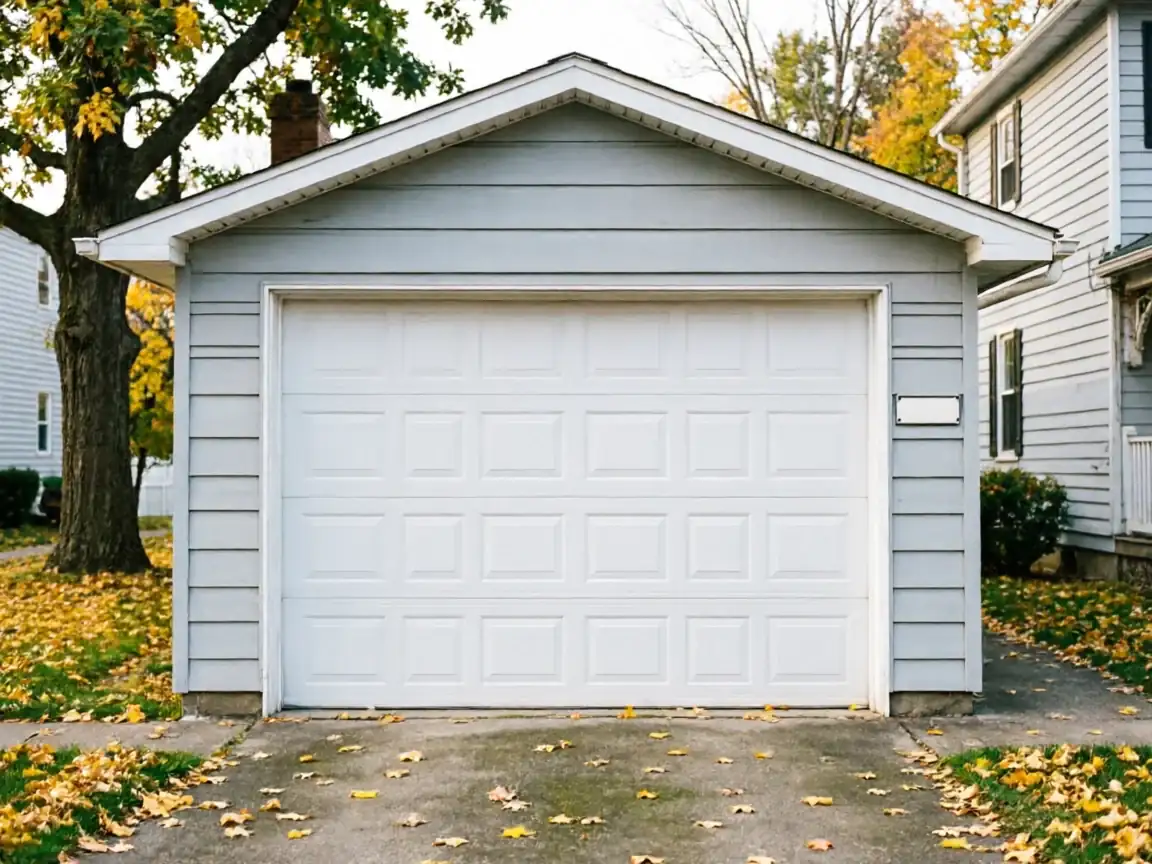
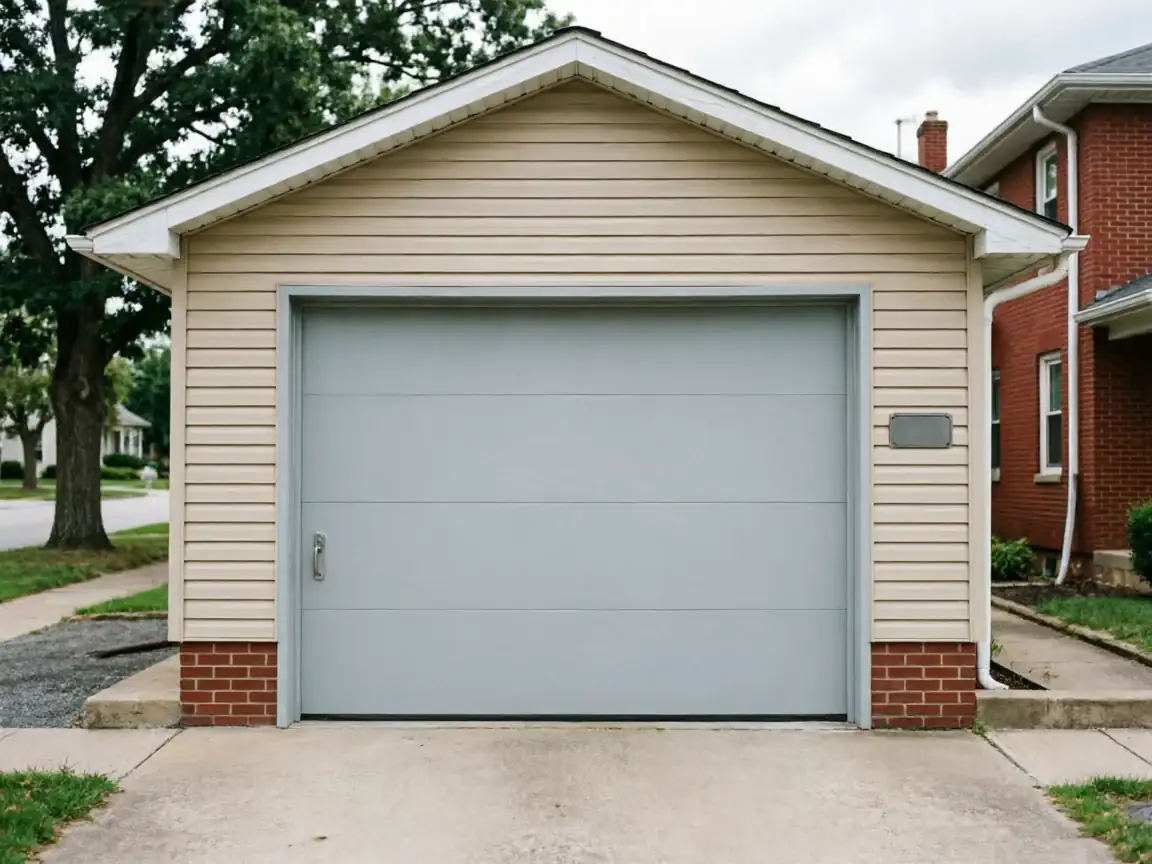
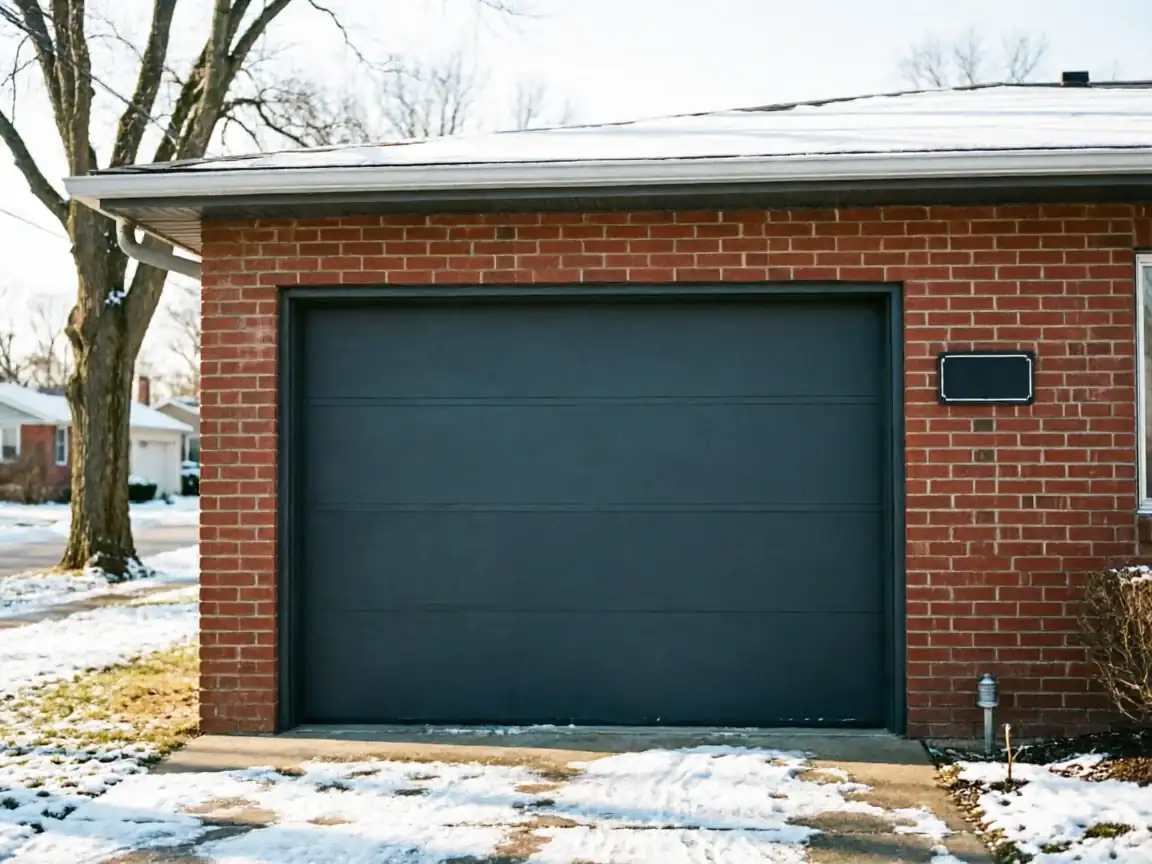
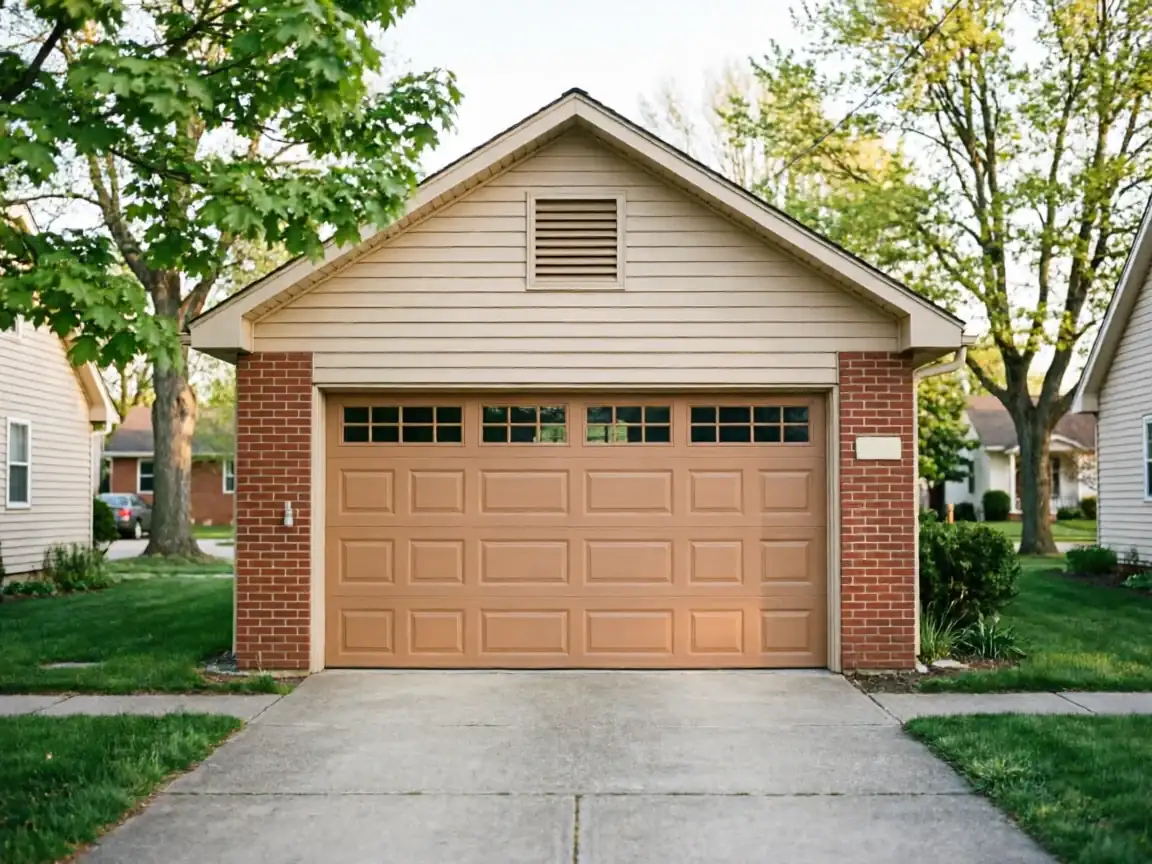
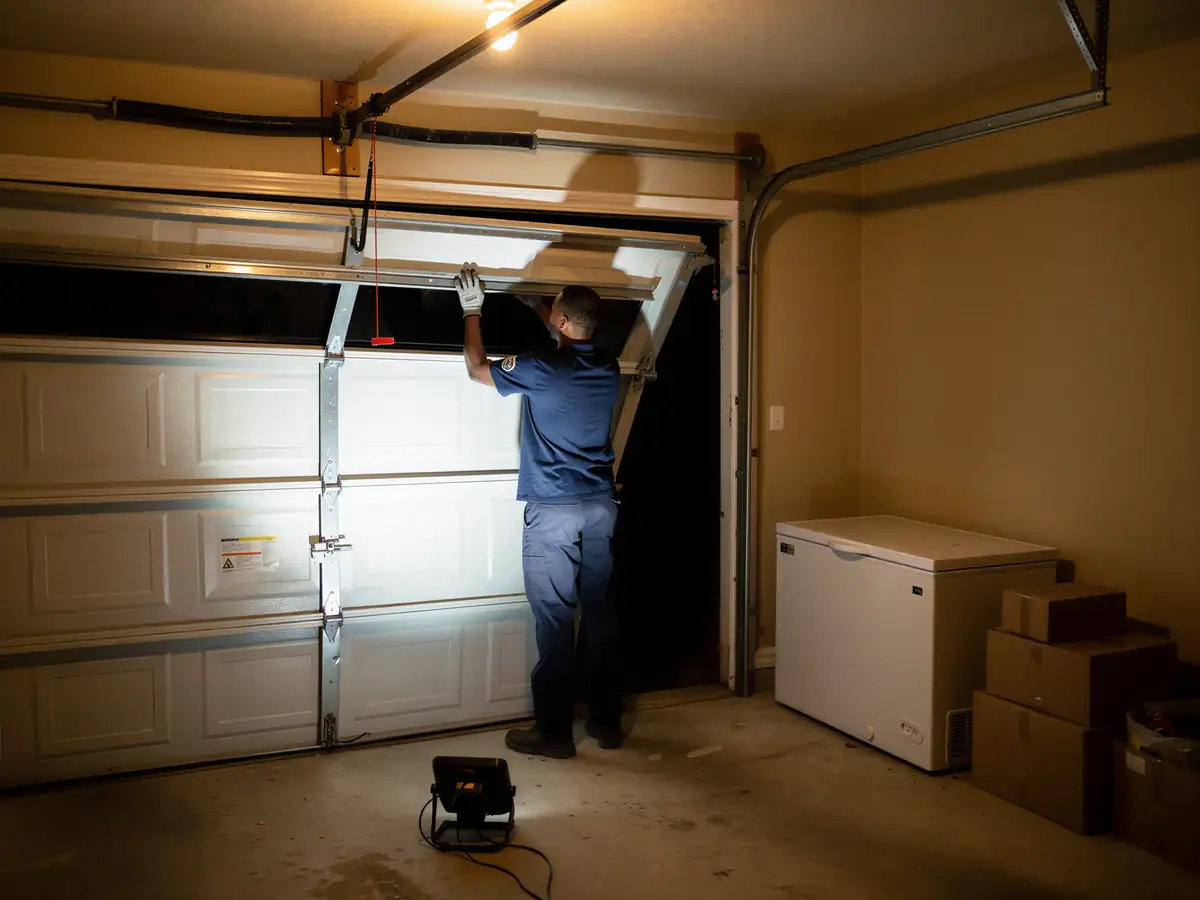
It's a door that's simply aged out. A lot of the housing stock here went up around 1996, during the subdivision push that filled this part of the service area through the 80s and 90s. That means a big share of garage doors in town are original builder-grade units: single-layer steel, minimal or no insulation, torsion springs sized for a lighter door than what a lot of owners have since bolted onto it (extra hardware, a heavier opener, added trim).
A door built in 1996 is now pushing 28 to 30 years old
Steel doors from that era weren't built with the thermal breaks you see in current lines, and in a COLD-climate area like this, that shows up as a garage that never holds heat, condensation on the inside panel, and a spring that's worked harder every winter than it was rated for. The failure point isn't dramatic - it's a slow mismatch between an aging door and a house that's otherwise in good shape.
- 30 years
Parts We Carry
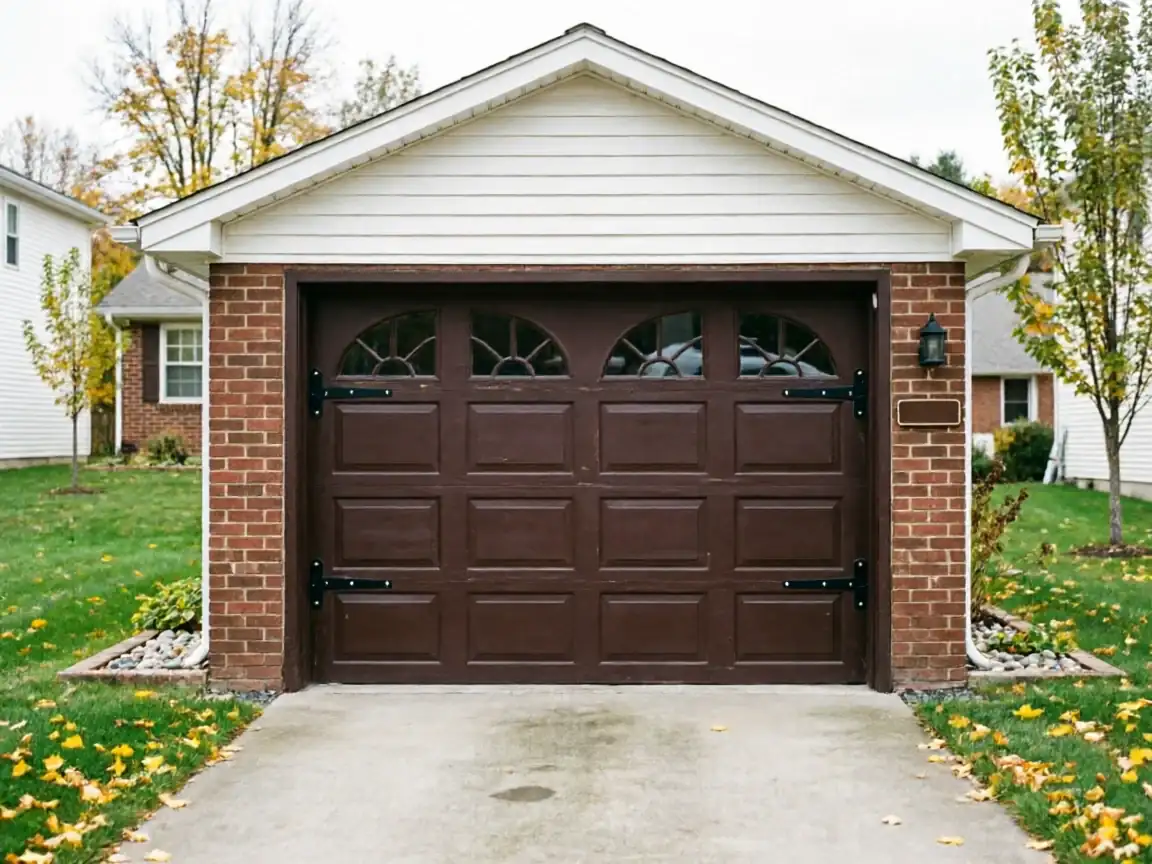
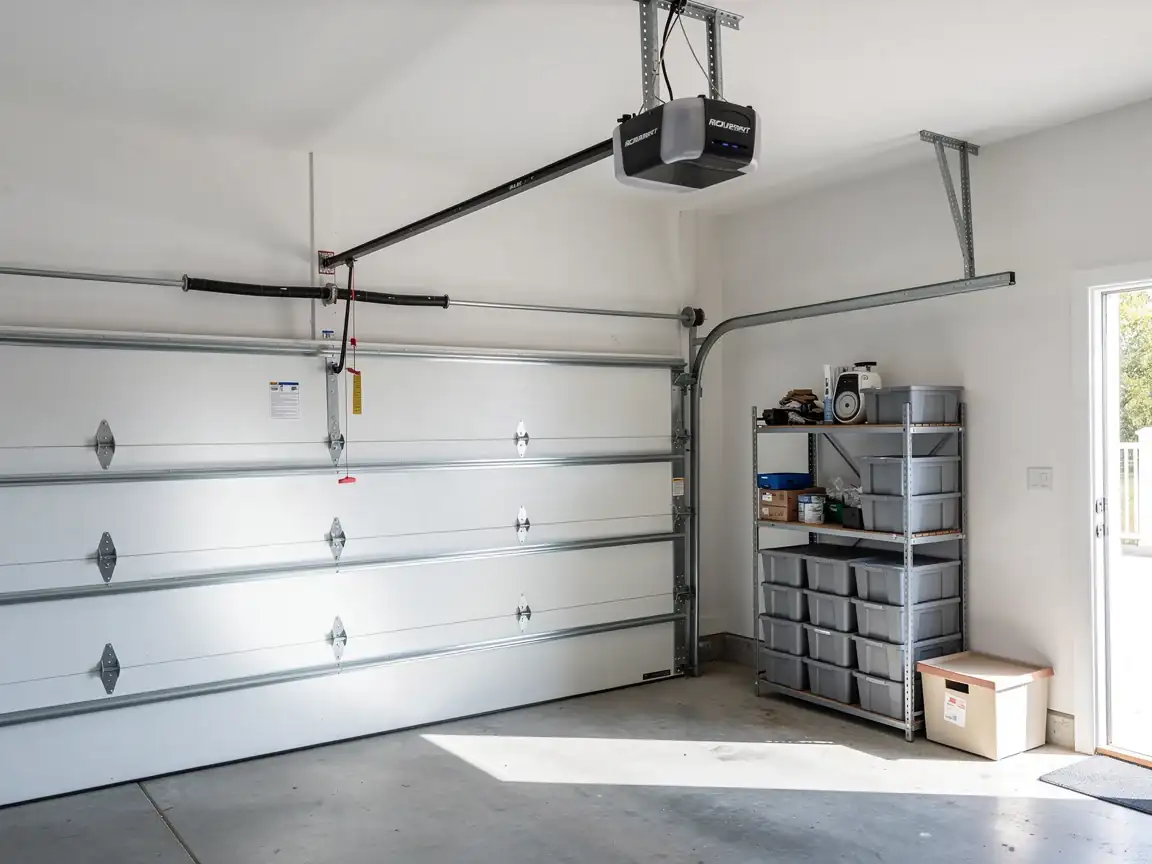
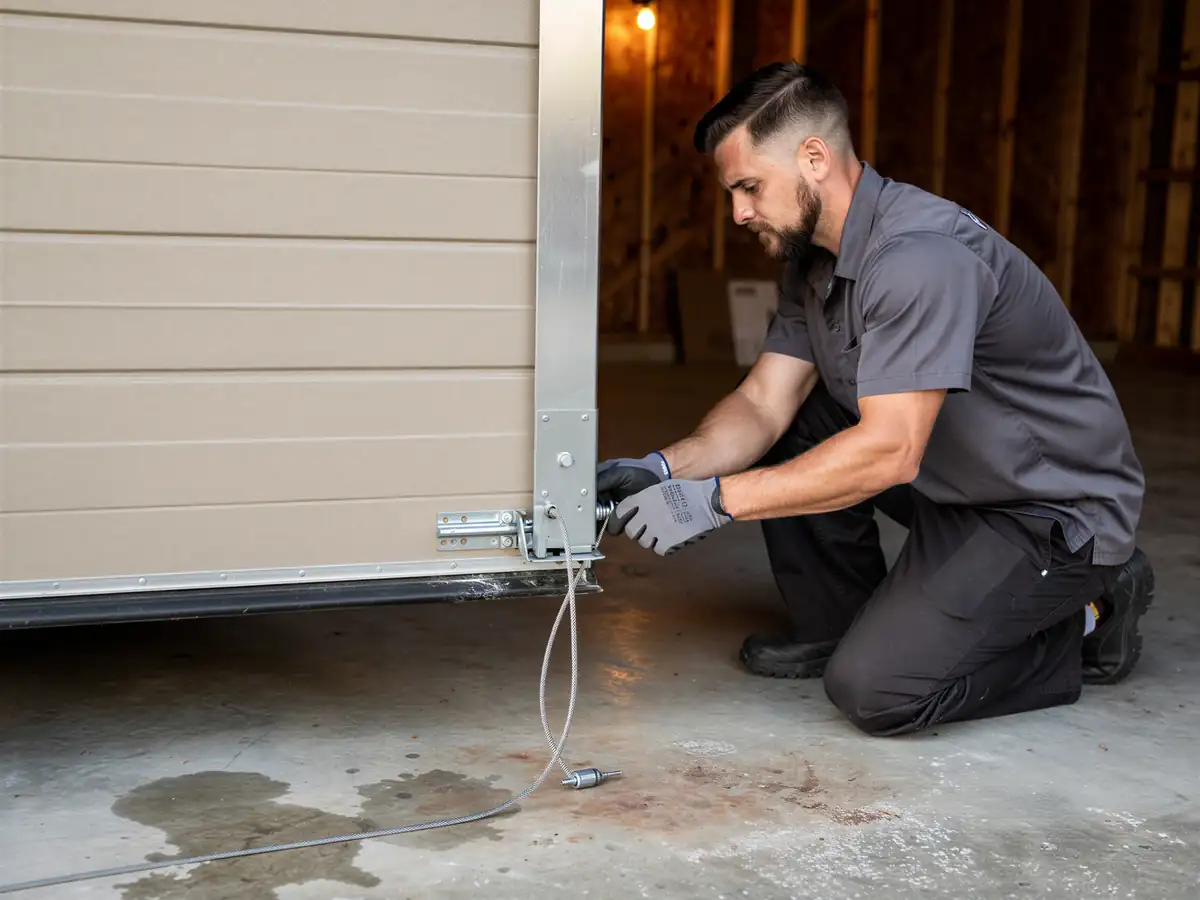
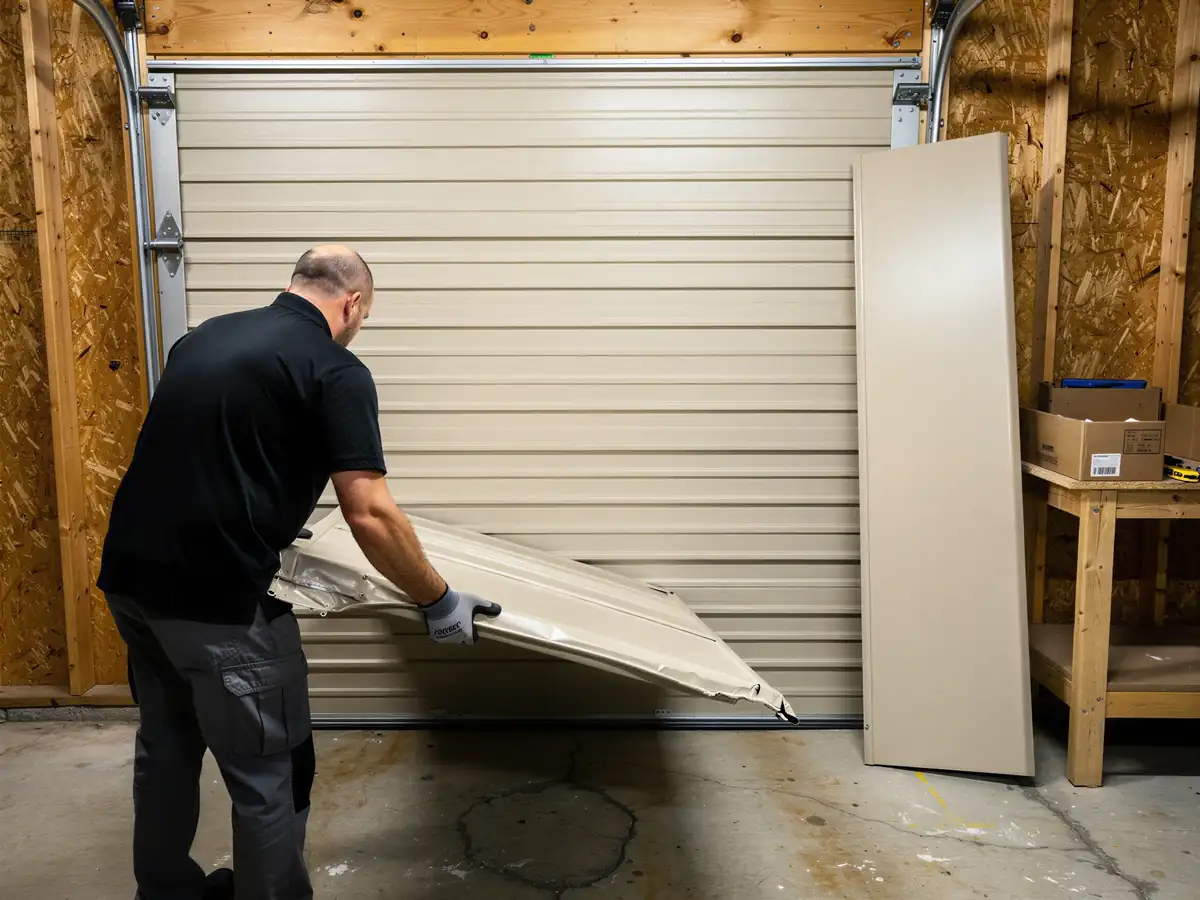
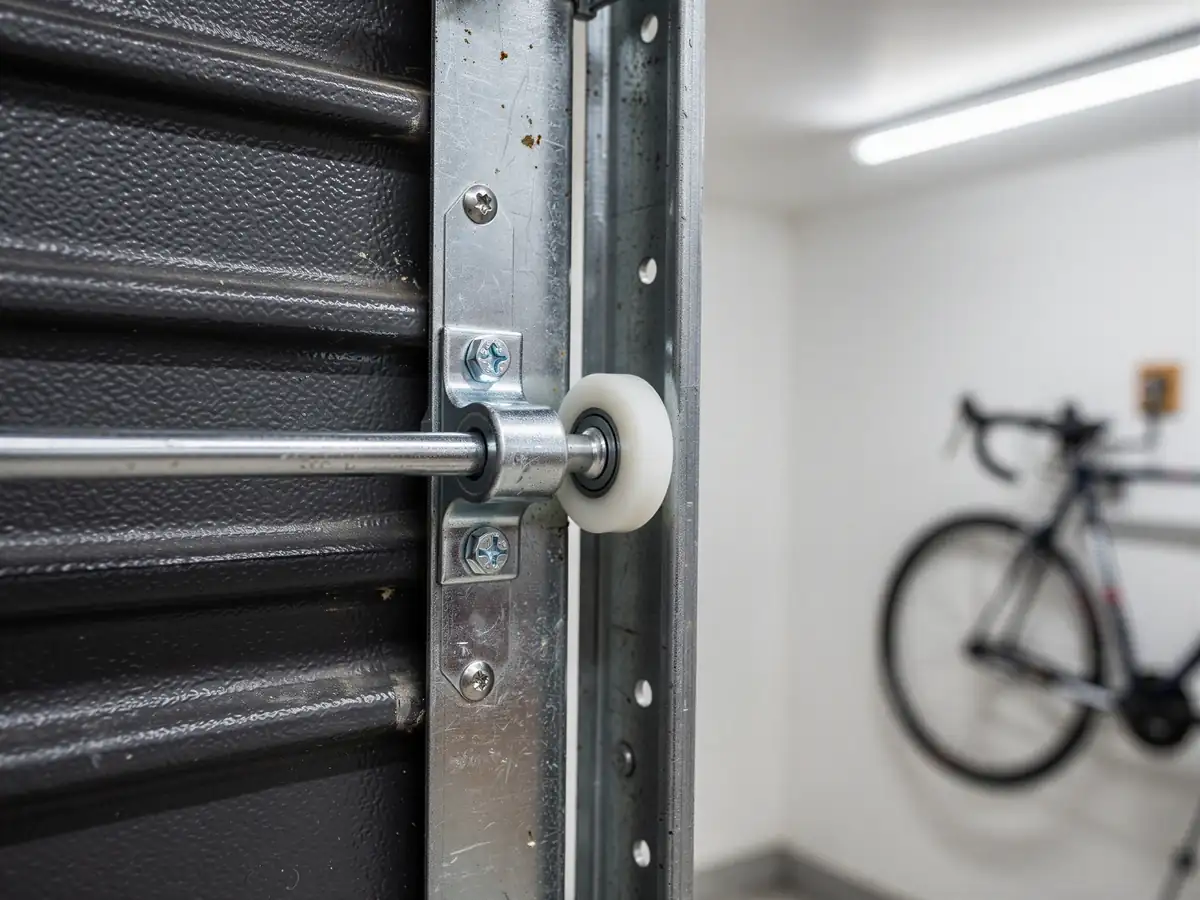
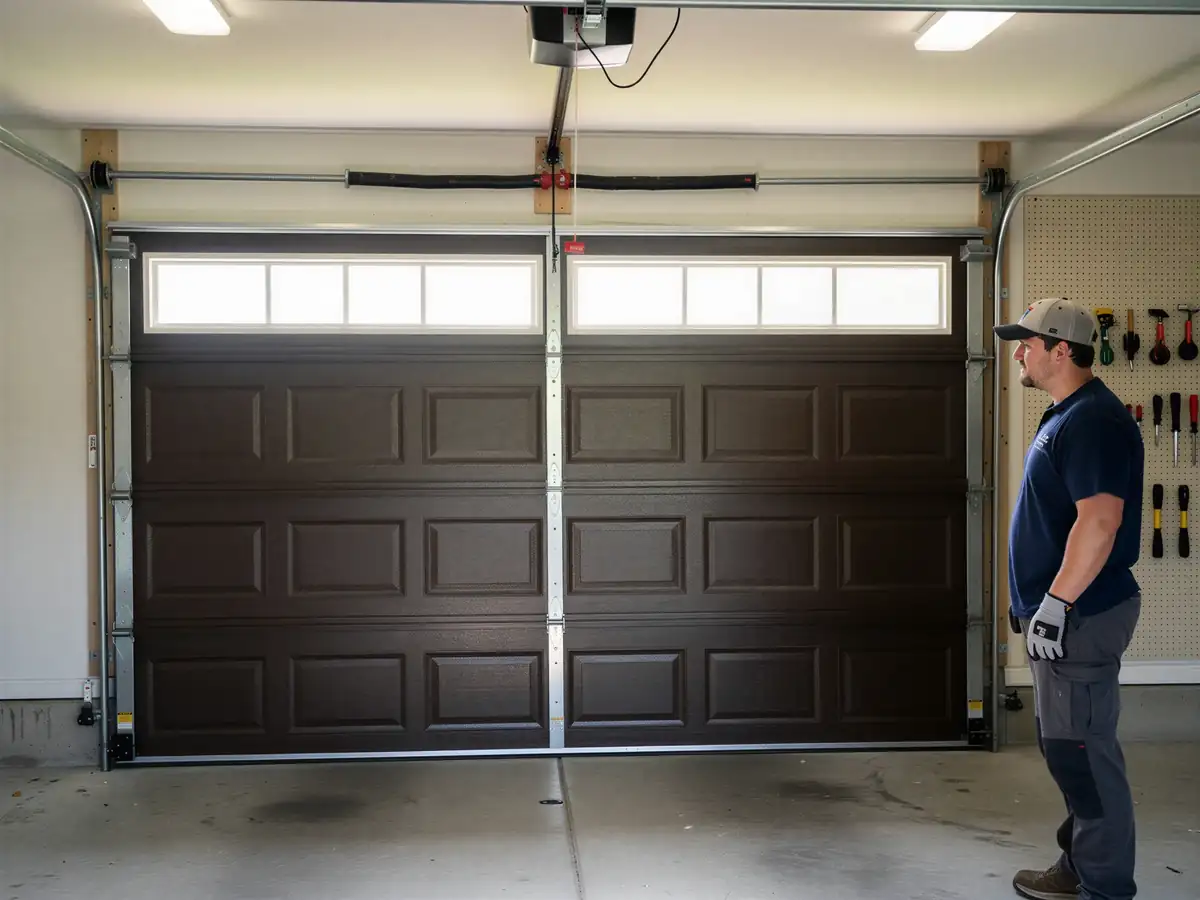
For a full install we're working with new steel or insulated steel sections, torsion springs matched to the actual door weight (not whatever was on the house originally), nylon or sealed ball-bearing rollers, galvanized track, and openers with battery backup - worth asking about given how often winter storms here take out power for an hour or two. We size every spring to the door going on, not the one coming off, since swapping in a heavier insulated door without re-rating the spring is one of the most common comeback calls we get.
We don't stock custom wood doors or odd European sizing - that's special order territory with a longer lead time, and we'll tell you that up front rather than quote a date we can't hit. For standard steel and insulated steel in common widths, we carry what we need on the truck most jobs.
Can You Do This Yourself
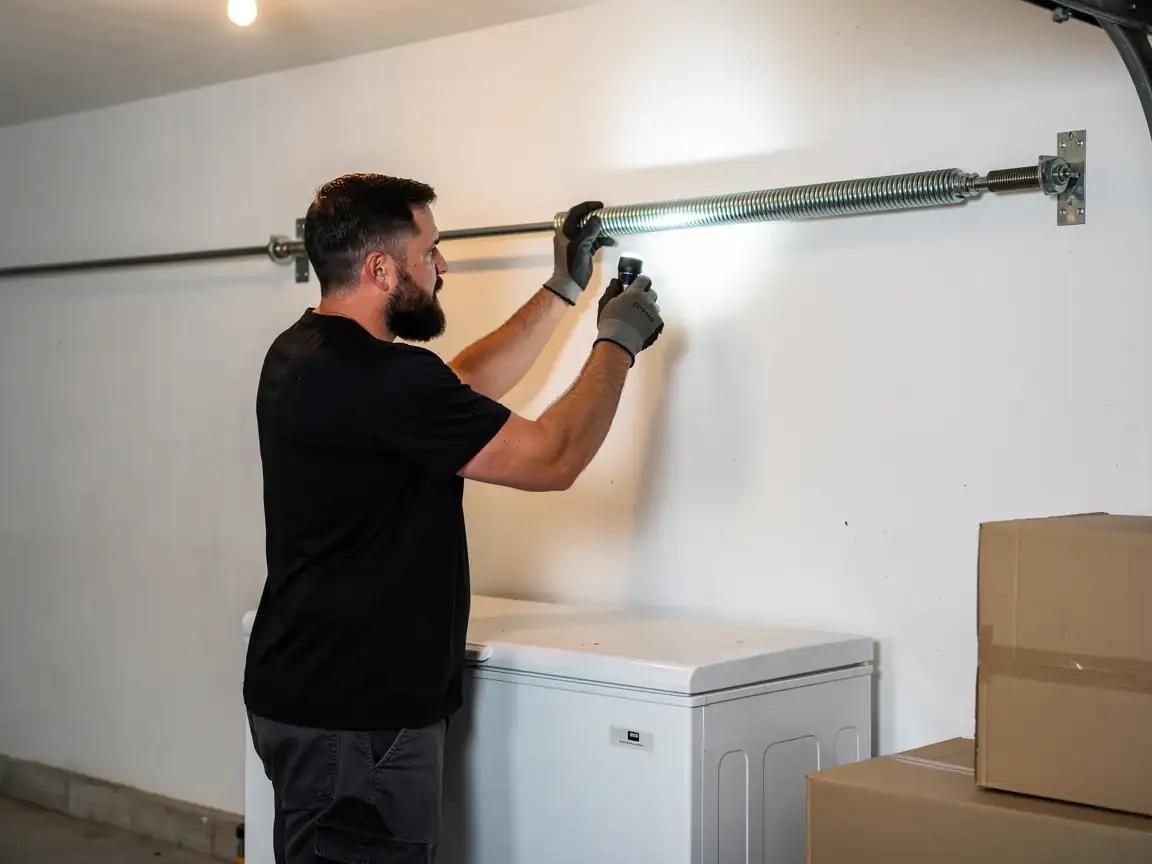
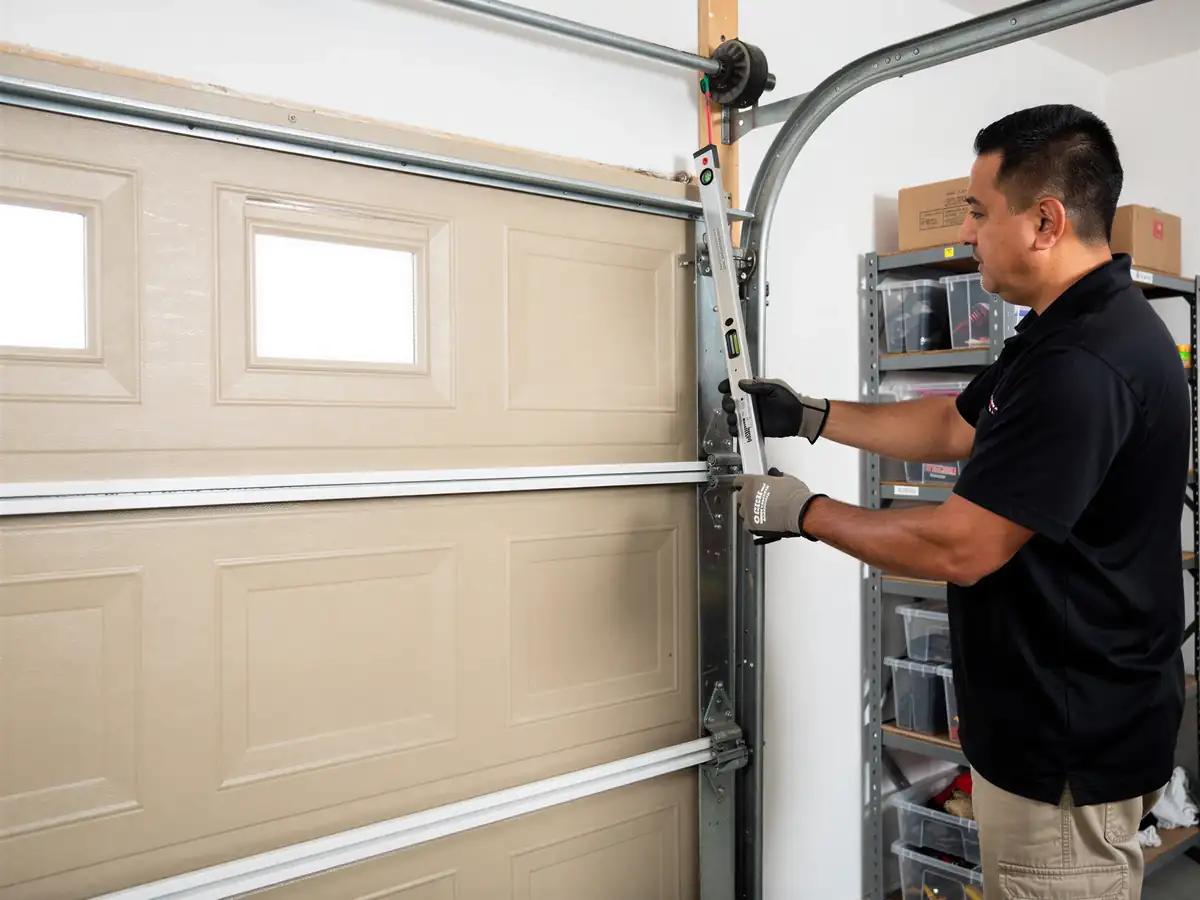
Swapping panels or rollers, sure, if you're comfortable on a ladder and know what you're looking at. A full door replacement is a different animal - you're dealing with a torsion spring under real load, track alignment that has to be dead-on across the full height of the opening, and an opener that has to be rebalanced to the new door's weight. Get the spring tension wrong and it's not a minor redo, it's a trip to urgent care.
The other piece people underestimate: in a house built in the mid-90s, the original header and jamb were framed for that era's door thickness. A new insulated door is often thicker. If you don't check that before you order, you end up with a door that doesn't seat right against the weatherstrip, and that's a callback nobody wants, including us.
Where This Job Goes Sideways
Two places
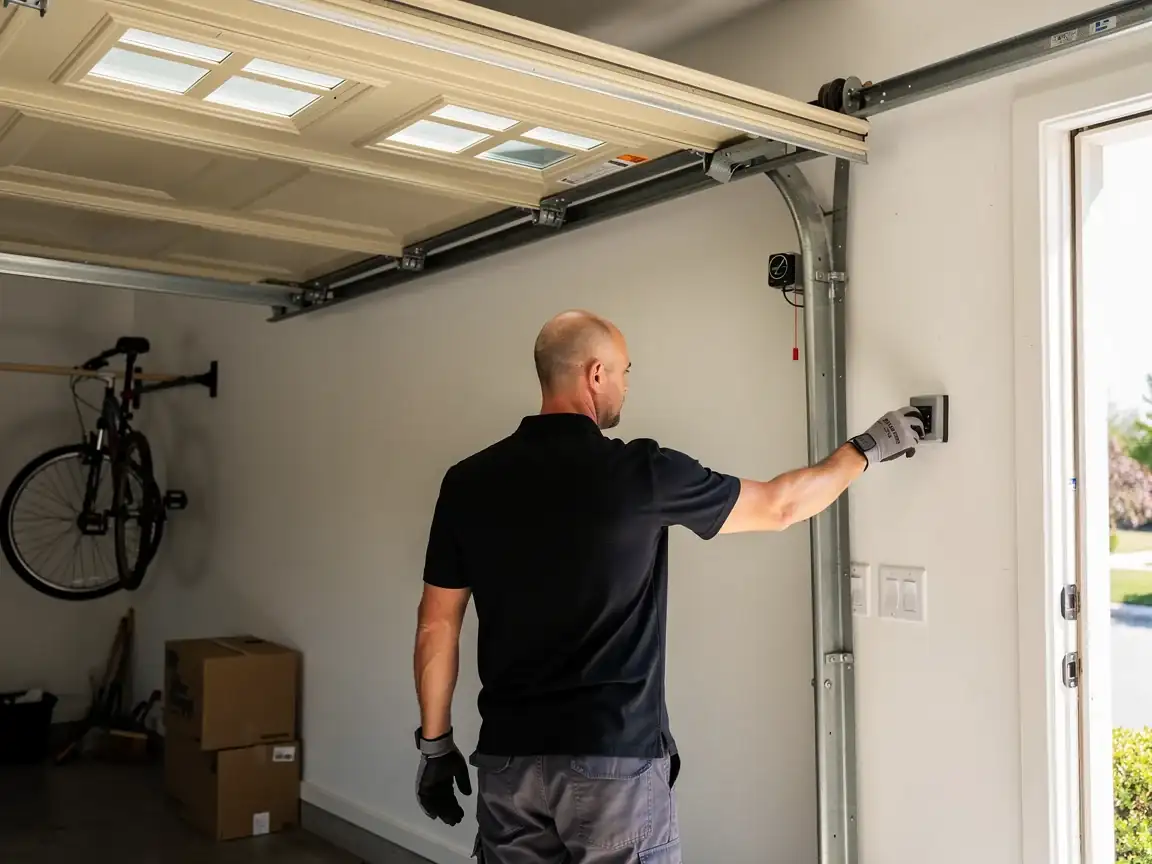
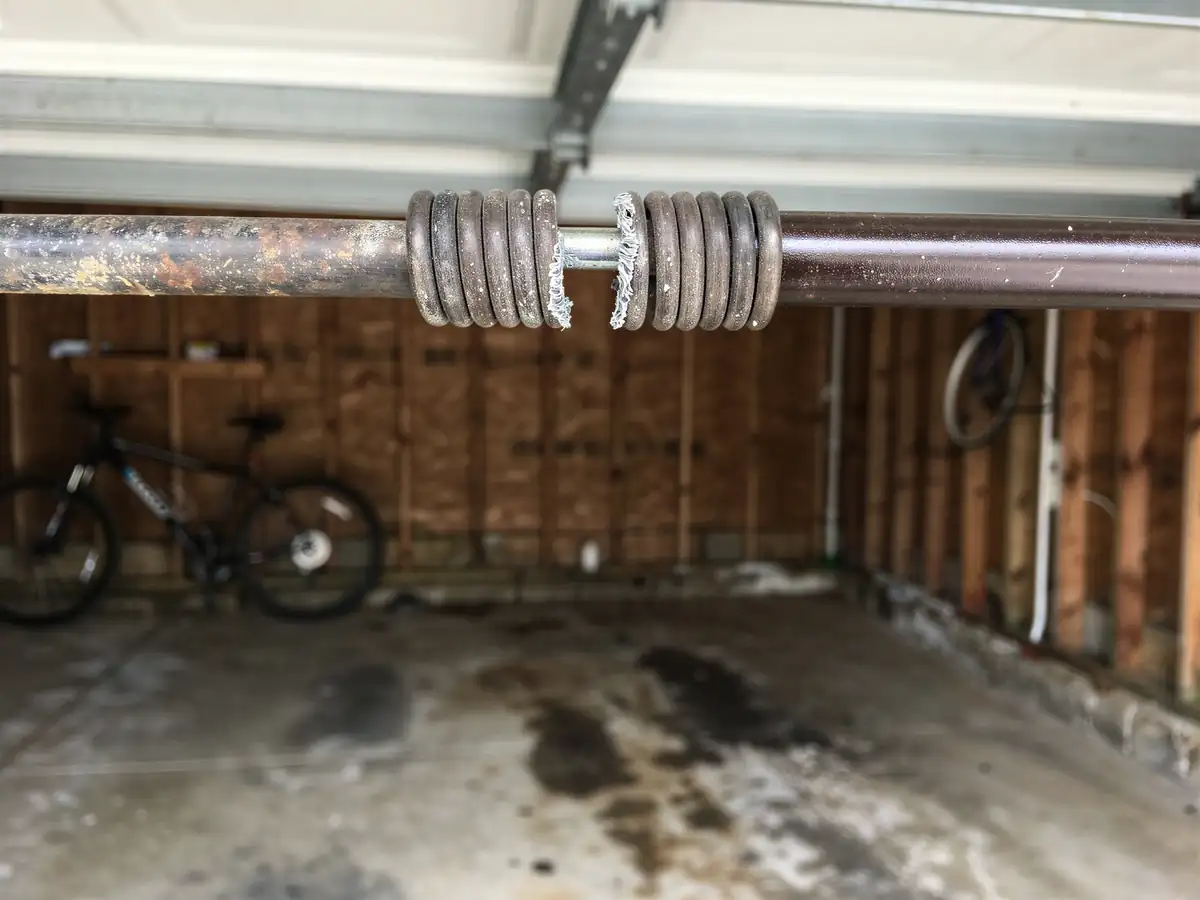
First, the spring swap - if a homeowner or a handyman reuses the old torsion spring on a new, heavier insulated door because it 'looked fine,' the door either won't lift evenly or it strains the opener until that fails too. Second, the opener. A lot of these 1996-era garages still have the original chain-drive opener, and pairing a 28-year-old opener with a brand new door is asking for a mismatch - the opener wasn't built to handle the new door's travel distance or weight, and it shows up as grinding, slow closes, or an opener that just gives up a few months later.
We size spring and opener to the new door at install, not to what was already in the garage
Which is the whole reason this section exists.
How It Shows Up
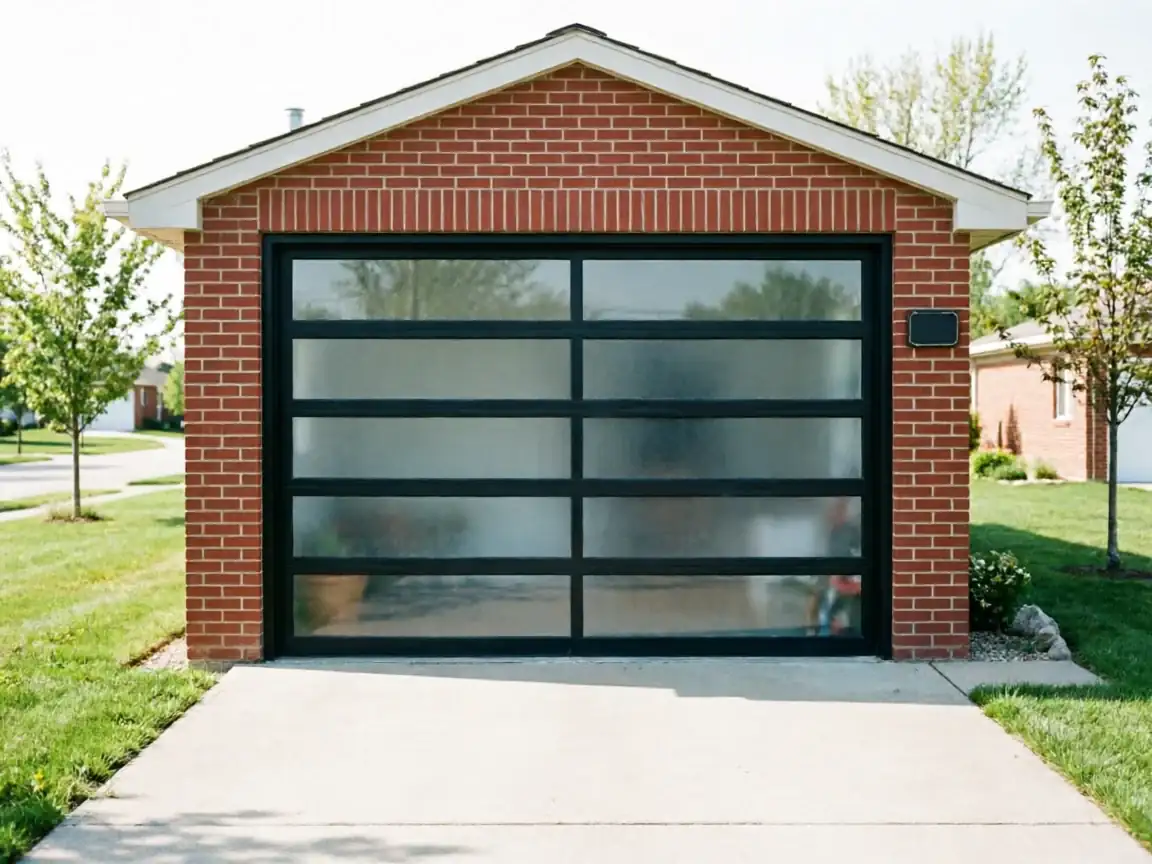
In Hawthorn Woods specifically, the call usually starts the same way: a door that's gotten noticeably heavier to lift by hand, a spring that's visibly stretched or gapped, or an opener straining audibly on the last foot of travel. Given the median household income here runs well above the wider service area's $121,583, we also get more owners asking for insulated doors and quieter belt-drive openers as a straight upgrade rather than a like-for-like replacement - not a necessity, but a reasonable call on a 30-year-old door that needs replacing anyway.
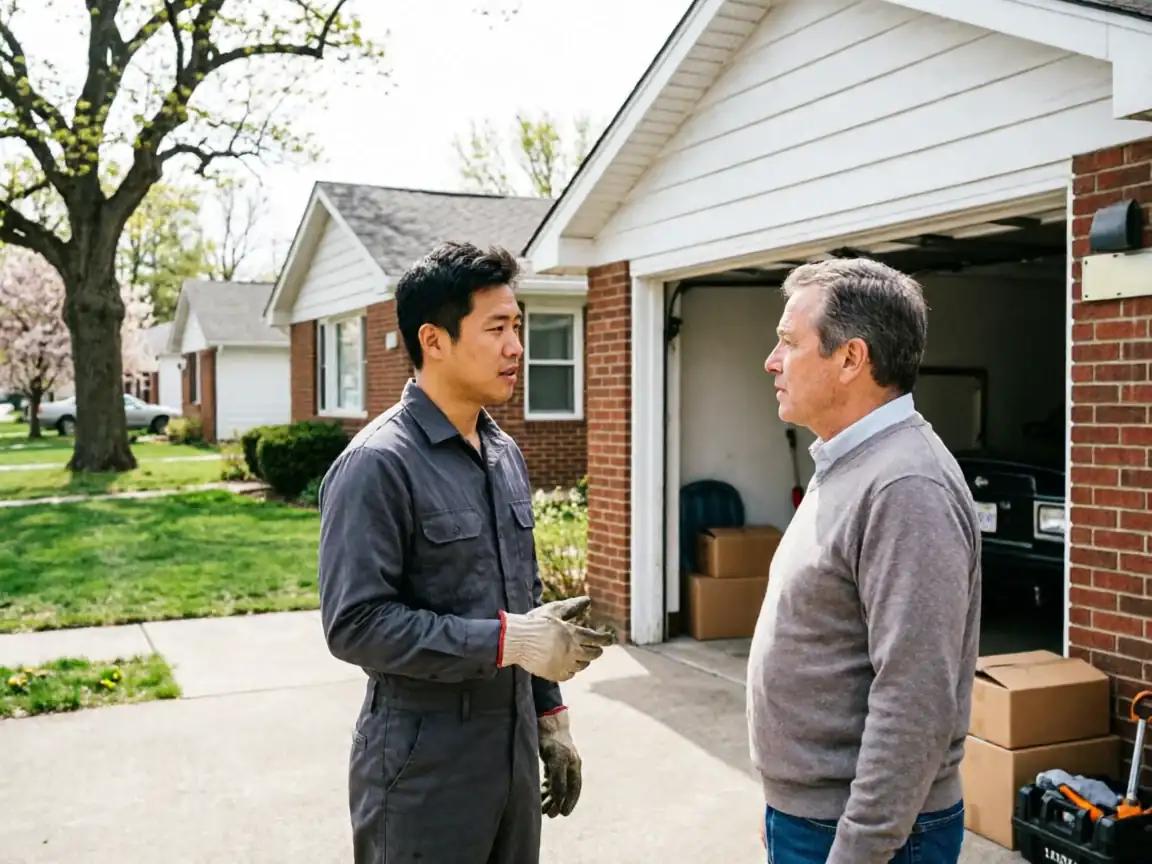
We cover Hawthorn Woods from our Lake Zurich location, about 3 miles out, so there's no branch or depot in town - just a truck that comes to you.