Why This Fails Locally
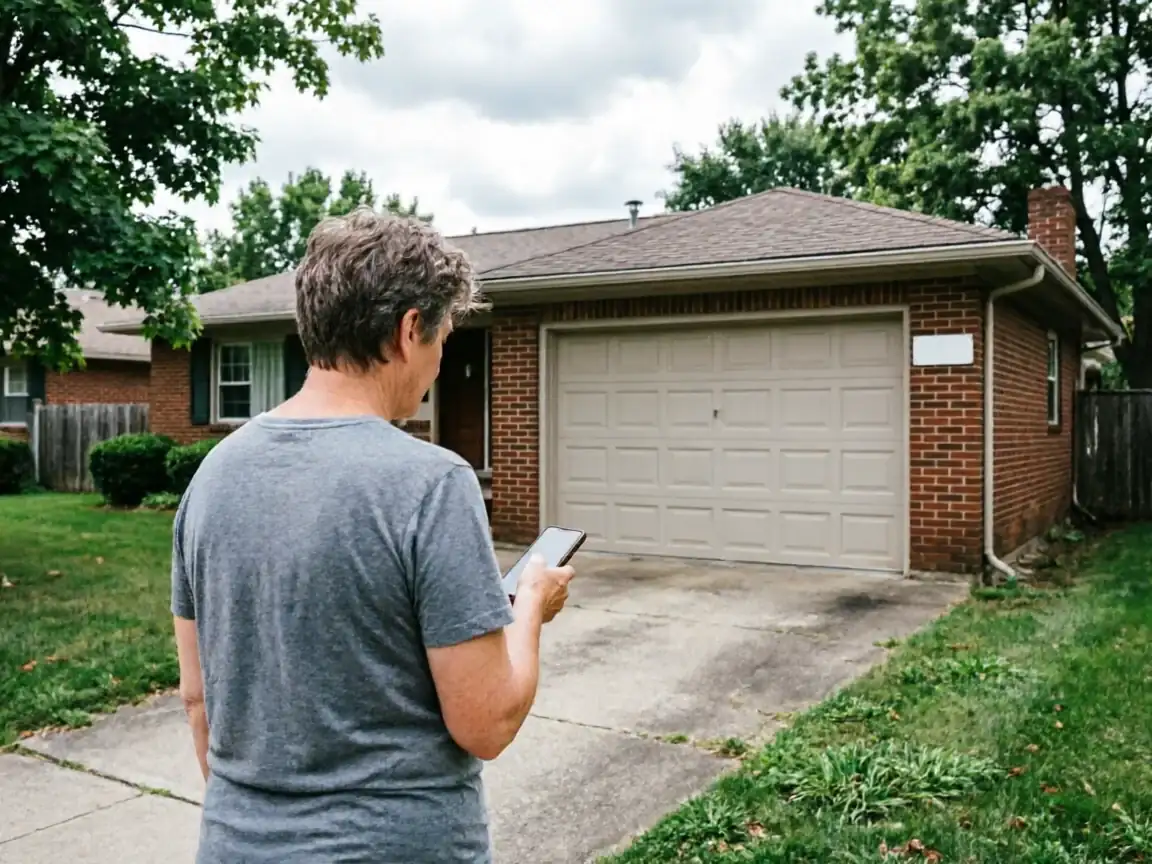
Hawthorn Woods is a short run from our Lake Zurich shop, about 3 miles
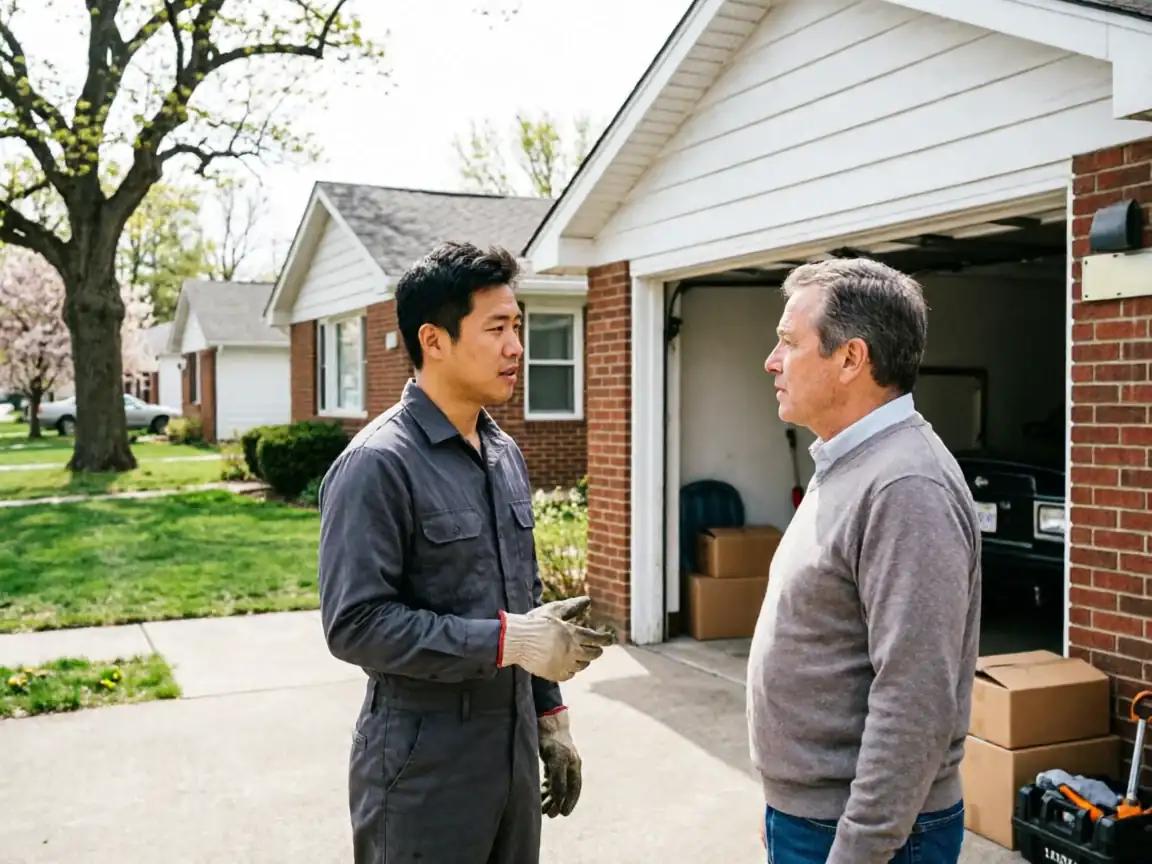
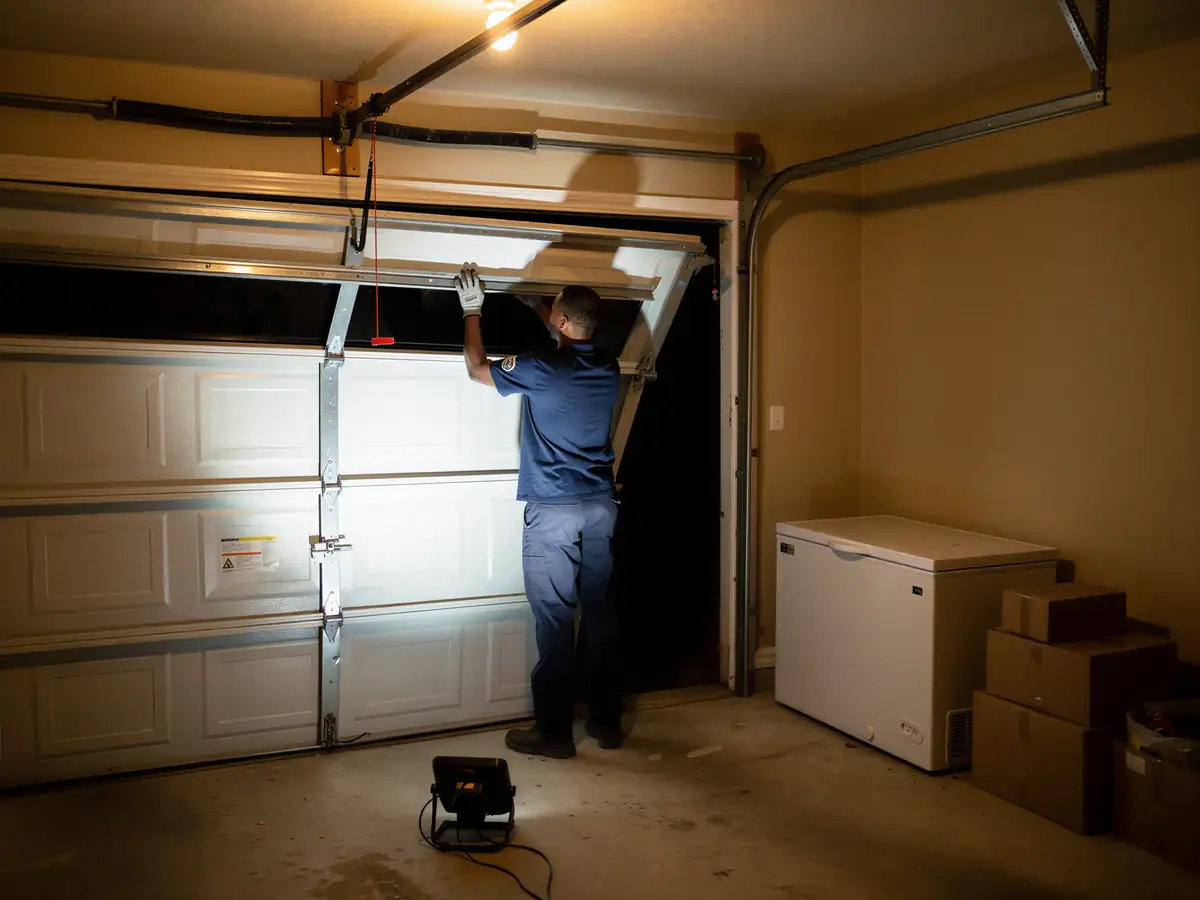
Which matters more than it sounds like it should. A roller job is rarely urgent until the door is stuck half-open with a grandkid's bike trapped inside, and on a call that close we're not burning half the service window just getting there. That's time we spend looking at the actual track instead.
- 3 miles
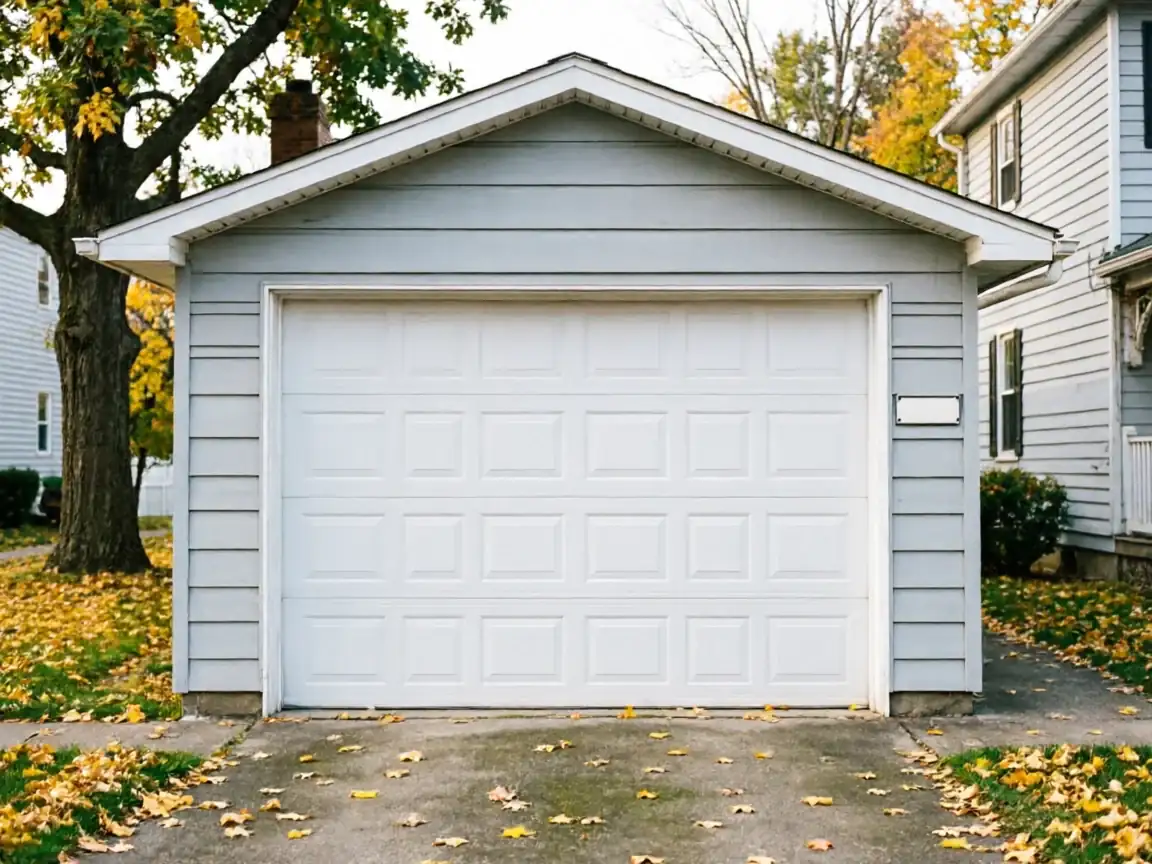
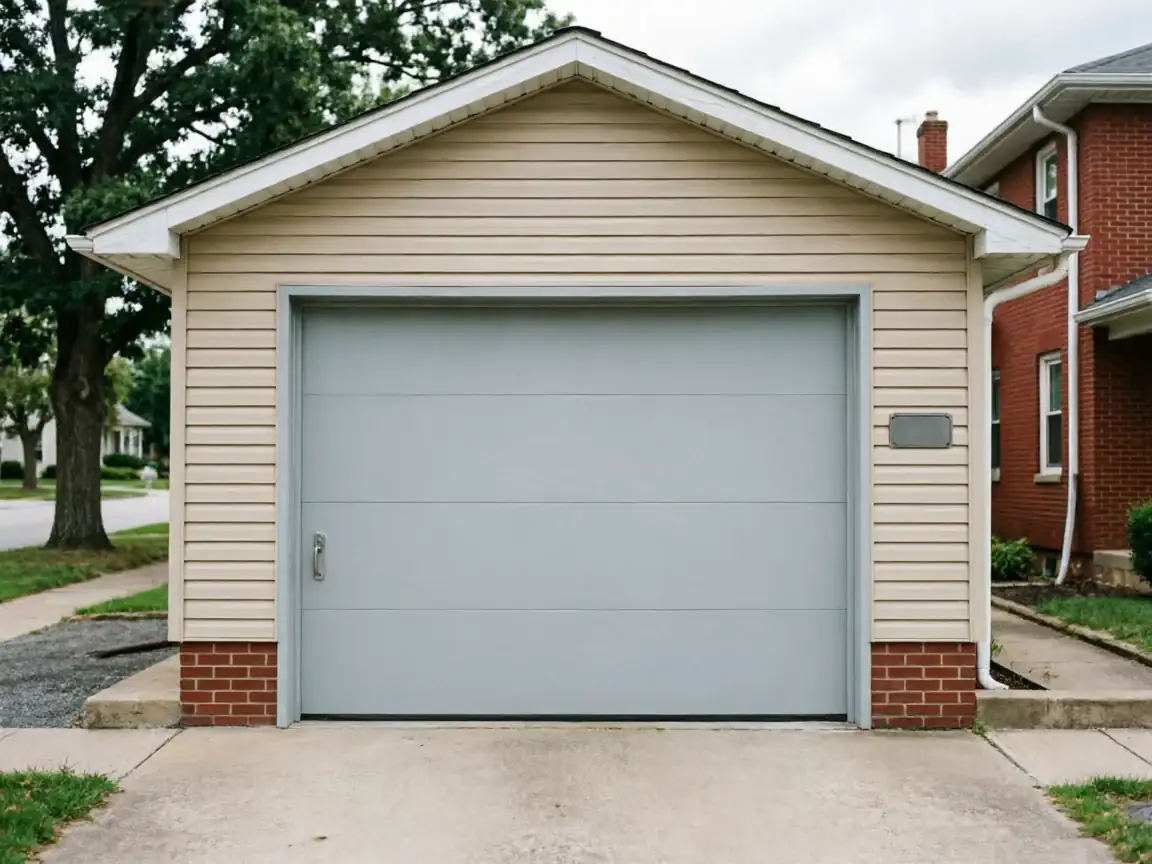
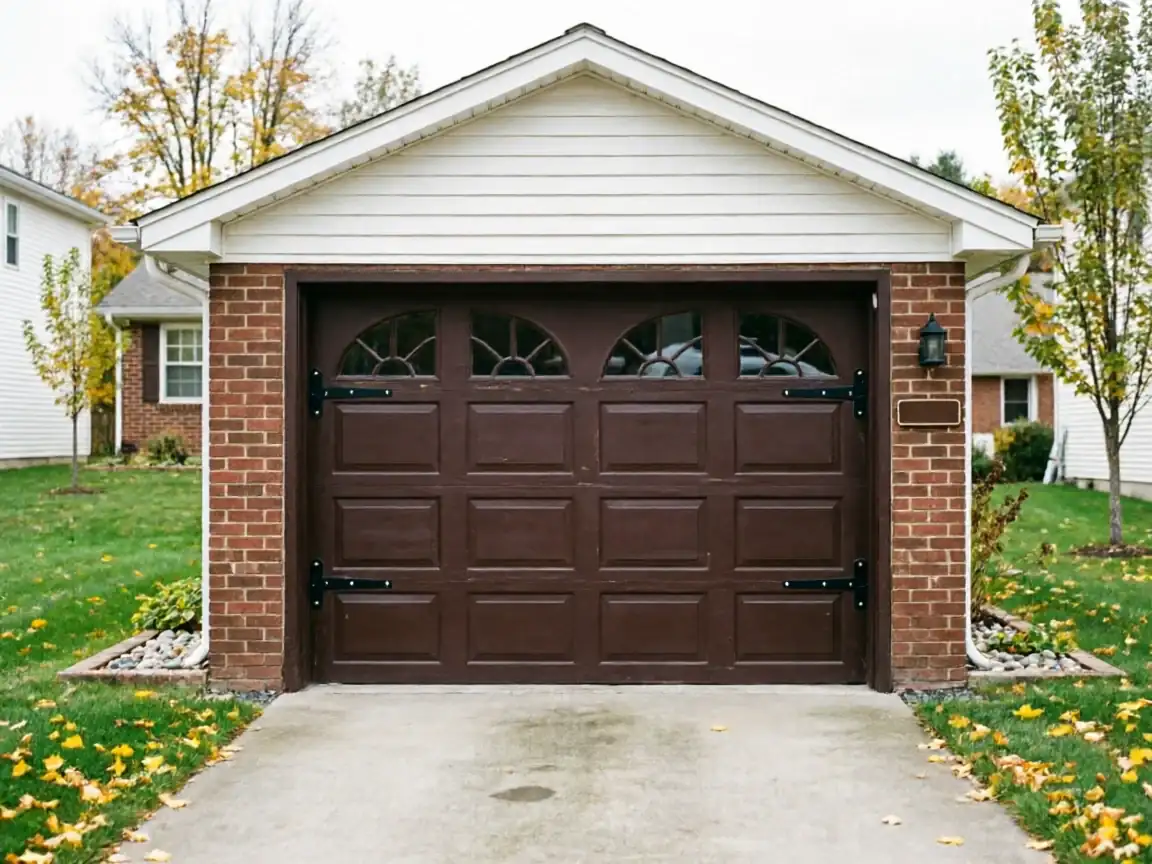
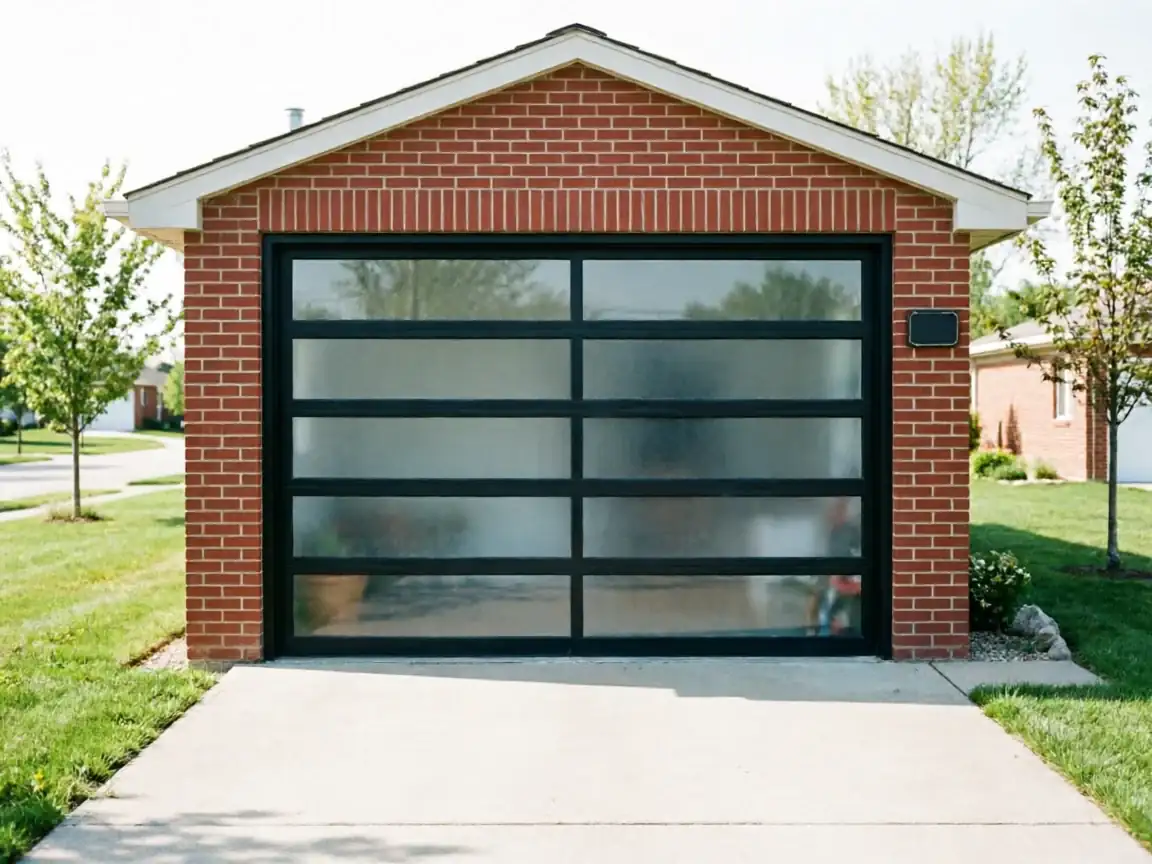
The houses here skew newer than a lot of what we see across the wider service area
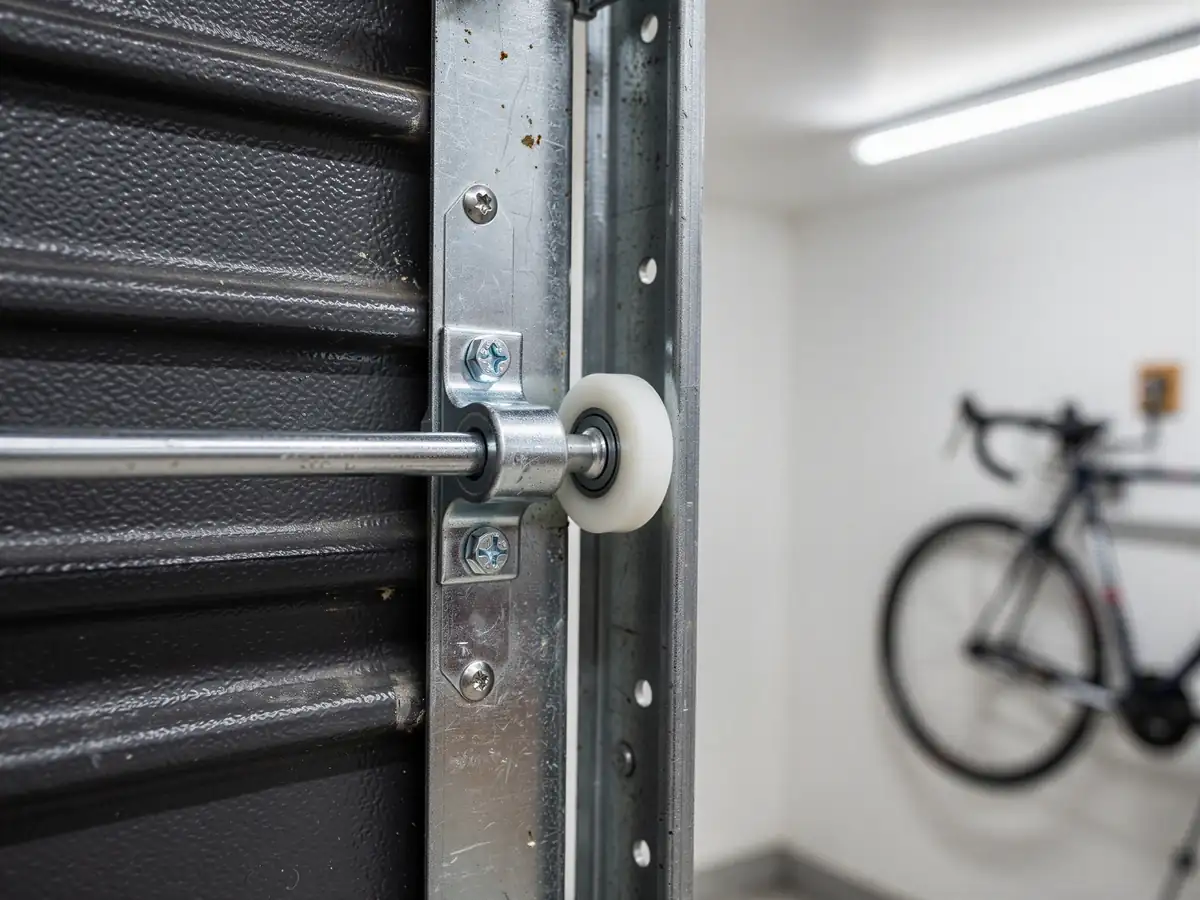
Where the median build year sits around 1985. Hawthorn Woods centers closer to 1996, builder-grade construction from the second half of that run. That means steel rollers on nylon stems, often the 7-ball bearing style that came stock with mid-90s sectional doors, not the older unsealed steel-on-steel rollers you'd find in a 1960s subdivision. They last longer out of the box, but when they go, they go as a set - the whole run wears evenly, so you rarely replace just one.
Parts We Carry
We keep nylon rollers in the truck in the sizes that fit 90s builder-grade track, plus the galvanized steel rollers original to that era for owners who want to match what's already there instead of upgrading. Sealed bearing nylon rollers run quieter and don't need lubrication the way open steel bearings do, which is the upgrade we talk through most on these calls - median household income here runs well above the service area average, and we see more owners opt for the quieter part instead of the cheaper match.
We don't stock every stem length or every oddball bracket on the truck. If your track uses a non-standard roller stem - longer stems are common on doors with thicker insulated panels - that can mean a short return trip once we've got the right part in hand. We'd rather tell you that up front than make you wait on-site while we guess.
Can You Do This Yourself
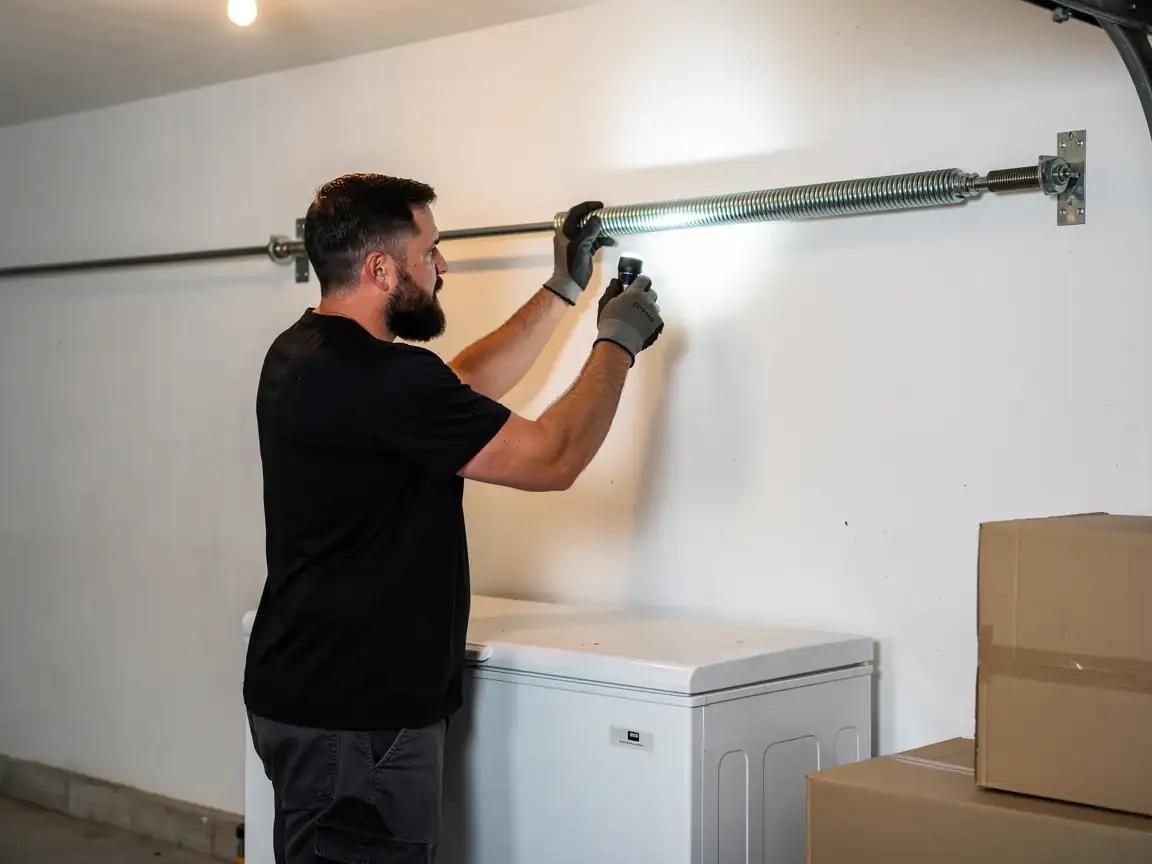
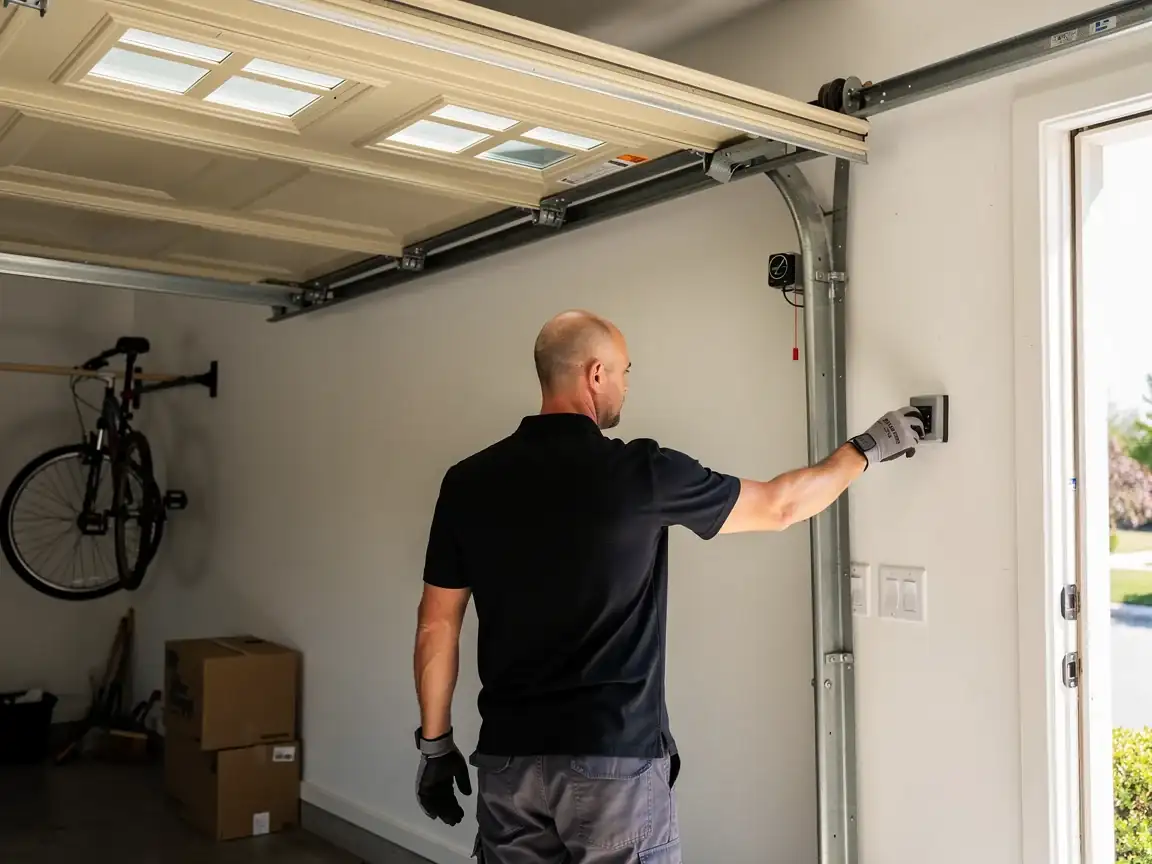
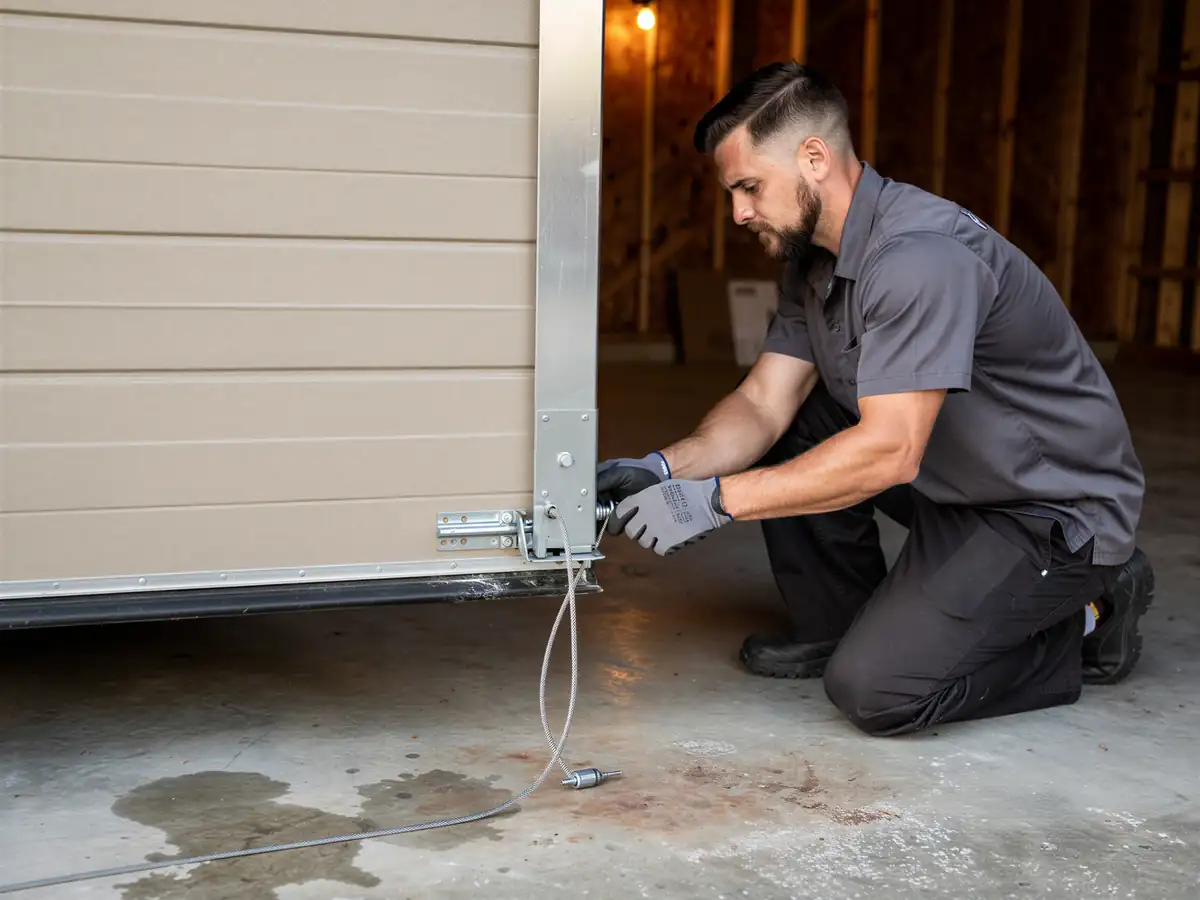
Swapping a roller on a garage door under tension is not a job to learn on your own door. The bottom few rollers sit near the cable and drum, and the top roller on each side carries weight against a spring-loaded track - pull the wrong one with the door up and the panel can drop or the track can bow. If the door is down, unplugged, and you're only replacing a roller that isn't near the bottom fixture, it's a manageable DIY job with the right tools and a few hours.
What trips people up is diagnosing which roller is actually the problem. A grinding noise can be a dry roller, a bent track, or a roller that's already cracked and about to let go, and those look similar until you're close up. If you're not sure which one it is, that's the part worth a call, not the swap itself.
Where This Job Goes Sideways
The failure mode we see most in this area isn't the roller itself
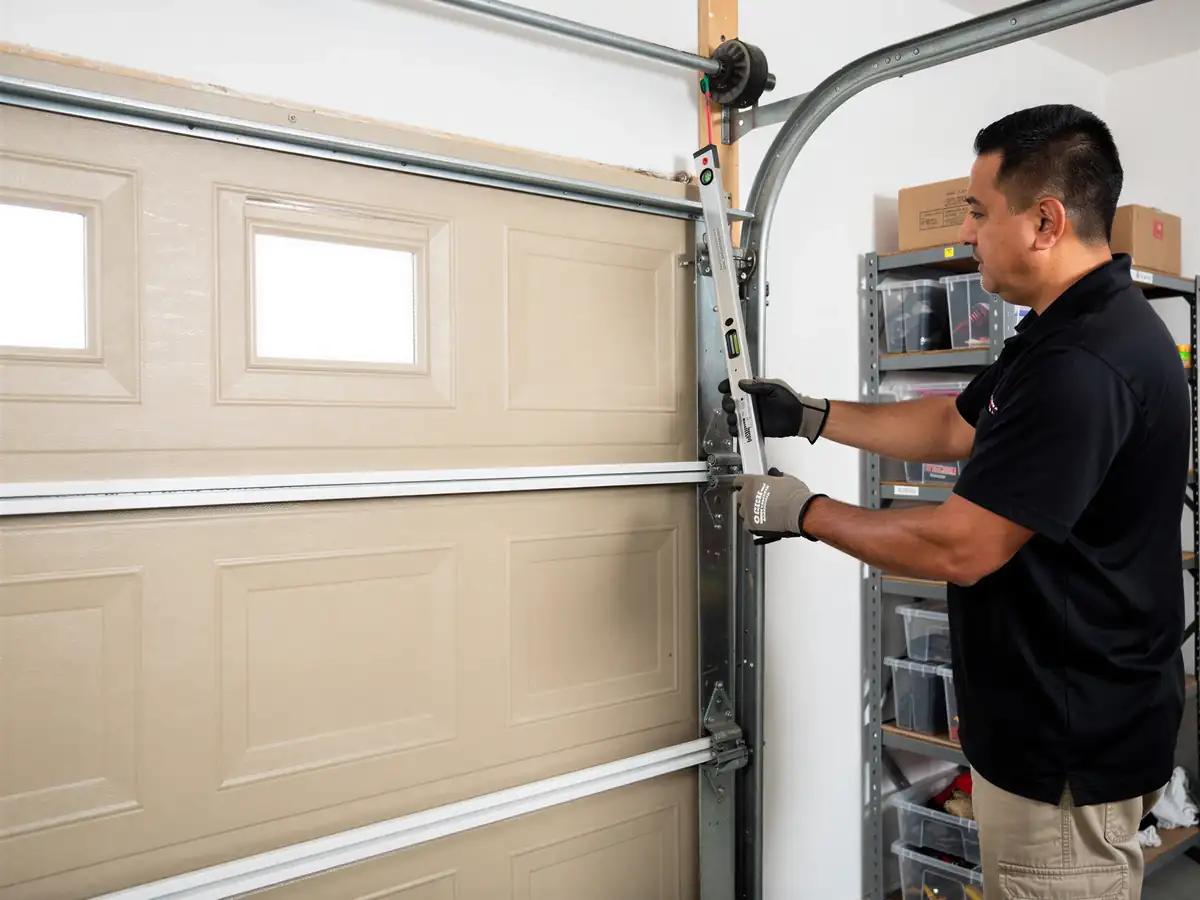
It's what the roller wore out against. Builder-grade track from the mid-90s construction common in Hawthorn Woods wasn't always installed dead plumb, and twenty-plus years of a worn roller grinding against slightly misaligned track leaves a groove. Drop in a new roller and it rides the same groove, wears fast, and you're back here in a year.
Cold weather makes this worse before it gets fixed
In this climate, steel ball bearings stiffen up in a cold garage, and a roller that was marginal in October can seize by January, putting more load on the opener than the track was ever designed to take. If the track shows a visible groove or the door binds getting past roller 3 or 4, that's a track inspection, not just a parts swap - and we'll say so rather than sell you rollers that won't hold.
How It Shows Up
Most Hawthorn Woods calls for this start the same way: a rhythmic squeak or grind that gets louder as the door moves, worse on cold mornings, better once the garage warms up. Some owners notice the door hesitating at the same spot in the track every time - that's usually the worn roller passing the same point, not a random glitch.
A few calls come in after a roller has already split and the door won't move at all, cable jumped or jammed against the drum. That's the one case where waiting costs more: once a roller fails completely, it tends to take the track or the bottom bracket with it, which turns a roller job into a bigger one.