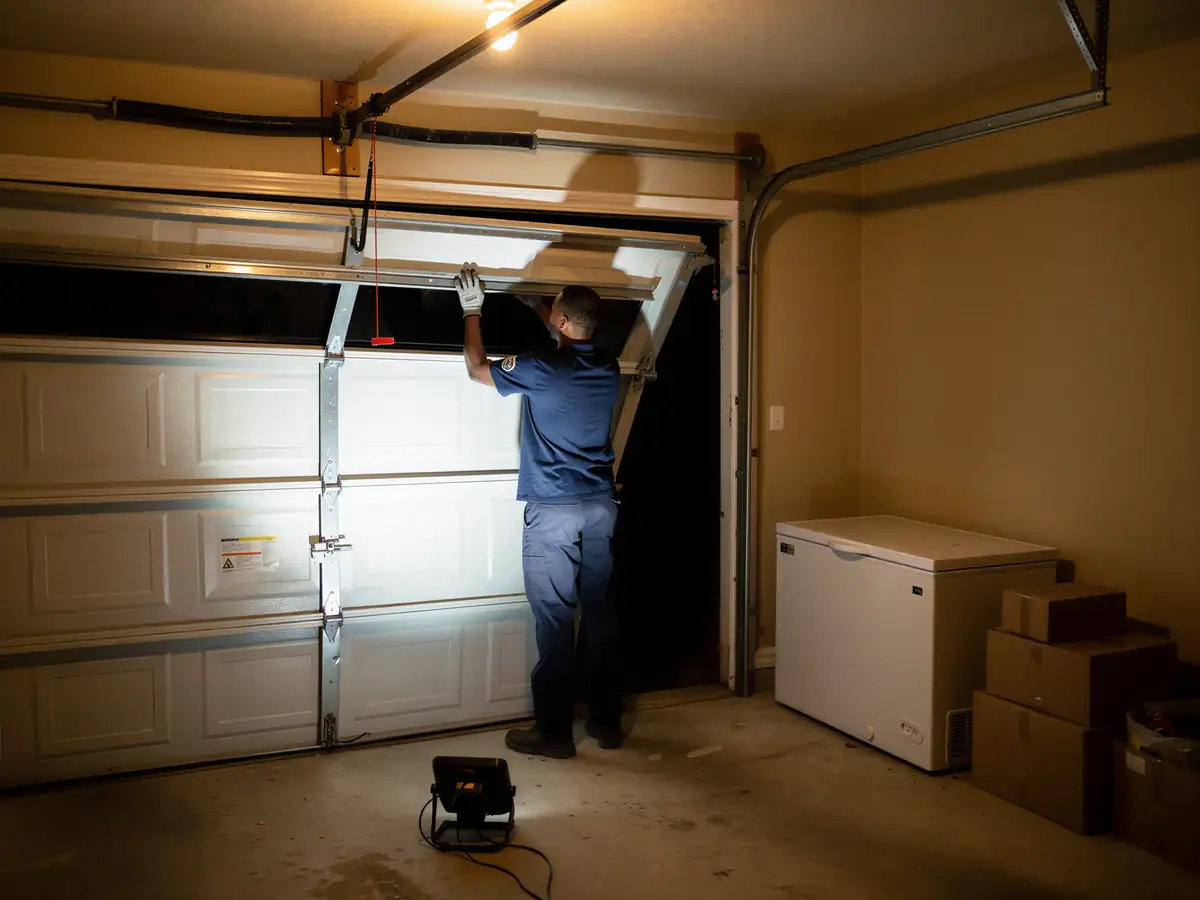
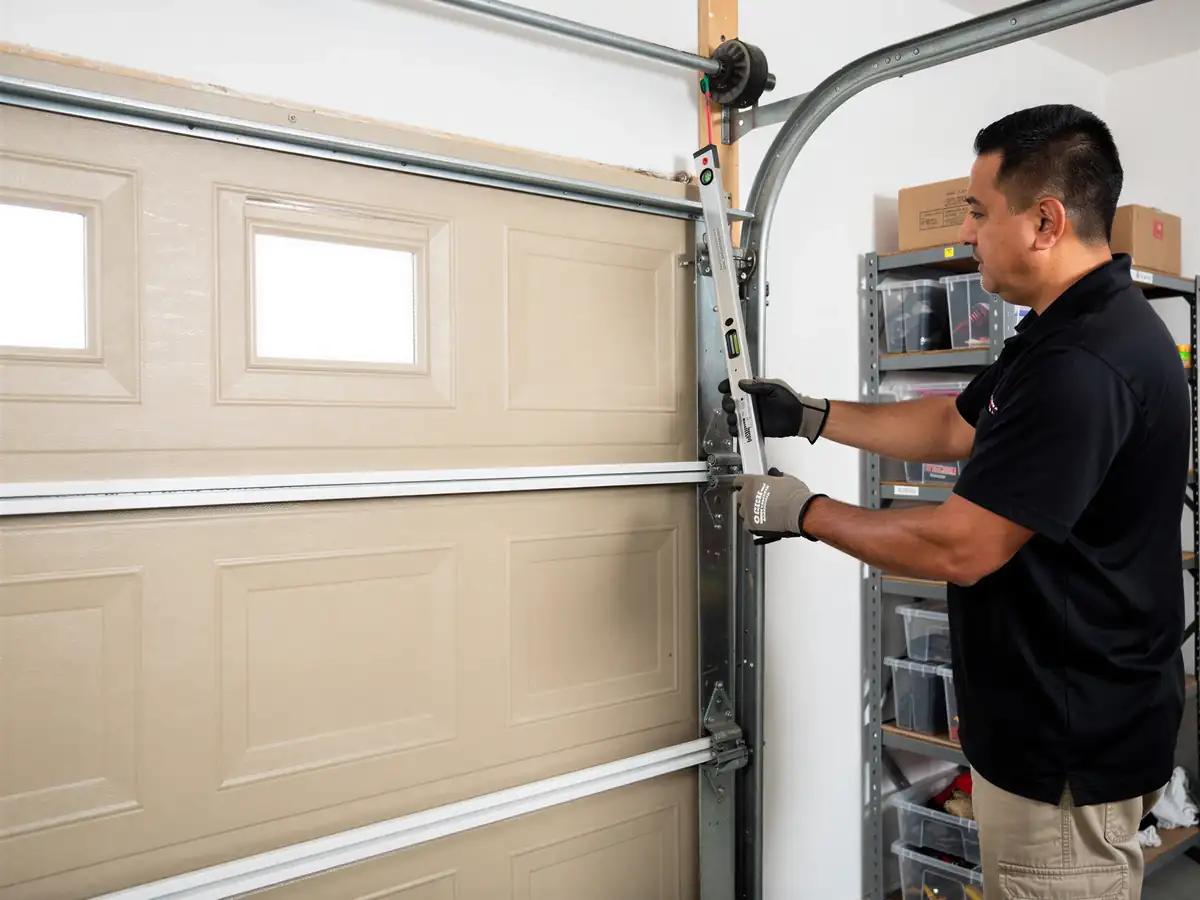
Why This Fails Locally
Hawthorn Woods carries a median household income of $238,114
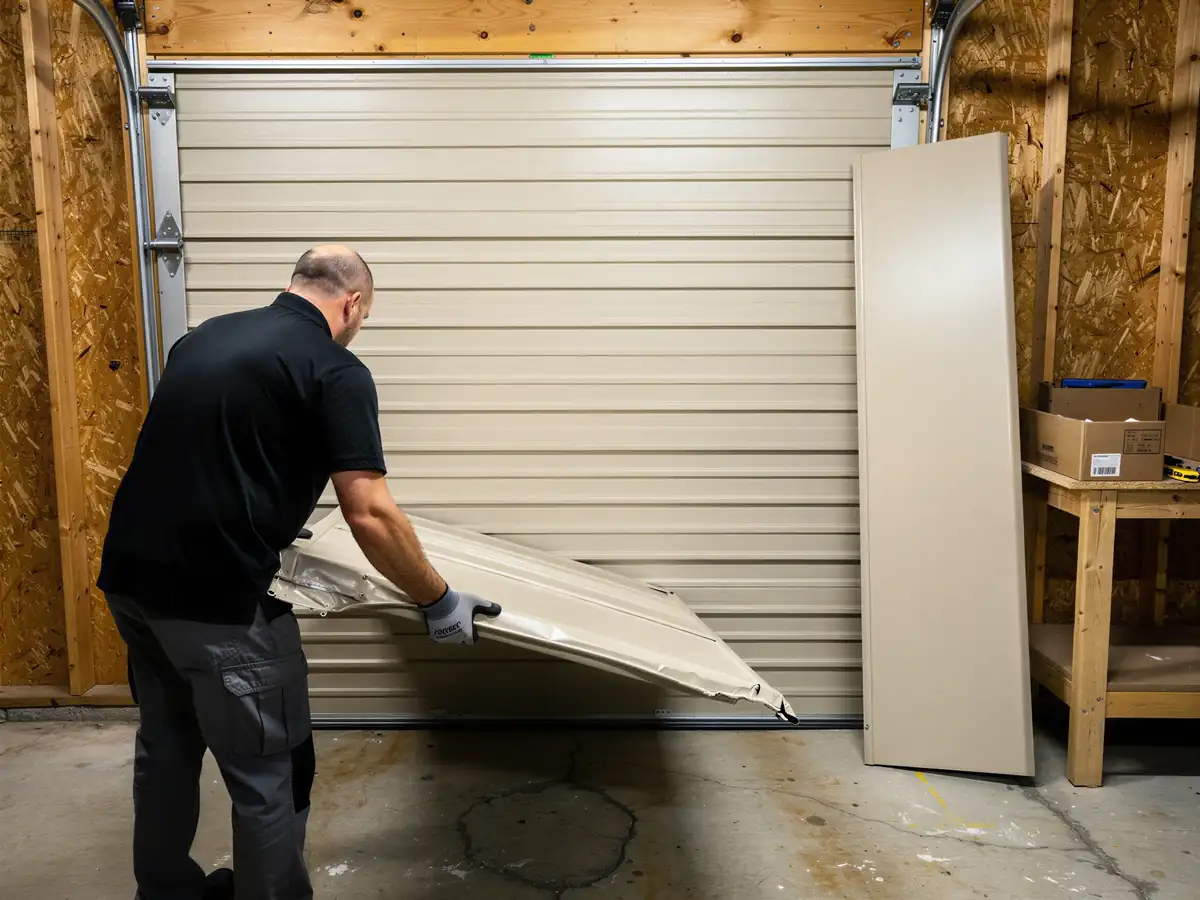
Well above the service area's $121,583 figure. That number matters more than people think, because it moves the repair-or-replace line. On a lower-value house, a cracked panel or a dead opener board sometimes isn't worth fixing. Here, it almost always is - the door is one piece of a house that's worth protecting, and a $300 spring job beats a $1,800 replacement nearly every time, even on a nicer door.
The other number that matters is the build year
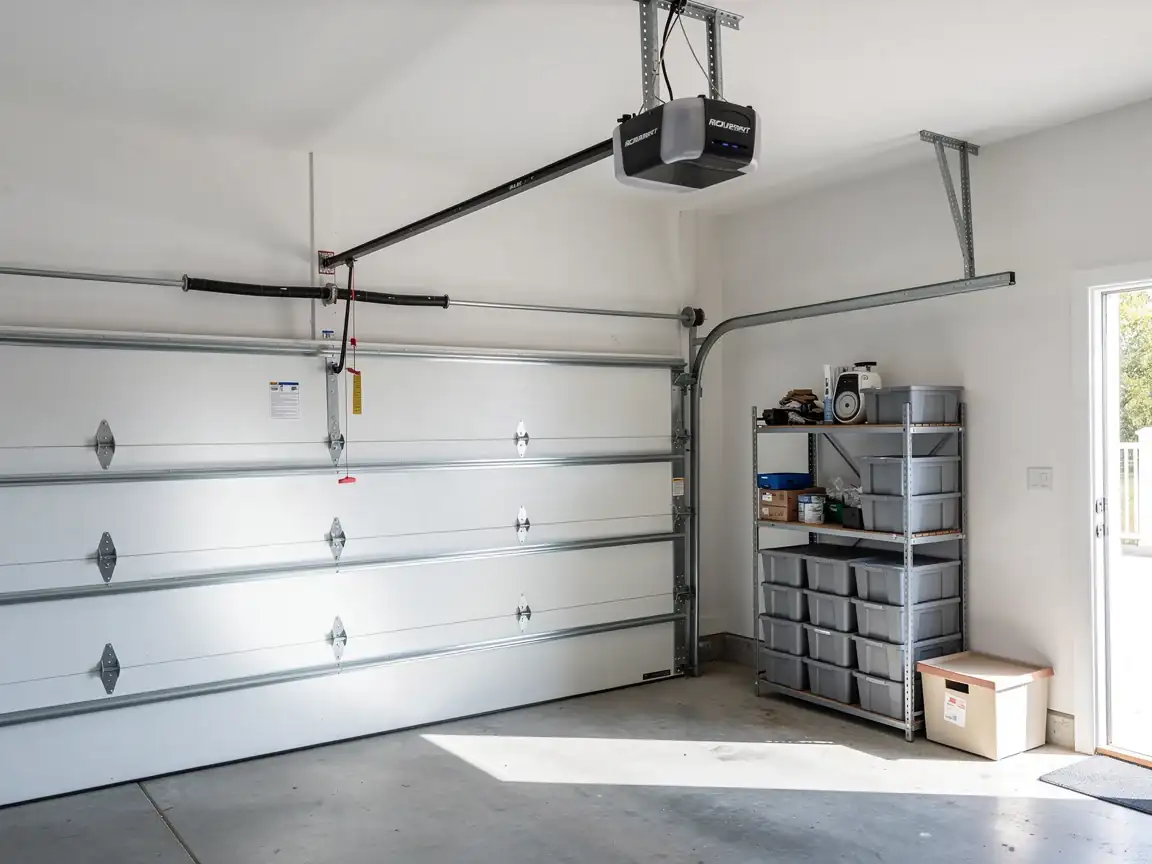
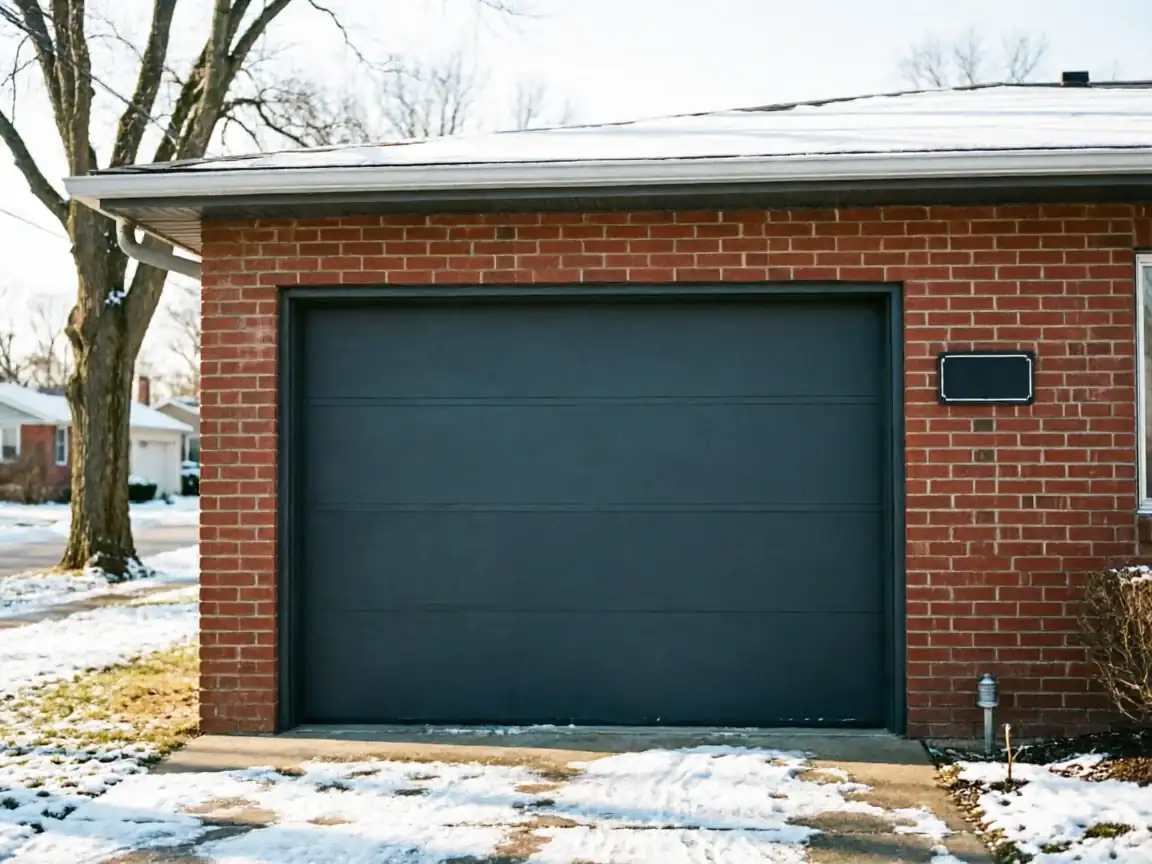
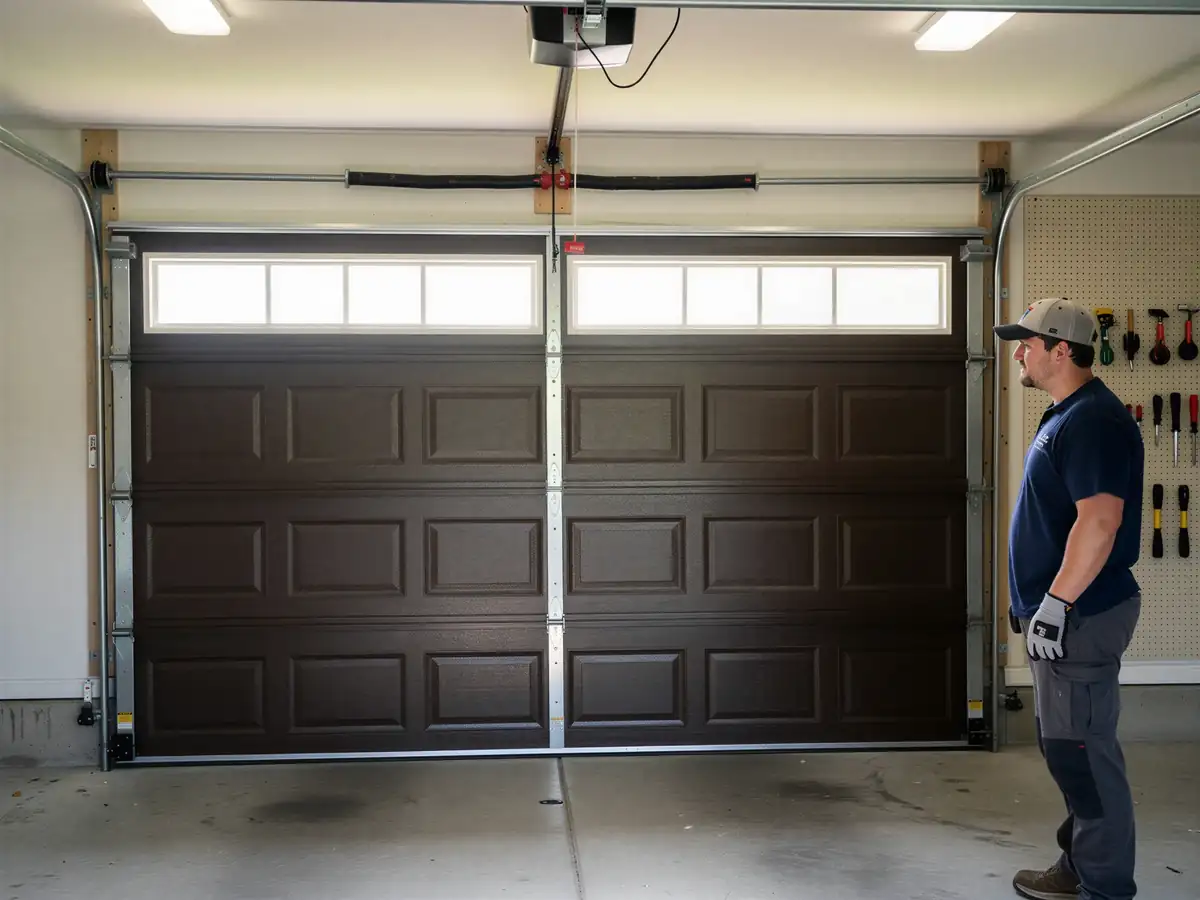
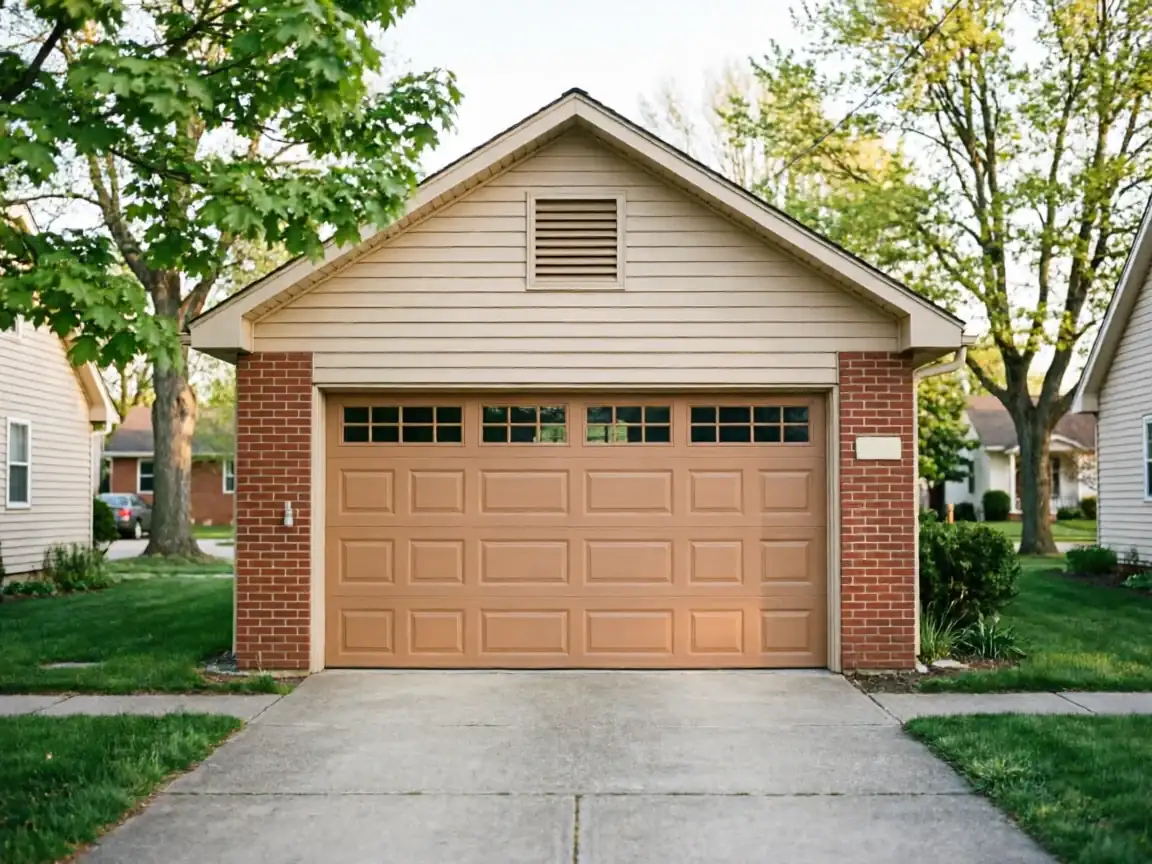
Most of Hawthorn Woods went up around 1996, a decade and more after the service area's overall median year of 1985. That gap changes what's actually failing. You're less likely to find the original one-piece doors some older towns still carry, and more likely to find early torsion-spring setups on steel raised-panel doors, paired with chain-drive openers that were standard builder equipment through the late '90s. Those openers are reaching the age where circuit boards and logic boards go before anything else does, and the springs on a 1996 door have usually already cycled through one replacement by now, maybe two.
Parts We Carry
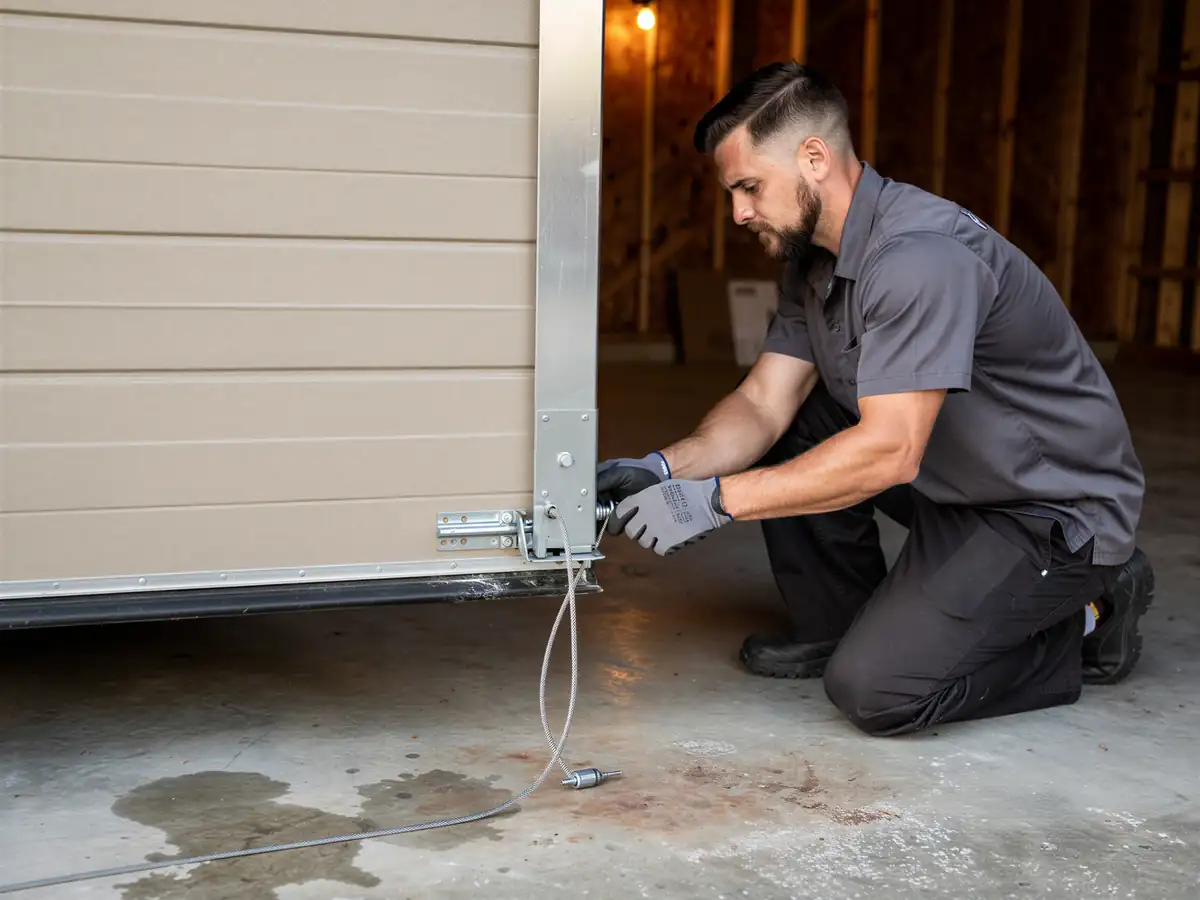
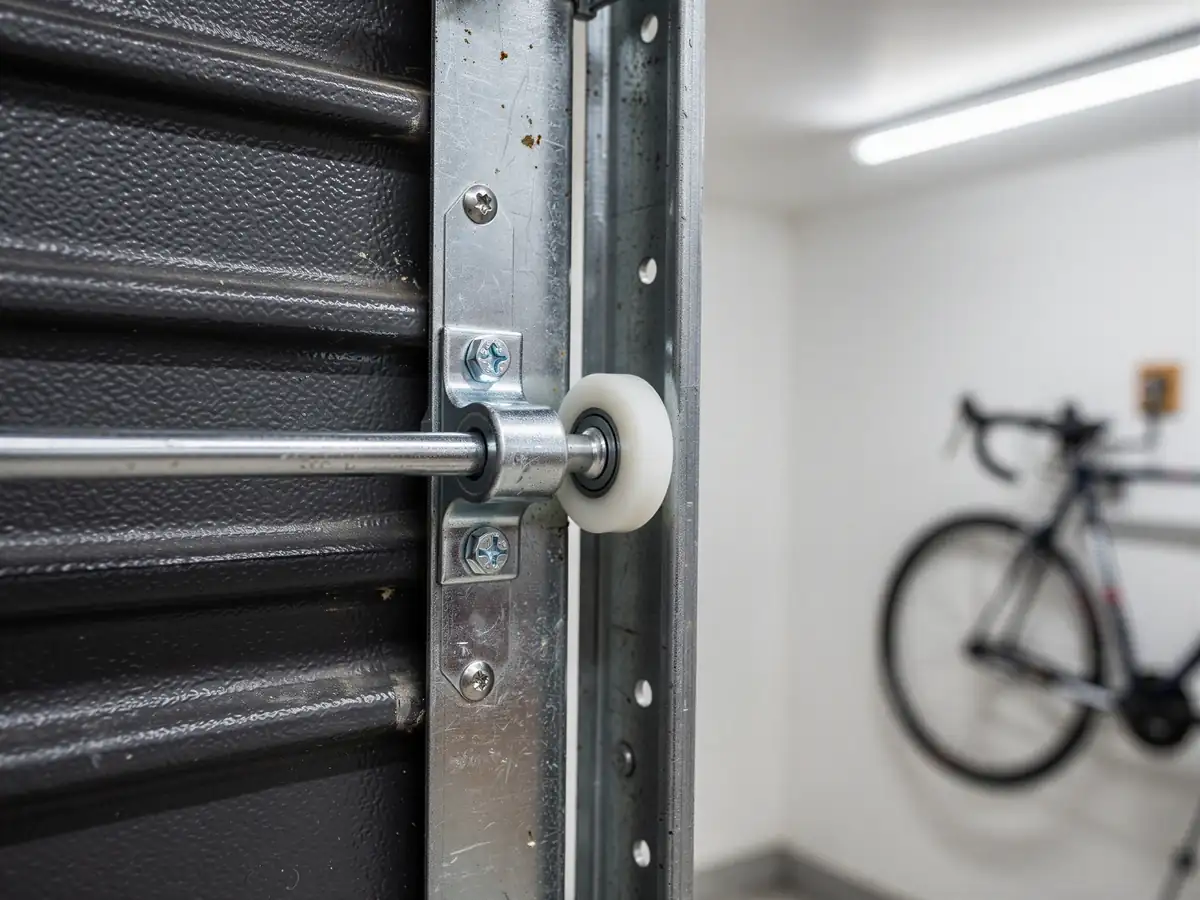
For a town built out through the mid-to-late 1990s, the hardware is fairly consistent: torsion springs sized for a two-car steel door, extension springs with safety cables on the older end of that window, and chain-drive openers that take a standard circuit board swap rather than a full unit replacement. We carry rollers - nylon has mostly replaced steel on doors this age - along with cables, hinges, and the sensor brackets that get knocked out of alignment more than people expect.
We don't stock every opener logic board on the truck for every possible brand. If your opener is an odd model or something installed outside the builder-grade run common to this era, that part sometimes has to be ordered, and that's a lead time we can't shorten. We'll tell you straight if that's the case before we start the job, not after.
Can You Do This Yourself
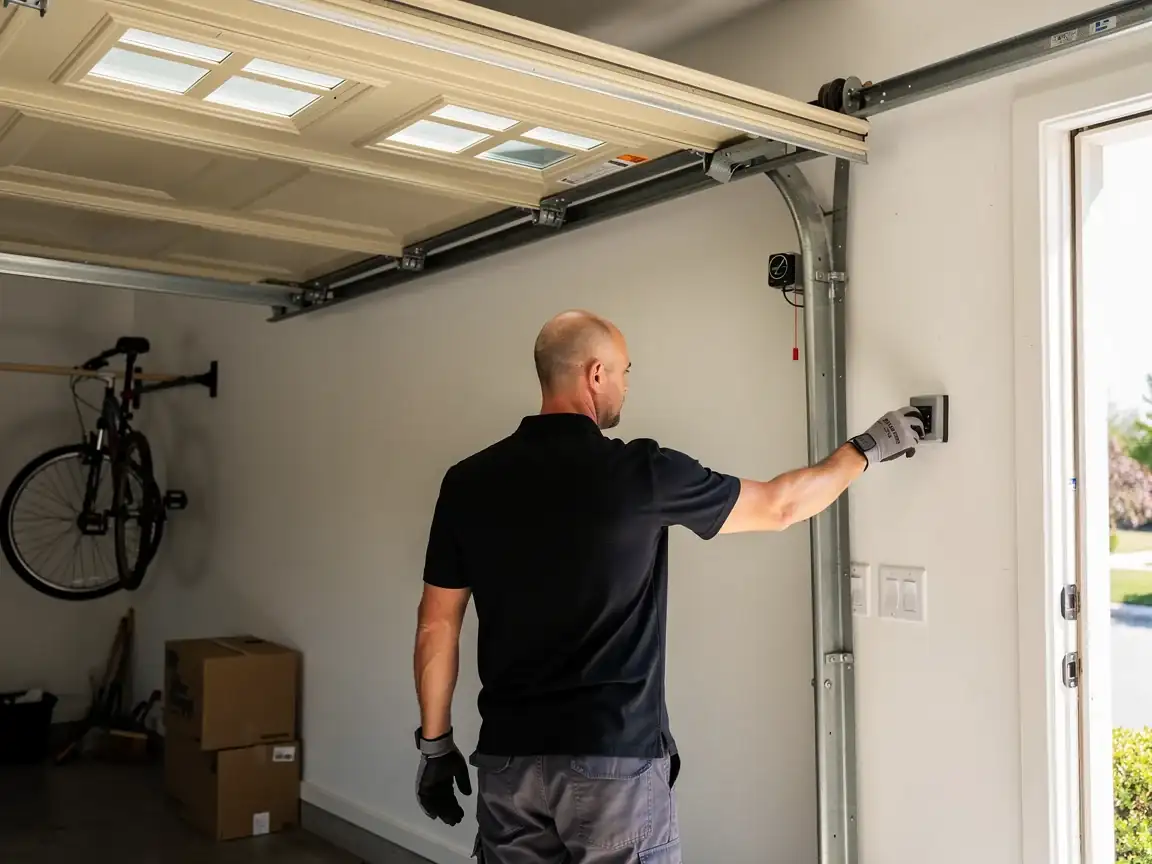
Swapping a roller or tightening a loose hinge is reasonable weekend work if you're comfortable on a ladder. Realigning a safety sensor is usually a five-minute fix once you know what you're looking at. Replacing a chain-drive opener's circuit board is doable for someone handy, provided the unit is unplugged and you're working from the manual.
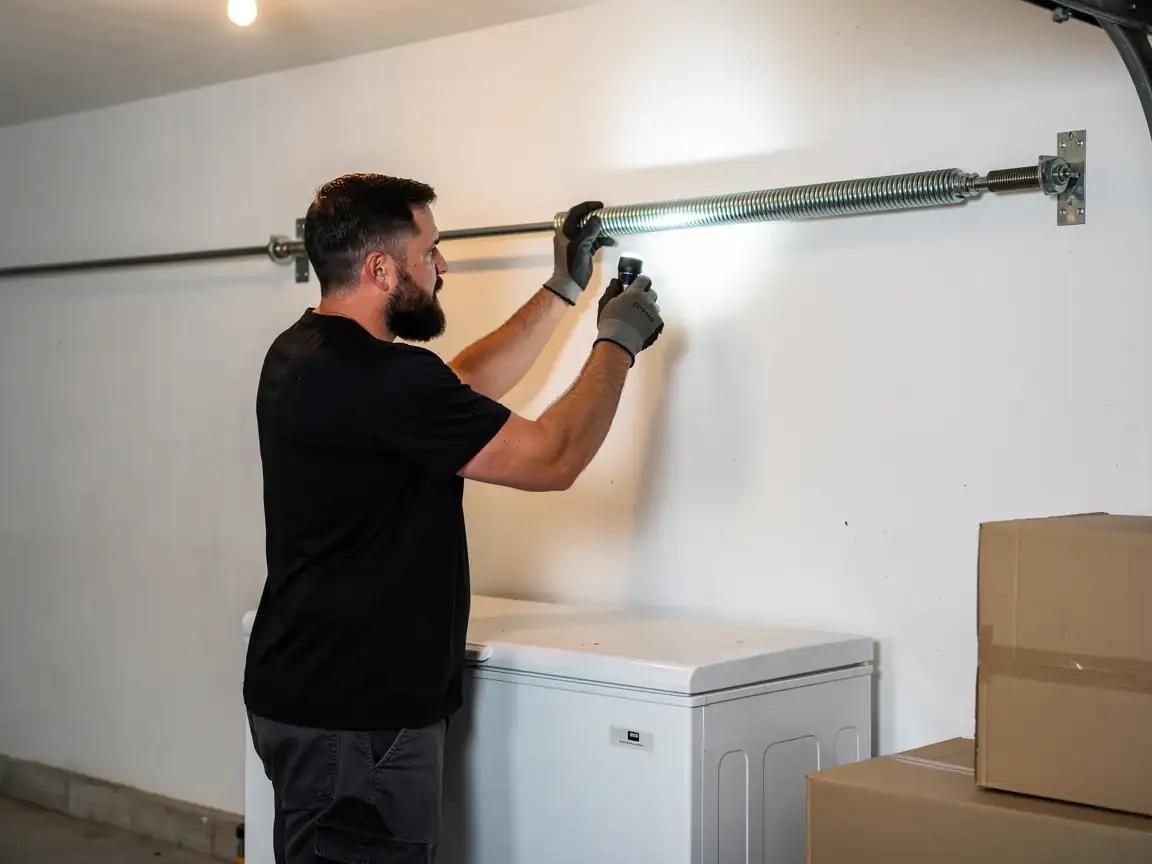
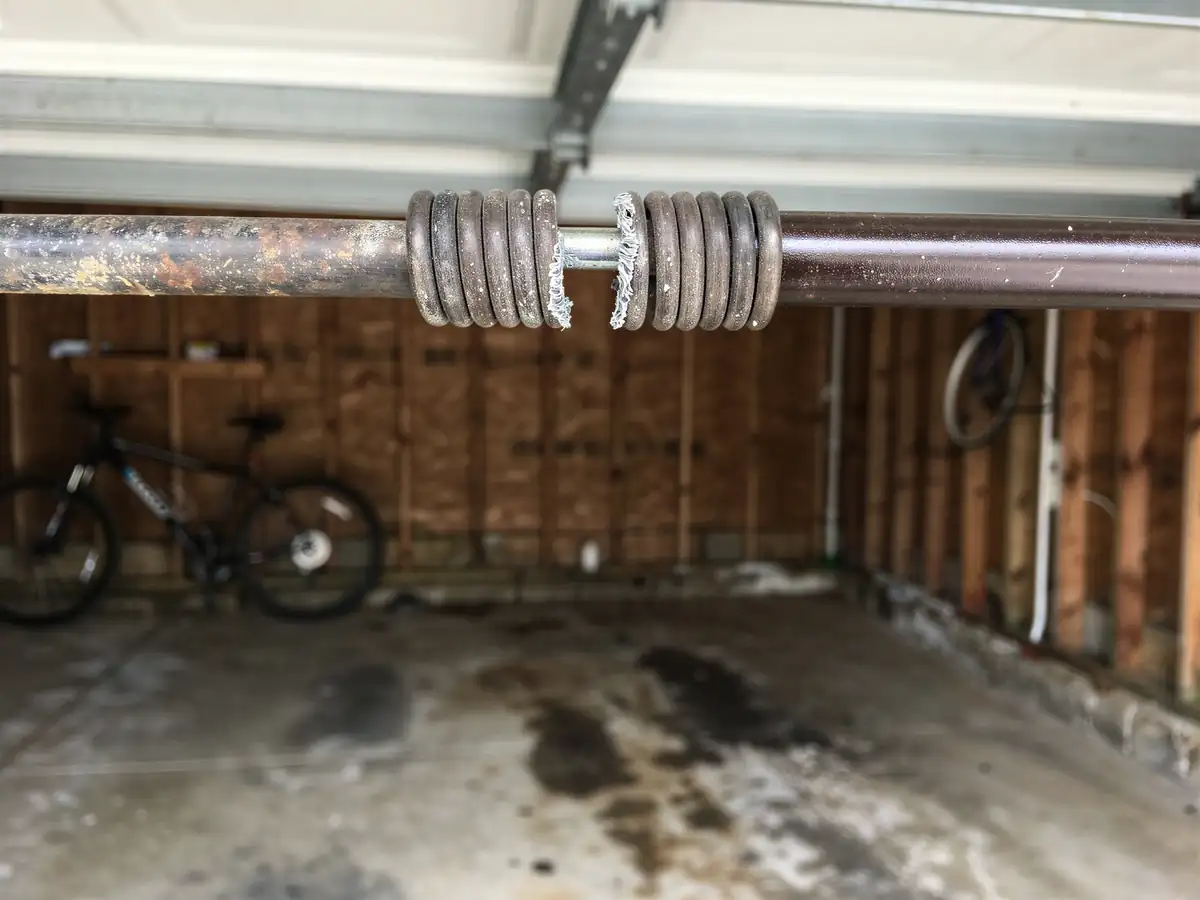
The spring is the one place we tell people to stop. A torsion spring on a double door, wound to lift a few hundred pounds, has enough stored force to break a wrist or worse if the winding bar slips. That's true whether the door is from 1975 or 1996. We'd rather lose the small job than have you lose a finger on it.
Where This Job Goes Sideways
At 3 miles from Lake Zurich, we're not guessing about drive time
And that distance means a truck can roll out with the parts for this door era already on it rather than making a second trip. The complication isn't the distance - it's the mismatch between an opener's age and its safety hardware. A chain-drive unit from the late '90s sometimes predates the auto-reverse sensor standard that's now code, and pairing an old opener head with new sensor brackets can leave wiring that looks connected but isn't actually completing the safety circuit. That's an easy thing to miss on a quick look and a bad thing to miss on a door with kids or pets around it.
- 3 miles
With only 3,007 households in Hawthorn Woods
This isn't a town where every garage door brand and vintage turns up on a given week. The stock here clusters tightly around one window of builder-grade doors and openers, which actually makes diagnosis faster once you know the pattern - but it also means a repair tech used to a wider mix of ages can misjudge a job that looks newer than it behaves.
- 3,007 households
How It Shows Up
The most common call here is a door that reverses halfway up or won't close on the first try - usually a sensor alignment issue on an opener that's old enough to have been bumped or jostled a few times over nearly three decades. Close behind that is a spring that's gone quiet instead of loud: no bang, just a door that suddenly feels twice as heavy to lift by hand.
The cold moderate climate here cycles steel doors through the same freeze-thaw stress as the rest of the service area, but on a door that's only run about 25 to 30 winters instead of 40. That means the wear shows up a bit later than in older towns nearby, but it still shows up - cables fraying at the drum, rollers going flat-sided, and track brackets working loose from years of seasonal expansion and contraction.