What the Repair Takes
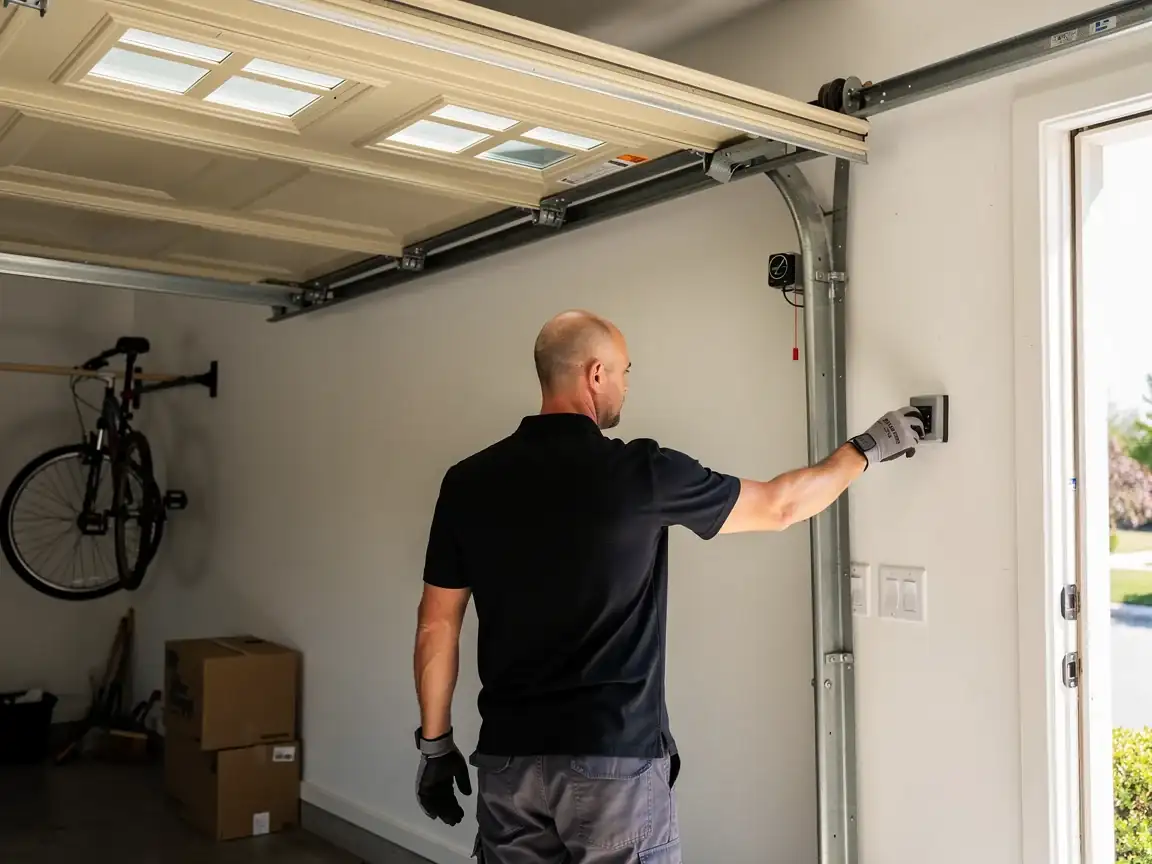
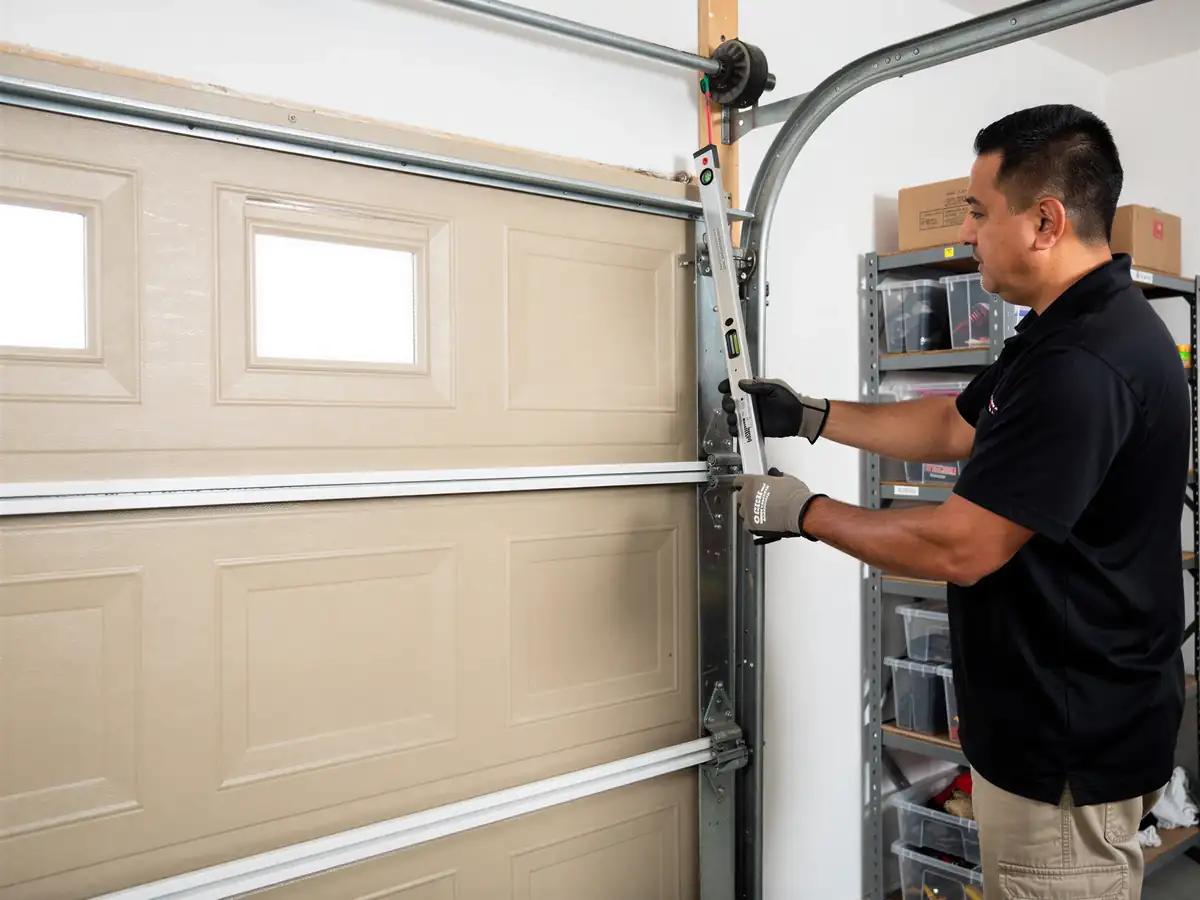
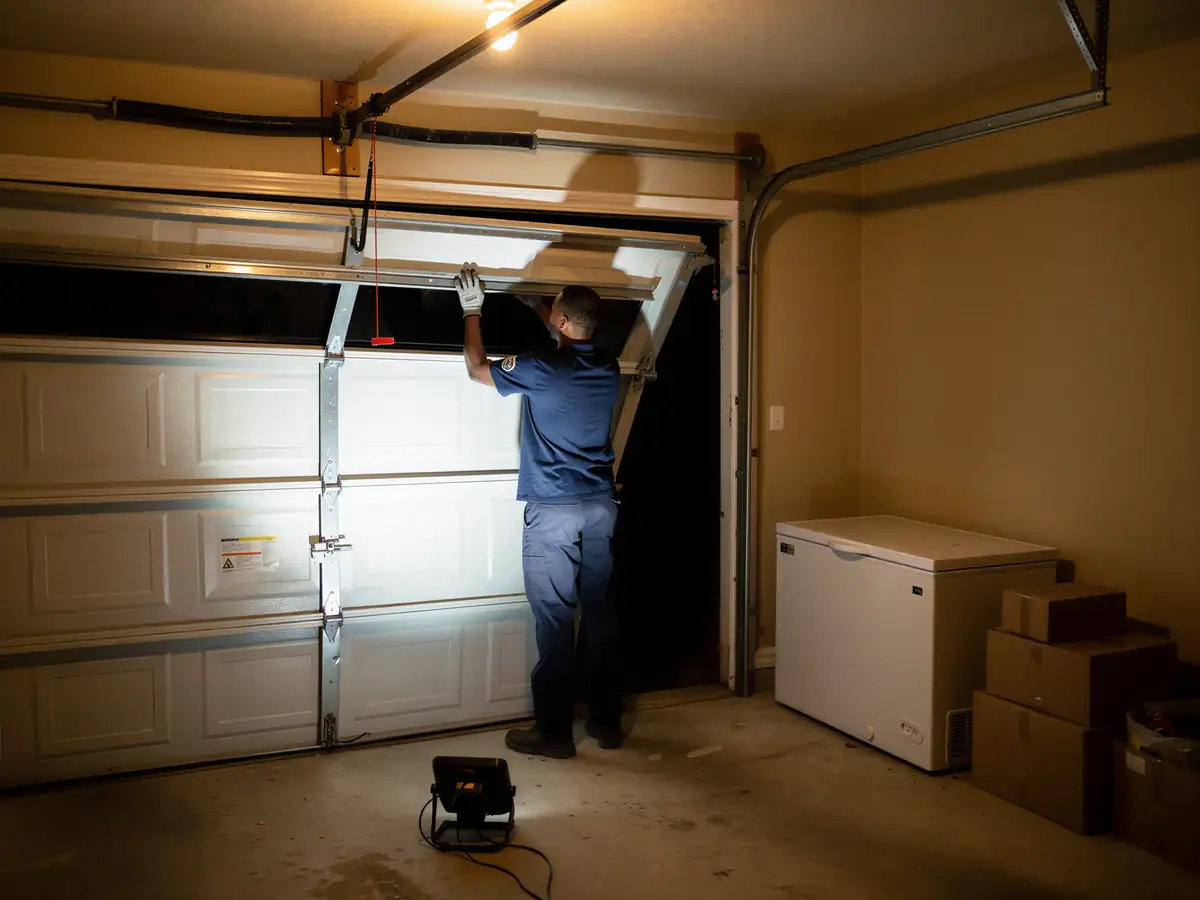
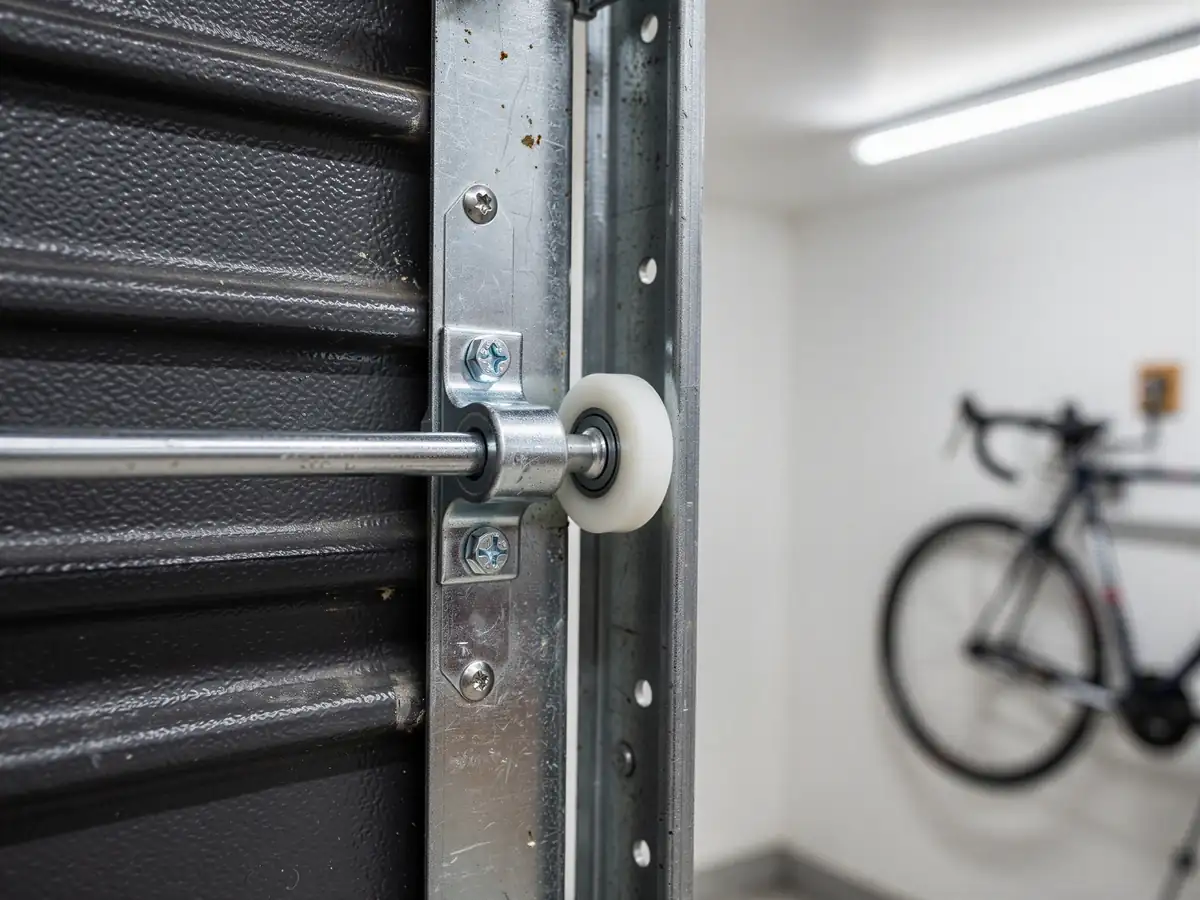
Roller replacement is mechanical, not electrical - the opener doesn't care which bearing sits in the track, so this is a hardware swap: pull the old rollers out of the hinges one at a time, usually with the door propped open, and press new sealed-bearing rollers into those same hinges. On a home from Libertyville's 1976 median build year, that usually means pairing new rollers with tracks that have taken roughly four decades of thermal cycling - this area sits in a cold climate band, and steel expands and contracts enough over that many winters to leave tracks slightly out of true. A straight roller swap in a straight track is one visit, start to finish. A swap where the track's picked up a kink from repeated cold snaps takes longer, because you're adjusting track brackets along with the rollers, not just popping parts in and out.
Where This Job Goes Sideways
The trouble usually isn't the roller - it's what the roller's been riding in. On houses built around 1976, you'll find galvanized track that was fine for the original steel rollers but wasn't drilled for a heavier-gauge nylon roller, so the new one doesn't sit flush and binds a quarter-inch in. That shows up as a grinding noise that wasn't there before the fix, and it means pulling the new roller back out to shim or re-set the bracket. The other sideways turn is hinges: a roller can look fine while the hinge pin underneath has worn oval, so the new roller wobbles in a hole that's no longer round. Replacing the roller alone won't fix that; the hinge comes with it. Neither problem is universal, but they're common enough in a town where a lot of doors are pushing fifty years old that we check hinge pin wear before quoting a roller-only job, not after.
Can You Do This Yourself
Rollers are one of the few garage door parts a careful homeowner can tackle without real risk, as long as you're not touching the springs. Swap one roller at a time, keep the door propped, and you're dealing with a part under far less tension than a cable or a torsion spring. Where it gets harder in a town like Libertyville is the track work that often comes with it - if decades of cold winters have put a kink in the track, straightening it without the right clamps can pull the whole rail out of alignment, and that turns a cheap part into a bent-track repair. If your rollers are just worn and the door runs quiet and straight otherwise, this is a reasonable DIY afternoon. If the door's been grinding or jumping the track, that's a sign the hardware around the roller needs eyes on it first.