What the Repair Takes
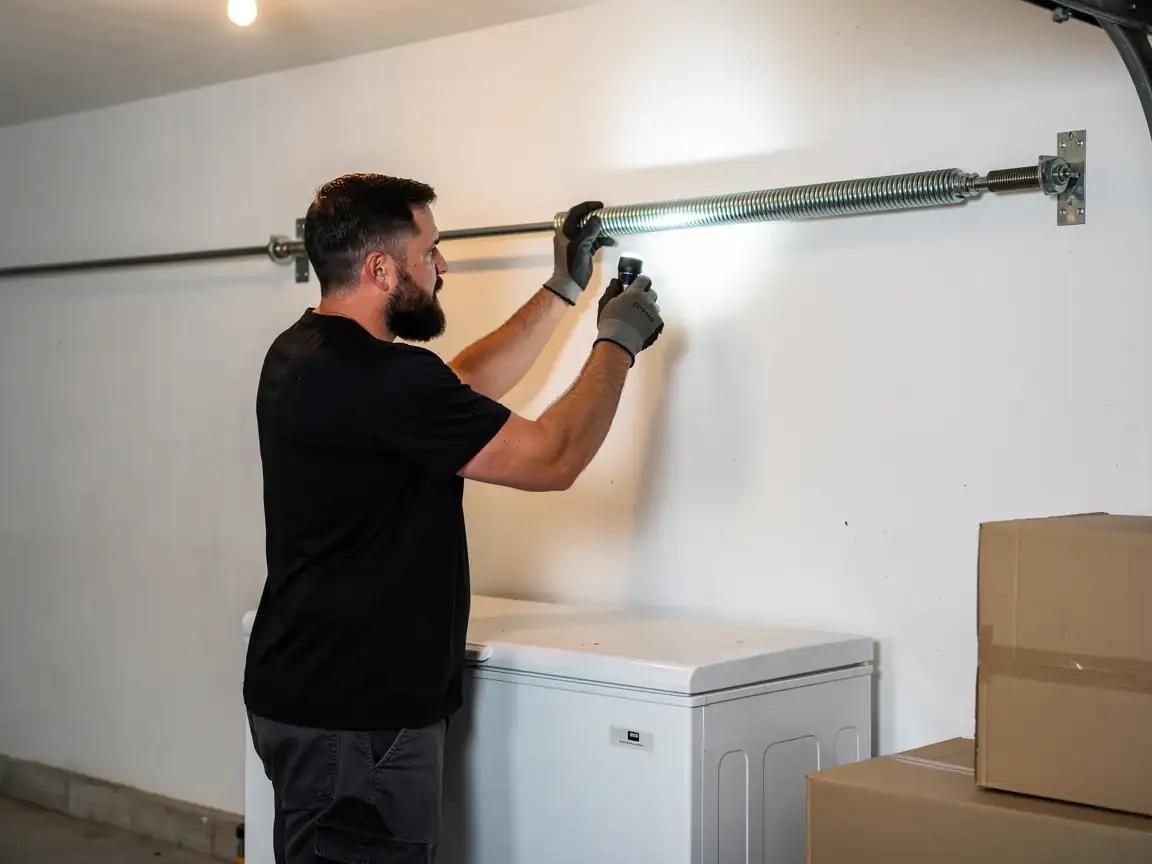
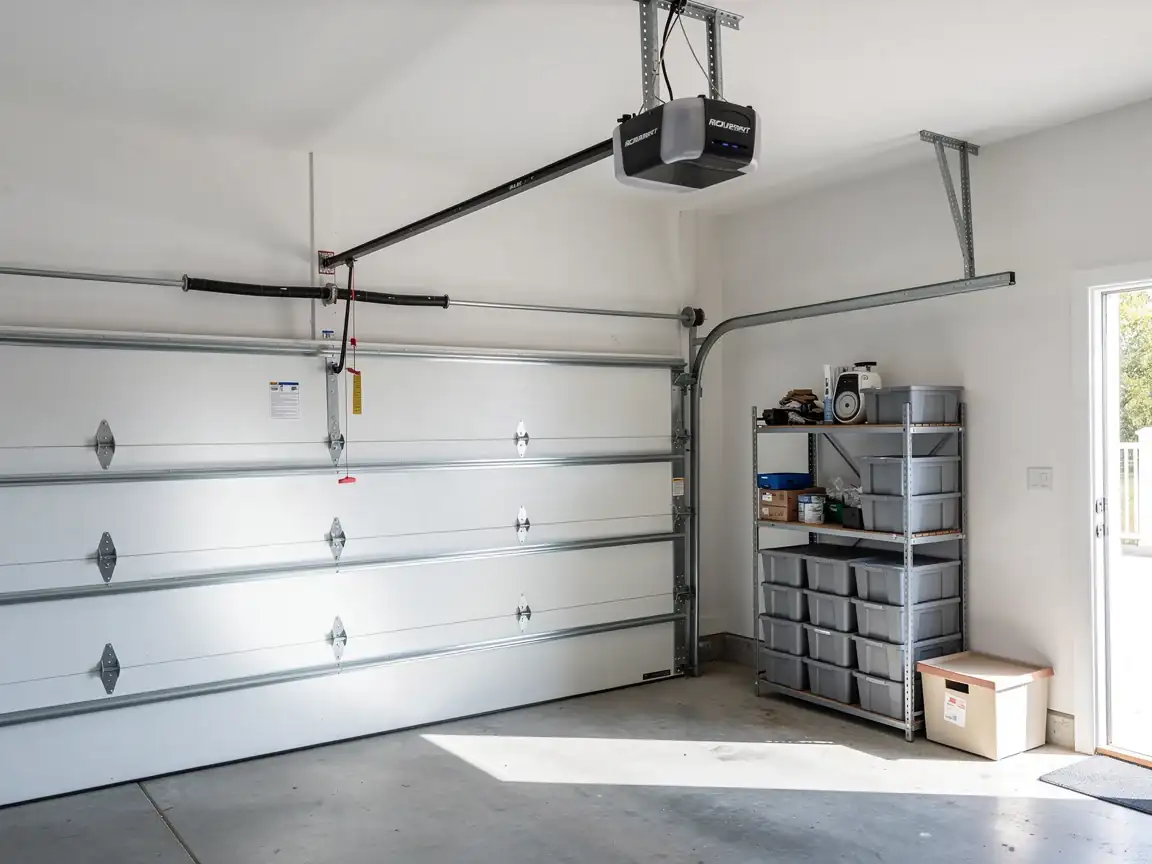
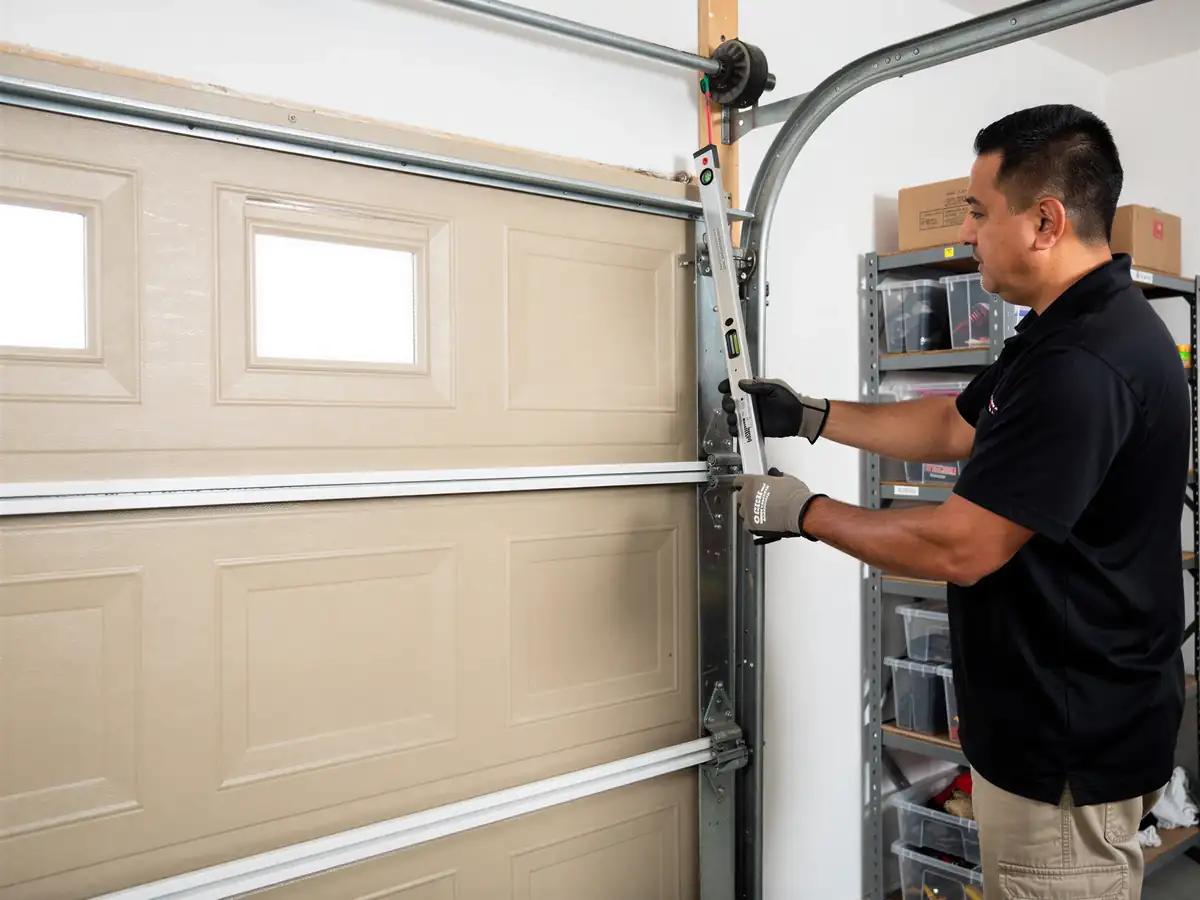
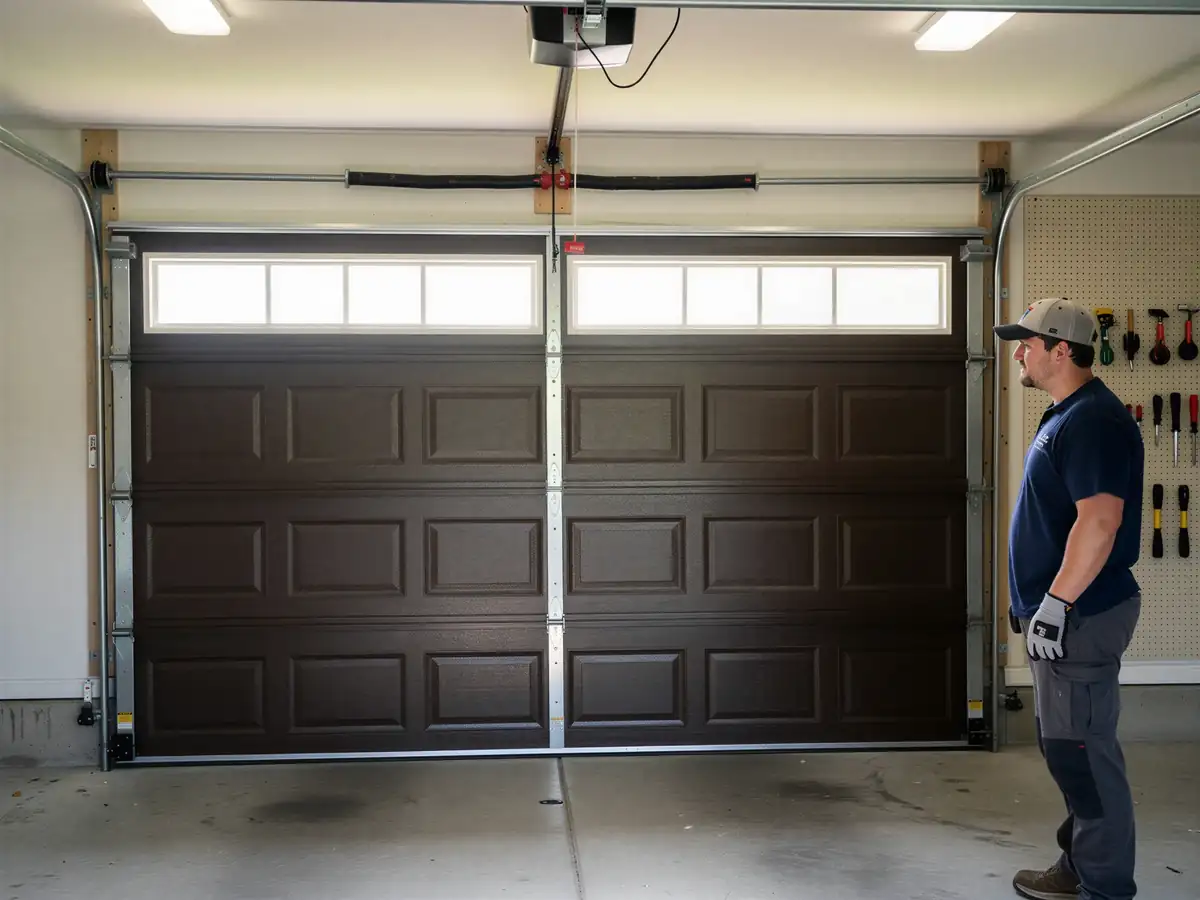
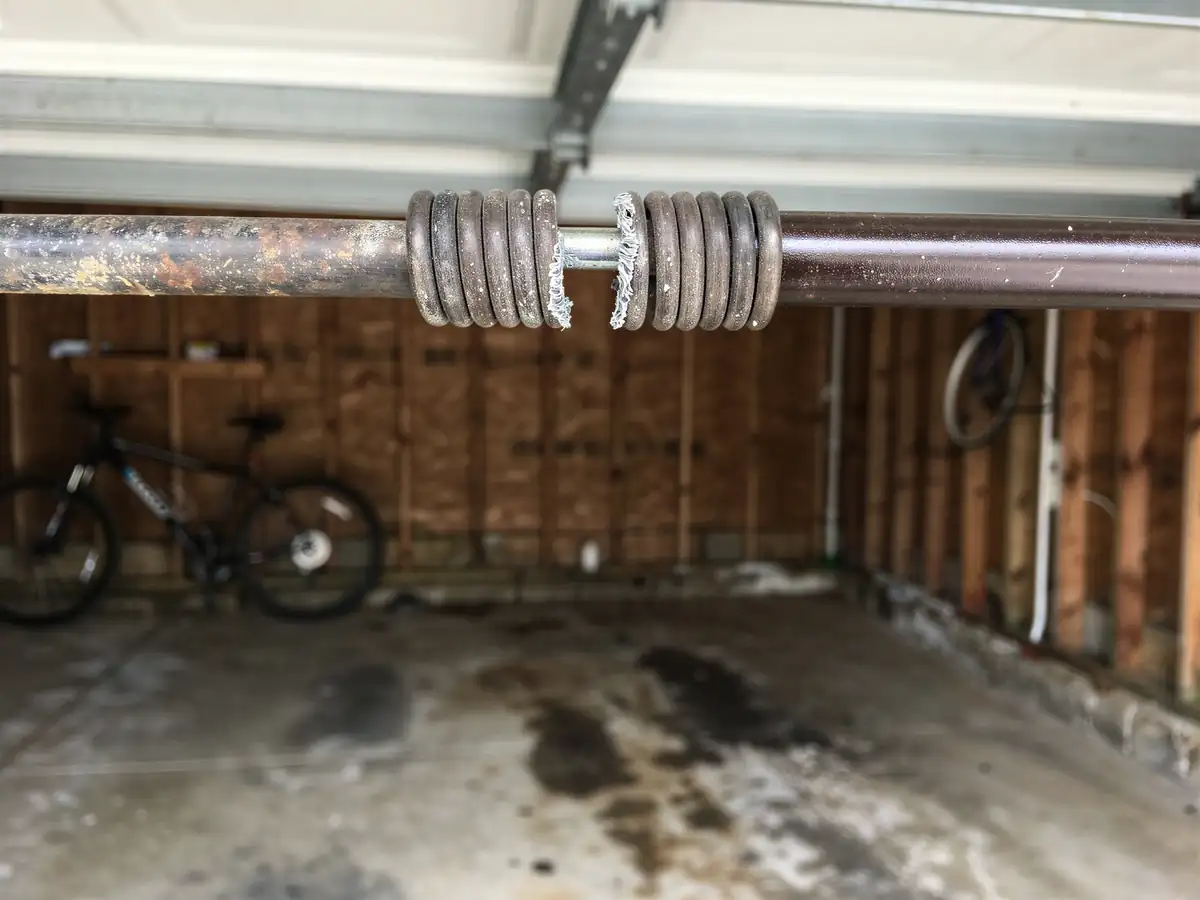
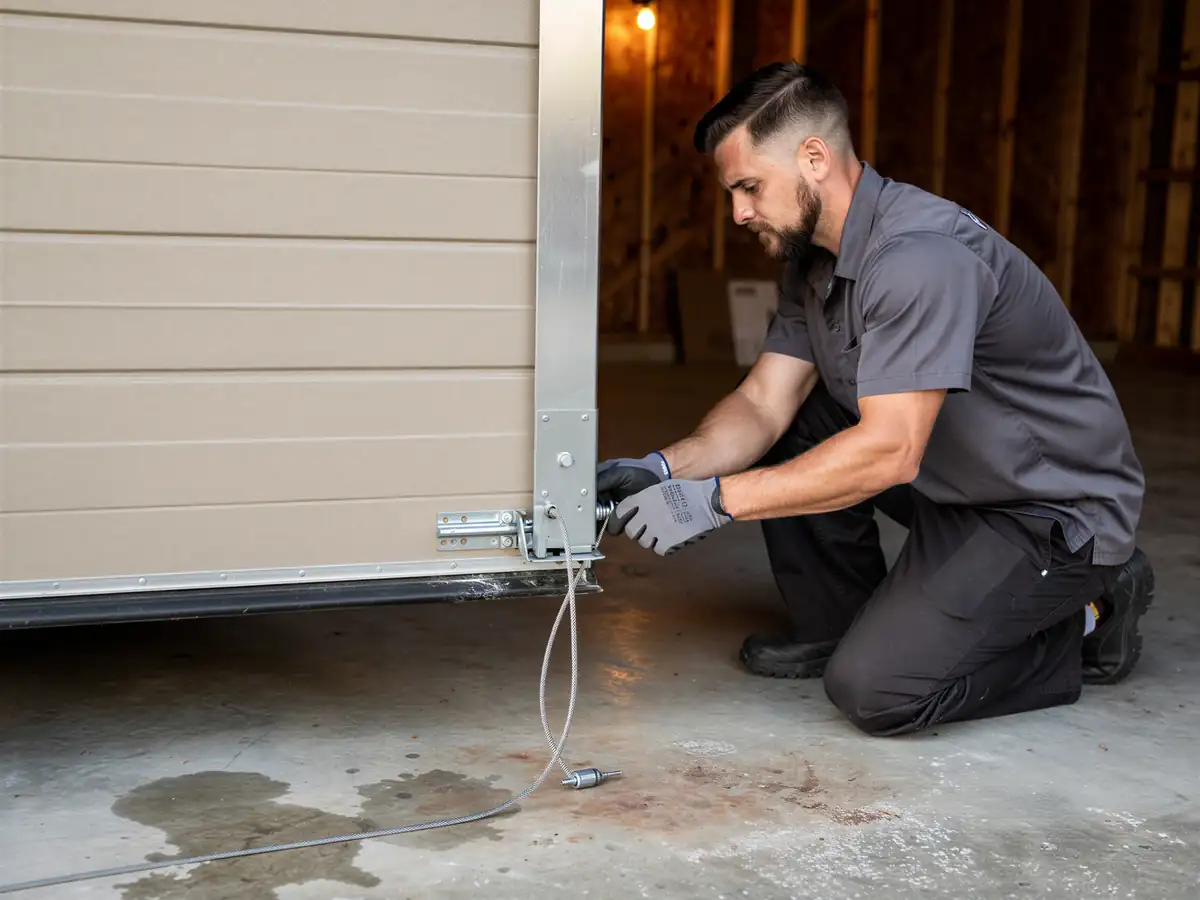
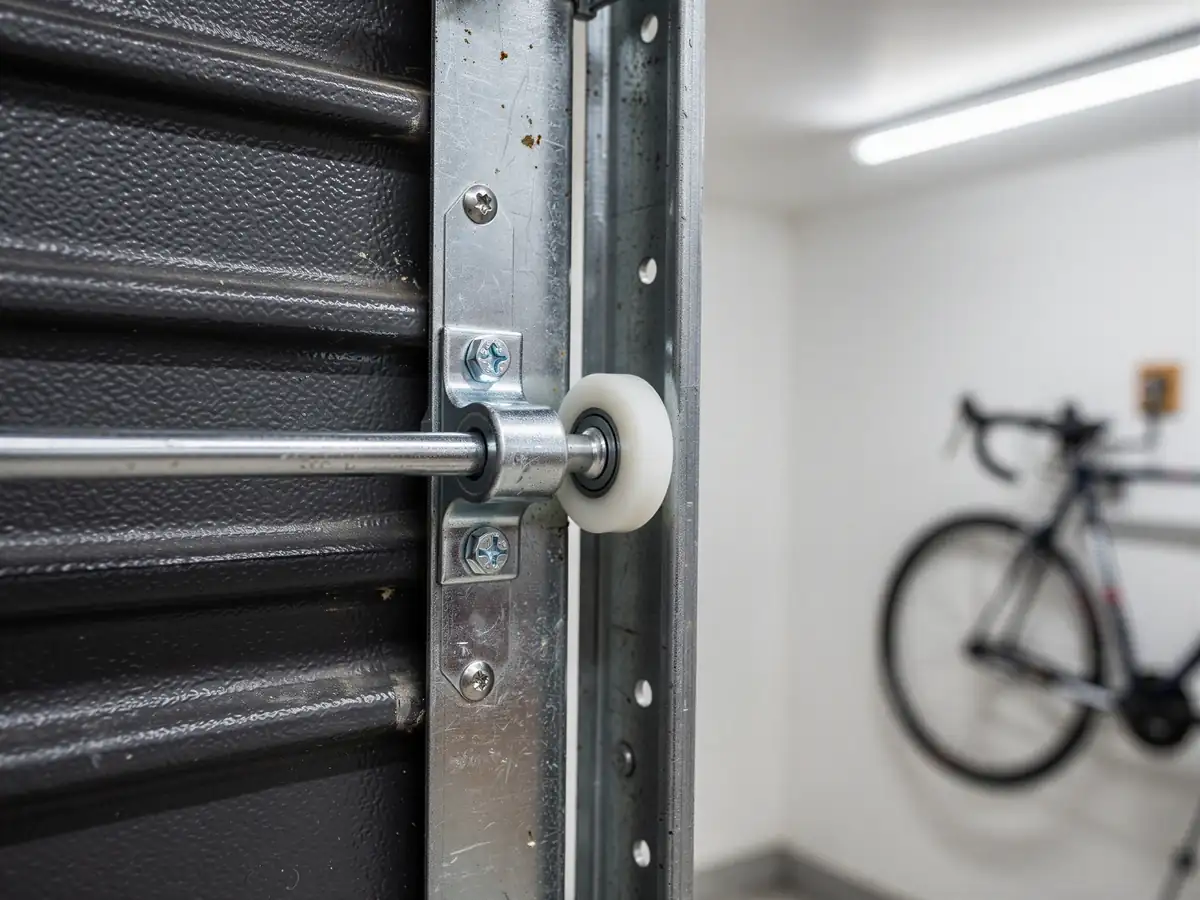
On a 1976-built house, the most common emergency call is a torsion spring that's reached the end of its cycle count - these doors have had roughly five decades to accumulate wear, and a lot of them are still running on the spring that came with the house. Extension-spring setups, more common toward the earlier end of that build window, fail differently: the cable frays at the pulley, or the safety cable (if one was ever added) is missing entirely. A tech carries a range of spring sizes because guessing wrong on a torsion spring means the door won't balance, and an unbalanced door burns out an opener fast. Cables, rollers, and the bottom bracket get checked in the same visit, since a spring failure often takes something else down with it.
Where This Job Goes Sideways
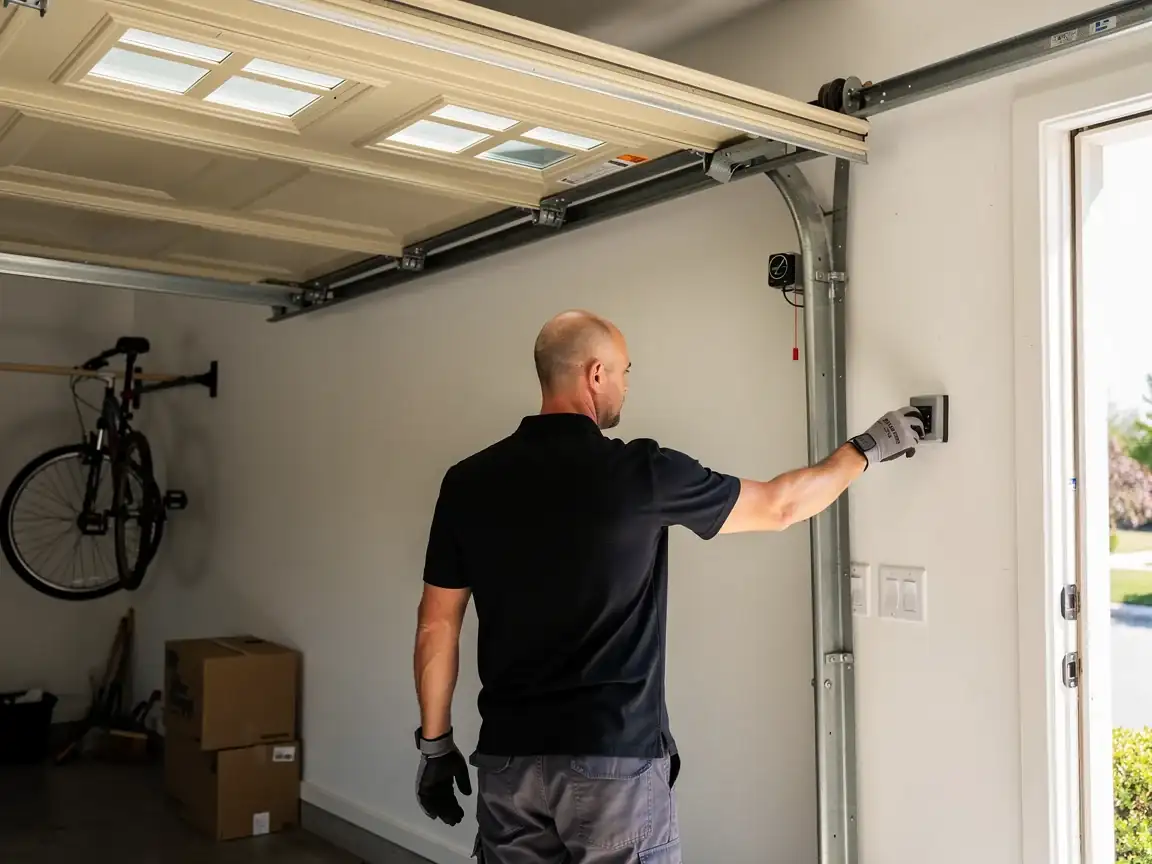
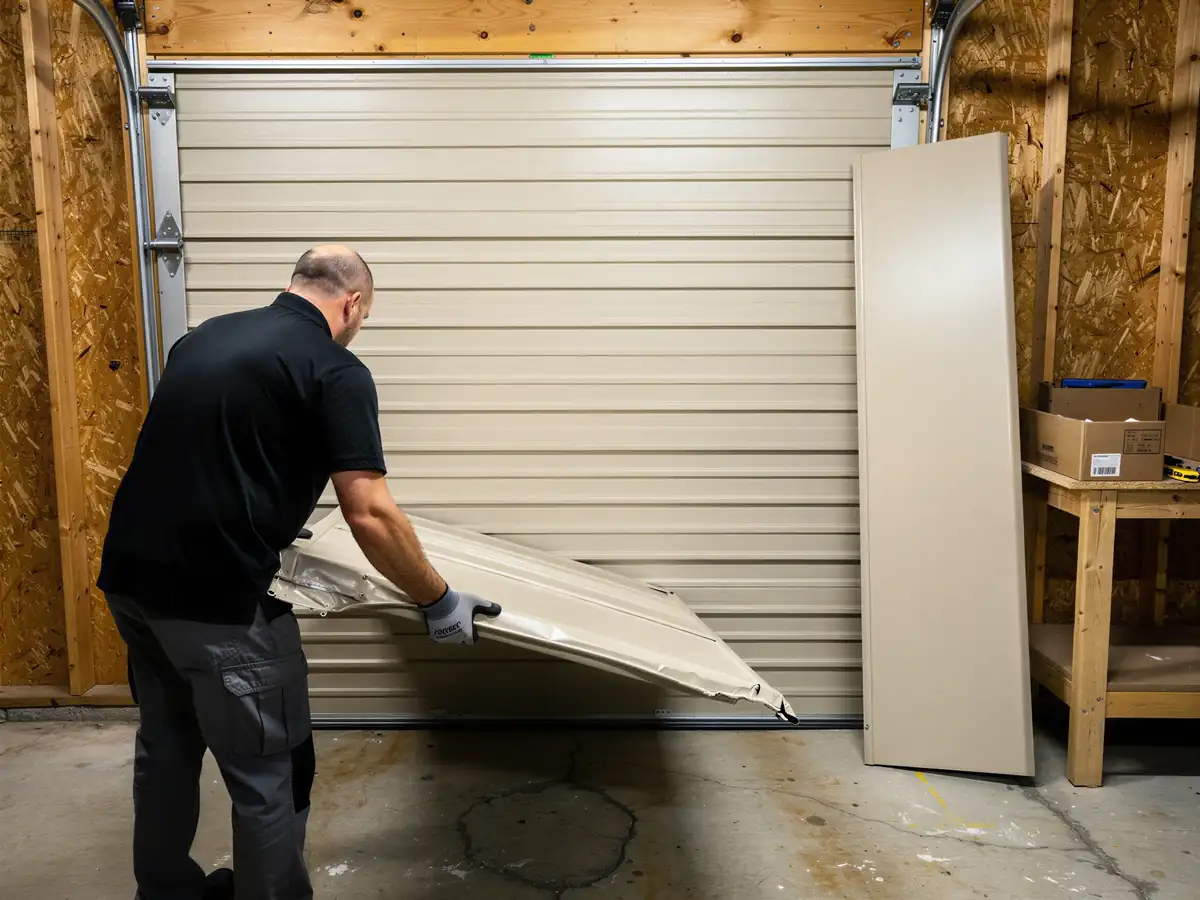
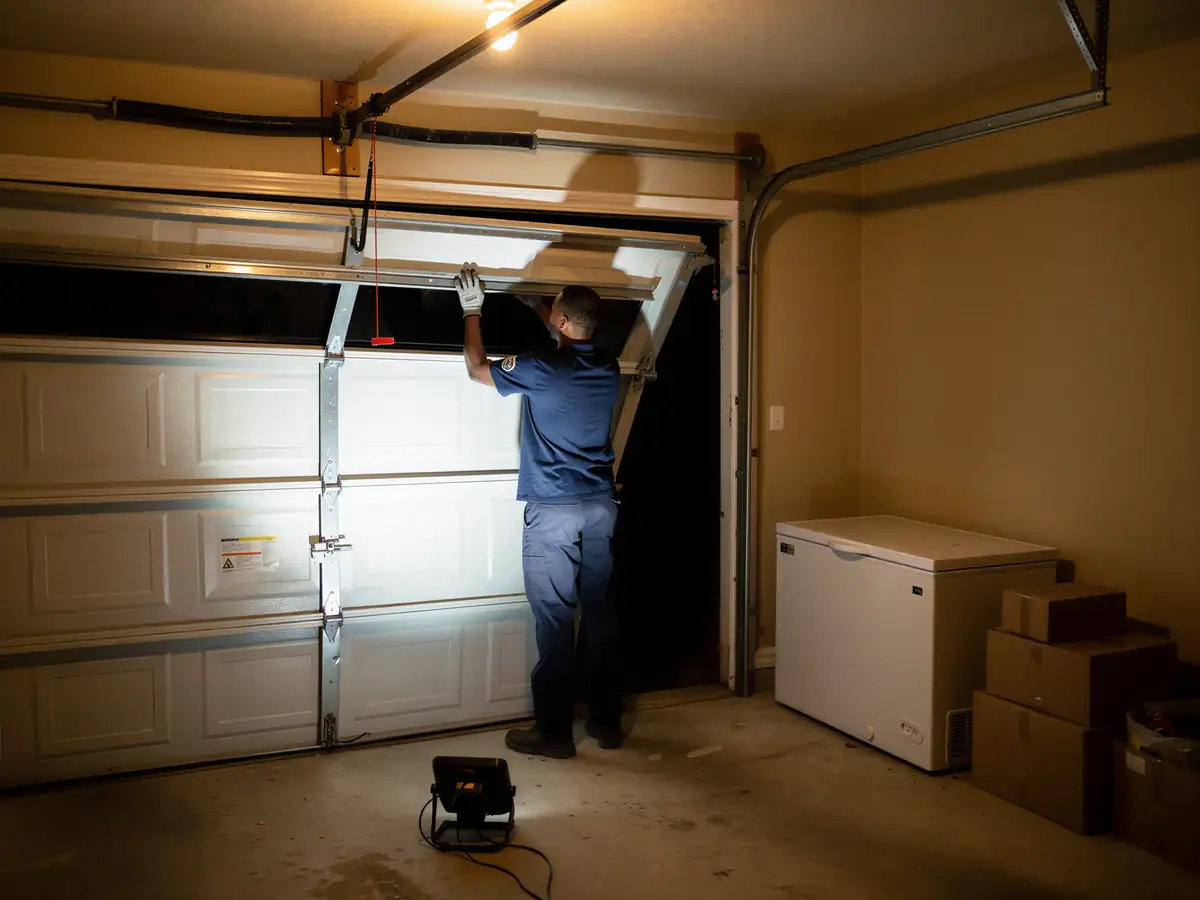
The thing that turns a simple spring swap into a longer job is track damage from a door that's been run on a broken spring, even briefly. Homeowners sometimes try to force the door up by hand or with the opener still engaged, and that bends the track or racks the panel out of its guides. On houses from this build era, replacement track isn't always a stock size, so a bent track can mean a short wait on a part rather than a same-day fix. The other place it goes sideways: openers installed decades after the house was built don't always match the door's original drum size, which throws off cable tension in a way that looks like a spring problem but isn't. We'll say plainly when a repair isn't worth it - if the door and track are both original to 1976 and the panel is also failing, patching the spring and leaving the rest is a short-term fix at best.
Can You Do This Yourself
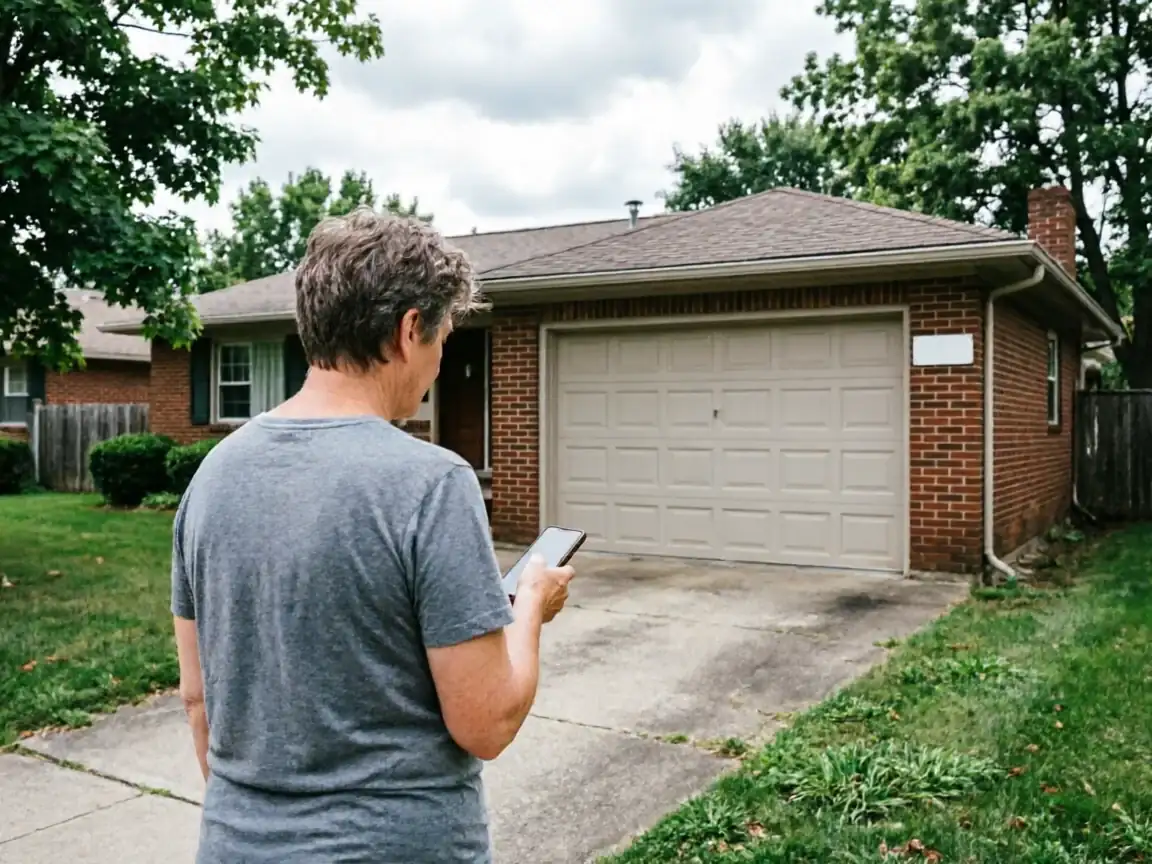
Don't touch a torsion spring under tension - it's the single most dangerous part of a residential garage door, full stop, and that's true whether the house was built in 1976 or last year. What a homeowner in Libertyville can reasonably check before calling: whether the opener is actually getting power, whether the manual release cord was accidentally pulled, and whether the track has visible gaps or bends. If the door won't move and you can see the spring is separated or stretched unevenly, that's a call-it-in situation, not a project. With 7,573 households in this area and a housing stock that's mostly pushing fifty years old, a lot of these doors are overdue for a hardware inspection even when nothing's actively broken.