What the Repair Takes
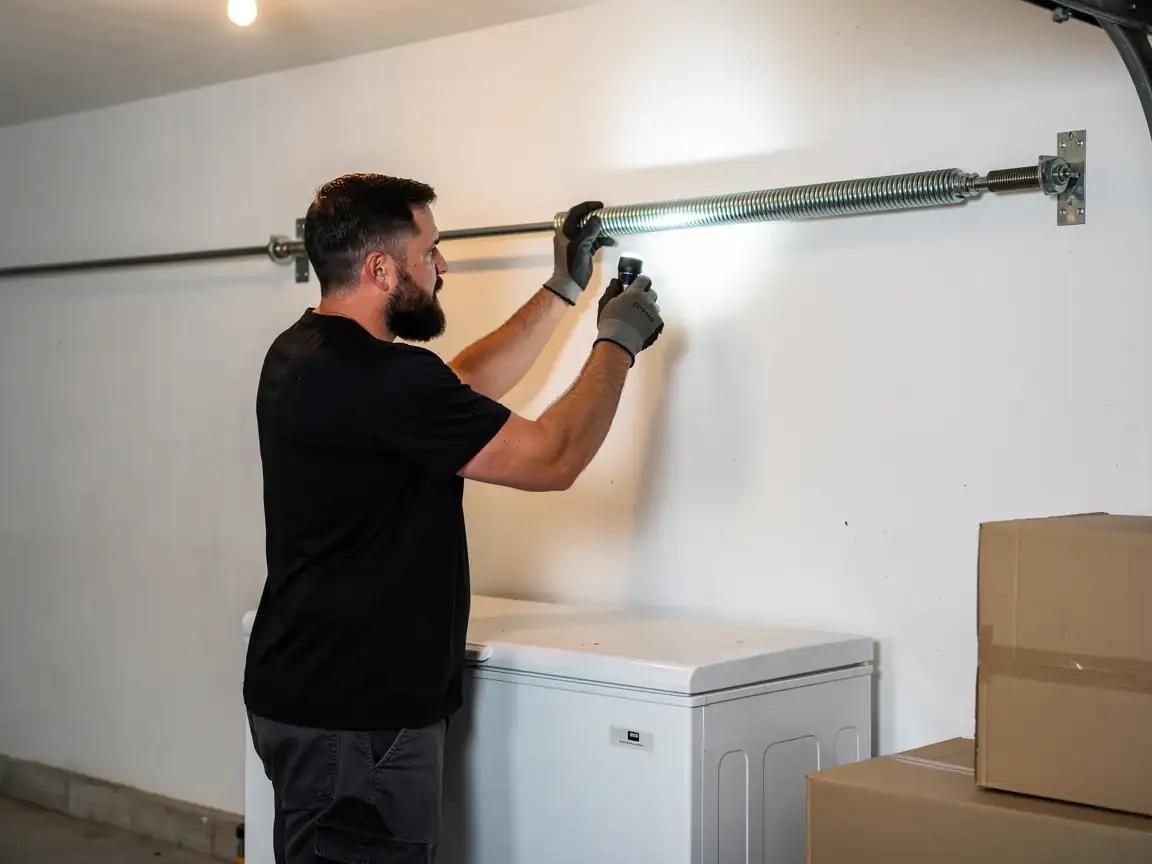
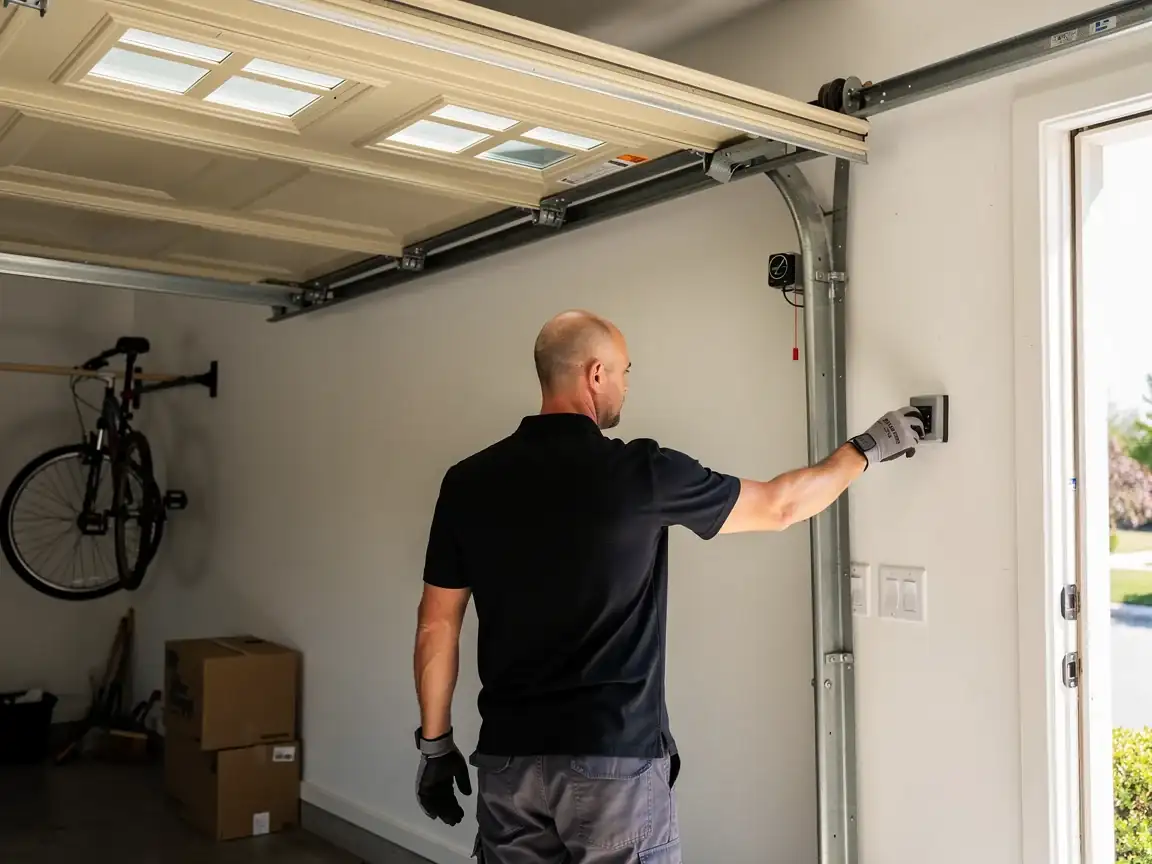
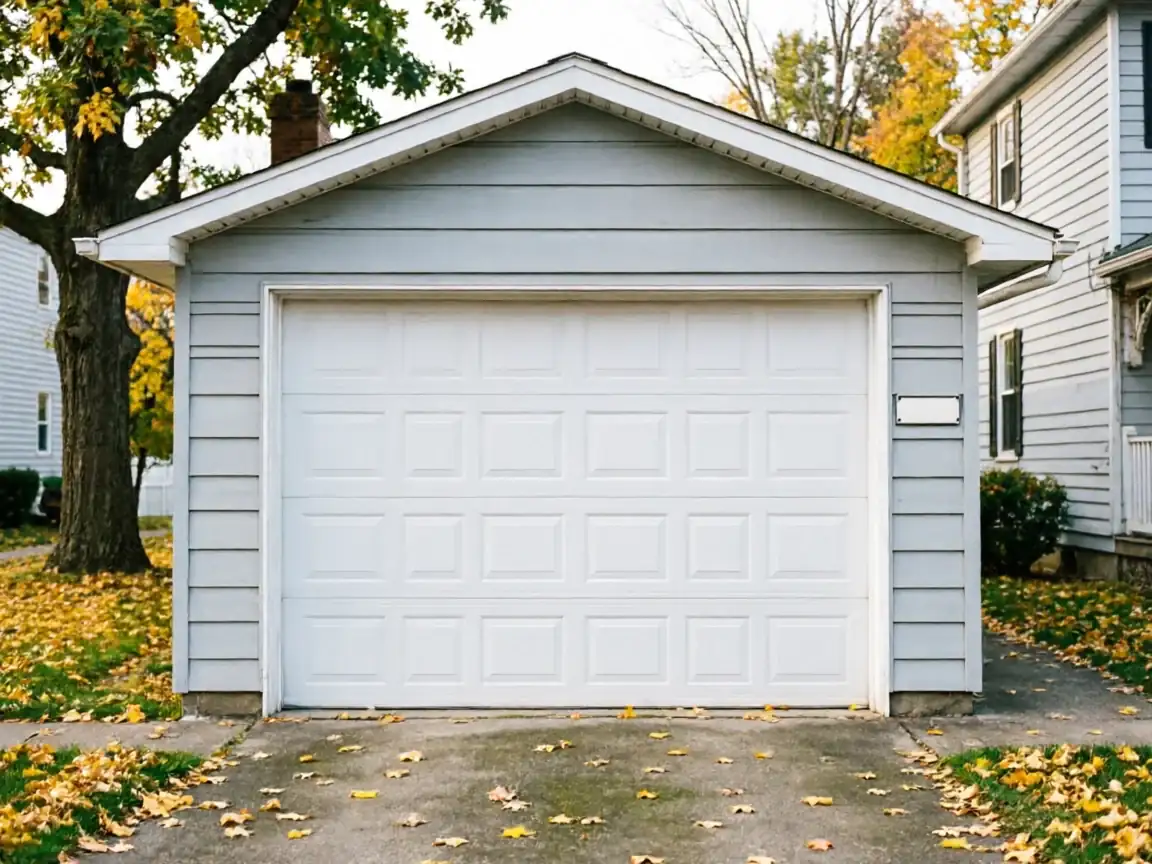
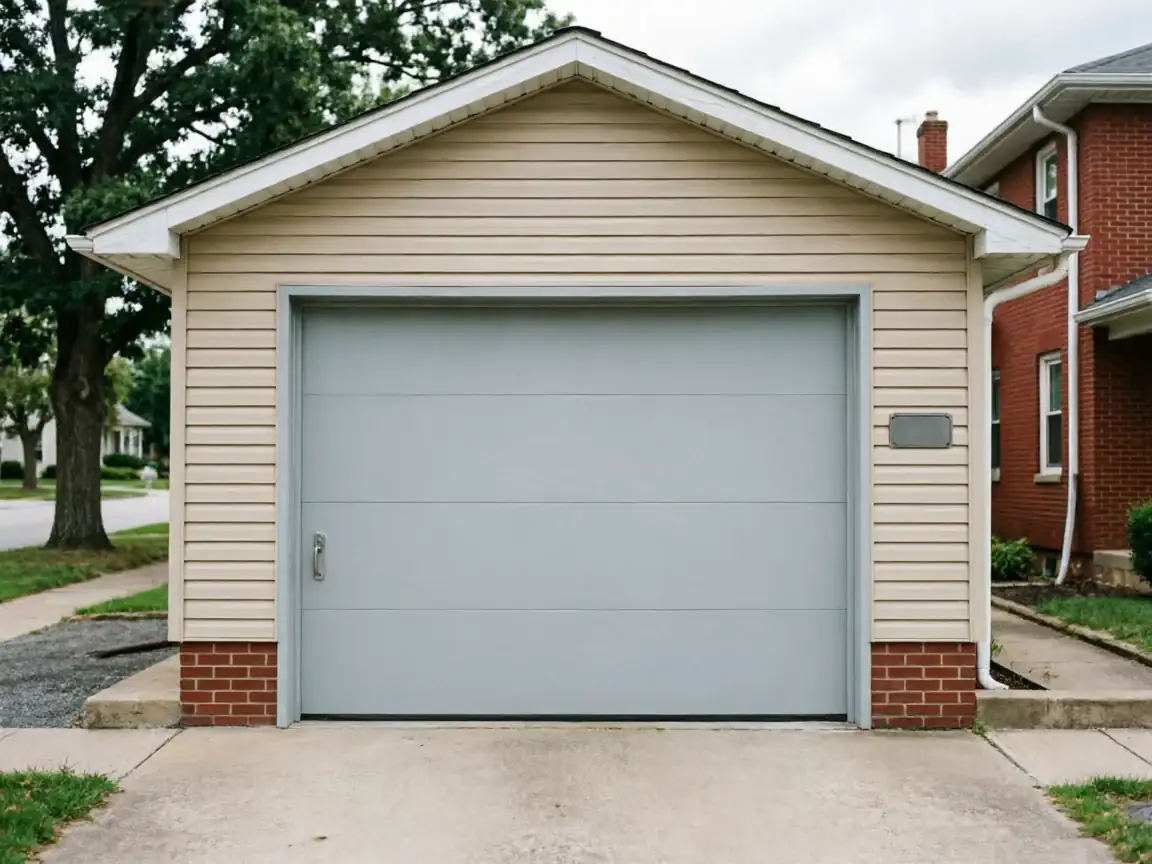
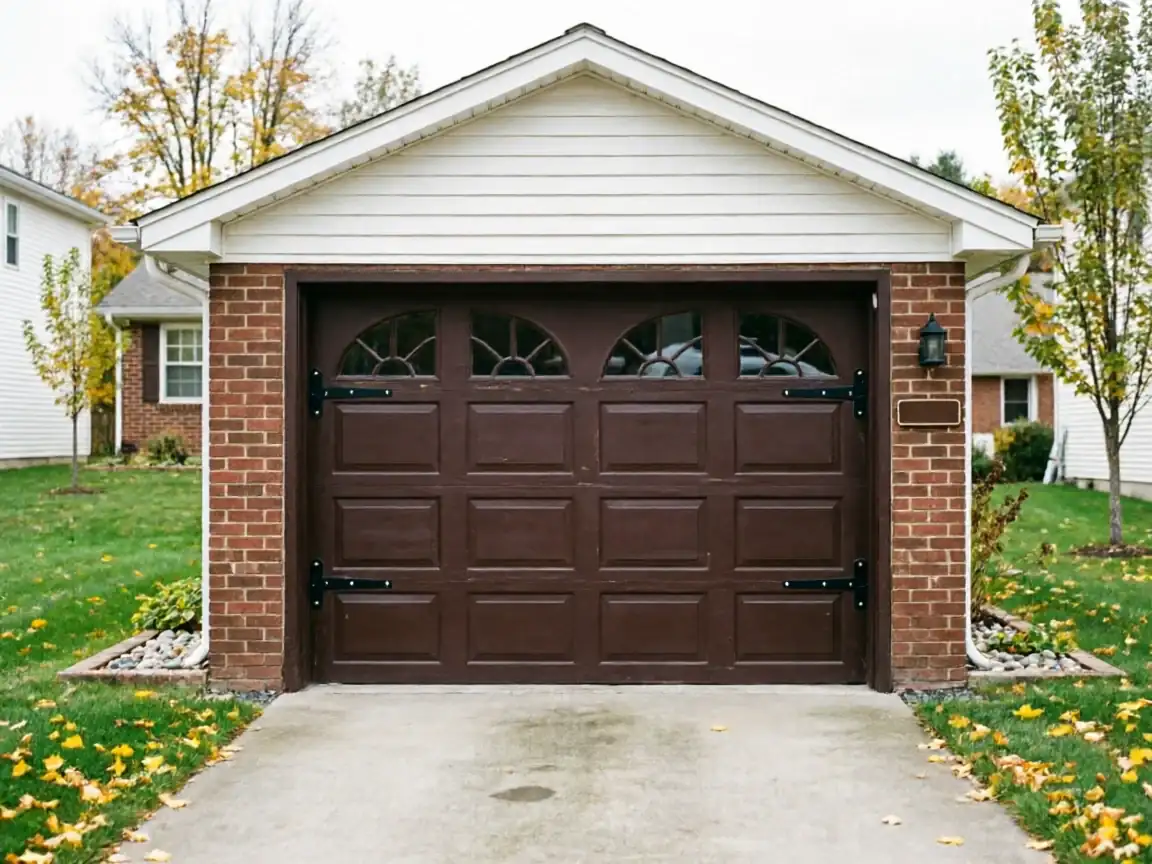
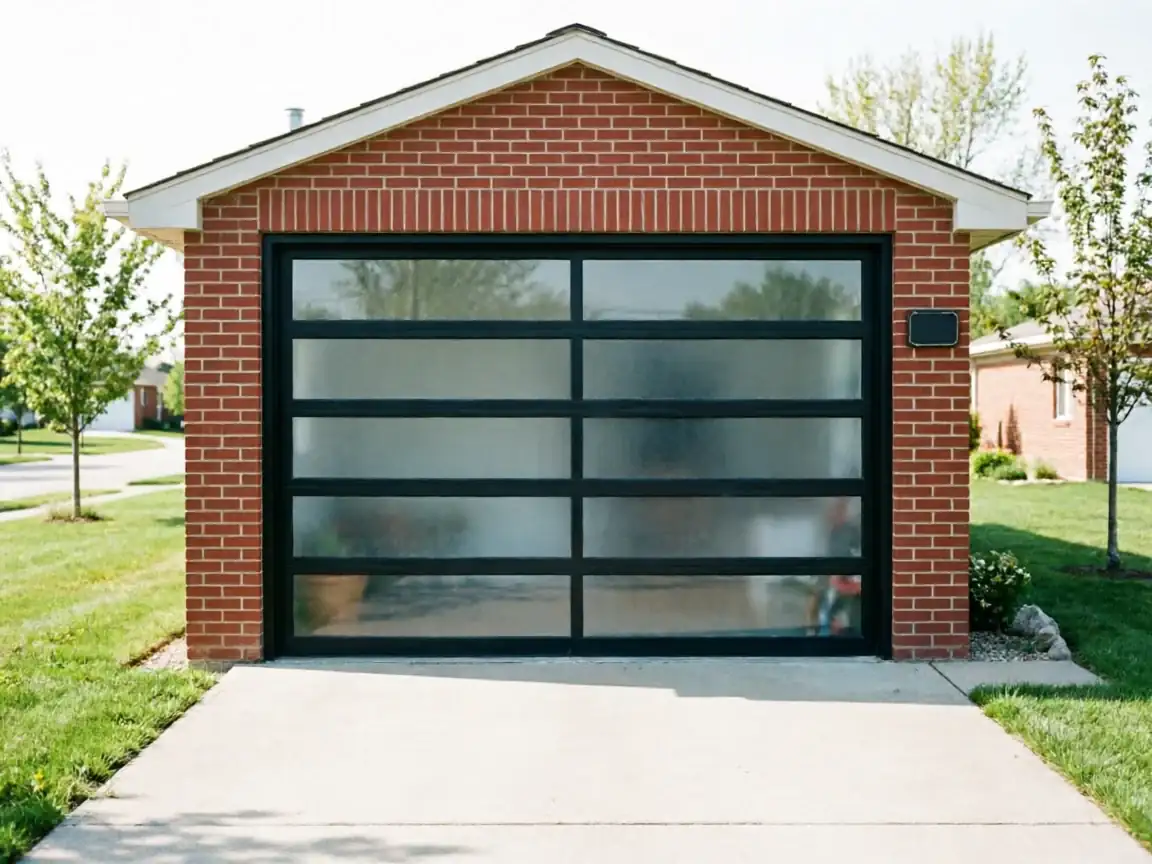
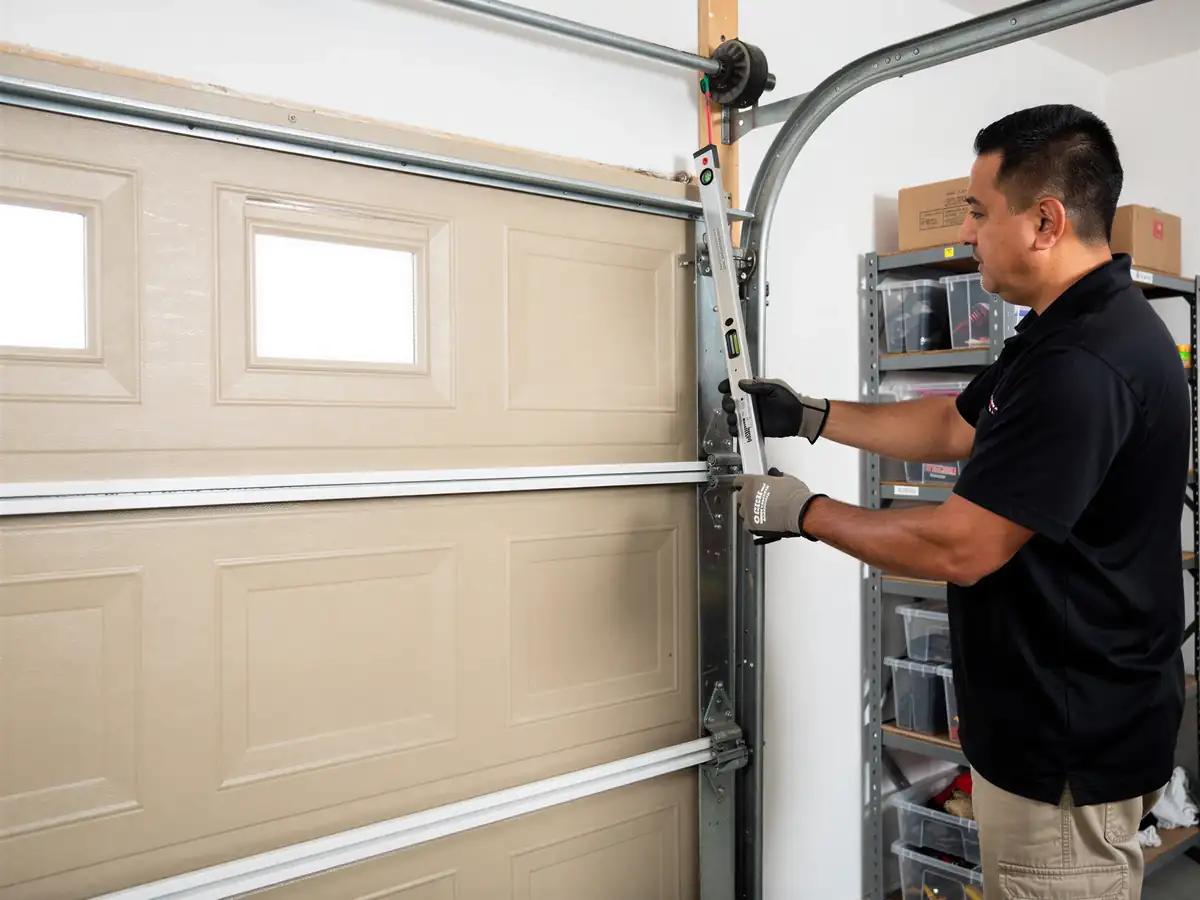
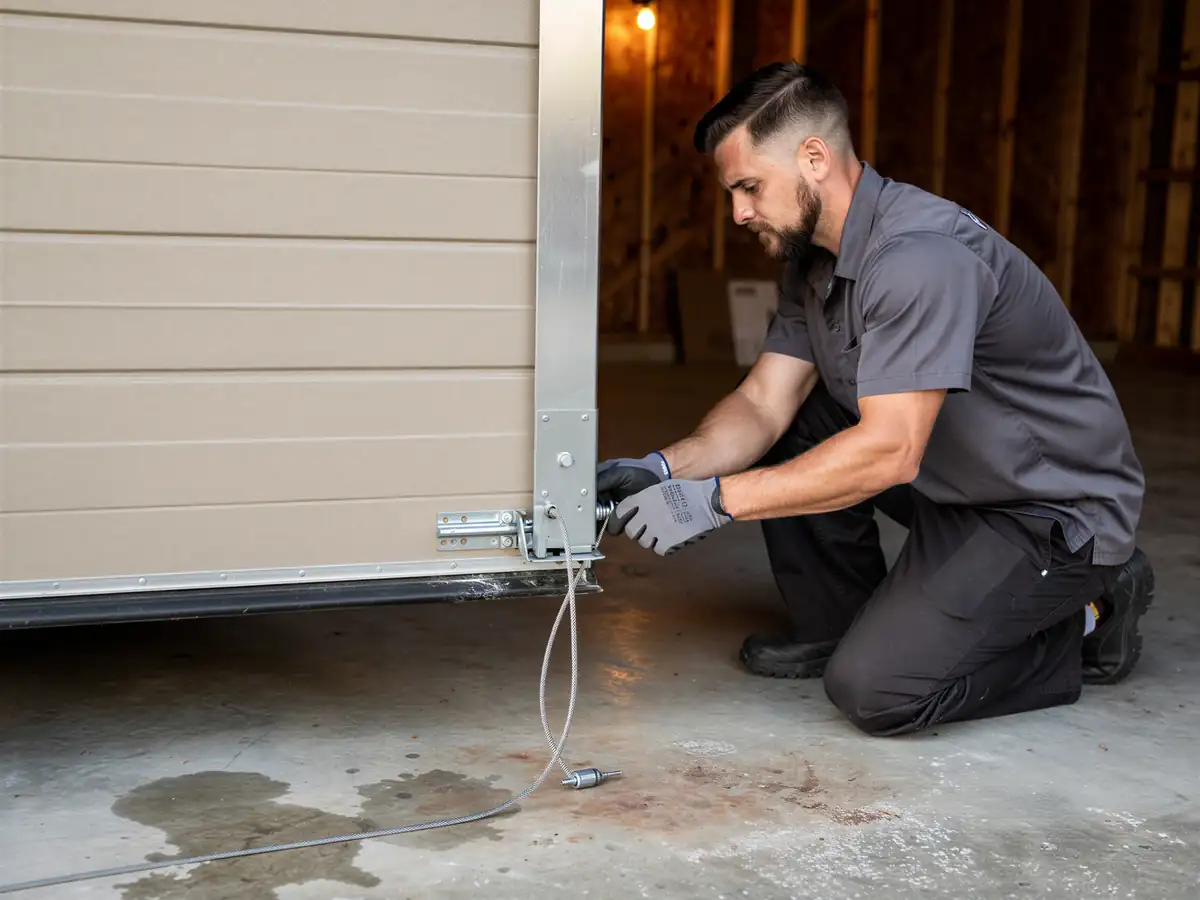
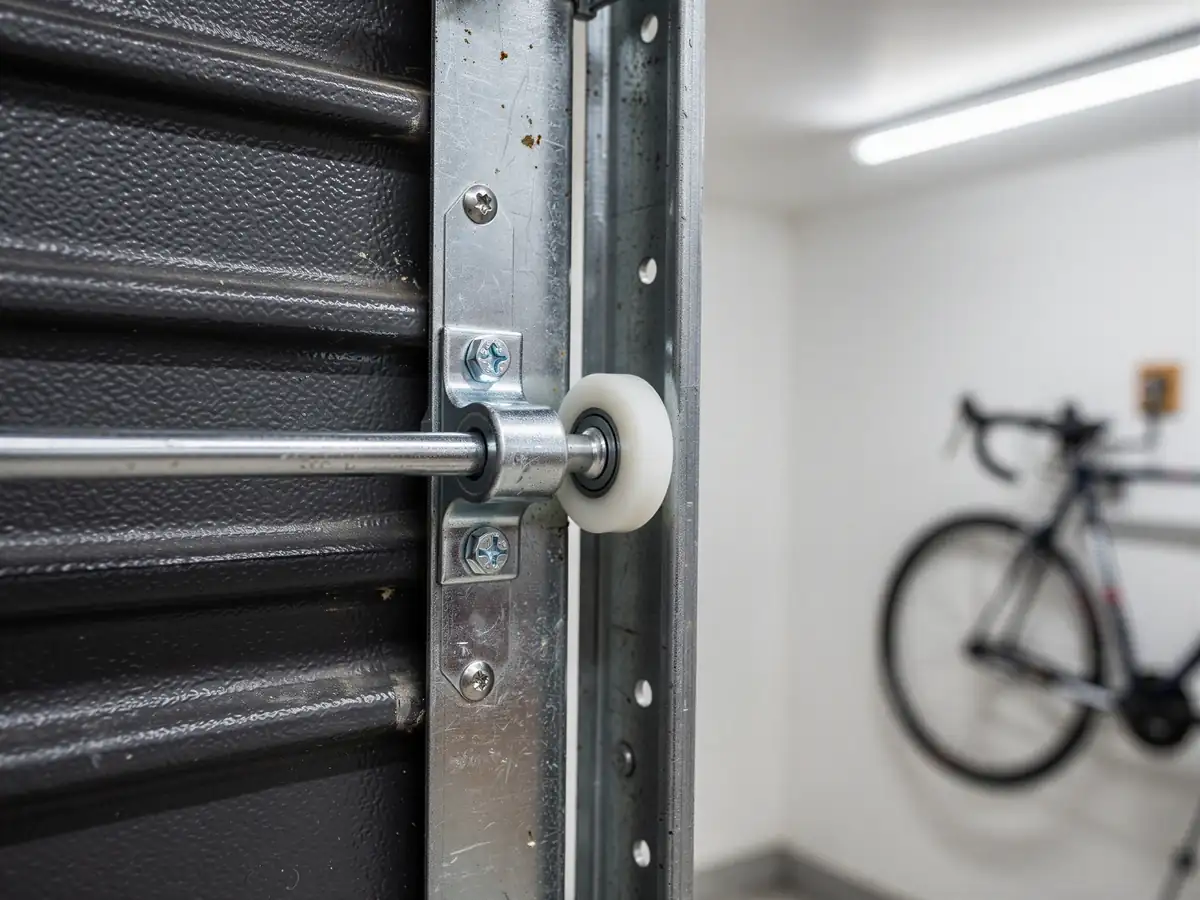
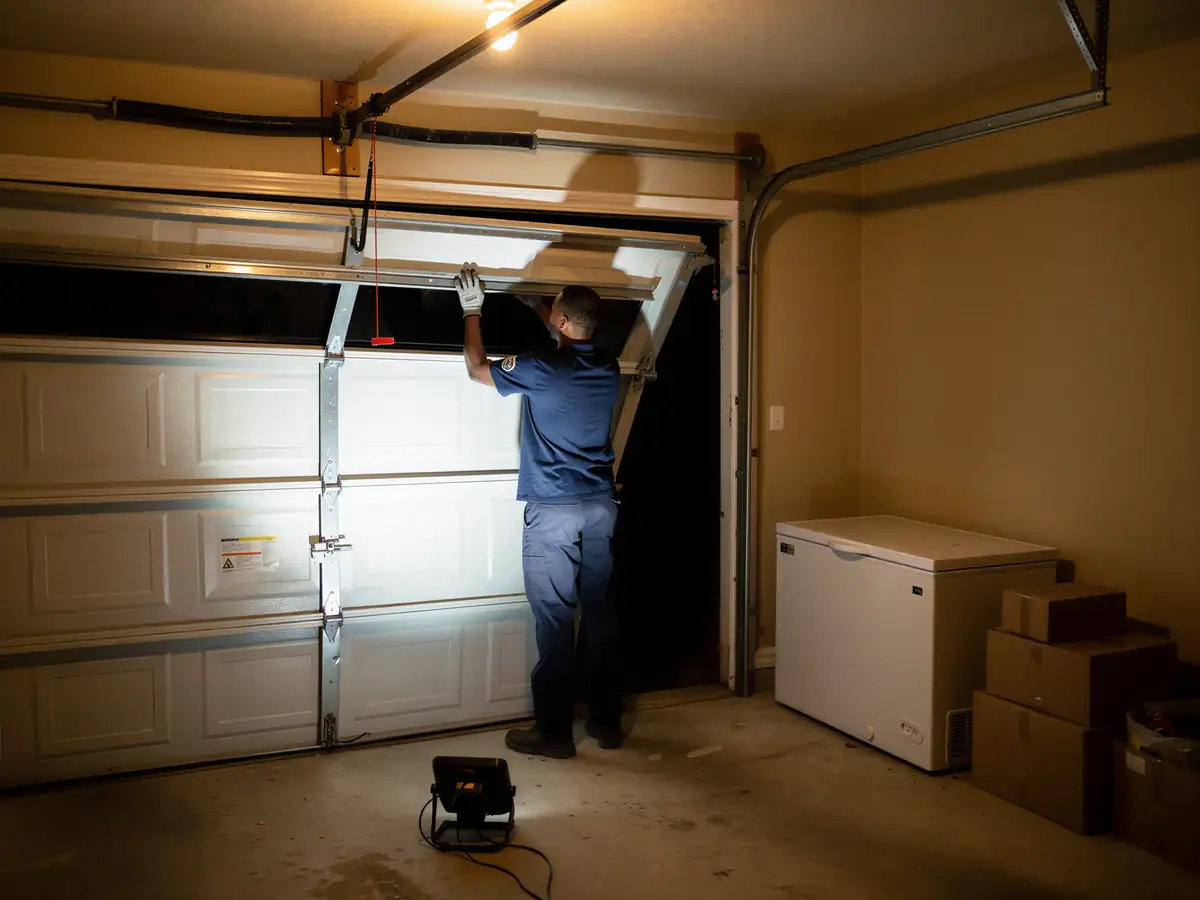
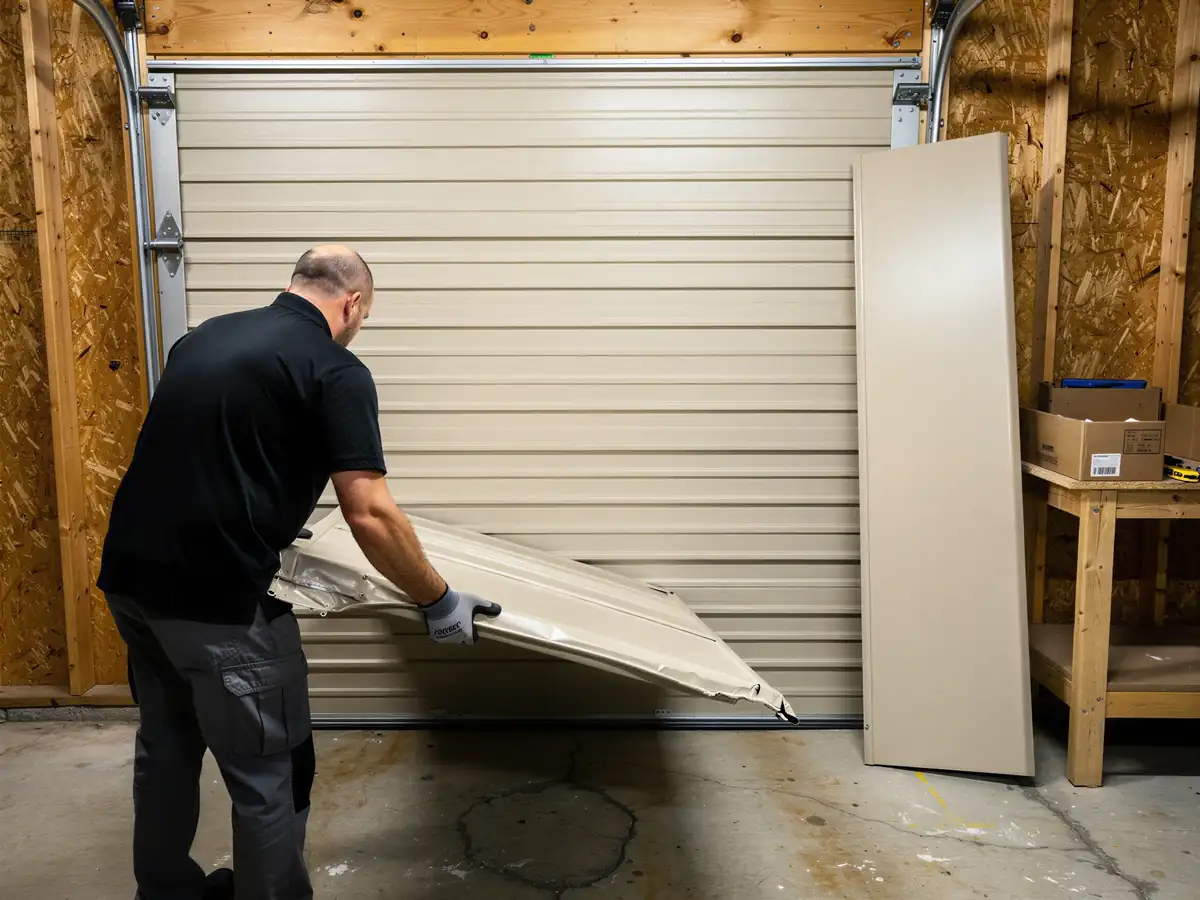
A single-panel job starts with pulling the door off its rollers enough to drop the damaged section out without disturbing the torsion spring or the opener arm. On older steel doors common in Libertyville's 1970s-80s builds, the panels are usually bolted or hinged in a straightforward stack, which makes a one-panel swap a contained job - get the right panel, match the hinge pattern, reset the rollers. Where it gets slower is doors with foam-core insulation sandwiched between steel skins, which became more common as the stock got newer; cutting a replacement to size without crushing the foam core takes more care and more time. We also check the track alignment on both sides once the new panel is in, since a bowed panel is often a symptom of a track that was already out of plumb, not just impact damage on its own.
Where This Job Goes Sideways
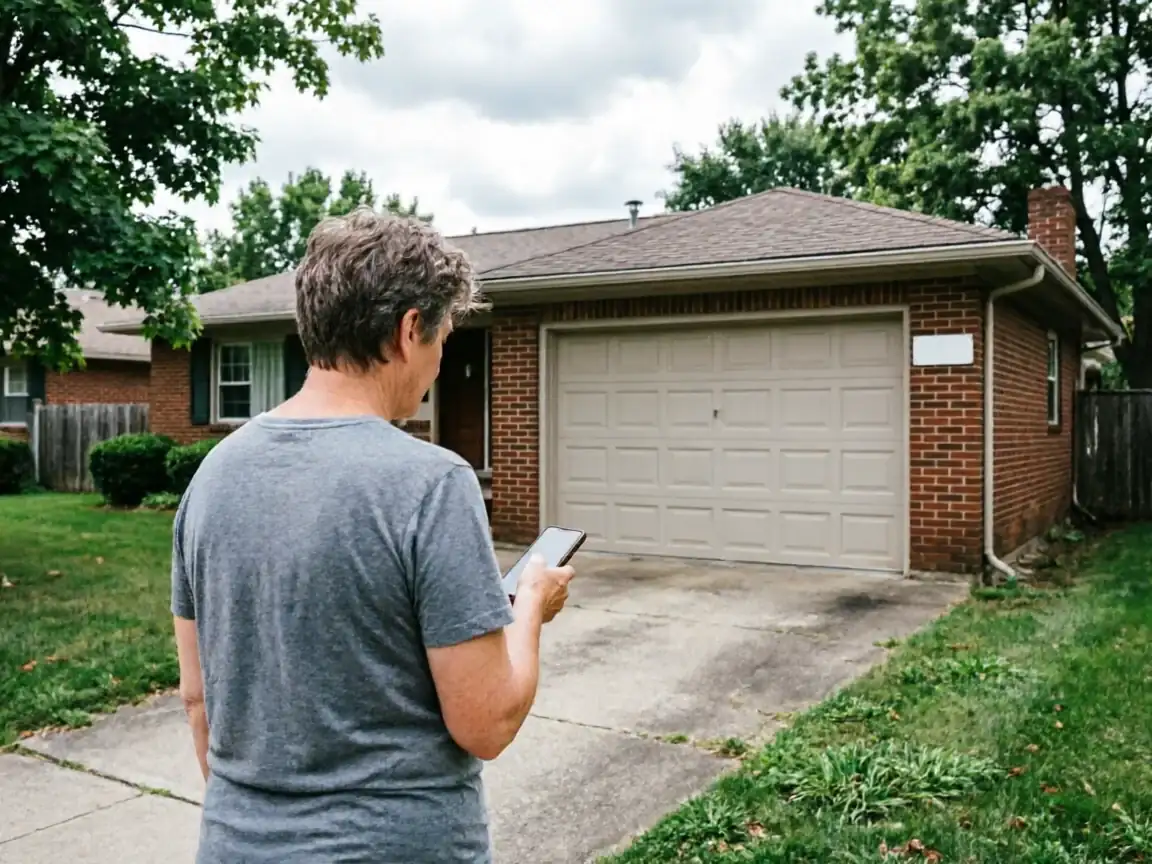
The failure mode we see most on this side of the drive is a homeowner ordering a replacement panel online that's close but not exact - off by a quarter inch in height or a different rib count - and it never sits flush against its neighbors. The other one is discovering the manufacturer discontinued that panel profile entirely, which happens more often on doors from the 1970s than doors from the 2000s, simply because more time has passed. When that happens, replacing one panel stops being the cheaper option, and a full door replacement starts making more sense, even though nobody wants to hear that when they called about a single dent. Libertyville's higher median household income compared to the wider service area means more owners here ask for premium-grade panels, insulated cores, upgraded finish, when they're forced into a decision anyway - that's a reasonable call if the door is already decades old, less reasonable if the rest of the door still has years left in it.
Can You Do This Yourself
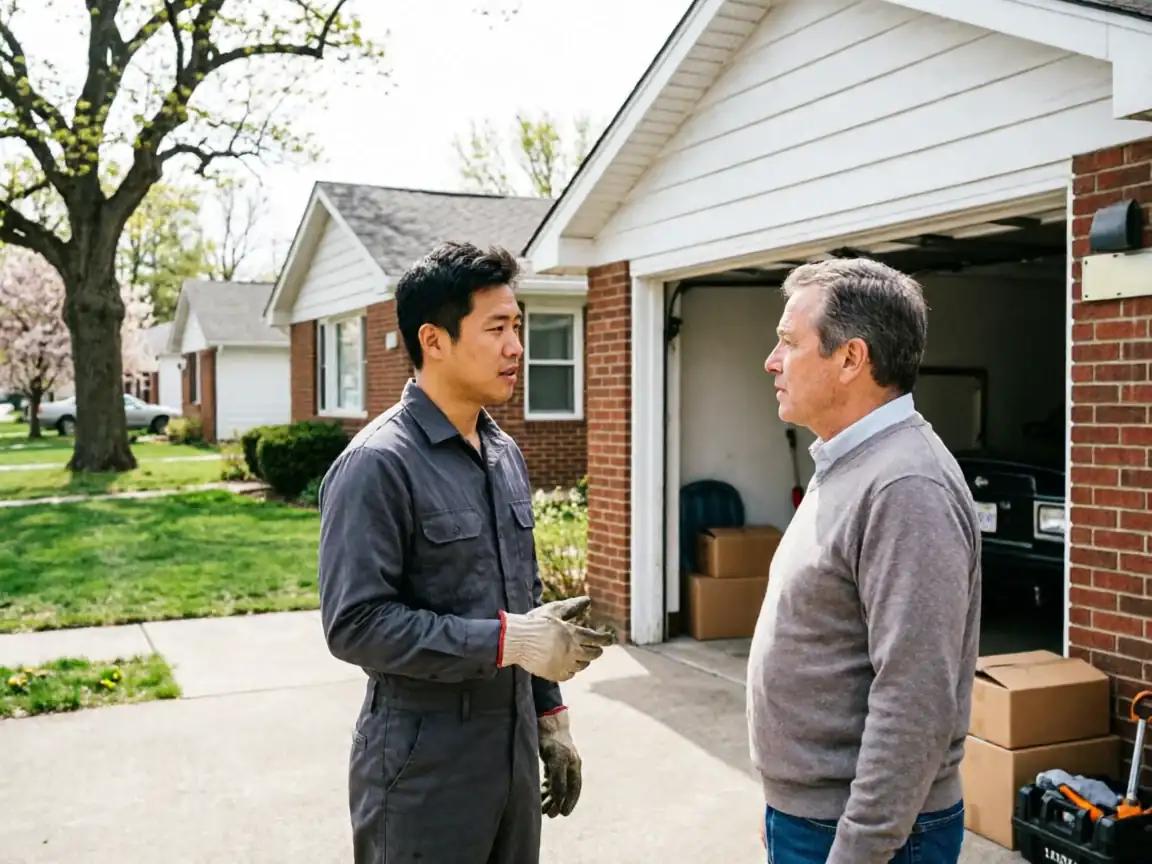
Swapping a single garage door panel is one of the more DIY-friendly repairs compared to spring or cable work, if the door is unplugged from its opener and the torsion spring is left alone. The honest limitation: getting an exact panel match without a professional supplier account is hard, and a mismatched panel that doesn't sit flush will strain the hinges on both sides over time, turning a cosmetic fix into a structural one. If you've already sourced the correct panel and just need help with alignment and rehanging, that's a smaller job than a full replacement and worth saying so when you call, since it changes both the time on site and what we bring in the truck.