What You Pay
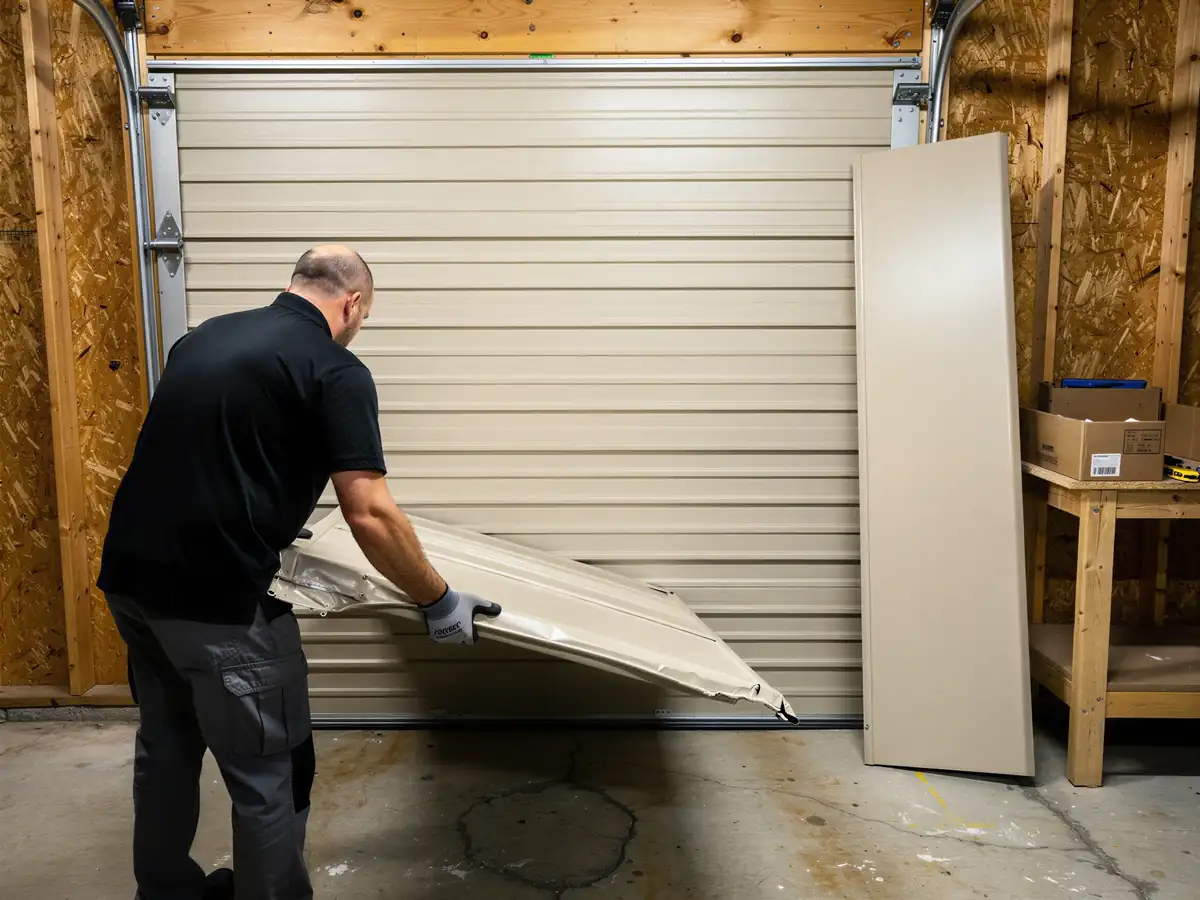
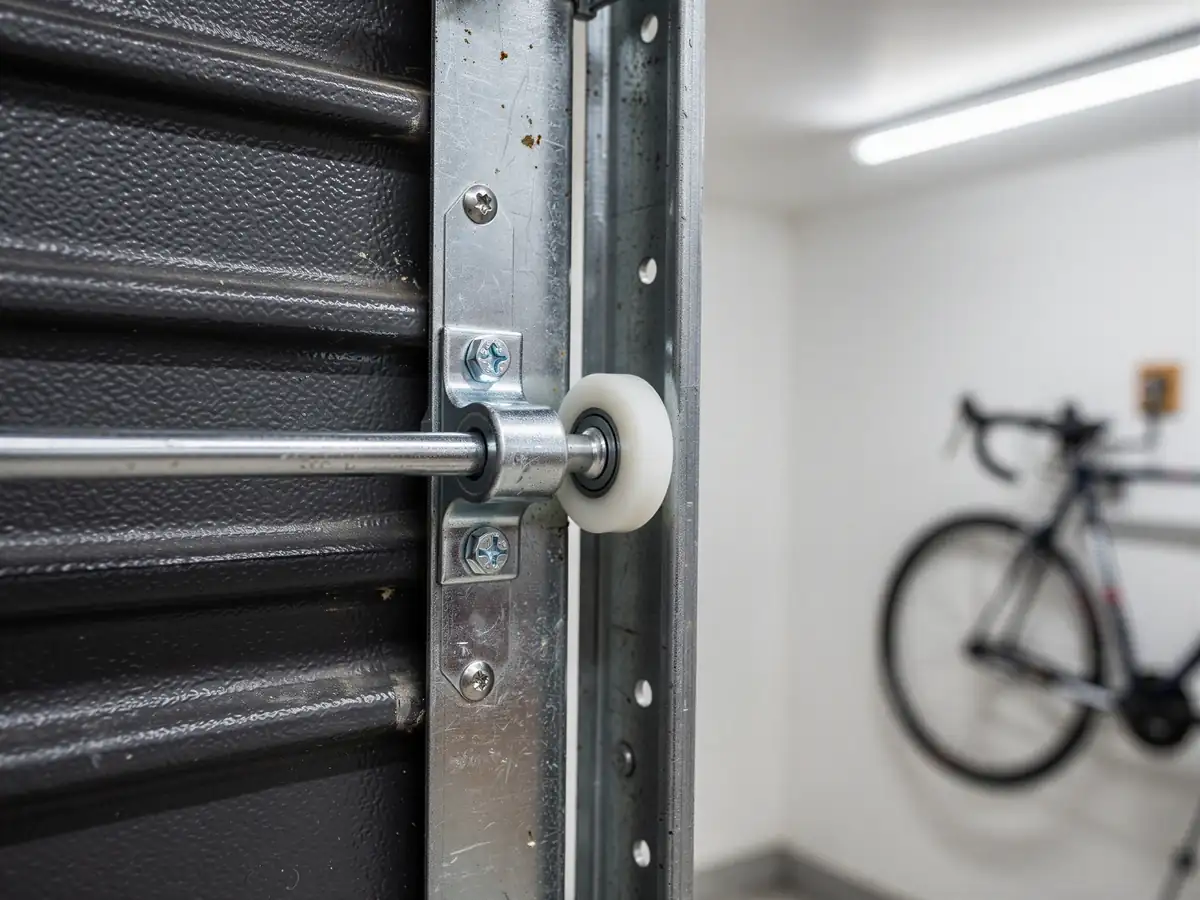
We don't post a flat number here because the job varies with door size and roller material, and we'd rather quote it after a look than guess in print. What drives the cost: whether you're on a single 9-foot door or a 16-foot double, whether you want steel rollers again or step up to nylon ball-bearing rollers, and whether the track needs straightening or full replacement alongside the rollers. The median household income in Lake Barrington runs well above the wider service area's - $132,857 against $121,583 across the territory - and in practice we see more owners here choose the nylon upgrade over the cheaper steel replacement, since it runs quieter and doesn't re-groove the track the way steel does. One honest limitation: if your track has already worn a visible lip from the old rollers, swapping rollers alone won't fix the catching. At that point the track needs replacing too, and that's a separate line item we'll point out before we start, not after.
Booking a Visit
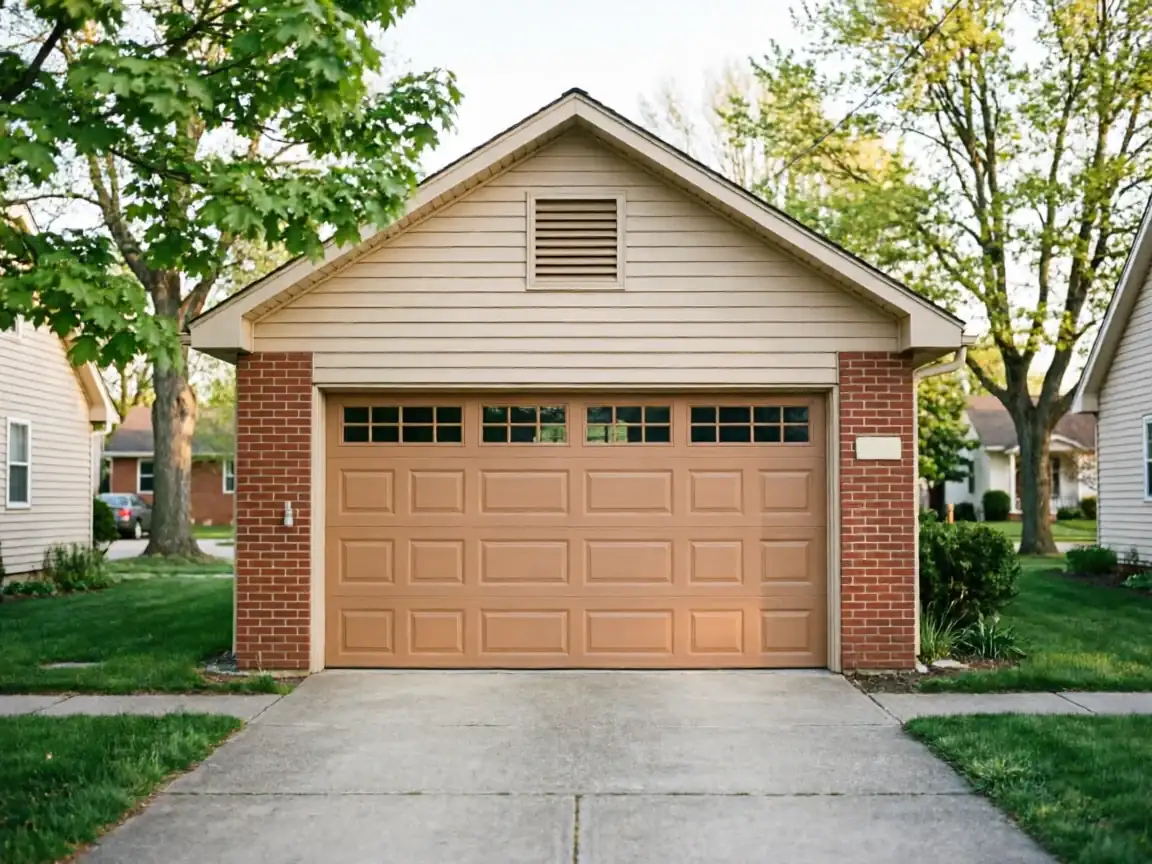
Lake Barrington sits four miles from our shop in Lake Zurich, close enough that a roller swap doesn't turn into a half-day trip. We cover it as part of the same run that takes in the other towns in this corner of the county - see our coverage near Lake Barrington for the full list. If you're comparing this against the standard roller job we do in Lake Zurich itself, that page is here: garage door roller replacement in Lake Zurich. The work and the parts are the same either way; the only real difference is which town's housing stock we're pulling rollers off of.
Where This Job Goes Sideways
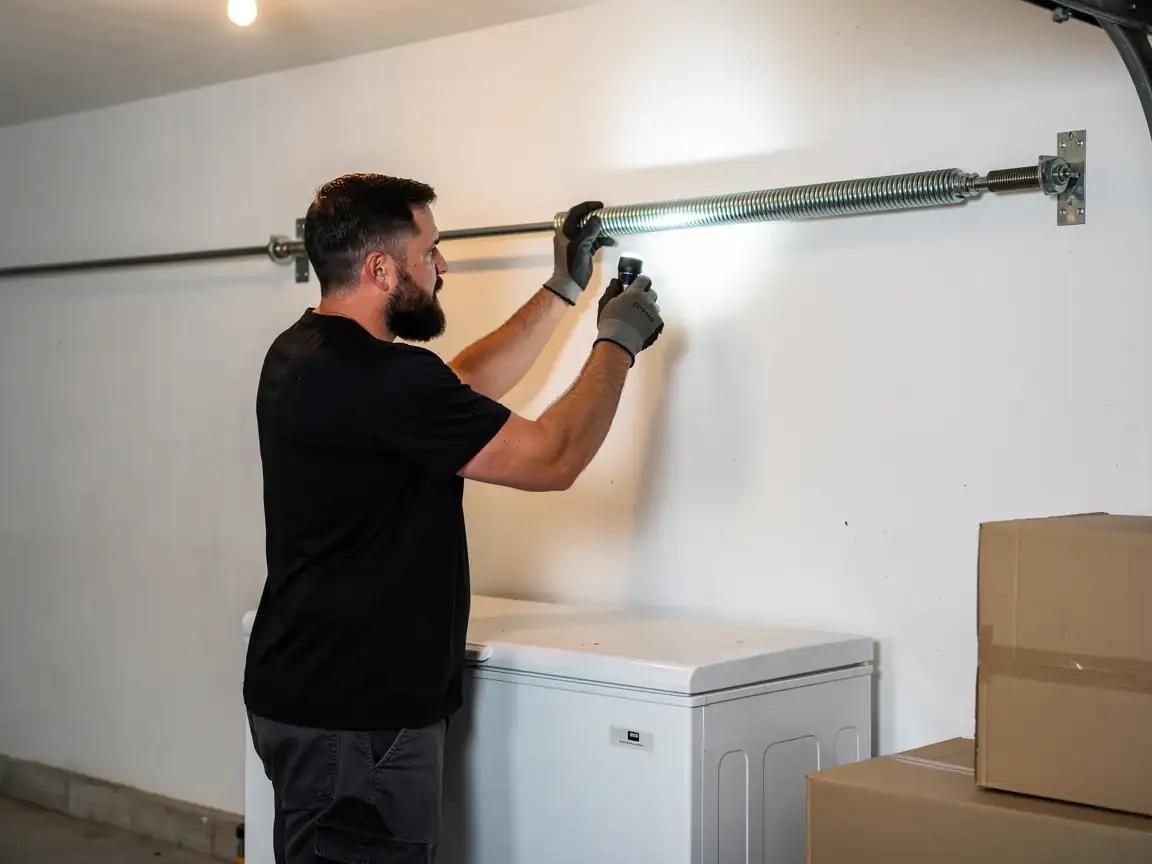
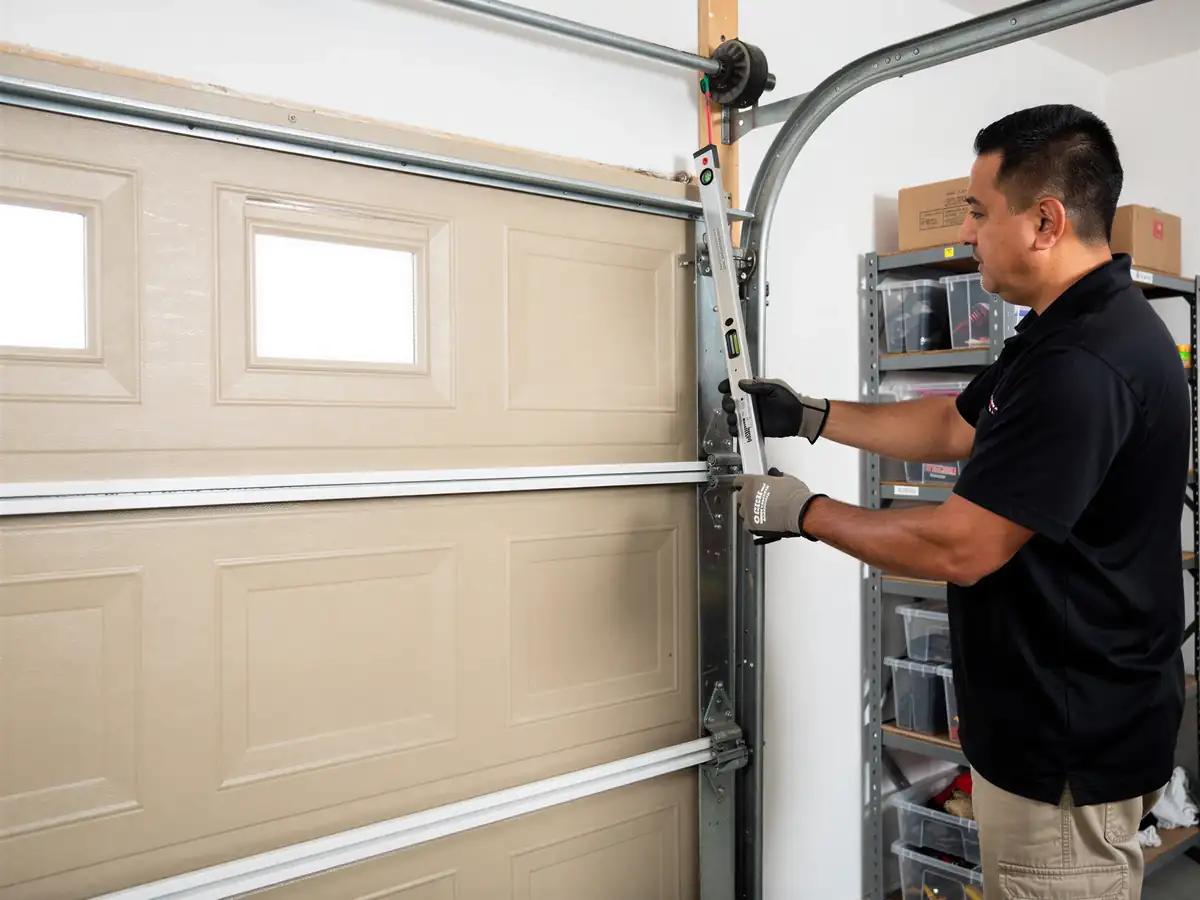
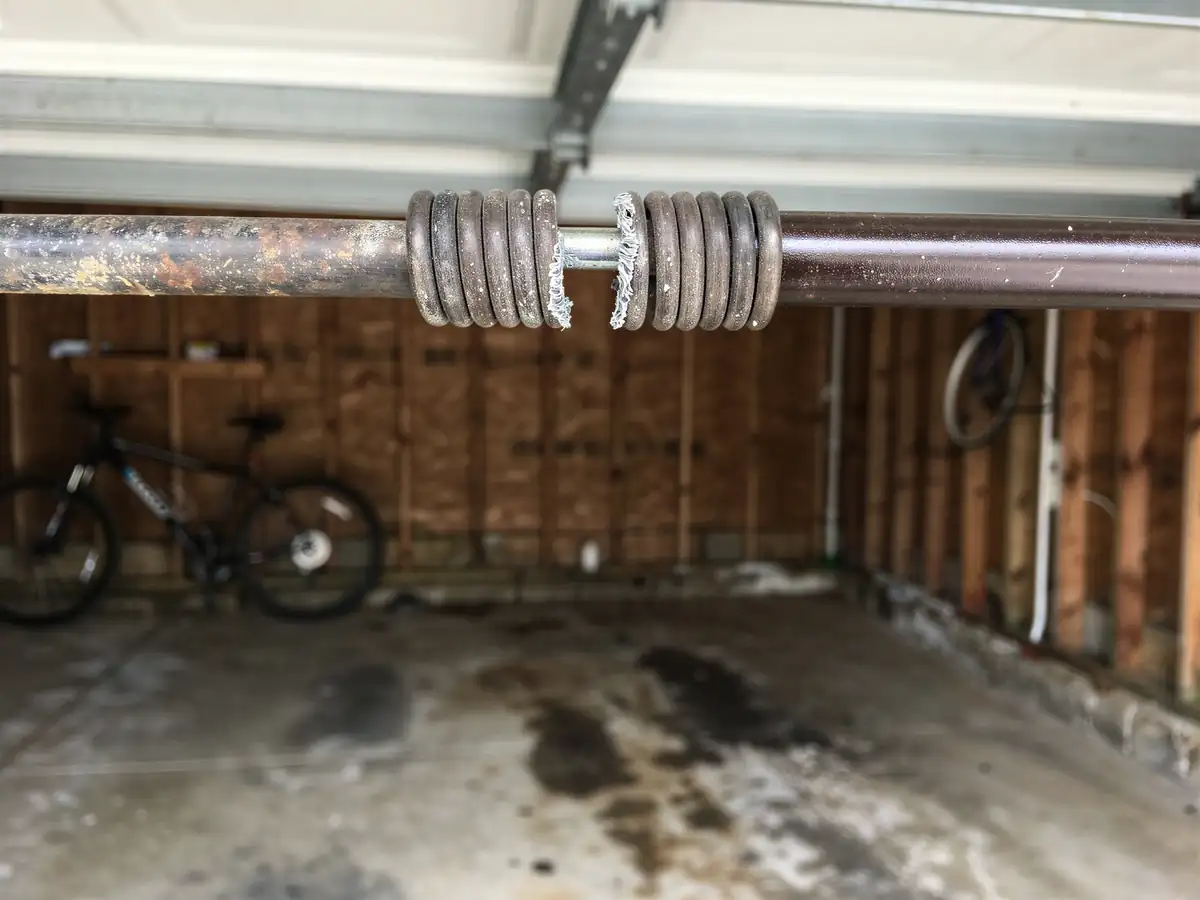
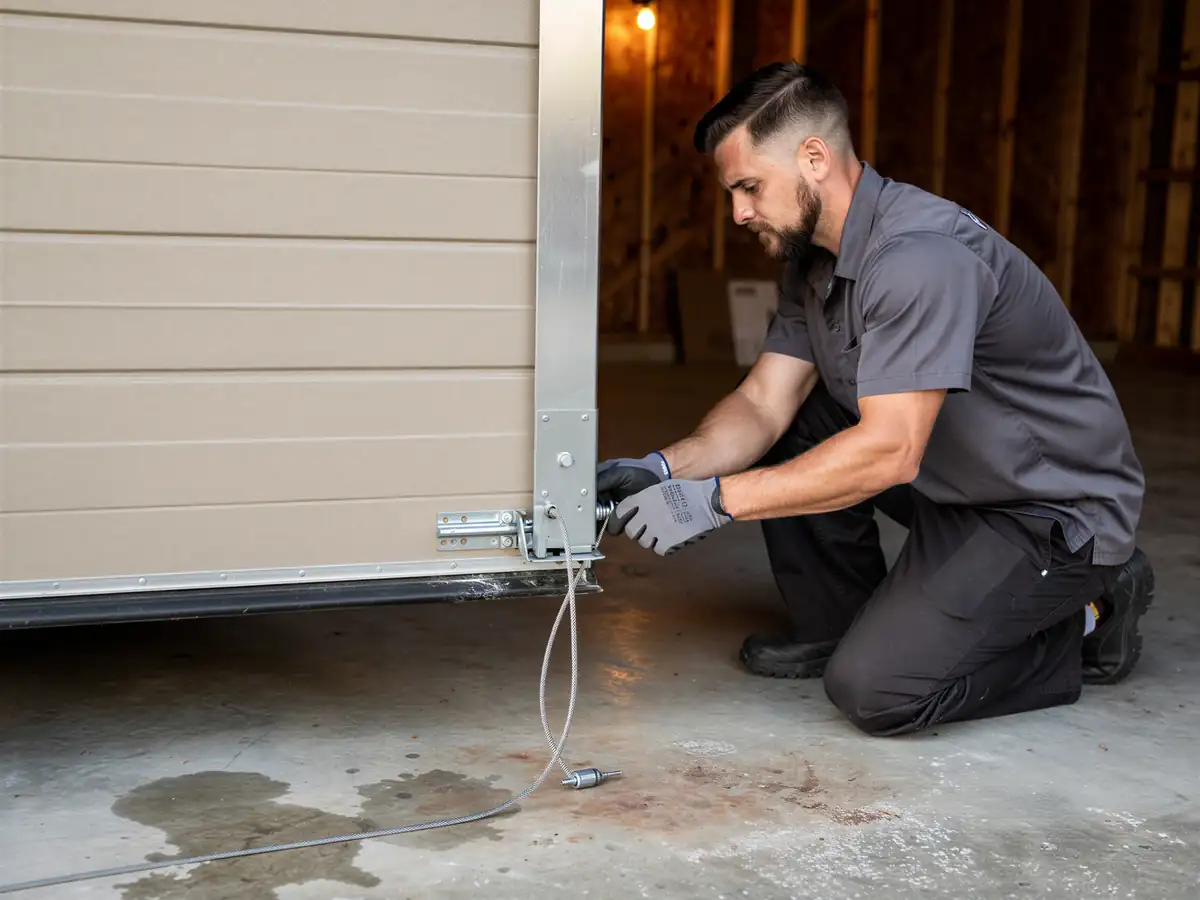
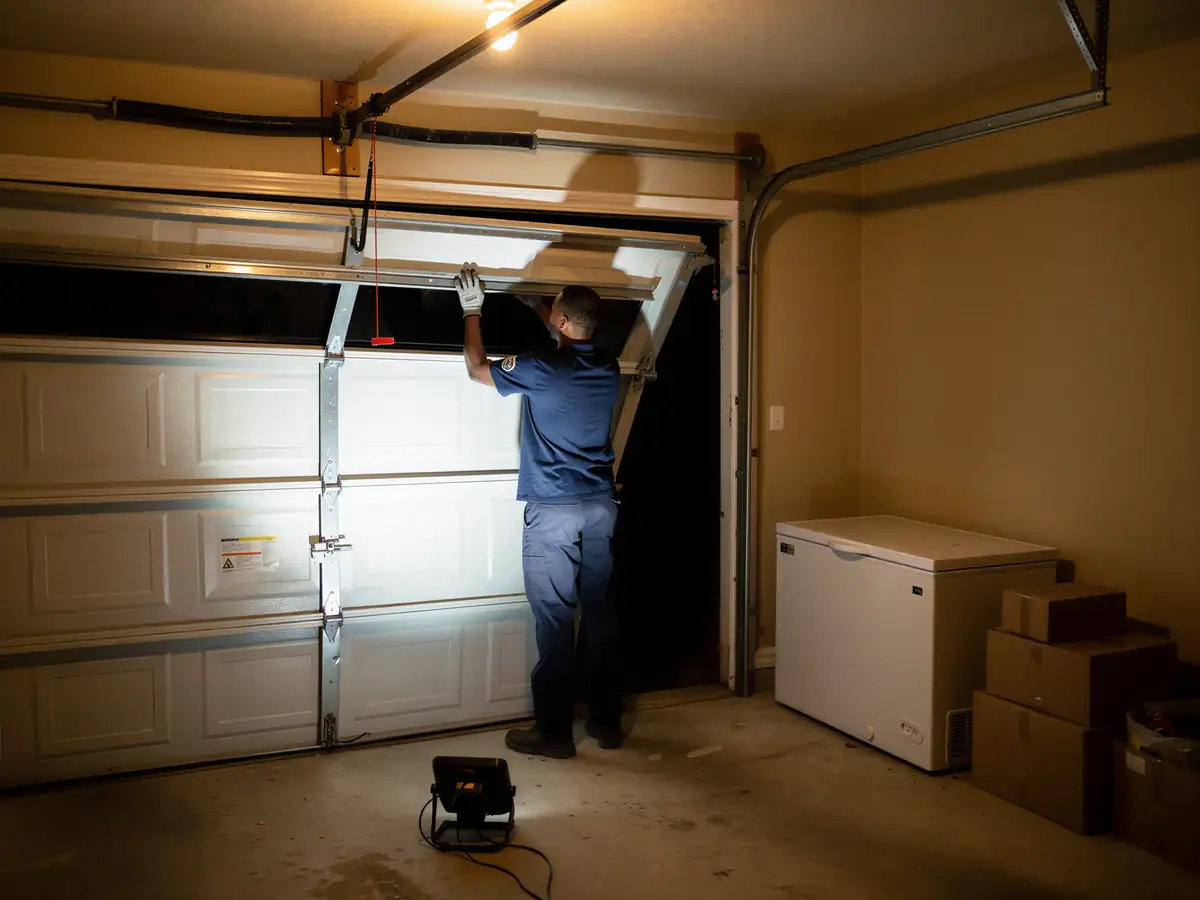
With roughly 2,312 households in Lake Barrington, most of them on that same mid-1980s building wave, a lot of these doors are now pushing forty years on their original hardware. Rollers rarely fail alone at that age. What we run into more often is a roller that's worn out at the same time the torsion spring is nearing the end of its cycle count - both are original-to-the-house parts, both wear on roughly the same timeline. If we open the door up and find a spring that's visibly stretched or a cable fraying at the drum, we'll say so before we finish the roller work, because replacing rollers under a spring that's about to go is money spent twice. The other place this goes sideways: a track that looks straight but is actually bowed from years of a dragging roller. That one's easy to miss on a quick look and it's why we check alignment on both sides, not just the side making noise.