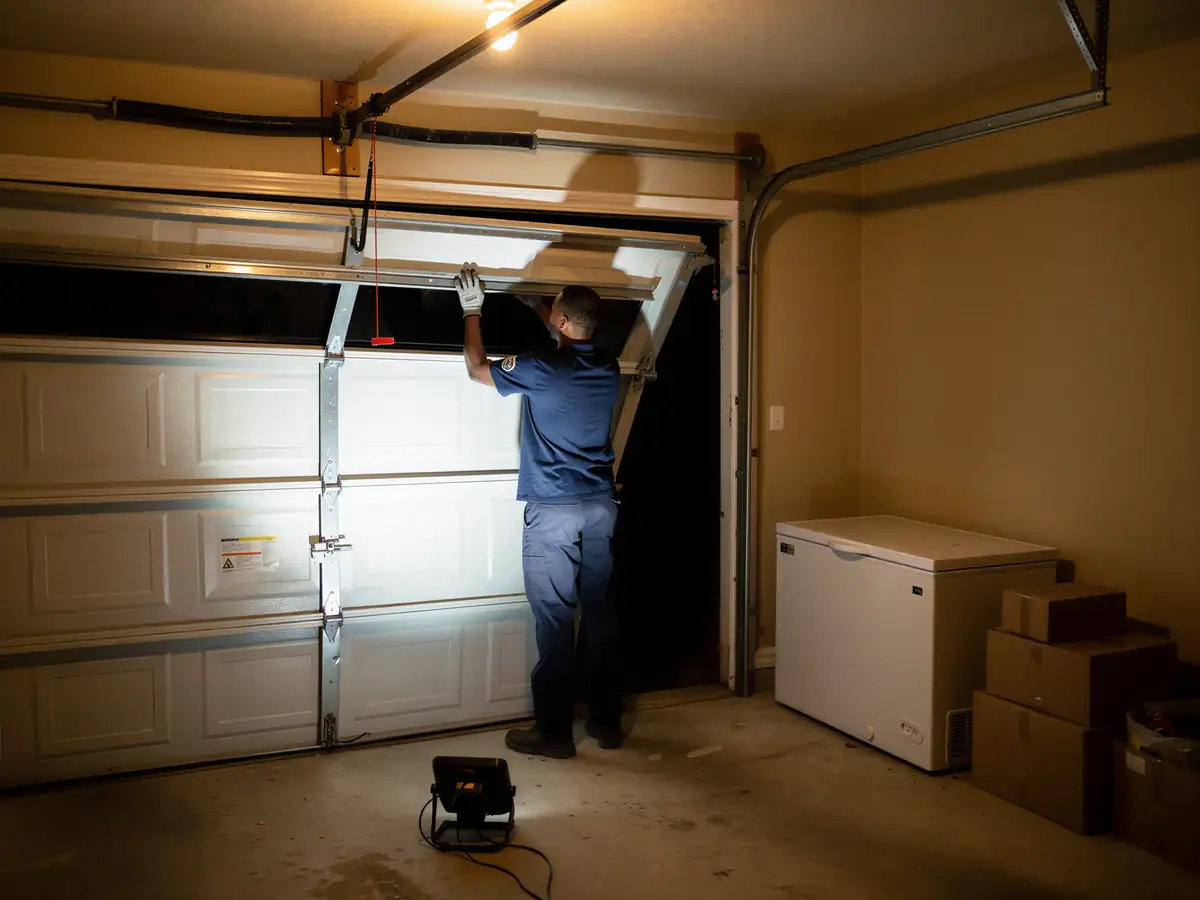
How It Shows Up
Most houses in Lake Barrington went up around 1985
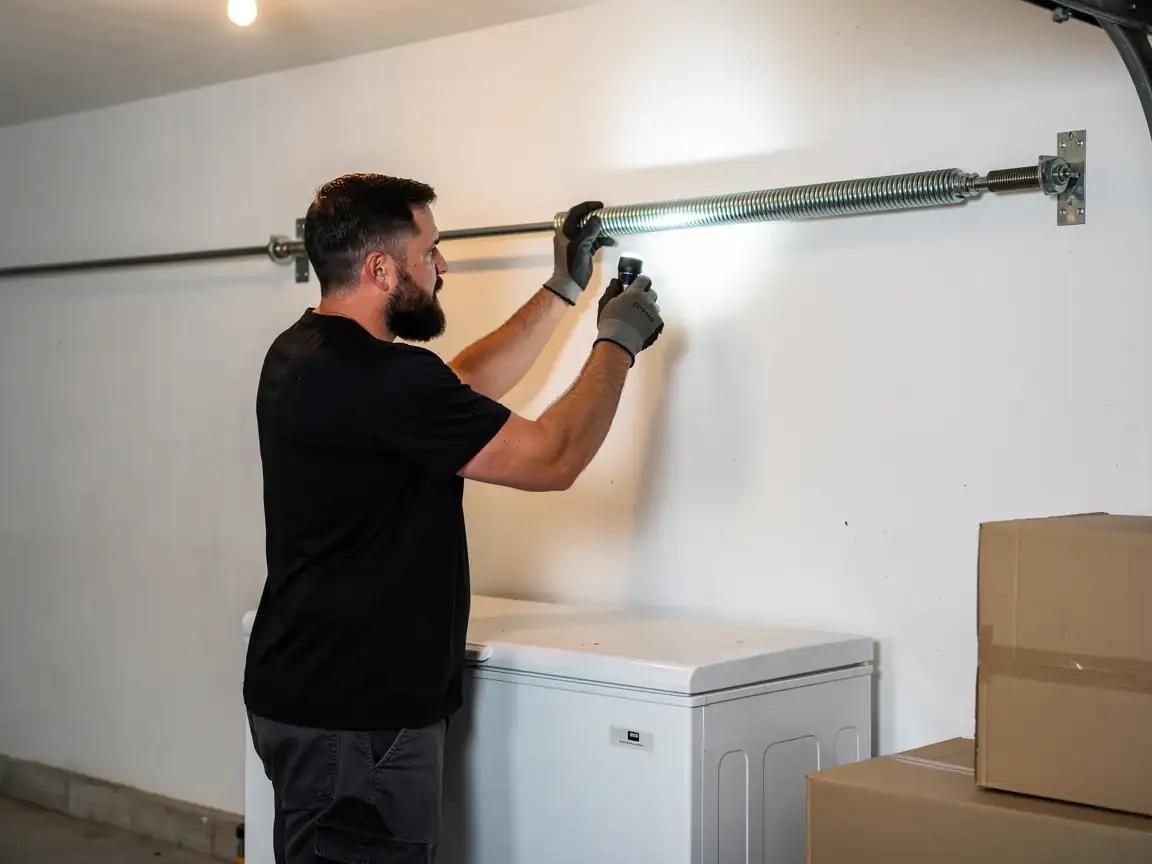
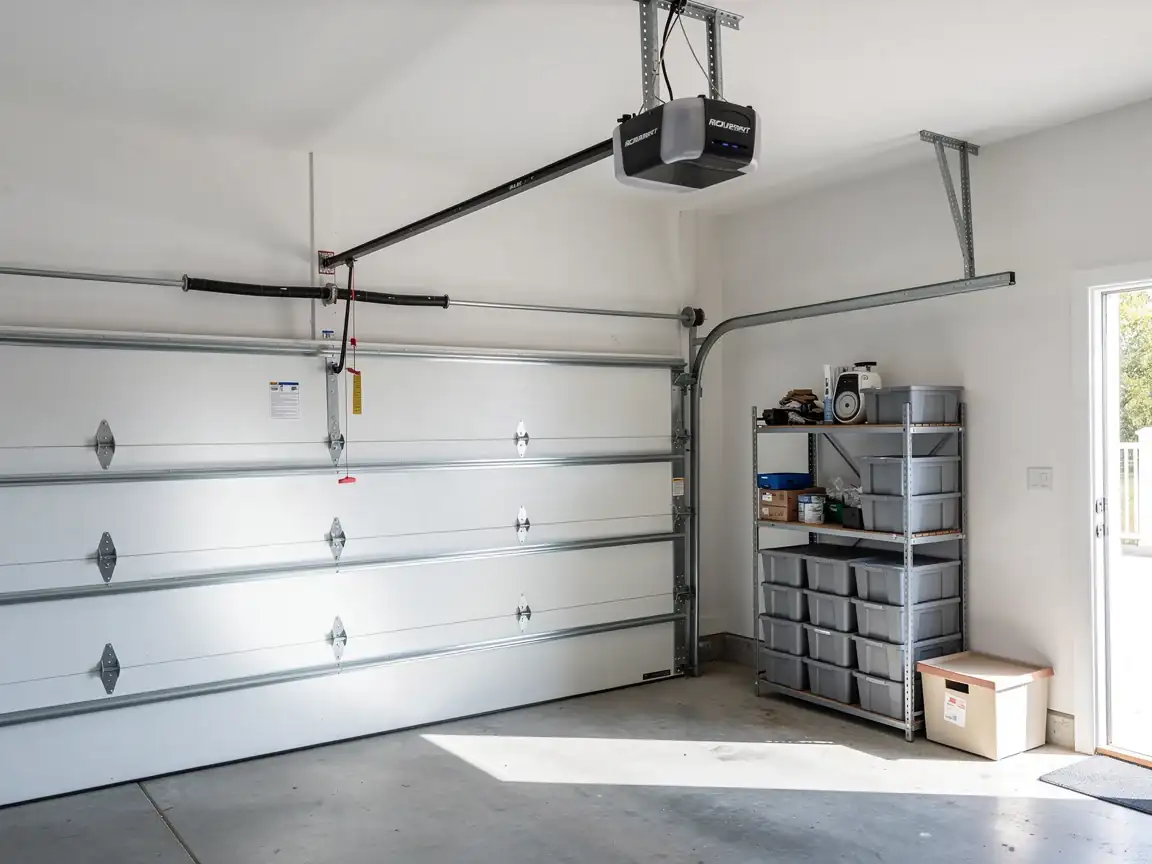
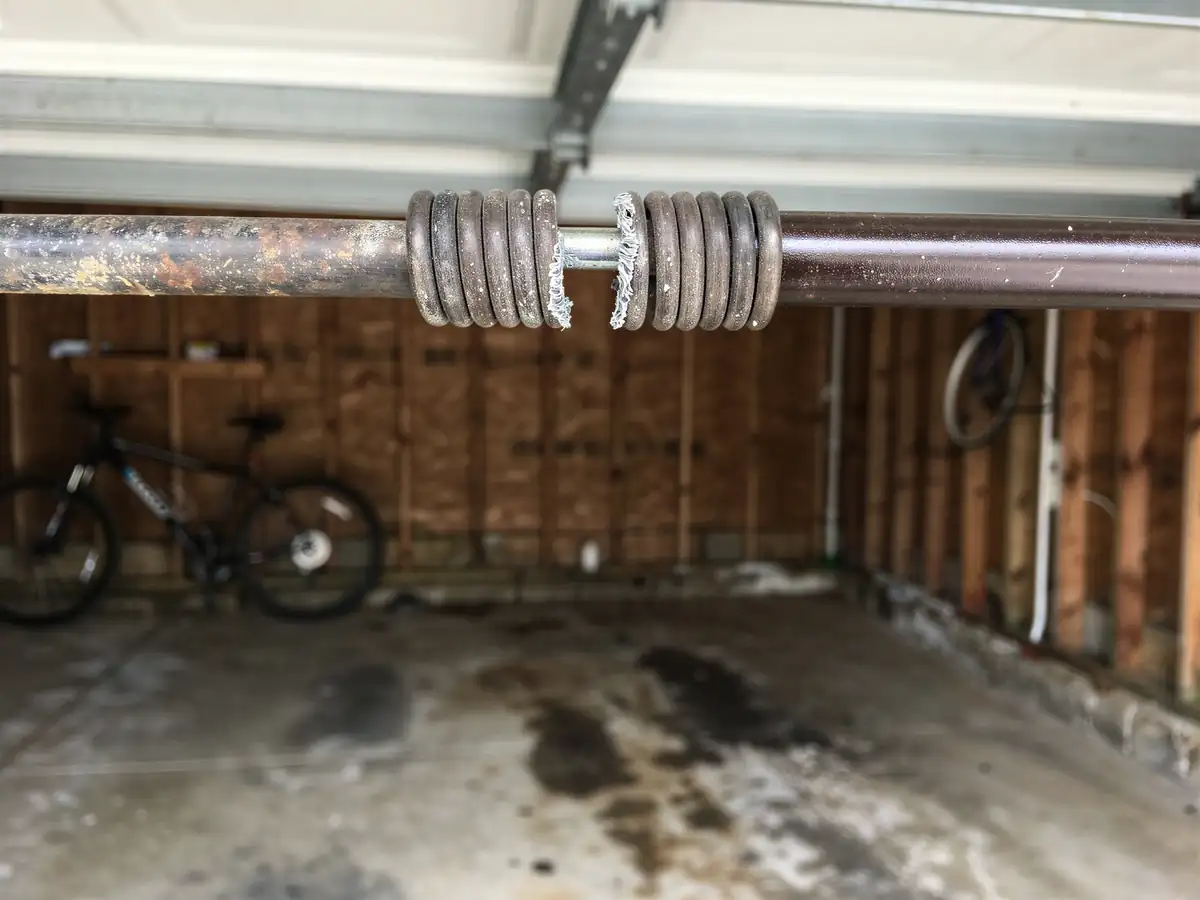
Which puts a lot of doors here squarely in the torsion-spring era - galvanized coils on a steel shaft above the door, usually a matched pair, sized to the door's weight when it was new construction. That hardware doesn't last forever. A torsion spring is rated in cycles, not years, but a 40-year-old coil has usually seen enough open-and-close cycles that it's living on borrowed time regardless of the number on the calendar.
The signs are the same whether the spring is about to go or already has
The door feels heavier than it should when you lift it by hand, the opener strains and reverses partway up, or you hear a loud bang from the garage that turns out to be the coil letting go. Sometimes it's quieter - a visible gap in the coil where it's snapped clean in two. Cold winters put extra stress on aging steel, and a spring that's been marginal for a season often finally fails on the first hard freeze of the year.
If your house is one of the older ones on a street with homes from the 1960s or 70s
You might still have an extension-spring setup along the horizontal tracks instead. Either way, the fix is spring-specific, not a universal part.
What You Pay
We don't post a flat number here because spring jobs aren't flat - a single door with one torsion spring is a different job than a double door running two springs plus new cables and end bearings. What we can tell you is how the decision usually goes for this area. With a median household income of $132,857 among the roughly 2,312 households in Lake Barrington, most owners we talk to choose to replace both springs in a pair at once rather than patch the one that broke, since the second spring is carrying the same age and the same mileage.
That's not an upsell pitch, it's math: springs are sold and rated in matched sets for a reason, and replacing only the failed half means the newer spring is doing more work than the older one, which shortens its life too. If your springs are mismatched sizes from a prior repair, that gets priced out separately once we're on site and can see what's actually on the shaft.
We quote after a look at the door, the spring wire gauge, and the drum size - not over the phone from a description, because guessing wrong on spring weight is how doors end up slamming or refusing to stay open.
Booking a Visit
Lake Barrington is about 4 miles out from our shop in Lake Zurich, and that's the drive we make for every call here - there's no separate branch or depot in town, just a straightforward trip down the road. We don't have a local response-time figure to quote you, so we won't make one up; when you call, we'll tell you where you land in the day's schedule.
Spring failures are the calls that usually jump the line, since a door that won't open or won't stay open isn't something you can leave for later if the garage is your only way in or out, or if your car's trapped inside. If the door is still moving, even roughly, you can usually wait for a scheduled slot instead of an emergency one.
See what else we cover for homes in this area at Lake Barrington services, or check the main spring repair page for Lake Zurich itself at garage door spring repair in Lake Zurich if you want the broader rundown before you call.
What the Repair Takes
A torsion spring job starts with releasing the tension safely
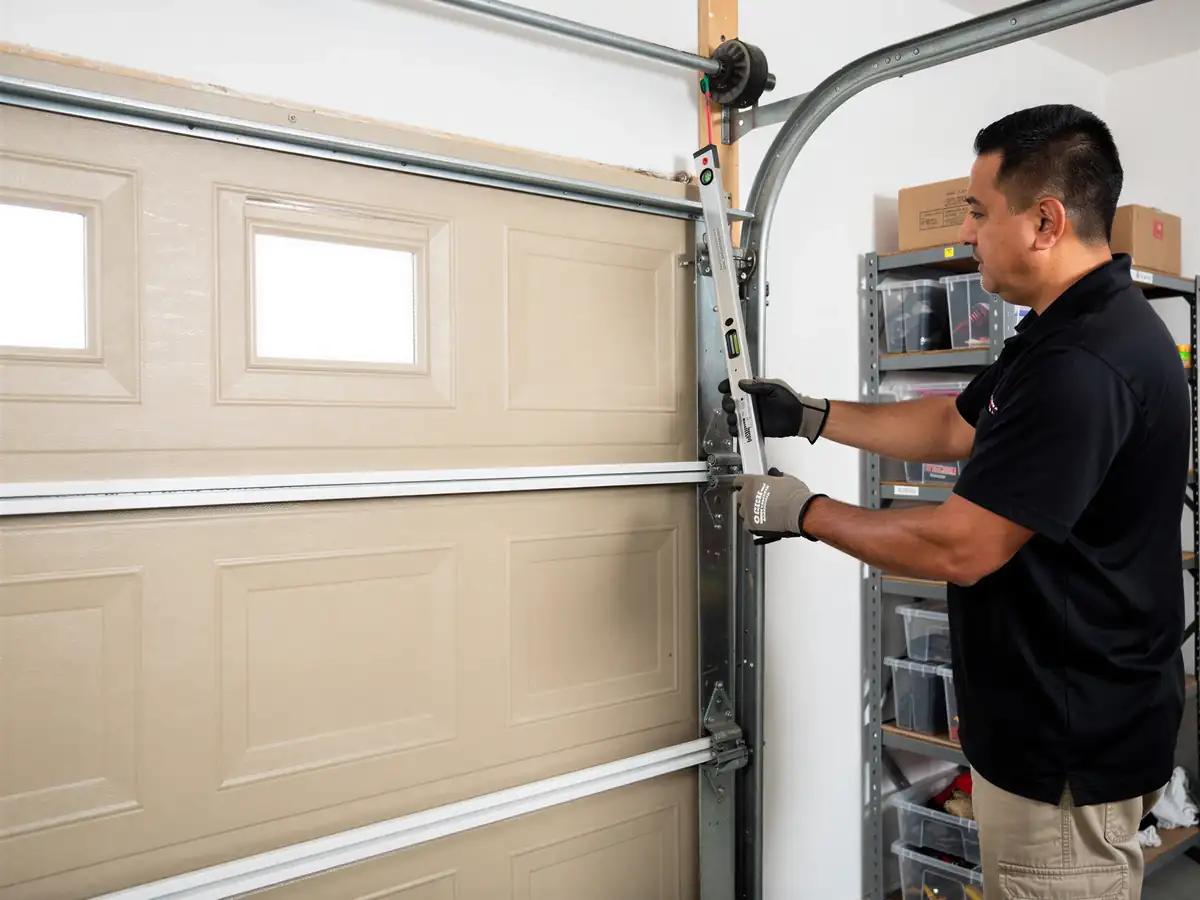
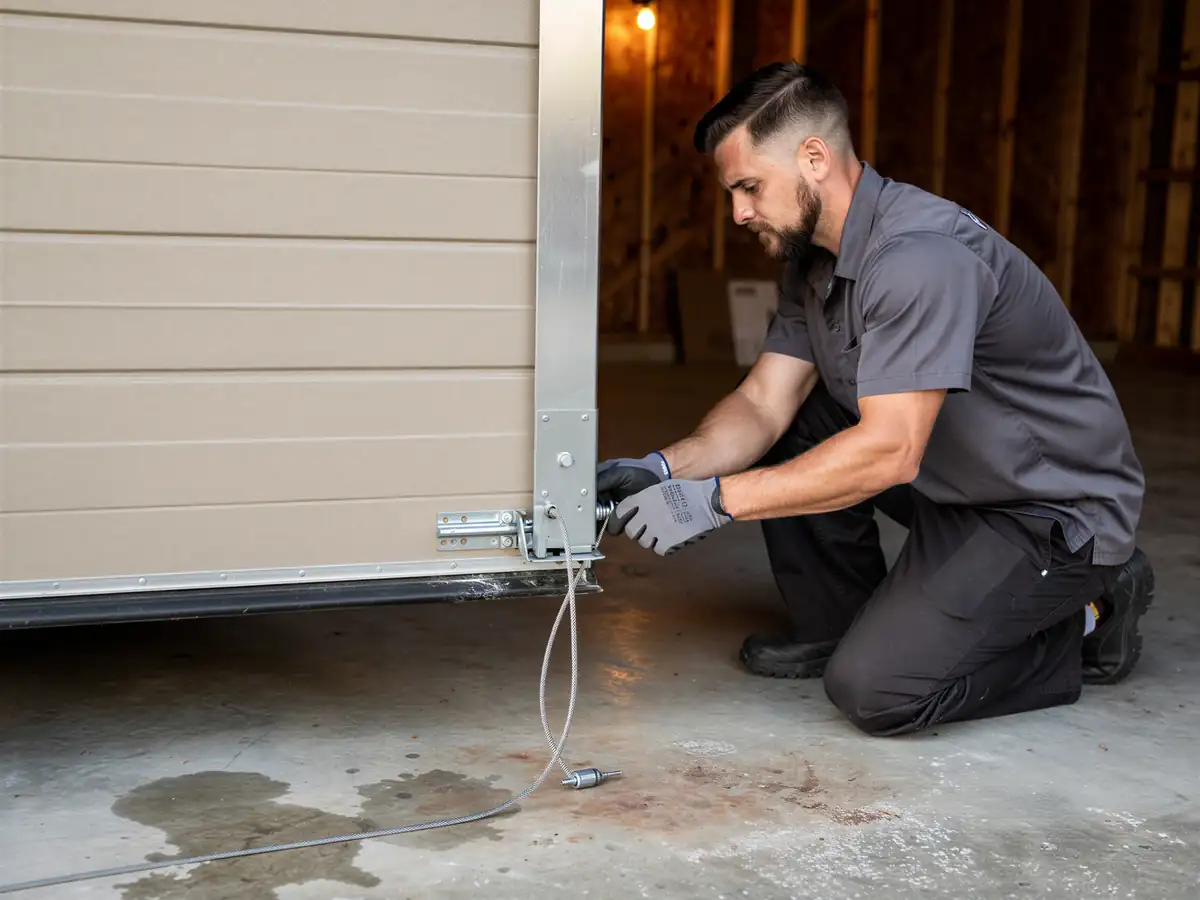
Which is the part you don't want to attempt yourself - a wound spring under load has put people in the ER. We unwind the old spring, pull it off the shaft along with the cable drums if they're worn, and check the shaft itself for bend or wear where the spring rode.
New springs go on matched to your door's weight and cycle rating
Not just whatever's closest in size. We check the cables, the end bearing plates, and the bottom brackets while we're in there, since those parts take the same load and age the same way the spring does, and replacing a spring next to a frayed cable just means a second call later.
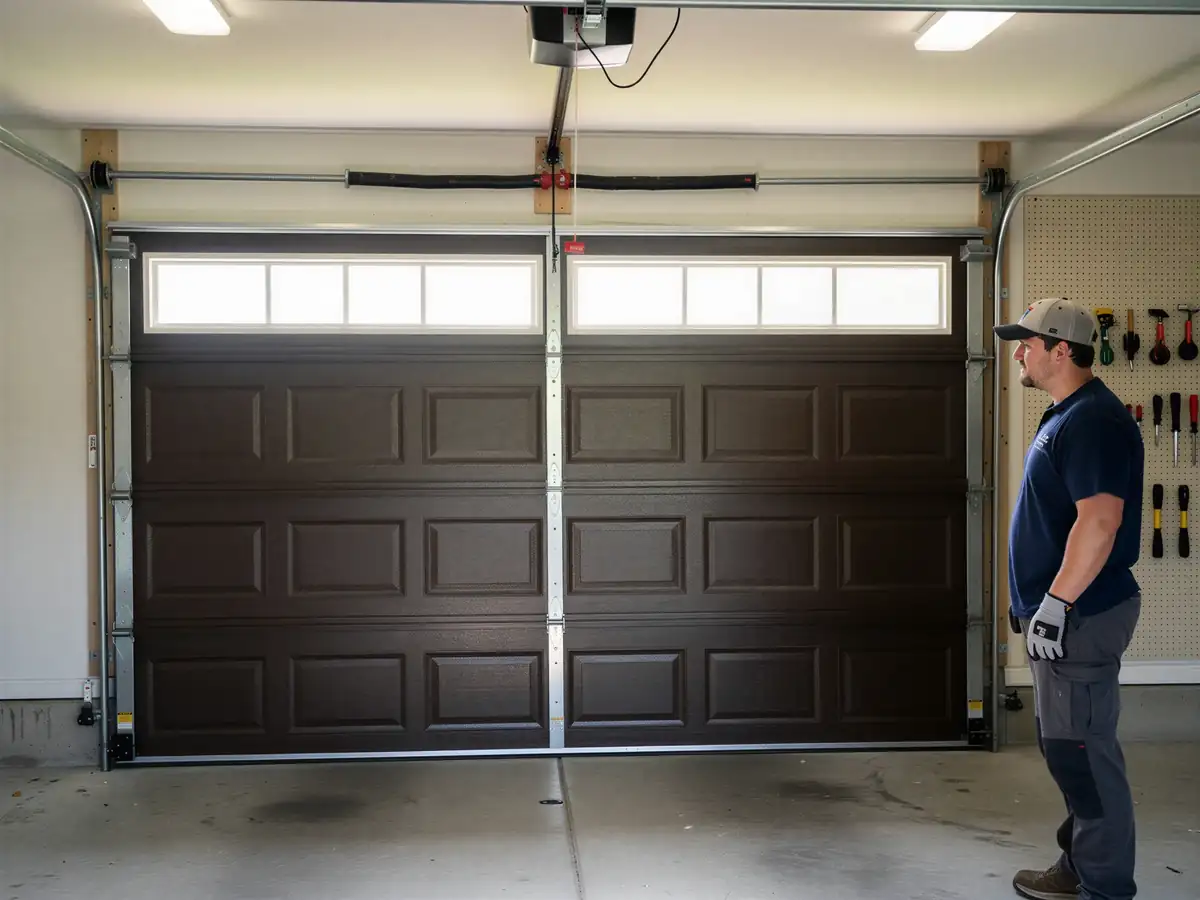
Once it's wound and the door's rehung, we run it through a full open-close cycle and check the balance
A door that's properly sprung should sit roughly where you leave it, not drift up or slam down. For a double door with two springs, figure on more time than a single, since both get tensioned and tested the same way. We don't rush the wind-up step regardless of the schedule; it's the one part of the job where shortcuts show up later as a snapped coil.
Where This Job Goes Sideways
The honest limitation: if your spring and drum setup is old enough or unusual enough - oversized shaft, a drum style that's been out of production, or a spring wound to a nonstandard length from a past repair - we may not have the exact match on the truck and have to order it in. That's rare on a mid-80s door, but it happens more on houses that have had prior work done with whatever parts were on hand at the time.
Rust is the other thing that turns a routine swap into a longer job. A spring that's been sitting in a damp garage for decades can seize to the shaft, and freeing it without damaging the shaft itself takes more time than a clean unwind-and-replace. If the shaft's bent or pitted, replacing just the spring isn't enough - the whole assembly has to come out, and that's a bigger job than most people expect when they called in for