How It Shows Up
At a median household income of $132,857
Lake Barrington sits well above the $121,583 median across our wider service area. That matters for one reason: when a door is original to the house and starts failing, the math on fixing it versus replacing it tips toward replacement faster here than in towns where budgets are tighter. A $300 spring repair on a 1980s steel door that's already dented, poorly insulated, and running on a worn opener doesn't make sense when a new insulated door pays itself back in comfort and resale within a few years.
Most of the broader area's housing stock dates to the 1980s and 90s
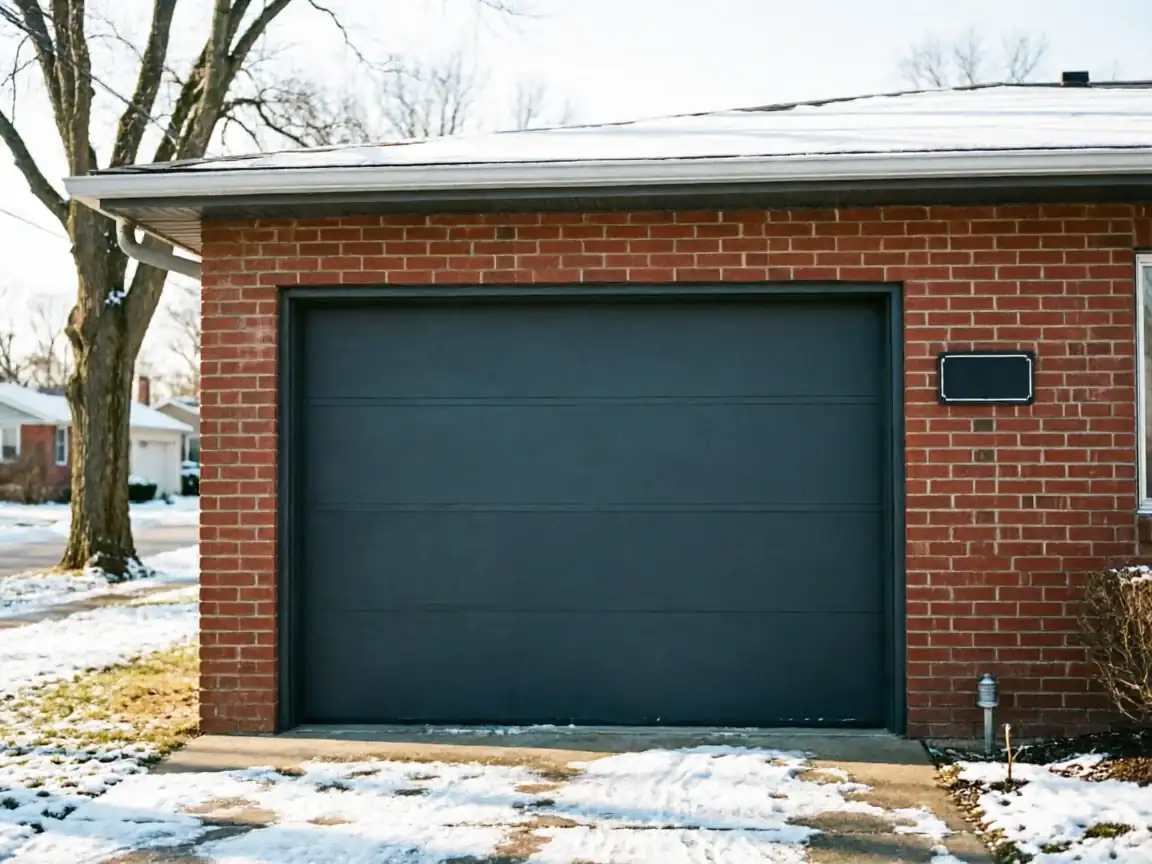
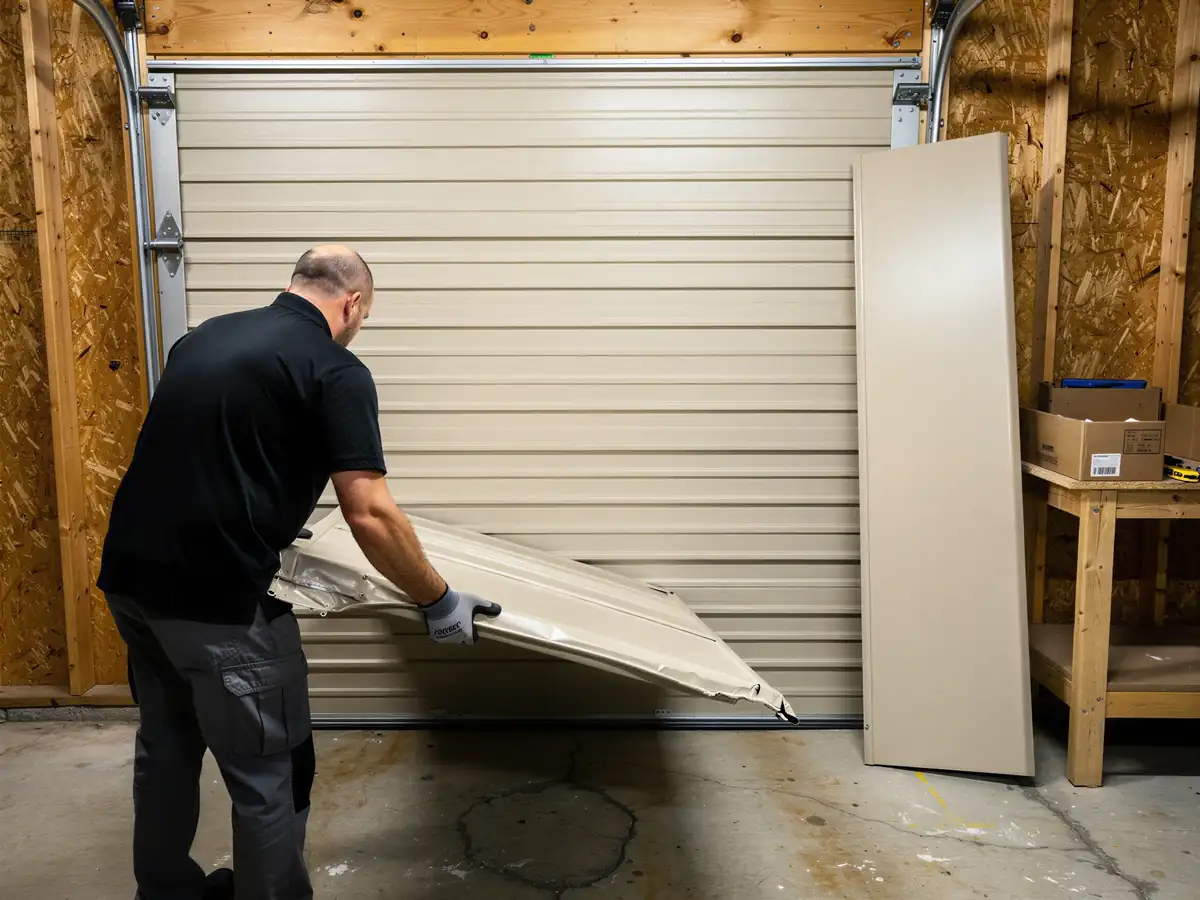
And Lake Barrington fits that pattern - its homes trend toward that same mid-80s build era. That means a lot of original doors: single-layer steel, minimal insulation, torsion springs sized for a lighter door than what buyers expect now. We see it most on garages that haven't been touched since the house was built - the door still works, technically, but it's loud, it's cold, and the panels have started to bow at the bottom corners.
With only 2,312 households in Lake Barrington
This isn't a town where every third garage gets swapped out on a contractor's schedule. Replacements here tend to happen one at a time, driven by a specific failure or a remodel, not by a subdivision-wide push.
- 2,312 households
What You Pay
We don't have a published price list for installation jobs here, and I'm not going to invent one - costs swing too much with door size, insulation level, and whether you want a new opener with it. What I can tell you is how the decision usually breaks down at Lake Barrington's income level: households here are earning enough that choosing a better-insulated door with a quieter opener is a reasonable upgrade, not a stretch, especially against our COLD climate band, where a thin single-layer door loses real heat all winter.
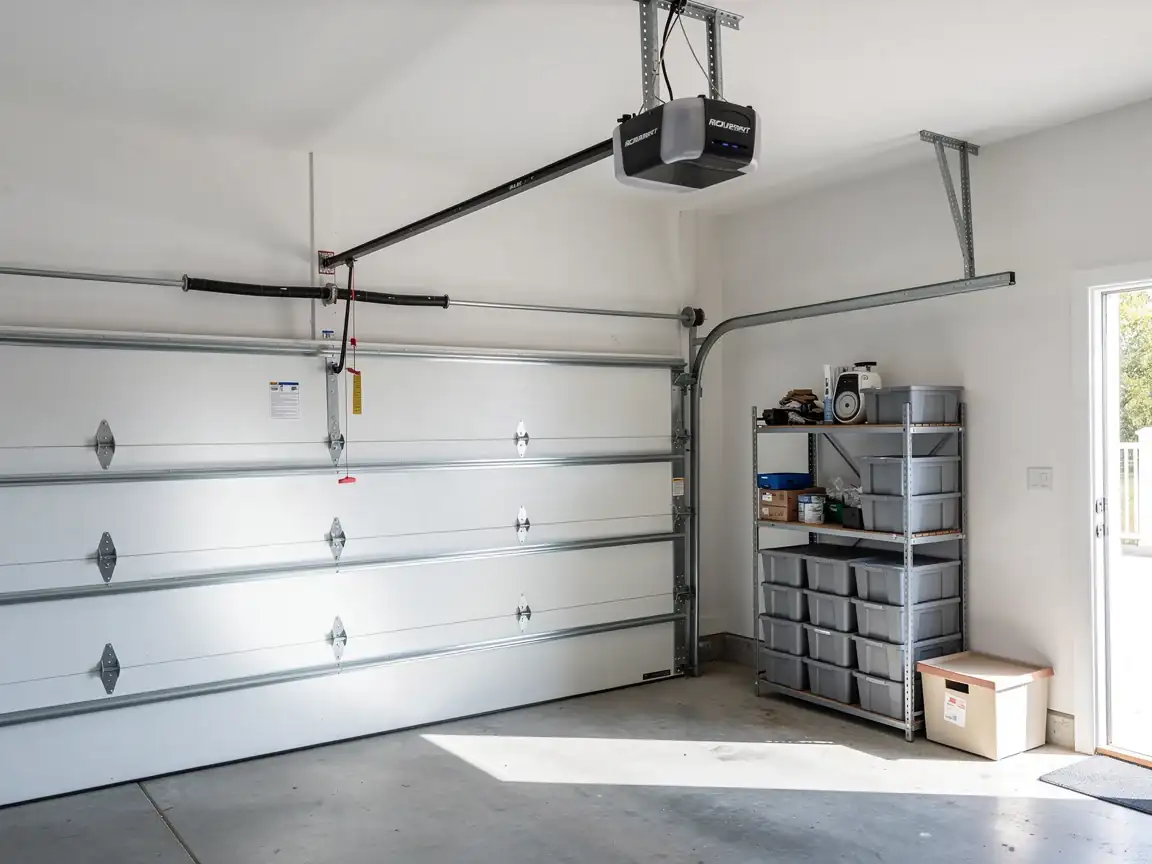
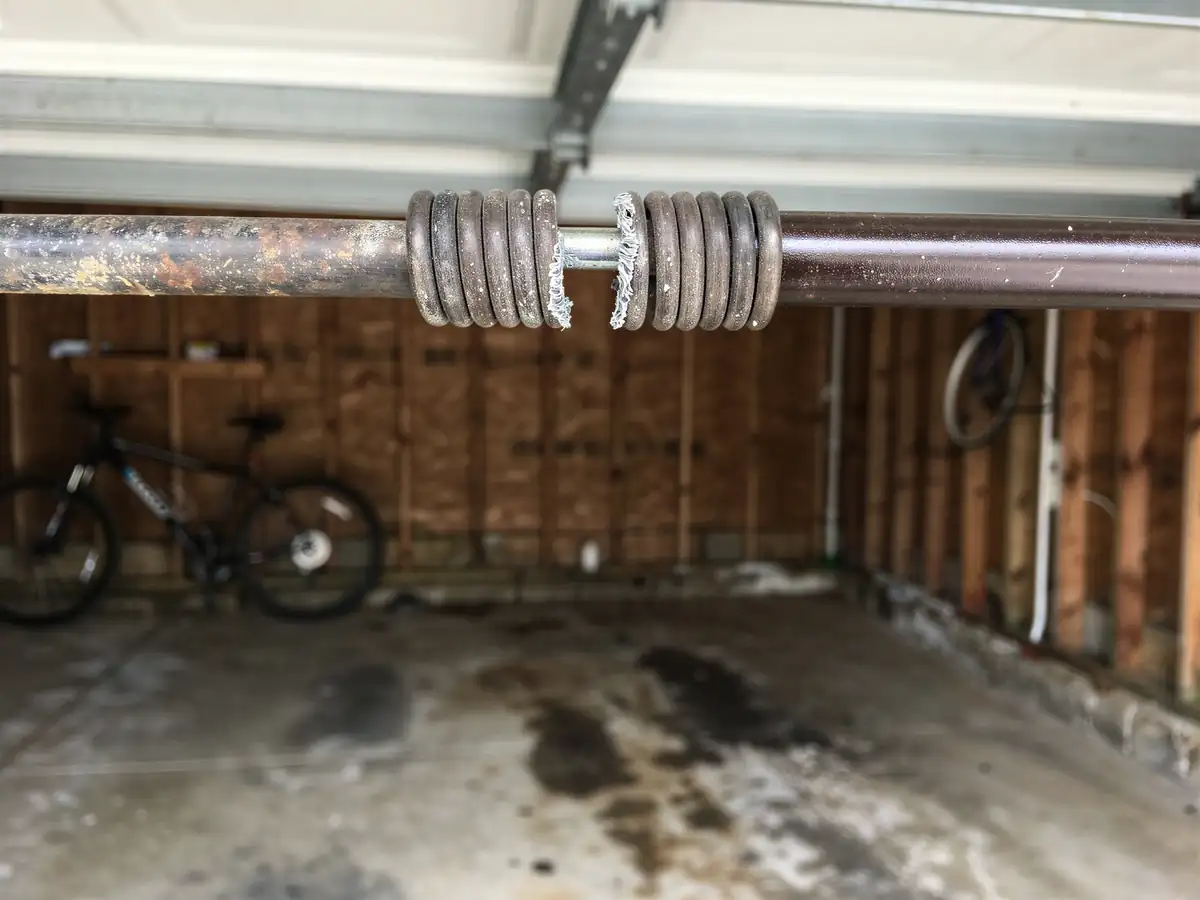
If your current door is from that 1980s build era and still has the original hardware, factor in that springs and rollers sized to older code and lighter panel weights may not be stocked for quick swap - sometimes the whole door and track go together rather than piecing it out. That's a job-by-job call we make on site, not something to guess at over the phone.
Booking a Visit
We run out of Lake Zurich, about 4 miles from Lake Barrington - close enough that getting a crew and a truck full of panels to your driveway isn't a logistics problem, it's a short drive. We don't have a branch or drop point in Lake Barrington itself, so every visit starts from the Lake Zurich shop. That's worth knowing if you're expecting a same-hour walk-in; we schedule the visit, then come out.
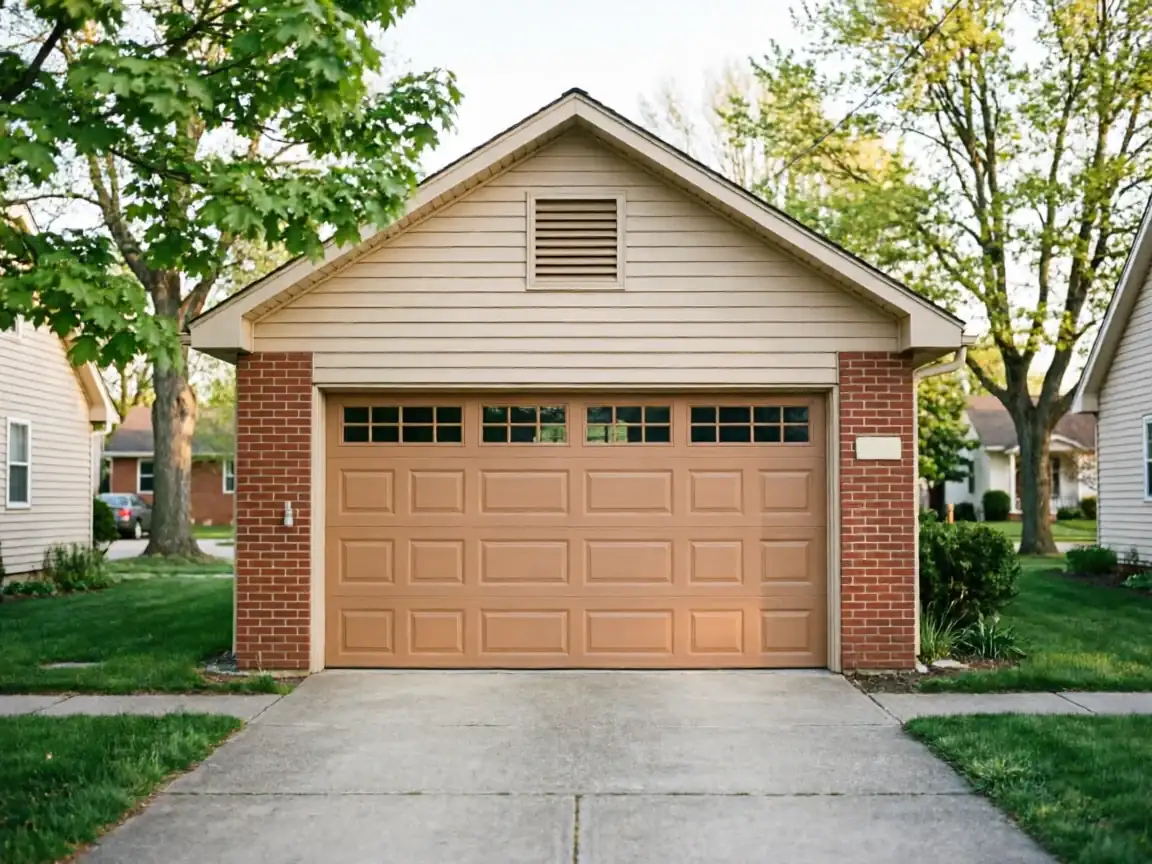
When you call, have the door's rough age and size handy - single or double, and whether you know if it's steel, wood, or composite. That's usually enough for us to bring the right measuring gear and a few likely panel options on the first trip, rather than making you wait on a second visit just to quote the job.
What the Repair Takes
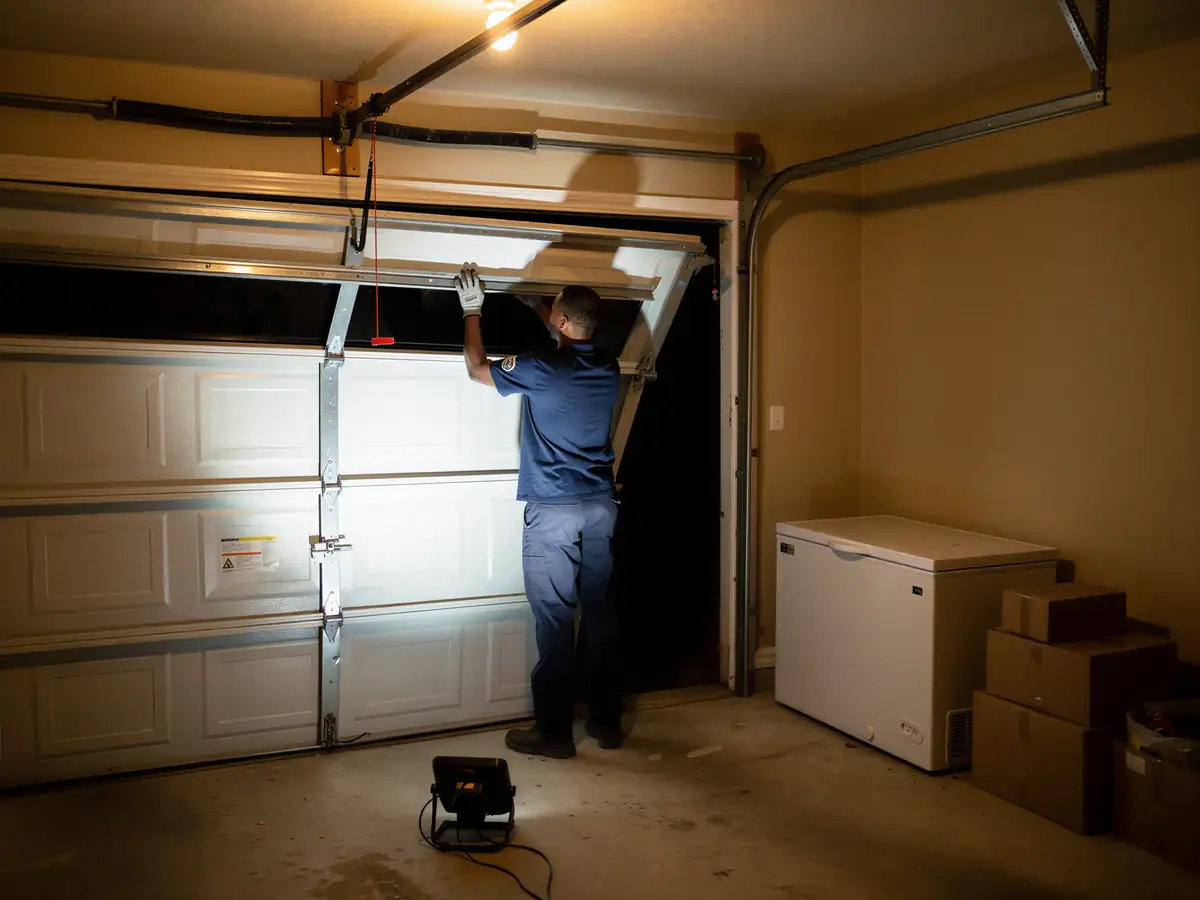
Full installation on a single door usually runs a day
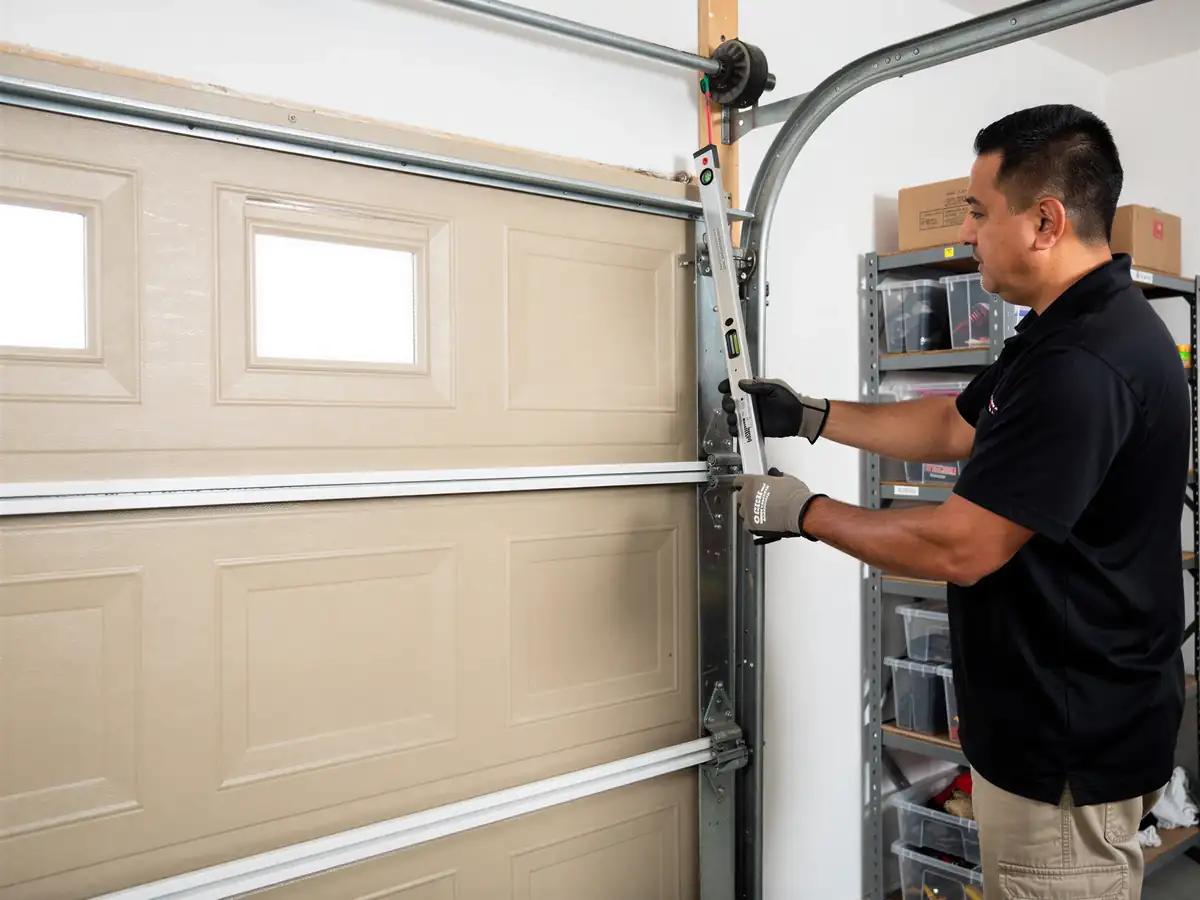
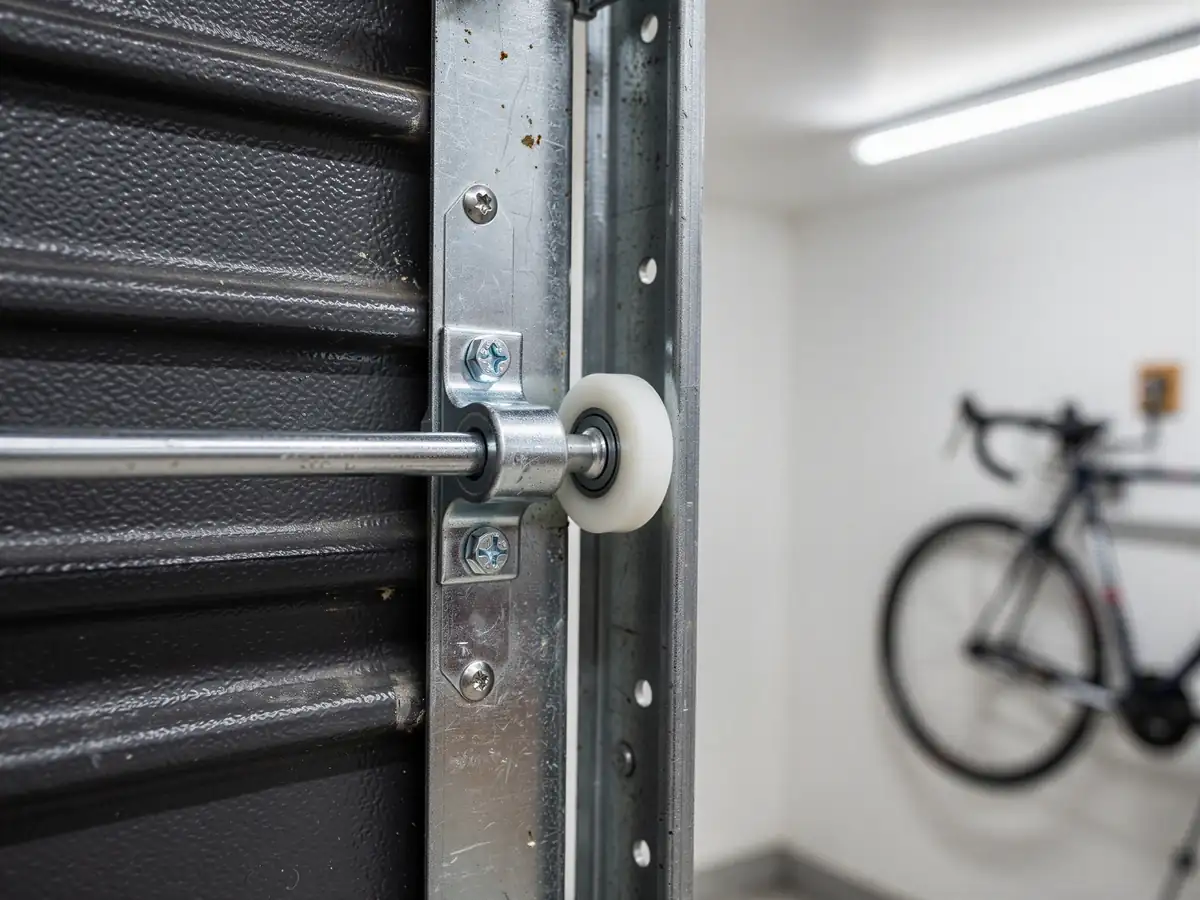
Doubles or jobs that include new track, insulation upgrades, or an opener swap can run longer. The bigger factor in a town like Lake Barrington is what's behind the old door - if the original hardware doesn't match current spring and cable sizing (common on houses from that mid-80s era), we're replacing the jamb hardware along with the door itself, not just hanging a new panel on old brackets.
One honest limitation
We don't stock every custom width or a wide range of wood-look composite finishes on the truck. Anything outside standard steel sizing is a special order, and that adds lead time we can't shorten - it comes from the manufacturer, not from us. If your garage opening is non-standard, plan for that extra wait up front rather than finding out on install day.
Where This Job Goes Sideways
The most common surprise on a 1980s-era Lake Barrington install is finding the header or jamb framing was built to fit a door that's lighter than what homeowners want installed today - better insulation means more weight, and more weight sometimes means the opening or the opener mount needs reinforcing before the new door goes up. That's not a sales tactic, it's a structural reality of swapping a 40-year-old single-layer door for a modern insulated one.
The other place it goes sideways: openers. A lot of original openers in this build era are still chain-drive units from the first installation, and they often outlive their matching door by decades. Pairing a brand-new door with an opener that's dying anyway just means a second service call sooner than you'd like. We'll flag it if we see it, but the decision to replace both at once or wait is yours.