Parts We Carry
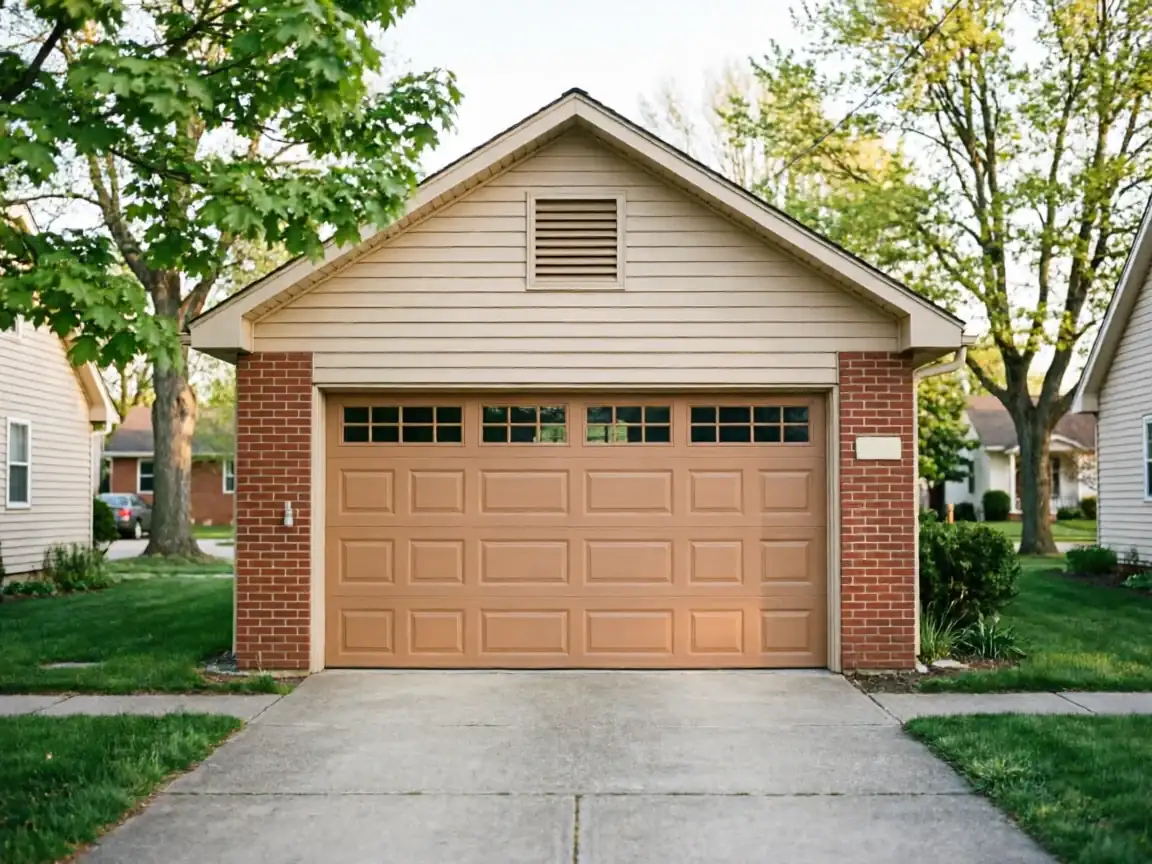
Kildeer's median home dates to about 1991
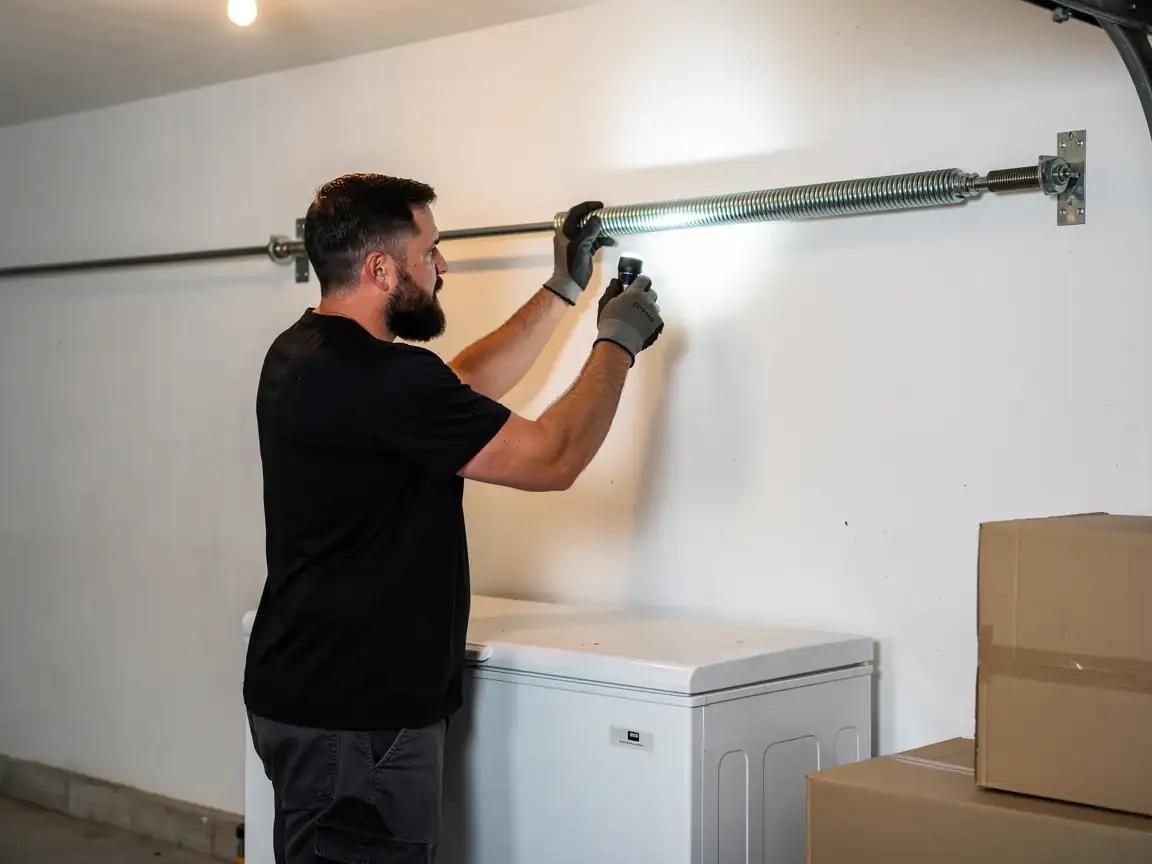
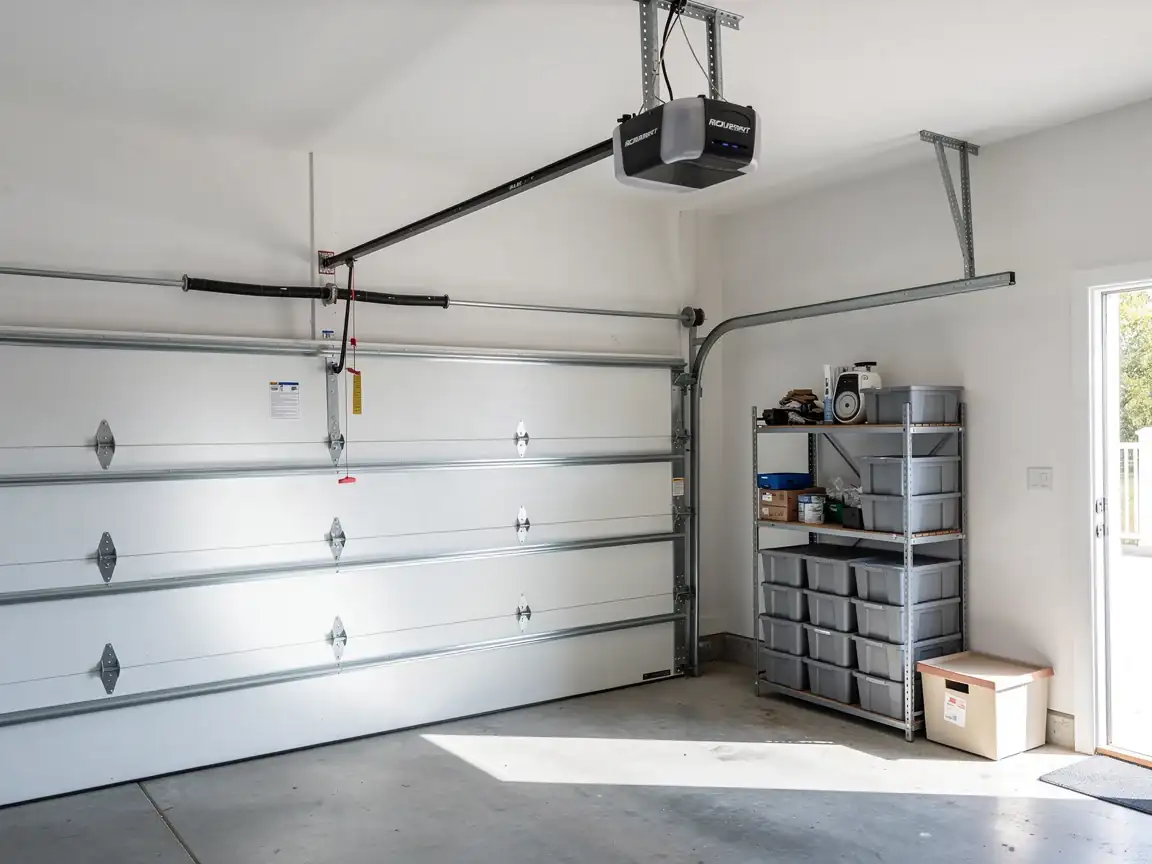
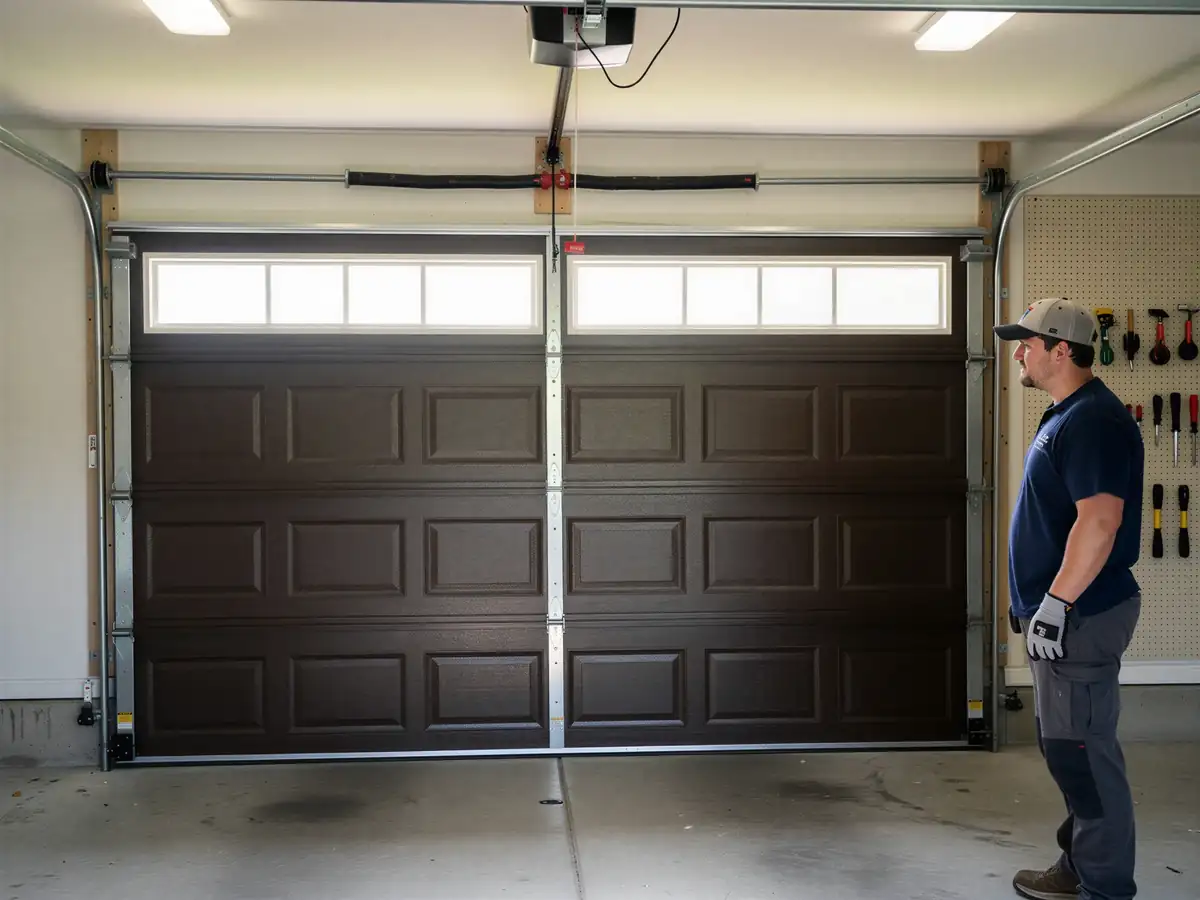
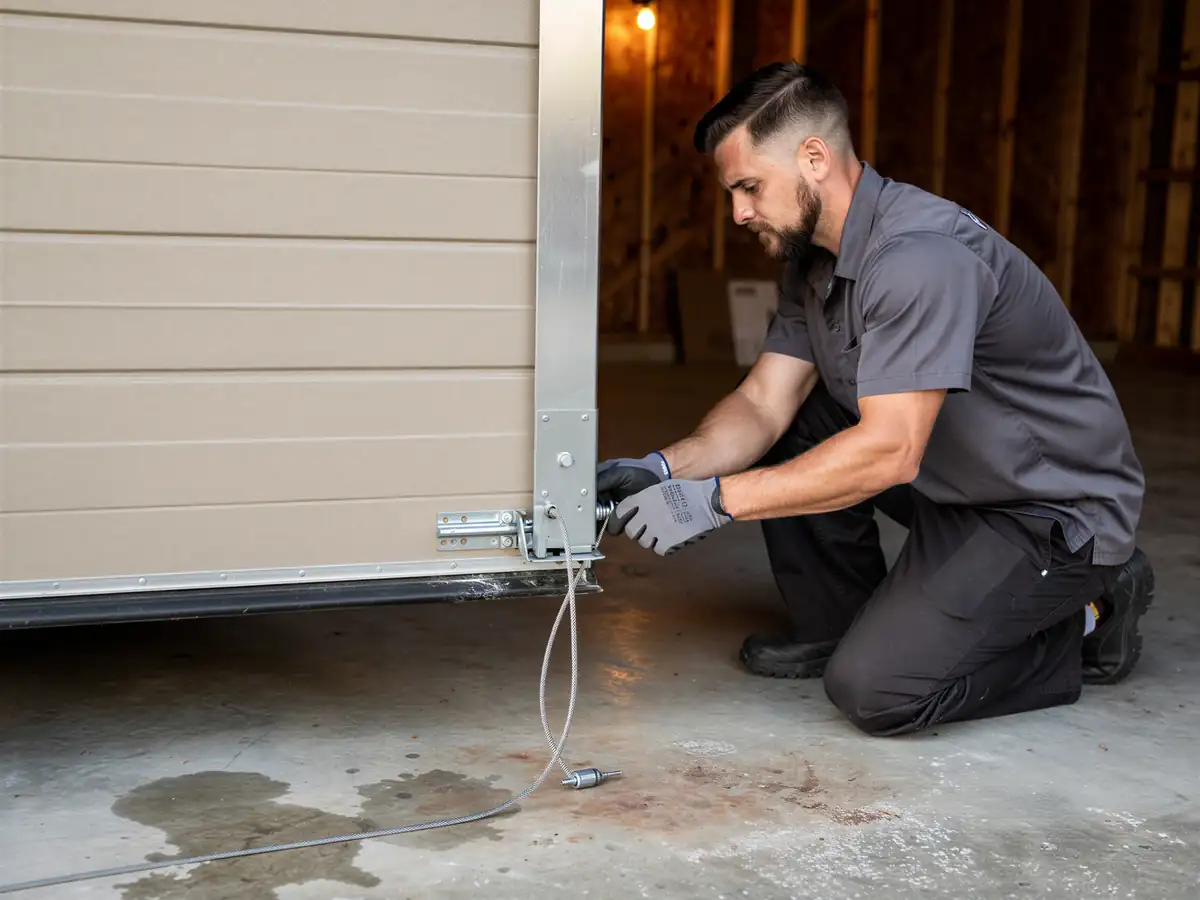
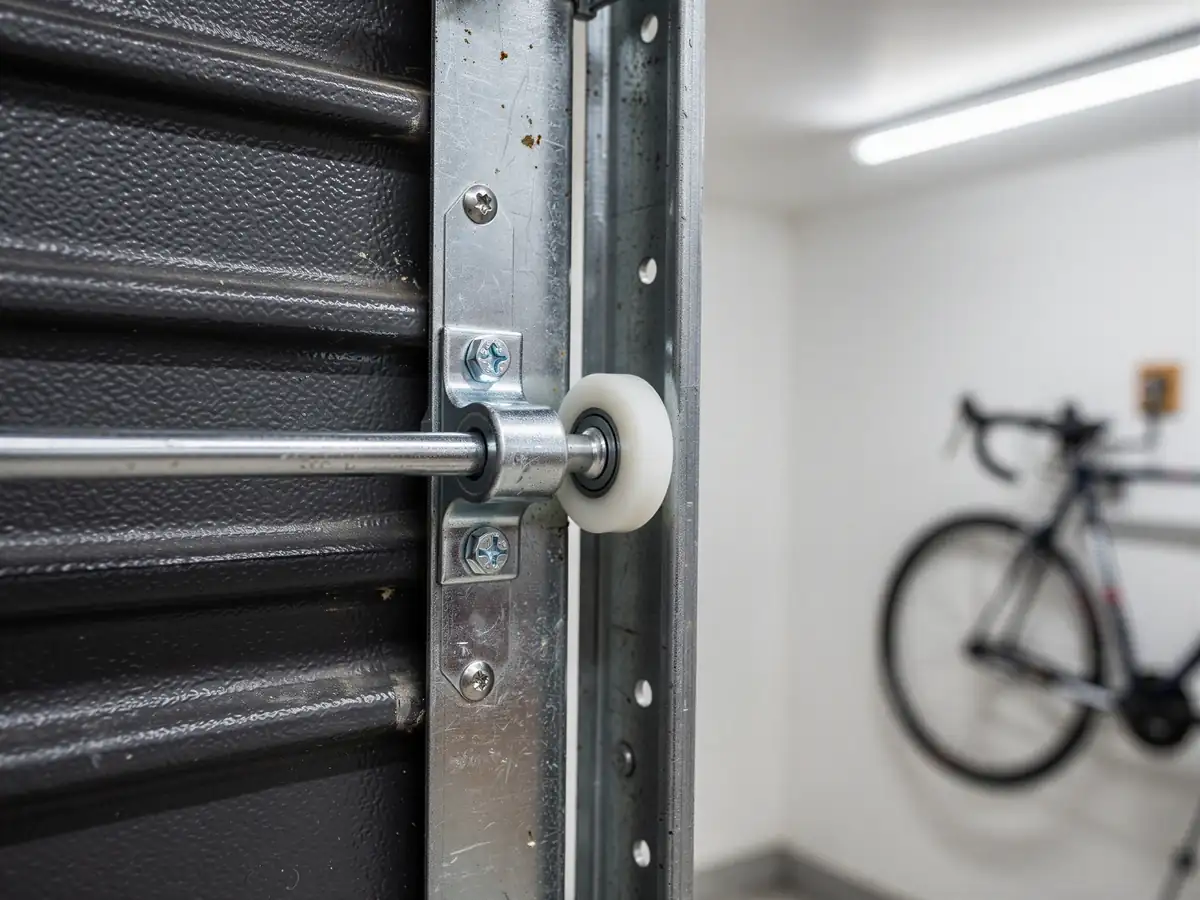
Which puts nearly every garage door in town on torsion spring hardware, not the older extension-spring coils you'd find in pre-1980s construction elsewhere in the broader area. We carry torsion springs in the common wire sizes and wind lengths for double-car doors from that build era, plus the drums, end bearing plates, and galvanized lift cable that wear out alongside them.
At a median household income of $250,001 here
More than double the wider service area's $121,583 median, we see fewer owners asking for a single cheap spring swapped in to limp a door along. More often it's a full matched pair, torsion bar included if the shaft shows pitting, because the math on a callback six months later doesn't make sense at that income level. We stock standard sizes on the truck; a non-standard door width or a commercial-grade spring sometimes means a short order delay, which we'll tell you about before we quote the job, not after.
Booking a Visit
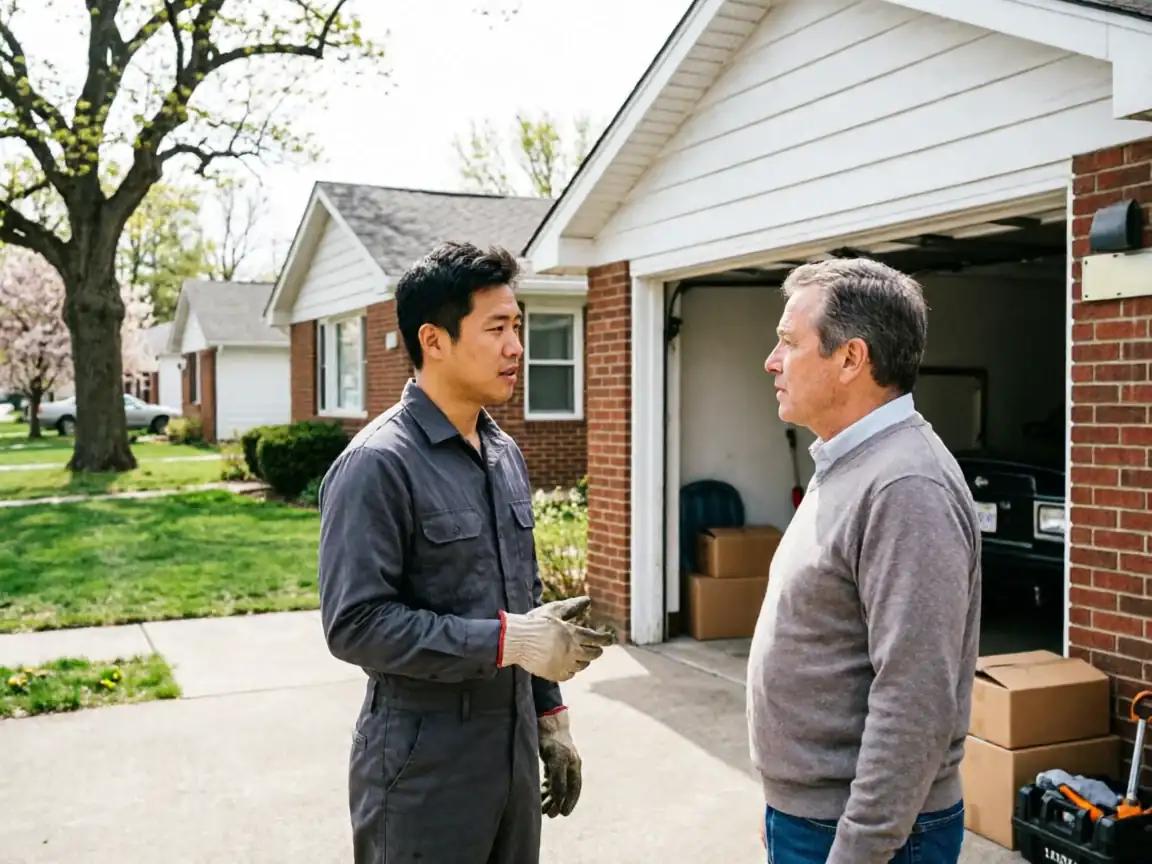
We run out of Lake Zurich, about two miles from Kildeer, so there's no separate branch or drop box in town - a tech drives the two miles with the spring stock already on the truck. For a town of 1,441 households, that's not a volume route the way some larger suburbs are, so jobs here get scheduled around the day's run rather than walked into same-hour.
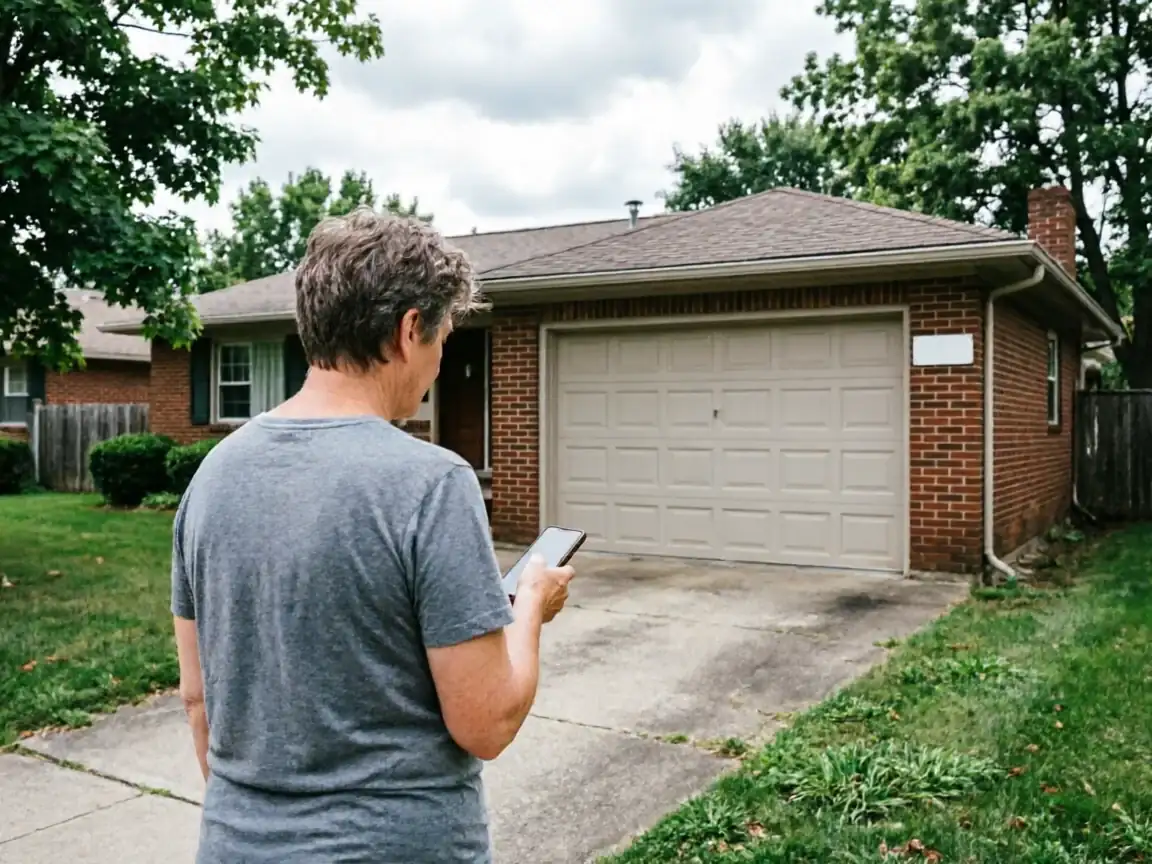
When you call, tell us the door's size, whether it's one spring or two, and roughly how old the opener is. If the house was built near that 1991 median, torsion hardware is a safe bet and we can usually quote over the phone. Older or newer builds sometimes have different spring counts or mounting, so we may ask for a photo of the spring assembly above the door before we commit to a part number.
How It Shows Up
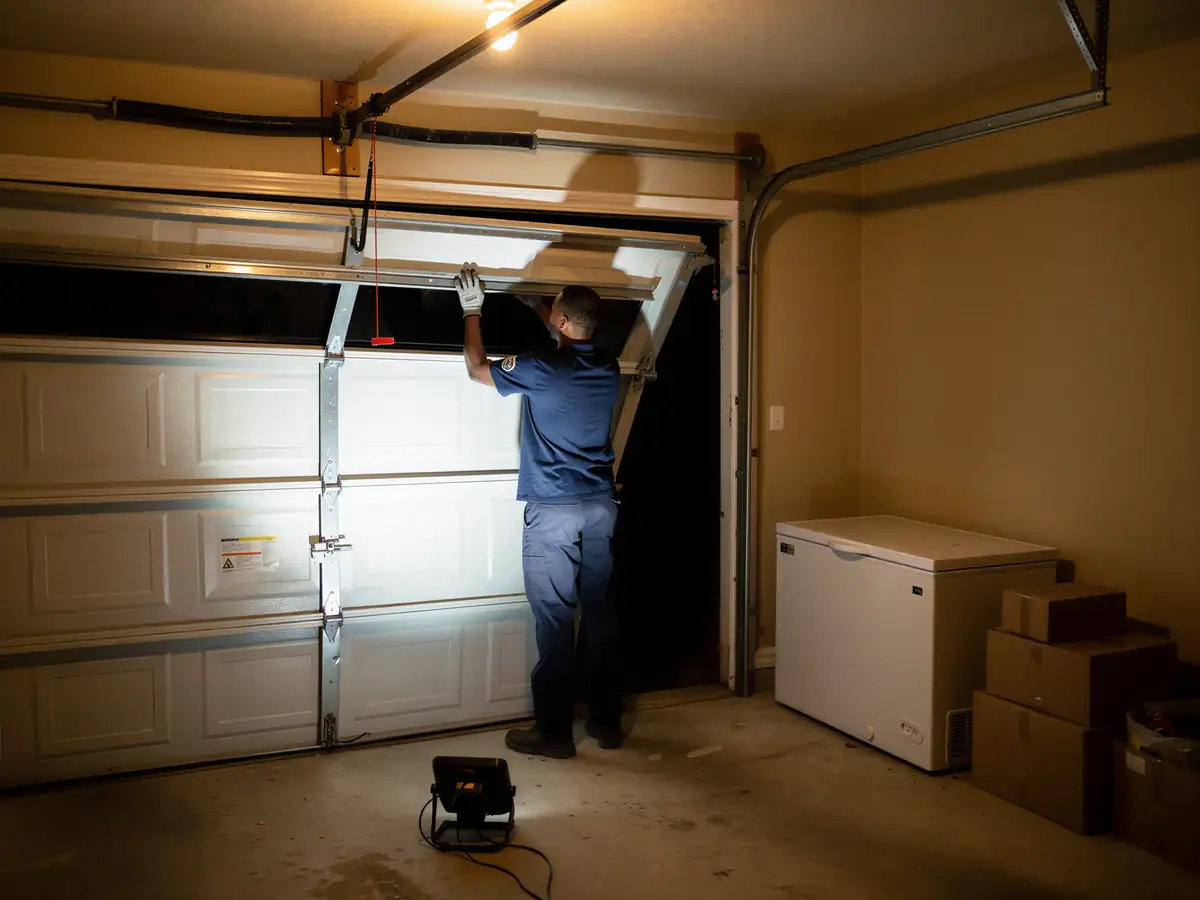
A torsion spring nearing the end of its life usually gives a warning before it snaps outright: the door feels heavier than it used to when you lift it by hand with the opener disconnected, or the opener strains and groans partway up. On double doors from the early-1990s building wave common in Kildeer, it's frequently one spring going first while the other still holds - the door will visibly tilt to one side as it opens or closes.
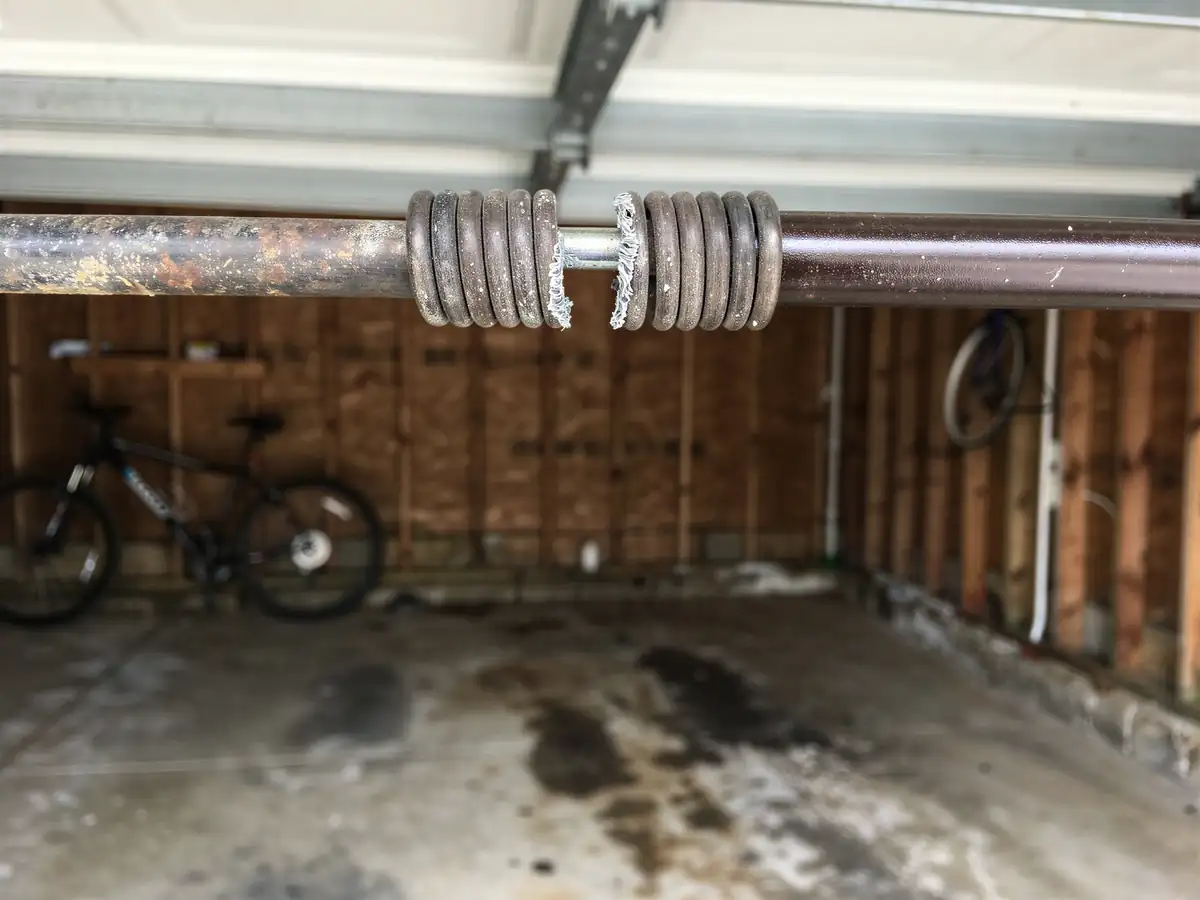
A full break is louder and more obvious: a bang from the garage, then a door that won't budge or that the opener can lift only a few inches before stalling. If you see a gap in the coil or one half of the spring hanging loose from the shaft, that's your answer. Don't run the opener again once you notice either symptom - it strains the opener motor and can bend the track.
Where This Job Goes Sideways
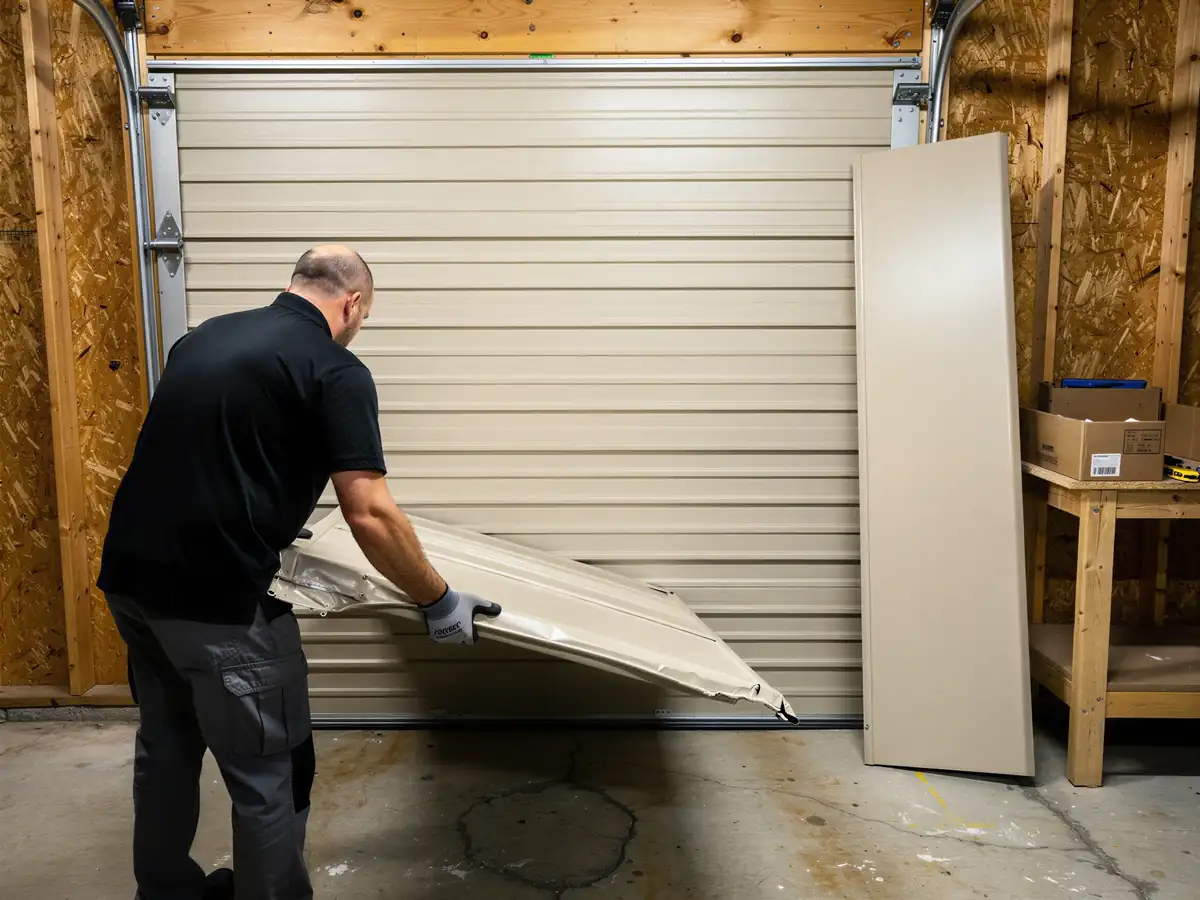
The most common mistake we see on doors from this era is someone replacing only the broken spring and leaving the second one
Which is usually within a season or two of the same wire fatigue, untouched. It fails next, often while the door's half-open, and now you're paying for a second service call instead of one job done right the first time.
The other failure point is mismatched wire gauge
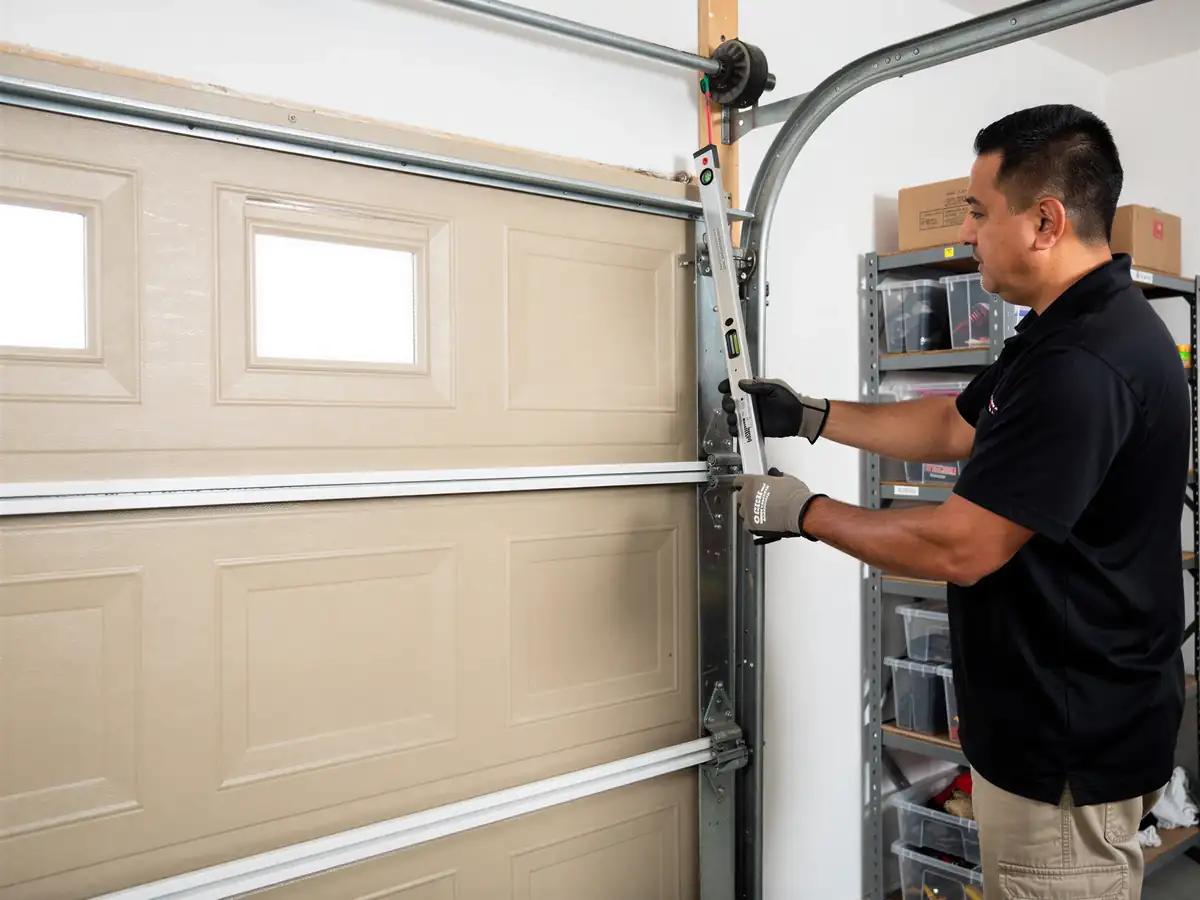
A spring wound slightly light for the door's weight will cycle faster than its rated 10,000 turns and snap early; one wound slightly heavy puts extra strain on the opener's gears and bearings. Getting the gauge right means knowing the door's actual weight, not just its listed size, which is why we measure on-site rather than quoting blind off a phone description.
Can You Do This Yourself
We'll say this plainly: torsion springs are under enough tension to break a wrist or worse if the winding bars slip, and we don't recommend doing this one yourself even if you're comfortable with other home repairs. Extension springs on older doors are a different, lower-risk job - torsion is not.
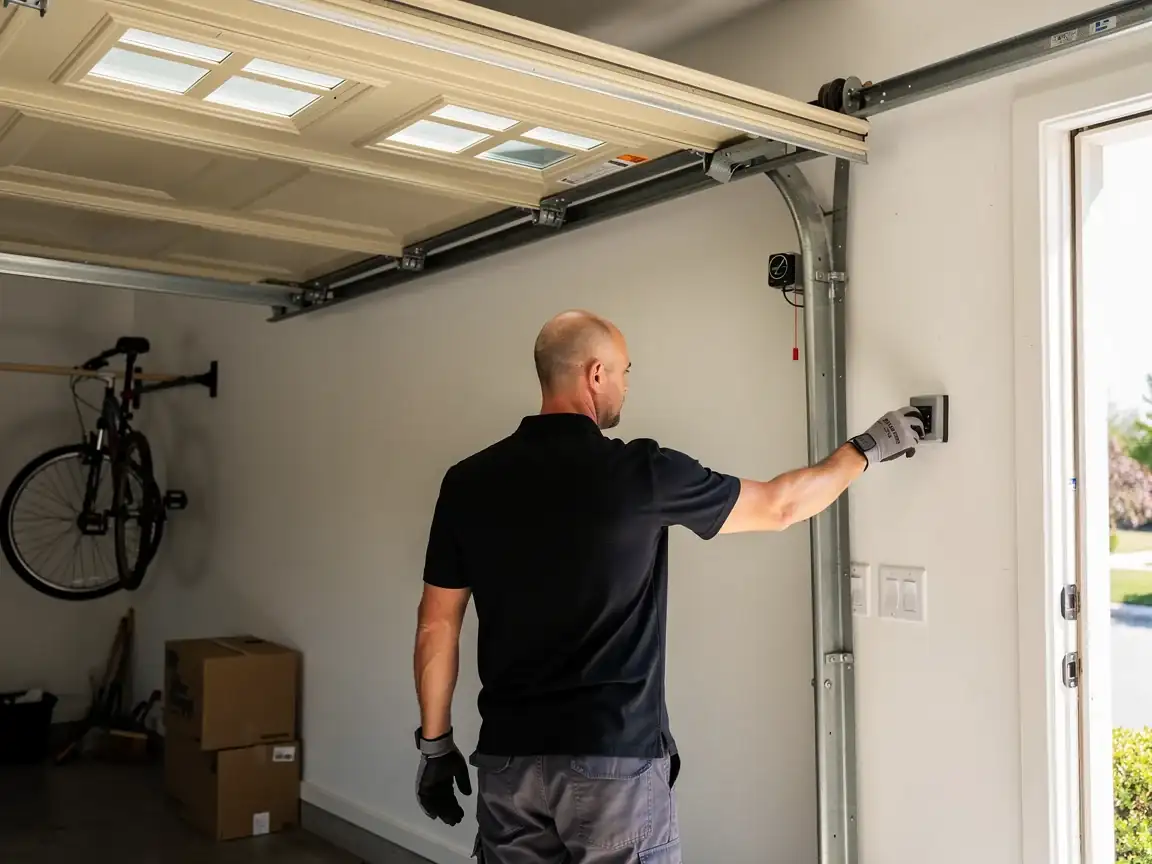
What you can safely do is the diagnosis. Pull the release cord, lift the door by hand, and feel whether it's heavy, uneven, or won't stay up on its own. That tells us a lot before we arrive. One honest limitation: if the door is original to a much older build and the spring size is obsolete, sometimes the straight answer is a new door rather than hunting down a discontinued part - we'll tell you if that's the case instead of forcing a repair that won't hold.