Parts We Carry
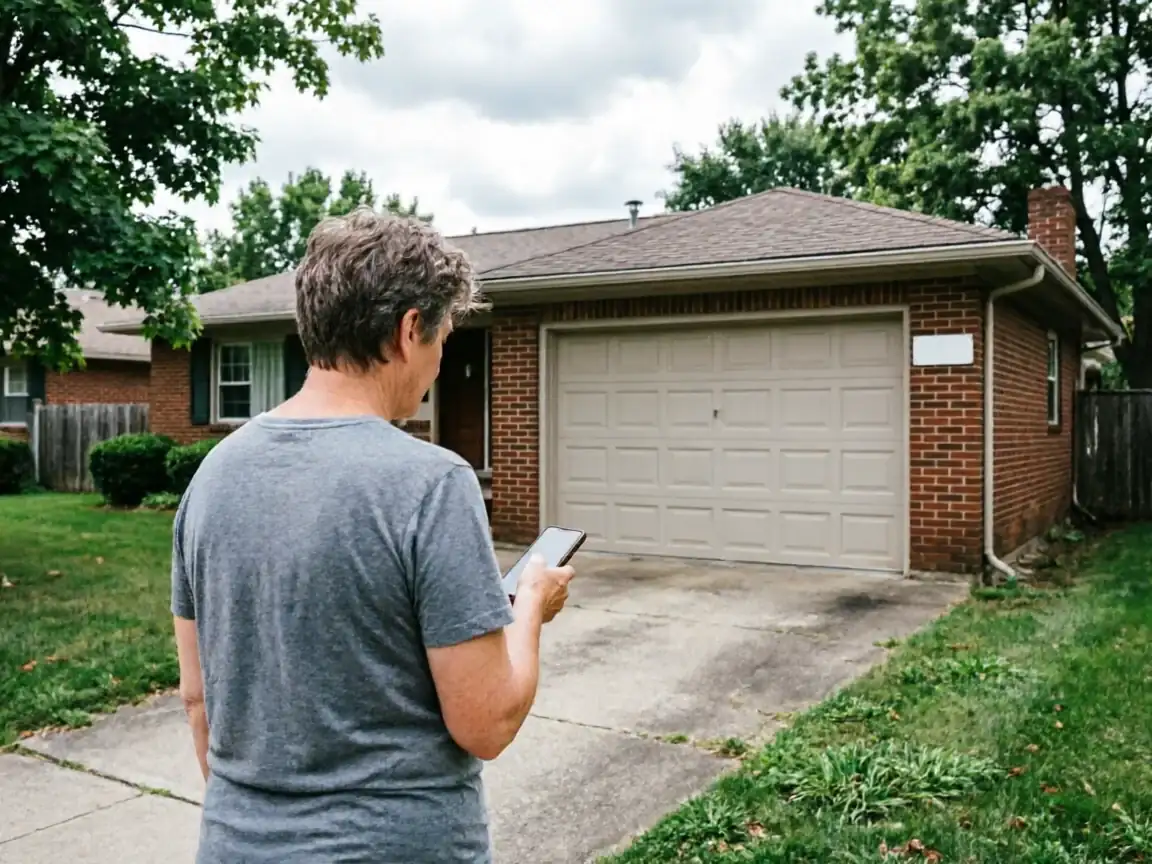
Most of Kildeer went up around 1991
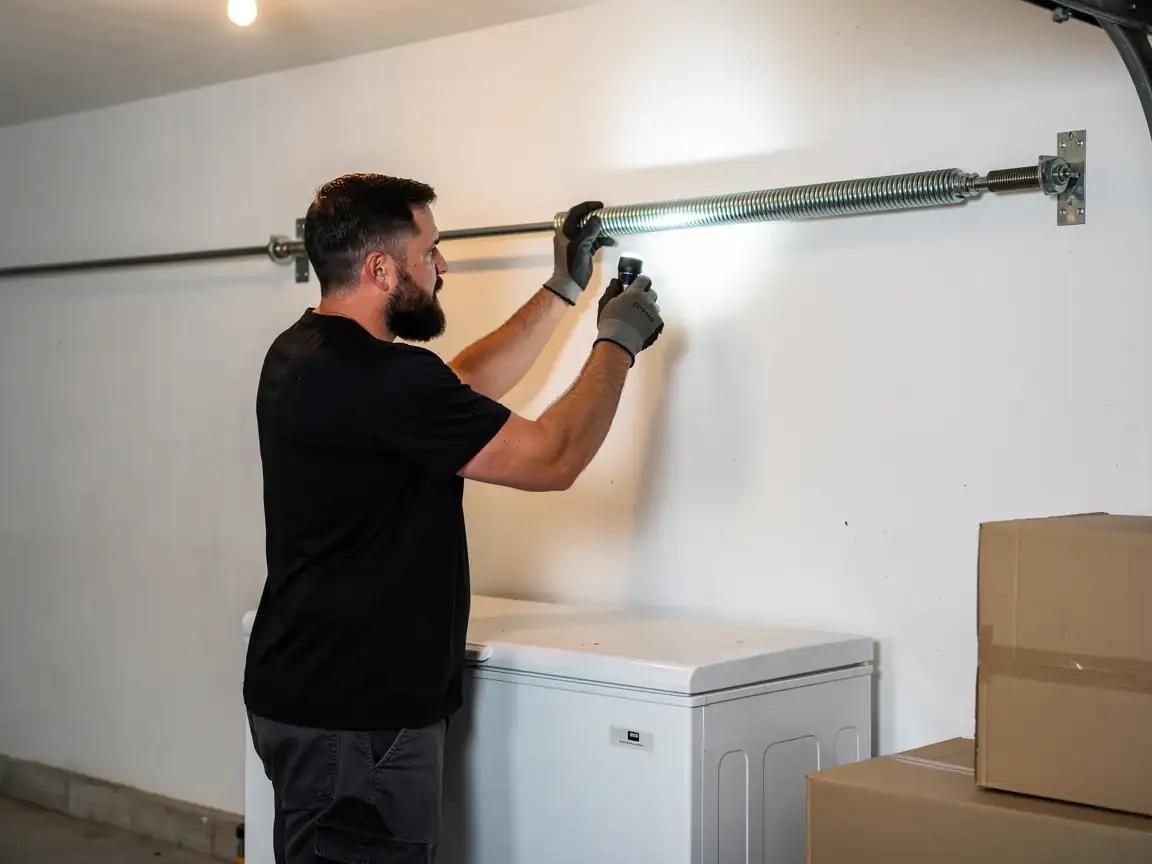
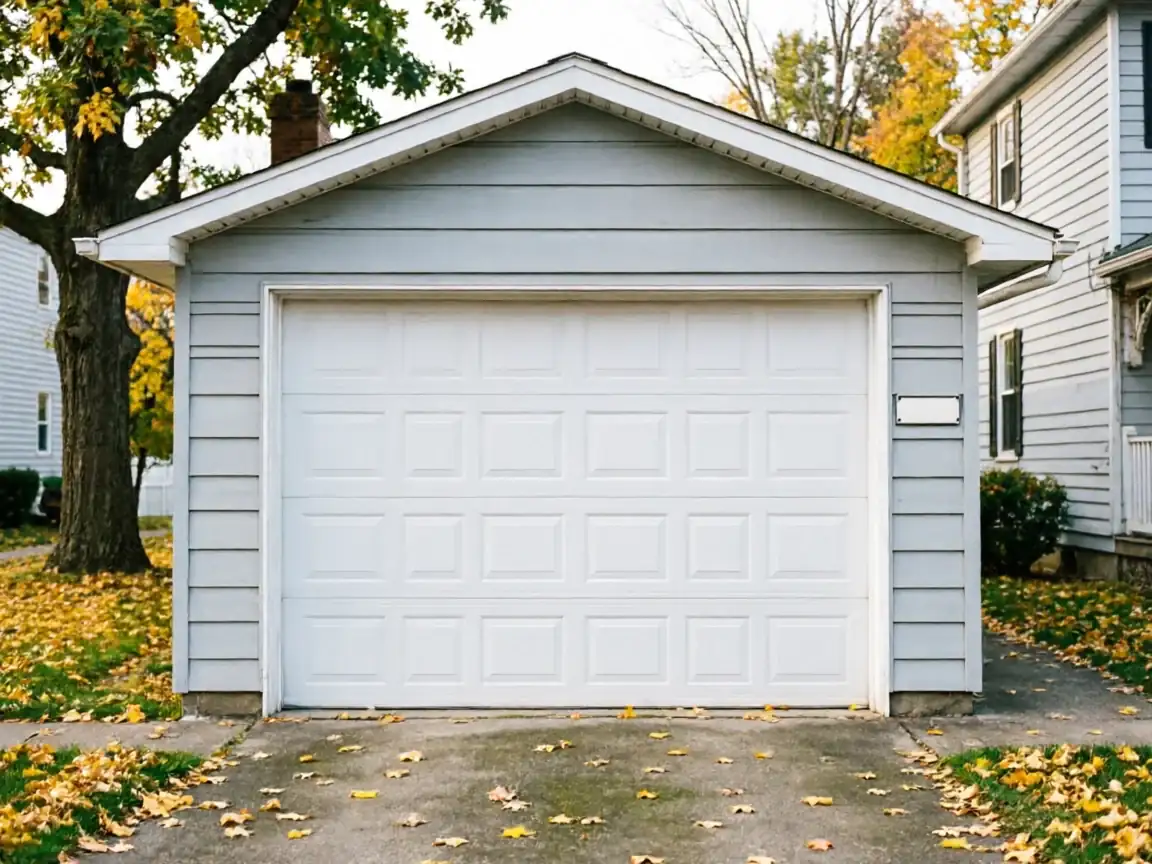
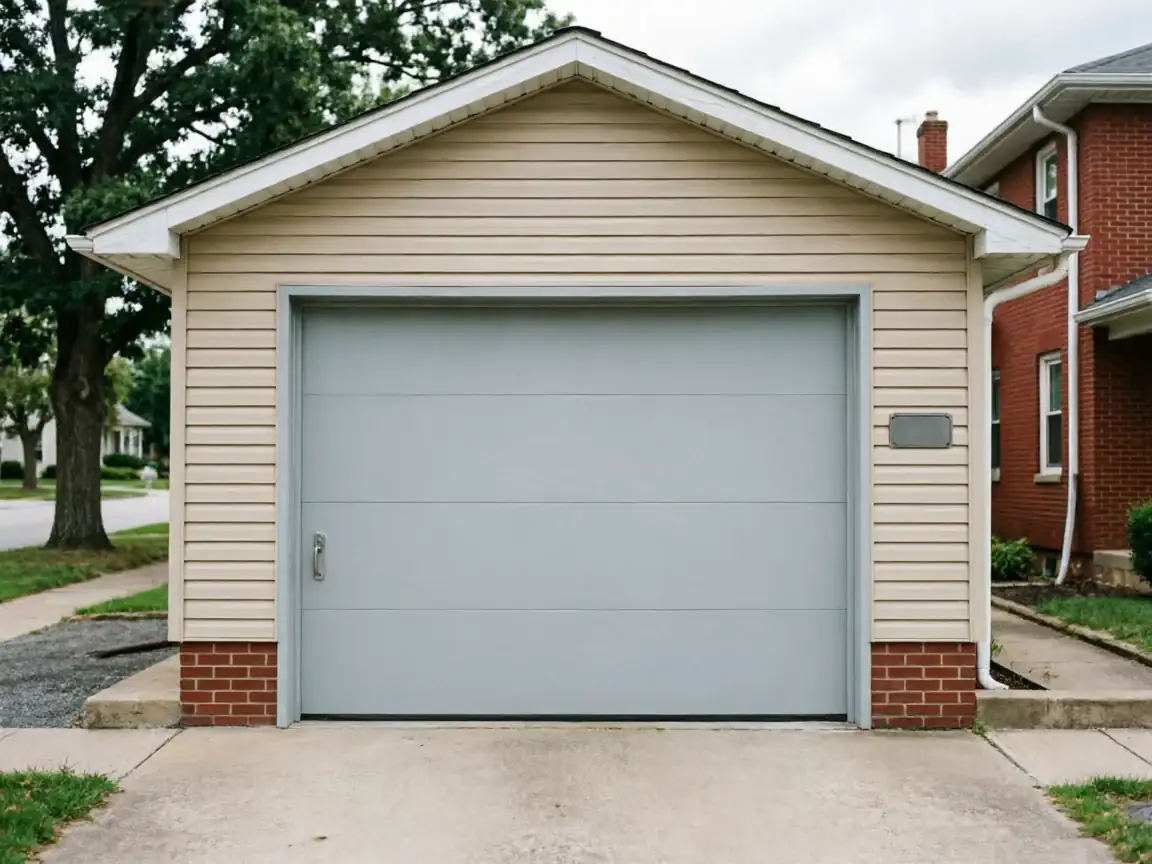
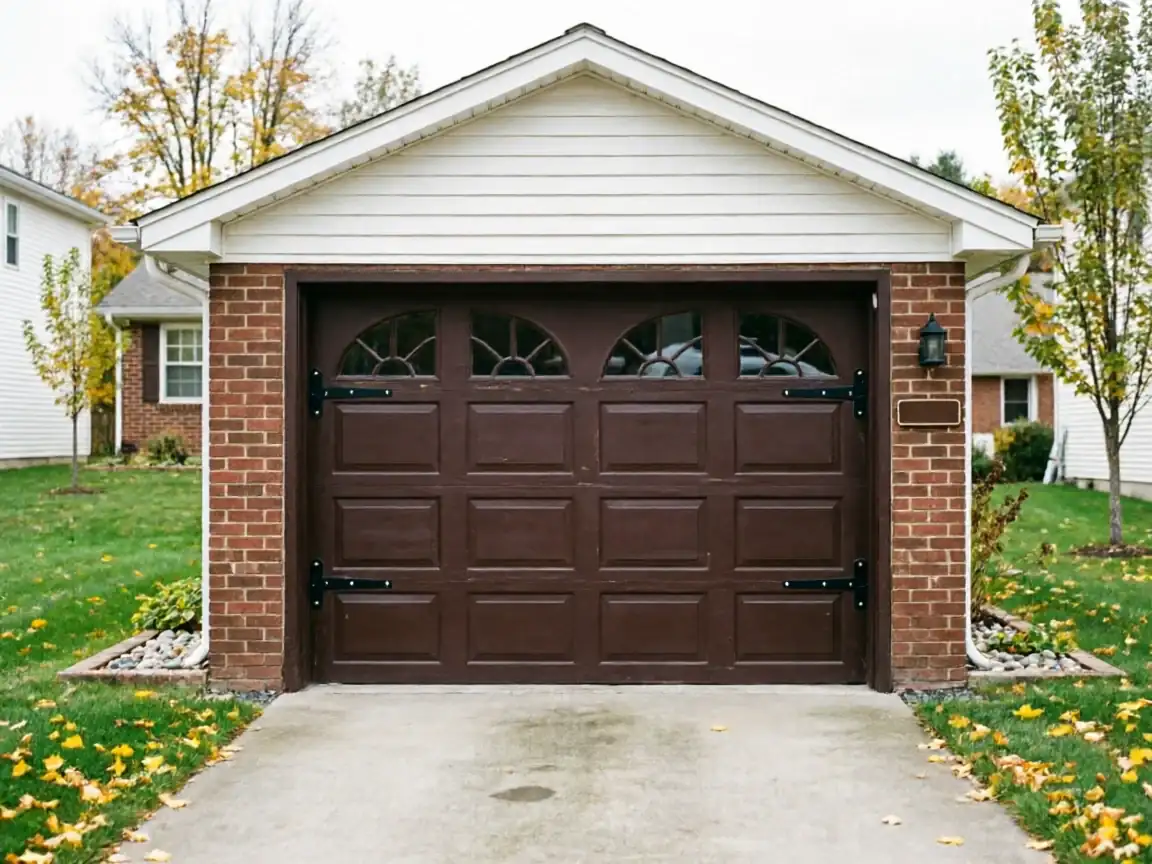
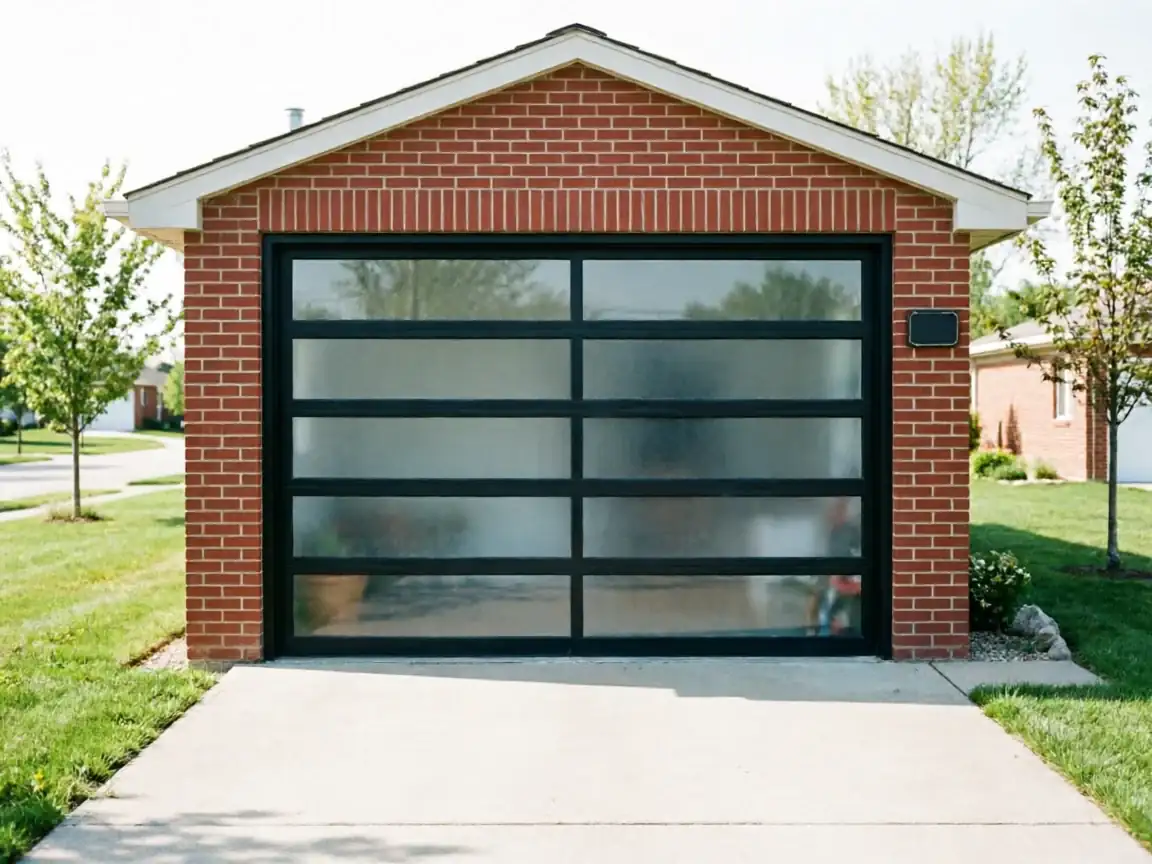
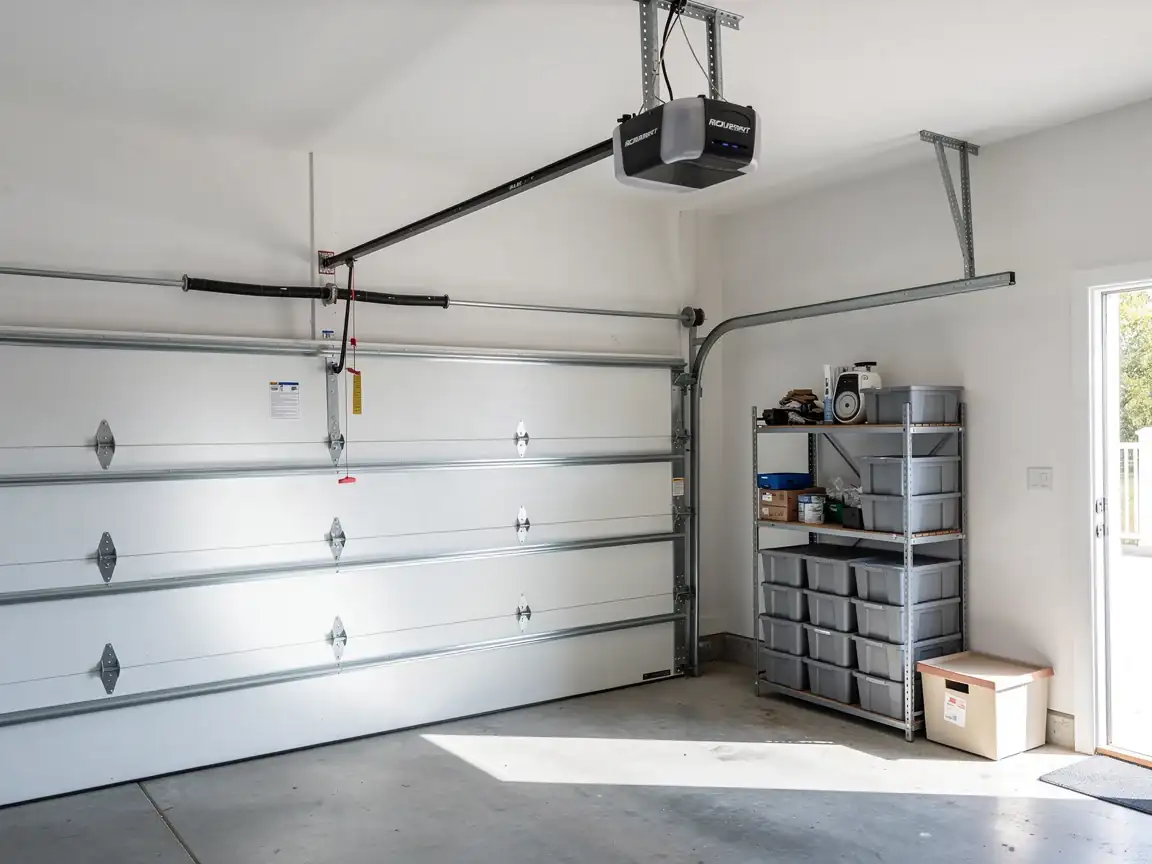
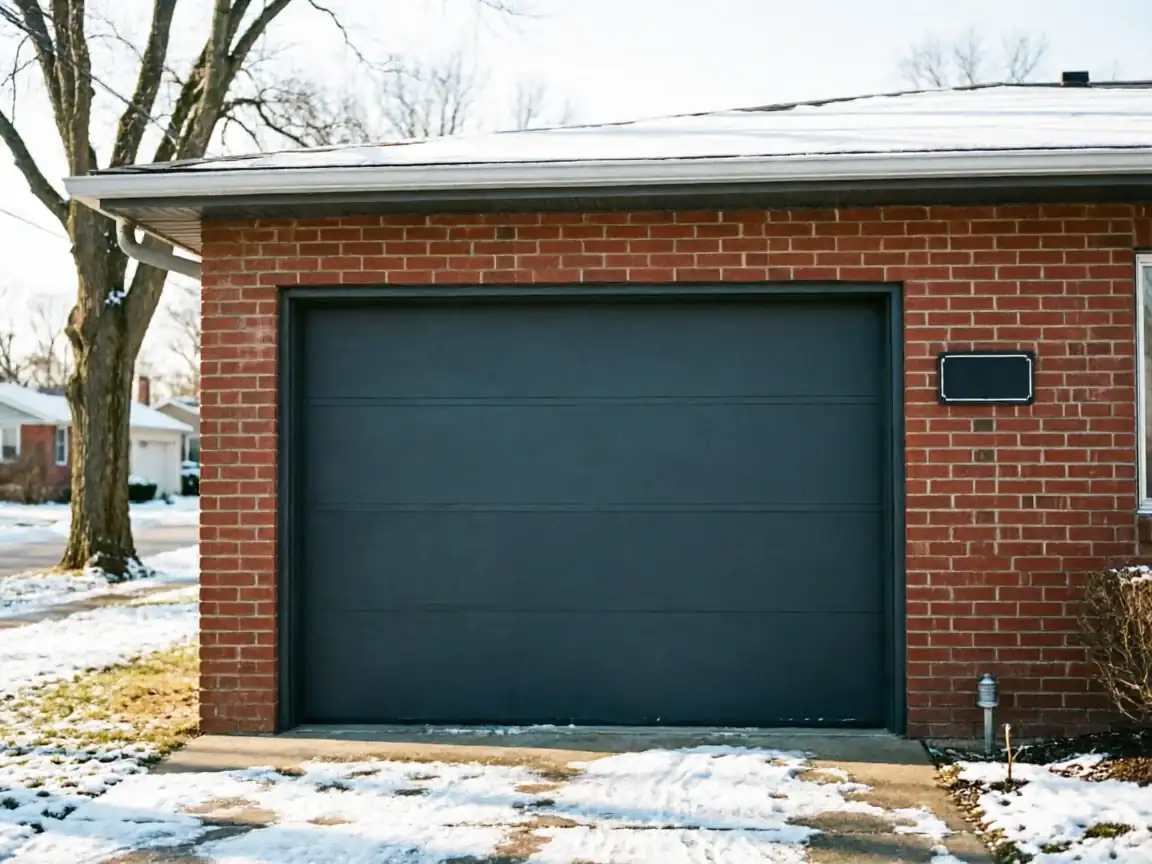
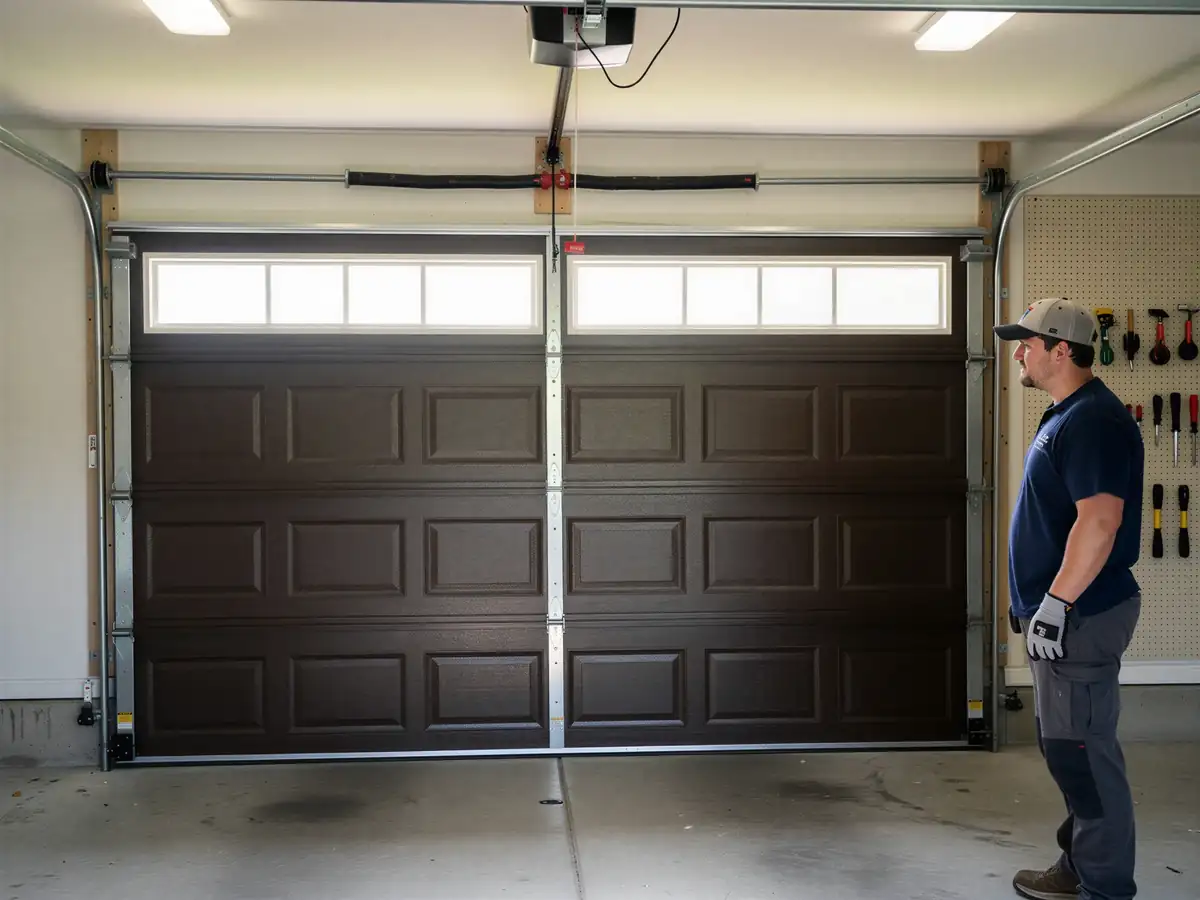
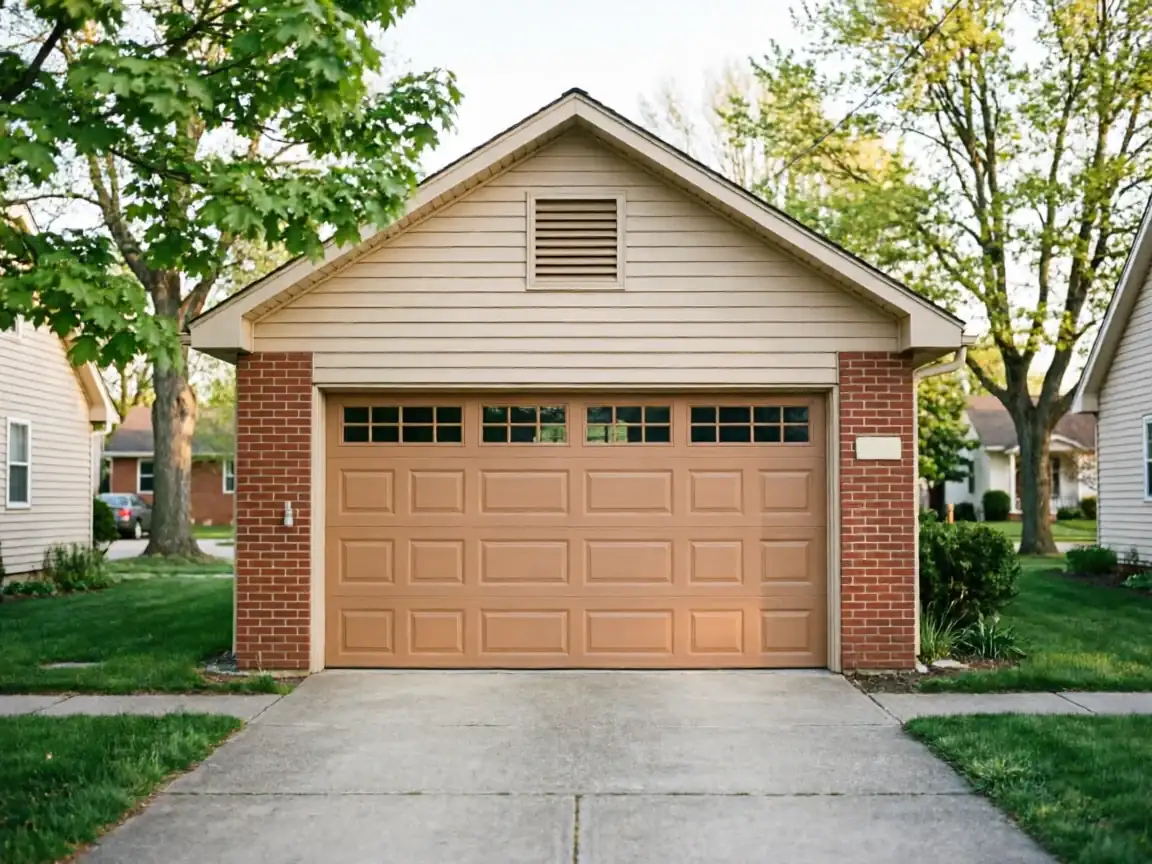
Which puts it a few years past the switch from extension springs to torsion springs as the standard setup on new construction. That matters because the two systems fail differently and need different stock on the truck. A door from this era is almost always torsion-sprung, running on a single or double torsion bar mounted above the opening, with galvanized track and a steel sectional door - polystyrene-core panels were already common by then, not the thin single-skin steel from the 1970s.
Given the income level in this part of the service area
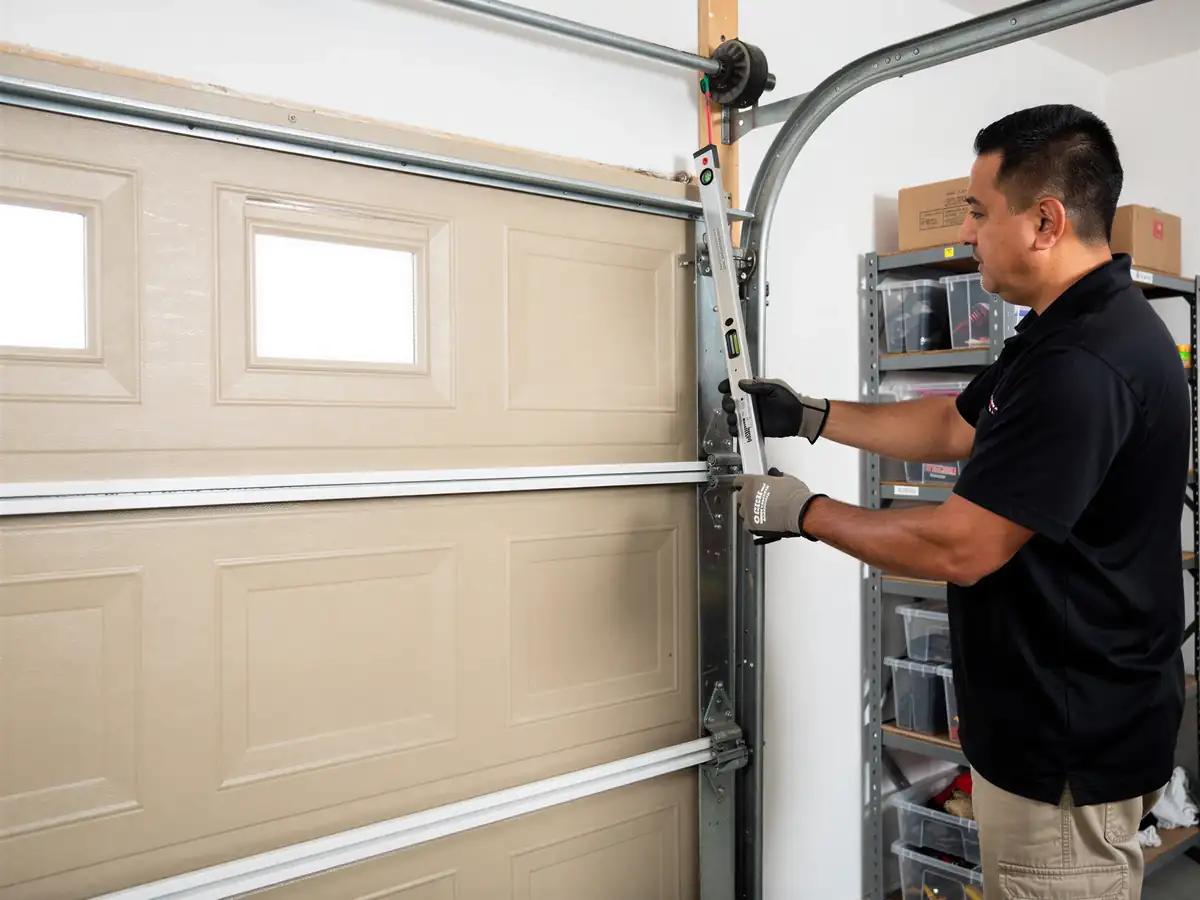
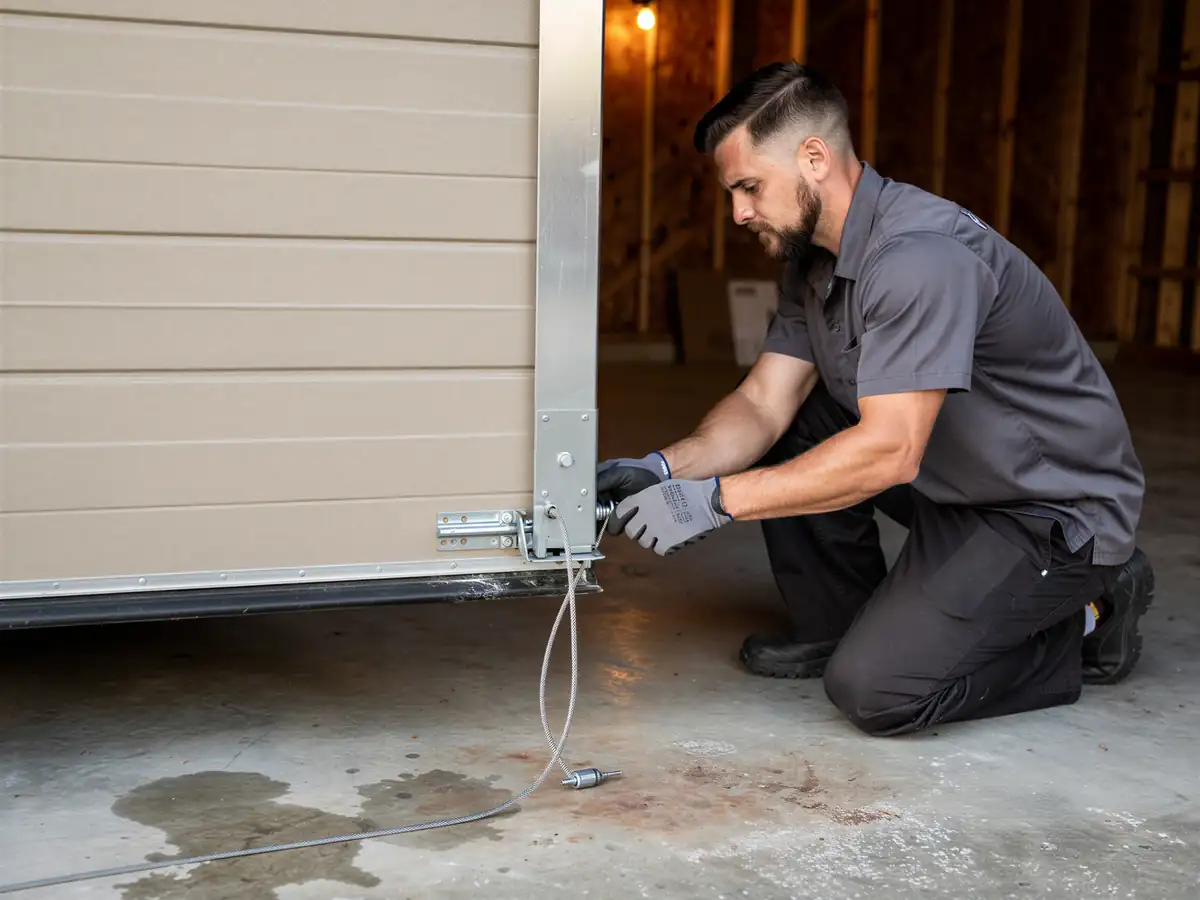
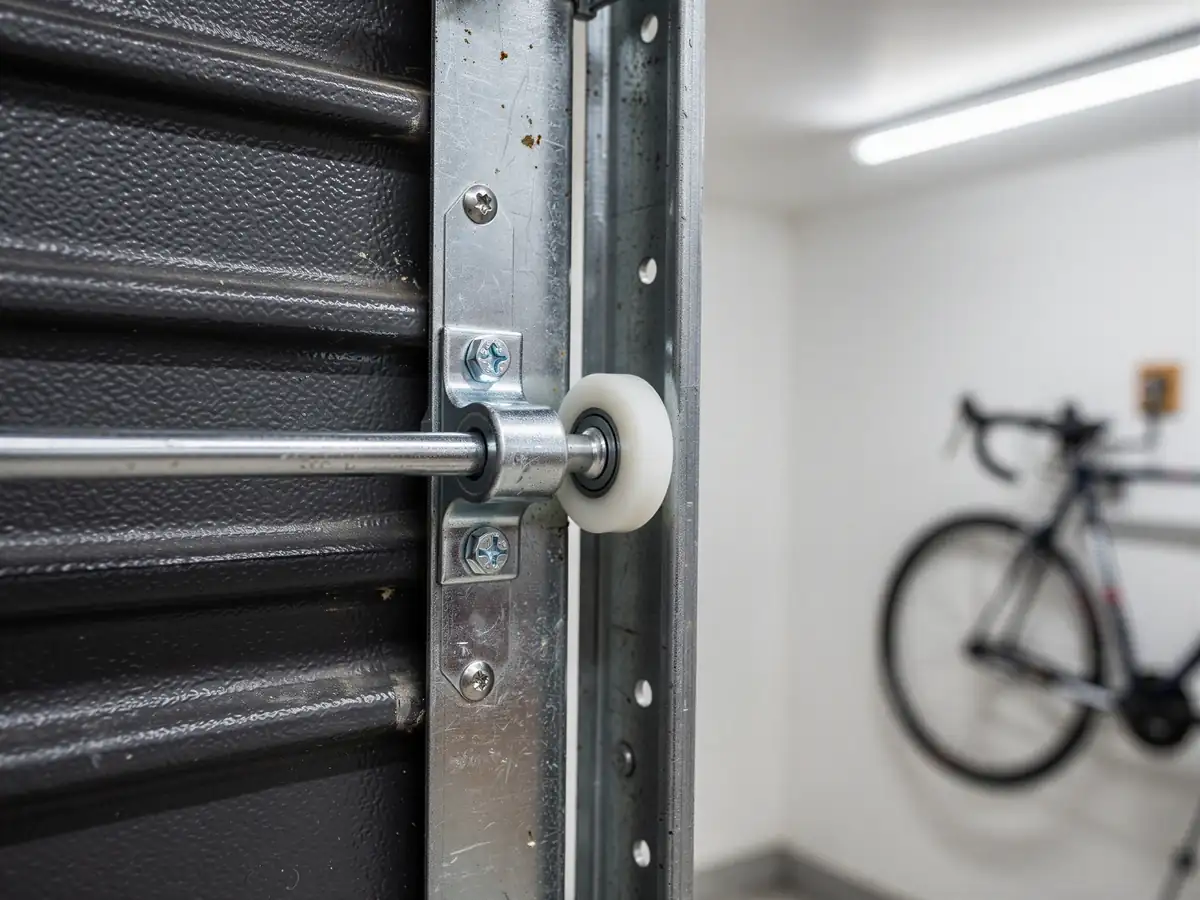
It's also common to find original builder doors that got swapped out later for heavier insulated steel or a wood-look composite, sitting on upgraded torsion hardware. We carry torsion springs in a working range of wire sizes, torsion bars, cable, top and bottom brackets, nylon and steel rollers, and bottom astragal seal - which matters in a cold climate where the original rubber has usually hardened and cracked by now. What we don't carry on the truck is stock for obscure architectural door lines; if a panel is a discontinued custom profile, that part gets ordered, not pulled off the shelf.
Booking a Visit
Kildeer sits about 2 miles from our Lake Zurich base, which is a short run compared to a lot of the towns we cover. That doesn't mean a guaranteed arrival window - it means a truck already working this side of the territory isn't making a long haul to get to you.
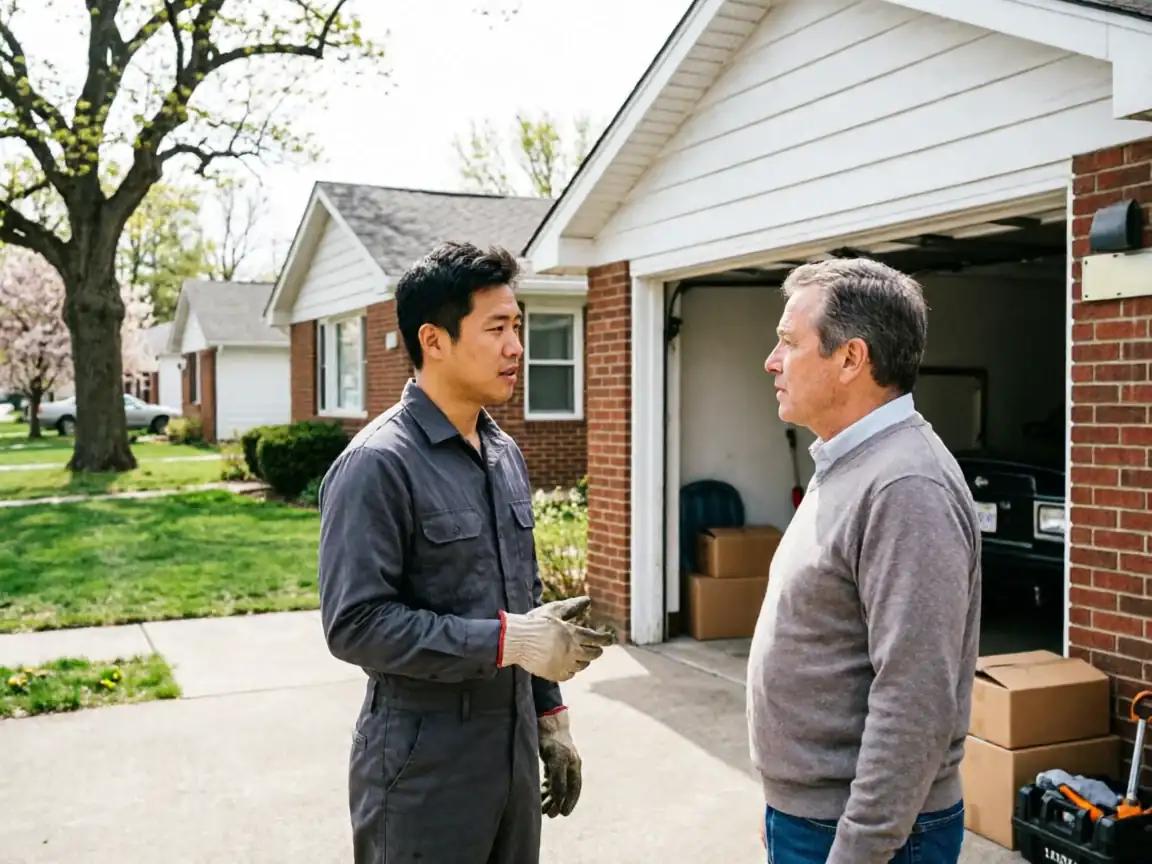
When you call, tell us the door's age if you know it (most here are early-90s builds or later renovations), whether it's a single or double door, and what it's doing - won't open, came off track, spring snapped, opener runs but door doesn't move. That lets us load the right spring size and opener parts before we leave rather than guessing on site. With only 1,441 households in Kildeer, we're not running a dedicated route through here daily, so a clear description up front saves a second trip more than it would in a denser area.
How It Shows Up
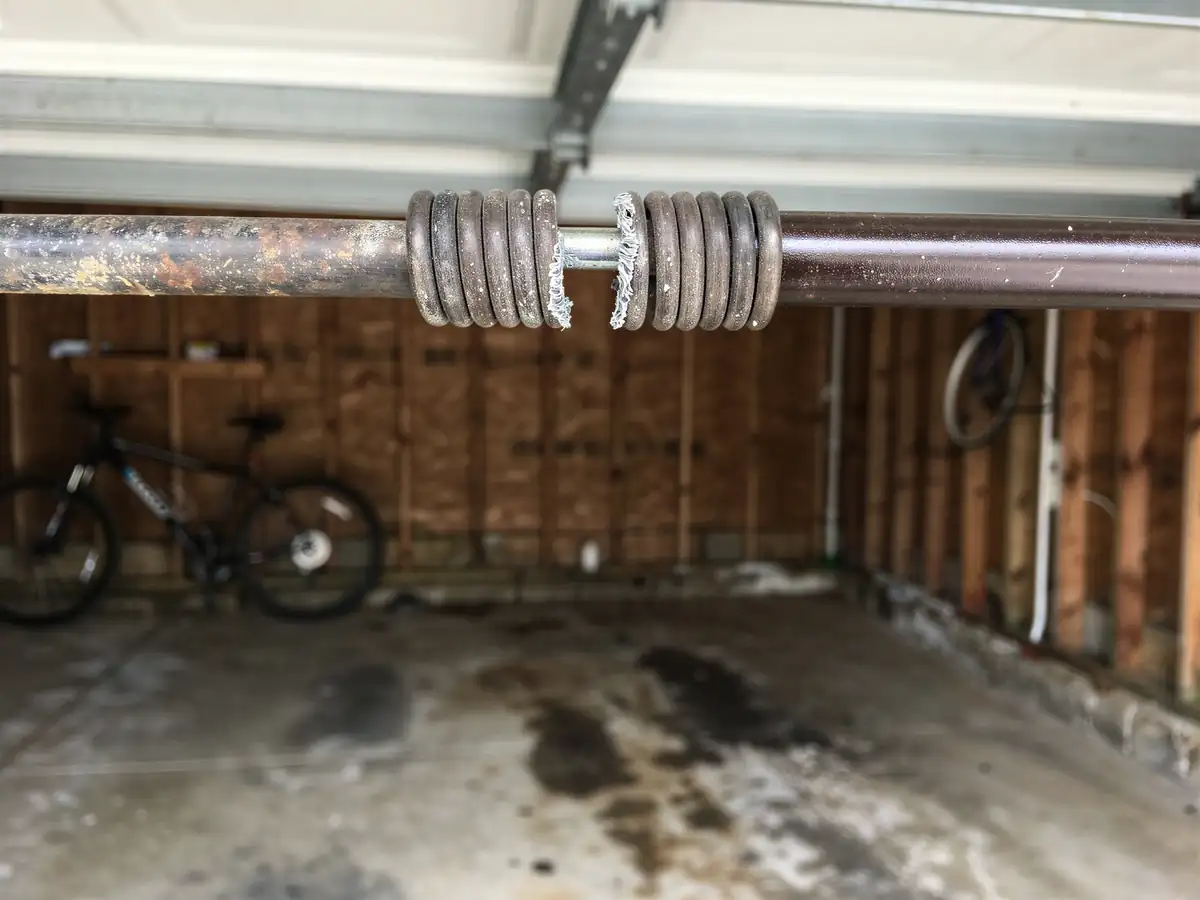
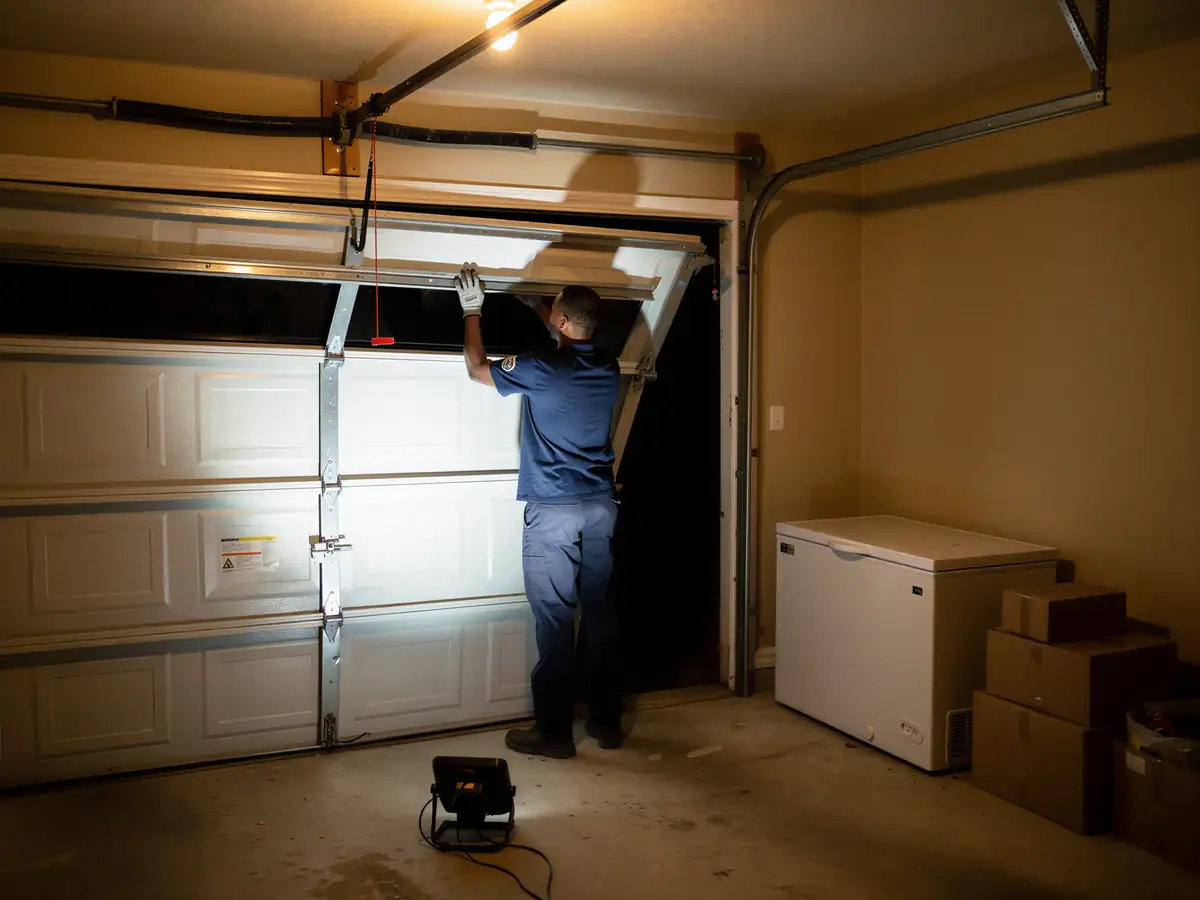
A torsion spring installed when the house was built in the early 1990s has had three decades of cycles on it. Depending on use, that spring is well past its rated cycle life, and the failure is rarely gradual - it's a loud bang, usually when the door is closing or sitting shut overnight, and then the door won't lift or feels like it weighs twice as much.
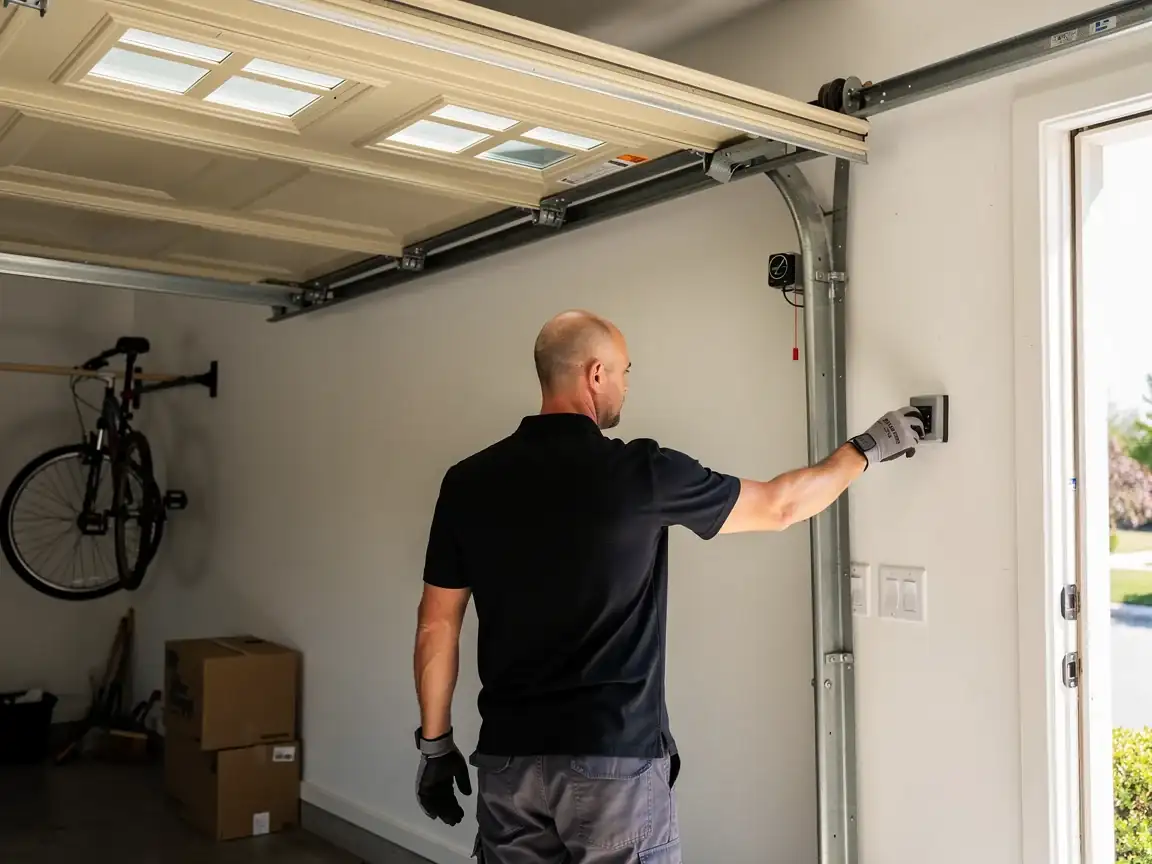
Openers from houses built or fitted out in this window are often original chain-drive units or early belt-drive replacements, and their logic boards are old enough that a failed capacitor or a dead circuit board looks identical to a dead motor from the outside. Rollers on original hardware are usually steel on steel by now, which means grinding, binding, or a door that jumps the track on one side before the other. In a cold-moderate climate, the bottom seal is often the first visible symptom - a door that used to seat flush now leaves a gap at one corner because the astragal has shrunk and hardened.
Where This Job Goes Sideways
The honest limitation here is parts lead time on anything non-standard
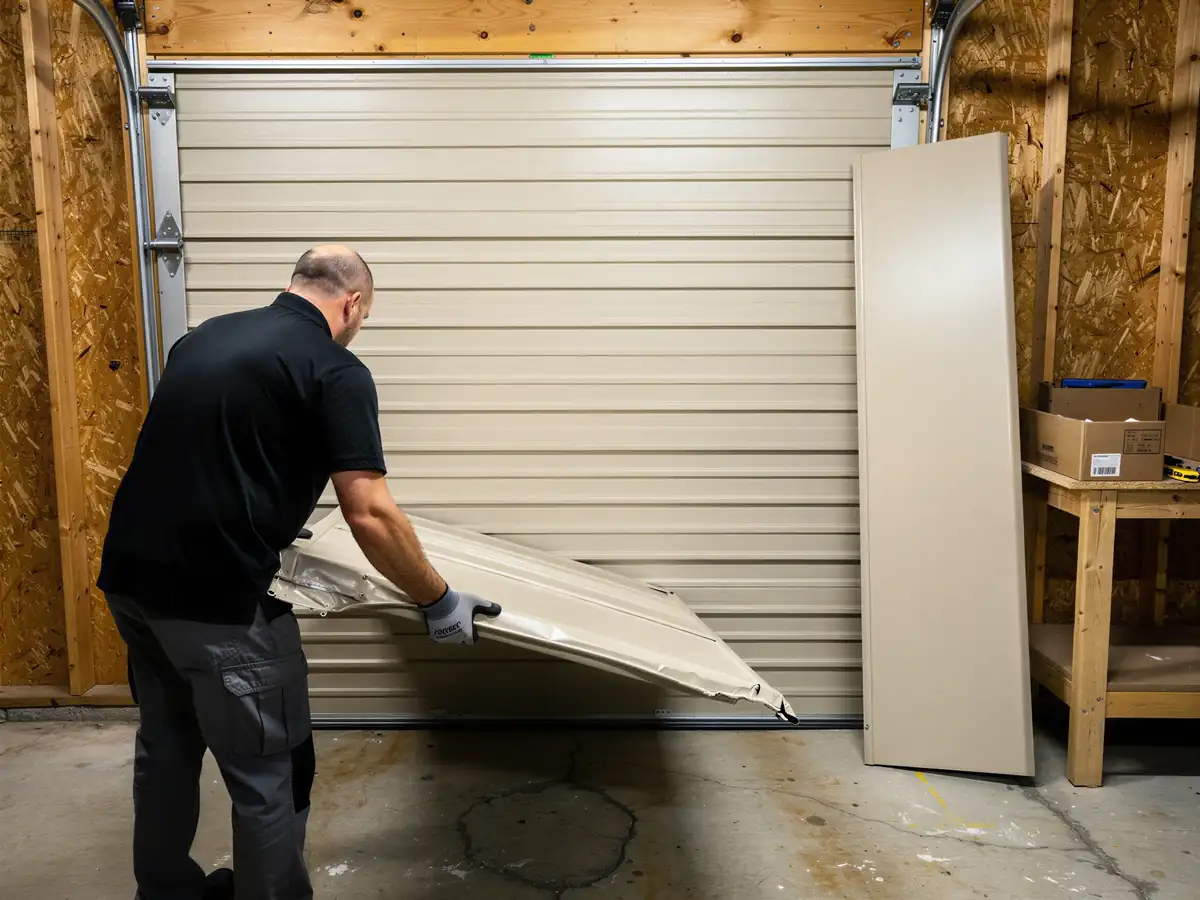
If a Kildeer homeowner replaced a builder-grade door decades ago with a higher-end custom panel - which happens more here given the income level than in a tract-built neighborhood - matching that panel if only one section is damaged can mean a special order, not a same-day fix. We'll tell you that on site rather than quote a repair we can't actually deliver that day.
The other place it goes sideways is misdiagnosis on torsion systems that have been worked on before
A door that's had a DIY spring swap or an amateur cable replacement sometimes has mismatched components - wrong wire gauge spring paired with the original drum, or a cable rated for a lighter door than what's actually hanging. That combination can look like a simple spring failure when the real problem is the whole system was never balanced correctly to begin with, and fixing just the broken part leaves it failing again in months.
Can You Do This Yourself
A torsion spring under tension can put someone in the hospital, and that's true whether the house was built in 1991 or last year - this isn't a job for a Saturday with a ladder and a wrench. Winding bars, the right drum-to-spring match, and cable tension all have to be right together, and getting one wrong doesn't just fail, it can snap back hard.
What you can reasonably check yourself: whether the opener has power, whether the manual release cord has been pulled (common after a storm or a power outage), and whether the track is visibly bent or the rollers have come out of it. If the door won't budge and you hear or see a spring that's separated, stop there and call - don't try to force the door open or closed with the opener. That single coil of tensioned steel is the one part of this system where a repair attempt gone wrong costs a lot more than the service call would have.