Booking a Visit
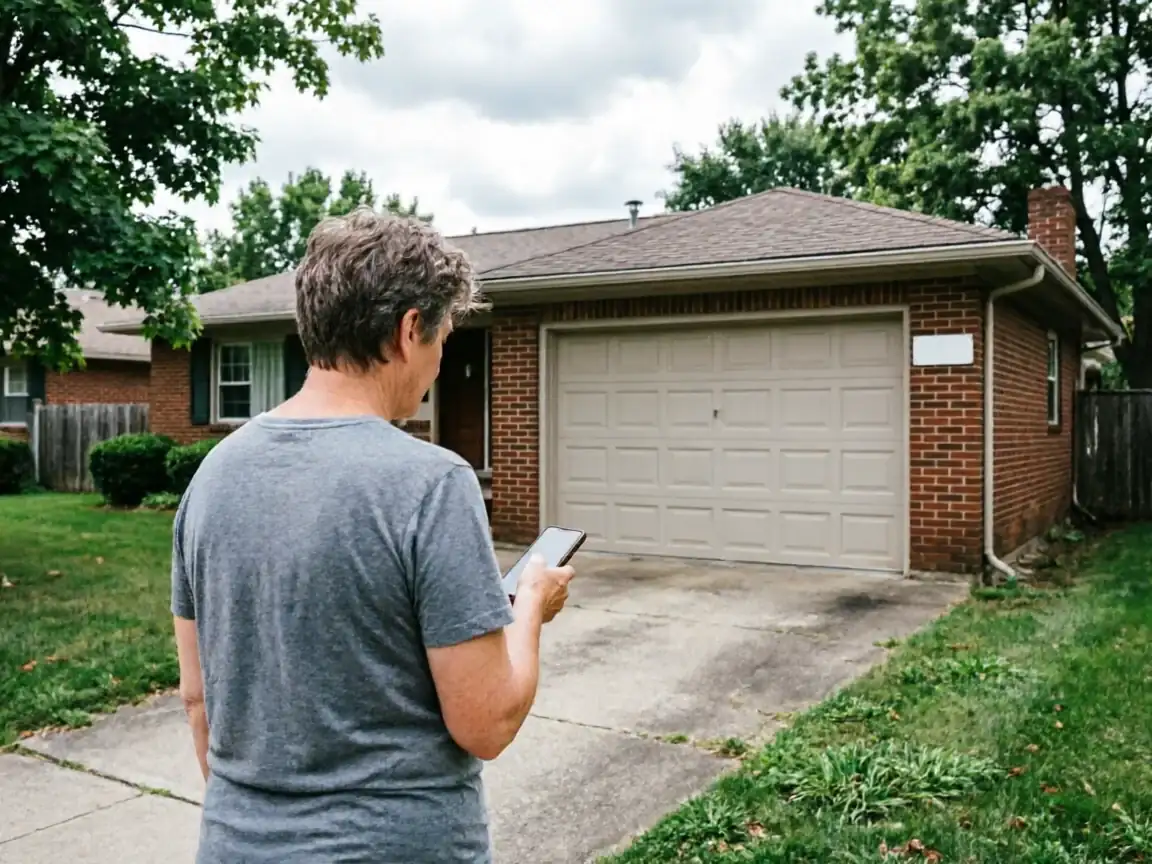
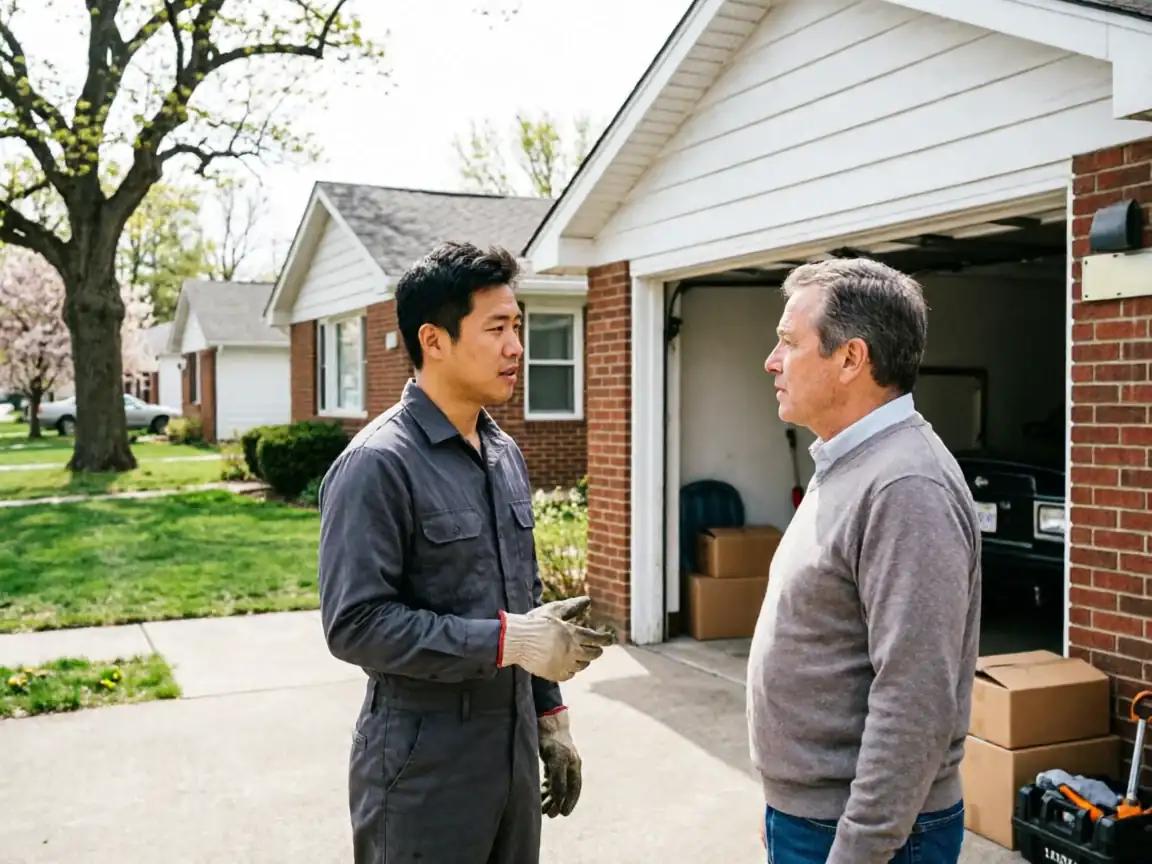
We work out of Lake Zurich, about two miles from Kildeer, and that's the whole arrangement - there's no branch or drop-off point inside Kildeer itself. When you call, we ask what the door is doing: won't open, opens partway and reverses, makes a bang and drops, opener runs but the door doesn't move. That tells us what to load on the truck before we leave Lake Zurich, which saves a second trip if the first fix uncovers a second problem, which happens more than people expect with a 30-year-old spring system. We don't quote a response time here because we haven't been given one to promise, and a guess isn't worth much to you. What we can tell you is that the job gets scheduled the same way every call in our service area does - we ask, we load the right parts, we come.
How It Shows Up
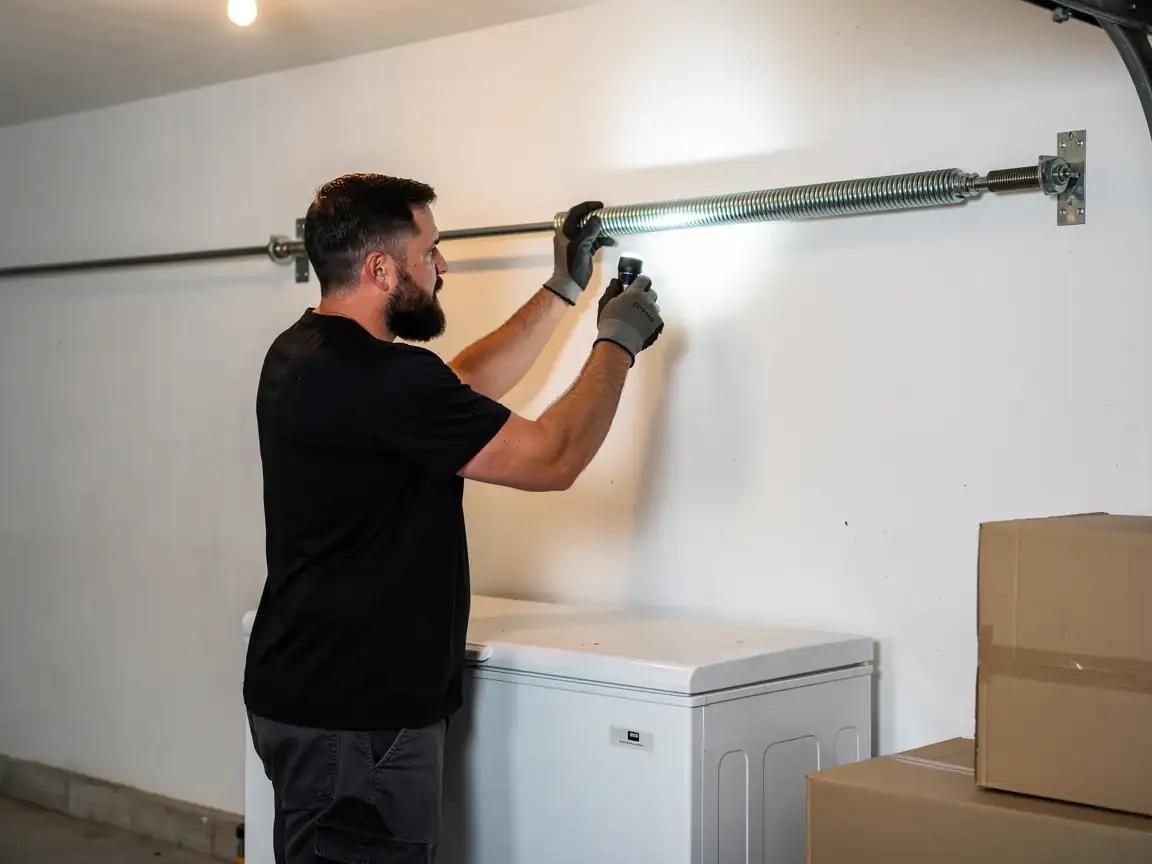
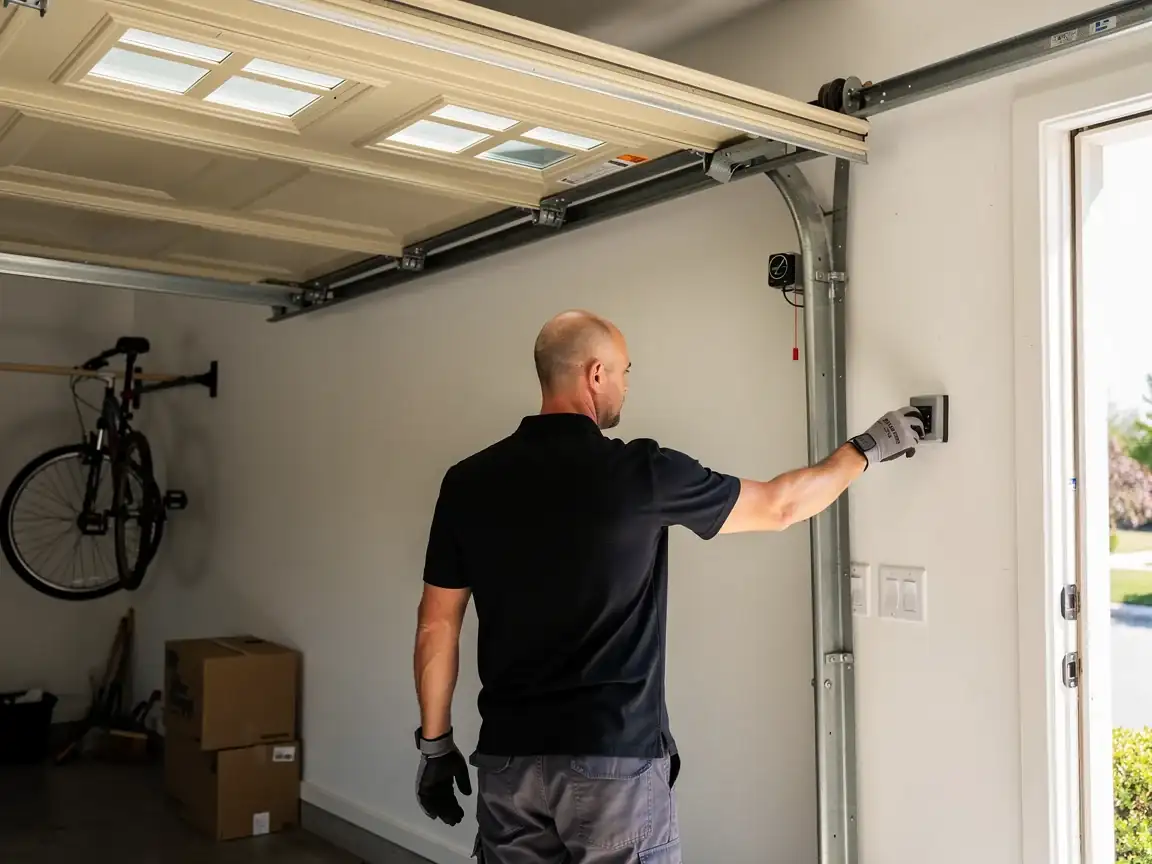
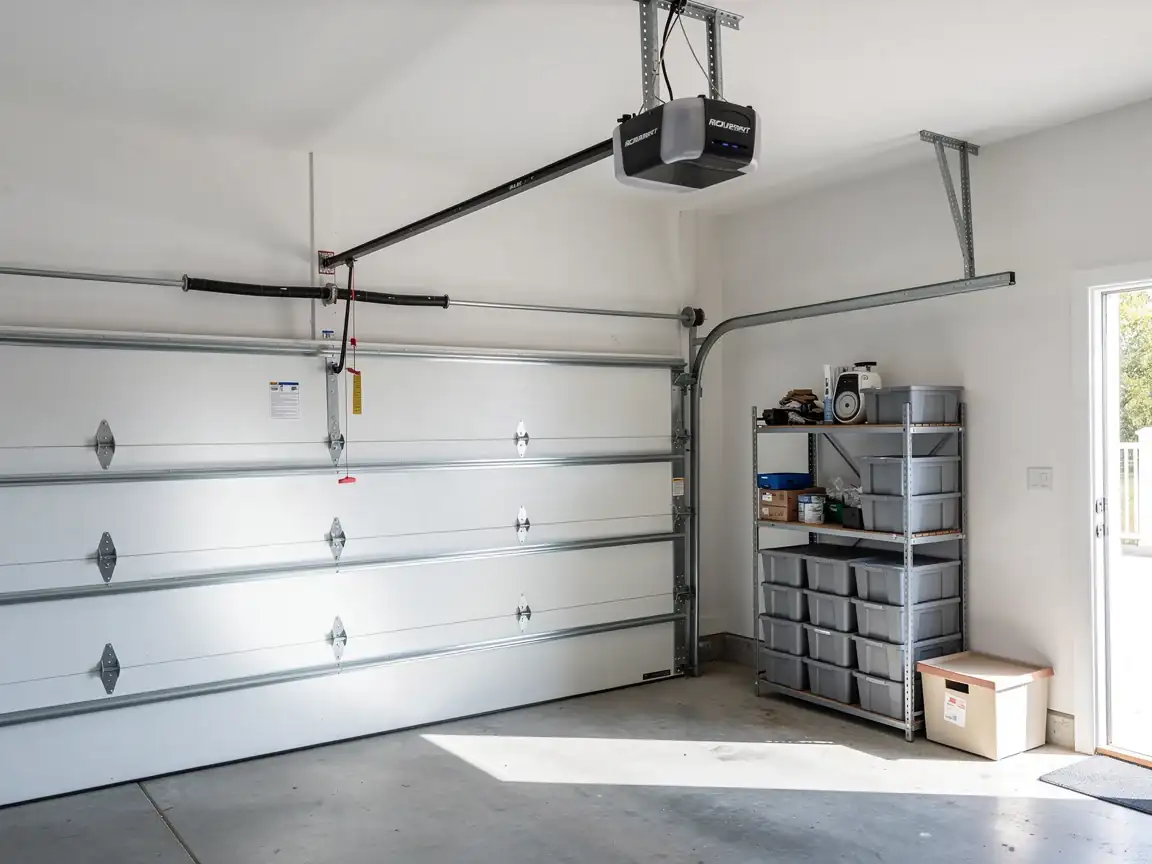
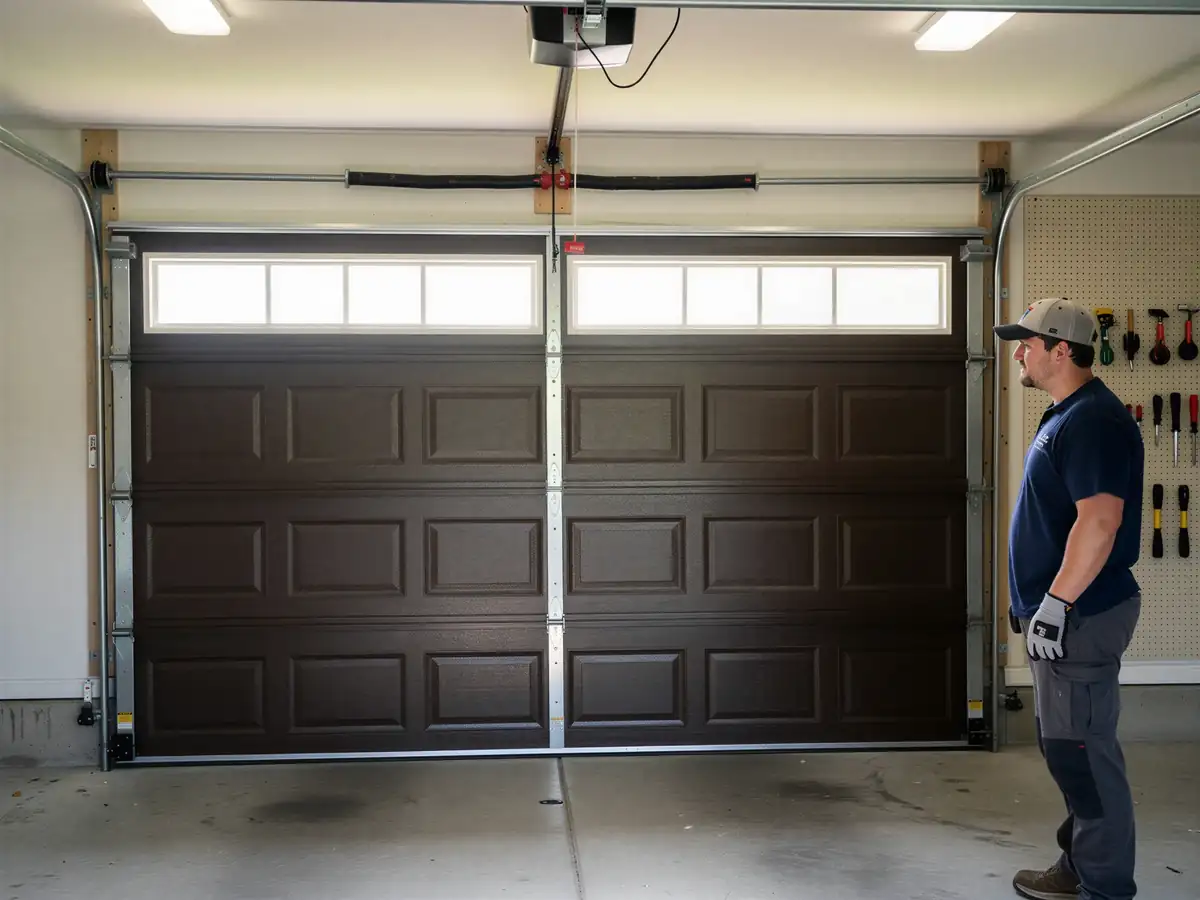
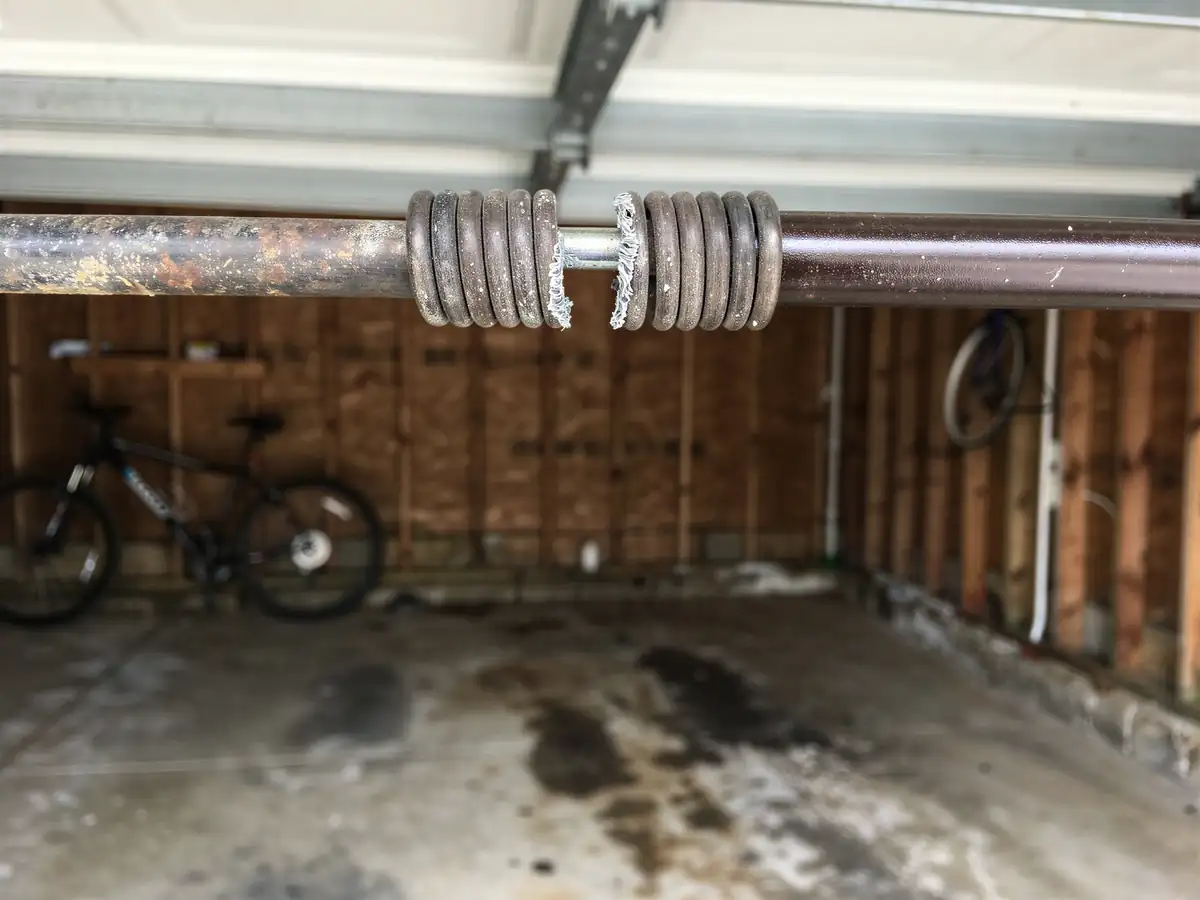
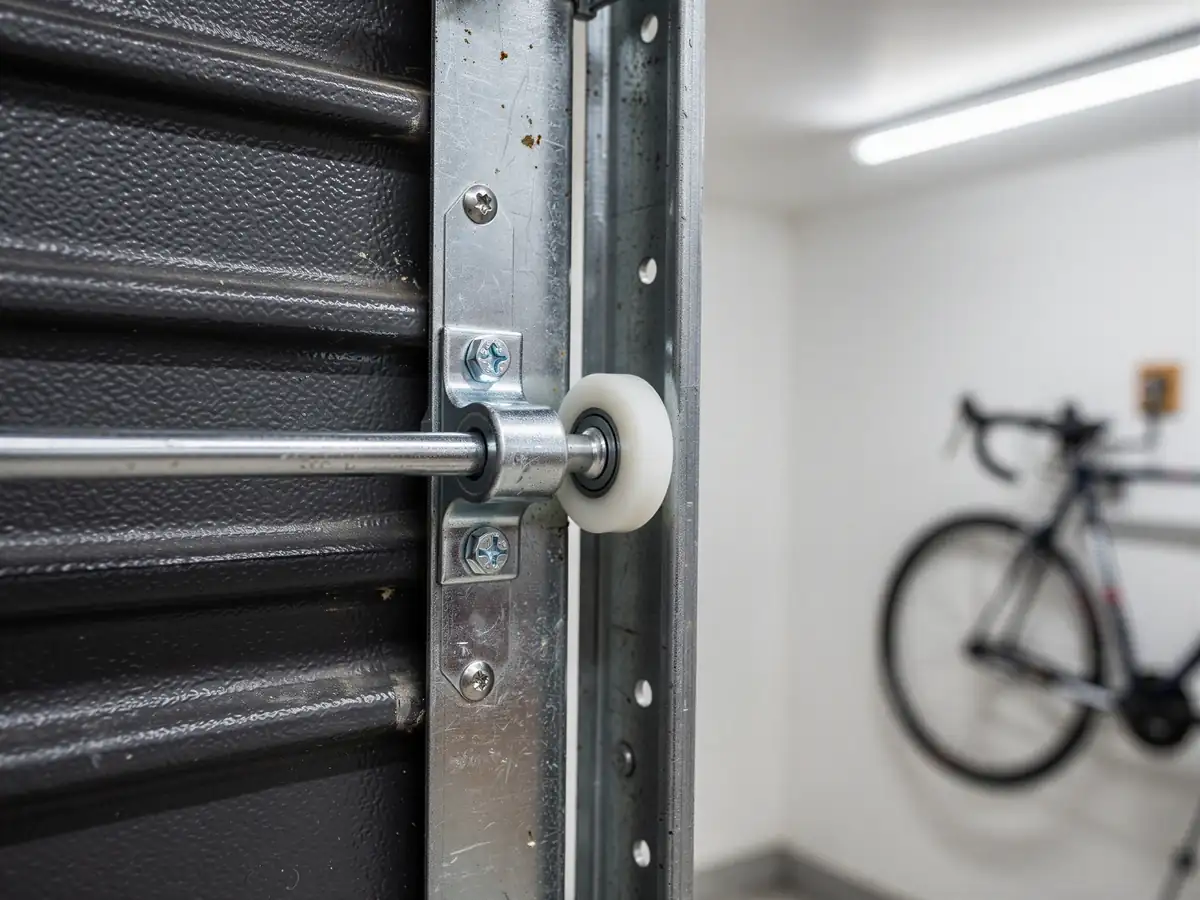
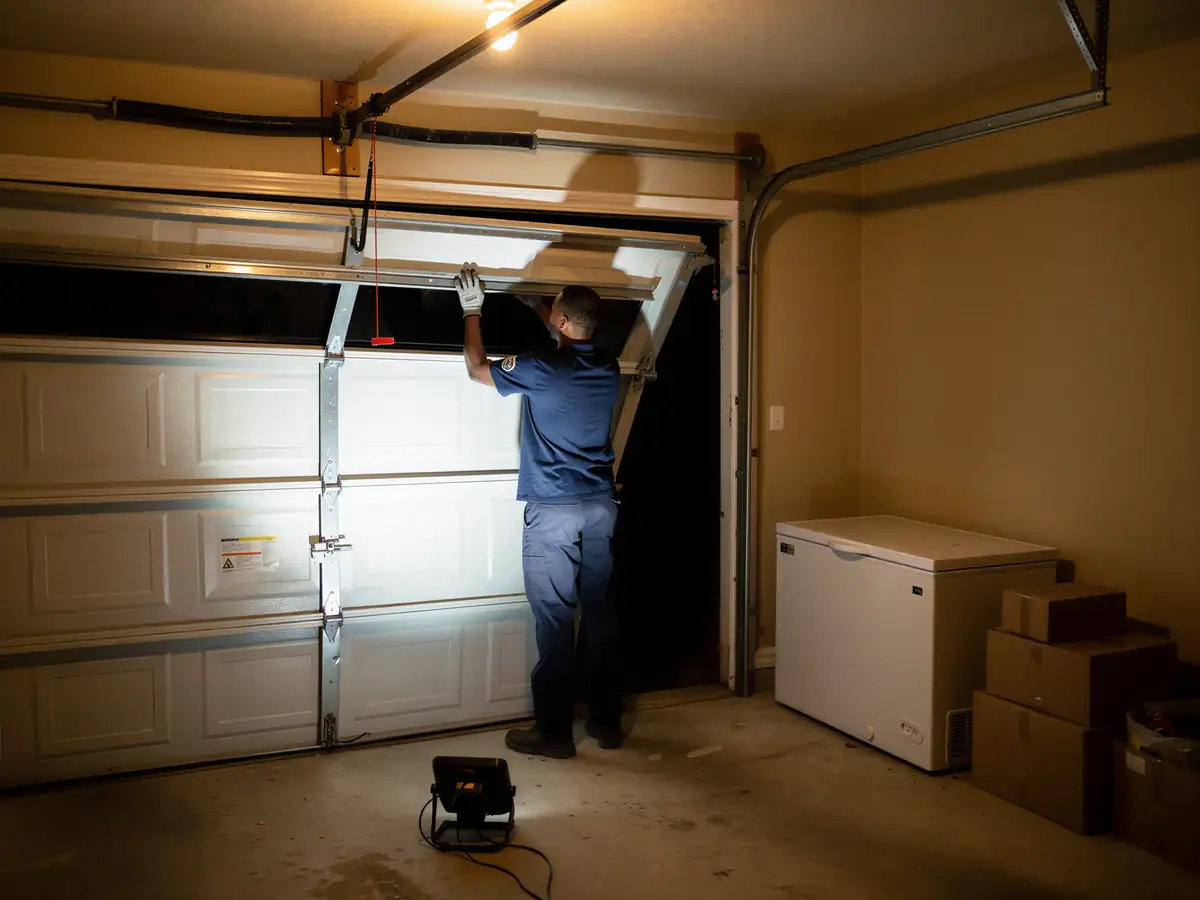
On a door from around 1991, the first sign is almost always the spring. Springs from that construction era have usually logged their 10,000 cycles by now, and three decades of cold-climate temperature swings don't do steel any favors - cold makes the metal more brittle right when it's working hardest to lift a heavy door. You'll hear it as a loud bang in the garage, often first thing in the morning, and then the door either won't budge or the opener strains and reverses. The second common symptom is rollers - original steel or early nylon rollers from this period wear grooves into the track, and the door starts rattling or jumping as it travels. Openers from the same build era are also reaching the point where circuit boards fail outright rather than gradually, so a door that worked fine yesterday and does nothing today, no clicks, no lights, is often an opener issue rather than a spring.
Can You Do This Yourself
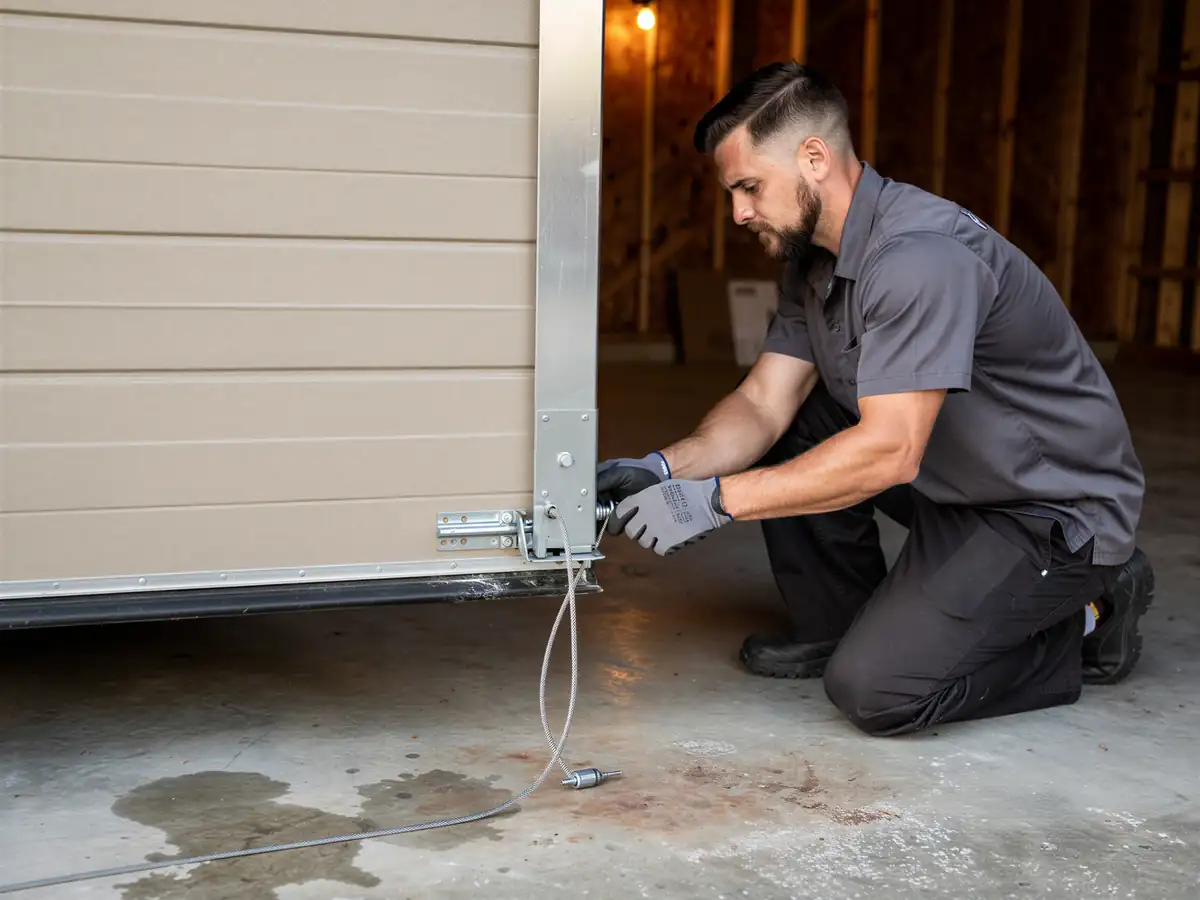
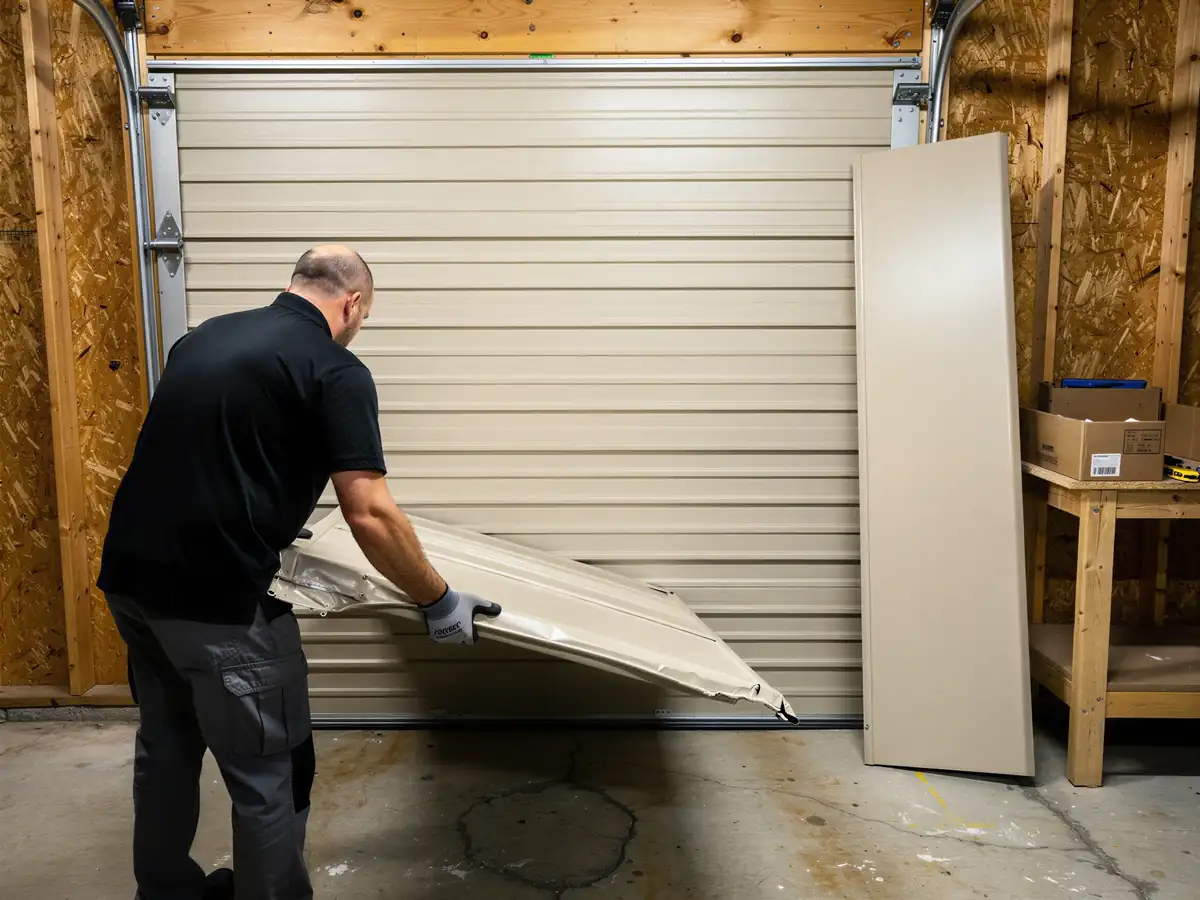
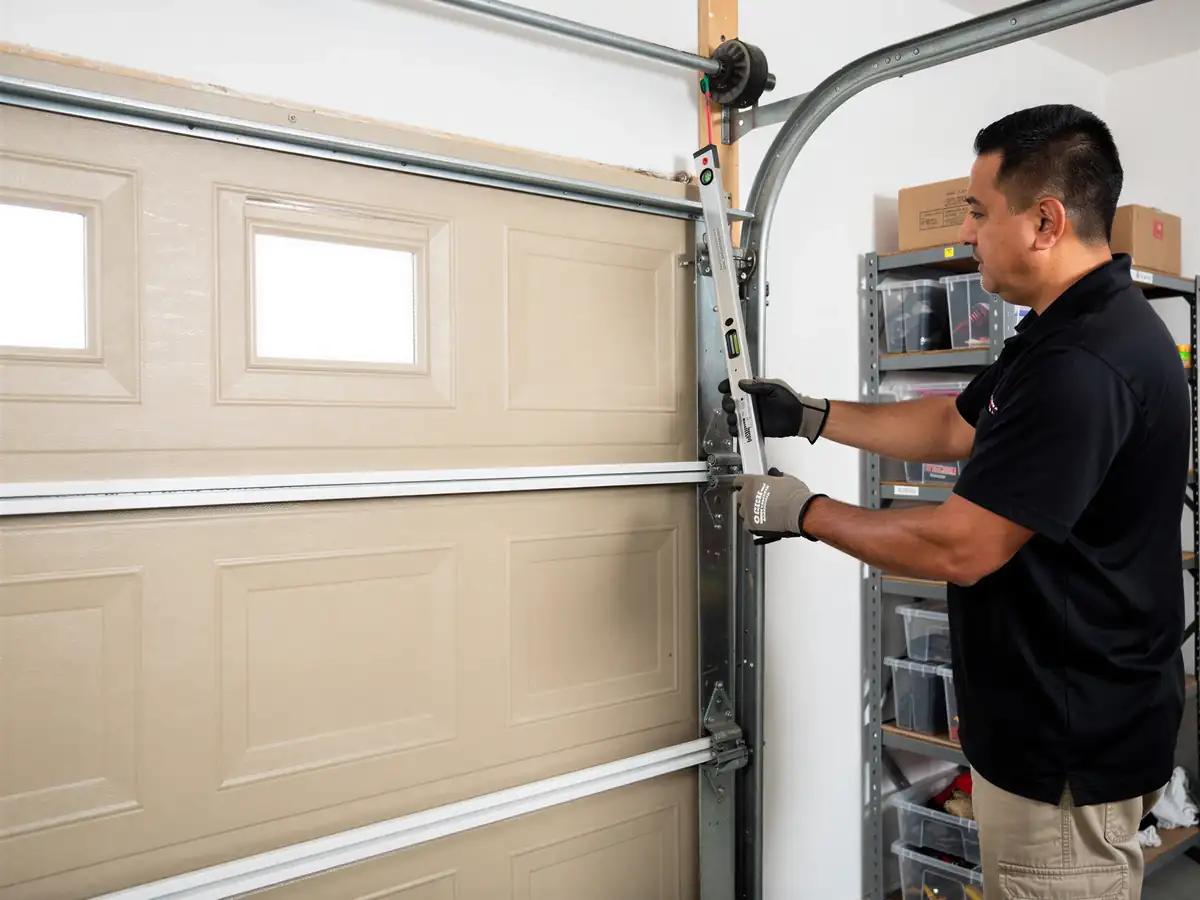
Rollers, weatherstripping, and tightening loose hardware are reasonable DIY jobs on a door this age, and plenty of Kildeer homeowners handle those themselves. Torsion springs are a different matter. A spring under full tension holding up a door this size stores enough energy to cause a serious injury if the winding bars slip, and we don't recommend it as a first repair even for someone comfortable with tools. Opener board swaps also aren't always plug-and-play - wiring and safety sensor alignment from an opener this old sometimes needs adjustment the new board doesn't document. If the door is sagging, off its track, or the spring has already broken, that's a call, not a weekend project. We'd rather tell you that than let you find out the hard way.