How It Shows Up
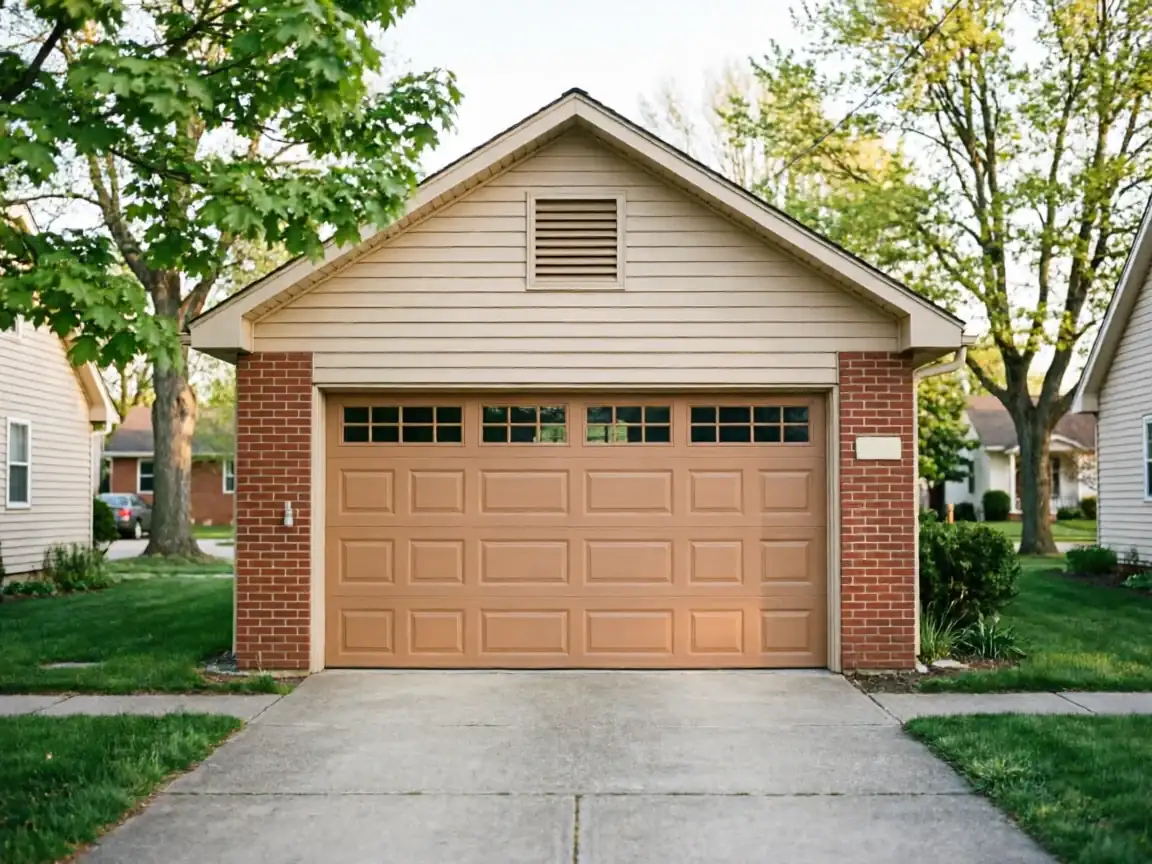
Deer Park sits about 2 miles from our Lake Zurich shop
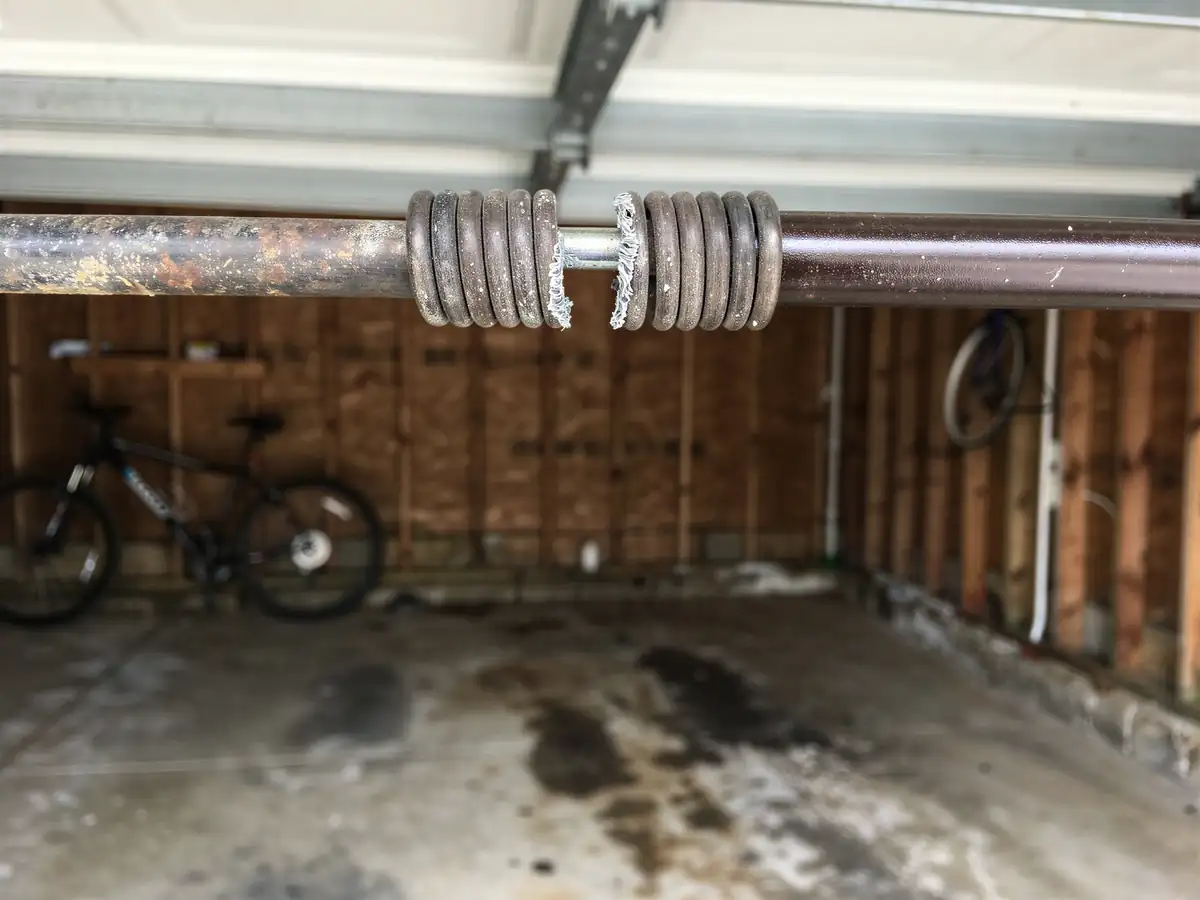
Which is close enough that a spring call here doesn't turn into a half-day round trip the way some of the farther towns do. That matters because a broken torsion spring doesn't wait for a convenient afternoon - the door either won't lift, or it slams down because the spring that was holding its weight has let go.
- 2 miles
Most houses in Deer Park went up around 1988
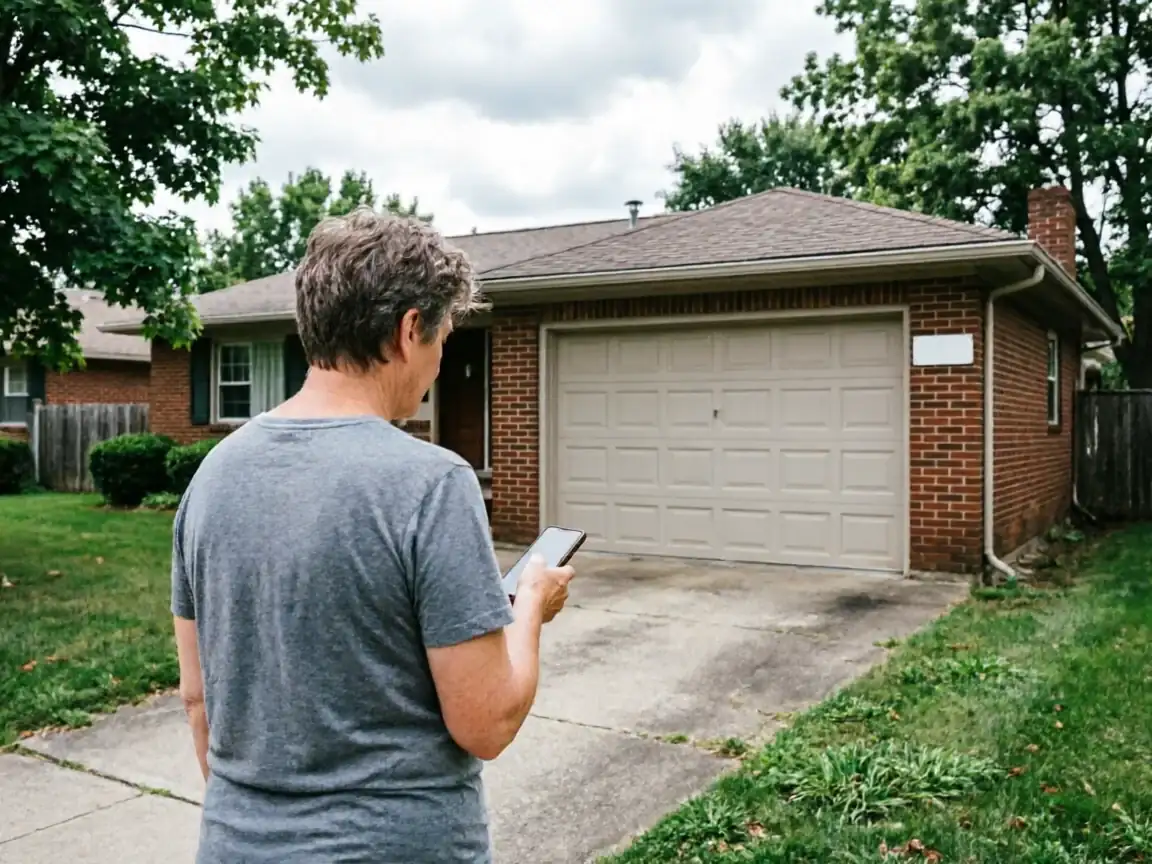
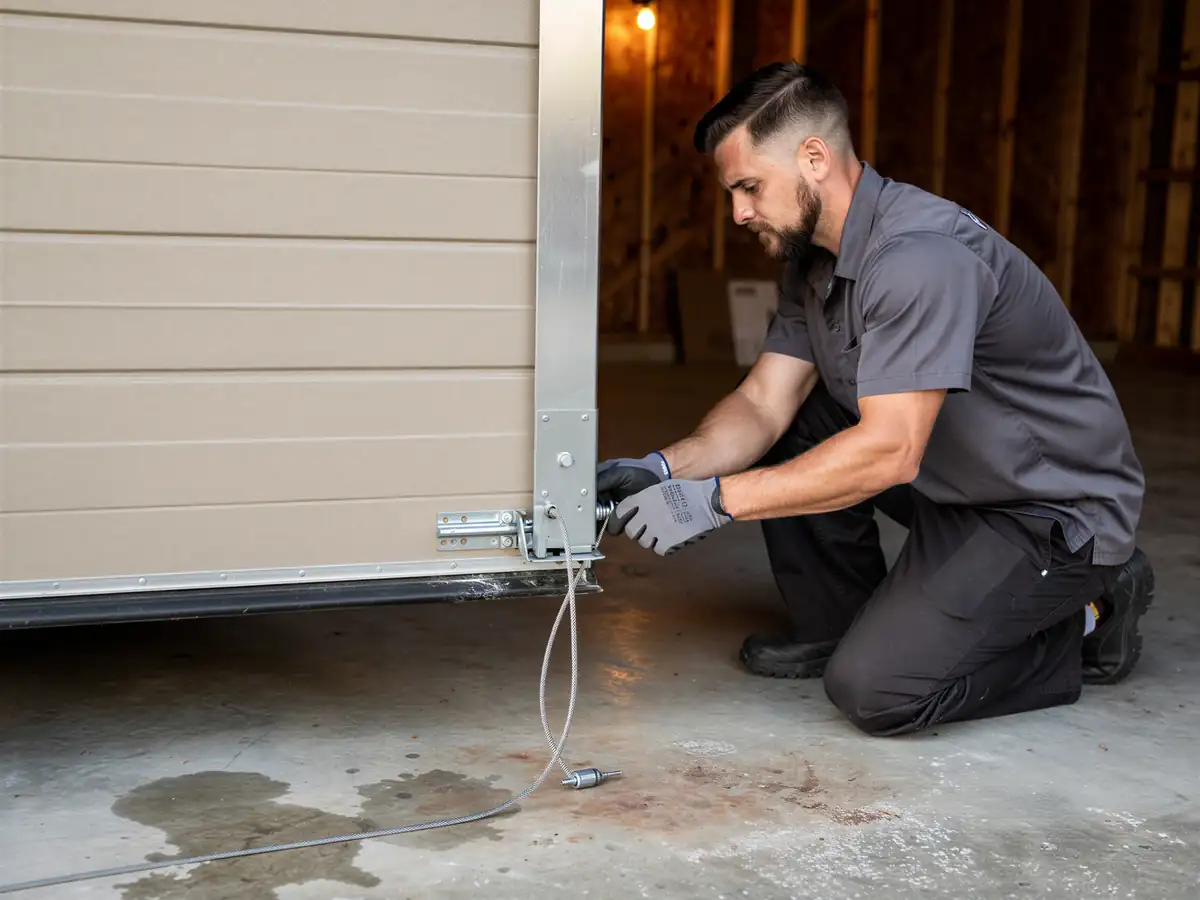
Which puts the original door hardware for a lot of these garages squarely in the torsion-spring era rather than the older extension-spring setups you'd find on pre-1970s construction elsewhere in the broader area. You'll usually notice it the same few ways: the door feels unusually heavy when you lift it by hand, there's a loud bang from the garage (that's the spring itself snapping), or the opener strains and reverses instead of closing the door all the way. Sometimes a cable comes off the drum at the same time, which is its own separate fix.
A sagging top section or a door that closes crooked, dropping faster on one side
Is the slower version of the same failure - one spring is weaker than its pair and about to go.
How Long It Takes
A straight spring swap on a single door, once we're on site, usually runs under two hours. What changes the math for Deer Park is the 2-mile drive from Lake Zurich - short enough that we're not burning half a service window just getting there, which keeps same-day scheduling realistic more often than it is for towns farther out on the list.
What we can't promise from here is an exact slot before we've looked at the job. If both springs need replacing, or the cable's jumped the drum, or the door's come off track entirely from the sudden weight shift, that's added time on top of the base repair. We size the job on the call, not before we've seen the spring wire gauge and the drum setup, because guessing wrong on torsion spring size is how you end up back at the same house a week later.
What You Pay
We don't post a flat number for spring repair because the job itself isn't flat - a single spring on a lighter door costs less than a matched pair on a heavier insulated door, and Deer Park has both. Houses from the 1988 median-build era tend to run double-car doors on torsion springs sized for steel sectional panels, which is a different parts cost than the older single-spring setups on some neighboring stock.
What we can tell you: this is a service-area call, not a dispatch from a Deer Park branch, so the price reflects the job and the parts, not a local surcharge. If you want a number before we're in your driveway, tell us the door width, whether it's insulated, and roughly how old the opener is - that gets us most of the way to an honest estimate over the phone.
Where This Job Goes Sideways
The spring isn't always the whole story
On a door this age, if the spring has been weak for a while before it finally breaks, the opener has usually been working harder than it should - carrying weight it was never built to carry. That can wear the opener's gears or belt faster than normal, so a repair that looks like "just the spring" sometimes turns into an opener conversation too.
The other way it goes sideways
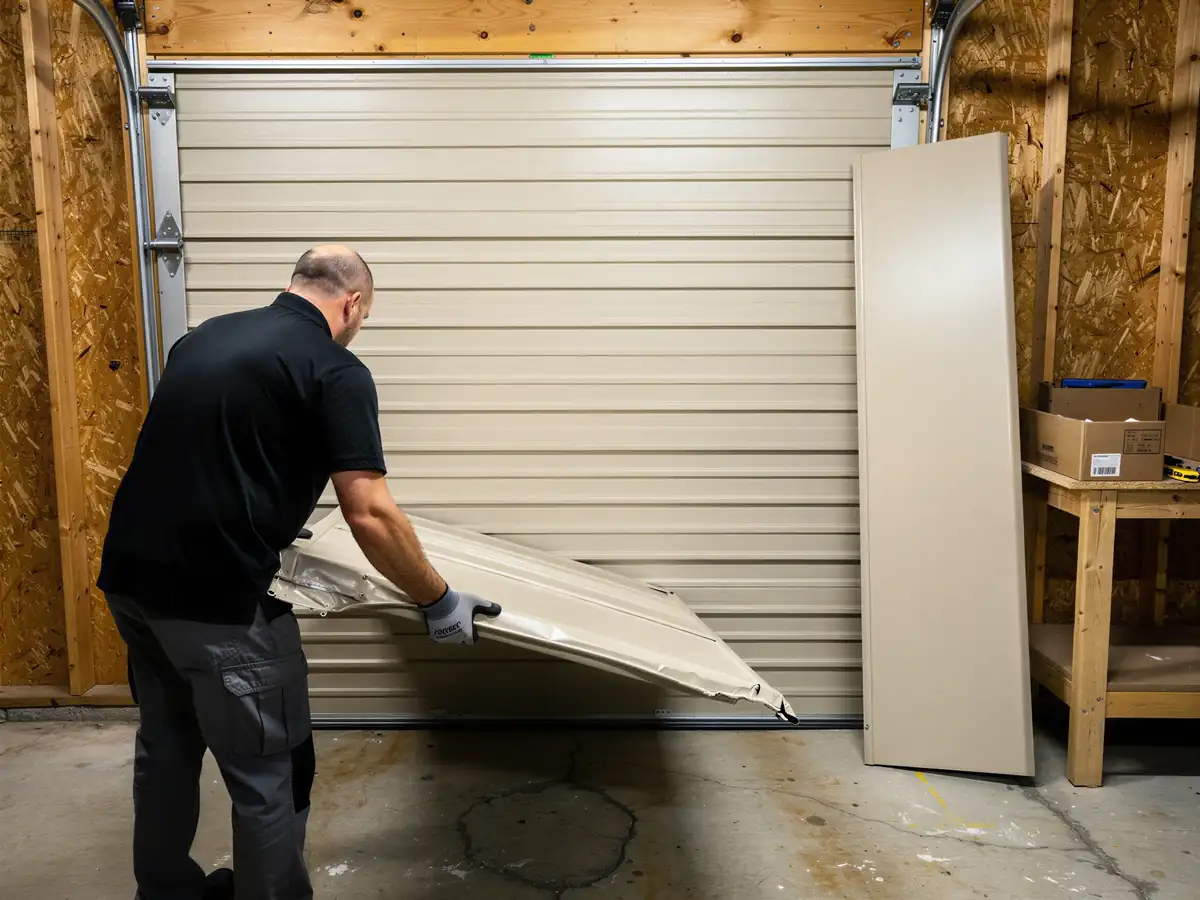
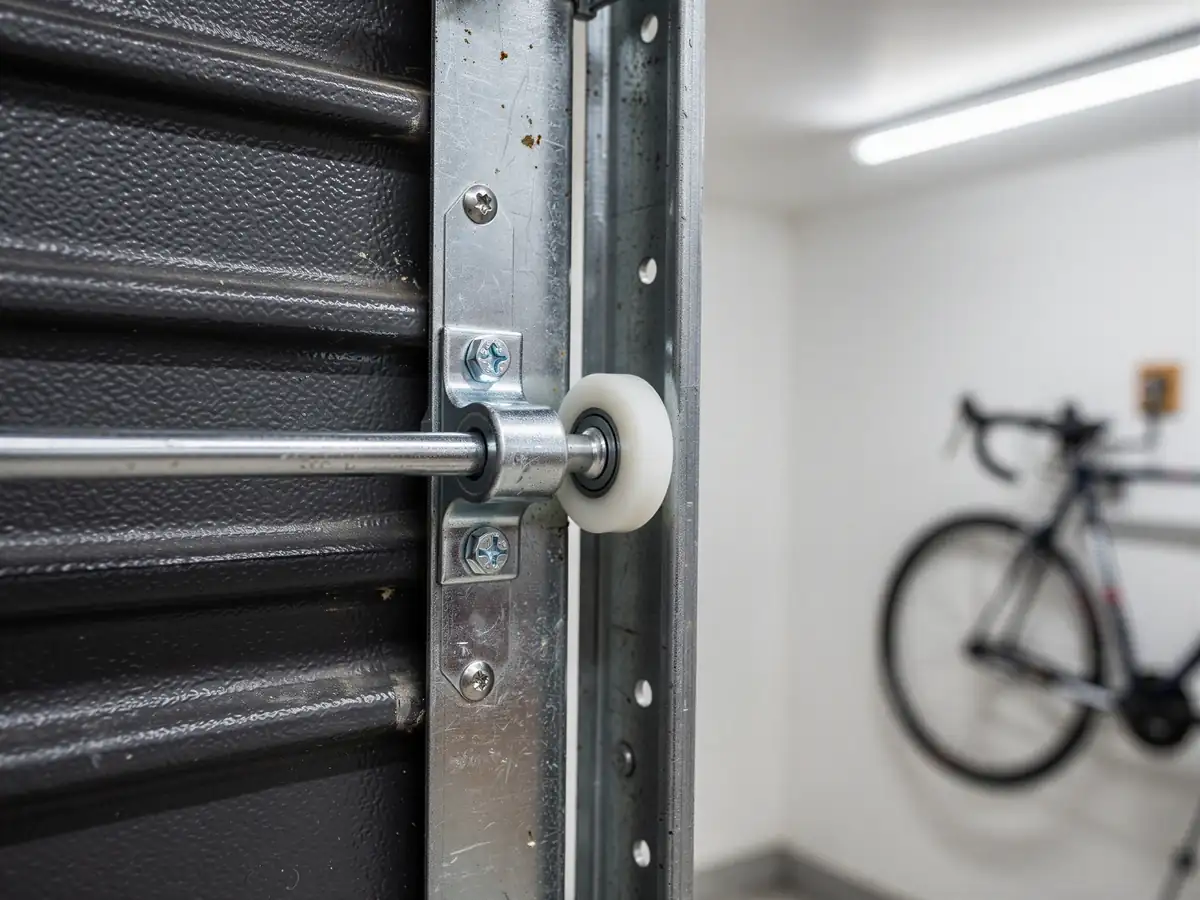
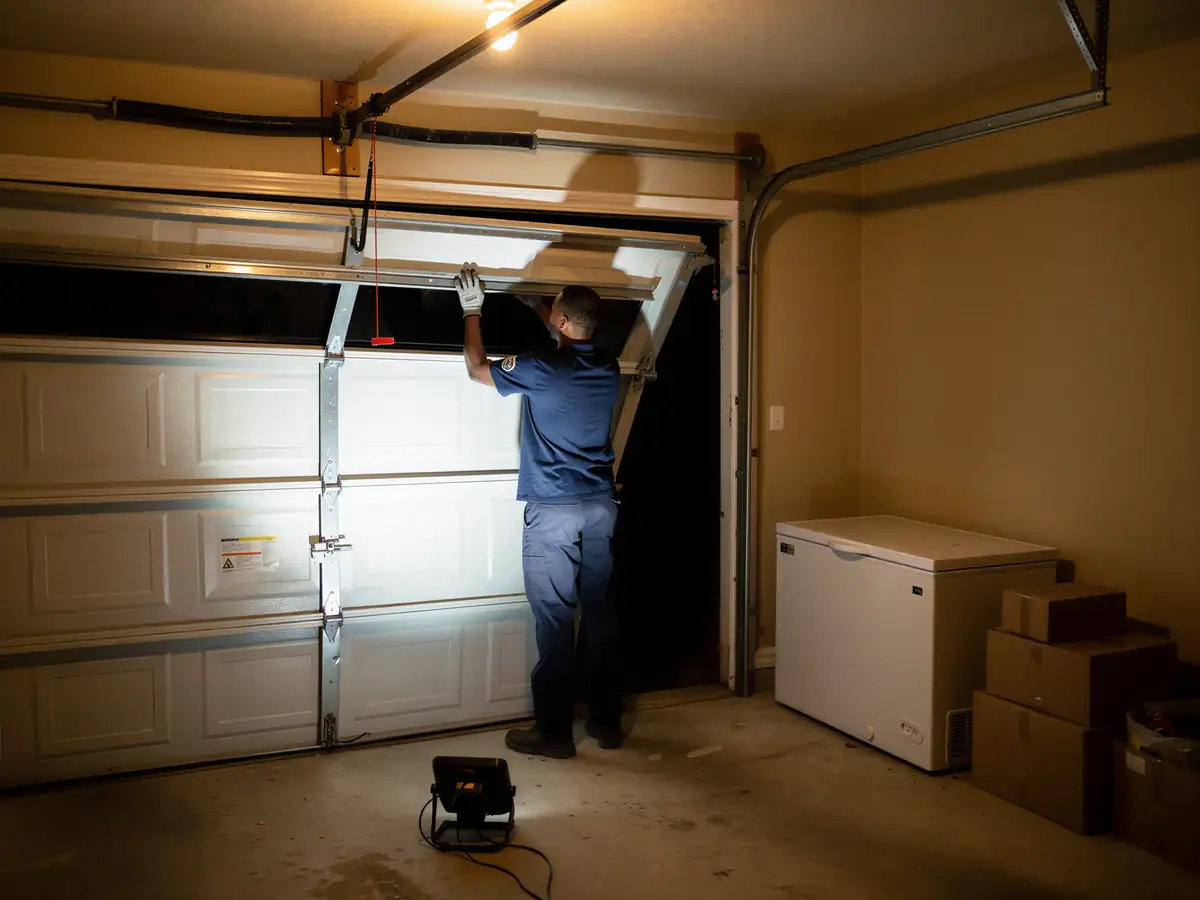
Someone tries to release the door manually after a spring breaks and the door comes down hard, bending a track or knocking a roller loose. At that point you're not paying for a spring anymore, you're paying for a spring, a track alignment, and a roller - three line items instead of one.
Our honest limitation here
If the opener and the spring are both failing and the door is also at the end of its service life, replacing the whole door is sometimes the cheaper long-run call rather than repairing around it piece by piece. We'll tell you when that's the case instead of running up a repair bill on a door that's on its way out anyway.
Why This Fails Locally
Deer Park's housing clusters right around 1988, in the thick of the late-80s to-90s construction wave that defines most of the lots in this part of the service area. That era standardized on torsion springs rated for heavier steel doors, replacing the older extension-spring setups on lighter wood doors from earlier decades - so the failure pattern here looks different from a town with a mix of 1940s and 1990s stock side by side.
Winters in this area sit in a cold-moderate band, and steel contracts in the cold. A spring that's been slowly losing tension over 20-plus years is more likely to finally give out on a sub-freezing morning than a mild one, because the metal's under more stress exactly when it's coldest. That's not unique to Deer Park, but combined with the age of the housing stock here, it's the specific reason February and March tend to be when these calls come in.
What the Repair Takes
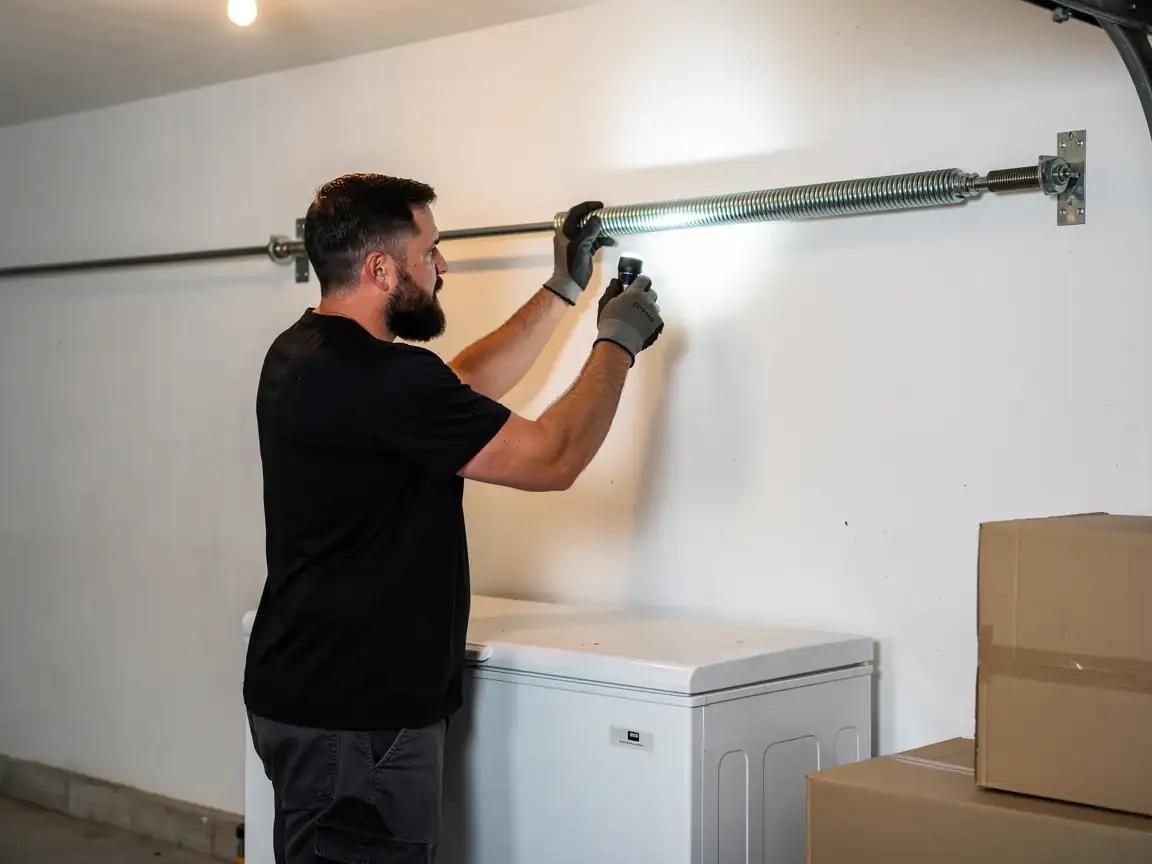
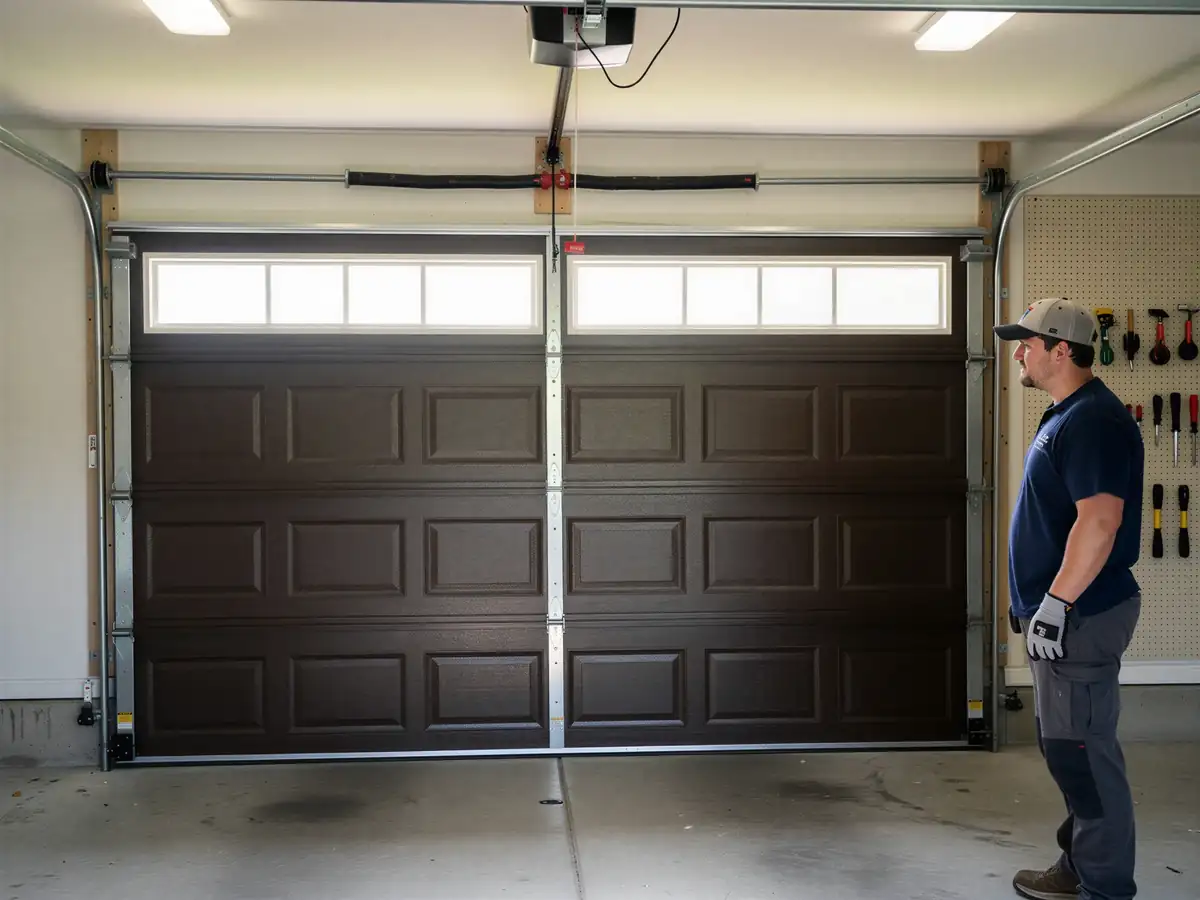
We replace both springs as a matched pair on double doors, even if only one has broken, because a mismatched pair fails again within months - the surviving spring is already near the end of its life if it's the same age as the one that just snapped. We size the new springs to the door's actual weight, not a generic chart number, which matters on the insulated steel doors common to 1980s-built Deer Park houses.
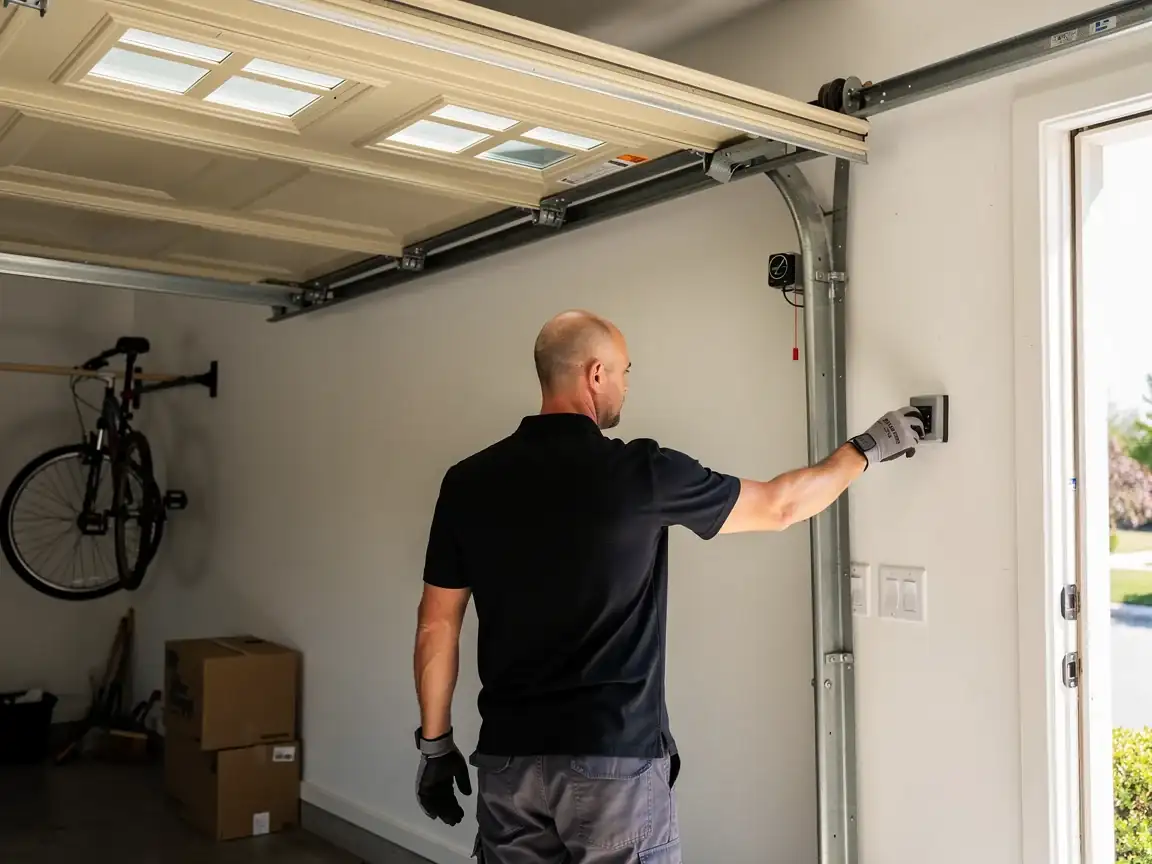
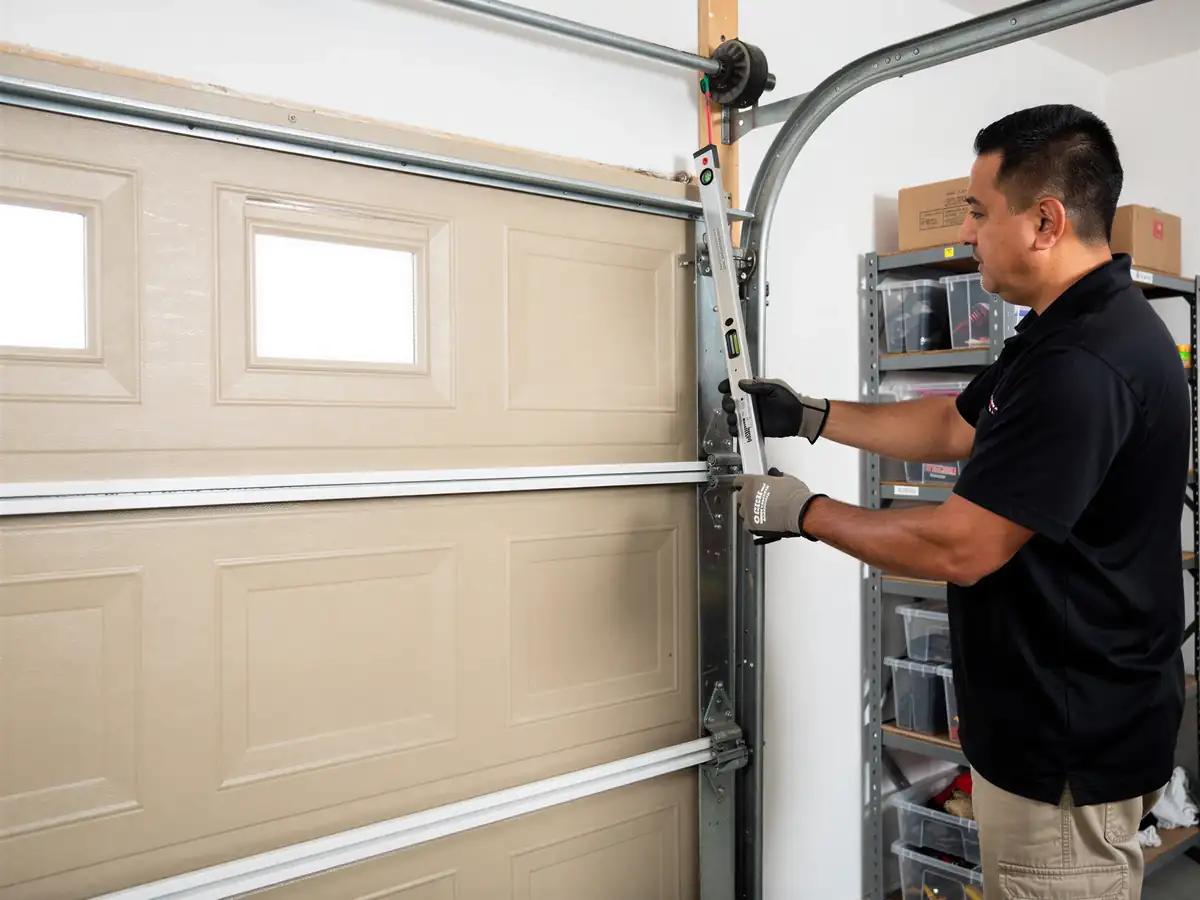
We also check the cables, drums, and rollers while we're in there, since a spring failure often stresses those parts too, and check the opener's force settings afterward so it isn't still compensating for a spring that no longer needs the extra push. If the door came off track when it failed, that gets realigned as part of the same visit rather than a second call.